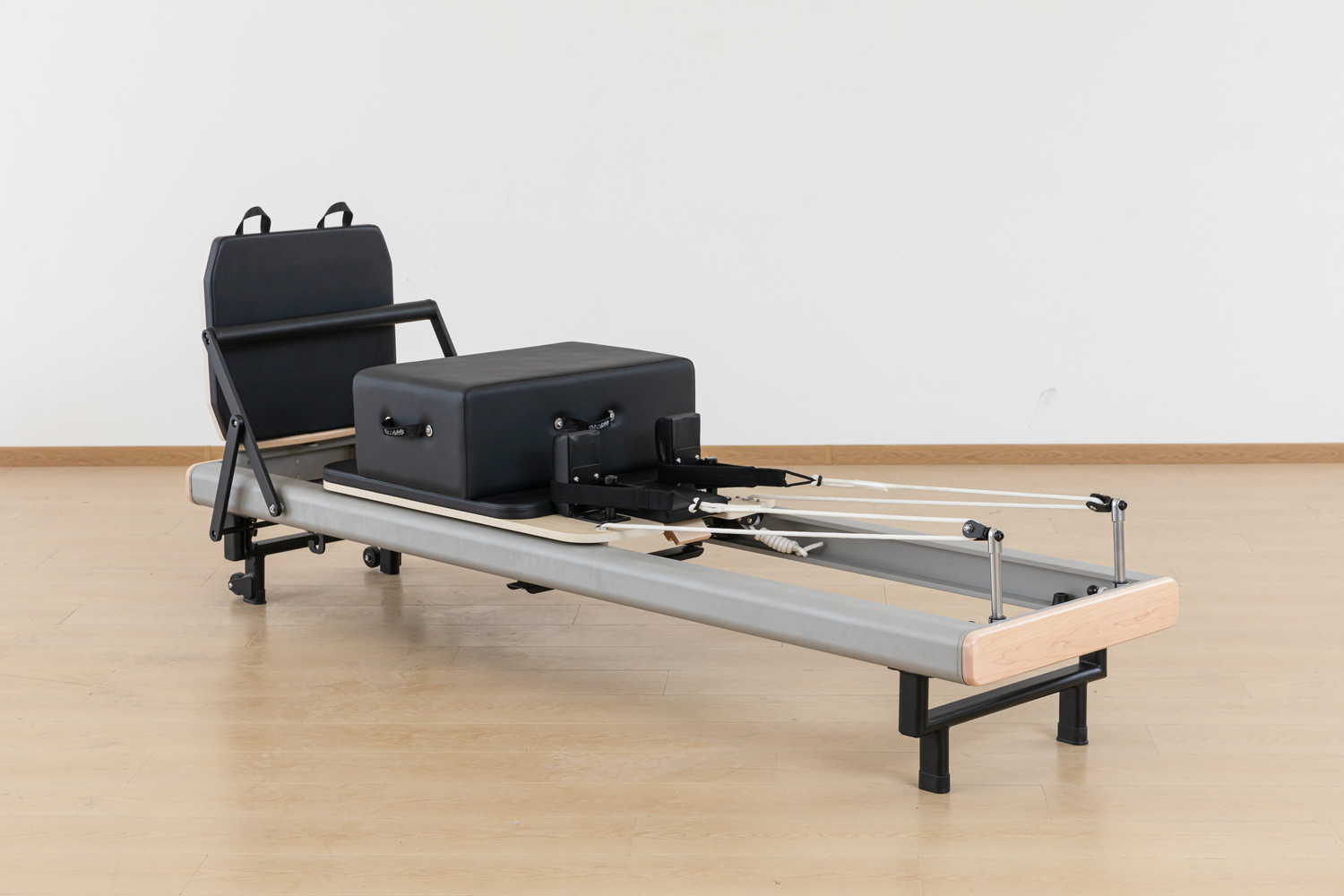
High Load Bearing Pilates Bed: Suitable for Heavy-Duty Gym Use
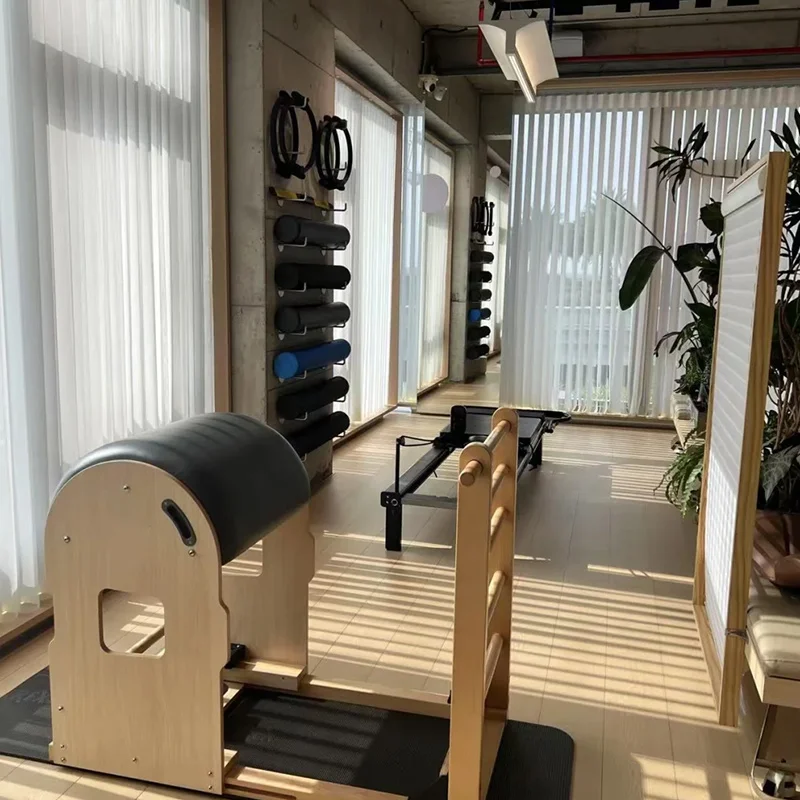
In commercial gym and premium studio environments, Pilates equipment must withstand not only high-frequency daily use but also serve a diverse user population with varying body types and strength levels. A Pilates bed truly suitable for "heavy-duty" use must meet standards far beyond home equipment across four dimensions: load capacity, structural integrity, material durability, and long-term stability.
This article analyzes the core elements of high-load-bearing Pilates beds from three perspectives: weight capacity standards, critical structural design, and selection recommendations.
I. Weight Capacity: The First Threshold for Heavy-Duty Use
In commercial environments, Pilates beds need to reliably serve everyone from lightweight rehab users to large-framed athletes. The core indicator of a "heavy-duty" machine is maximum user weight capacity.
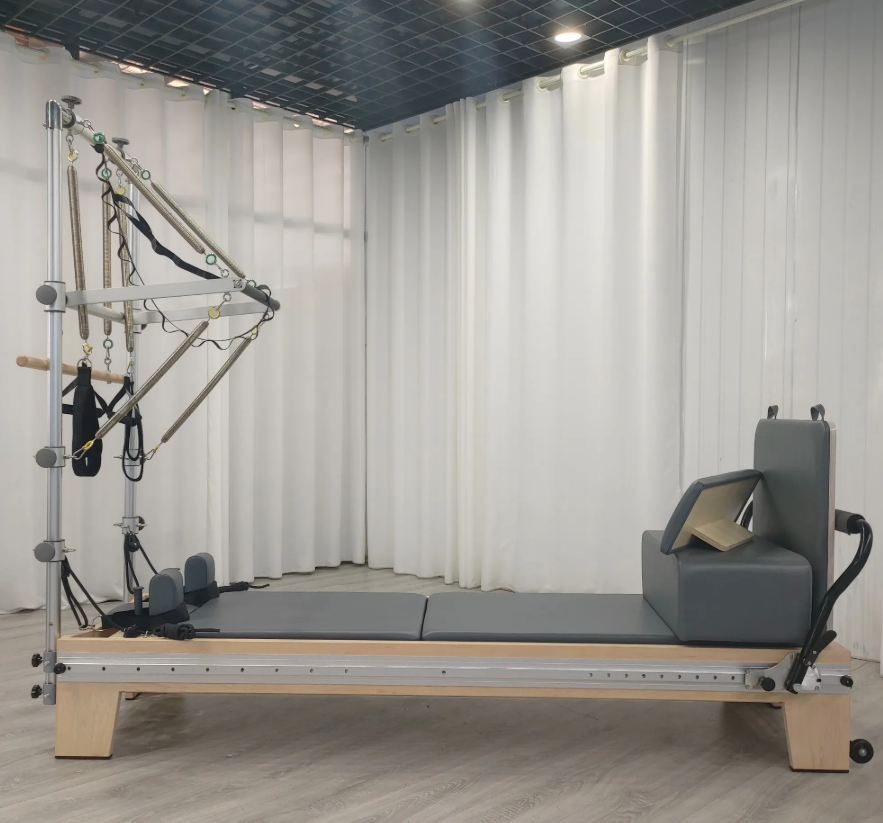
Currently, Pilates beds truly designed for heavy commercial use typically set their weight capacity at 150 kg (approximately 330 lbs) or higher. For example, Axispila's aluminum luxury full-track Reformer features an industrial-grade aluminum chassis rated for 150 kg, specifically designed for larger athletes, bodybuilders, and high-intensity rehabilitation clients. Some products go further — the Girotronic Oak Pilates Reformer raises the maximum user weight to 170 kg (approximately 375 lbs) and is CE certified for both commercial and home use.
By comparison, standard home or light-commercial equipment typically offers around 113 kg (250 lbs) capacity, insufficient for larger users.
II. Structure and Materials: The Durability Foundation
High load capacity is only the result — what supports it is comprehensive reinforcement of frame materials, rail systems, and critical components.
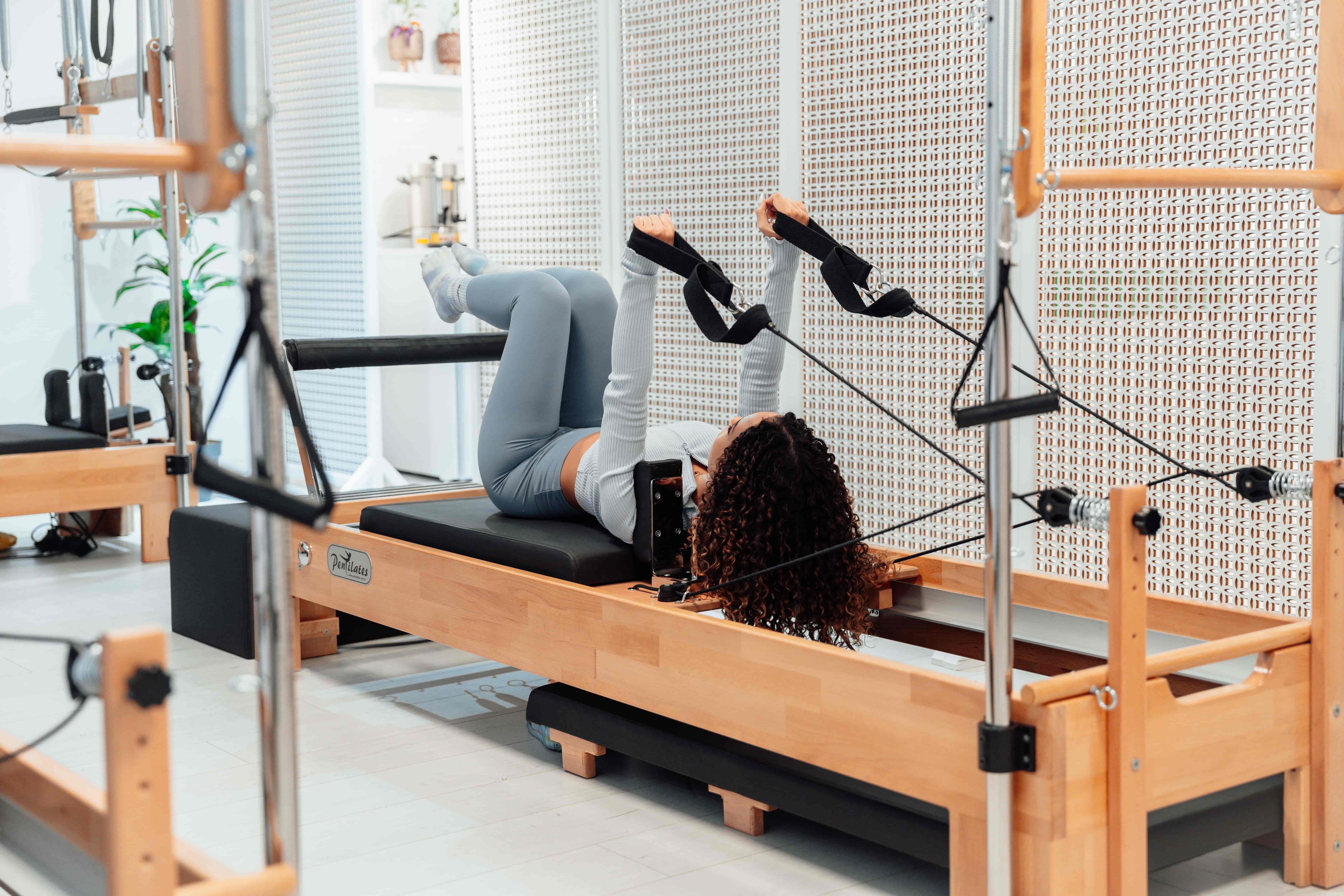
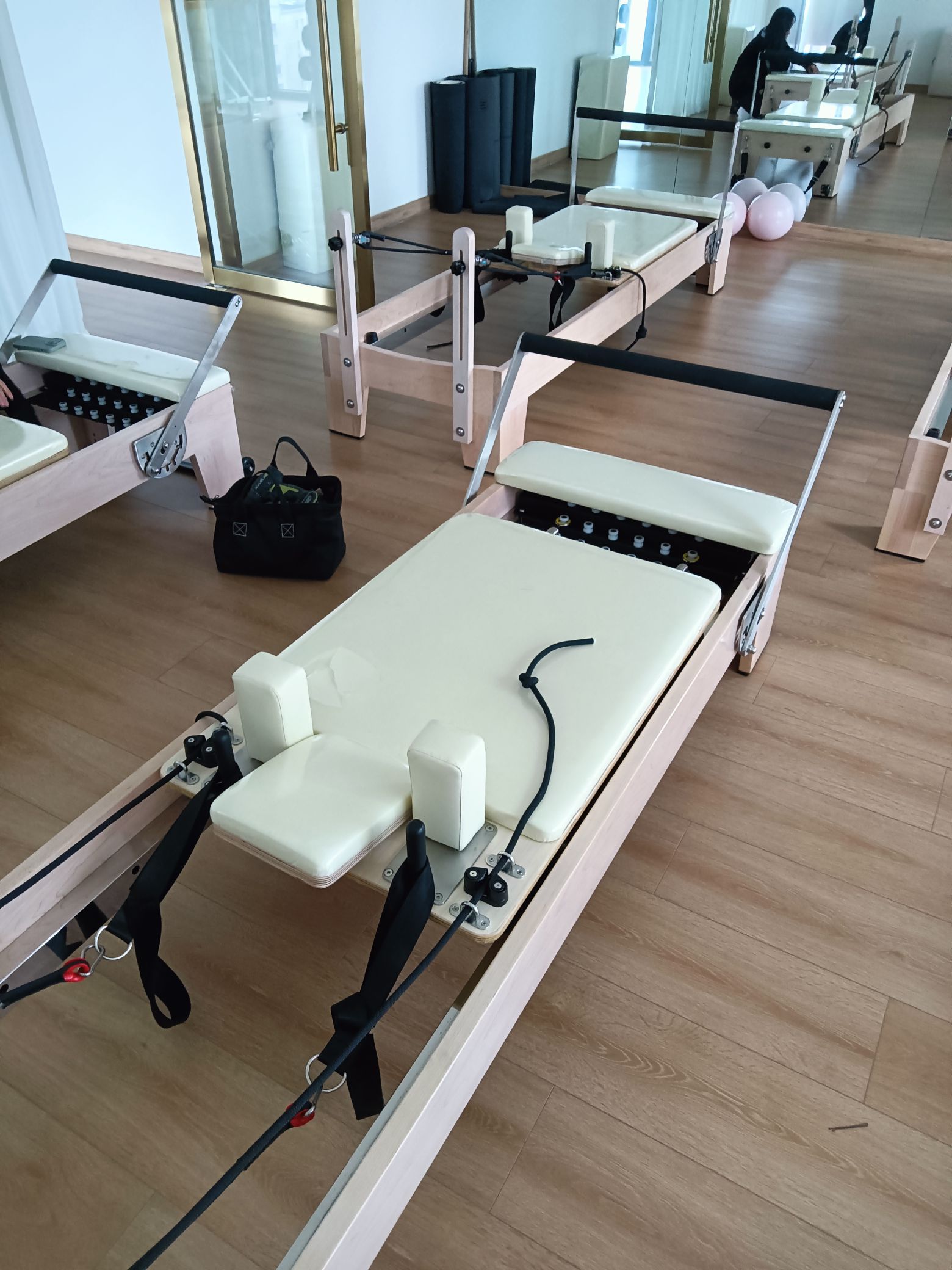
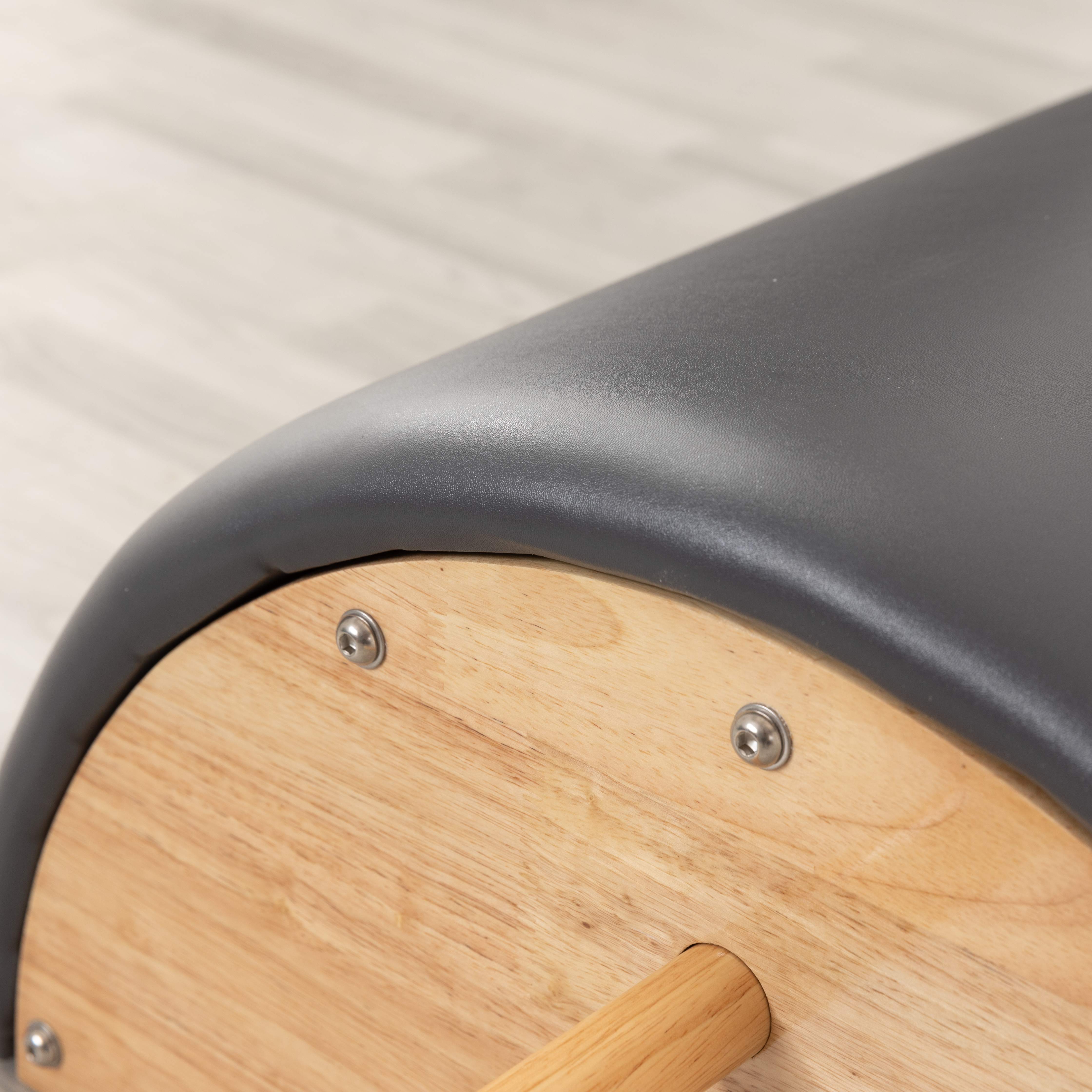
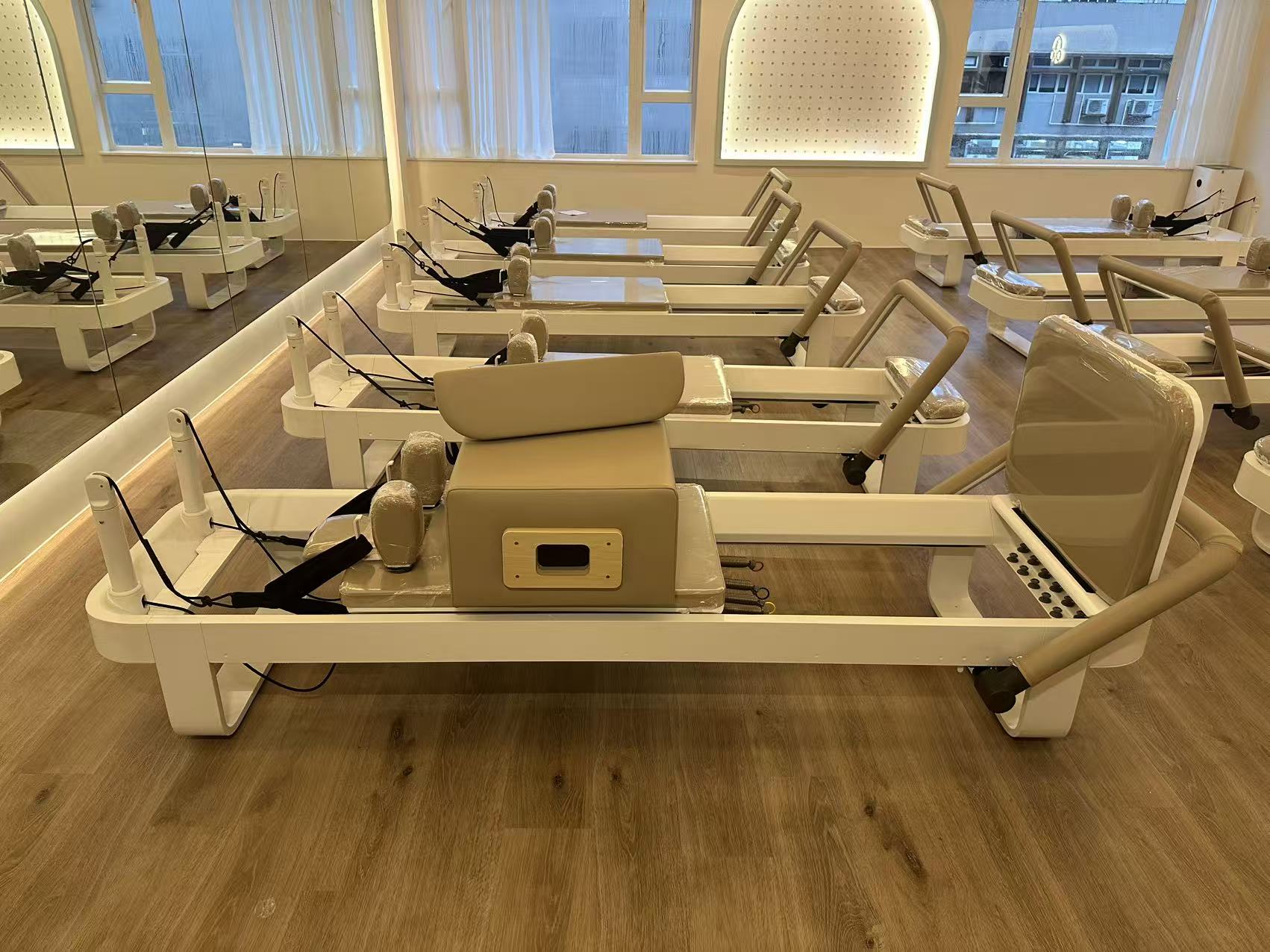
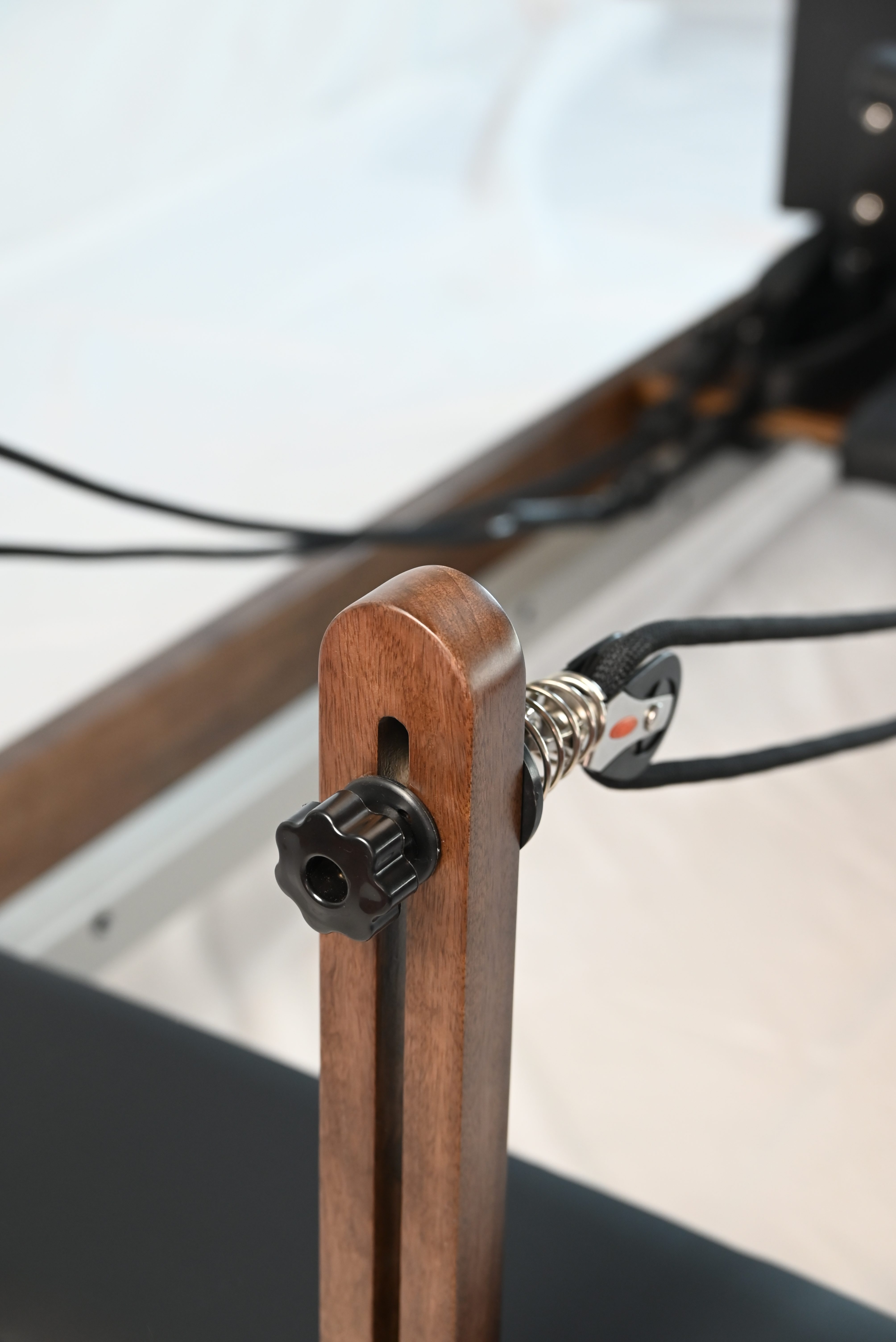
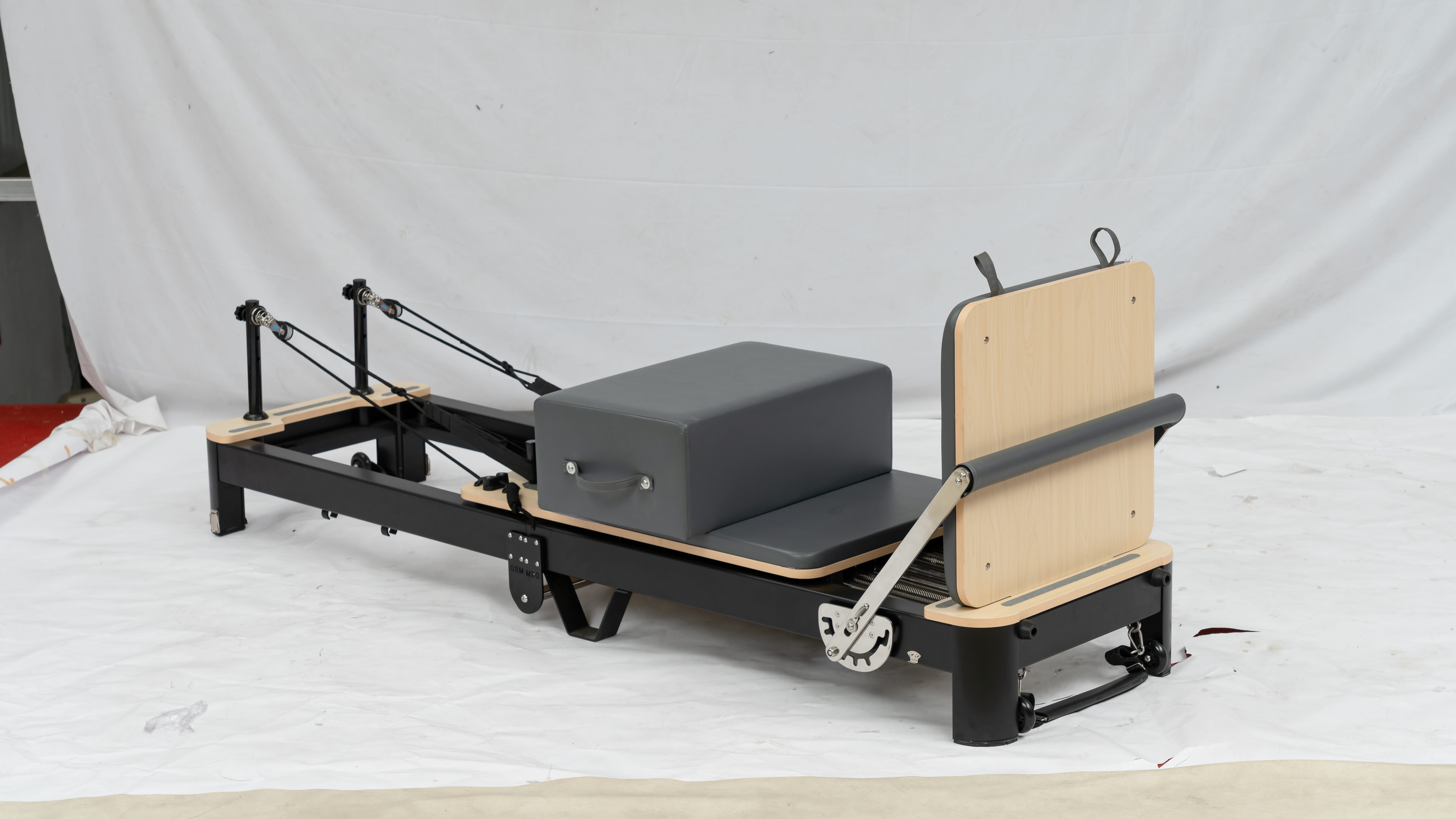
Frame Materials: Heavy-duty equipment typically offers two choices: aviation-grade aluminum or reinforced solid wood. Aluminum frames resist moisture, deformation, and sweat corrosion, unaffected by temperature and humidity changes — Axispila's aluminum Reformer uses aerospace-grade aluminum construction with rails that maintain perfect alignment without expansion or warping. Elina Pilates' Mentor series similarly uses high-strength anodized aluminum with steel feet, specifically engineered for high-frequency commercial use. In wood options, Reeplex's V2 Flow series uses sustainable maple frames rated for heavy use.
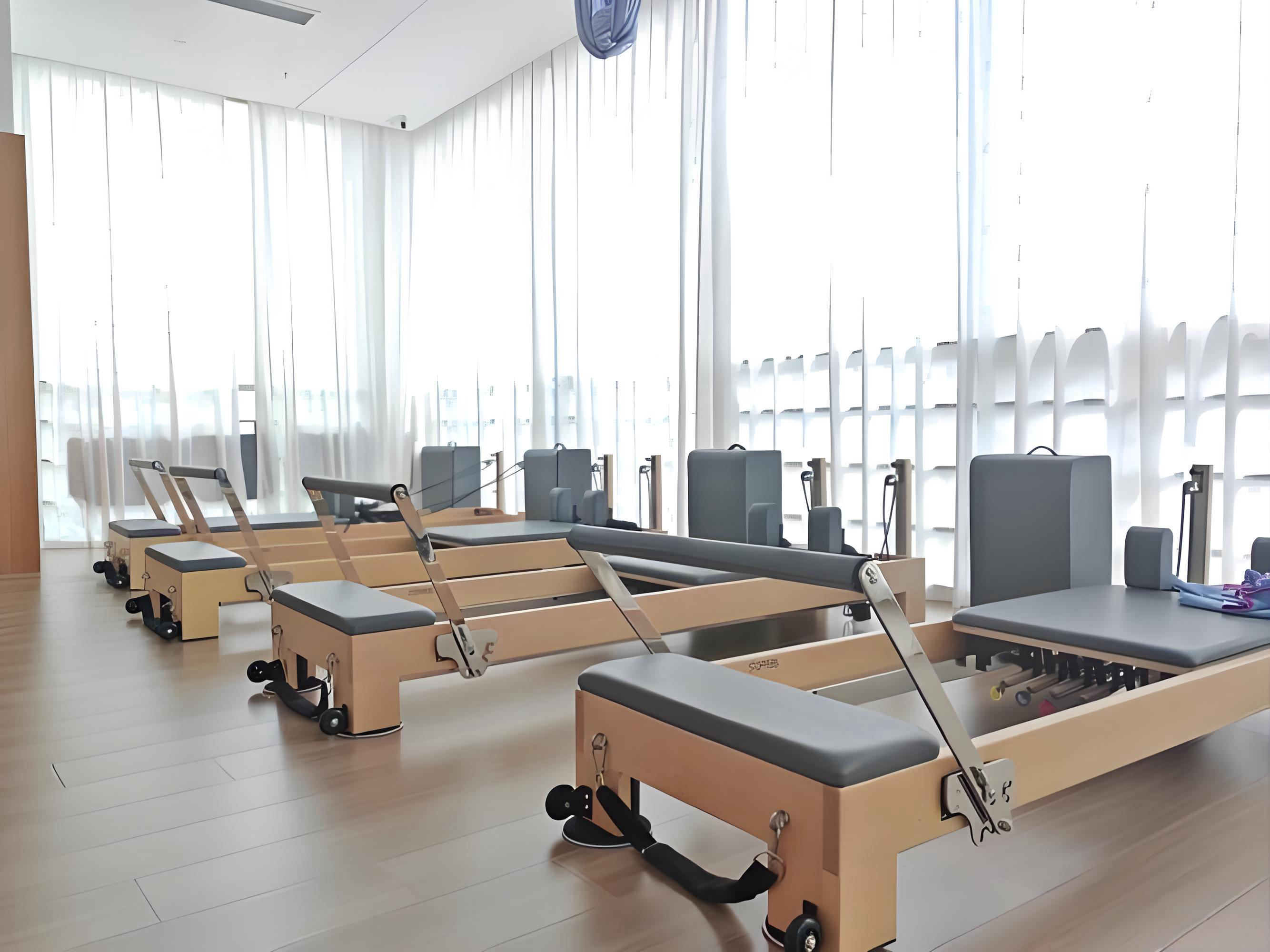
Rail and Wheel Systems: Heavy-duty equipment typically features extended full-track designs — Axispila offers rails up to 2490 mm for full extension space for taller users. For wheel systems, quality commercial equipment uses 8 high-precision polyurethane wheels with sealed bearings for silent, smooth, near-frictionless gliding.
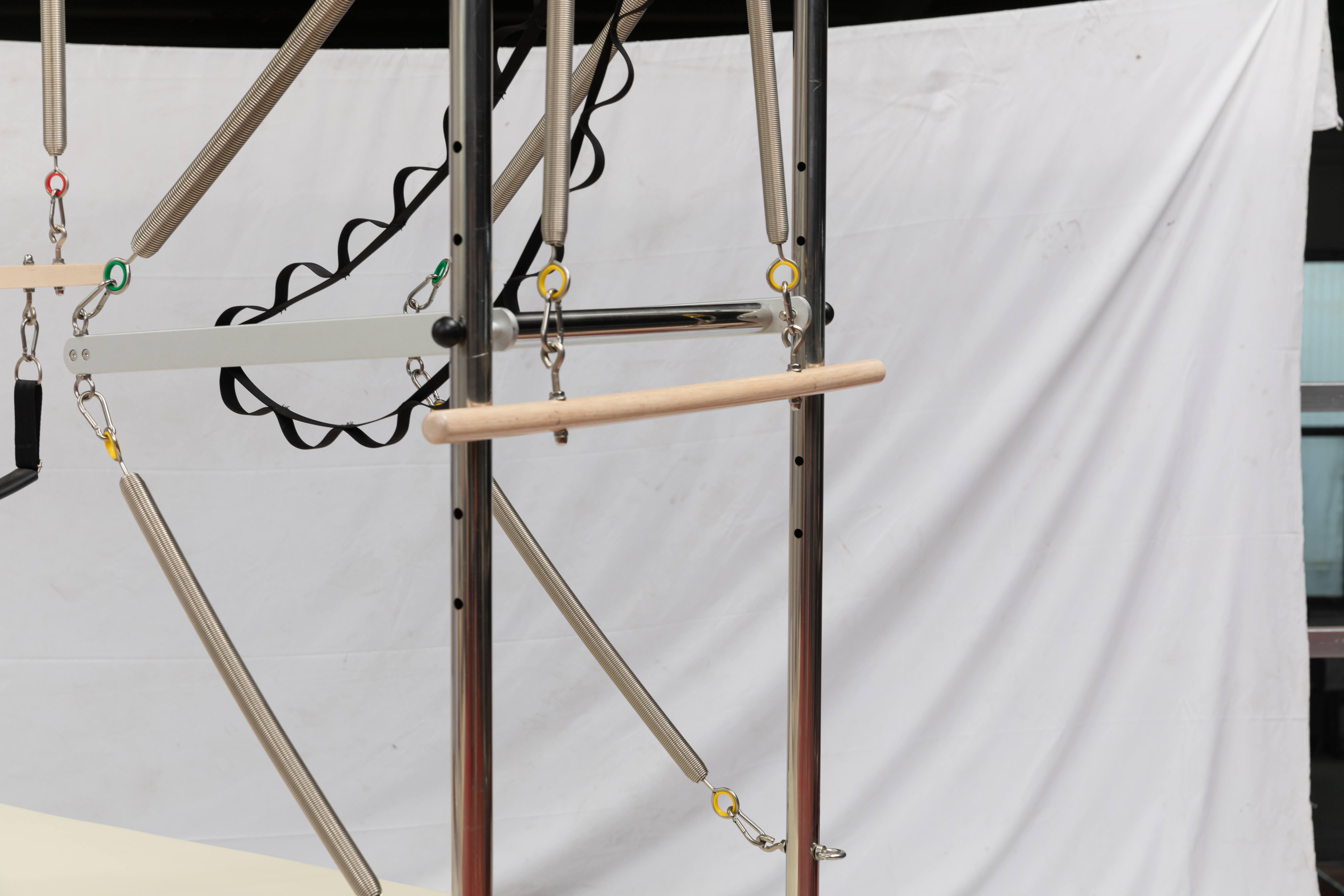
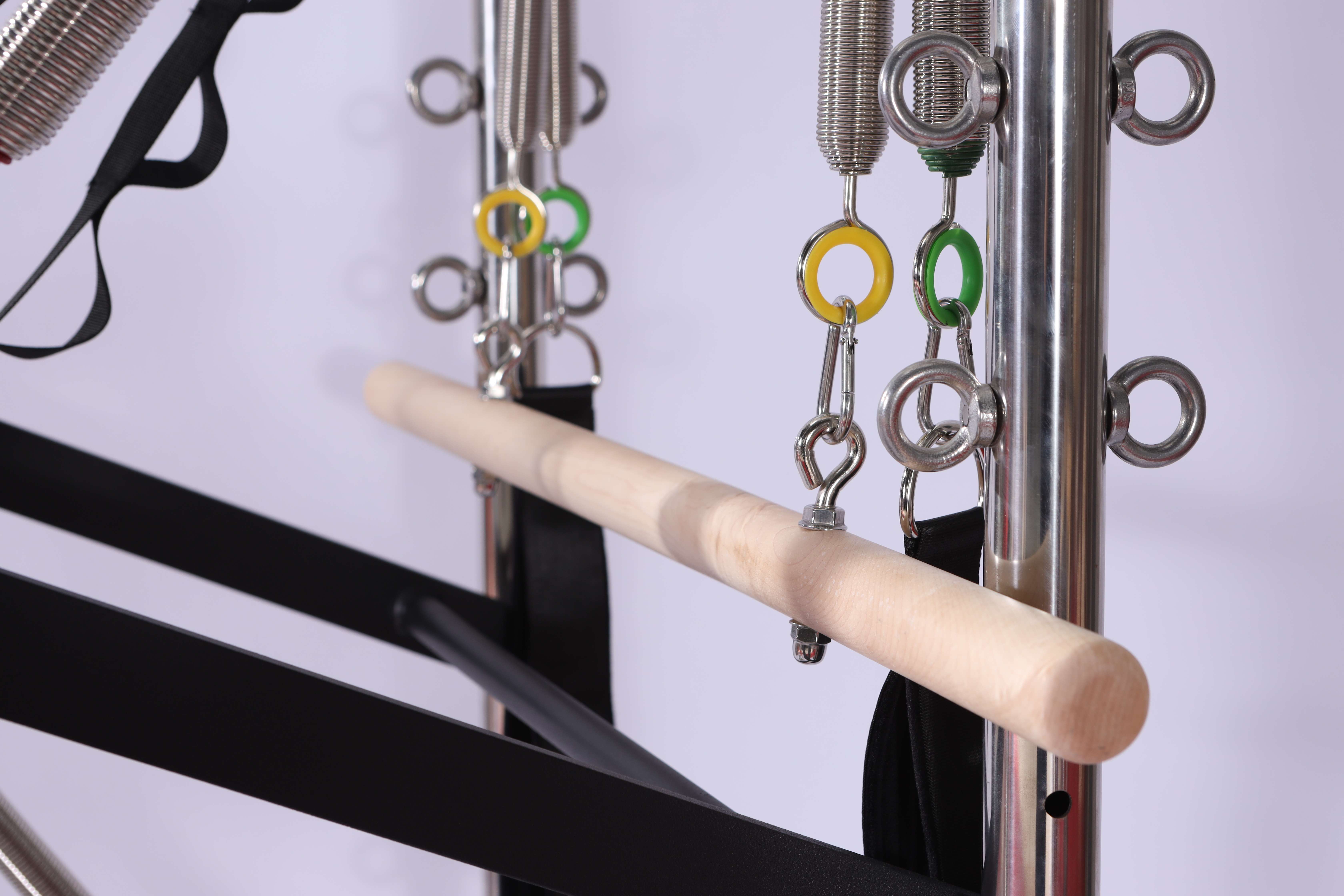
Spring Systems: Heavy-duty equipment typically features 6-spring luxury configurations with precisely calibrated force values. Spring material directly impacts service life — products using German imported piano wire springs maintain consistent resistance output after repeated stretching.
III. Selection Recommendations for Commercial Heavy-Duty Equipment
For gym procurement decision-makers, these three dimensions help determine whether a machine is truly suitable for "heavy-duty" use:
Verify Load Capacity Specifications: Don't judge by appearance — check the maximum user weight in product specifications. 150 kg is the commercial heavy-duty baseline; 170 kg represents a higher industry standard.
Review Warranty Terms: Frame warranty reflects manufacturer confidence. Elina Pilates offers a 10-year structural frame warranty with 2-year parts coverage; The Core Collab similarly provides a 10-year frame warranty. Longer warranties typically indicate confidence in materials and workmanship.
Consider Cleaning and Maintenance: High-traffic commercial environments require easy cleaning and disinfection. Aluminum and powder-coated surfaces are easier to wipe down than wood and won't degrade with repeated cleaning.
Summary: The core value of a high-load-bearing Pilates bed is enabling users of different body types and strength levels to train safely and effectively. When selecting, prioritize load capacity of 150 kg or above, aviation-grade aluminum or reinforced solid wood frames, extended rail systems, and 10-year frame warranties — these indicators together determine whether a machine truly meets "heavy-duty commercial use" standards.