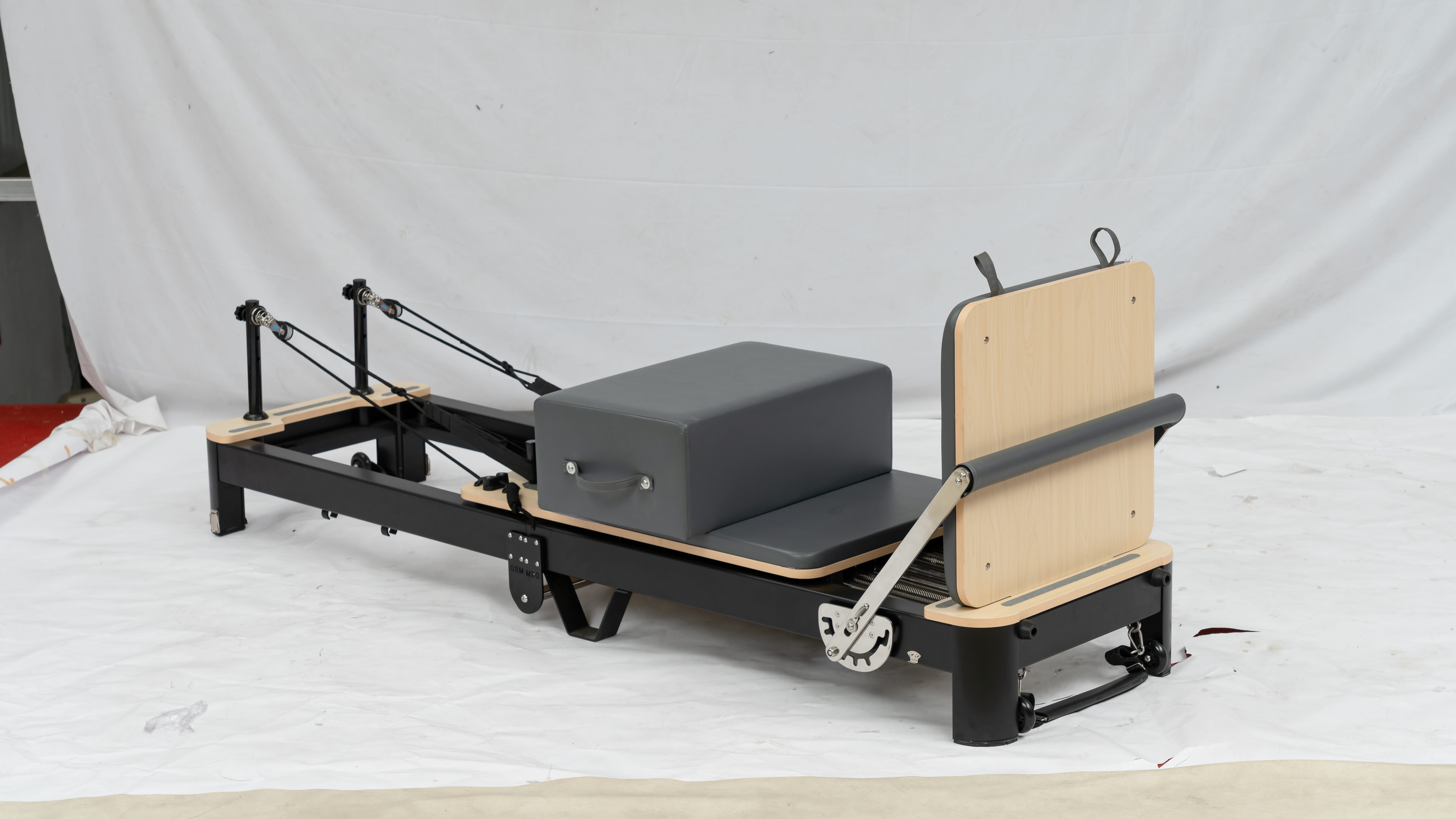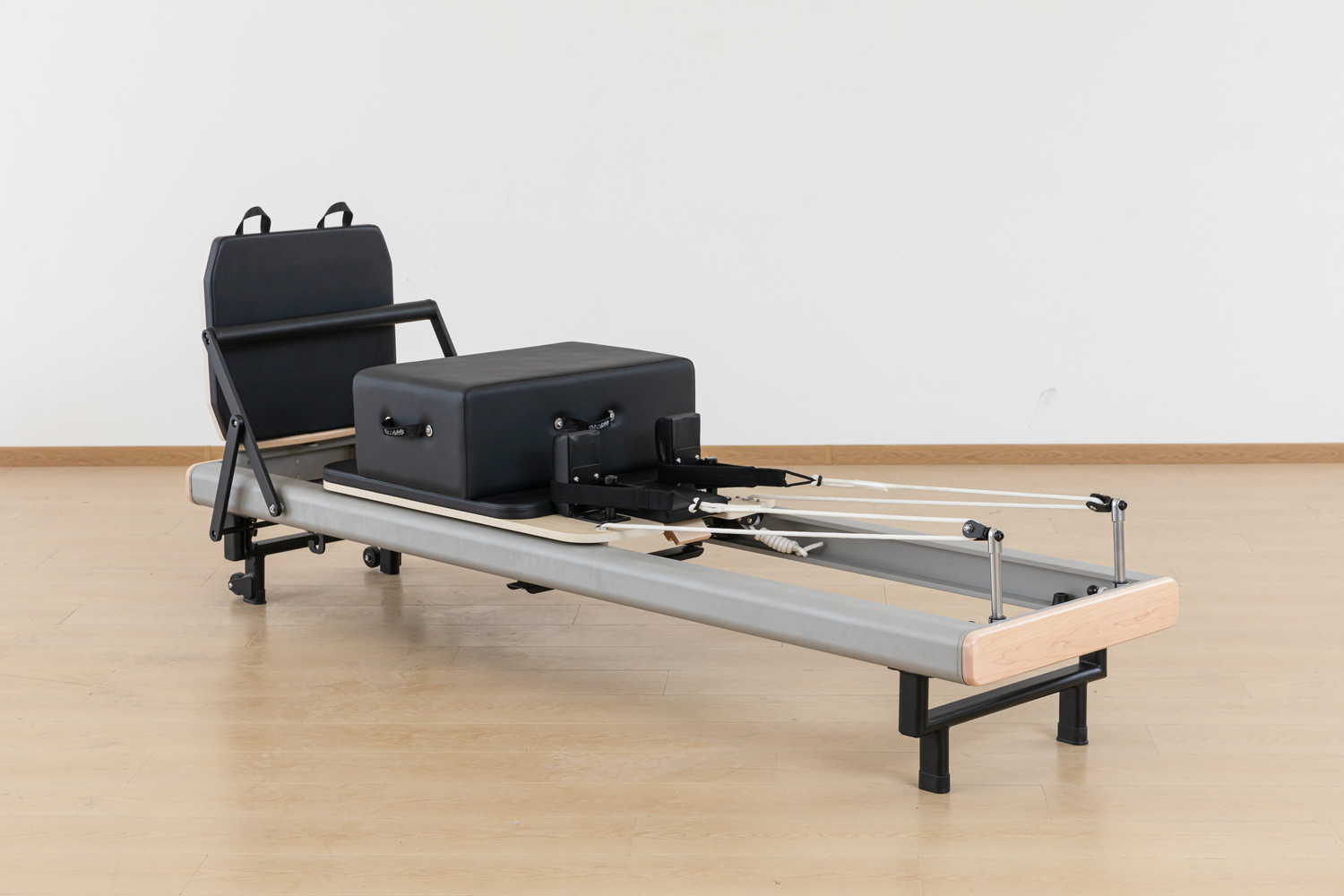
Leather Material Guide for Pilates Machine Upholstery (All Textures)

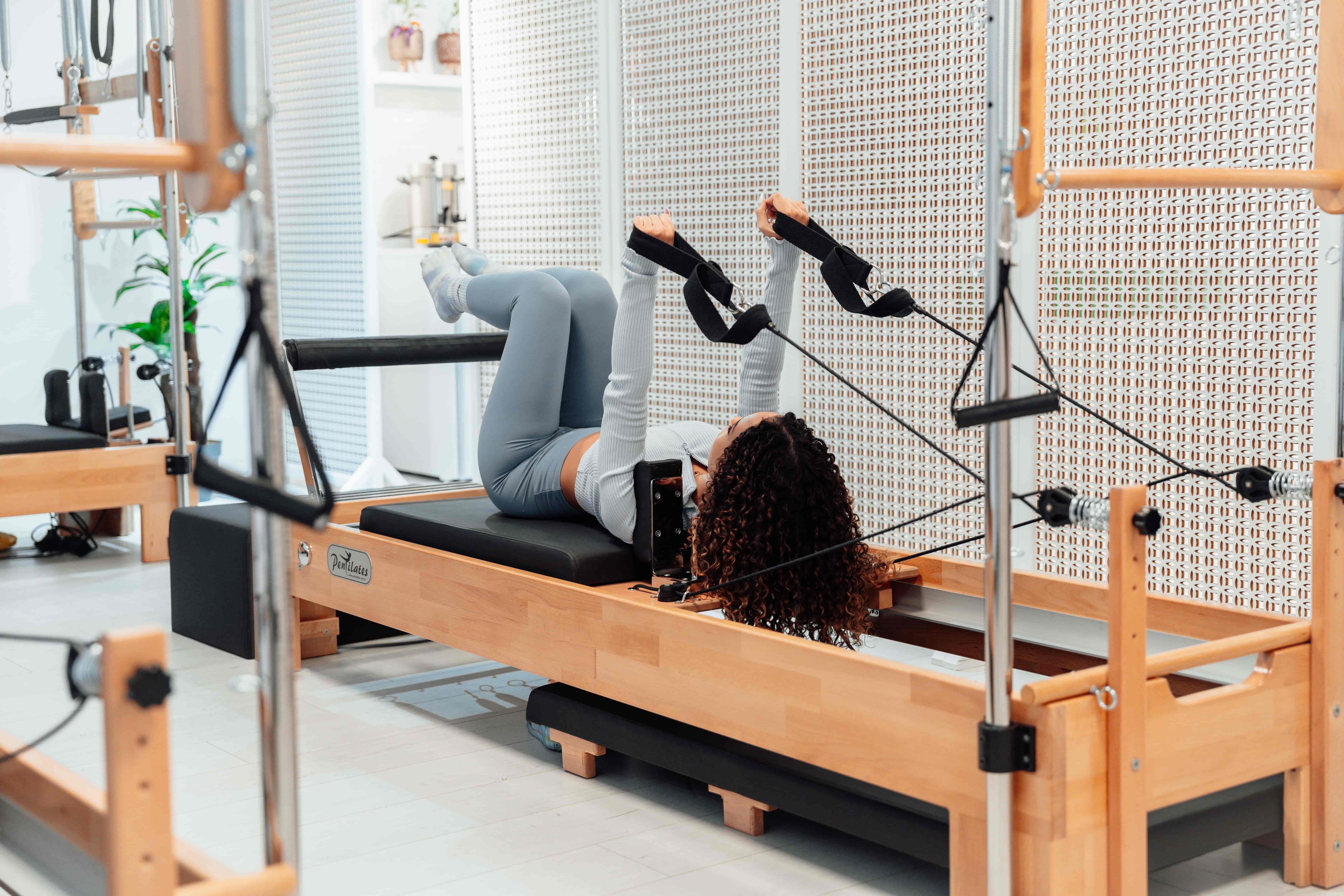
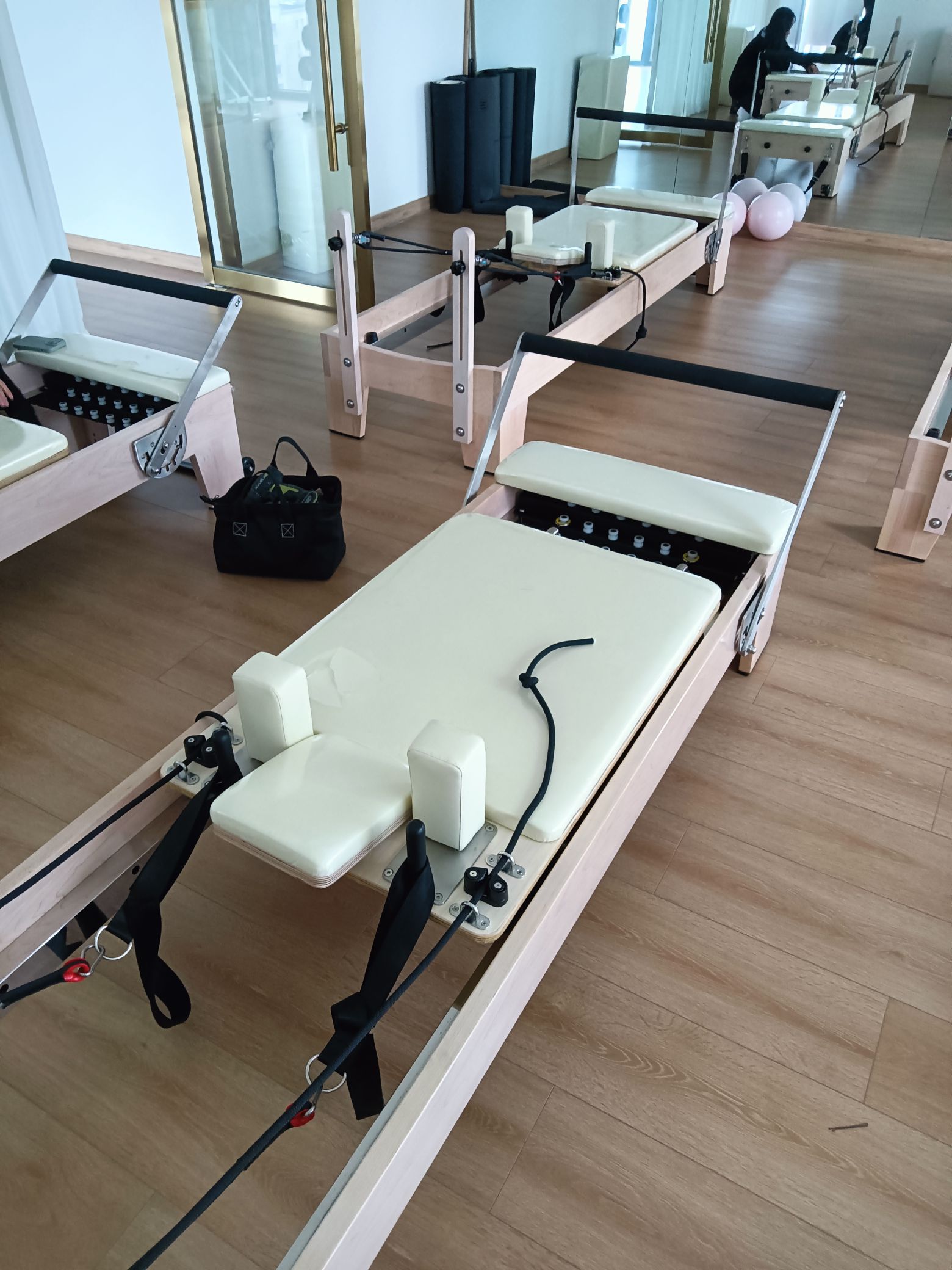
The leather upholstery on Pilates equipment directly affects user experience, equipment durability, and a studio's overall aesthetic. Unlike ordinary furniture, Pilates machine upholstery must withstand sweat, repeated friction, disinfectant cleaning, and body weight pressure. Choosing the right leather material is a critical step in equipment procurement and maintenance.
I. Common Leather Types Used in Pilates Equipment
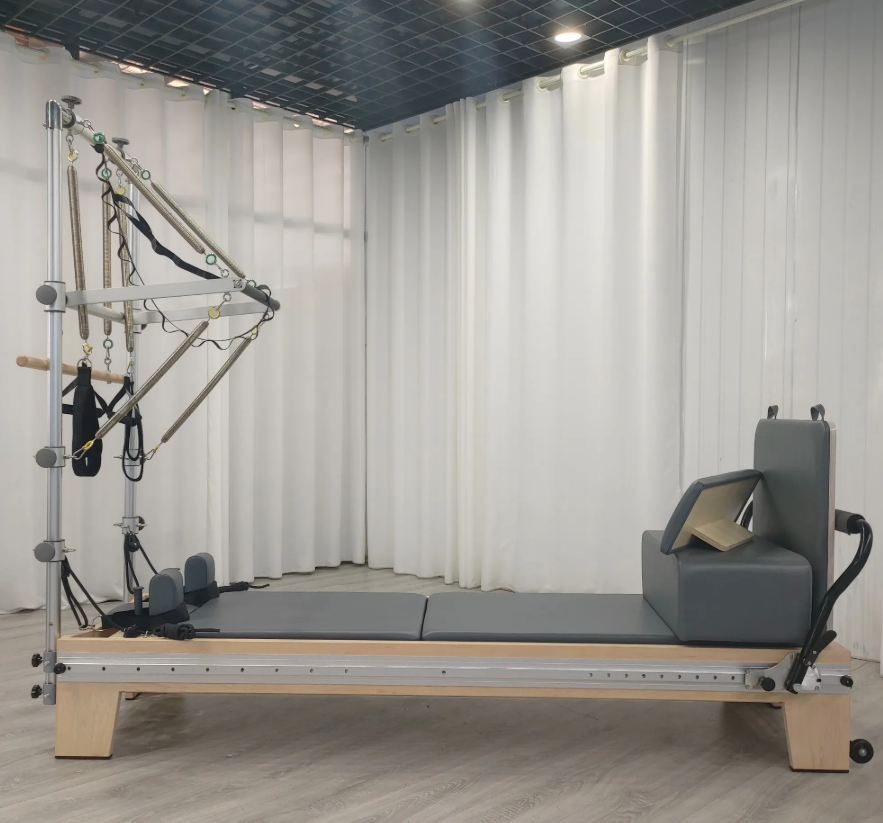
Pilates equipment primarily uses synthetic leather (faux leather) rather than genuine leather. While genuine leather offers premium texture, it is expensive, requires complex maintenance, and struggles to meet the consistency and durability demands of commercial environments — making it rarely used in Pilates equipment. The three most common synthetic leather types are:
PVC Leather (Polyvinyl Chloride Leather) is one of the most widely used synthetic leathers in Pilates equipment. PVC leather is characterized by abrasion resistance, waterproofing, and easy cleaning, with relatively low cost. When selecting PVC leather, thickness is key — PVC under 2.5mm thickness tends to stretch and deform during use, developing wavy surface irregularities. Manufacturers using PVC leather typically prioritize "durability" for high-frequency commercial environments.
PU Leather (Polyurethane Leather) is another common synthetic leather. PU leather is softer than PVC, with a feel closer to genuine leather and better breathability. However, PU leather's drawback is that if thickness is insufficient, it tears more easily from edges. Manufacturers using PU leather typically prioritize "tactile feel" for premium studios focused on client experience. Industry sources note that high-end Pilates equipment often uses microfiber leather (high-quality PU), which is more durable than standard PU.
Microfiber Leather has become increasingly popular in home and premium equipment. Microfiber leather features a dense fiber structure, offering superior abrasion resistance, tear resistance, and tactile comfort compared to standard PU and PVC leather. For home users, microfiber leather's low-odor properties and skin-friendly feel are particularly valued.
II. Leather Performance Comparison
Different parts of Pilates equipment have varying performance requirements for leather upholstery:
Abrasion resistance is a core indicator for commercial equipment. Premium marine-grade eco-leather can achieve over 200,000 Martindale rub cycles, with additional properties including fire resistance, acetone resistance, bleach resistance, alcohol resistance, and seawater resistance. Balanced Body's Naugahyde Advanced BeautyGard® leather achieves an impressive 1.5 million rub cycles, with antibacterial coating and fire safety certification.
Tear resistance is equally critical. Microfiber leather's dense fiber structure provides superior tear resistance over standard PU and PVC. Thinner PU leather (especially insufficient thickness) tears more easily at stress points.
Touch and comfort directly affect user experience. PU and microfiber leather offer better softness than PVC leather, making them suitable for carriage, shoulder pads, and headrest areas that contact skin directly. PVC leather is relatively firmer but offers superior abrasion resistance.
Cleaning and maintenance: All synthetic leathers are relatively easy to clean. Naugahyde products support effective disinfection, meeting the high standards of medical facilities. However, excessive use of abrasive cleaners or harsh chemicals accelerates leather surface degradation.
III. Leather Thickness and Attachment Craftsmanship
Beyond leather type, thickness and attachment craftsmanship determine equipment lifespan:
Thickness is the foundation of durability. Japanese Pilates equipment experts recommend PVC leather of at least 2.5mm thickness to ensure it does not stretch or deform under long-term use. PU leather also requires sufficient thickness to compensate for its relatively lower tear resistance.
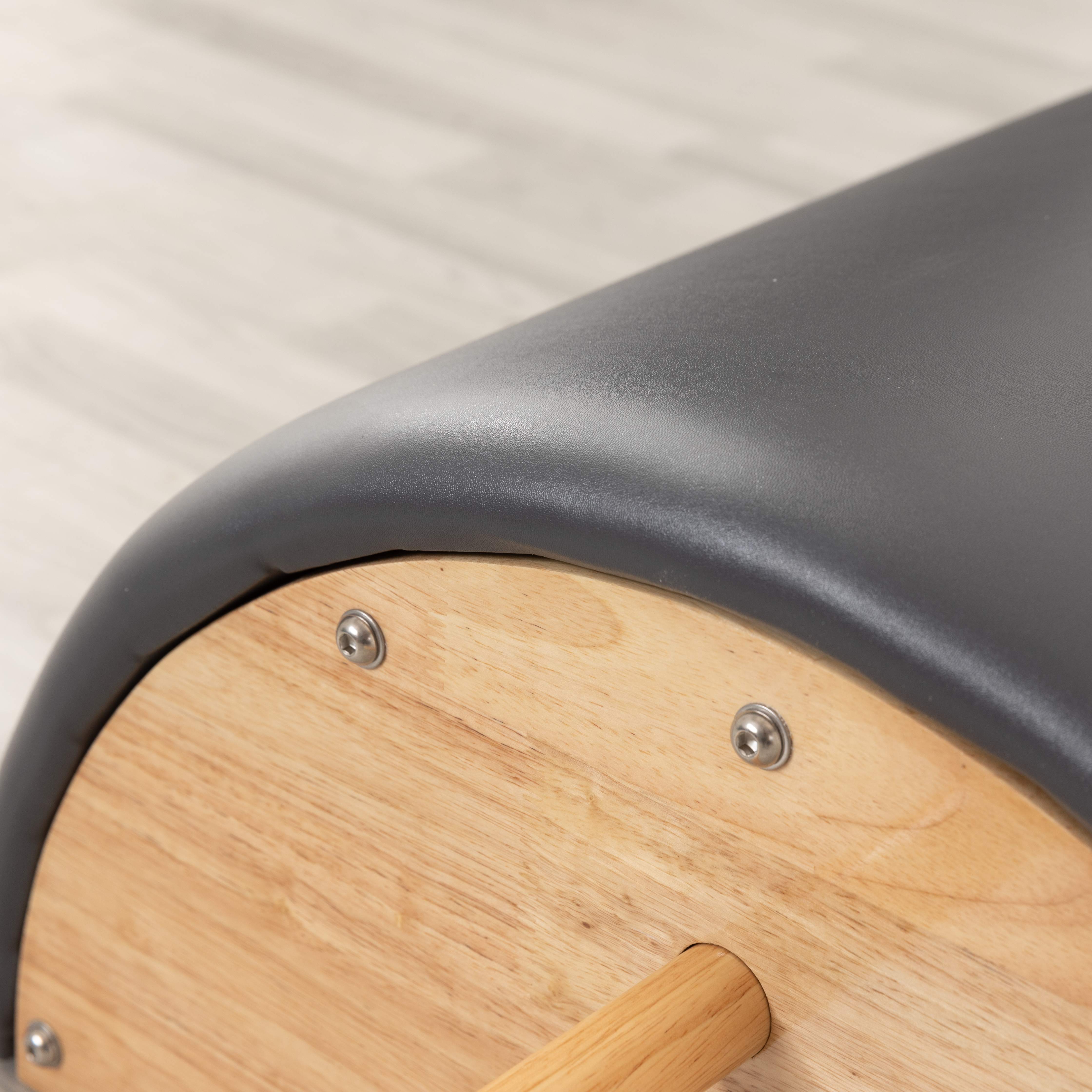
Staple spacing is an easily overlooked detail. When leather is wrapped over foam and stapled to the base, if staple spacing exceeds 3cm (approx. 1.2 inches), the leather is more likely to tear from the staples under stress. Quality manufacturers control staple spacing within 1cm to ensure secure attachment and even foam distribution.
IV. Leather Colors and Customization
Leather color is an important part of studio branding:
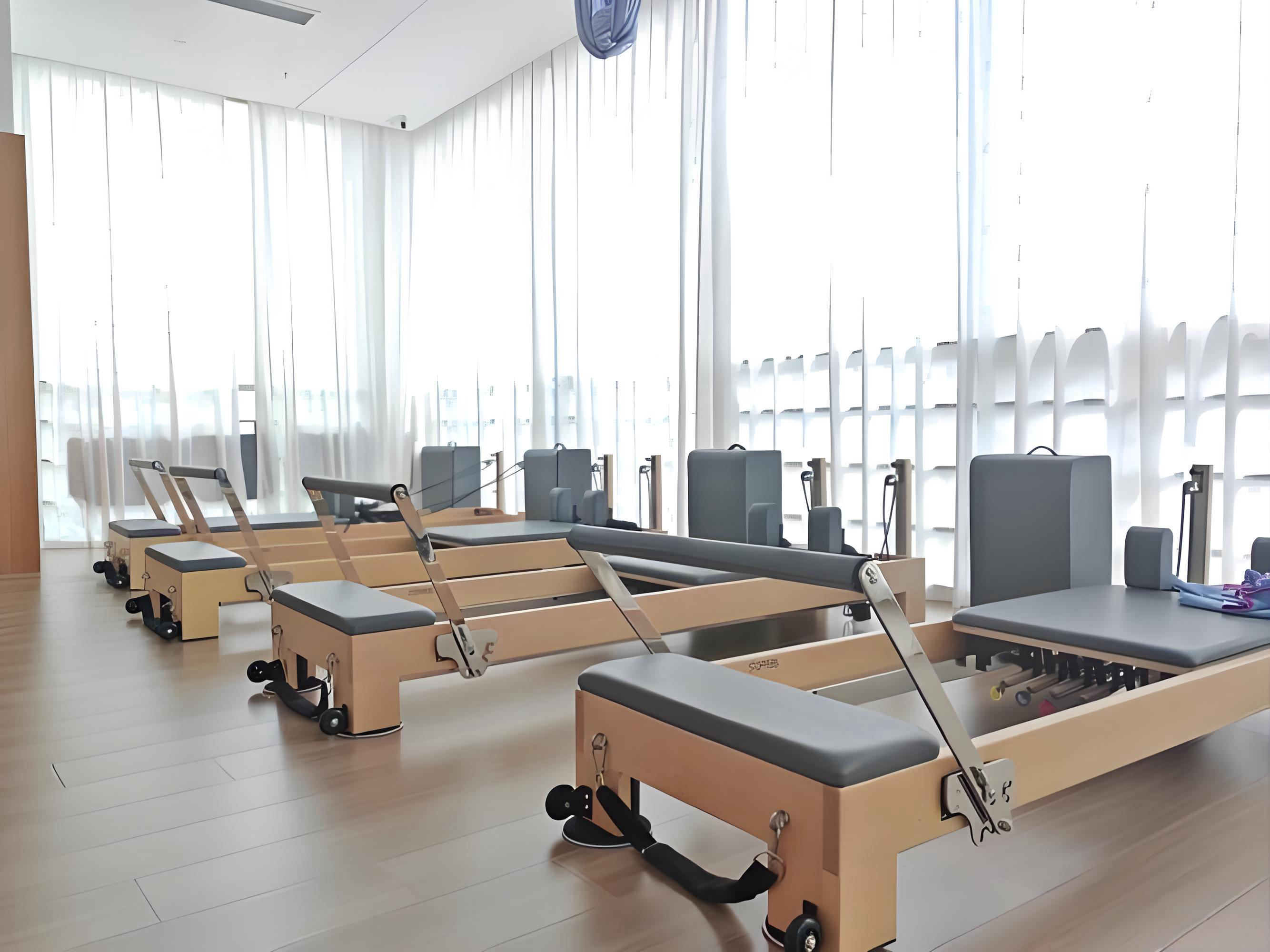
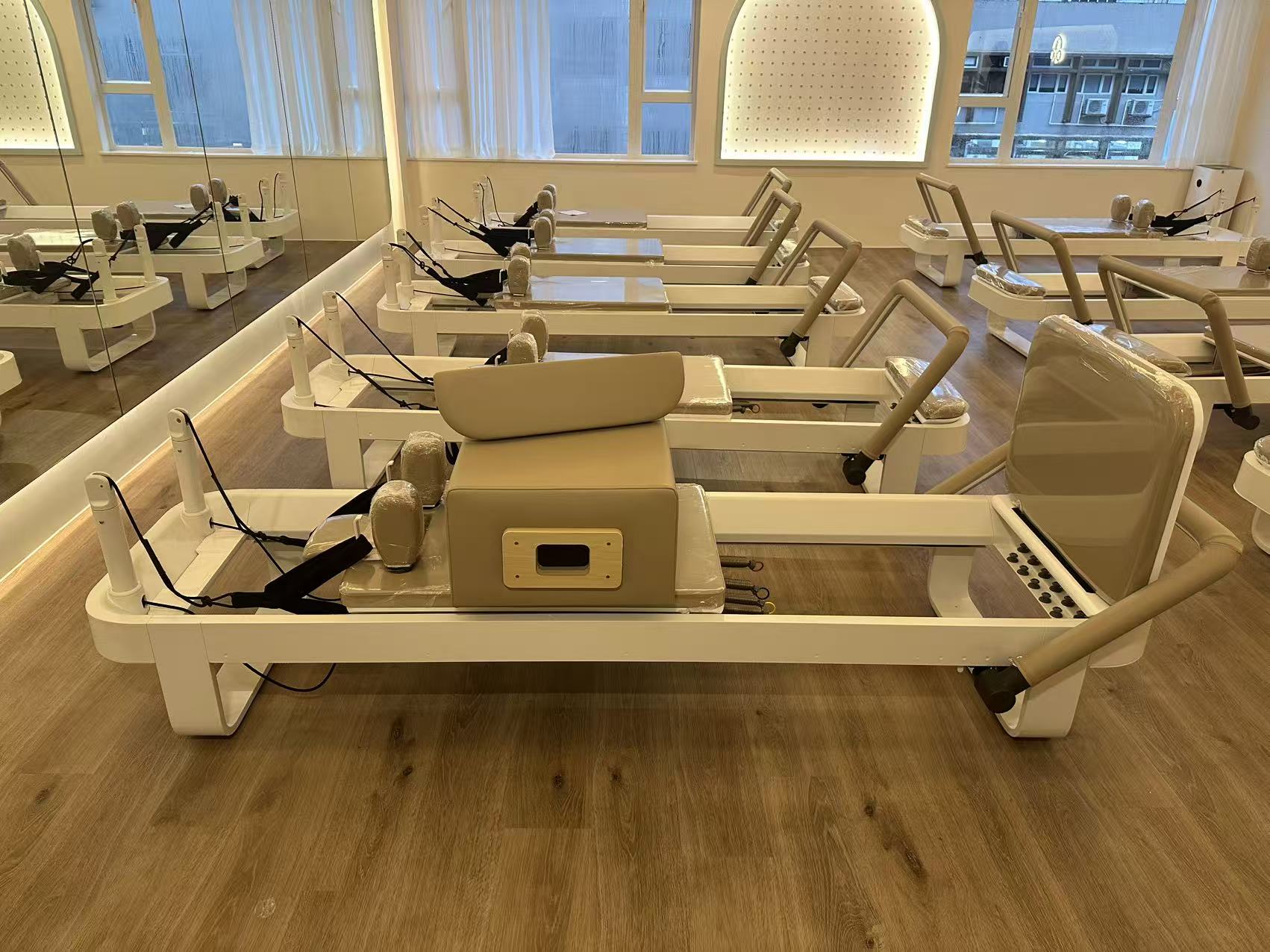
Timeless neutrals (cream/off-white, charcoal gray, taupe/brown) are the most popular choices — they blend with any décor and resist showing minor wear.
Bold accents (navy blue, sage green, burgundy) create memorable visual impressions, suitable for studios wanting to emphasize brand personality.
Some manufacturers offer 82+ color options and support custom color matching to Pantone codes. Beyond color, choices include matte, glossy, or textured finishes (e.g., pebble grain, suede effect).
V. Leather Maintenance and Replacement Cycle
Even the highest-quality leather requires proper maintenance to extend service life:
Daily cleaning: Wipe after each use with a 10:1 water-to-mild-dish-soap solution, avoiding oversaturation or abrasive cleaning tools.
Commercial environments: Premium marine-grade vinyl typically lasts 5 to 10 years in commercial studios, and up to 15 years in home use. When leather shows cracks, tears, significant discoloration, or foam compression, reupholstering is needed.
Summary: There is no absolute "best" leather material for Pilates equipment — only what is most suitable. High-frequency commercial environments prioritize PVC leather or Naugahyde-grade vinyl for durability; premium studios or home equipment are better served by PU or microfiber leather for softness. Regardless of material choice, thickness (≥2.5mm), staple craftsmanship (spacing ≤1cm), and daily cleaning habits are the key factors determining equipment service life.