Common Pilates Reformer Faults and How to Avoid Them Before Purchase
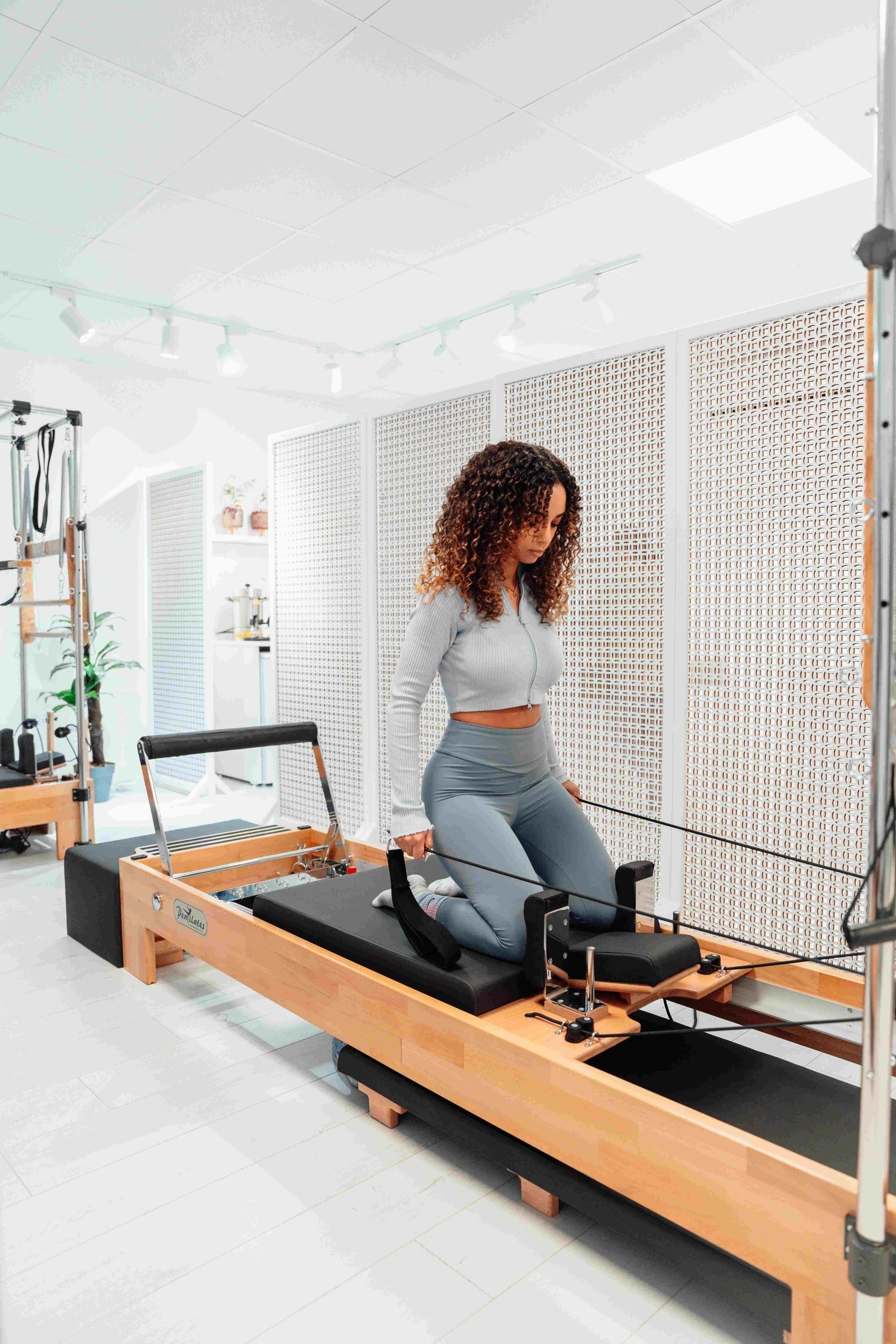
A Pilates Reformer is the core asset of any Pilates studio and fitness facility. However, many studio owners and distributors encounter premature equipment failure after purchasing low-spec or poorly manufactured reformers. Common faults such as noisy sliding, unstable frames, spring fatigue, peeling upholstery and stuck carriages severely disrupt daily classes, increase maintenance workload and damage customer experience.
Most reformer faults are not caused by normal wear and tear, but by inherent factory defects and low-grade material configuration. The best way to solve equipment failure is to avoid problematic machines before purchasing. This article summarizes the most common Pilates Reformer faults in commercial use and shares professional pre-purchase inspection tips to help buyers select durable, studio-grade qualified equipment.
1. Noisy Sliding & Squeaking Carriage
Abnormal squeaking, scraping and rumbling during carriage gliding is the most frequent complaint of low-quality reformers. This fault usually appears within 1–3 months of commercial use and gradually becomes worse with high-frequency classes.
Root Causes
- Low-precision rough sliding rails with uneven surface polishing
- Ordinary open bearings and non-shockproof wheels that easily accumulate dust and hair
- Unbalanced wheel installation leading to eccentric friction
How to Avoid Before Purchase
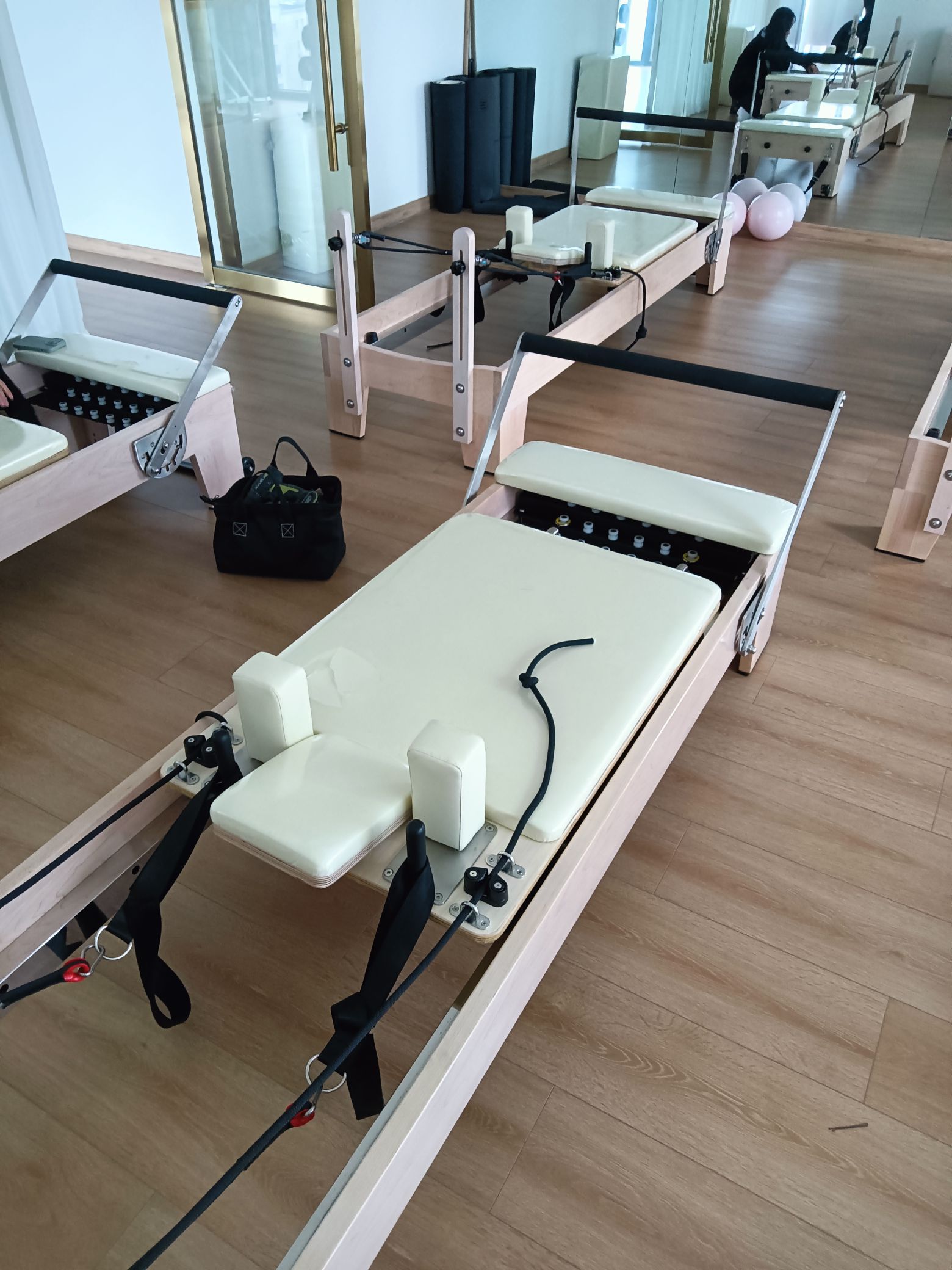
Always verify silent commercial-grade configurations. Choose reformers with CNC precision polished rails, fully sealed bearings and high-elasticity PU silent wheels. Test the full-stroke sliding smoothly on sample machines to ensure zero squeaking and jitter.
2. Loose Frame & Structural Shaking
Frame instability is a fatal structural fault for commercial reformers. Loose connections and shaking carriages affect training accuracy and even cause safety hazards during dynamic movements.
Root Causes
- Thin, spliced frame tubes instead of integrated thickened frames
- Rough welding process with gaps and unstable connection structures
- Low-precision screw holes leading to poor assembly tightness
How to Avoid Before Purchase
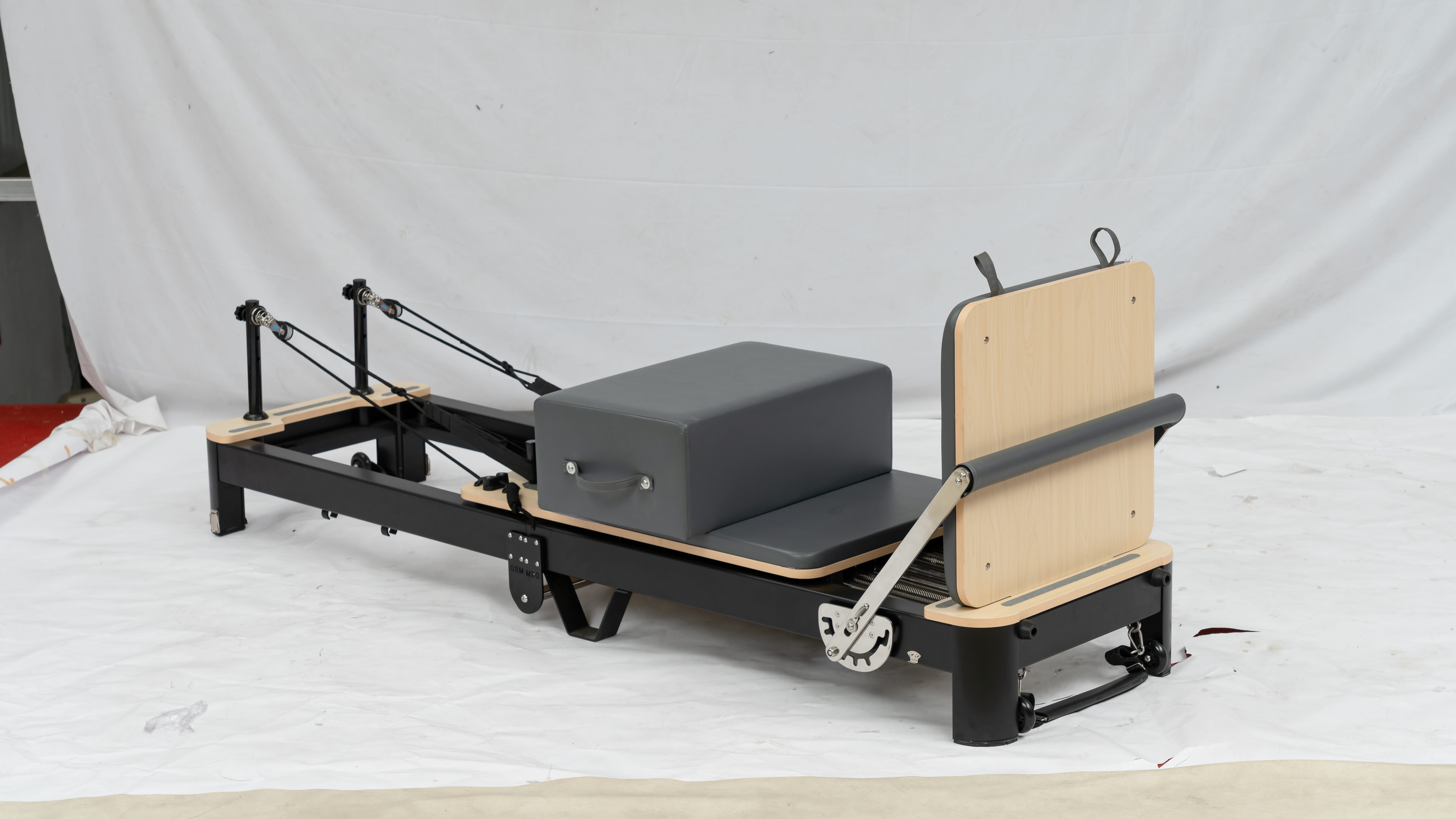
Prioritize integrated seamless welded frames with thickened material. Avoid foldable or segmented spliced structures for full-time commercial studios. Check frame firmness and welding uniformity in factory display samples.
3. Spring Fatigue, Uneven Tension & Reset Failure
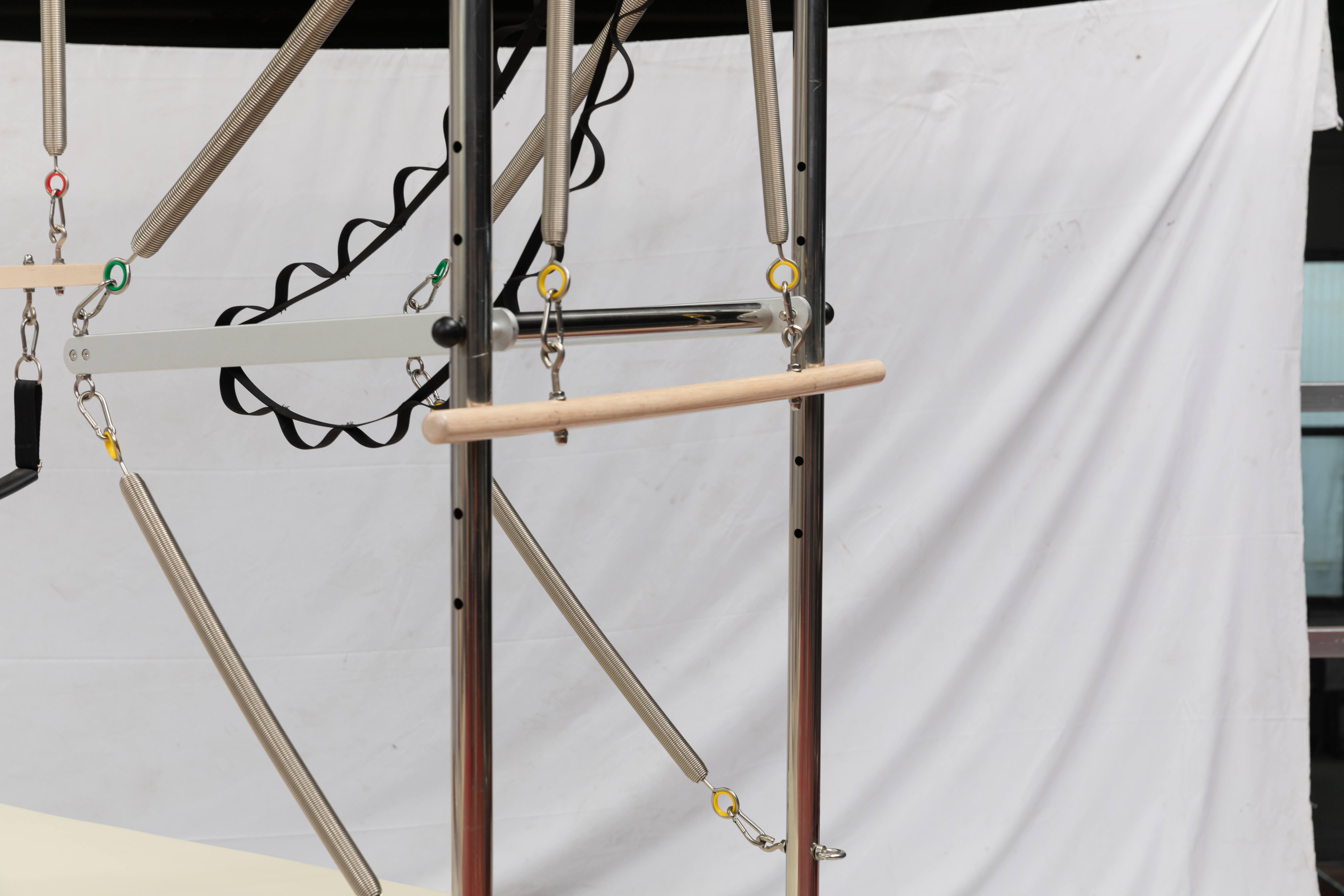
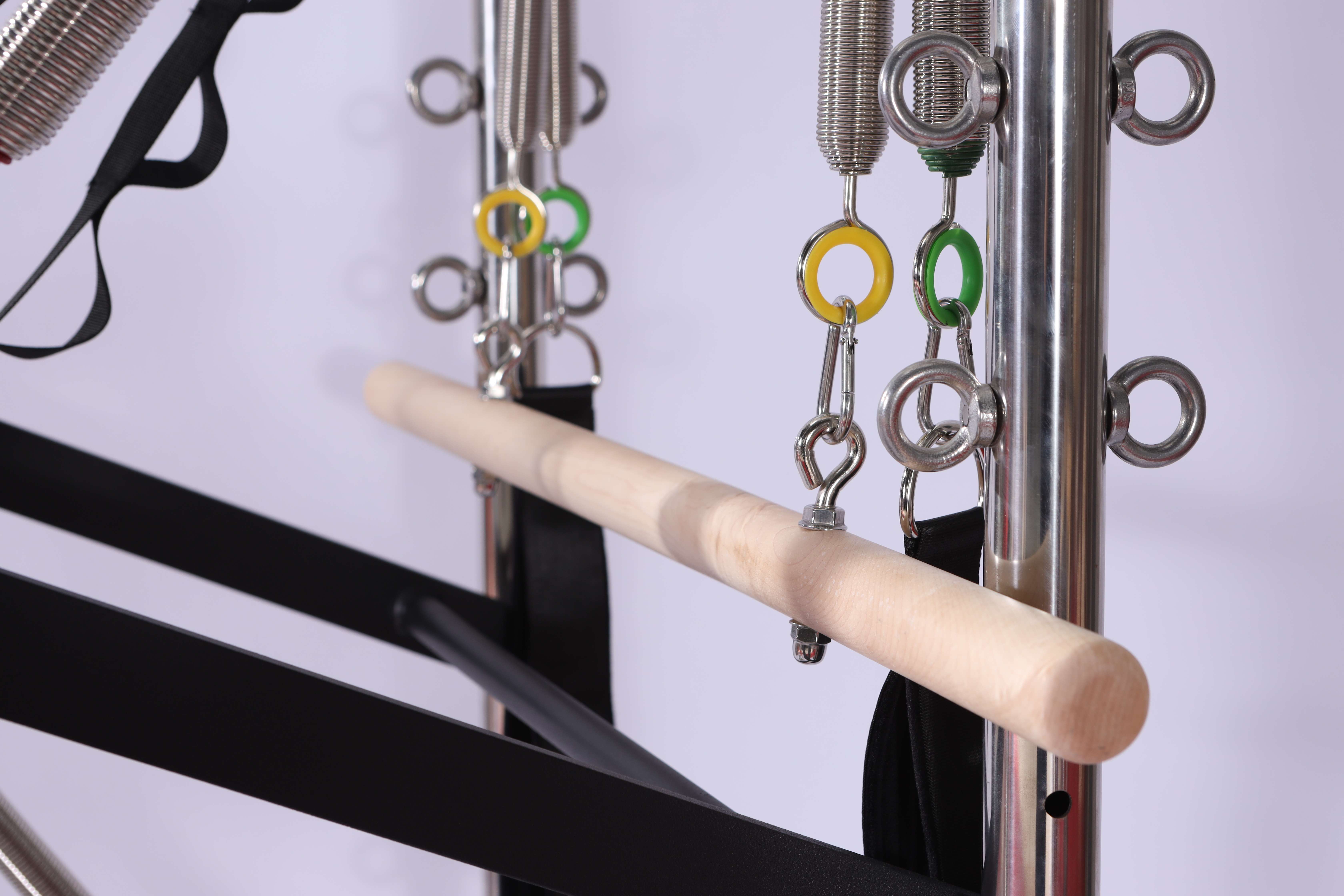
Springs are the core power system of reformers. Inferior springs quickly lose tension, become loose, fail to reset smoothly, or produce metal clanging noise, greatly affecting teaching quality.
Root Causes
- Low-carbon steel springs with poor fatigue resistance
- No damping buffer gaskets at spring connection points
- Unstandard spring spacing and inconsistent tension parameters
How to Avoid Before Purchase
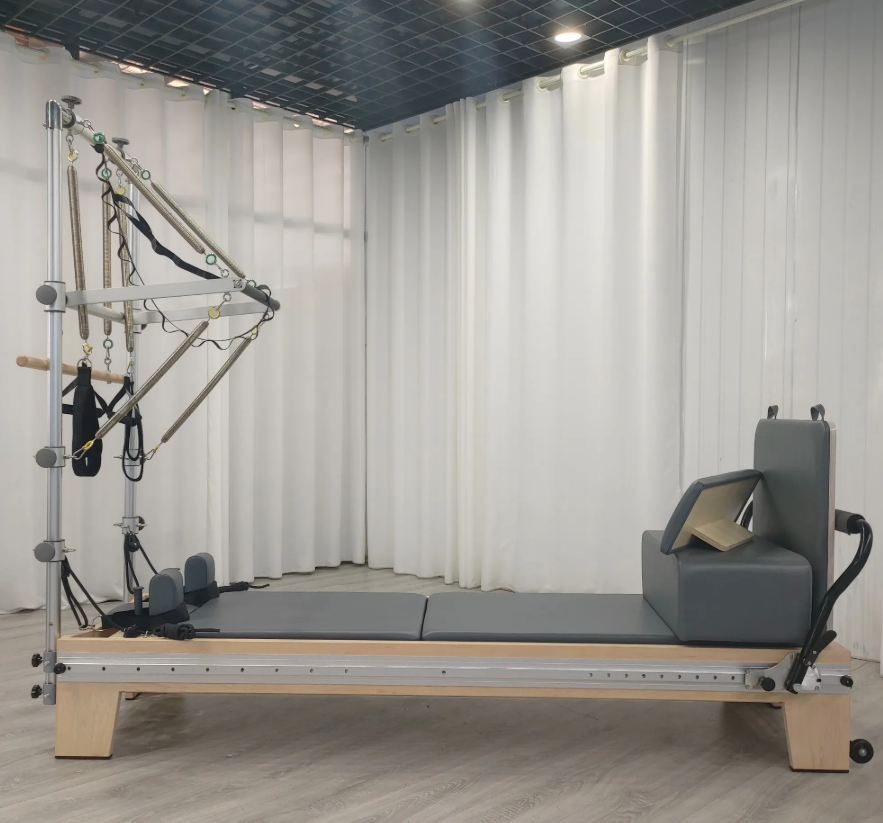
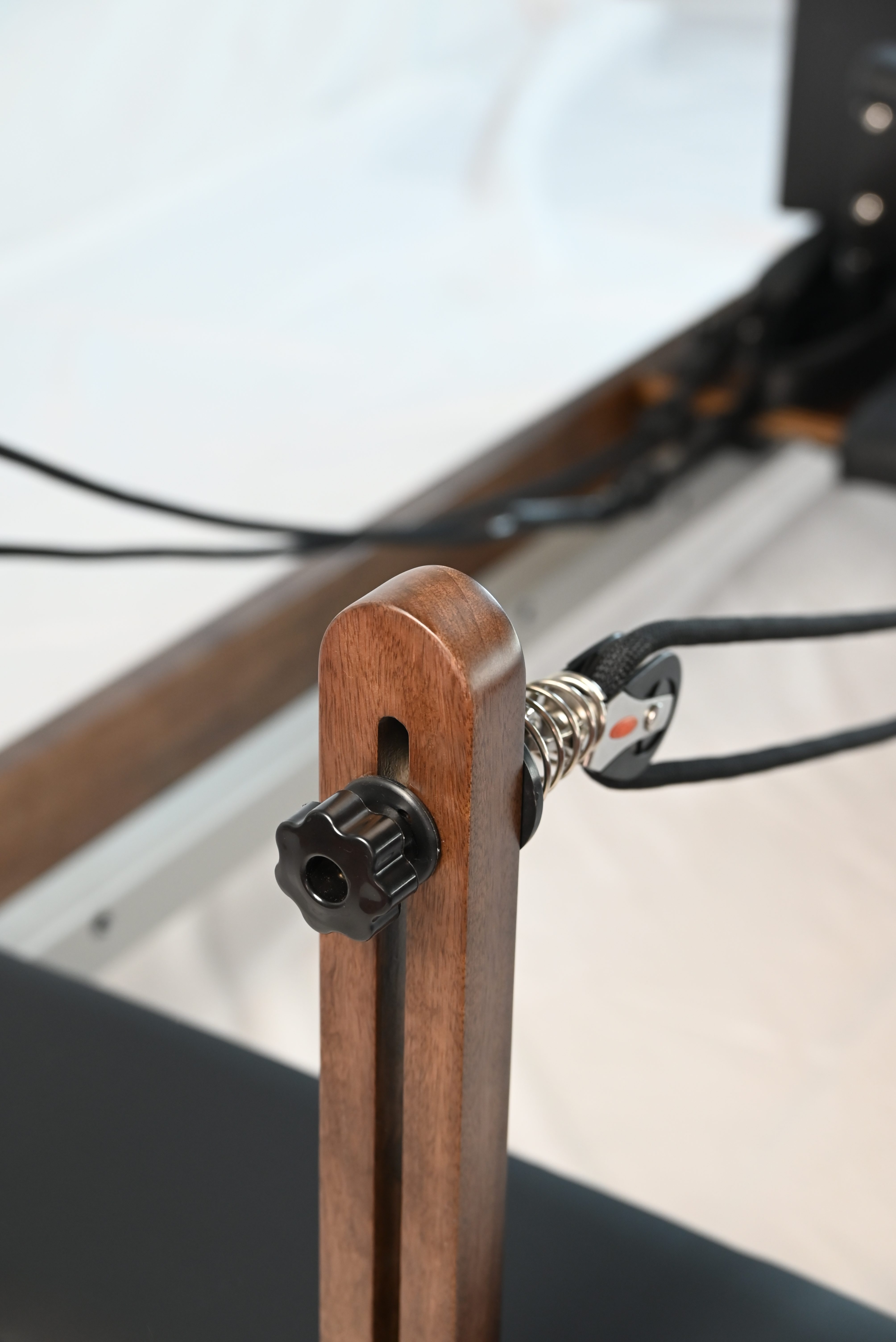
Select reformers equipped with high-carbon piano wire springs with tens of thousands of stretching endurance. Confirm silent damping accessories are installed at all spring hanging points and test spring stretching and reset fluency manually.
4. Peeling, Cracking & Deformed Upholstery
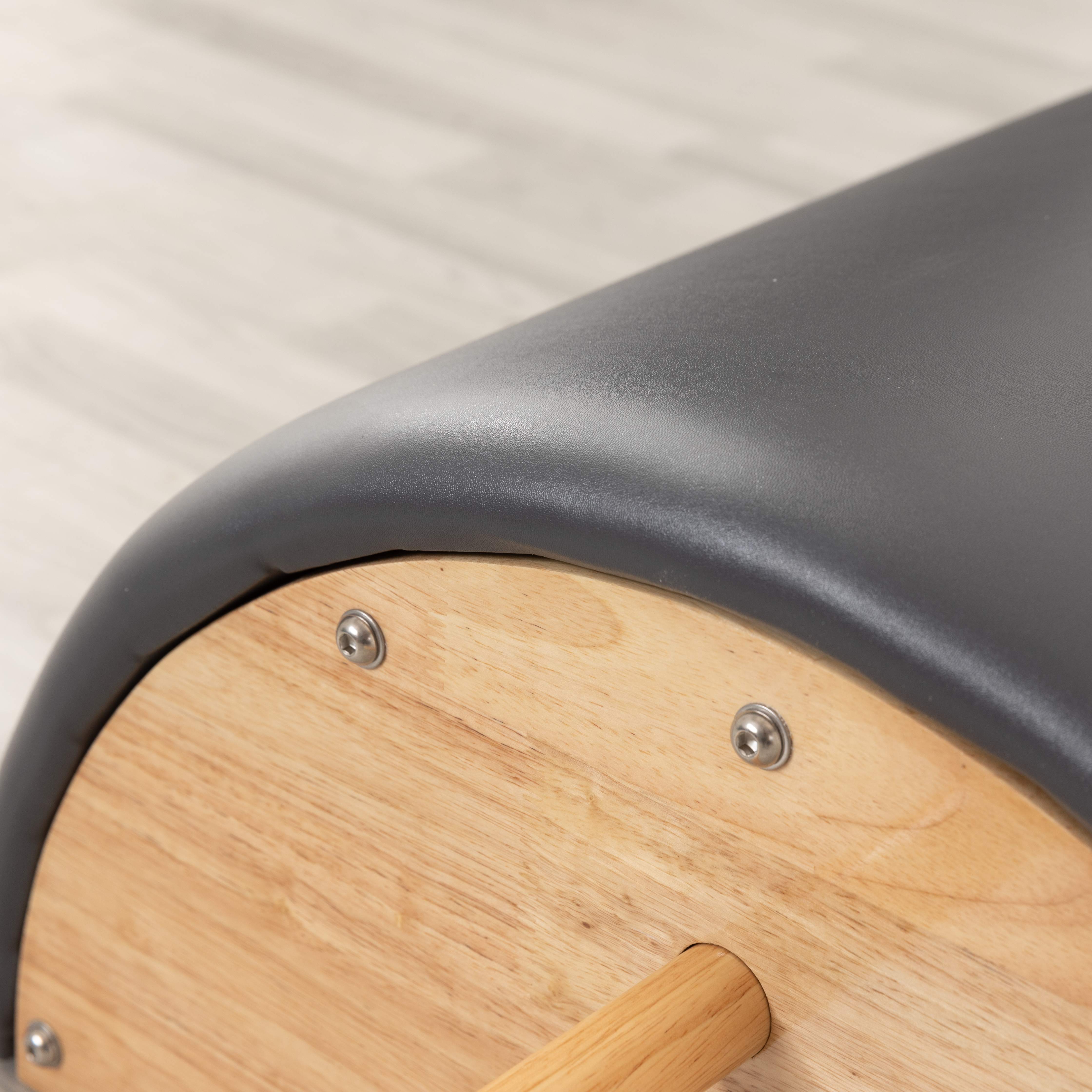
Leather and foam damage is the most intuitive aging fault. Inferior cushions harden, crack, peel and sink after frequent pressing, making the machine look old and unhygienic.
Root Causes
- Low-grade thin PU leather without anti-aging treatment
- Low-density rebound foam that cannot withstand long-term compression
- Poor stitching craftsmanship leading to thread loosening and cracking
How to Avoid Before Purchase
Check commercial-grade microfiber leather and high-density integral foam. Verify tight stitching and surface wear resistance. Qualified commercial upholstery should resist daily sweat erosion, frequent cleaning and long-term high-pressure use.
5. Stuck Ropes, Worn Pulleys & Loose Straps
Traction system failure often occurs in mid-to-late service stages. Common problems include stuck ropes, unsmooth pulley rotation, frayed hand straps and deformed foot loops.
Root Causes
- Low-hardness pulley grooves that deform after long-term friction
- Ordinary woven straps with poor tensile resistance
- Unmatched rope and pulley size causing jamming and abrasion
How to Avoid Before Purchase
Inspect pulley smoothness and strap stitching details in advance. Choose upgraded wear-resistant straps and precision grooved silent pulleys to ensure long-term stable traction transmission.
6. Poor Load-Bearing & Unstable Foot Pads
Many low-cost reformers adopt thin hard foot pads, which cannot absorb vibration. During training, the machine shifts easily and produces floor resonance noise, affecting overall stability.
How to Avoid Before Purchase
Check thickened shock-absorbing rubber foot pads. Anti-slip and vibration-damping design effectively fixes the machine position, reduces resonance noise and protects the studio floor.
Pre-Purchase Checklist: Avoid Defective Reformers
Before confirming bulk orders or studio equipment purchases, complete this quick inspection to avoid all common faults:
- Test full-stroke sliding for silence and smoothness
- Shake the frame slightly to check structural firmness
- Pull springs repeatedly to verify tension stability and reset speed
- Press cushions to test foam resilience and leather texture
- Operate pulleys and ropes to confirm no jamming or abnormal noise
- Check welding details, screw tightness and overall workmanship
Final Conclusion
Most common Pilates Reformer faults, including noisy sliding, structural shaking, spring fatigue and upholstery damage, stem from inferior materials and immature manufacturing processes. Studio owners and distributors can effectively avoid post-purchase maintenance troubles by mastering pre-purchase inspection standards and selecting true commercial-grade equipment.
Professional commercial reformers with precision manufacturing and high-quality accessories maintain stable performance for years under high-frequency use. We provide fully inspected, fault-free commercial Pilates reformers with strict pre-shipment quality control, supporting global studio and distributor wholesale procurement.