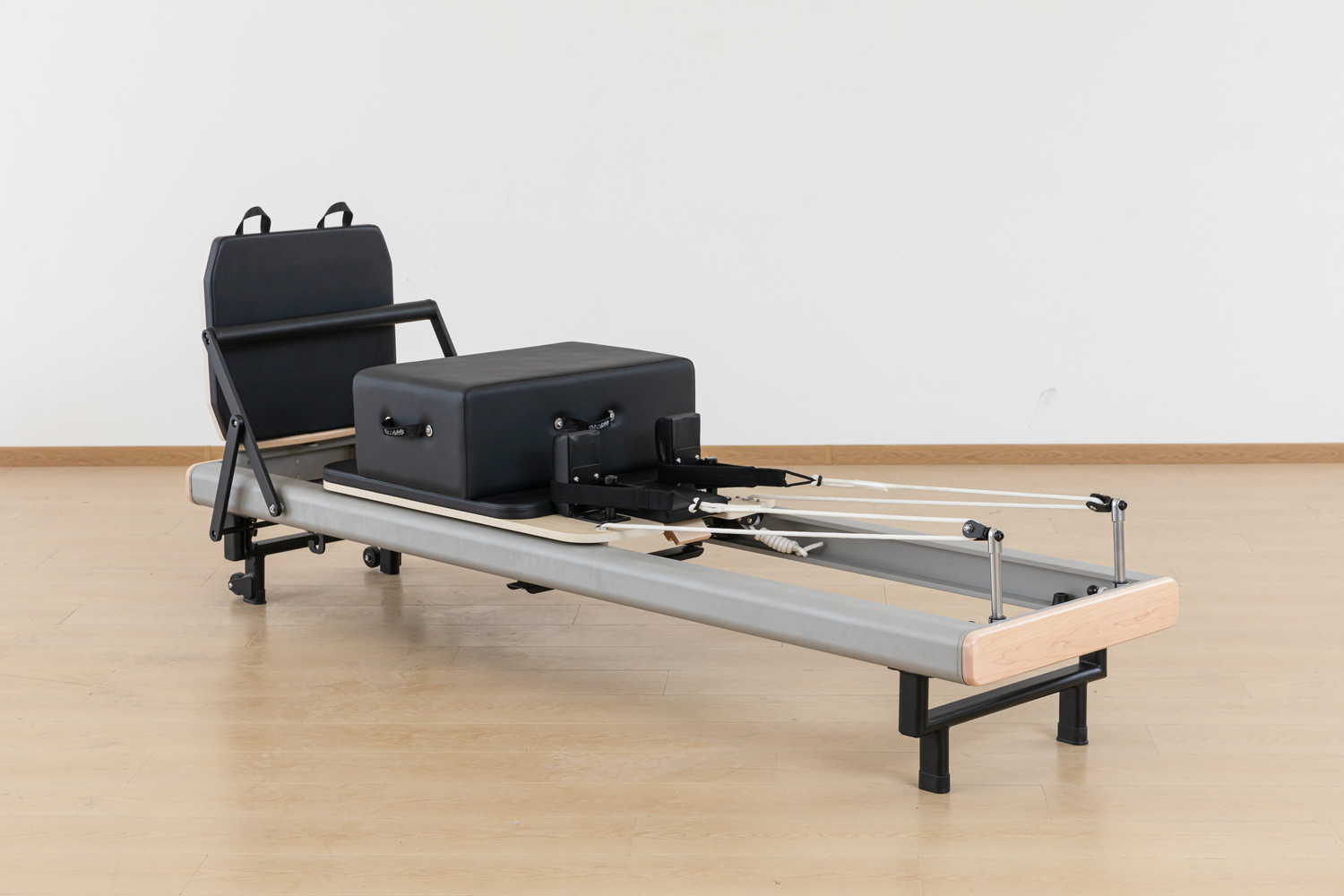
Can I Mix Different Brands of Pilates Machines in One Studio?
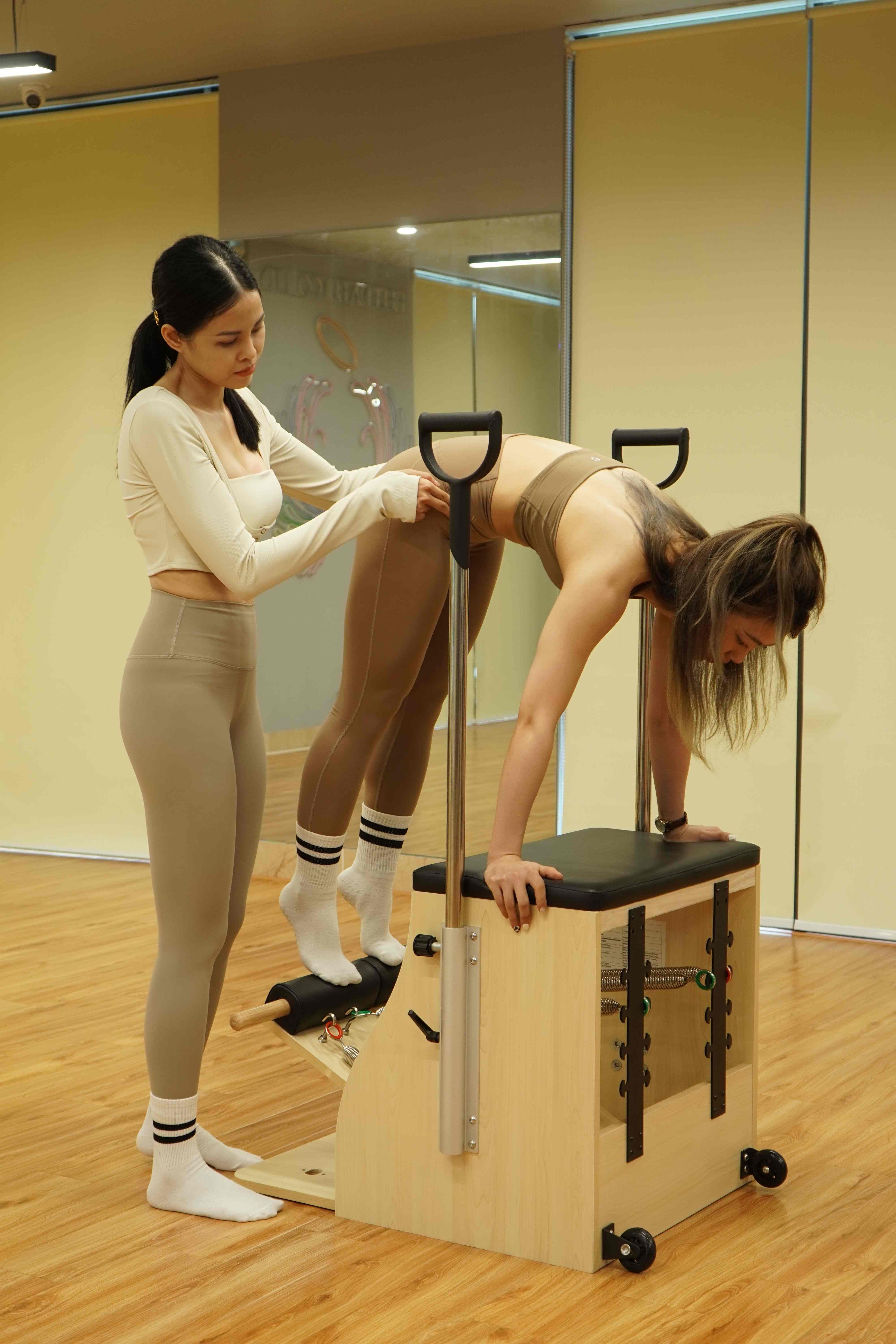
Many new Pilates studio owners face a common dilemma during equipment setup: whether it is acceptable to mix different brands of Pilates machines in one training space. Some studios inherit second-hand equipment from previous owners, while others upgrade machines gradually and source gear from multiple manufacturers.
The short answer is yes, you can mix different Pilates brands in one studio — but mixed setups come with noticeable pros, potential drawbacks, and operational risks that every studio operator must understand. This article breaks down the practical impacts of multi-brand equipment layouts, teaching consistency, client experience, maintenance challenges, and professional tips to make mixed-brand studios work perfectly.
The Advantages of Mixing Different Pilates Machine Brands
- Flexible Budget & Gradual Studio Upgrades
Building a full set of uniform-brand commercial Pilates equipment requires a large one-time investment. Mixing brands allows studio owners to replace old machines gradually, match high-cost core equipment with cost-effective auxiliary gear, and control startup or renovation budgets reasonably. It is the most practical solution for newly opened studios and small-batch equipment updates.
- Complementary Functional Strengths
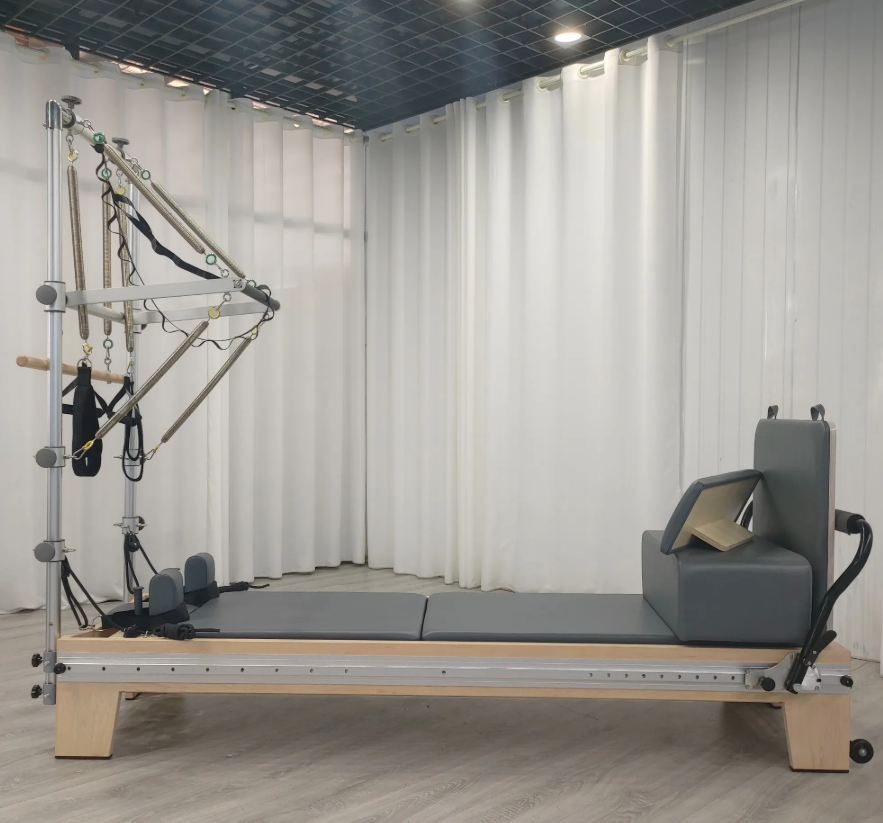
No single brand excels in every Pilates apparatus category. Some manufacturers specialize in ultra-silent reformers, while others produce premium Cadillac tables or ergonomically optimized ladder barrels. Mixing different brands enables you to select the best-performing machine for each equipment type, creating a higher-quality overall training system than sticking to one single brand.
- Diversified Style and Course Diversity
Different brands feature unique frame designs, tension systems and structural angles. A multi-brand equipment combination supports richer movement libraries, helping instructors develop diversified private training and rehabilitation courses for different client groups, from posture correction to sports injury recovery.
Potential Disadvantages and Risks of Mixed-Brand Studio Layouts
- Inconsistent Training Feel and Tension Standards
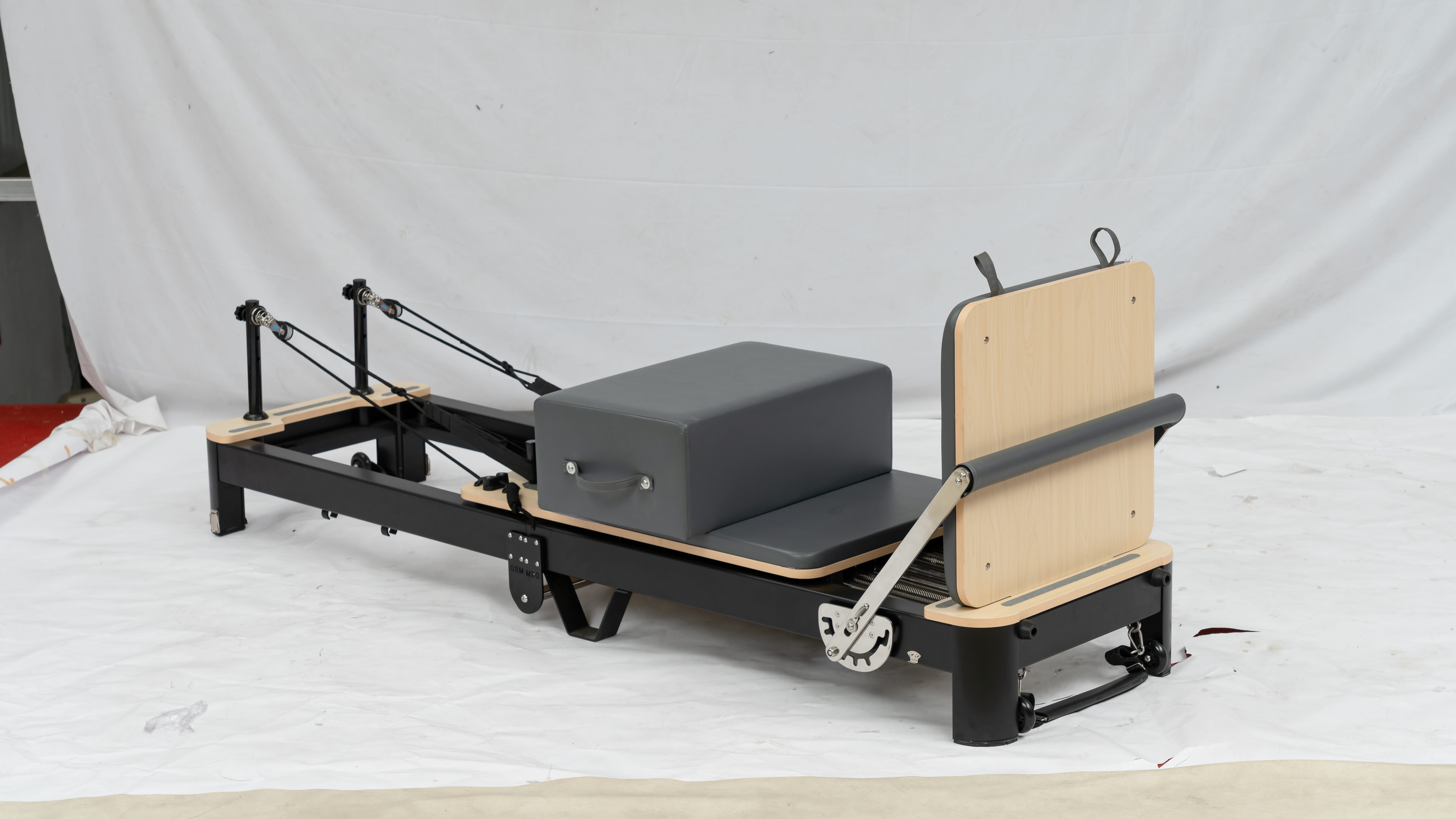
This is the biggest challenge of mixed-brand equipment. Different manufacturers adopt different spring tension standards, carriage glide resistance, pulley systems and frame heights. Even with the same spring level, clients may feel obvious differences in resistance, smoothness and body alignment.
Inconsistent machine feedback affects training stability, especially for long-term members who adapt to fixed tension and glide feelings. It may increase movement errors and require extra adjustment time during each class.
- Complicated Maintenance and Spare Part Compatibility
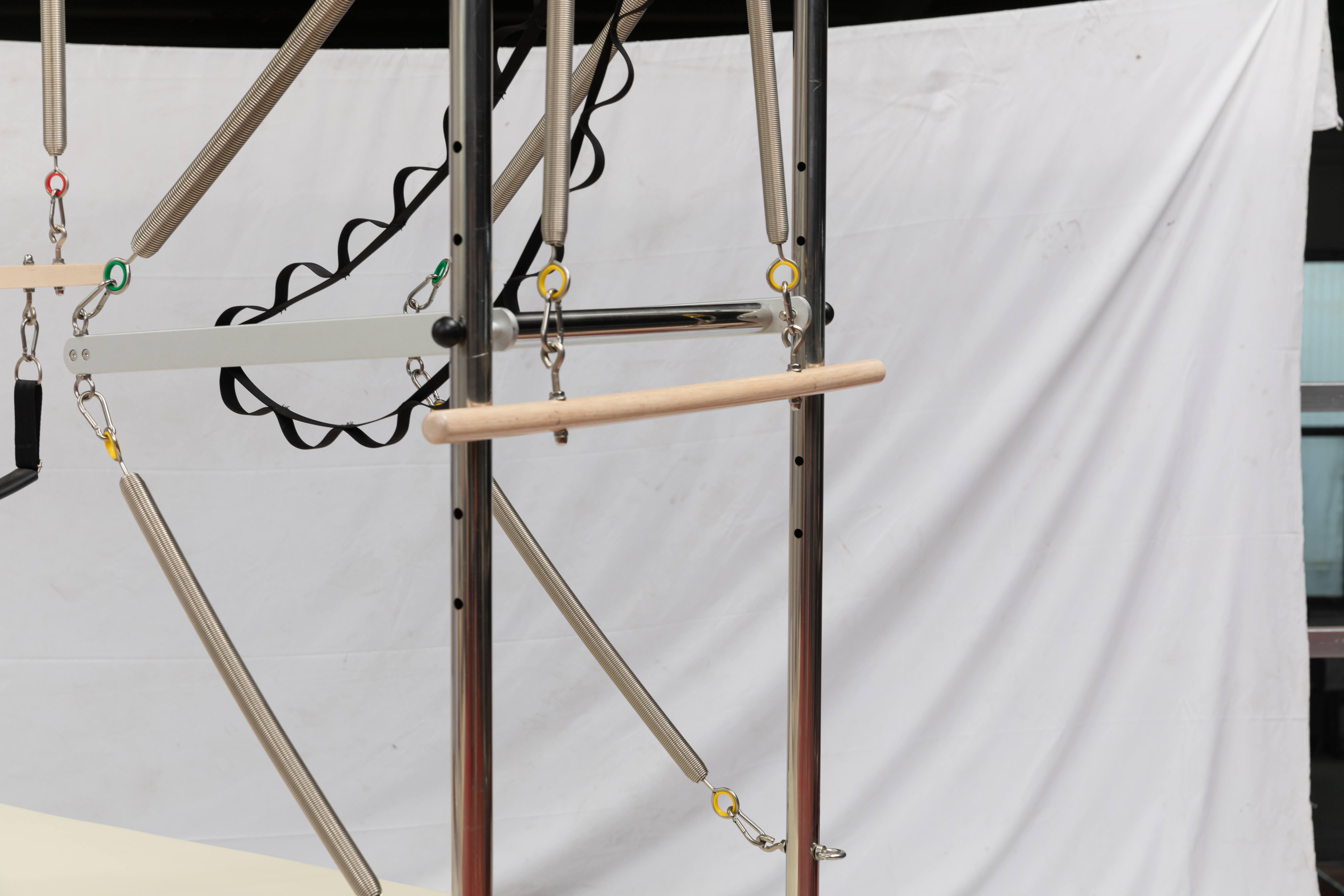
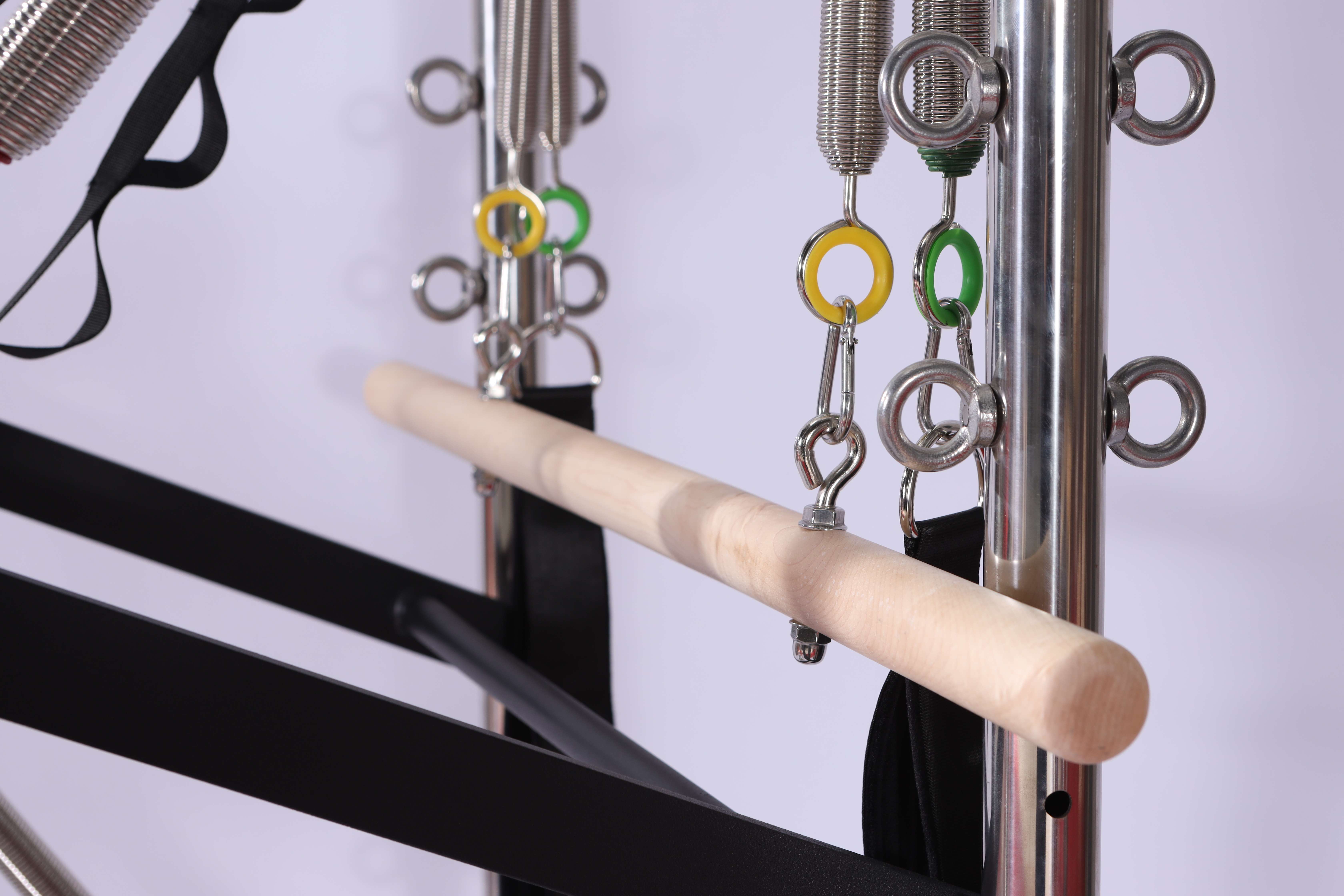
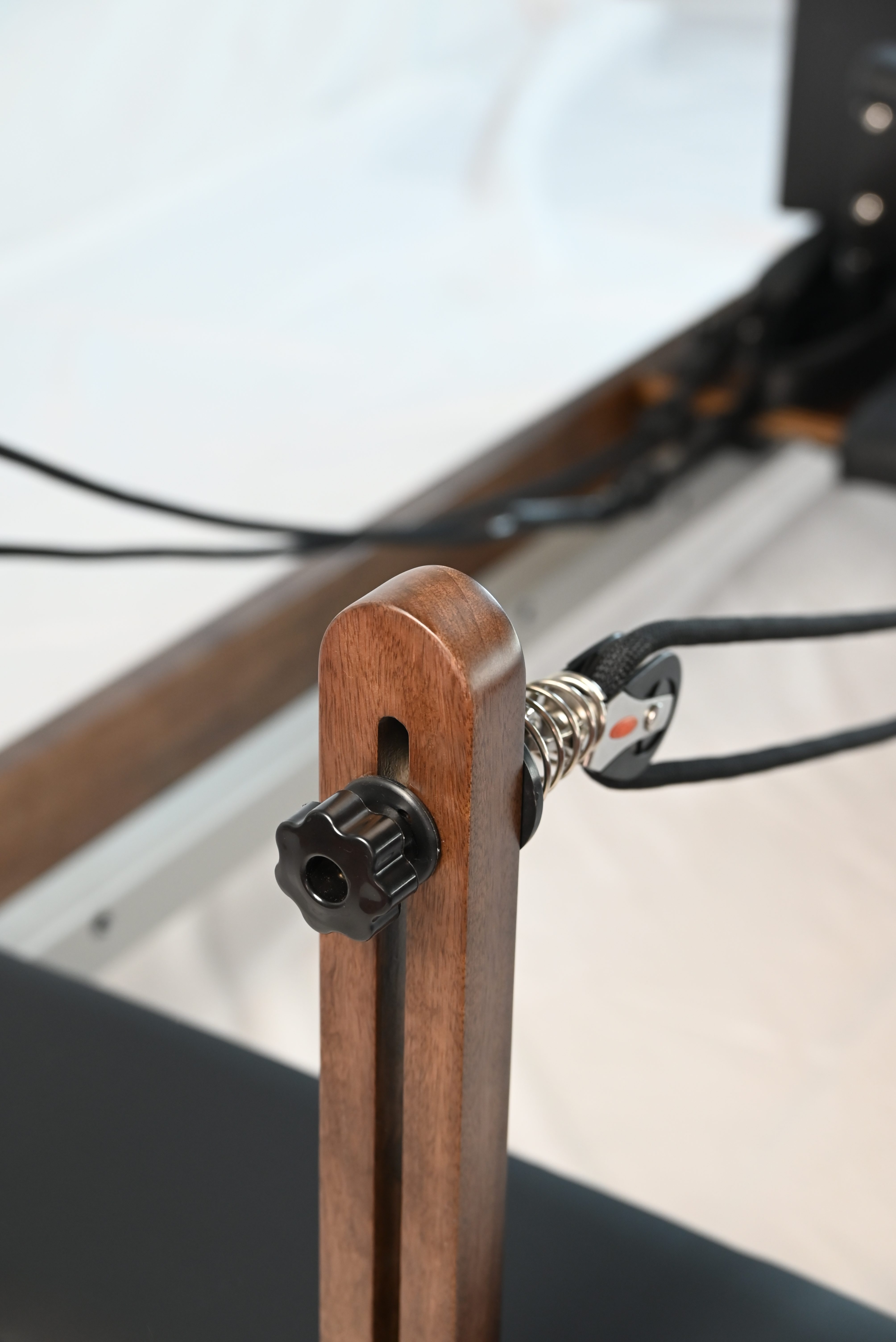
Pilates spare parts such as springs, wheels, bearings, straps and buckles are mostly brand-specific and non-universal. If your studio mixes 2–3 different equipment brands, you need to stock multiple sets of spare parts for separate maintenance systems.
Incompatible accessories increase inventory pressure, raise maintenance costs, and delay urgent repairs. In the long run, unified brand equipment delivers much simpler after-sales management and faster part replacement.- Unified Studio Aesthetic Is Hard to Maintain
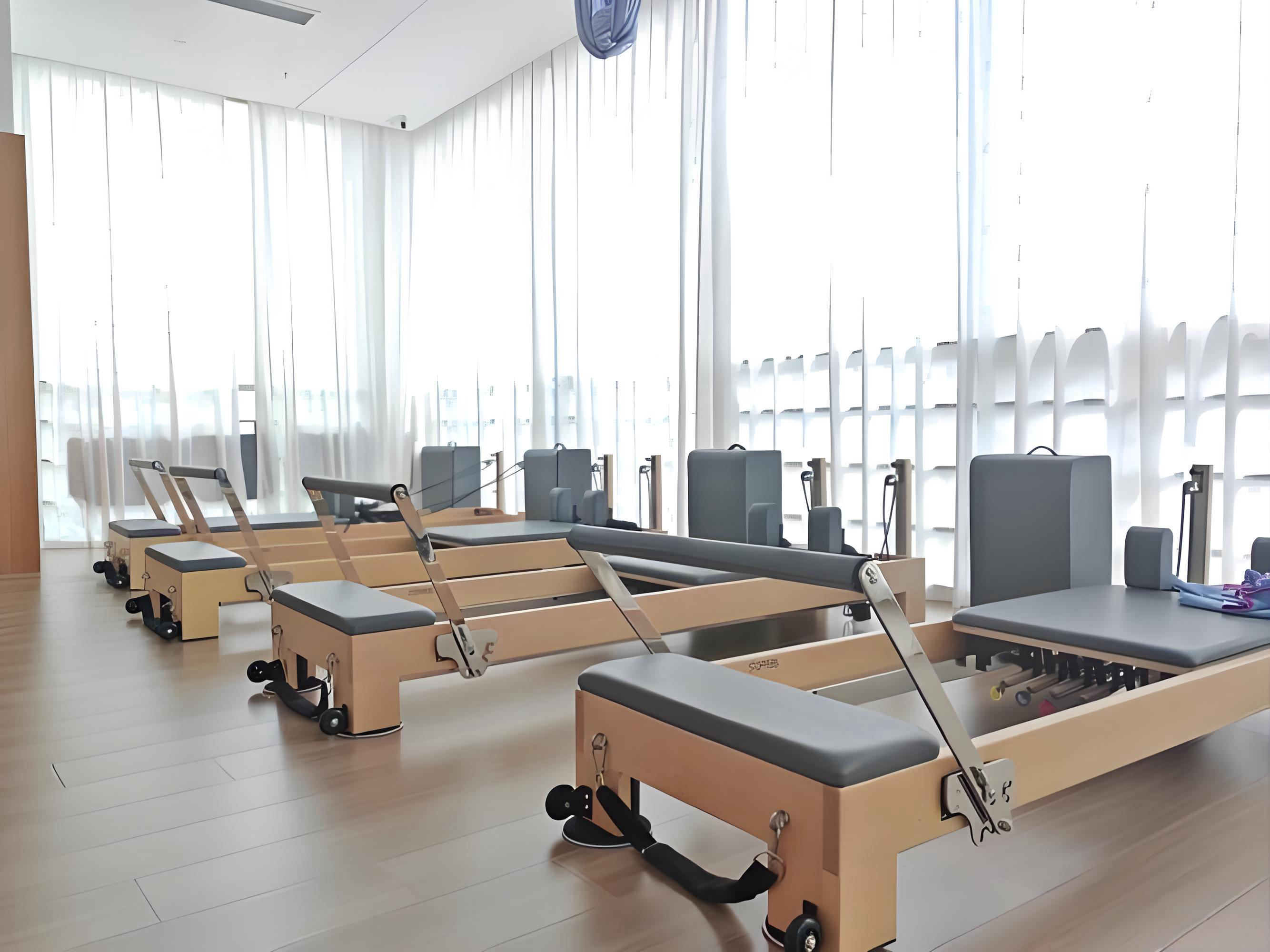
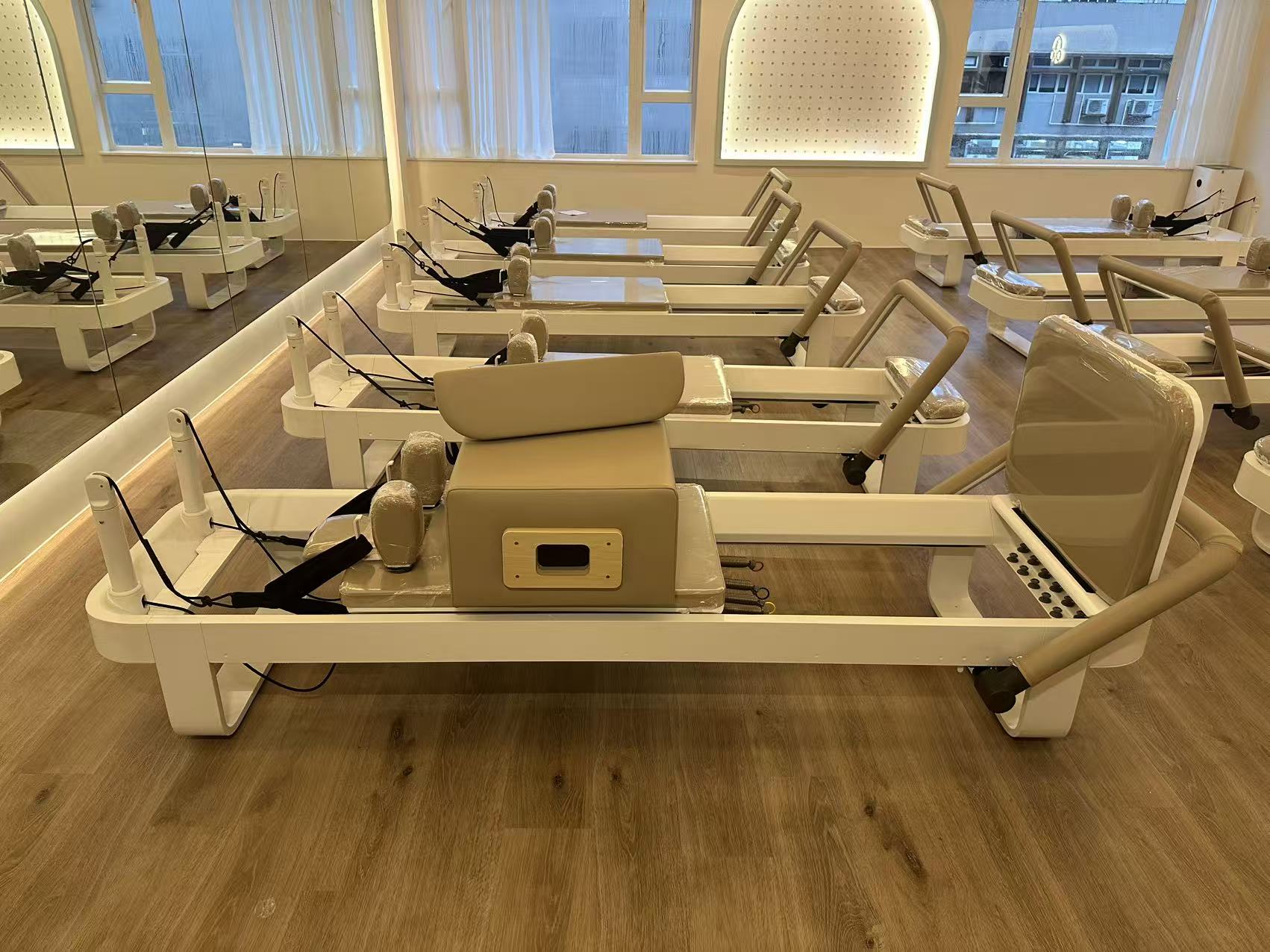
Different brands have distinct frame colors, upholstery textures, structural proportions and design styles. Mixed placement may lead to a messy, uncoordinated studio visual effect, reducing the premium and professional atmosphere of boutique Pilates spaces. This indirectly affects client first impressions and studio brand positioning.
- Inconvenient Instructor Standardized Teaching
Professional studios rely on standardized teaching SOPs. Multi-brand machines require instructors to adjust movement ranges, entry postures and strength control according to different equipment characteristics. This increases teaching difficulty, affects class uniformity, and raises the risk of incorrect guidance.
Practical Rules to Make Mixed-Brand Equipment Work for Your Studio
- Unify Core Training Machines As Much As Possible
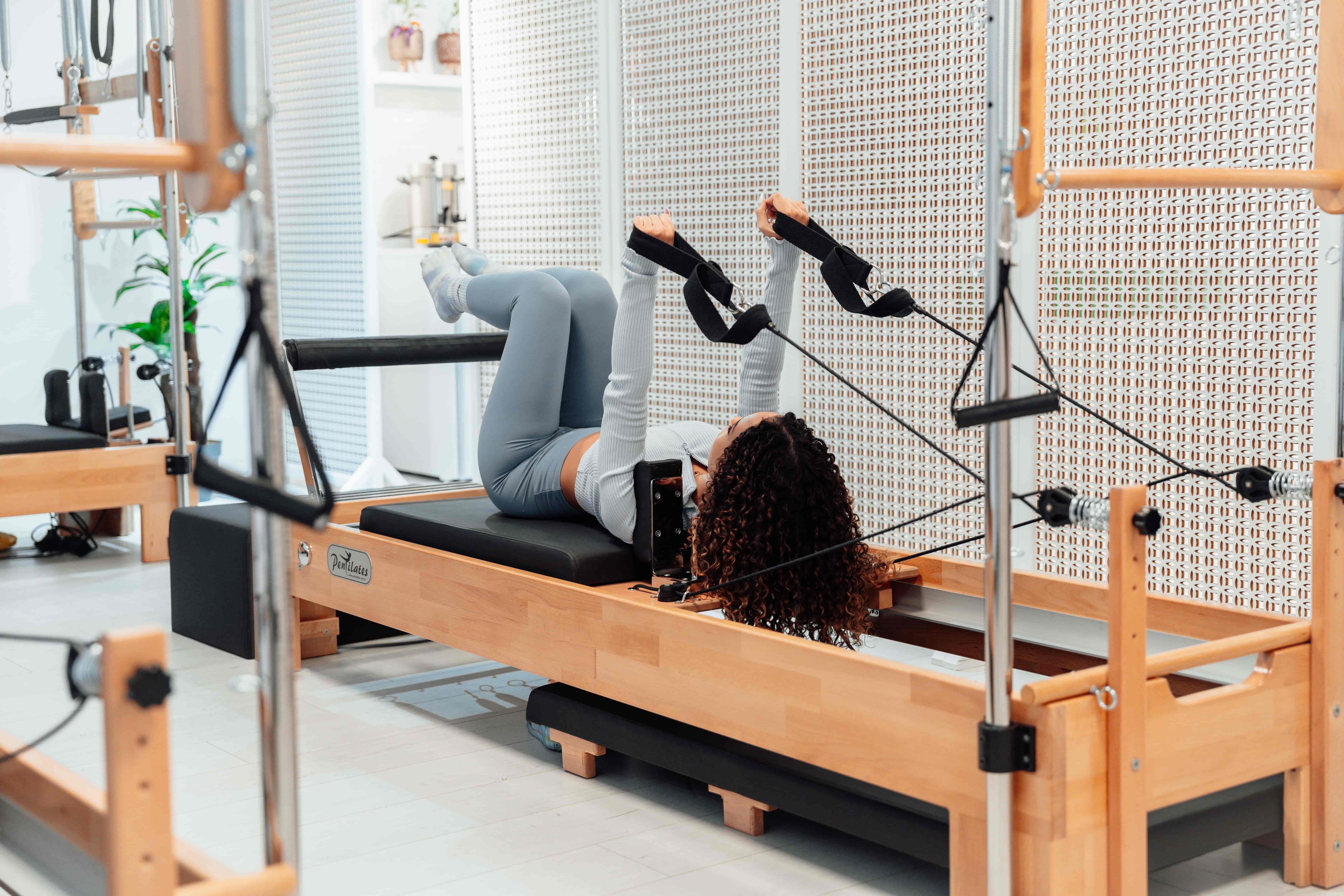
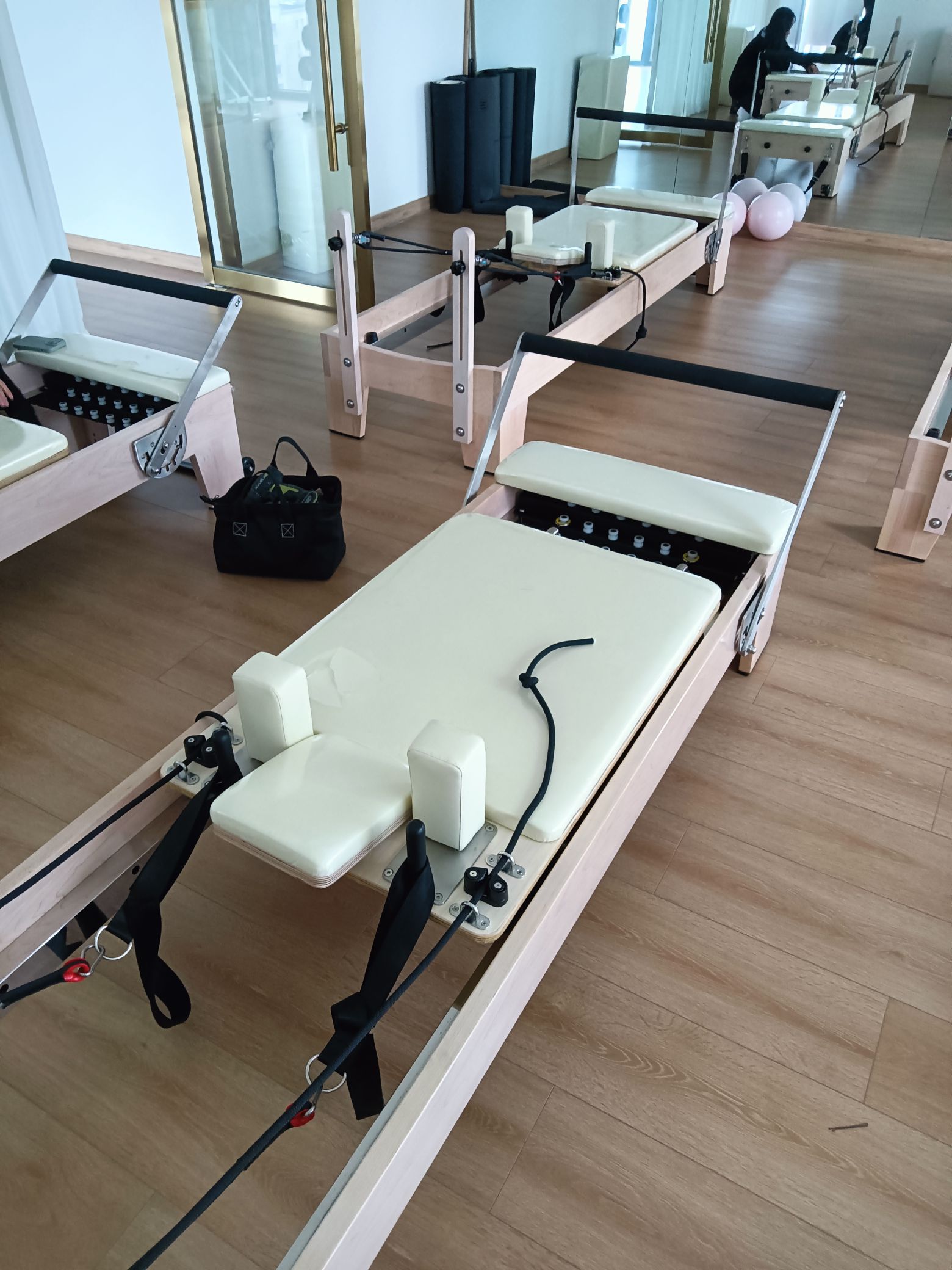
Keep all reformers — the most frequently used core machines — from the same brand. Since 80% of group classes and private training rely on reformers, unified tension and sliding performance ensures stable teaching experience. You can mix different brands only for low-frequency auxiliary equipment such as barrels, chairs and correctors.
- Match Unified Color and Upholstery Style
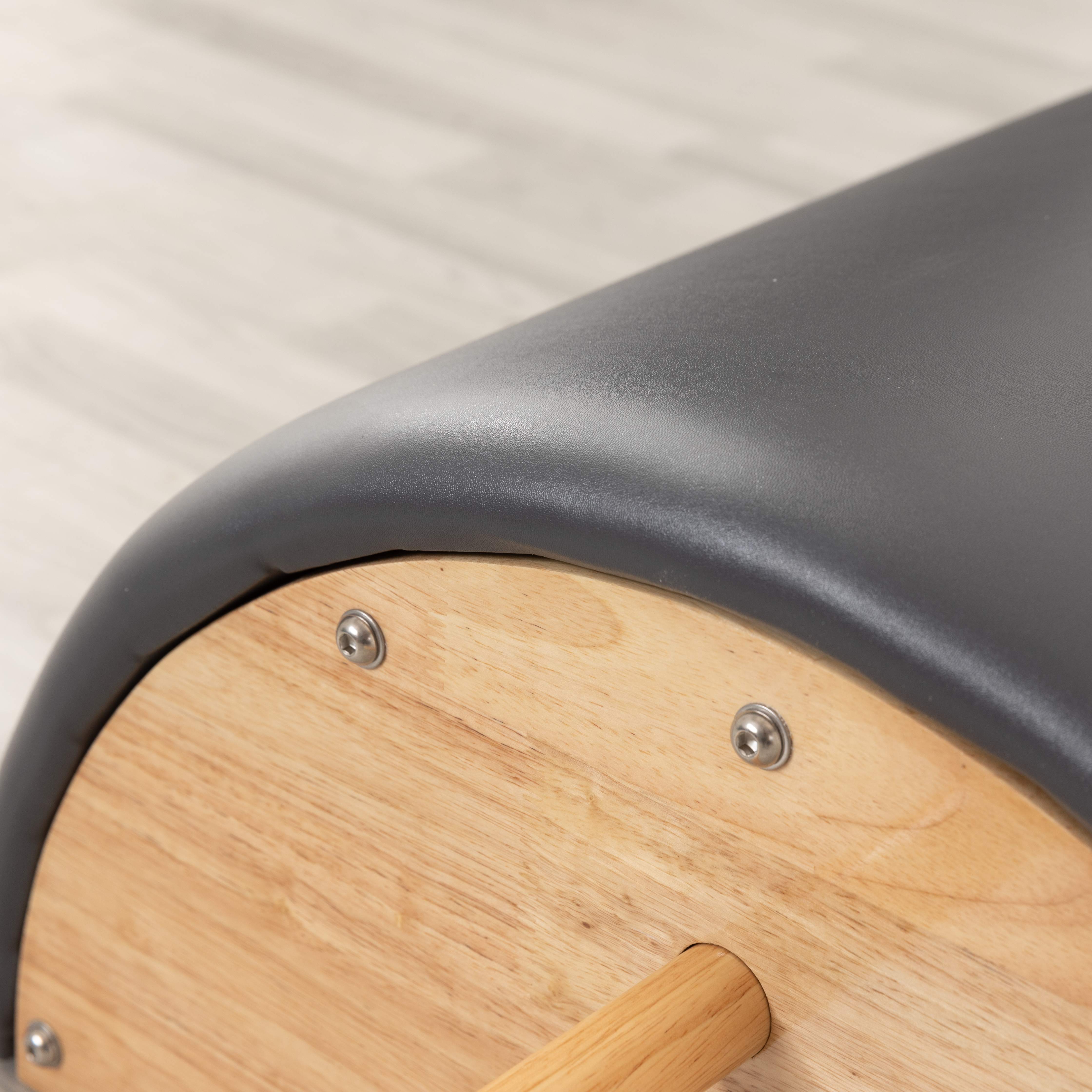
Even if machine brands differ, unify the main frame color, leather tone and foam style. Consistent visual presentation greatly improves studio refinement, covering the differences in equipment structure and brand design.
- Classify Machines by Functional Feeling
Sort mixed machines according to tension softness and sliding smoothness. Arrange fixed machines for regular members to avoid frequent switching. For group classes, select equipment with similar operating feelings to ensure unified training effects.
- Build Independent Spare Part Inventory by Brand
Label and store spare parts separately for different equipment brands. Complete daily inspection records to avoid confusion during replacement, ensuring efficient maintenance and zero class interruption.
Unified Brand vs Mixed Brand: Which Is Better?
- Choose unified branding if: You run a high-end boutique studio, chain brand, or focus on standardized group classes and professional rehabilitation courses. Unified equipment delivers consistent teaching quality, premium aesthetics and low maintenance pressure.
- Choose mixed branding if: You are opening a new studio with a limited budget, upgrading equipment gradually, or pursuing highly personalized diversified courses with functional complementary equipment.
Final Conclusion
It is completely acceptable and feasible to mix different brands of Pilates machines in one studio. Mixed layouts offer budget flexibility and functional complementarity, which is ideal for new studios and gradual renovation projects. However, multi-brand equipment brings inconsistent training feedback, complicated maintenance and uncoordinated visual styles.
The best solution is to unify core reformer brands while properly mixing auxiliary equipment brands, balancing cost, functionality, aesthetics and teaching stability. For long-term brand development and standardized teaching, a unified equipment system is still the most professional and cost-effective choice for commercial Pilates studios.
If you need matched-color, unified-style Pilates equipment for studio renovation or batch replacement, we provide full-series commercial-grade Pilates machines with consistent specifications and supporting spare parts to help you build a standardized high-end studio.