Why Microfiber Padding Is Preferred on High-End Pilates Equipment
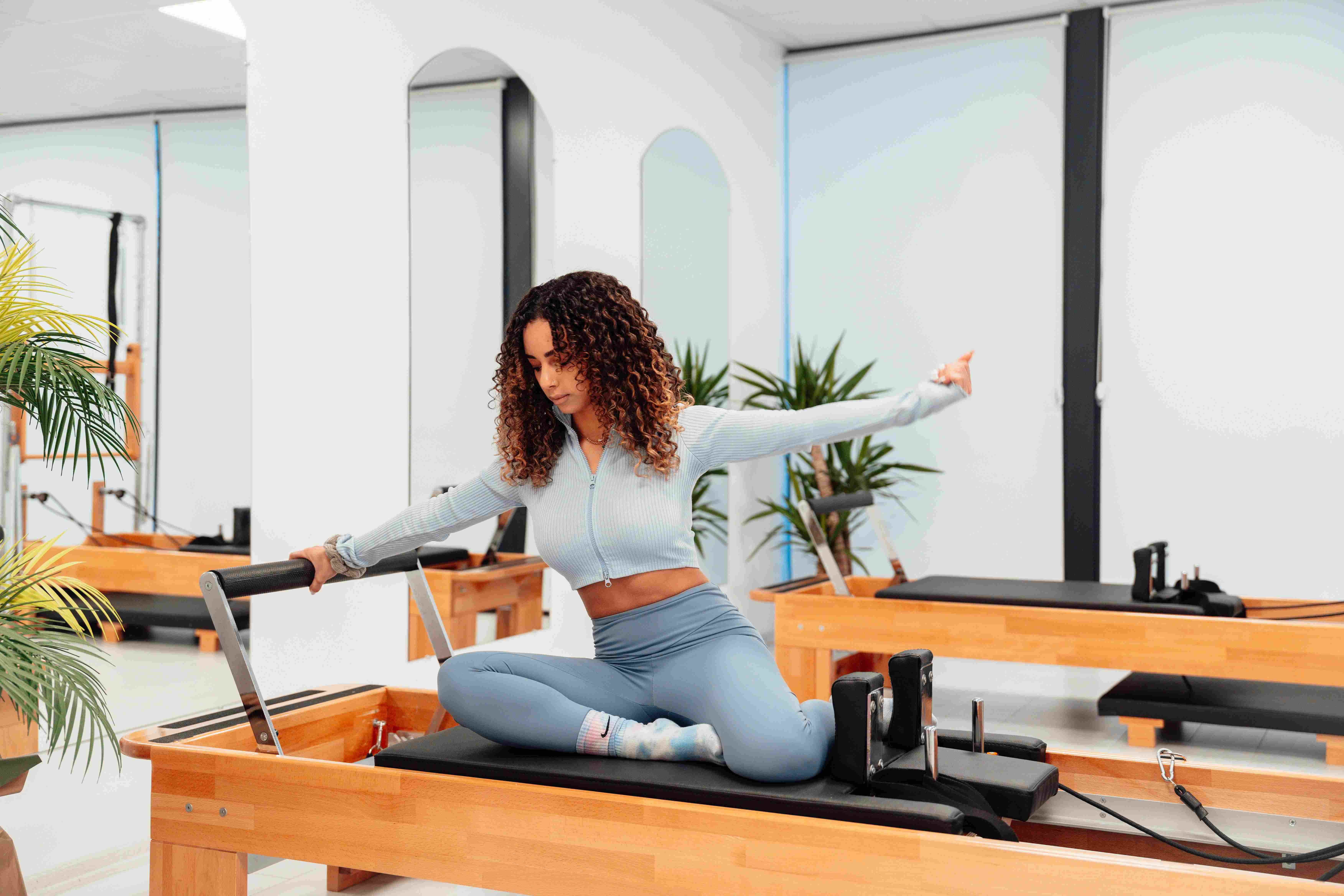
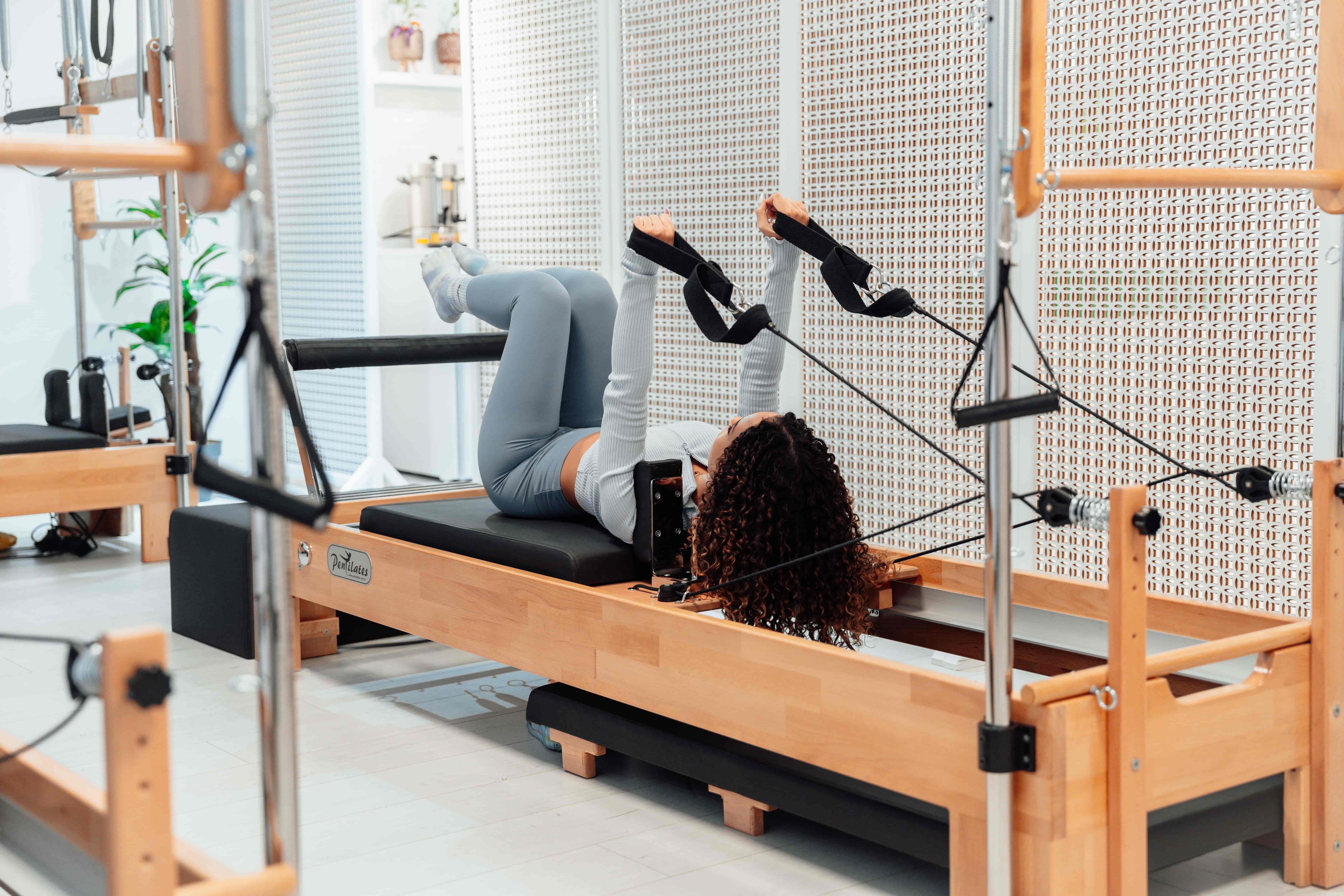
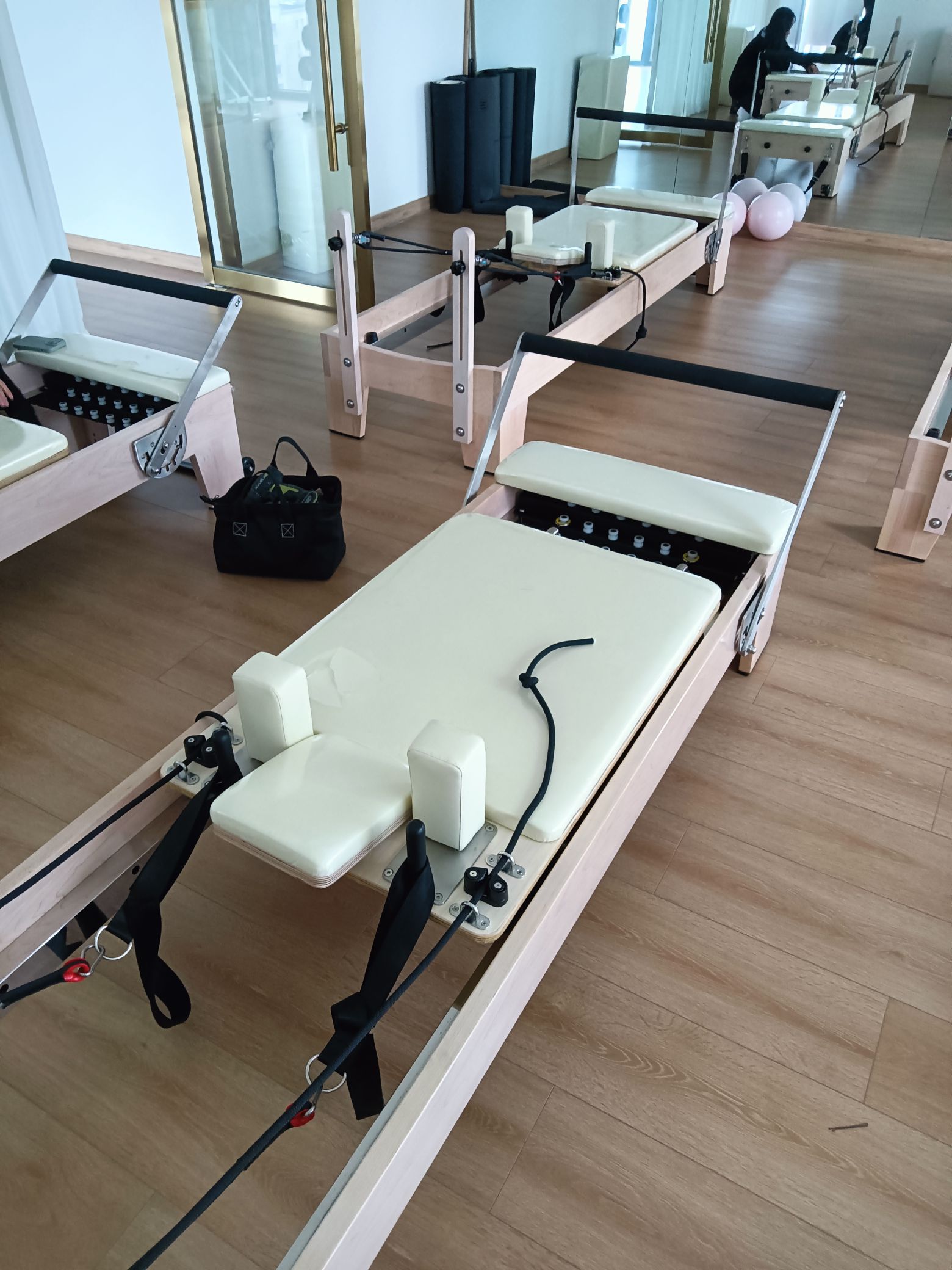
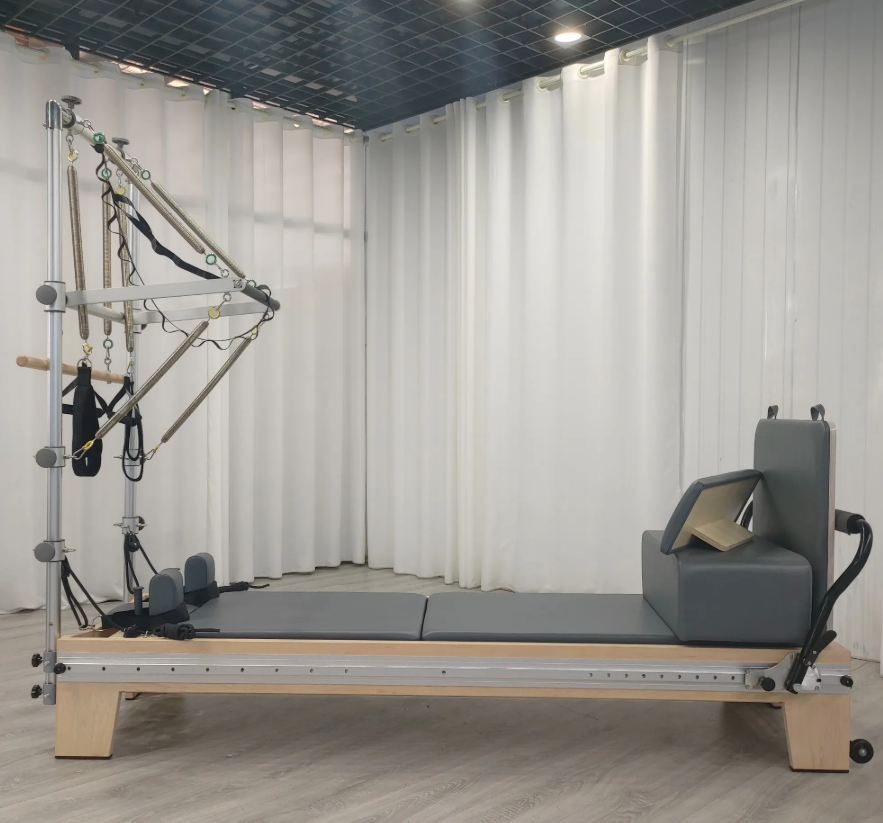
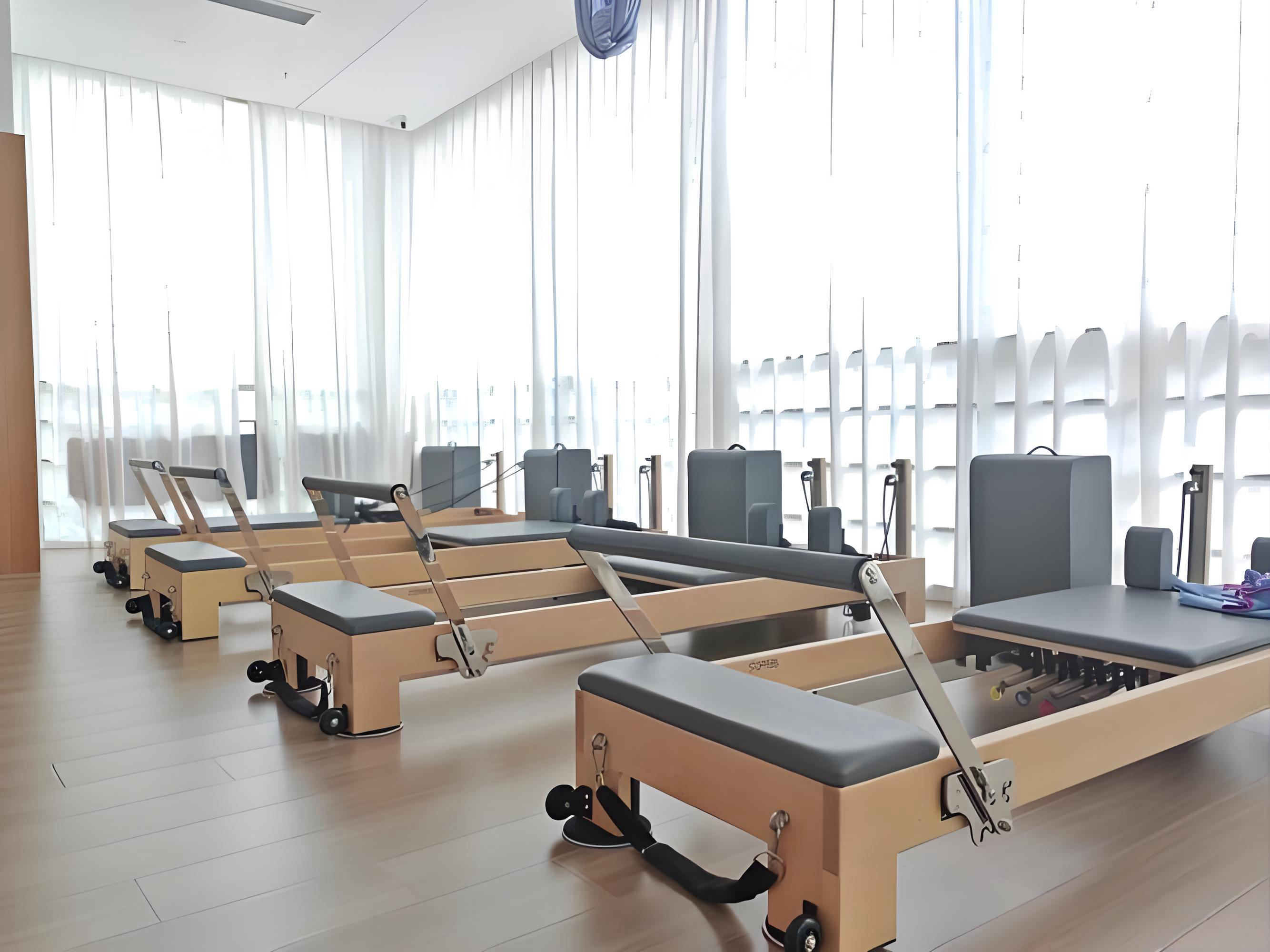
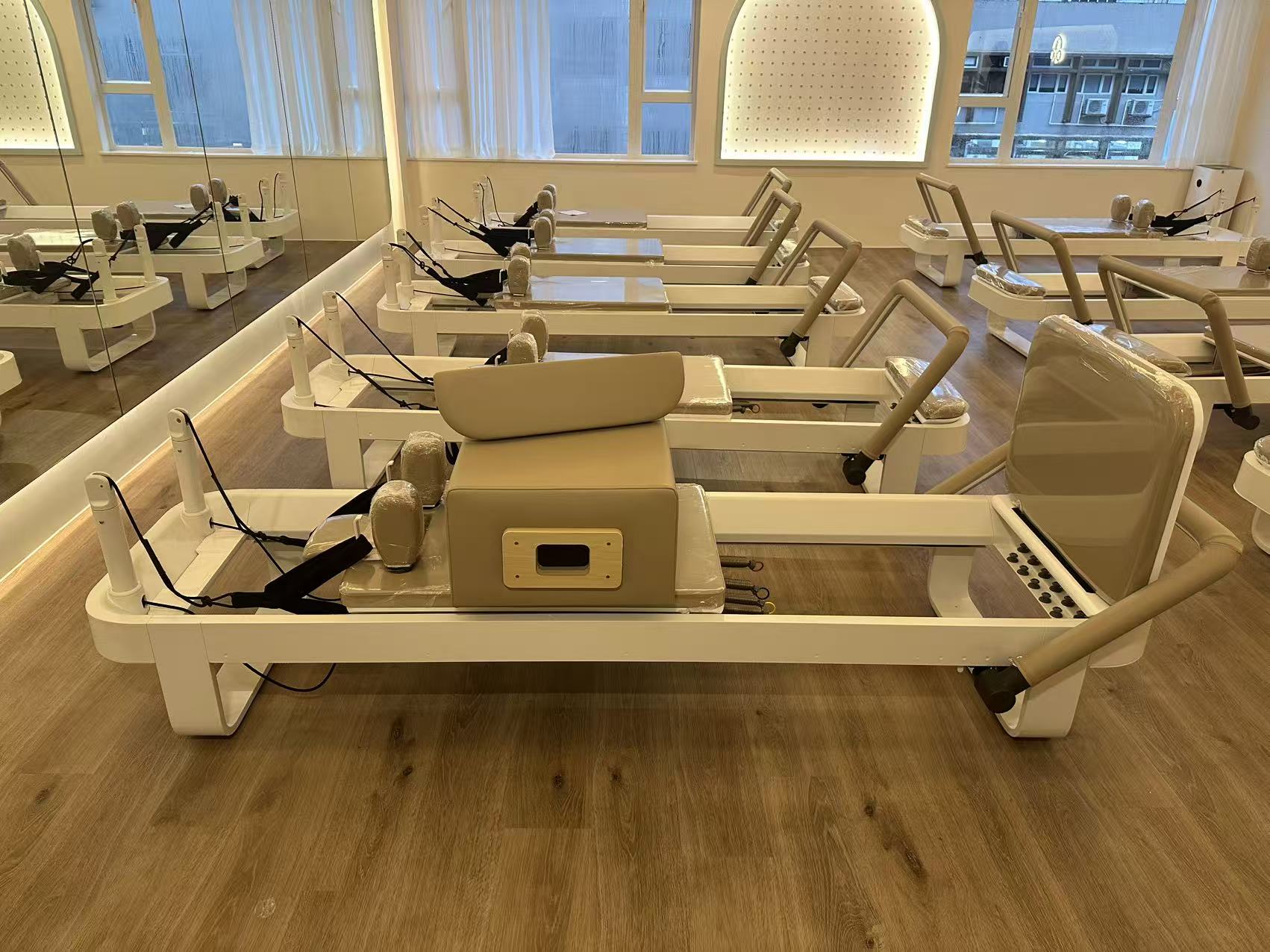
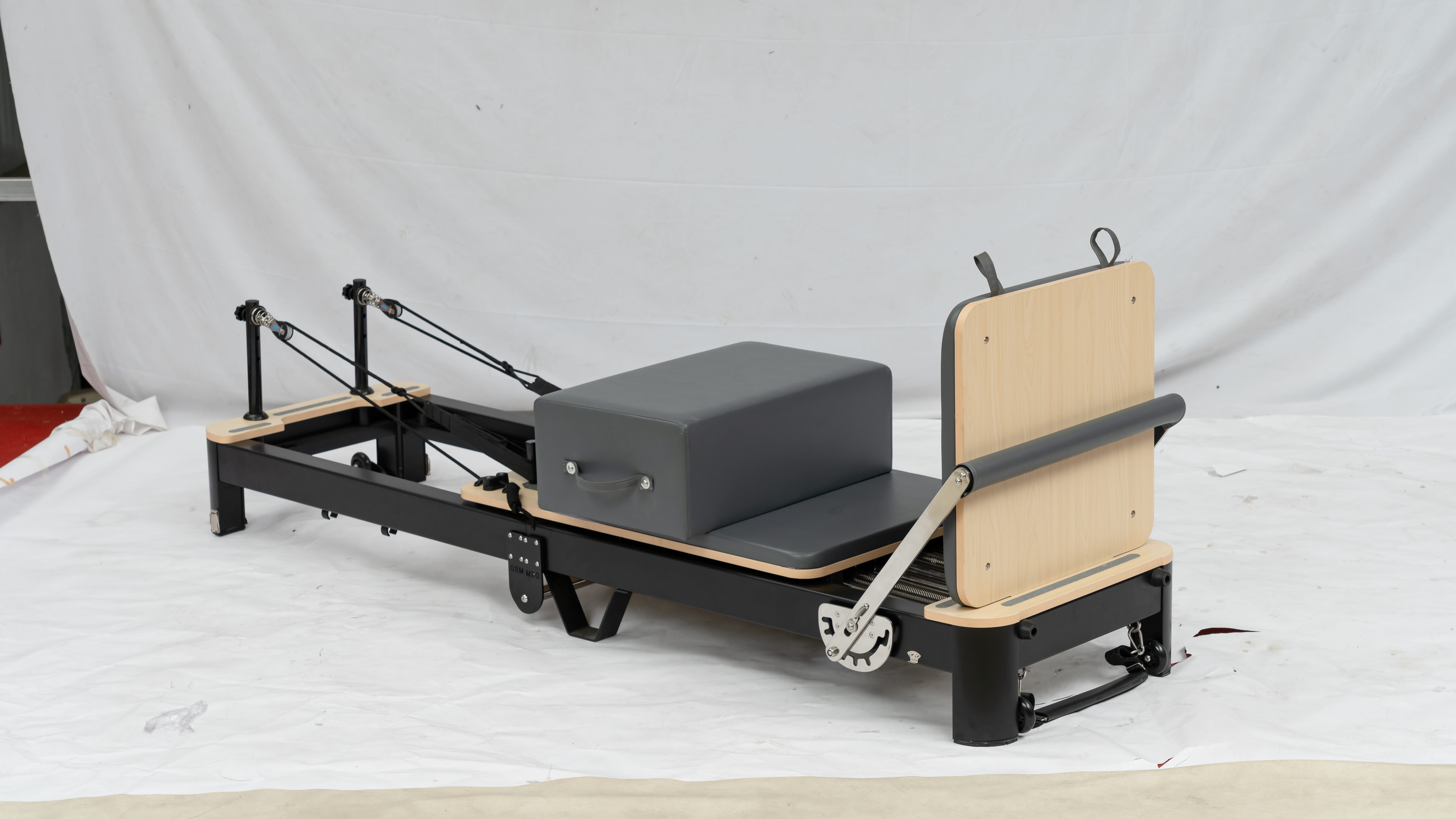
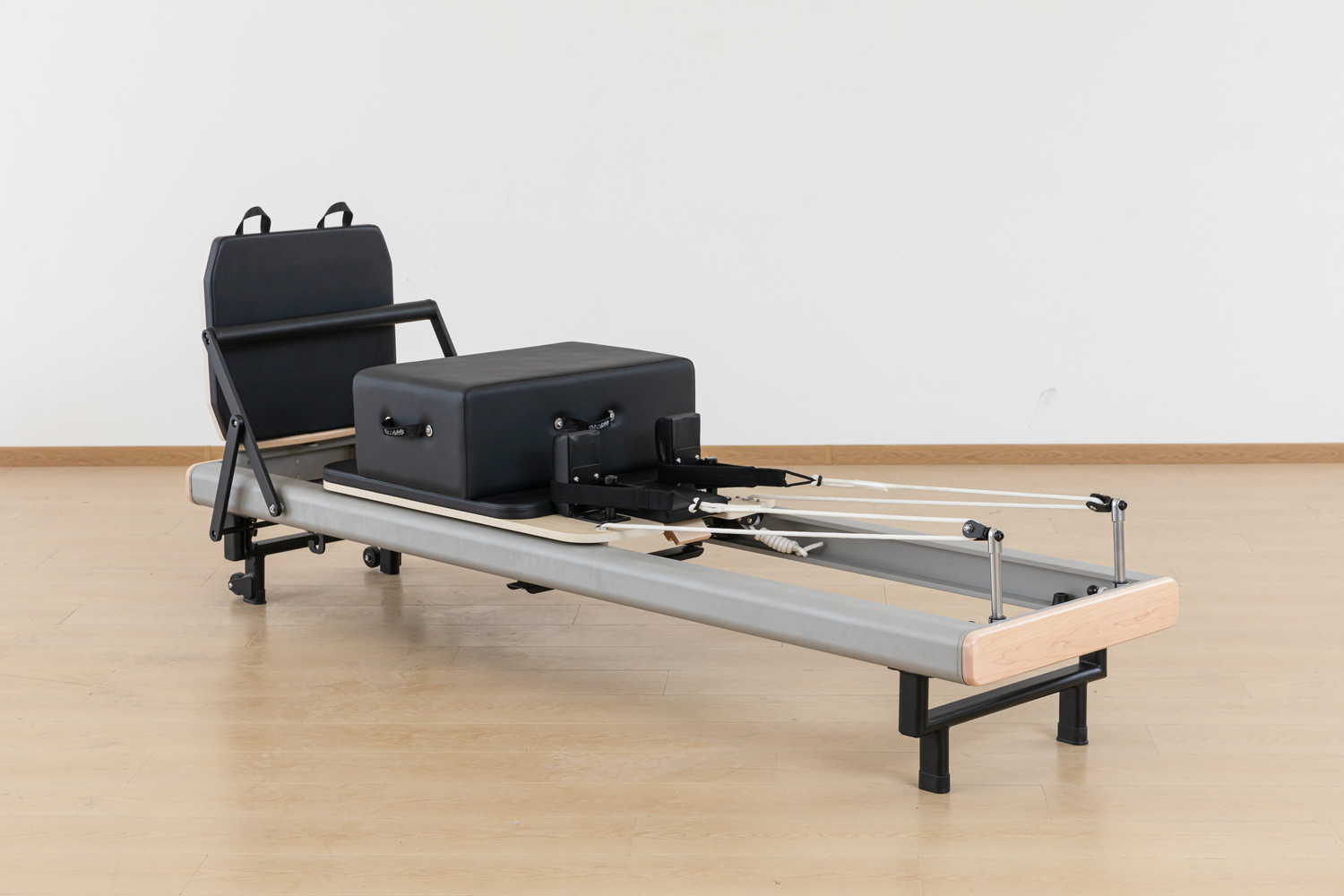
When studio owners and professional therapists distinguish entry-level Pilates gear from premium commercial equipment, upholstery and padding quality stands out as one of the most telling differences. High-end Pilates reformers, Cadillac tables, ladder barrels and stability chairs universally adopt microfiber padding and microfiber leather upholstery instead of ordinary PU leather, PVC, or basic foam materials.
Microfiber padding has become the gold standard for boutique studios, rehabilitation clinics, and luxury home Pilates setups. Its unique combination of premium comfort, long-term durability, stable grip, hygienic performance, and elegant appearance perfectly matches the high-frequency demands of commercial Pilates training. This article explains why microfiber padding dominates high-end Pilates equipment and how it improves studio operation and client experience.
1. Superior Wear Resistance for Long-Term Commercial Use
Commercial Pilates equipment endures repeated friction, body pressure, and daily cleaning for years. Ordinary PU and low-grade leather easily peel, crack, fade, and deform after several months of high-traffic studio use, requiring frequent replacement and increasing operational costs.
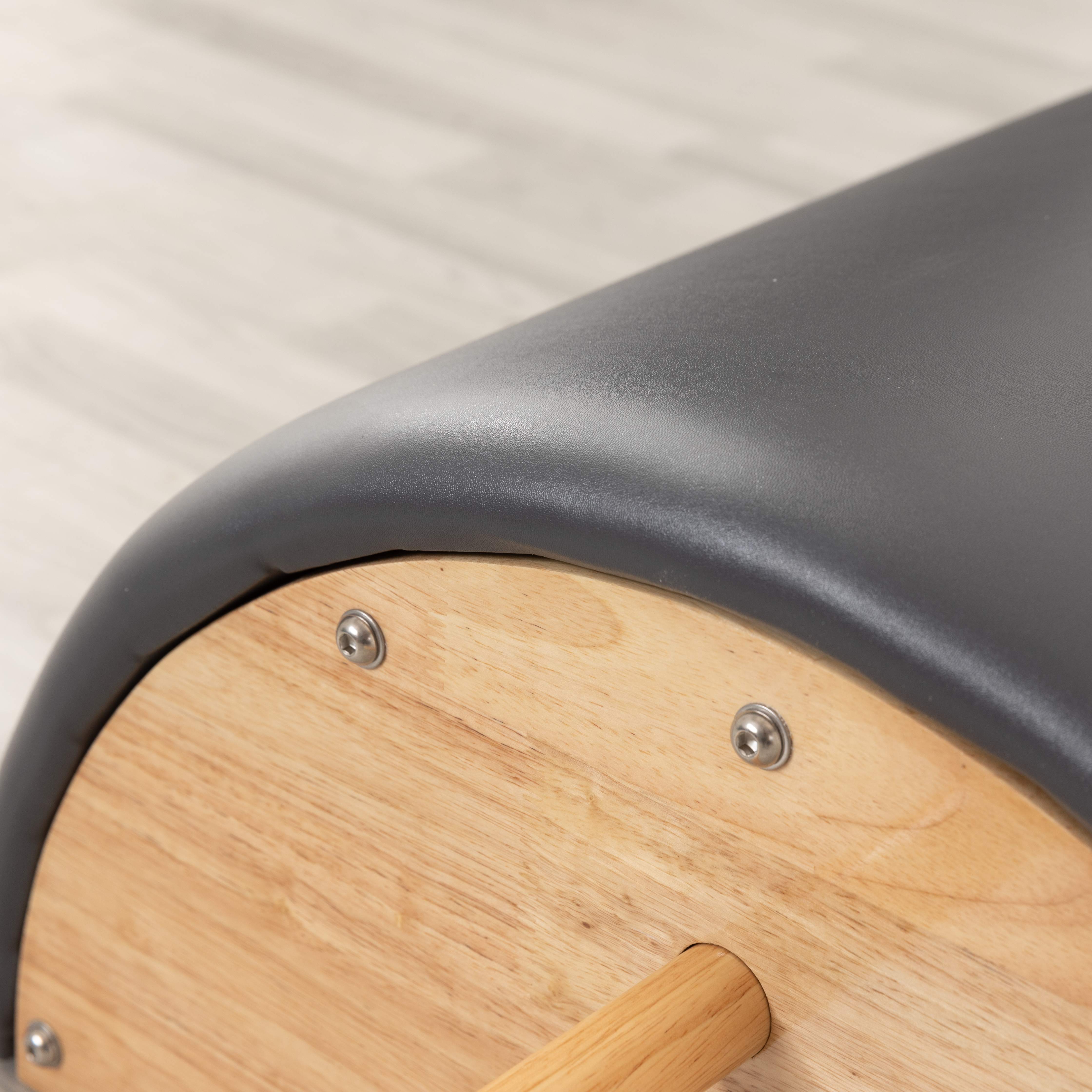
High-density microfiber padding features a tight ultra-fine fiber structure with exceptional abrasion resistance. Professional lab tests prove its wear lifespan is 3 to 5 times longer than standard PU leather, capable of sustaining over 500,000 friction cycles without surface damage. It resists peeling, cracking, and edge warping even after years of daily group classes and private training sessions, maintaining a brand-new appearance for a much longer time.
2. Balanced Grip and Smooth Movement Experience
Pilates training requires precise, controlled, and fluid body movement. Poor upholstery either feels too sticky to hinder sliding or overly slippery to cause unstable body positioning. Microfiber padding delivers a scientifically balanced surface texture tailored for professional Pilates movements.
Its micro-textured surface provides mild, consistent friction to keep the body stable during static poses, while remaining smooth enough for dynamic sliding and transition exercises. Unlike generic materials that fail in humid conditions, premium microfiber padding adopts moisture-activated grip performance: it becomes slightly grippier with sweat, preventing sliding accidents during long training sessions without restricting natural movement flow.
3. Optimized Cushion Support Without Sinking
High-end microfiber padding is compounded with high-resilience density foam, solving the common flaws of cheap padding — excessive softness, insufficient support, and permanent indentation. Many low-quality cushions sink after repeated body compression, causing uneven force distribution and affecting spinal alignment during rehabilitation and posture correction training.
Microfiber padded surfaces maintain consistent softness and firmness all year round. They effectively relieve body pressure on the spine, shoulders, hips, and joints during long-duration Pilates practice, while retaining stable structural support. This anti-sink performance ensures every movement is based on accurate body positioning, which is especially critical for clinical rehabilitation and professional instructor training standards.
4. Excellent Hygiene and Easy Daily Sanitization
Hygiene is a core priority for commercial fitness and rehabilitation studios. Pilates equipment makes extensive body contact, making sweat residue, bacteria growth, and odor accumulation common pain points for traditional upholstery.
Microfiber padding features a dense, non-porous waterproof surface that repels sweat, stains, and dust. It does not absorb moisture or breed mold and bacteria like porous genuine leather. Studio staff can quickly wipe and disinfect the surface with conventional alcohol or fitness sanitizers without causing material fading, hardening, or cracking.
Additionally, the material’s rapid-drying property avoids sticky residual moisture after cleaning, keeping the training environment fresh, hygienic, and safe for high-frequency customer use.
5. Climate Adaptability and Anti-Aging Performance
Ordinary synthetic leather is highly sensitive to temperature and humidity changes: it hardens and cracks in dry cold weather, while turning sticky and deformed in hot and humid environments. This instability greatly shortens equipment service life in globally diverse regional climates.
Premium microfiber padding boasts outstanding temperature resistance and anti-aging properties. It maintains stable softness, surface tension, and color uniformity in both low-temperature dry areas and tropical humid regions. It effectively resists ultraviolet aging and color fading, ensuring consistent visual and tactile performance throughout all seasons.
6. Premium Aesthetics and Customization Flexibility
High-end Pilates studios pursue unified, minimalist, and high-grade spatial aesthetics. Microfiber padding delivers a delicate, skin-like texture that is far more luxurious than plastic-feel PU leather. Its uniform grain, matte finish, and sophisticated color presentation perfectly match boutique studio and luxury wellness space positioning.
Moreover, microfiber materials support rich customized color matching and personalized logo embossing. Studio owners can freely match upholstery tones with interior decoration styles, creating exclusive brand visual features and improving overall studio refinement and competitiveness.
Why Professional Studios Choose Microfiber Padding
For commercial Pilates studios and rehabilitation centers, equipment padding is not merely a comfort accessory but a core factor affecting teaching quality, customer retention, and long-term operating costs. Microfiber padding minimizes post-purchase maintenance troubles, provides consistent professional training feedback, and elevates the overall studio brand image.
Although microfiber material has a higher manufacturing cost than ordinary leather, its ultra-long service life and zero frequent replacement losses make it the most cost-effective choice for long-term studio operation.
Final Conclusion
Microfiber padding is the preferred upholstery solution for high-end Pilates equipment due to its superior wear resistance, balanced professional grip, anti-sink cushion support, excellent hygienic performance, stable climate adaptability, and premium aesthetics. It perfectly meets the rigorous standards of commercial high-frequency training and clinical rehabilitation scenarios, outperforming traditional PU, PVC, and even genuine leather in comprehensive practical performance.
All our commercial-grade Pilates machines adopt premium microfiber padding with high-density rebound foam, supporting custom color matching and logo customization. We provide global studio owners and distributors with durable, high-grade, low-maintenance Pilates equipment solutions to help upgrade professional studio quality.