Aluminium Frame vs Solid Wood Pilates Reformer: Durability and Maintenance Comparison
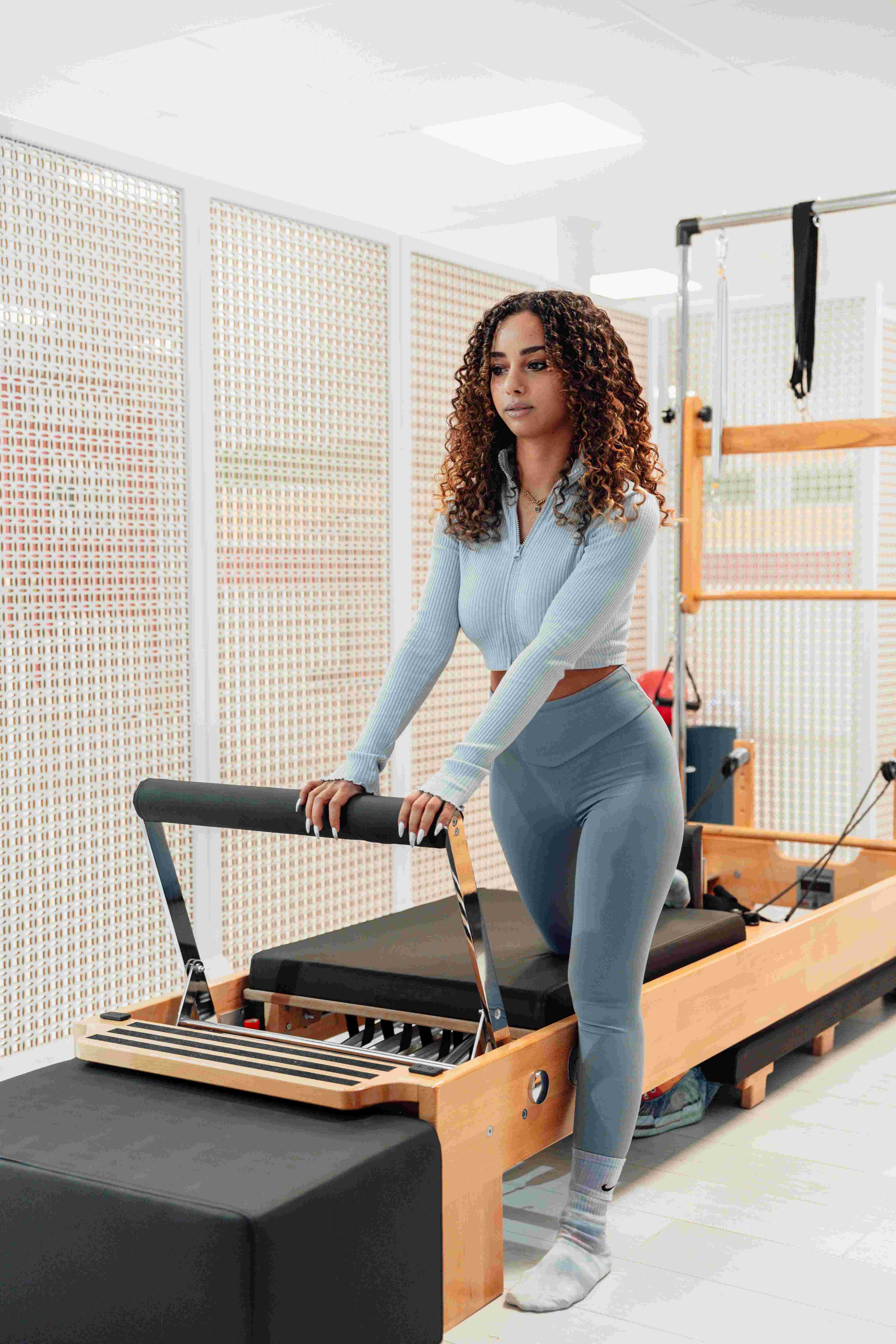
When investing in commercial Pilates reformers, studio owners and fitness distributors face one critical decision: choosing between aluminium frame reformers and solid wood reformers. Both frame types deliver professional Pilates training performance, but they differ drastically in structural durability, environmental adaptability, daily maintenance requirements, and long-term commercial service life.
Many studios make wrong material choices based only on appearance, leading to frequent deformation, aging, high upkeep costs, or early equipment replacement. To help you select the most cost-effective frame type for your studio location and business model, this article provides a detailed comparison of aluminium and solid wood reformers focusing on durability performance and long-term maintenance standards.
1. Overall Durability & Service Lifespan
Aluminium Frame Pilates Reformer
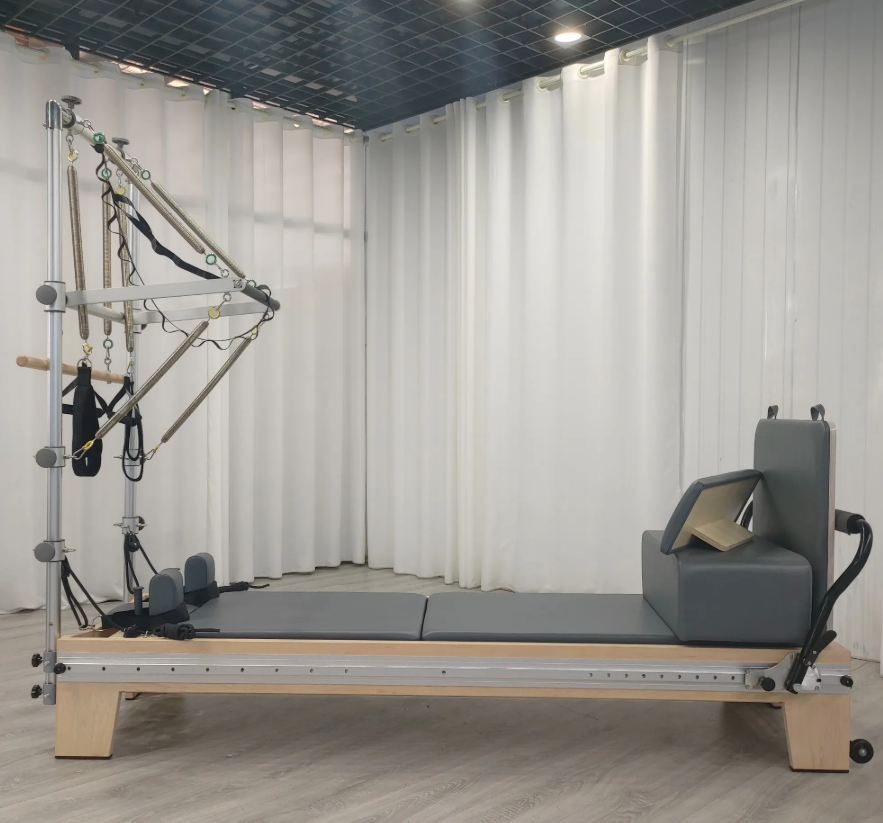
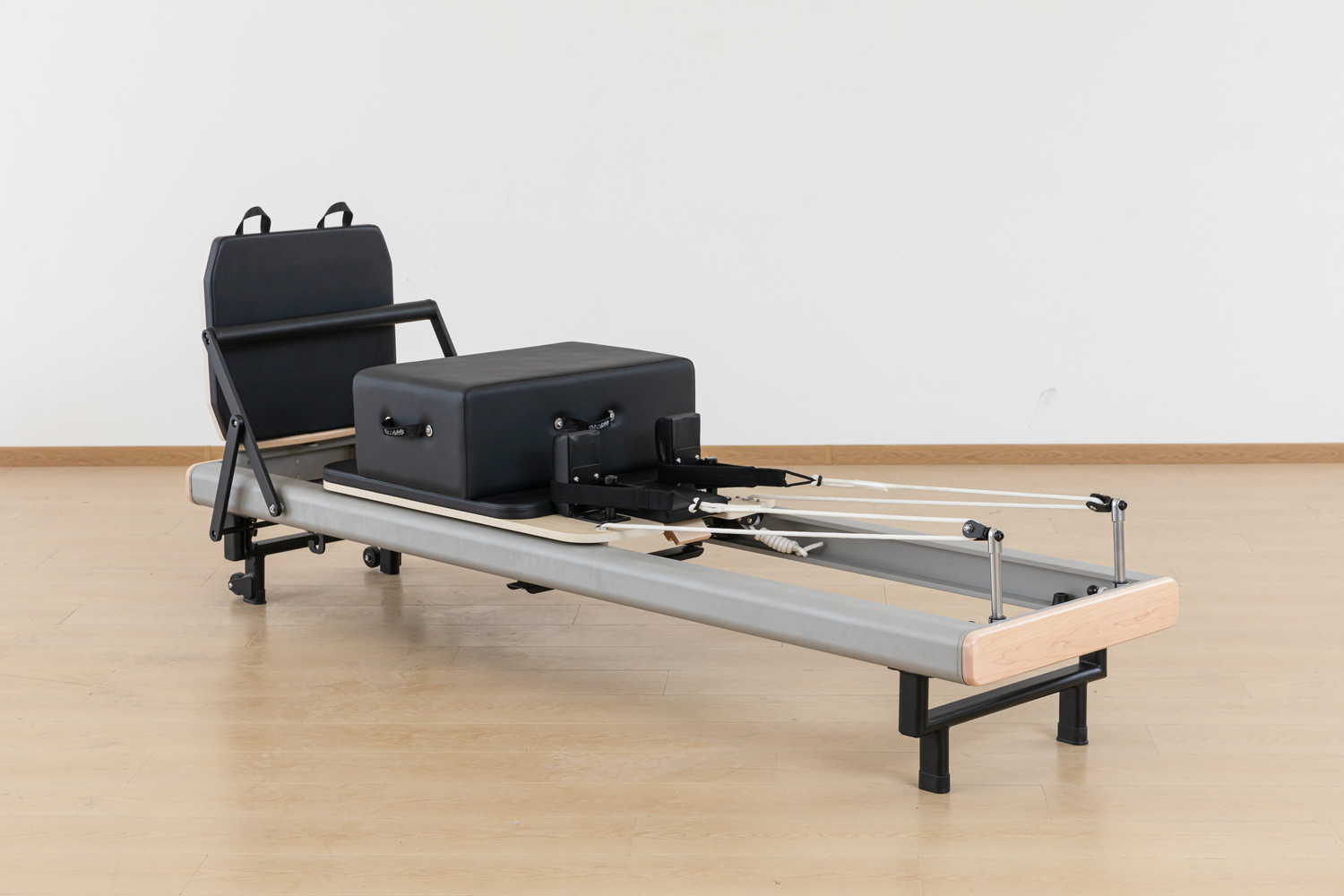
Aluminium alloy frames are engineered for heavy-duty commercial operation. With high tensile strength, integrated extrusion molding, and anti-oxidation properties, aluminium structures resist bending, deformation, and fatigue failure under continuous high-frequency training load.
Industry data shows that high-quality commercial aluminium reformers deliver a service lifespan of 10–15 years with basic routine maintenance. The rigid metal structure maintains stable geometric precision for years, ensuring consistent carriage glide, balanced spring tension, and zero structural shaking throughout long-term studio operation.
Solid Wood Pilates Reformer
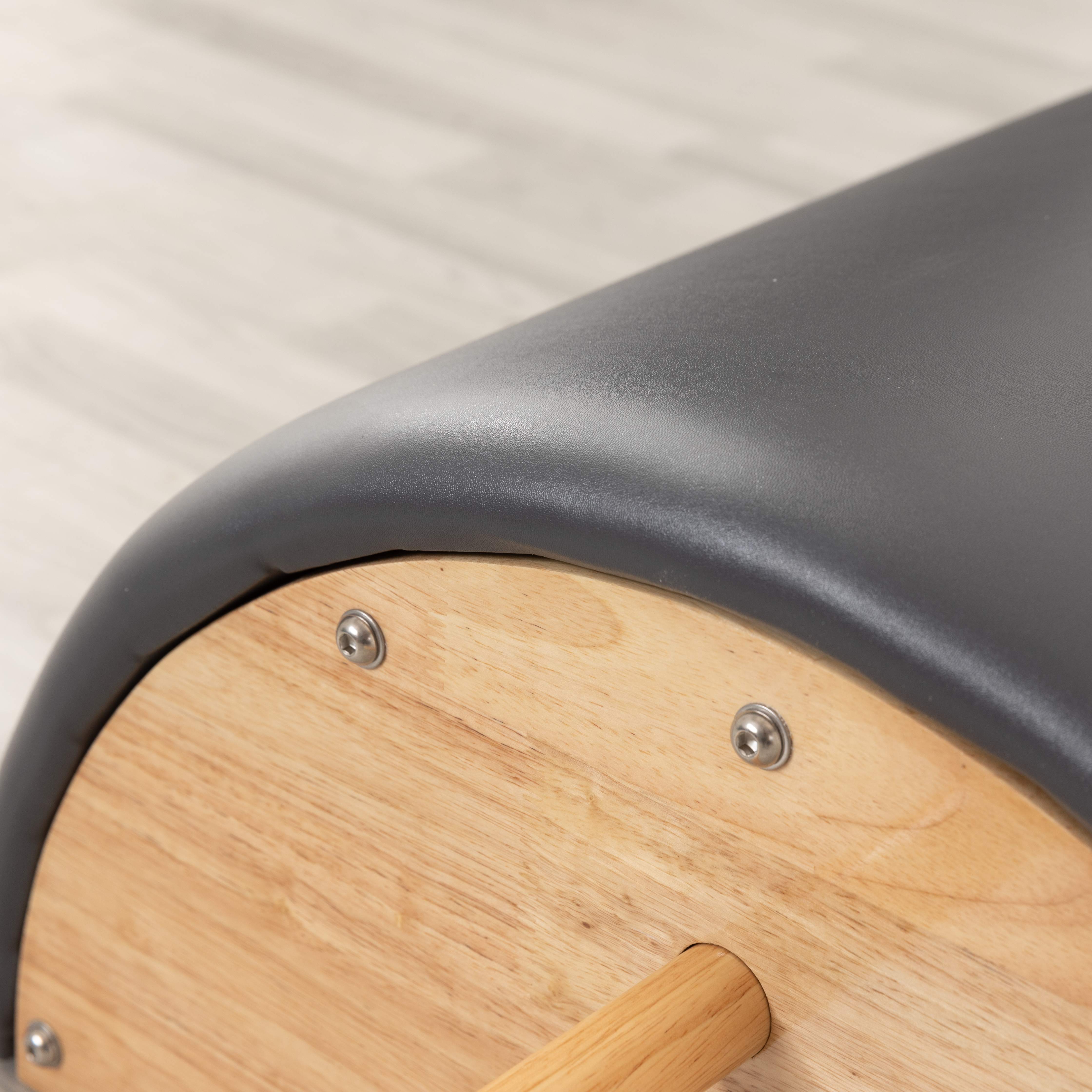
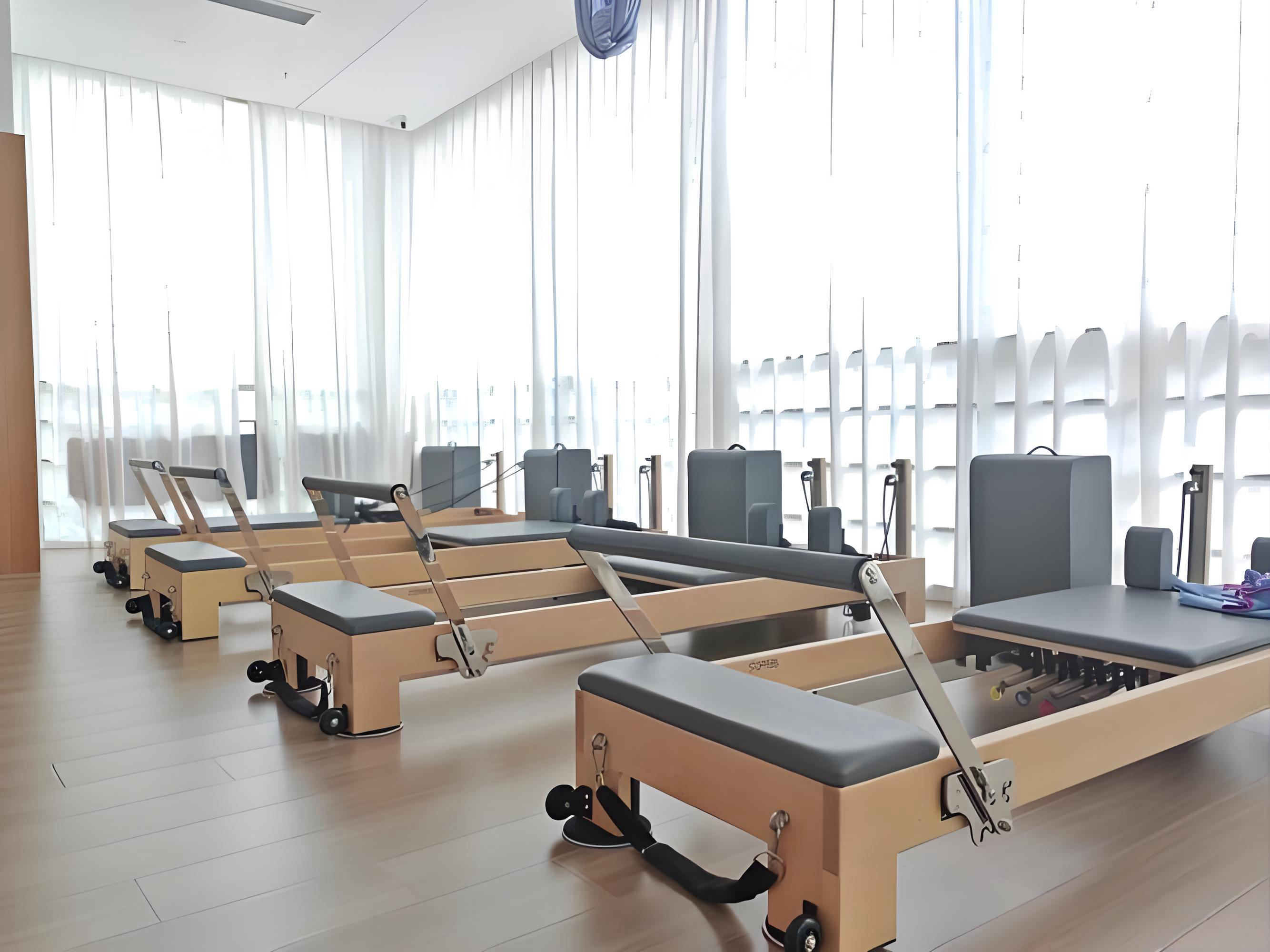
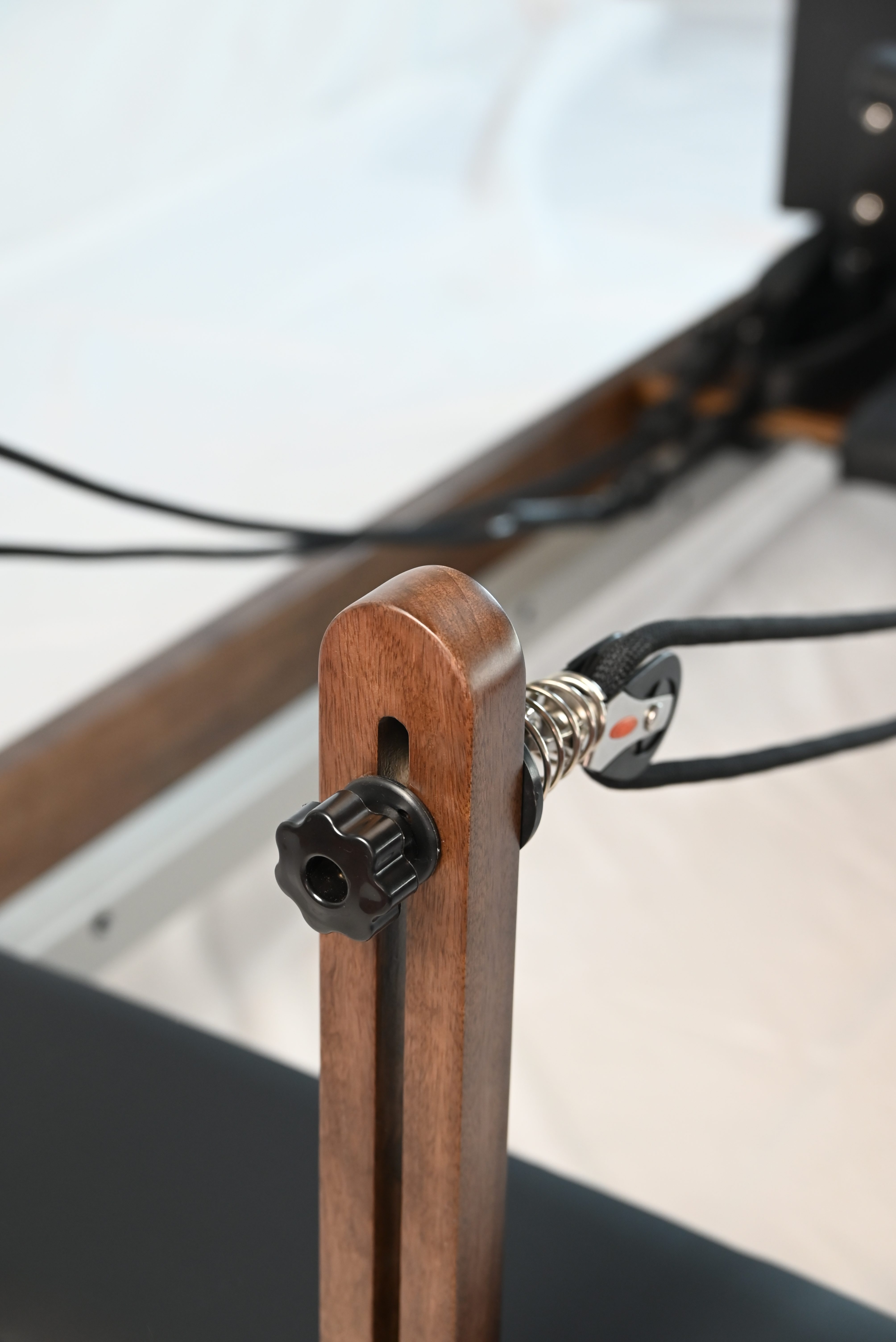
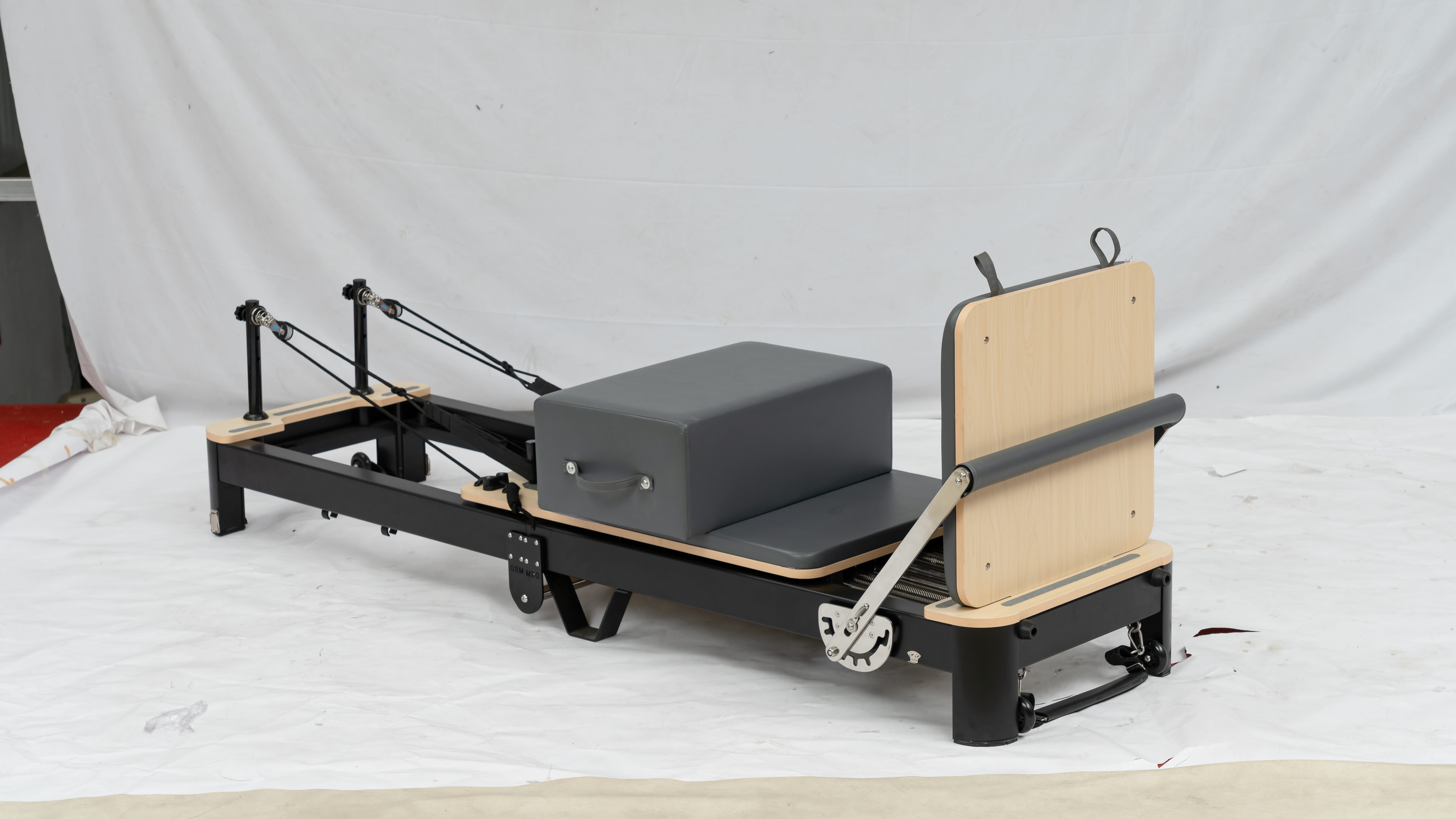
Solid wood reformers adopt premium hardwood materials such as beech wood and oak wood, featuring natural toughness and stable stress conduction. High-grade solid wood frames offer excellent structural rigidity and can serve 8–12 years in standard commercial environments.
However, wood is inherently sensitive to climate fluctuation. Under extreme humidity or dryness, unprotected solid wood frames may experience subtle warping, joint loosening, or micro-cracking, which gradually affects structural stability if not maintained regularly.
2. Environmental Adaptability & Anti-Aging Performance
Aluminium Frame: All-Weather Stable Performance
Anodized aluminium frames feature outstanding corrosion resistance, UV resistance, and moisture-proof performance. They remain stable in high-humidity coastal areas, dry inland regions, and high-temperature indoor environments without rusting, fading, or deforming.
Aluminium’s dimensional tolerance is strictly controlled within ±0.1mm, maintaining precise rail flatness and structural alignment across seasons. This makes aluminium reformers the most reliable choice for studios located in changeable or harsh climatic conditions.
Solid Wood: Climate-Sensitive Performance
Solid wood frames naturally expand and contract with temperature and humidity changes. In humid environments, wood absorbs moisture and may swell slightly; in dry seasons, it tends to shrink and produce tiny gaps at splicing joints. Seasonal deformation ranges from 1–3mm for ordinary solid wood frames.
Without professional anti-corrosion, moisture-proof, and UV-proof surface treatment, solid wood reformers are prone to surface fading, mildew, and structural loosening after long-term exposure to changing air conditions.
3. Daily Maintenance Requirements & Workload
Aluminium Frame: Low Maintenance, Zero Complex Upkeep
Aluminium reformers are famous for minimal maintenance needs. The smooth anodized metal surface is waterproof, dust-proof, and stain-resistant. Daily maintenance only requires simple wiping to remove dust and sweat stains.
There is no need for regular waxing, polishing, or climate adjustment. Hardware bolts remain tight for years without frequent re-tightening. The average annual maintenance cost for aluminium reformers is extremely low, ranging from $0 to $50 for basic upkeep.
Solid Wood: Medium to High Maintenance Routine
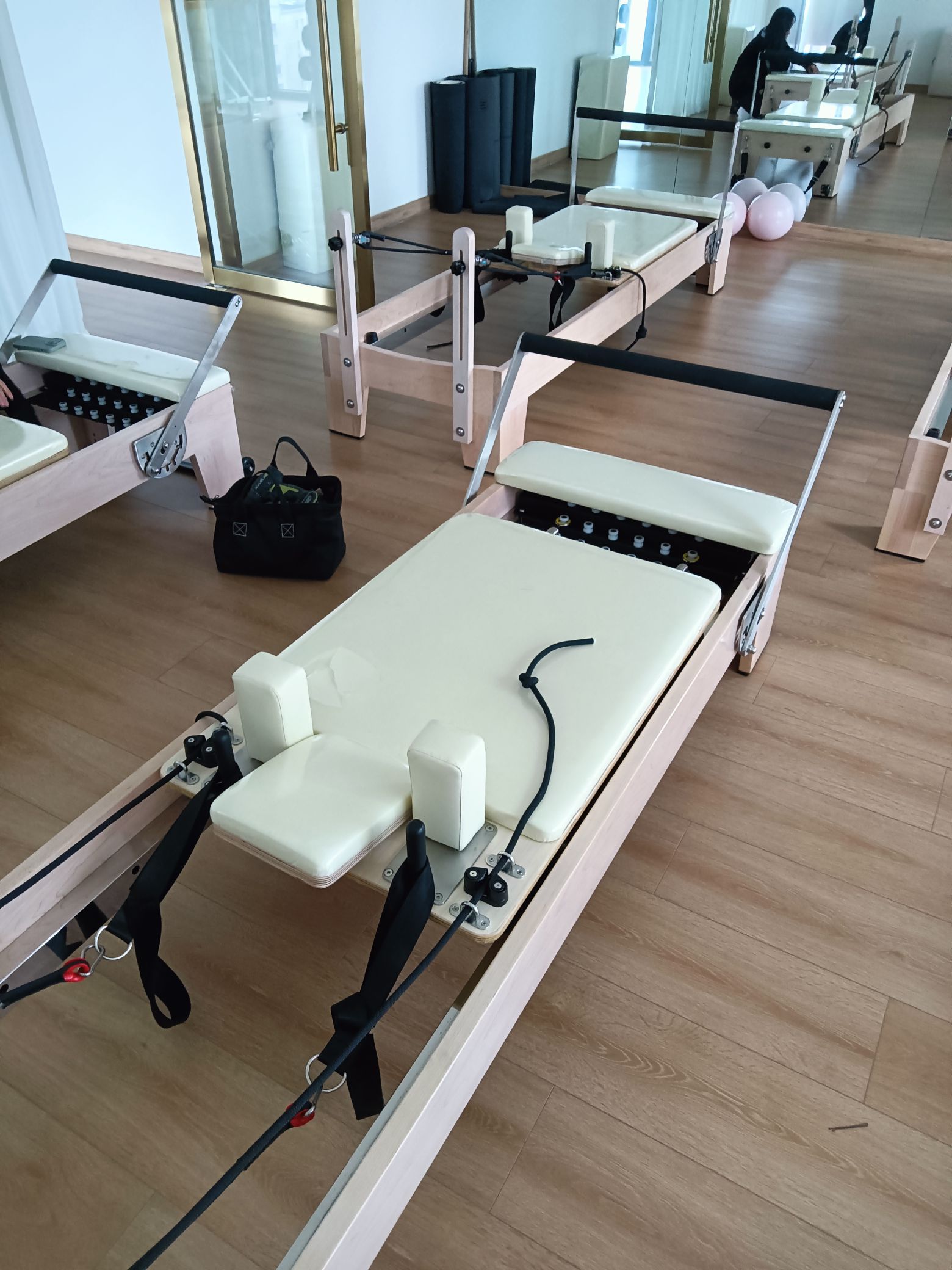
Solid wood reformers require systematic seasonal maintenance to retain stability and appearance. Studio owners need to regularly check and re-tighten frame joints, clean wood gaps, and apply protective oil or wax to prevent drying cracking and moisture erosion.
In coastal or tropical humid areas, additional mildew-proof and dehumidification measures are necessary. The average 5-year maintenance cost for solid wood commercial reformers can reach $500–$1,500, including material care, hardware adjustment, and surface refurbishment.
4. Structural Stability & Training Consistency
Aluminium Frame
Integrated extruded aluminium frames feature unified force distribution and zero structural fatigue. During high-resistance dynamic training, leg pulls, and jump board movements, the frame remains completely rigid without shaking or displacement. The fixed rail precision ensures ultra-smooth and consistent gliding feedback for every client.
Solid Wood Frame
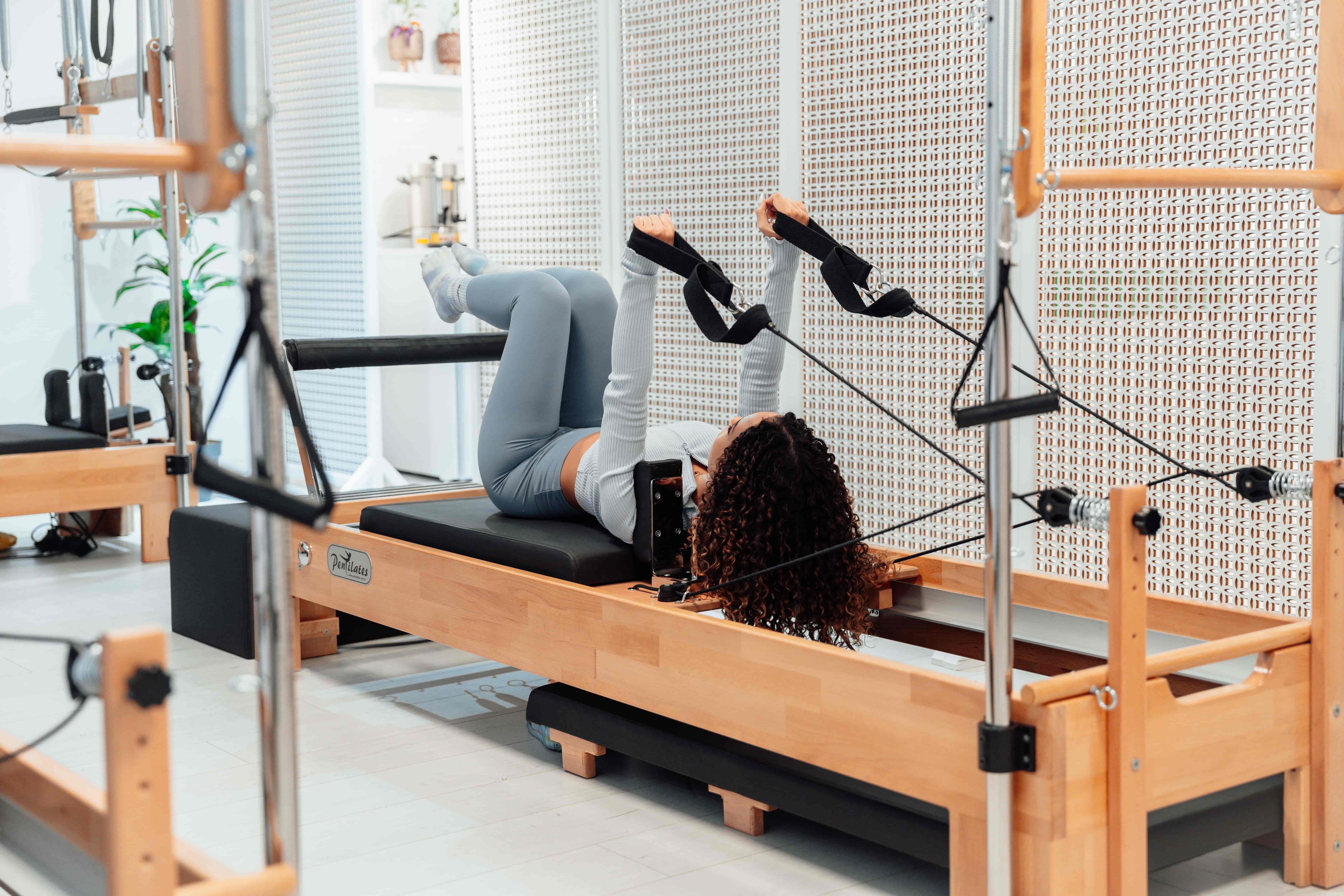
High-quality solid wood has natural subtle flexibility, delivering a softer, warmer training feel preferred by classical Pilates instructors. However, after long-term high-intensity commercial use, wood joints may gradually loosen, causing slight jitter during extreme movements. Regular tightening is required to restore structural stability.
5. Aesthetic Durability & Long-Term Appearance
Aluminium Frame
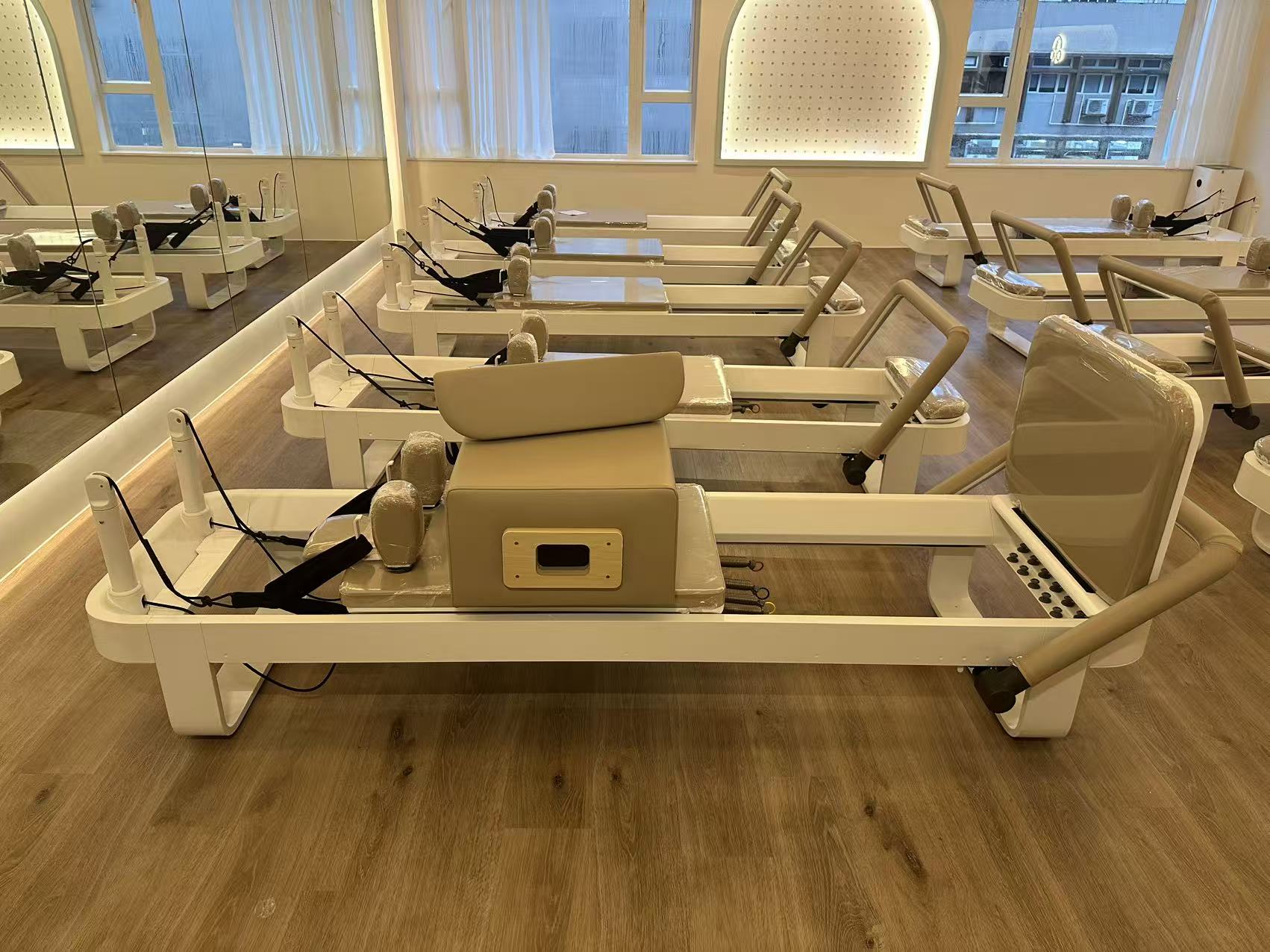
Modern matte powder-coated or anodized aluminium finishes resist fading, scratching, and oxidation. The surface texture remains clean, sleek, and brand-new for years, perfectly fitting modern minimalist and high-tech studio styles. No obvious aging traces appear even after decade-long commercial use.
Solid Wood Frame
Solid wood retains elegant natural texture and warm visual effects. With proper maintenance, wood frames can form a unique vintage texture over time. However, without regular care, wood surfaces easily fade, lose gloss, and accumulate stains, appearing worn and aged much faster than metal frames.
Which Frame Should You Invest In?
Choose Aluminium Frame If:
- You run a high-traffic commercial studio with daily long-hour classes
- Your studio is located in coastal, humid, or highly changeable climate regions
- You prefer low-maintenance equipment with ultra-long service life
- You pursue modern, clean, and unified studio visual style
- You want to reduce long-term operational and maintenance costs
Choose Solid Wood Frame If:
- You operate a high-end boutique classical Pilates studio
- You need warm texture and premium natural wood aesthetics
- Your local climate is dry and stable with low humidity fluctuation
- You focus on private training and pursue comfortable soft training feedback
Final Conclusion
Aluminium frame reformers excel in overall durability, environmental stability, and low maintenance costs, making them the most practical and cost-effective choice for long-term commercial studio operation. Solid wood reformers stand out in natural aesthetics and comfortable training feel, ideal for high-end boutique studios and stable dry-climate environments.
The best purchasing strategy is to match frame material with your local climate, studio traffic, and brand positioning. Both material types can achieve long-term stable performance as long as they adopt commercial-grade manufacturing standards and reasonable daily maintenance.
We provide both premium commercial aluminium and solid wood Pilates reformers with strict quality control. Customized finishes, stable structural performance, and full after-sales support help global studio owners and distributors achieve maximum equipment investment value.