Commercial Pilates Machine Maintenance Schedule and Long-Term Care Guidelines
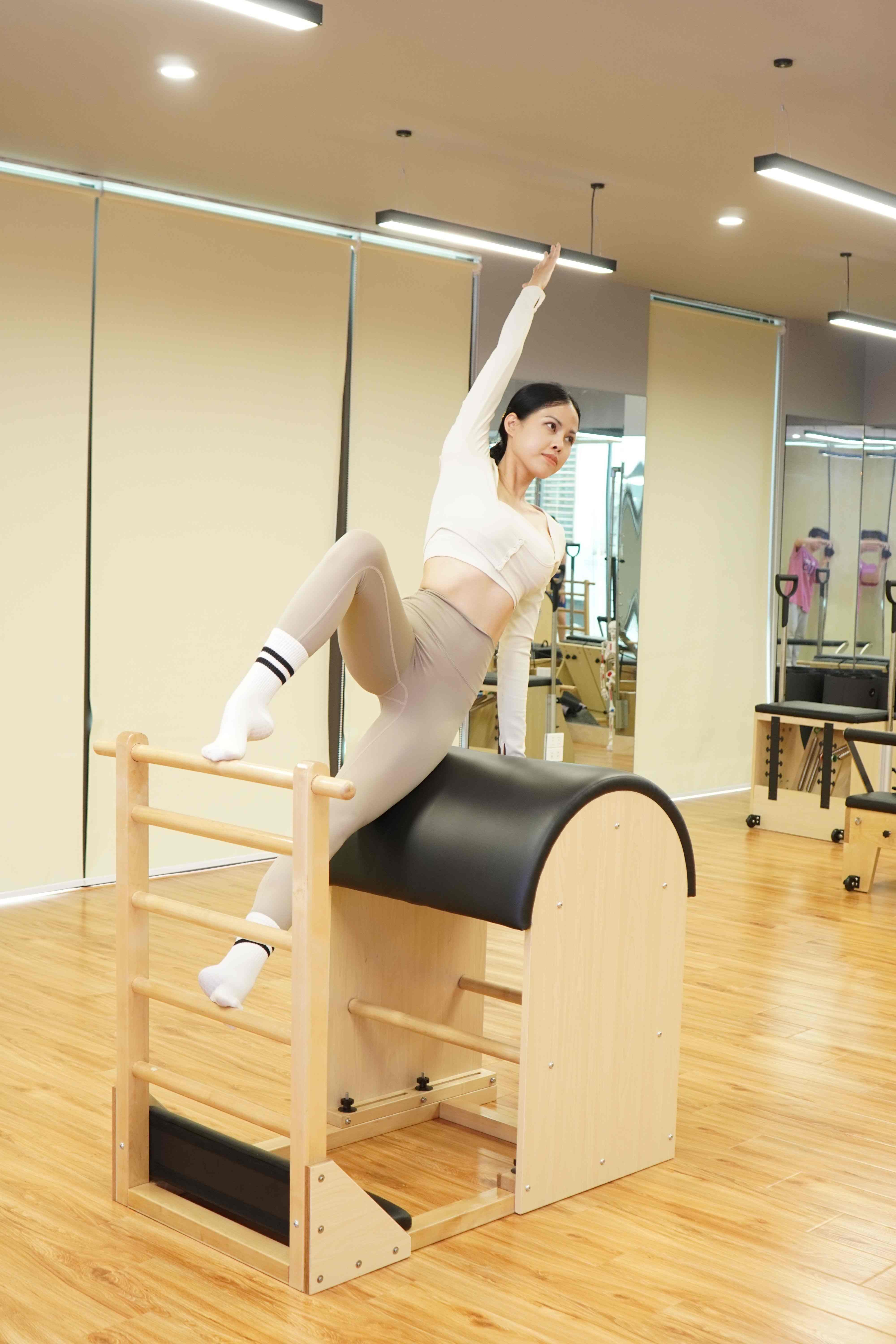
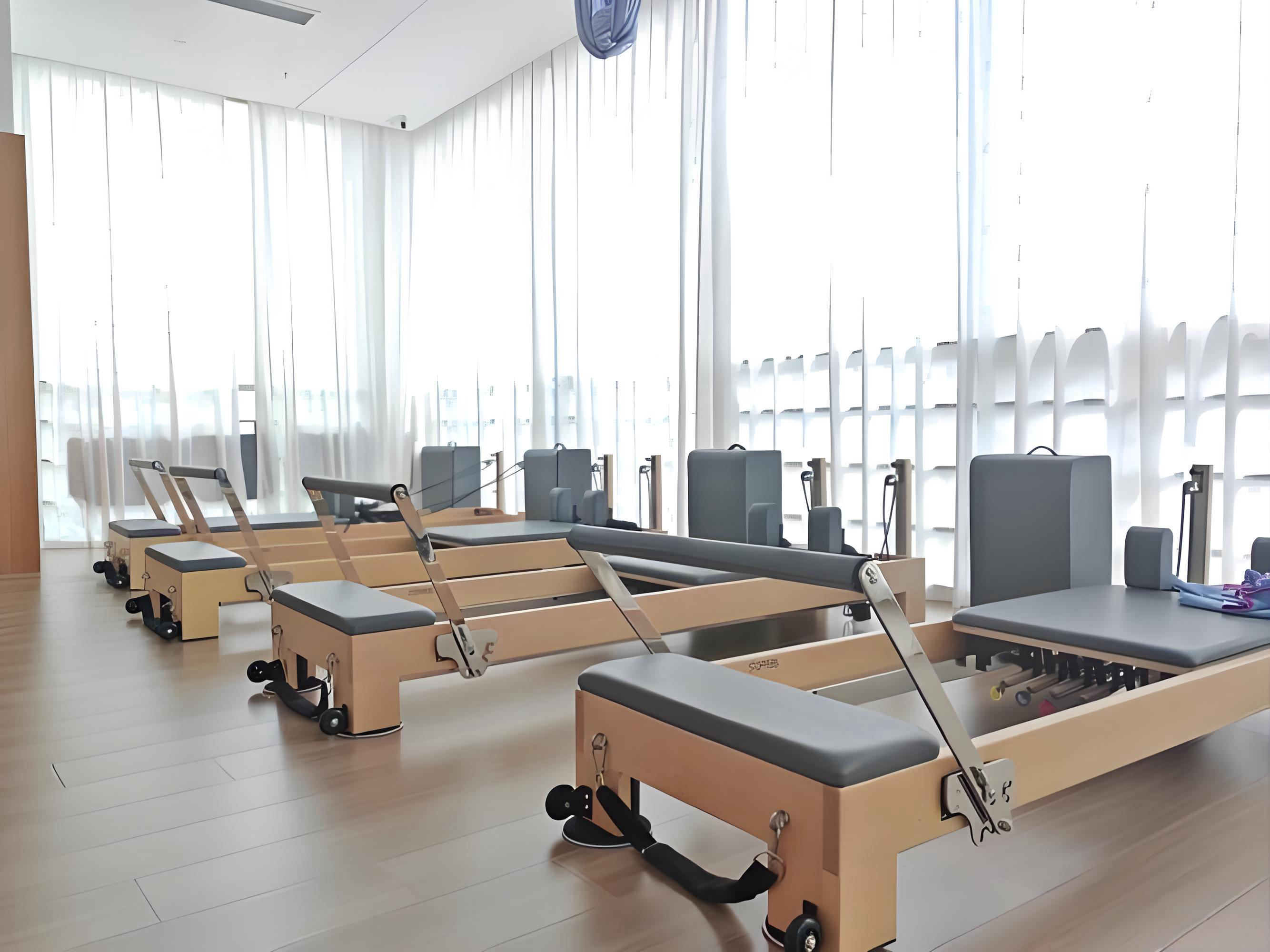
Commercial Pilates equipment is a core long-term investment for boutique studios, rehabilitation clinics, and fitness training centers. Unlike home-use fitness gear, commercial Pilates reformers, Cadillac tables, ladder barrels, and spine correctors endure 6–10 hours of daily high-frequency use, facing continuous friction, tension fatigue, and body pressure load.
Without standardized maintenance routines, commercial machines are prone to noisy sliding, spring fatigue, upholstery peeling, frame loosening, and stuck pulleys, leading to sudden class interruptions, poor client experience, and expensive premature replacement costs. Establishing a scientific commercial Pilates machine maintenance schedule and long-term care system is the most cost-effective way to extend equipment lifespan, stabilize training quality, and reduce studio operating costs. This article provides complete time-based maintenance checklists and professional long-term care guidelines for all commercial Pilates apparatus.
Why Scheduled Maintenance Matters for Commercial Pilates Studios
Many studio owners only repair equipment after faults occur, which is a typical reactive management method that shortens machine service life by 30%–50%. Regular proactive maintenance delivers multiple core commercial benefits:
- Eliminates hidden mechanical faults and avoids sudden equipment downtime during peak classes
- Maintains consistent sliding smoothness and spring tension, ensuring standardized teaching effects
- Greatly reduces long-term replacement costs of springs, wheels, straps and other wearable parts
- Preserves equipment appearance and hygiene, improving professional studio branding and client satisfaction
- Protects commercial warranty validity and avoids after-sales disputes caused by improper use
Daily Maintenance Routine (After Every Working Day)
Daily routine maintenance focuses on cleaning, basic inspection, and resetting, suitable for all commercial Pilates machines. It takes only 5–10 minutes per machine but effectively prevents accumulated aging and contamination.
- Surface sanitization: Wipe microfiber upholstery, headrests, hand straps, and metal frames with professional fitness disinfectant wipes to remove sweat, dust, and oil residues. Avoid harsh corrosive chemicals that damage leather and paint surfaces.
- Equipment reset: Restore all springs, carriages, ropes, and foot loops to their original positions to avoid long-term single-direction tension deformation.
- Basic noise check: Slide the carriage back and forth to confirm no abnormal squeaking or jamming noise.
- Debris cleaning: Clean dust and hair from pulley grooves, wheel gaps, and sliding rails to prevent friction damage.
Weekly Maintenance Checklist (Once a Week)
Weekly maintenance targets wearable moving parts and connection structures to eliminate loose and blocked minor faults.
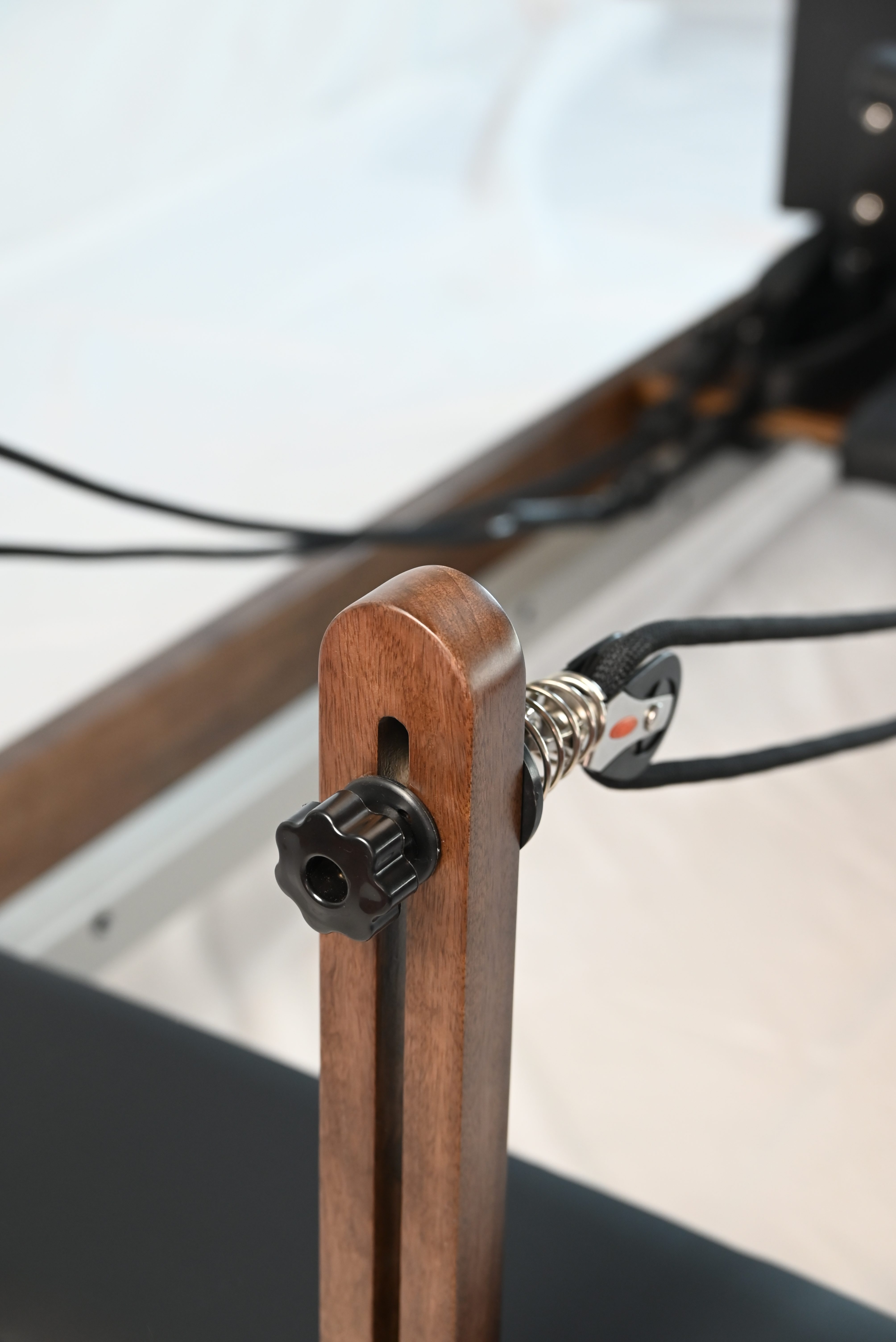
- Pulley and rope inspection: Check ropes for fraying, cracks, or loose stitching; test pulley rotation fluency and remove residual dust inside grooves.
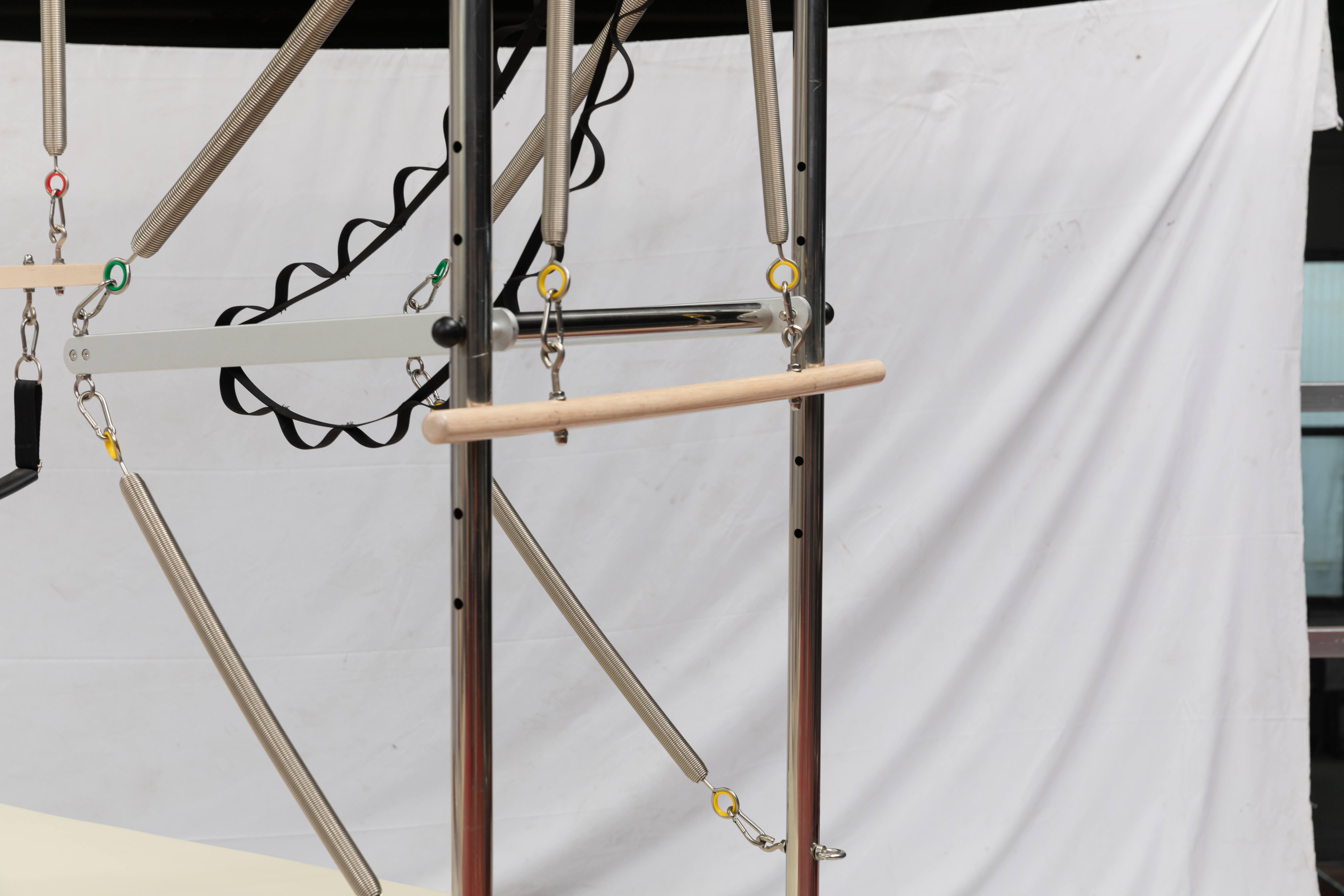
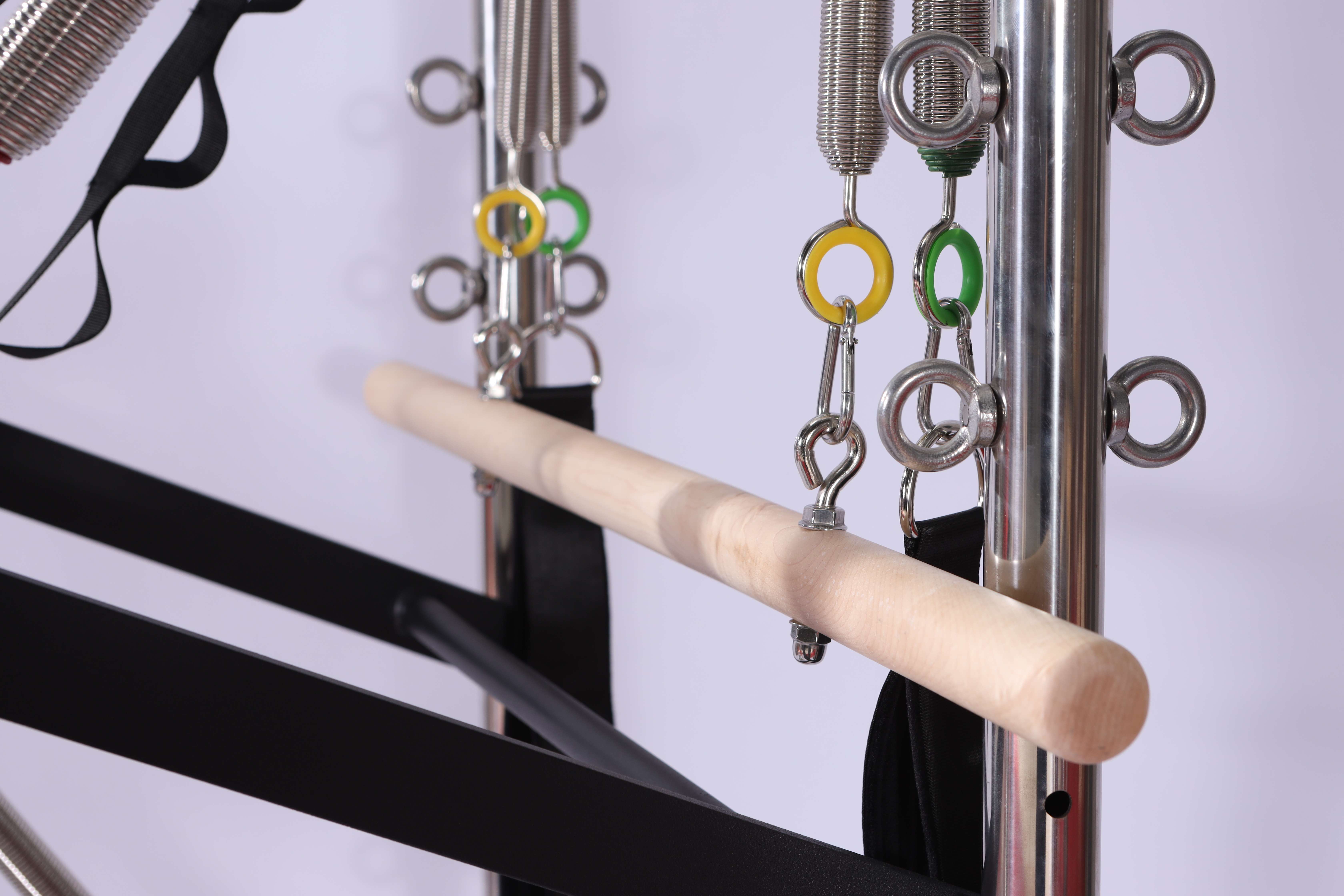
- Spring status check: Observe all color-coded springs for deformation, uneven tension, or rust spots; check spring hooks and damping gaskets for wear.
- Frame hardware tightening: Slightly check all screws, bolts, and locking knobs on reformers, Cadillac tables, and barrels to ensure no loosening caused by long-term vibration.
- Sliding rail cleaning: Wipe rail surfaces thoroughly and keep them dry and smooth to ensure stable carriage gliding.
Monthly Maintenance Service (Once a Month)
Monthly maintenance is the core link of commercial equipment upkeep, focusing on lubrication, performance calibration, and component aging assessment.
- Professional rail lubrication: Apply fitness-specific silent lubricant on sliding rails and wheel bearings to eliminate squeaking and ensure ultra-smooth movement.
- Tension calibration: Test spring reset speed and tension uniformity, mark fatigued springs for early replacement.
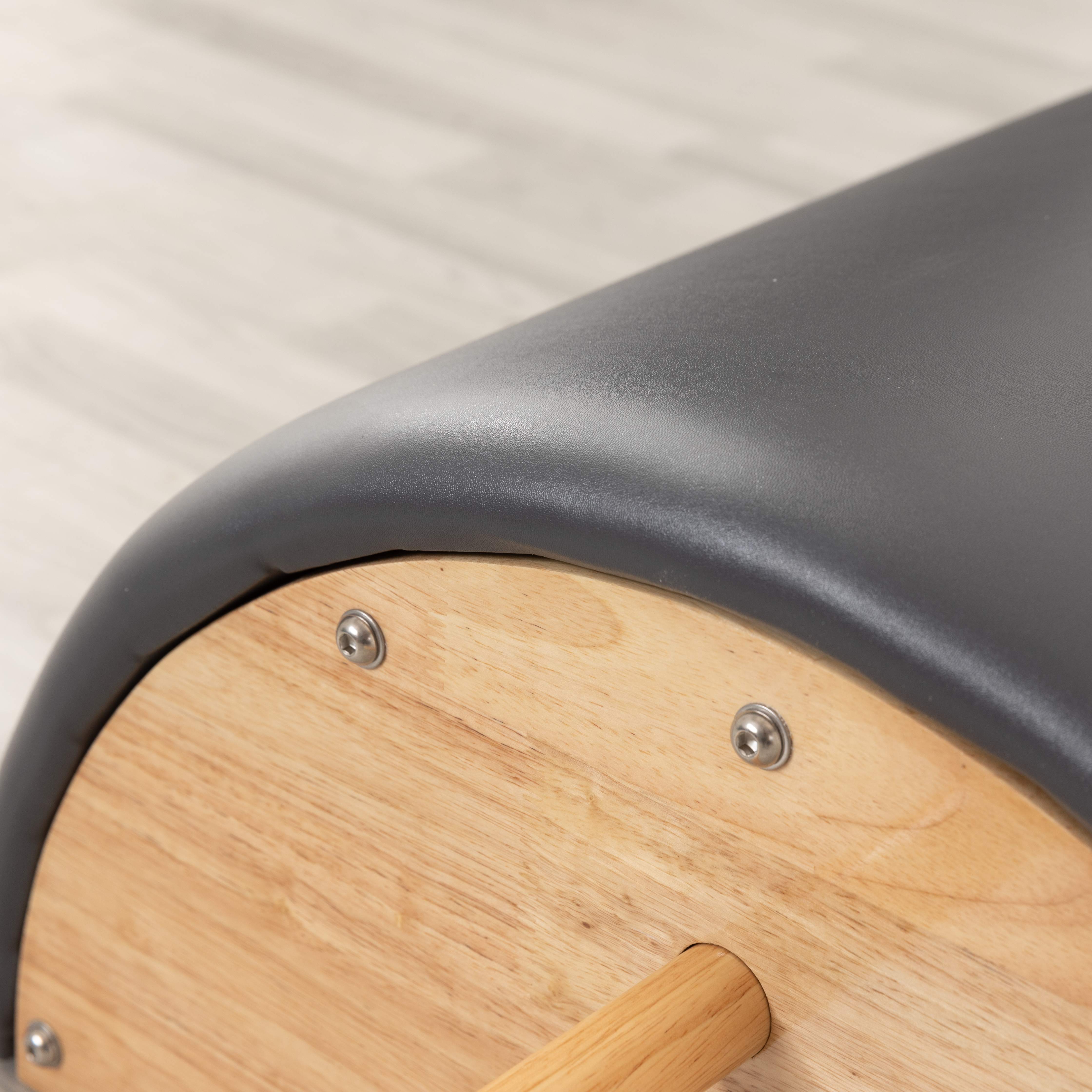
- Upholstery inspection: Check padding for indentation, peeling, edge warping, or hardening; clean stitching gaps thoroughly.
- Stability adjustment: Check anti-slip foot pads, level the machine body, and correct equipment tilt caused by floor pressure.
Quarterly Deep Maintenance (Every 3 Months)
Quarterly deep maintenance applies to high-frequency commercial studios and solves potential hidden problems that daily and weekly inspections cannot detect.
- Complete disassembly and cleaning: Dismantle wheels, bearings, and pulley components for deep dust removal and precision cleaning.
- Wear part evaluation: Systematically assess the aging degree of ropes, straps, foot loops, and damping gaskets; replace severely worn parts in advance.
- Structural safety detection: Check frame welding points, wood joint tightness, and metal structural fatigue to avoid deformation risks.
- Noise and vibration debugging: Adjust wheel balance and bearing tightness to eliminate jitter and resonance noise during high-speed sliding.
Annual Comprehensive Overhaul (Once a Year)
Annual overhaul is a full-life-cycle inspection for commercial Pilates equipment, suitable for studio annual equipment inspection and asset management.
- Replace all aging high-consumption wearable parts including springs, bearings, and traction ropes
- Repair or renovate faded, cracked, or sunk upholstery padding
- Re-tighten and reinforce all frame structures to restore factory-level stability
- Completely calibrate sliding balance, tension uniformity, and overall machine performance
- Update maintenance records and sort out spare parts inventory for the new year
Long-Term Care Guidelines by Equipment Type
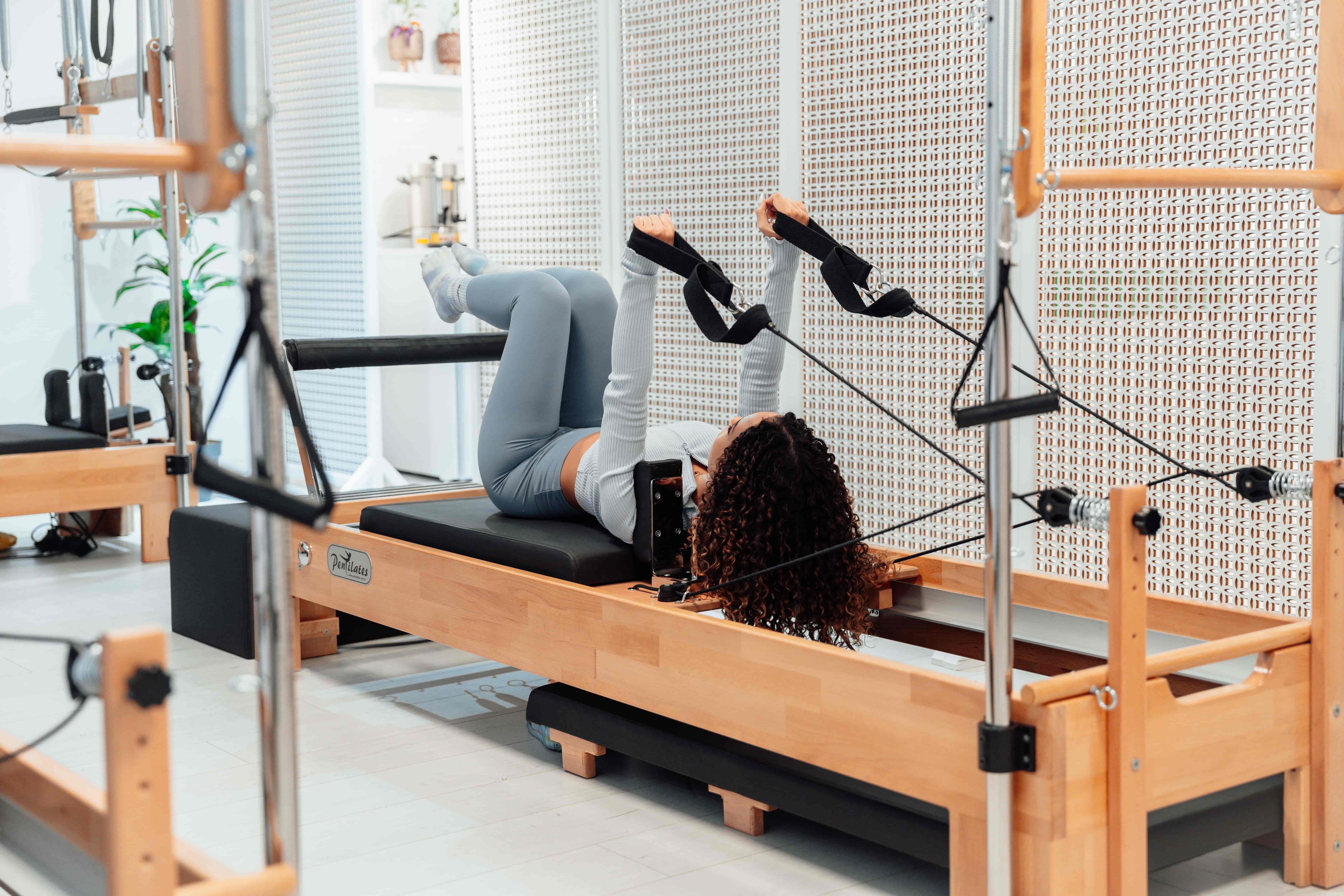
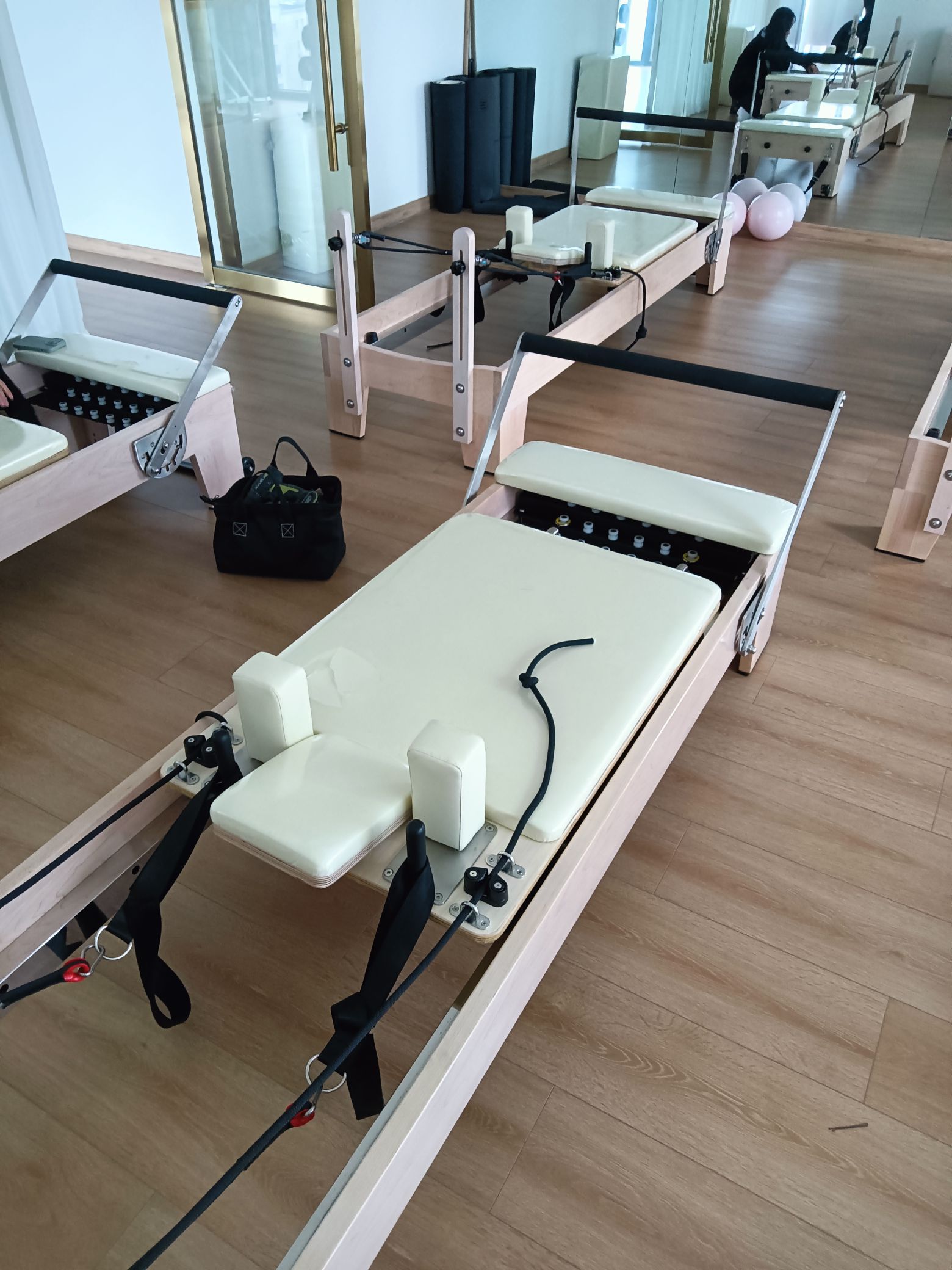
- Pilates Reformer Long-Term Care
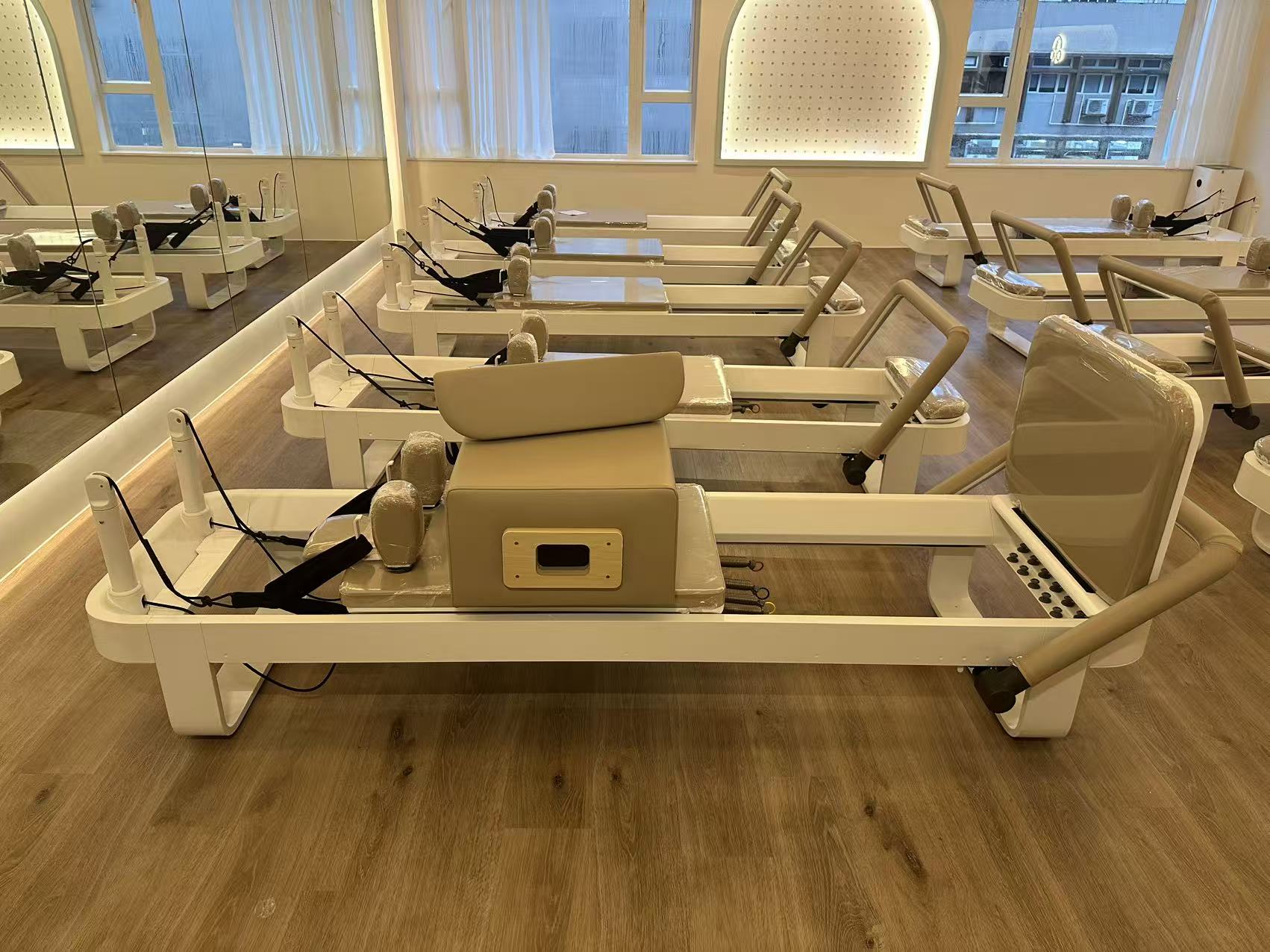
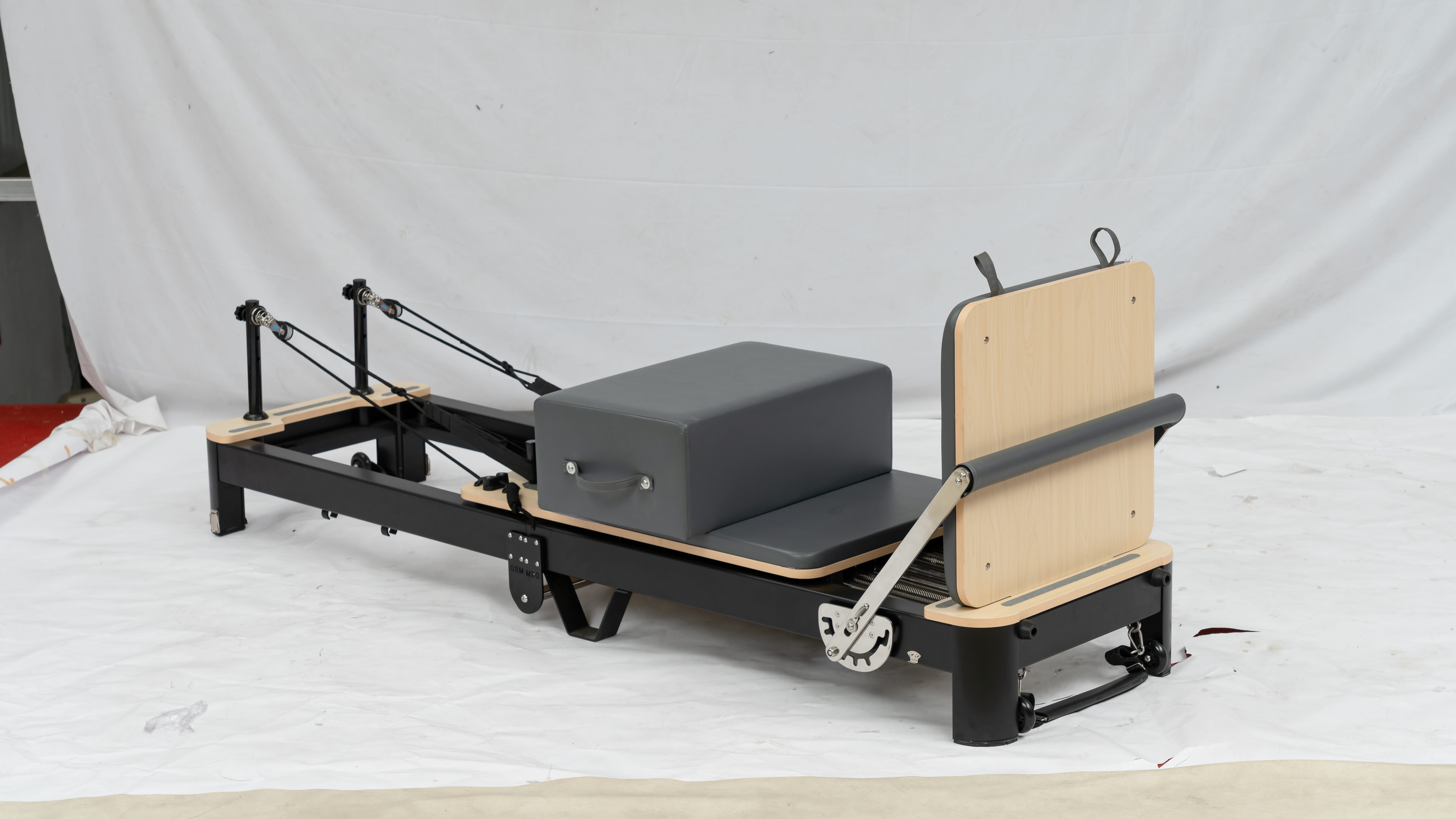
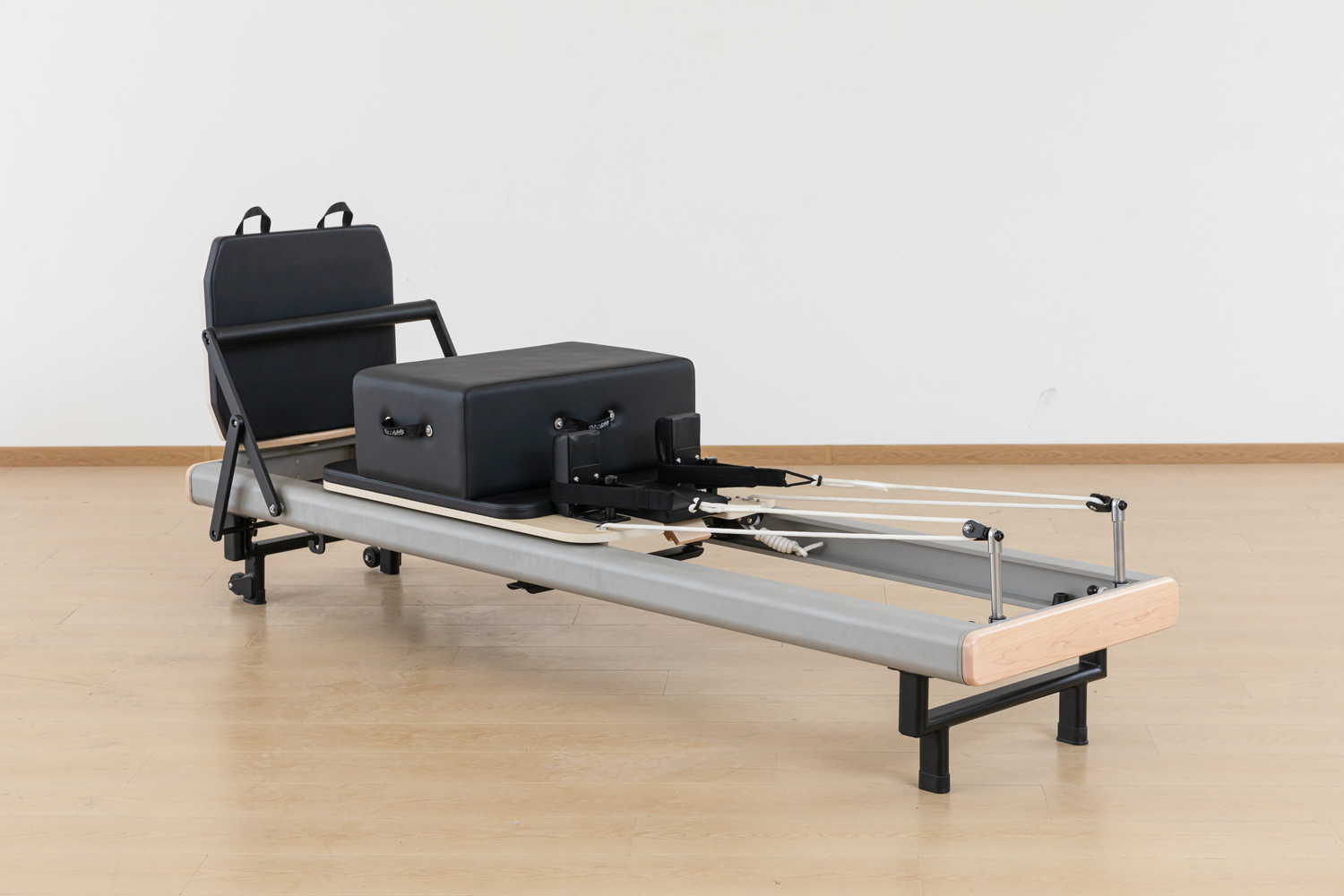
Focus on sliding system and spring tension maintenance. Avoid overloading heavy clients for long-term high-resistance training. Keep rails dry and lubricated regularly to prevent wheel jamming. Replace tension springs every 1–2 years to maintain consistent training resistance.
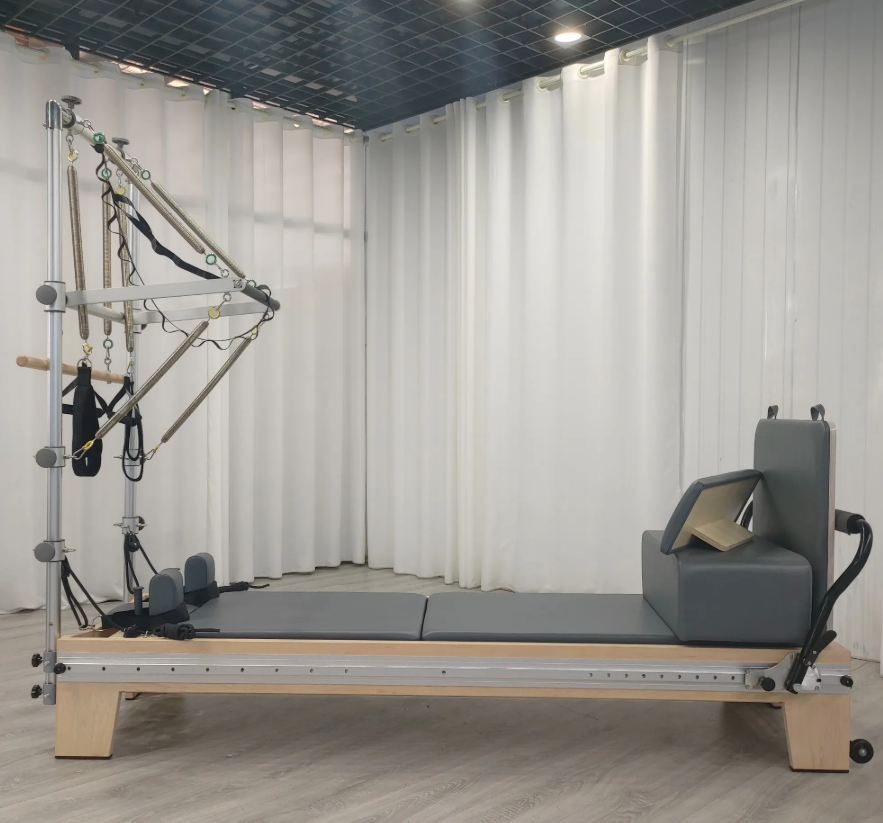
- Cadillac Trapeze Table Care
Focus on overhead frame stability and multi-angle spring connectors. Regularly check bar locking structures and anti-loosening bolts. Avoid violent pulling during suspended training to protect frame welding joints and mechanical parts.
- Ladder Barrel & Spine Corrector Care
Solid wood barrel equipment needs regular surface dust removal and moisture-proof maintenance. Avoid long-term humid environment placement to prevent wood mildew and deformation. Check bracket stability regularly to ensure safe curved support.
Key Environmental Care Rules for Studio Equipment
- Humidity control: Keep studio humidity between 40%–60%. Excessive humidity causes wood deformation and metal rust; overly dry air leads to leather cracking.
- Avoid direct sunlight: Long-term UV exposure fades upholstery and accelerates material aging.
- Ventilation maintenance: Keep daily ventilation to reduce sweat residue odor and bacterial growth on equipment surfaces.
Common Maintenance Mistakes to Avoid
- Using alcohol or corrosive cleaners excessively, damaging leather and surface coating
- Over-lubricating rails, causing excessive dust adhesion and sticky sliding
- Ignoring small wearable parts replacement, leading to secondary damage to core structures
- Random disassembly without professional guidance, resulting in loose assembly and structural instability
Final Conclusion
A complete commercial Pilates machine maintenance schedule includes daily cleaning, weekly inspection, monthly lubrication and calibration, quarterly deep maintenance, and annual comprehensive overhaul. Scientific long-term care can maximize equipment service life, maintain stable commercial training performance, and greatly reduce studio operating and replacement costs.
For professional studios, standardized equipment maintenance is not only a daily management detail but also an important part of improving teaching quality and brand competitiveness. We provide commercial-grade wearable spare parts and professional equipment maintenance guidance for global studios and distributors, supporting long-term stable equipment operation.