How to Select Upholstery and Foam for High-Traffic Pilates Studios
For high-traffic Pilates studios that run back-to-back group classes, private sessions, and rehabilitation programs daily, equipment upholstery and foam padding are far more than cosmetic features. They directly determine client comfort, hygiene standards, daily maintenance workload, equipment lifespan, and long-term studio operating costs. Many boutique studios and fitness distributors underestimate material specifications, resulting in faded, cracked, sagging, or odor-prone cushions within just 6–12 months of heavy commercial use.
Selecting commercial-grade upholstery and high-resilience foam tailored for high-traffic environments is the key to maintaining consistent client experience, reducing replacement frequency, and protecting your studio equipment investment. This professional guide breaks down industry-standard material parameters, key selection criteria, material comparisons, and practical tips exclusively for busy Pilates studio operators and global fitness equipment buyers.
Why Upholstery and Foam Quality Matters for High-Traffic Studios
Low-traffic home Pilates equipment can tolerate standard foam and basic PU leather. However, commercial studios face continuous body compression, repeated friction, heavy sweat exposure, and daily sanitization. Inferior materials quickly develop permanent indentations, surface peeling, stiffness, discoloration, and bacterial growth.
Poor padding quality directly harms client experience: sagging foam destabilizes body alignment during spinal correction and core training, while cracked upholstery creates hygiene risks and unprofessional studio aesthetics. Upgrading to traffic-rated upholstery and foam minimizes downtime, cuts long-term maintenance costs, and ensures safe, comfortable, and premium-quality training for hundreds of monthly clients.
Commercial-Grade Upholstery Selection Guide for Pilates Equipment
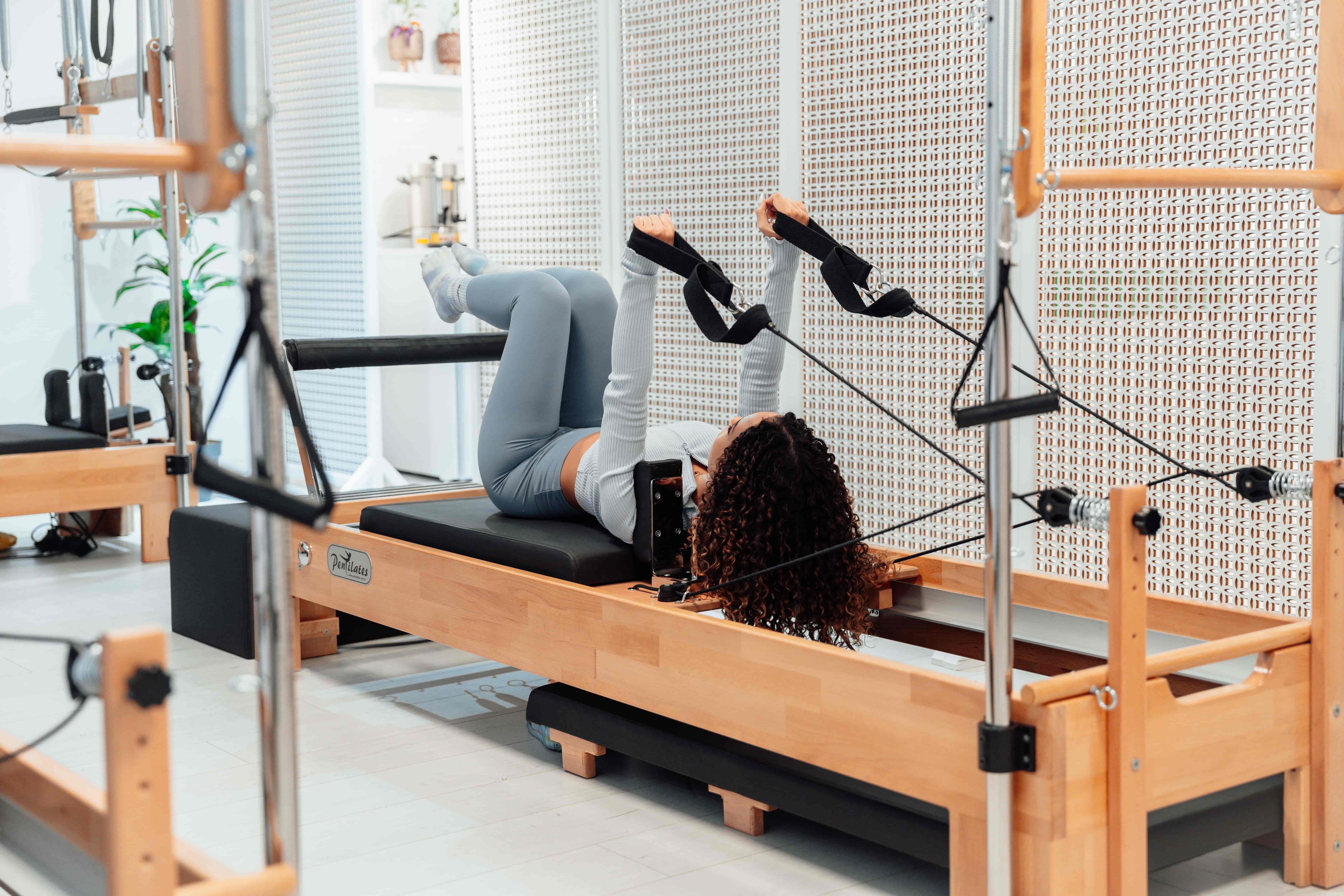
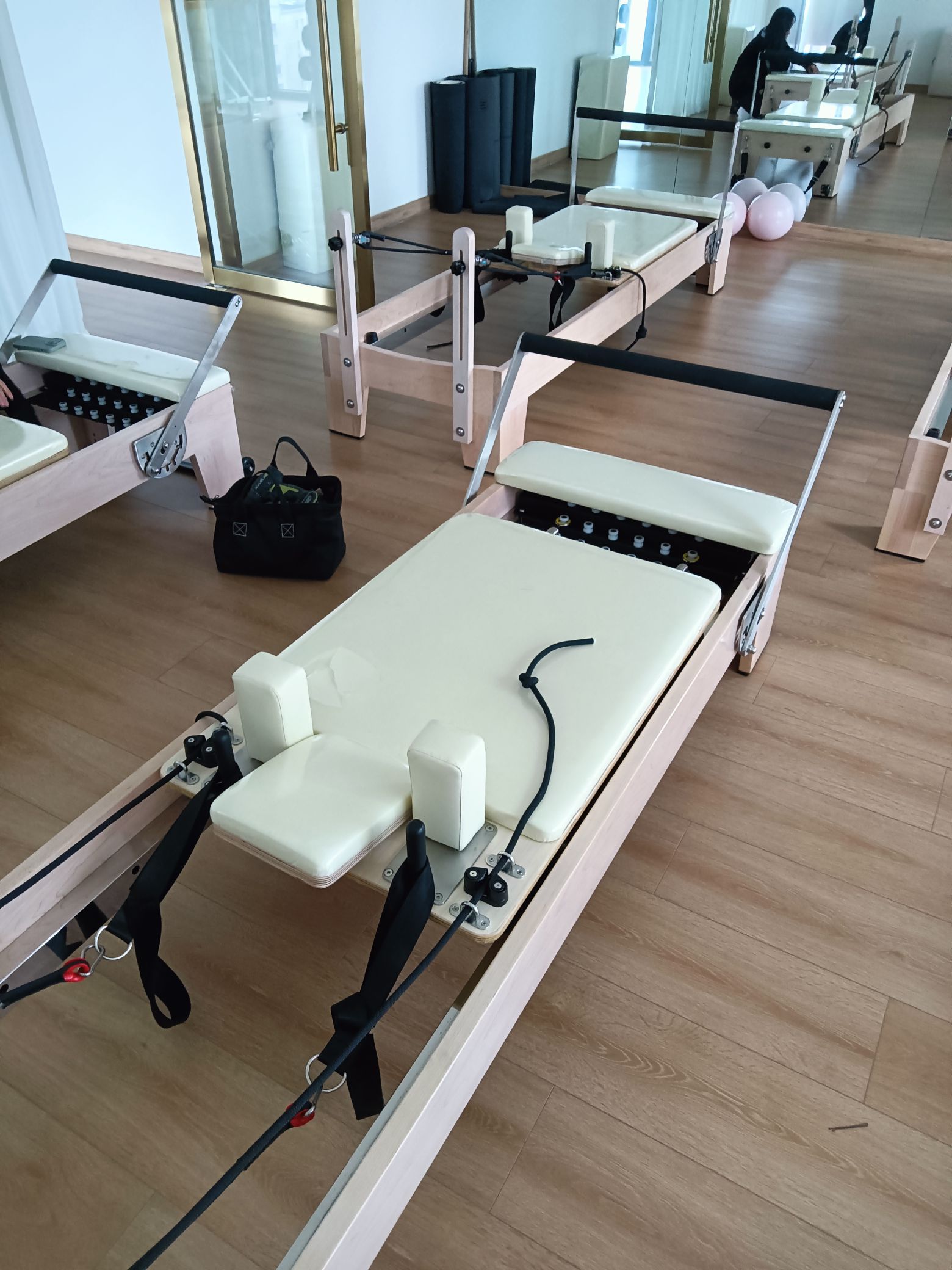
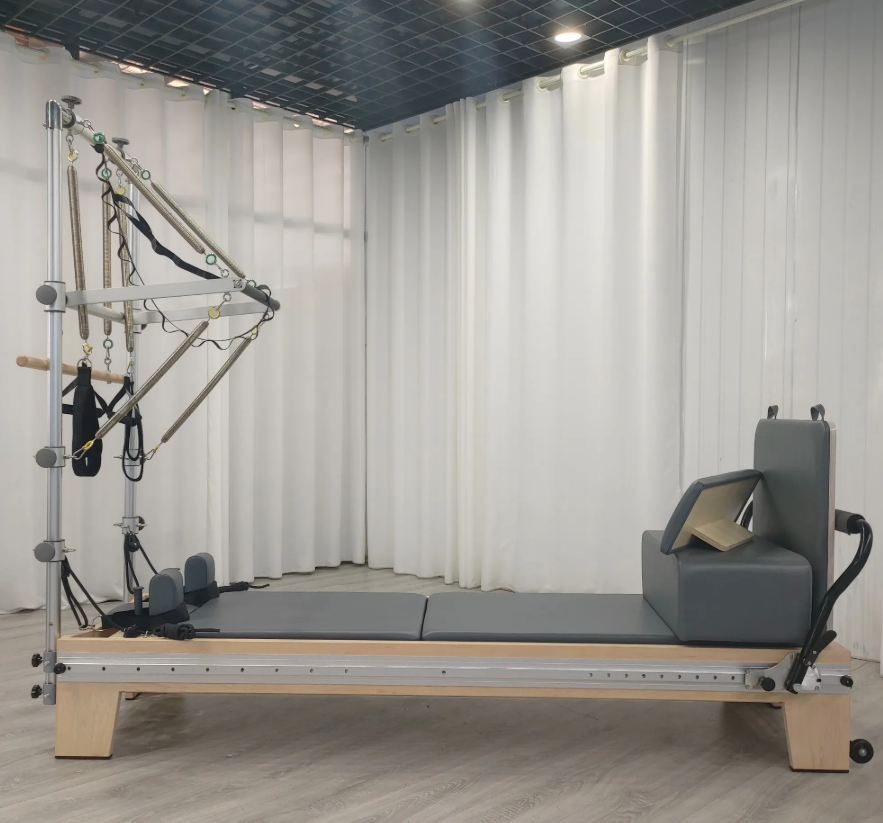
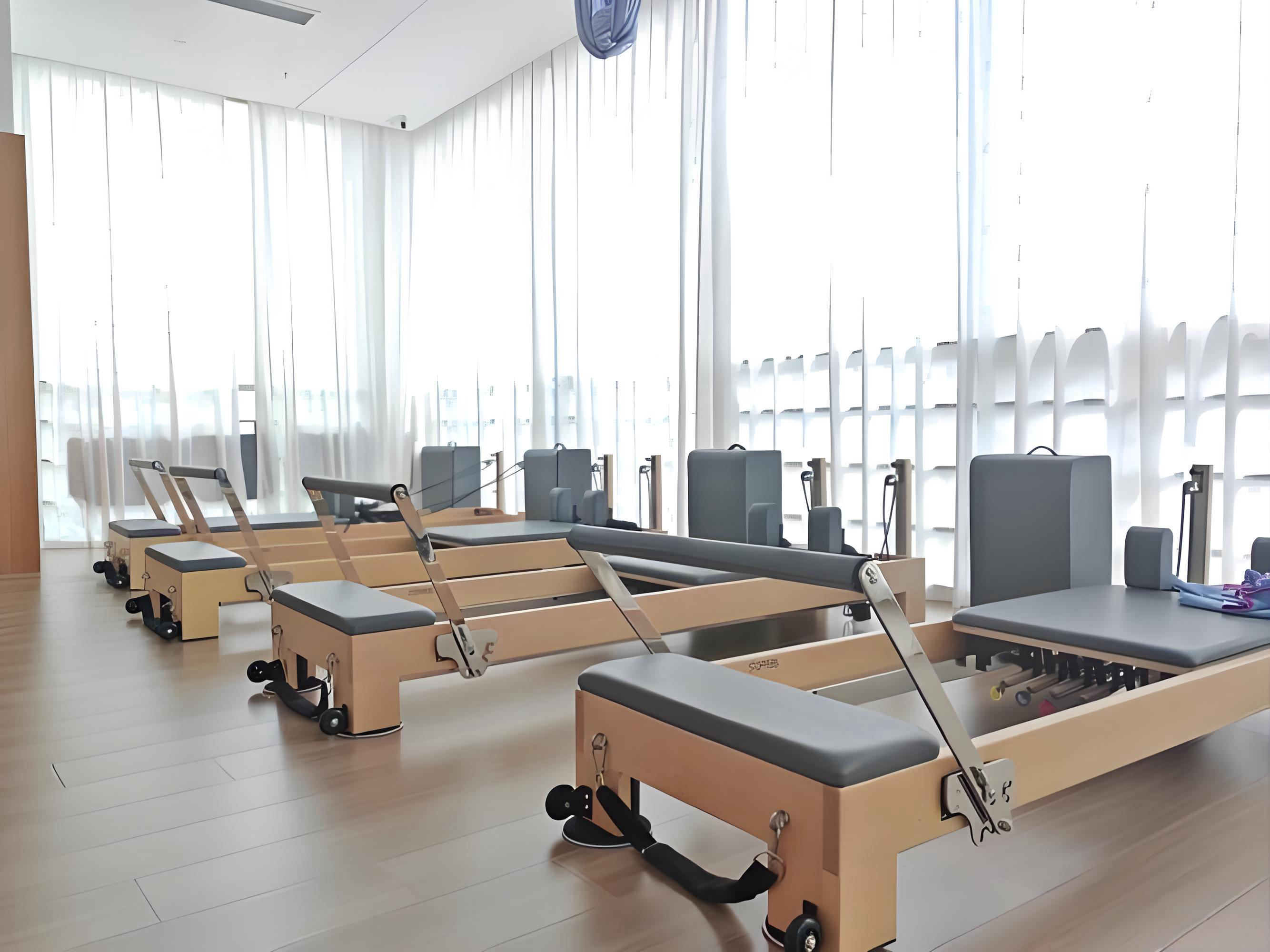
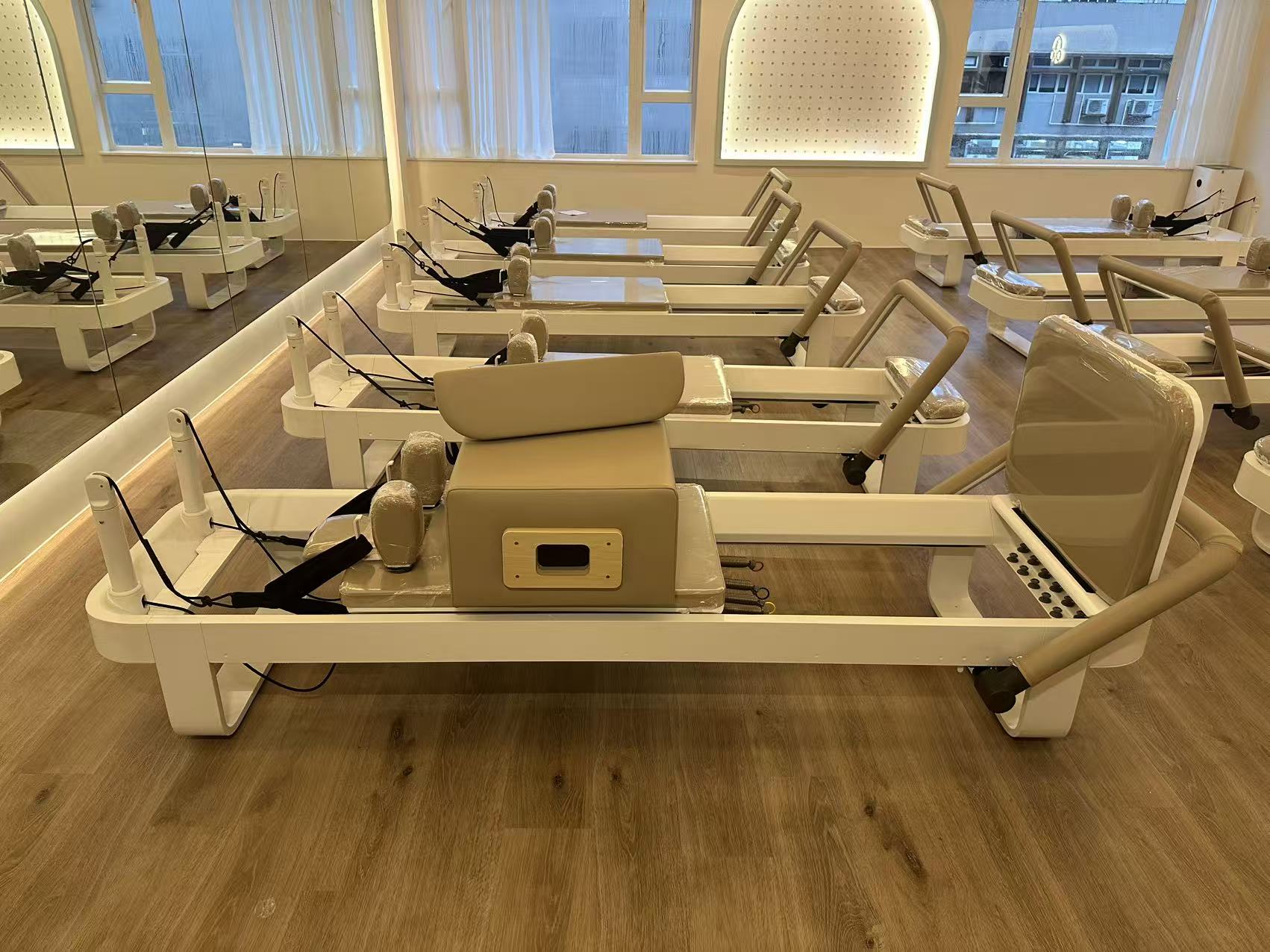
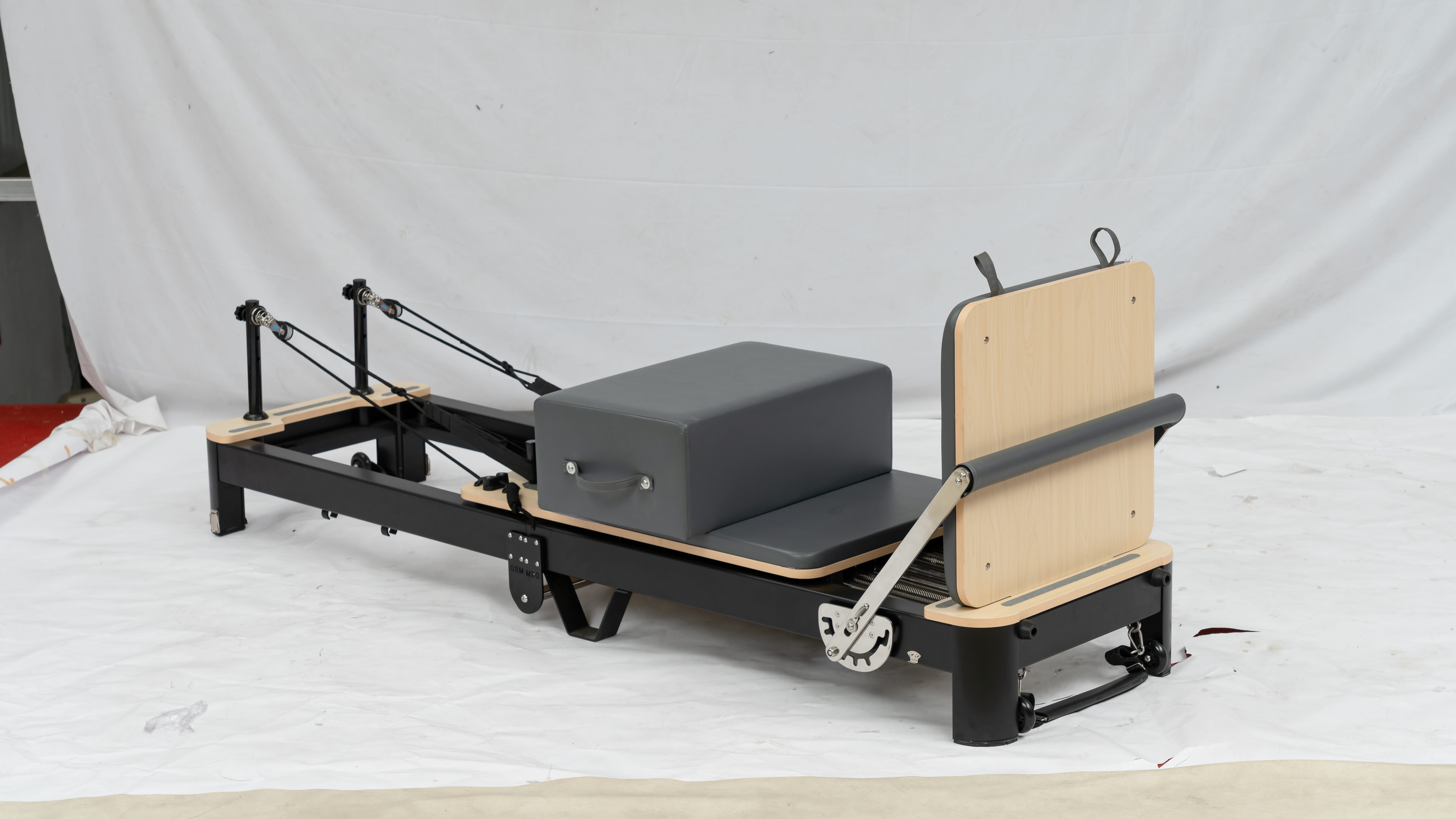
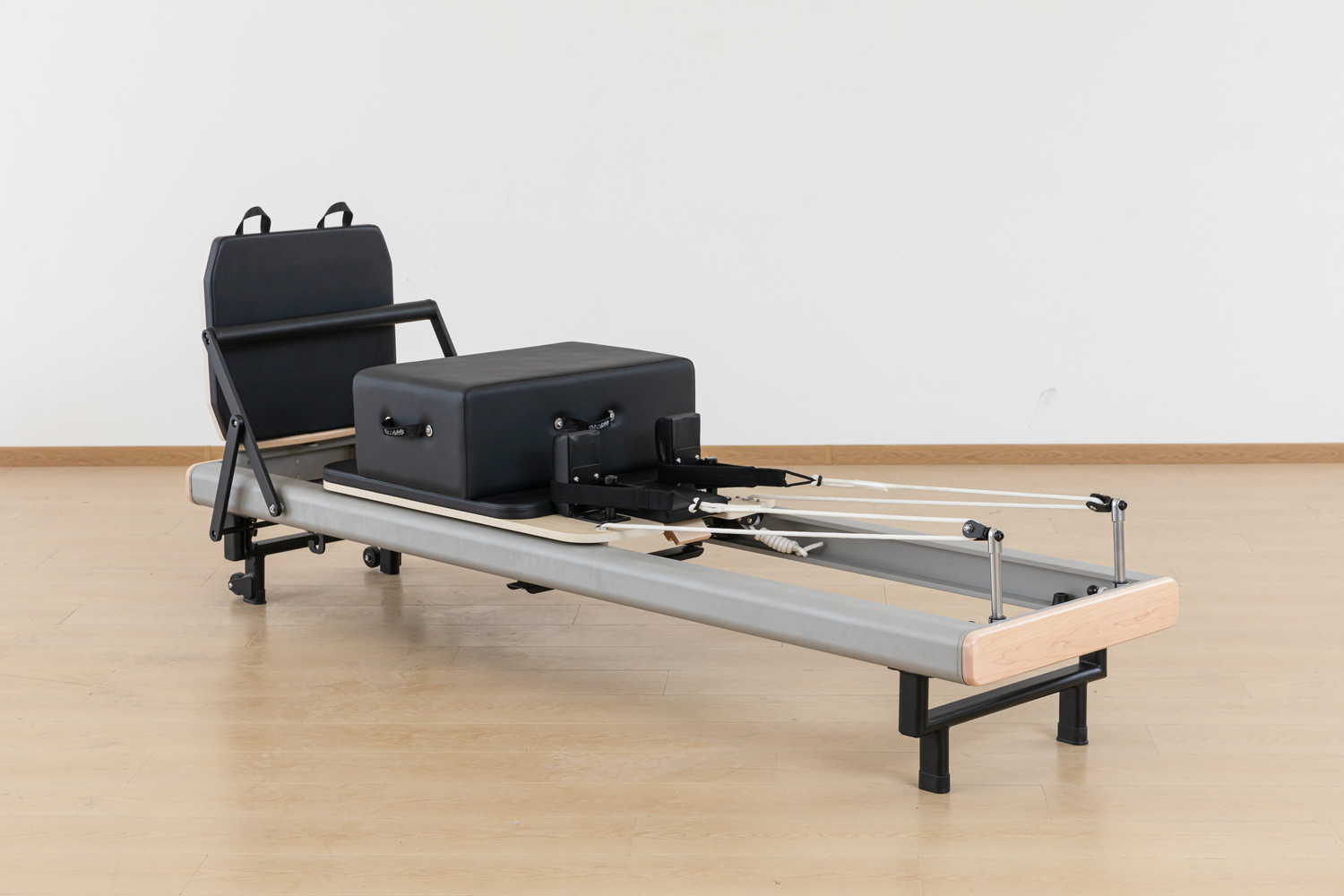
When choosing upholstery for reformers, Cadillac tables, ladder barrels, and spine correctors, focus on four core commercial indicators: abrasion resistance, sweat and chemical resistance, cleaning durability, and tactile consistency.
- Prioritize High Abrasion Double-Rub Ratings
Abrasion resistance is measured by double-rub testing, which defines how much friction wear the material can withstand. For residential use, 15,000 double rubs is sufficient. For high-traffic commercial Pilates studios, upholstery must reach 30,000+ double rubs to resist daily body friction without pilling, cracking, or thinning over years of heavy use.
- Best Upholstery Material Types for Commercial Studios
Premium Microfiber Leather (Top Choice for High-Traffic Use)
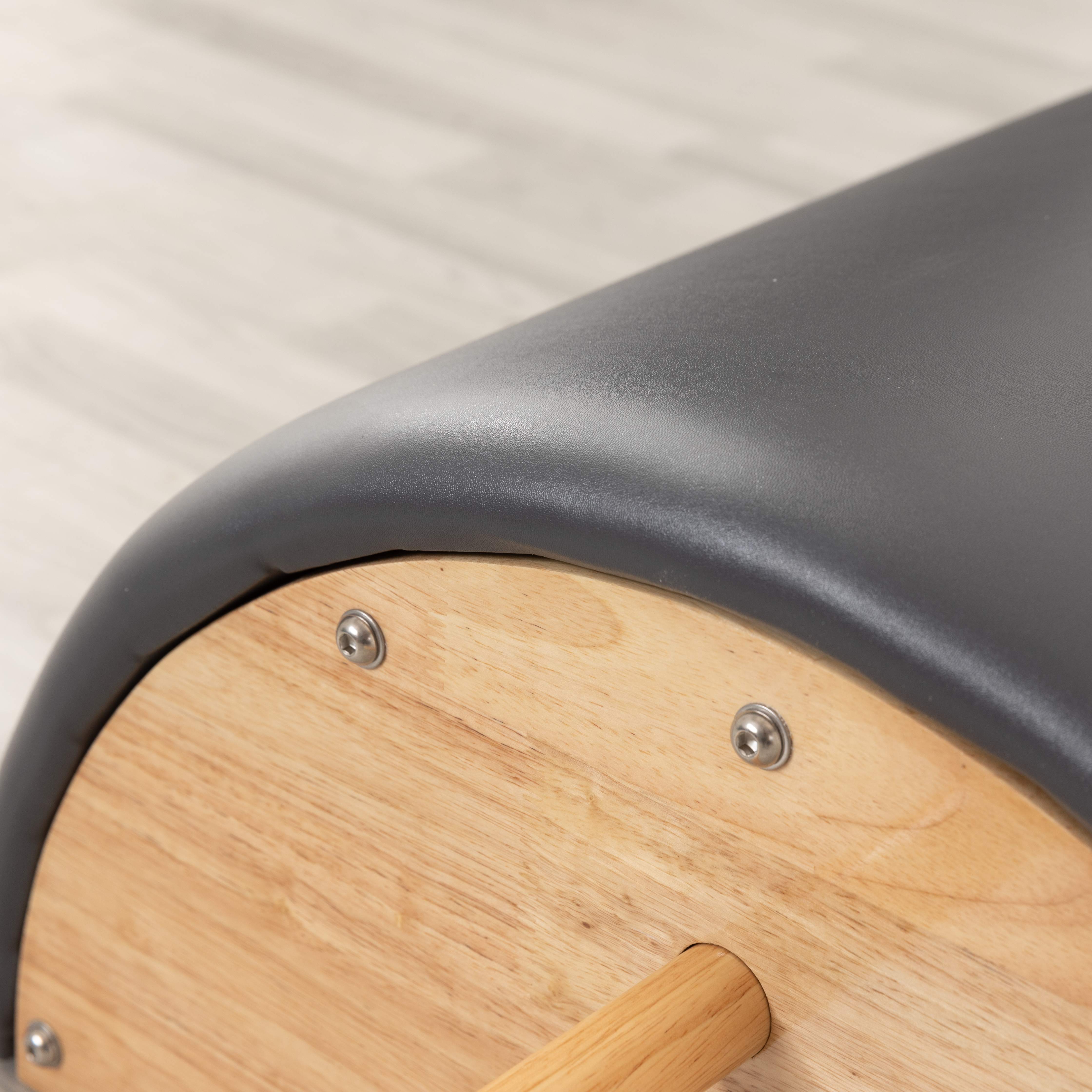
High-density microfiber leather is the industry gold standard for modern commercial Pilates equipment. It delivers a skin-like premium texture, outstanding tensile strength, and superior resistance to sweat erosion and disinfectant cleaning. Unlike ordinary PU leather that peels easily, qualified microfiber upholstery maintains stable surface integrity for 3–5 years under full commercial load. It features balanced grip, non-slip performance during sweaty sessions, and uniform matte finishing that elevates studio aesthetics.
Performance Commercial Vinyl
Medical-grade and fitness-grade vinyl is another reliable option for high-traffic rehab-focused studios. It is fully waterproof, stain-proof, and compatible with all standard fitness disinfectants, allowing fast daily sanitization without material degradation. Though slightly firmer in texture, it offers excellent scratch resistance and zero porosity to block bacteria and mold growth.
Materials to Avoid for Heavy Commercial Use
Standard PU leather, low-grade PVC, and genuine leather are not recommended for high-traffic studios. Basic PU and PVC crack and fade rapidly with frequent cleaning. Genuine leather is breathable but porous, easily absorbing sweat, developing odors, and requiring high-maintenance conditioning unsuitable for daily commercial operation.
- Key Functional Upholstery Features
- Sweat and water-resistant: Non-porous surface prevents moisture penetration and mold breeding
- Sanitizer-safe: Tolerates repeated alcohol and disinfectant wiping without hardening or discoloration
- UV and fade-resistant: Maintains consistent color under indoor lighting and ventilation changes
- Consistent grip texture: Neither overly sticky nor slippery, ensuring stable body positioning during dynamic and static training
High-Traffic Foam Selection Standards for Pilates Padding
Foam density and resilience determine cushion support, anti-sink performance, and long-term comfort. Many budget studios fail because of low-density soft foam that flattens permanently within months of high-frequency client use.
- Ideal Commercial Foam Density Range
For high-traffic Pilates equipment, the optimal foam density ranges from 55–65 kg/m³ (3.5–4.0 PCF). This commercial-grade density balances soft comfort and firm structural support. It withstands heavy body weight, repeated compression, and multi-hour daily usage without permanent indentation or bottoming out.
- ILD Firmness Rating for Pilates Training
Indentation Load Deflection (ILD) controls cushion firmness. Professional Pilates studios require an ILD rating of 28–35. This firmness level supports spinal alignment, prevents excessive body sinking, and protects the lower back, shoulders, and pelvic joints during long training sessions. Overly soft low-ILD foam causes unstable posture; overly hard foam reduces client comfort and lowers session satisfaction.
- High-Resilience (HR) Foam Advantage
Always choose high-resilience rebound foam instead of conventional polyurethane foam. HR foam features rapid shape recovery, resisting fatigue deformation after thousands of compression cycles. It maintains uniform softness and support all year round, ensuring every client experiences the same consistent training feel.
Upholstery vs Foam: Common Studio Mistakes to Avoid
- Mismatched low-density foam: Cheap soft foam saves initial cost but requires annual full pad replacement
- Low-grade PU upholstery: Peeling and fading after frequent sanitization, ruining studio visual quality
- Ignoring double-rub standards: Non-commercial material wears out quickly under back-to-back classes
- Overly soft cushion setup: Poor support leads to incorrect spinal posture and client discomfort
- Porous untreated materials: Traps sweat and bacteria, causing persistent odor and hygiene issues
Best Material Combination for High-Traffic Studios
For maximum durability, hygiene, and client experience, professional high-traffic Pilates studios adopt this standardized combo:
Premium Microfiber Upholstery (30,000+ double rubs) + 55–65kg/m³ High-Resilience Foam (ILD 28–35)
This pairing delivers a perfect balance of anti-wear durability, sanitary easy-clean surface, stable structural support, and premium tactile experience. It is the most cost-effective long-term solution for busy group class studios, rehab clinics, and high-turnover fitness centers.
Long-Term Maintenance Benefits of Commercial-Grade Materials
- 3–5 times longer service life compared to standard home-grade materials
- Zero frequent replacement, saving labor and material costs
- Consistent training feedback ensures standardized teaching quality
- Superior hygiene control reduces bacterial growth and odor problems
- Stable studio aesthetics with long-lasting color and texture
Final Conclusion
Selecting the right upholstery and foam is a critical investment decision for high-traffic Pilates studios. Prioritizing commercial-grade microfiber upholstery with 30,000+ double rub abrasion resistance and high-density high-resilience foam with standard ILD firmness ensures durable performance, reliable hygiene, and consistent client experience. Avoid low-grade PU leather, low-density foam, and porous materials that cannot withstand daily commercial wear and sanitization.
A scientific material combination minimizes long-term maintenance costs, improves studio professionalism, and maximizes your return on equipment investment. We provide fully commercial-grade Pilates equipment with premium microfiber upholstery and high-resilience foam padding, tailored for high-traffic studio operation, supporting global wholesale and private label customization.