How to Test Pilates Machine Quality Before Bulk Purchasing

Bulk purchasing Pilates equipment is a major investment — not just in terms of capital, but in client experience and brand reputation for years to come. Before committing to a large order, how can you be sure the equipment will withstand daily high-frequency use? This article provides a complete quality inspection framework across three dimensions: sample testing, factory auditing, and critical component inspection.
I. Sample Testing: The Essential Pre-Bulk Purchase Step
The key difference between bulk purchasing and buying a single unit is that once you sign a bulk contract, the quality of the entire batch is locked in. Sample testing is your best opportunity to identify potential issues and avoid a "bad batch."
Test two, not one
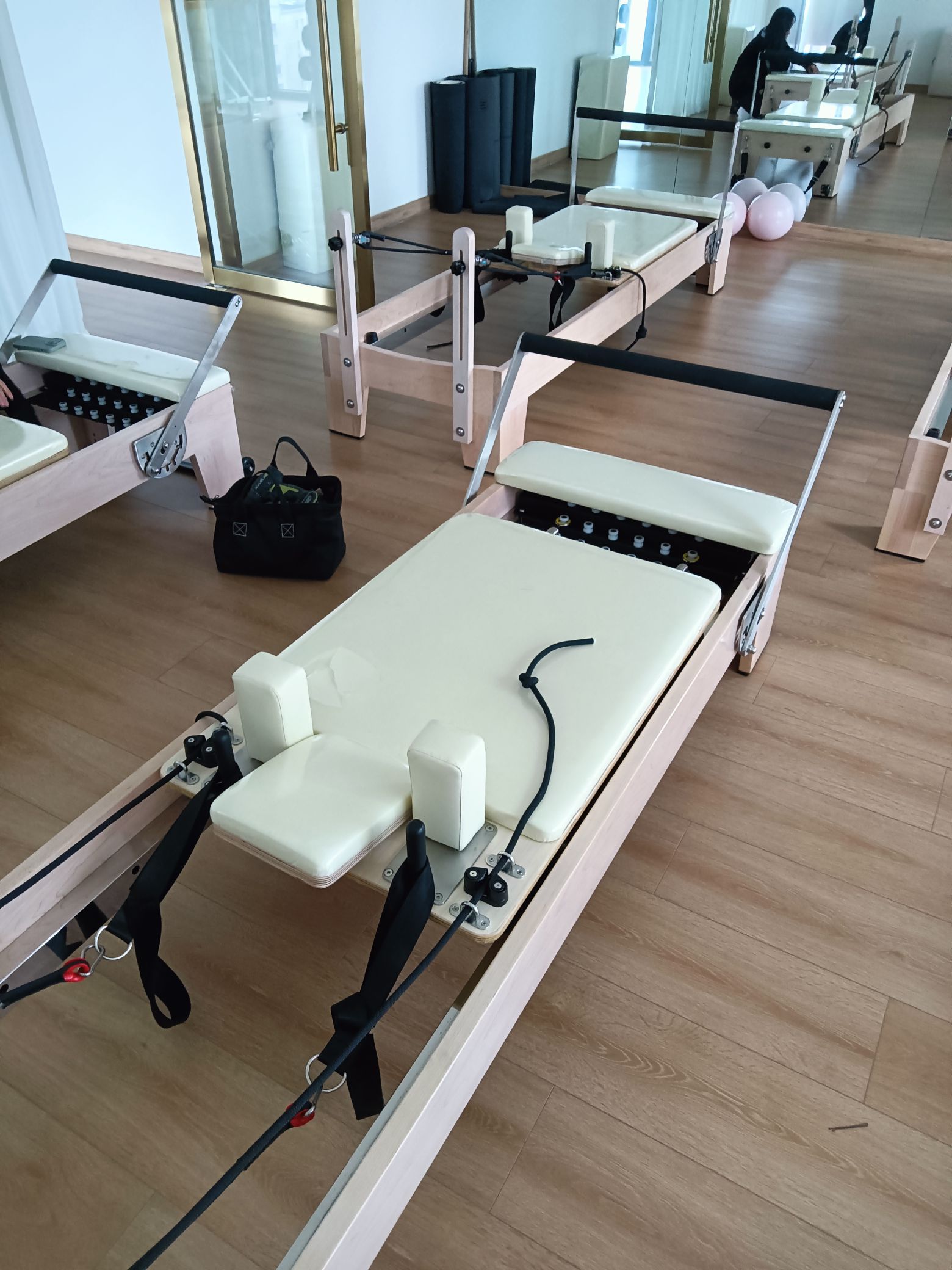
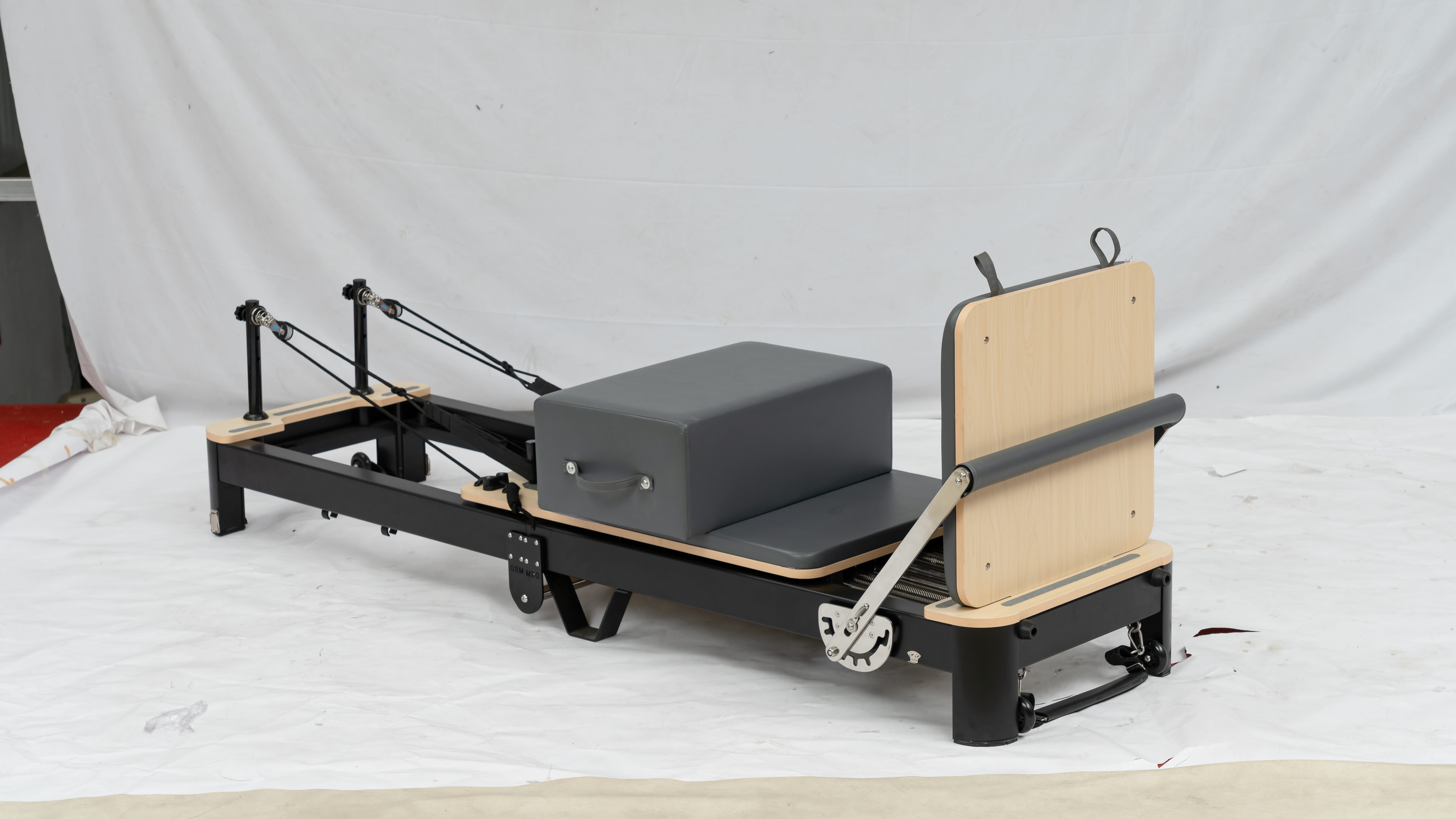
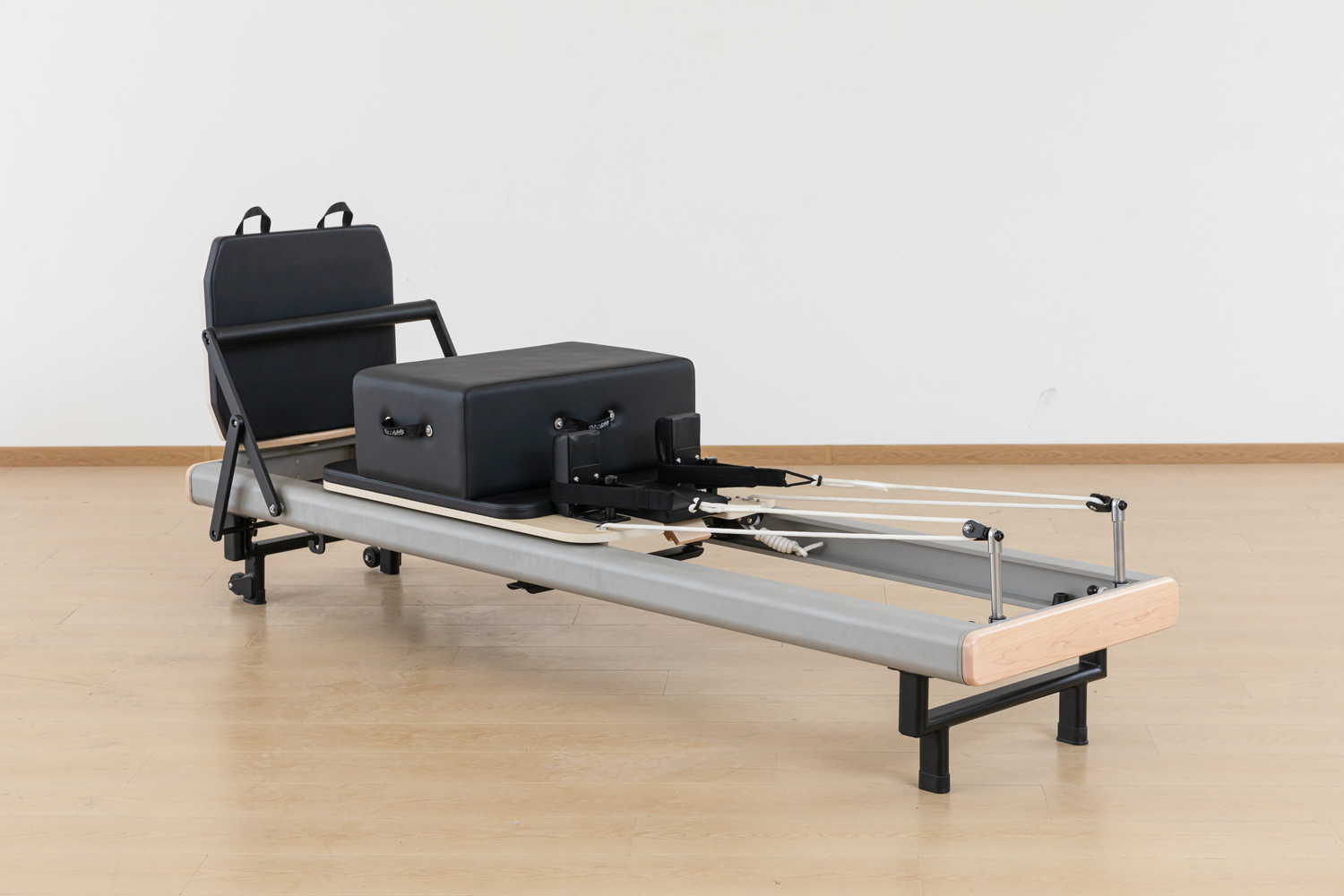
Arrange for 2-3 sample units from the same production batch and test whether their feel and glide are consistent. Equipment consistency is a core requirement for bulk purchasing — every client should have the same experience on any machine in the studio. If two samples feel noticeably different in spring tension, the problem will only multiply in the full delivery.
Stress-test under simulated real-world conditions
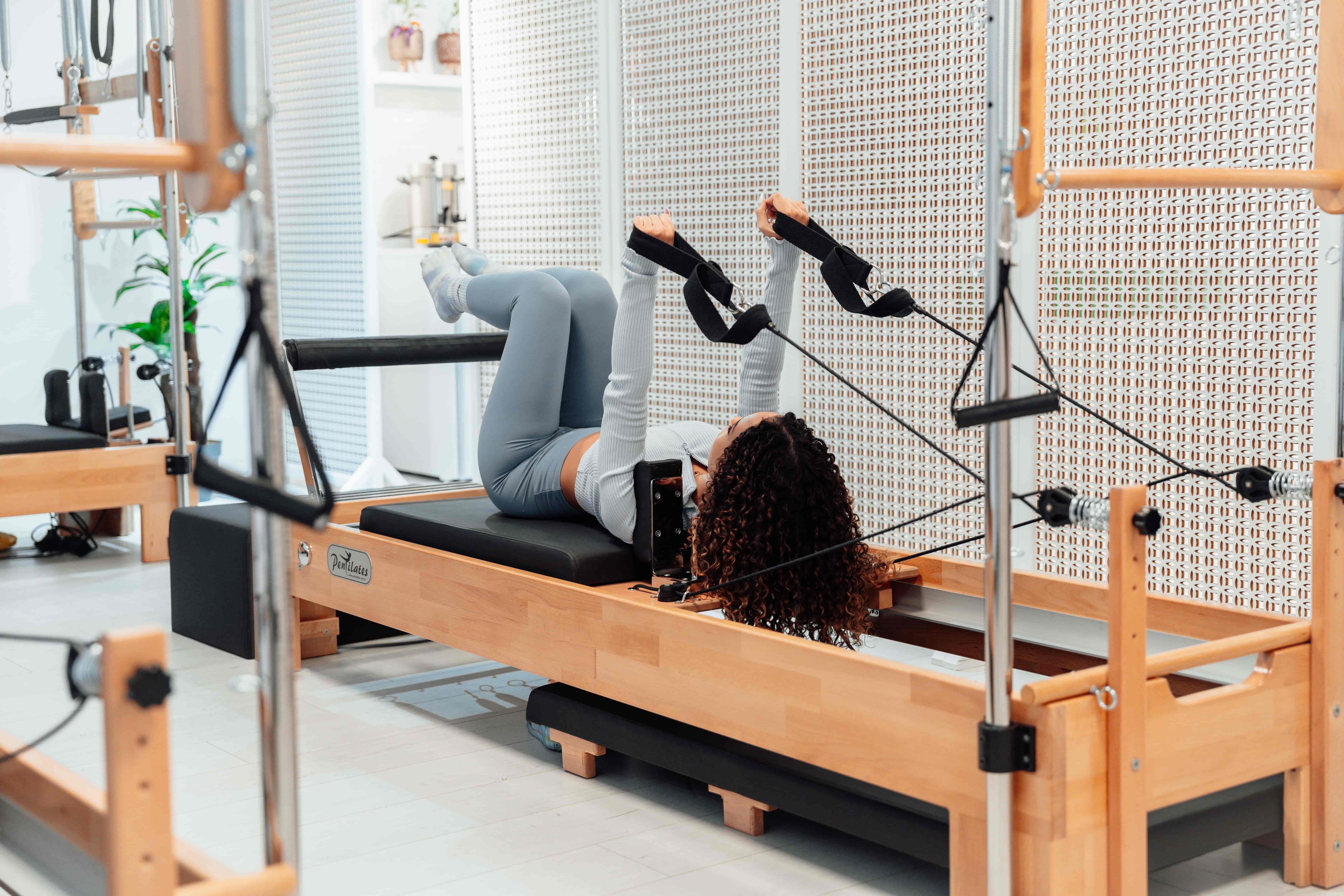
Sample testing should go beyond "static experience." Perform multiple high-load movements (jumpboard exercises, full-range glides) continuously to assess whether the carriage remains smooth after repeated use and whether there are signs of spring force degradation.
Noise testing: Quietness is a basic commercial-grade requirement
Test glide noise in a quiet environment — quality equipment should operate below 50 decibels. Use a noise meter or phone app to measure noise levels at different speeds. Common noise issues on cheap equipment include rail friction, bearing rattle, and spring vibration. If samples show noticeable noise during testing, the production batch will likely be worse.
II. Factory Auditing: Seeing Is Believing
Sample testing only verifies what the factory "wants you to see." Evaluating a factory's true reliability requires deeper investigation.
Incoming Quality Control (IQC) and In-Process Quality Control (IPQC)
A reliable factory should have documented IQC and IPQC processes. Ask whether incoming materials (steel, wood, leather, springs) are batch-tested and recorded, and whether key production processes have quality checkpoints. Record completeness and traceability are key indicators of quality control capability.
Outgoing Quality Control (OQC): The Most Critical Safeguard
OQC processes and documentation are typically the most operationally critical factor in evaluating a manufacturer. Request the factory's OQC sampling plan, inspection items, and inspection records. If the final inspection process is inadequate — for example, if production line workers conduct self-inspection without dedicated QC staff, or there are no written records — this is a red flag.
Factory visit or video audit
An on-site factory visit is the most effective evaluation method, allowing you to observe actual production conditions — line layout, operator skill levels, work-in-progress inventory management, and how QC staff work. If a physical visit is not feasible, request a video audit or commission a third-party inspection agency for factory assessment.
III. Specific Component Inspection Methods
Frame: The "Invisible" Thickness Determines Lifespan
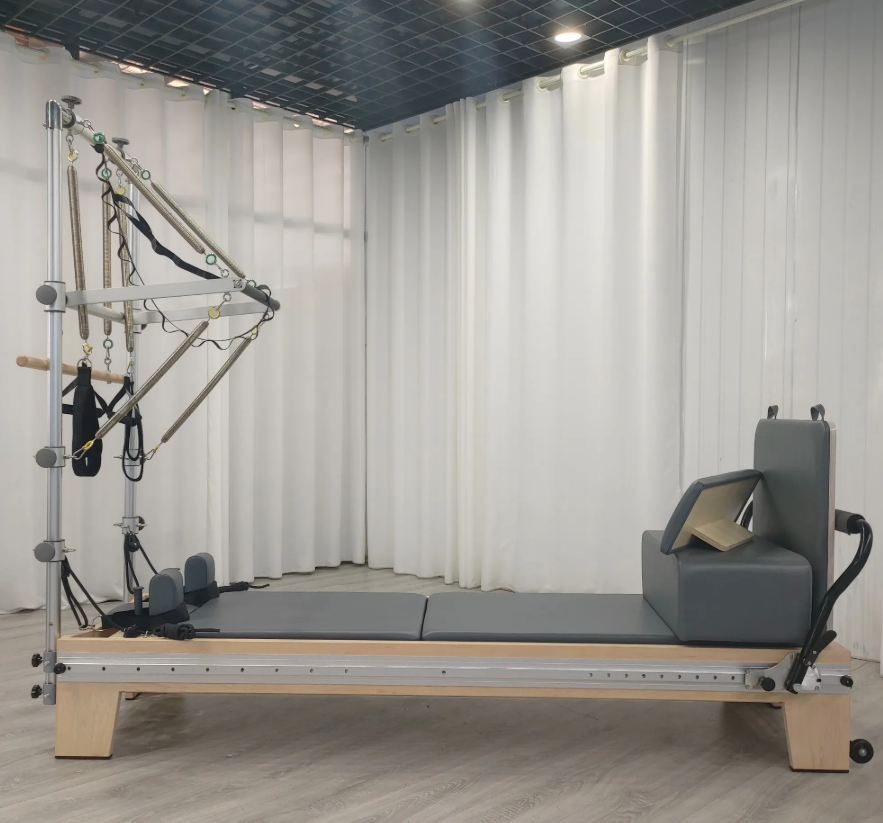
Wall thickness cannot be seen in product photos, which is exactly why it's the first place low-price manufacturers cut costs. Request that the factory specify steel grade and wall thickness in writing on the quote. Commercial-grade reformers should use thick-walled steel tubing with reinforced joints at the carriage rail and spring bar where stress concentrates. A video walkthrough of the welding line can help distinguish real manufacturers from resellers.
Springs: The "Power Heart" of the Reformer
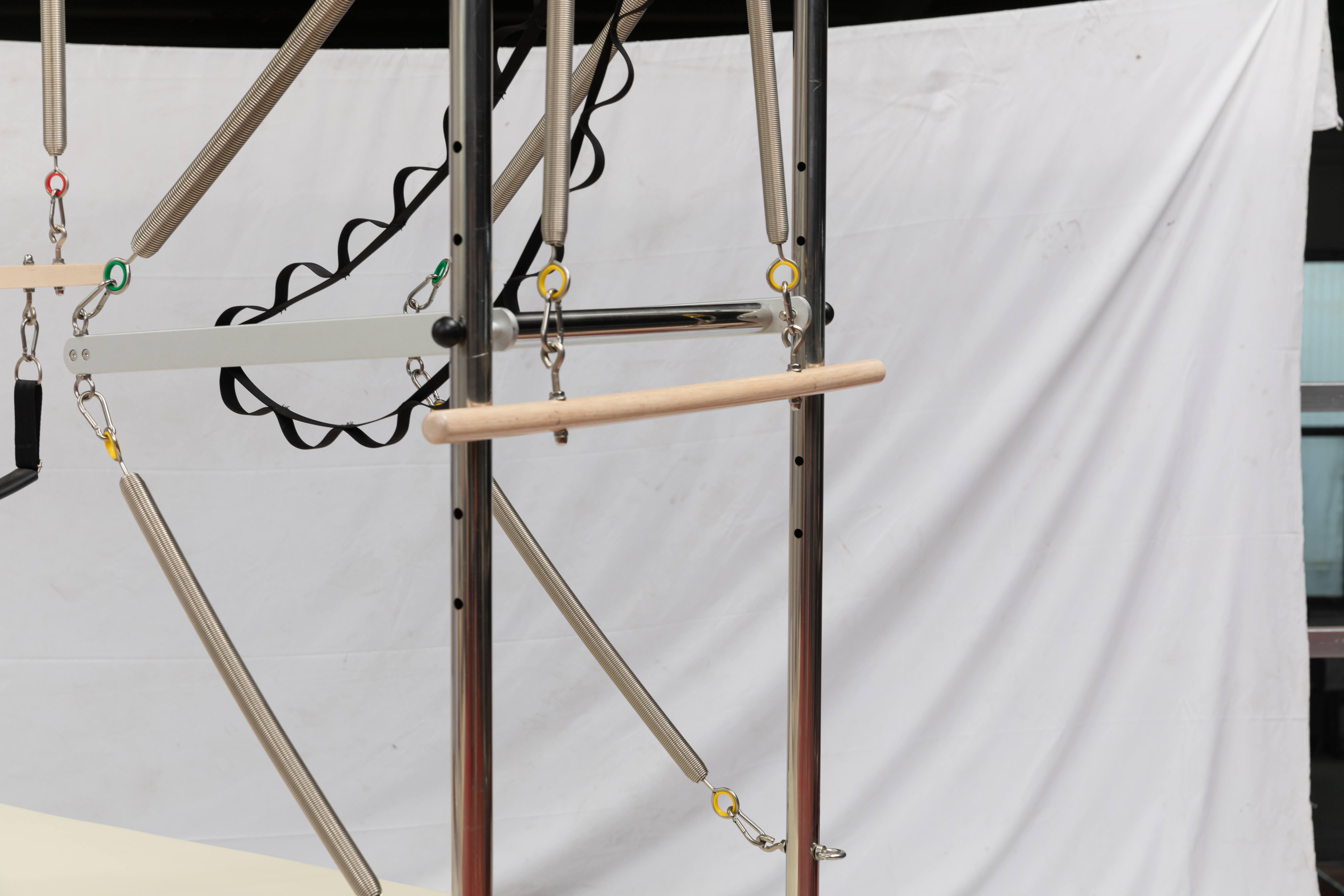
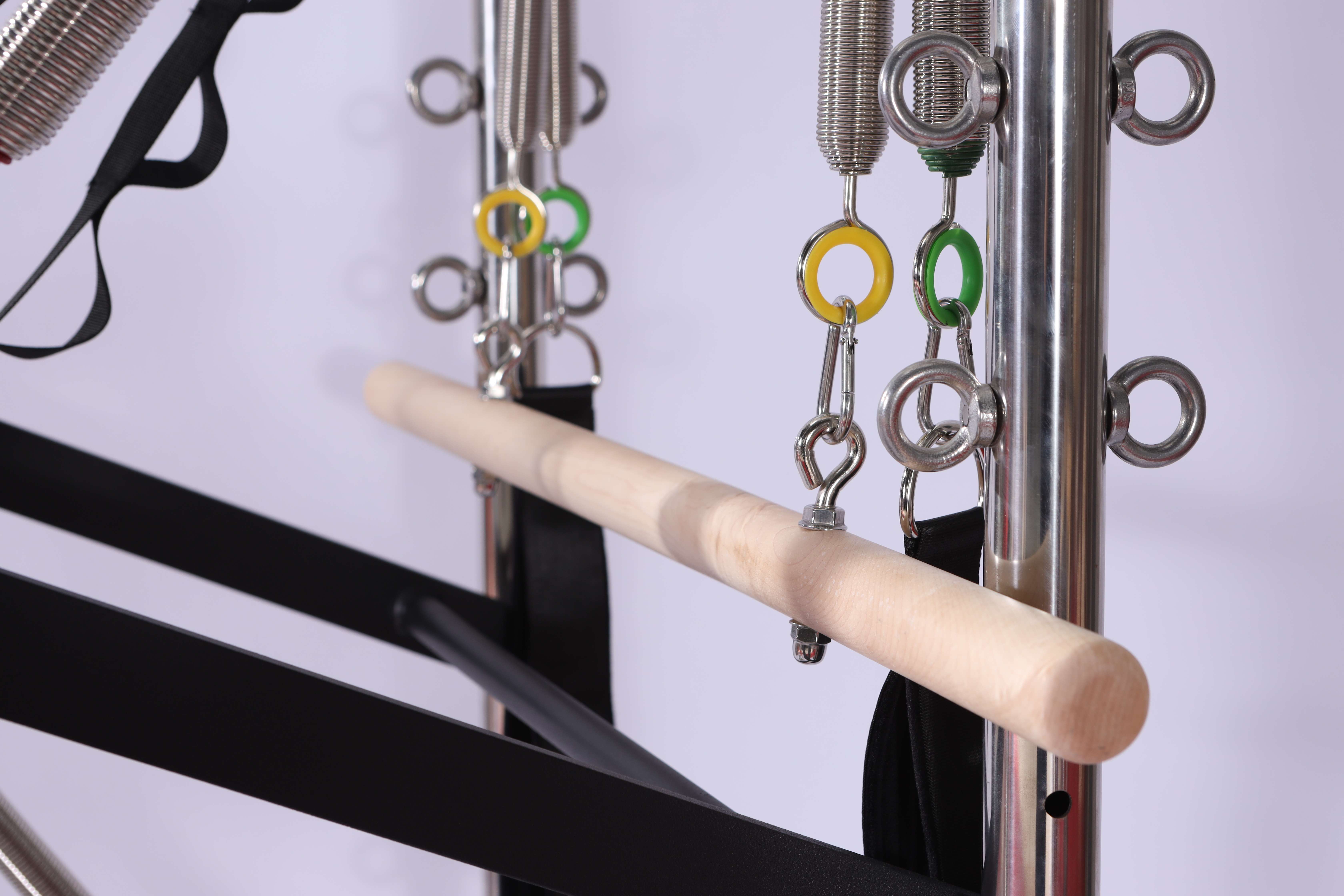
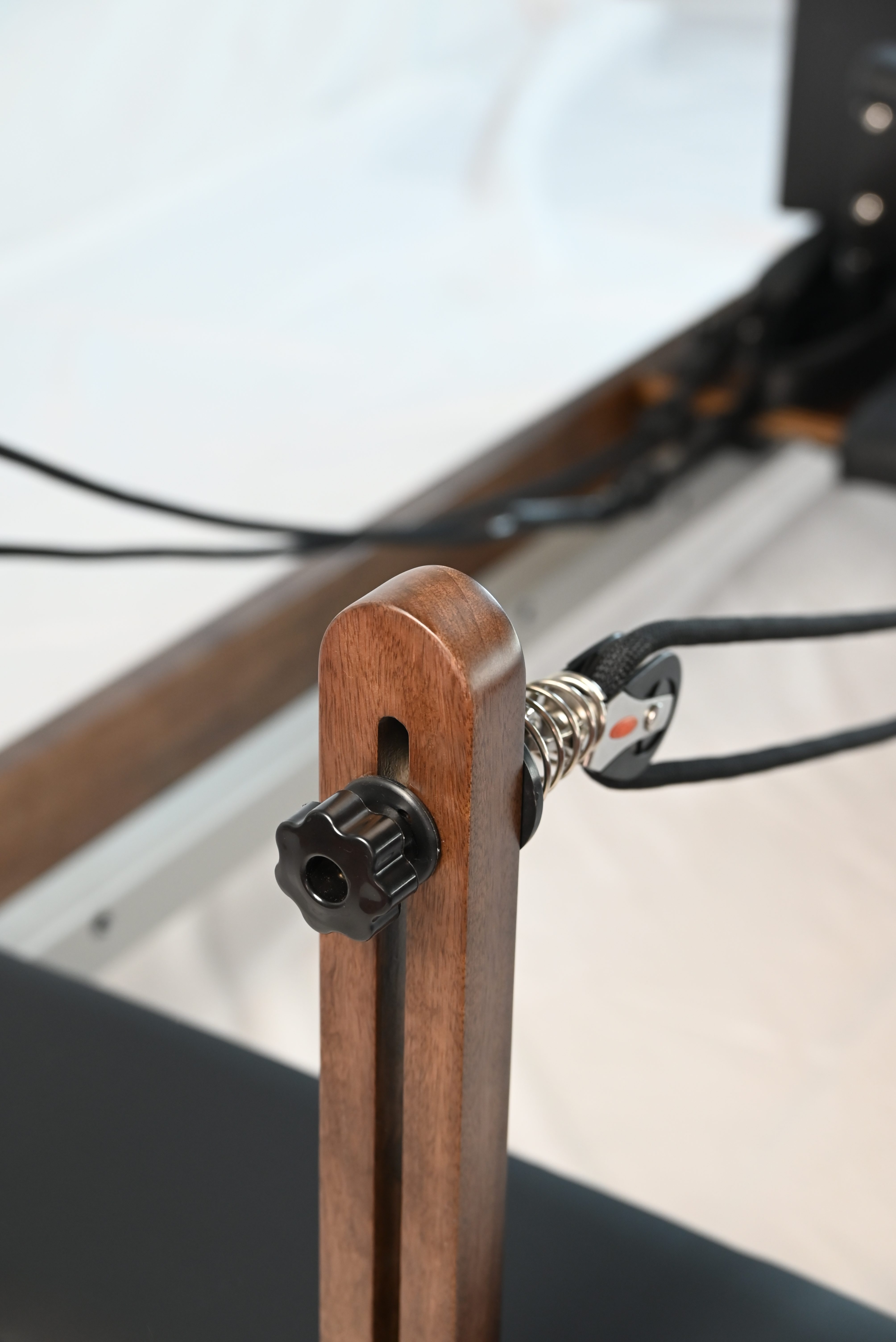
Springs store the most energy of any component — a broken spring is not just a maintenance issue but a safety hazard. Ask about spring material (high-carbon steel or music wire), fatigue test cycles, and force tolerance range. Commercial equipment requires matched tension across springs in the same set so every machine feels identical. Also inspect spring hook forming — integrally formed hooks are more reliable than welded ones.
Upholstery and Foam: What Clients Touch Every Minute
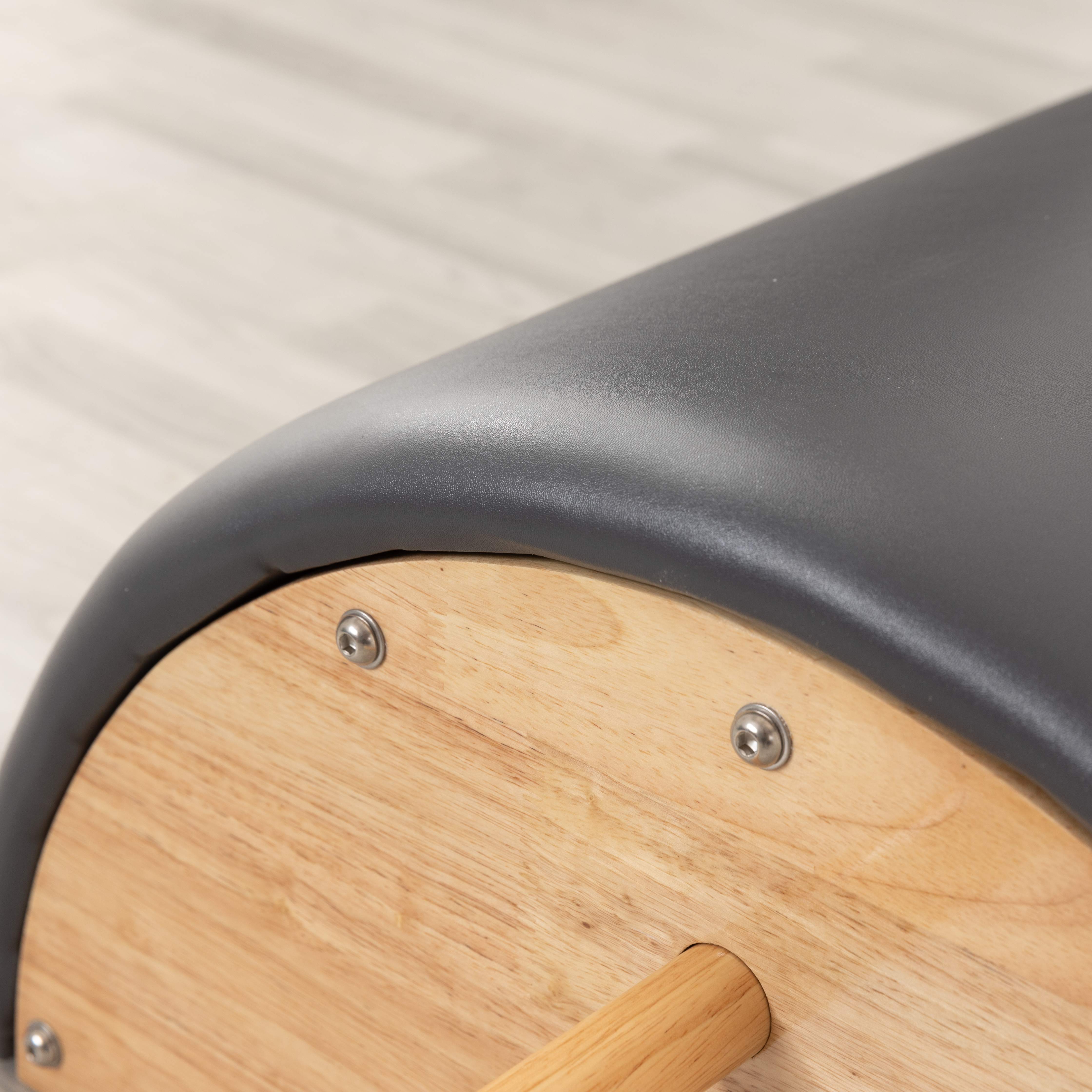
Clients spend every minute of class in contact with the upholstery. Low-density foam compresses permanently within months — clients will feel the rail through the pad. Request foam density data and leather abrasion ratings (Martindale test values; commercial grade requires 50,000+ cycles).
IV. Certifications and Test Reports
Qualified factories should be able to provide product certifications and test reports. Request ISO 9001 quality management certification (verify certificate number and validity), CE safety certification, and EN ISO 20957 compliance test reports. Third-party testing organizations such as SGS, BV, and TÜV can provide independent product testing services.
Summary: The core principle of pre-bulk-purchase quality inspection is "verify, don't trust." Don't just accept factory promises — verify through sample testing, factory auditing, and critical component inspection. Produce 2-3 samples from the same batch to test consistency, request IQC/IPQC/OQC inspection records, visit or video-audit the production site, and confirm critical parameters like steel wall thickness, spring material, and foam density in writing. These steps take time, but compared to the cost of rework, returns, or compensation after receiving a batch of inconsistent equipment, the upfront inspection investment is extremely cost-effective insurance.