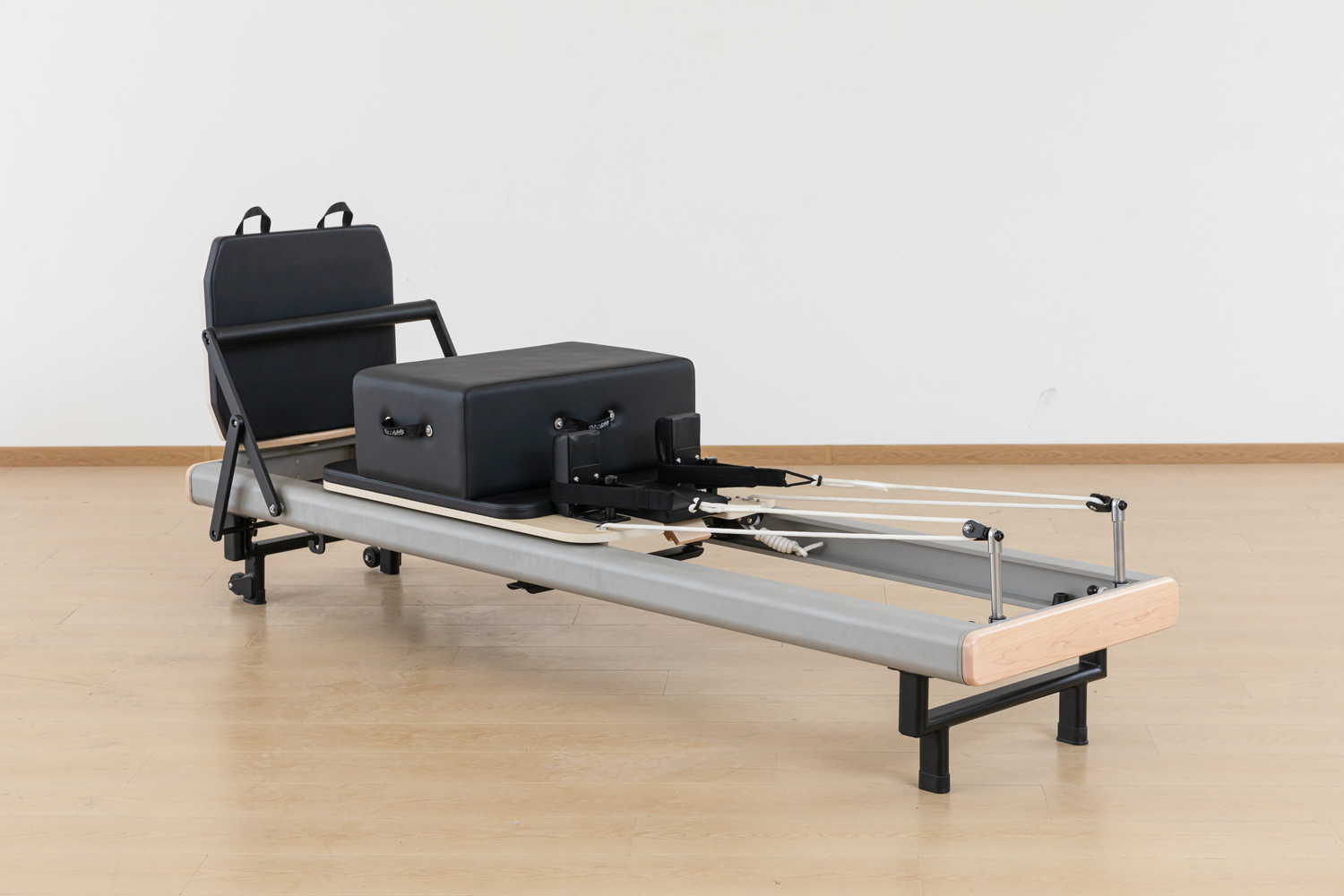
Home Pilates Reformer Review: Is A Foldable Bed Worth Buying?

The popularity of foldable home Pilates reformers has surged in recent years — from Instagram influencers to Amazon bestseller lists, these "storable machines" are becoming a new home fitness favorite. But with prices ranging from under $200 to over $2,500, is a foldable reformer actually worth buying? This review draws on real-world testing, key specifications, and user scenarios to help you make an informed decision.
I. What Problem Does a Foldable Reformer Solve?
The biggest barrier to owning a Pilates reformer isn't price — it's space. A standard commercial reformer is about 2.4 meters long when unfolded, which effectively means "giving up your living room" in a small apartment. The core value of a foldable reformer is solving this "doesn't fit" problem.
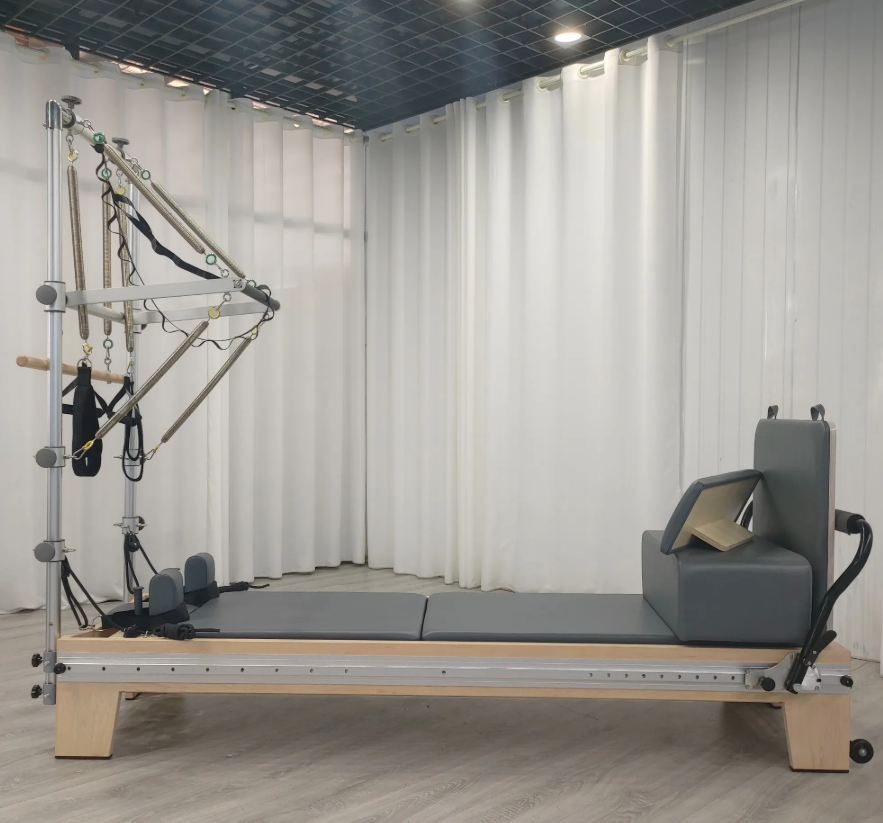
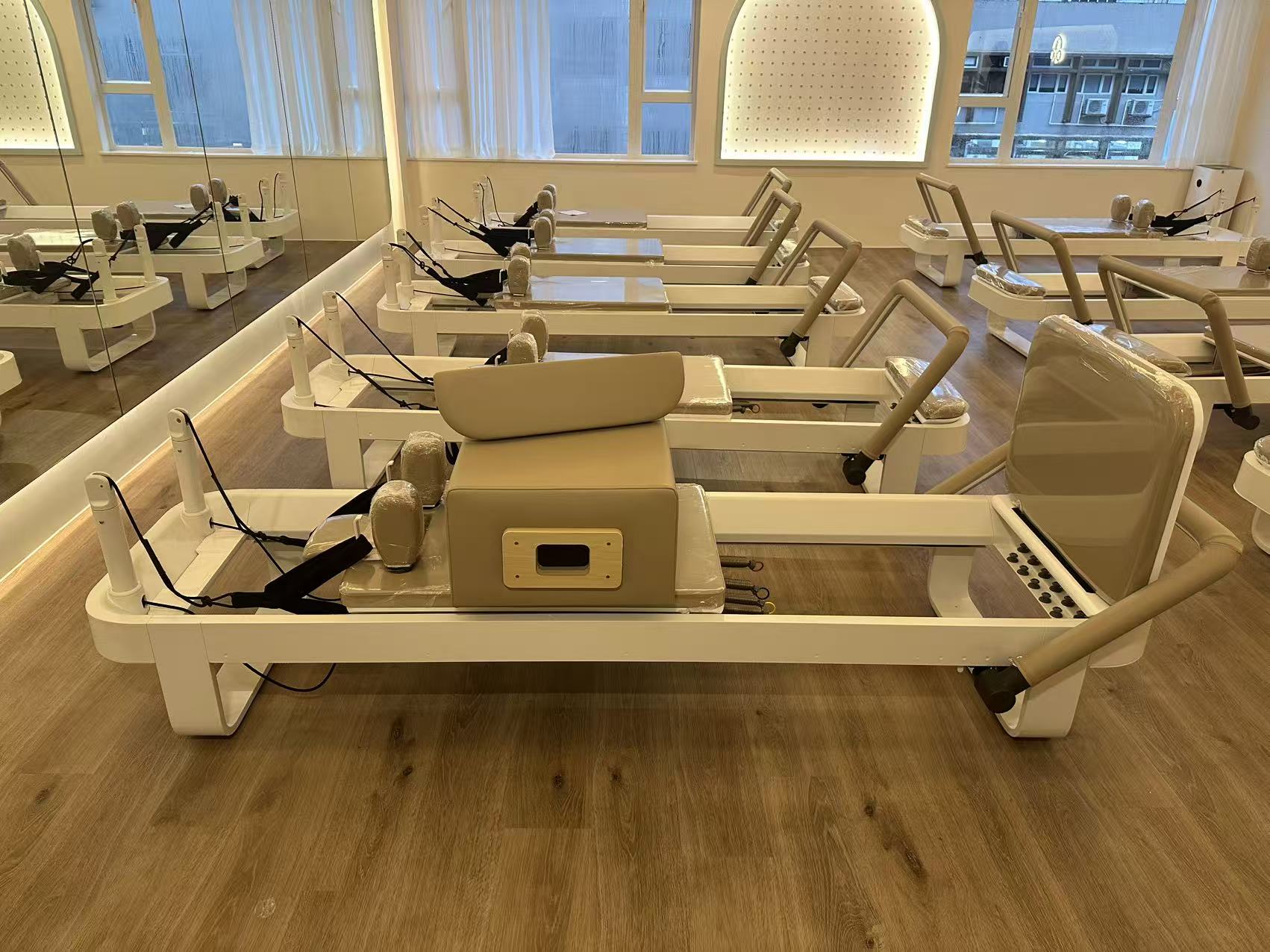
Quality foldable models reduce storage thickness to 12.5-30cm, with a width of 60-95cm — they can stand against a wall, tuck beside a wardrobe, slide into a sofa gap, or fit in a balcony corner. This "unfold to use, fold to disappear" feature is a genuine practical solution for home users without a dedicated gym room.
II. Real-World Testing: How Well Do Foldable Reformers Actually Perform?
Storage & Unfolding: Convenience vs. Weight Trade-off
Ease of folding varies dramatically across price tiers. Premium models (e.g., FOLD Reformer at ~£2,000) feature industrial-grade hinge locking systems that one person can operate. However, these units weigh approximately 72kg — plus wooden pallet packaging — meaning two to three strong helpers are needed for stairs and doorways.
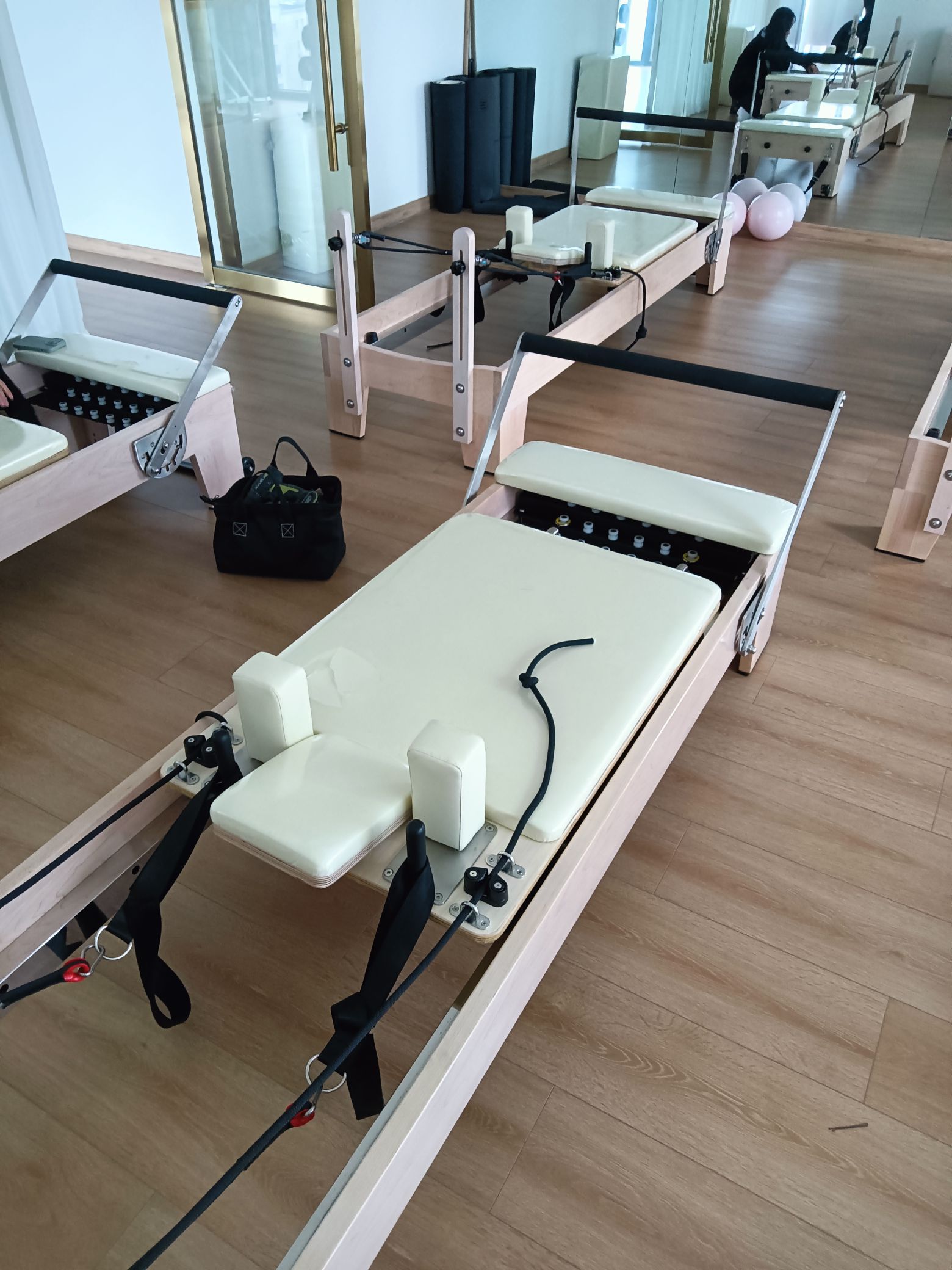
Mid-tier Chinese foldable reformers (3000+ RMB) also feature integrated locking mechanisms with smooth folding action, keeping springs vertically aligned and evenly stressed during storage. Budget models (2000+ RMB) lack built-in locking — relying on simple straps to secure the carriage, which tends to slide forward spontaneously during storage, creating safety risks. Springs on these budget models are bent under compression, accelerating tension loss and breakage over time.
Carriage Travel: A 20cm Difference That Changes Everything
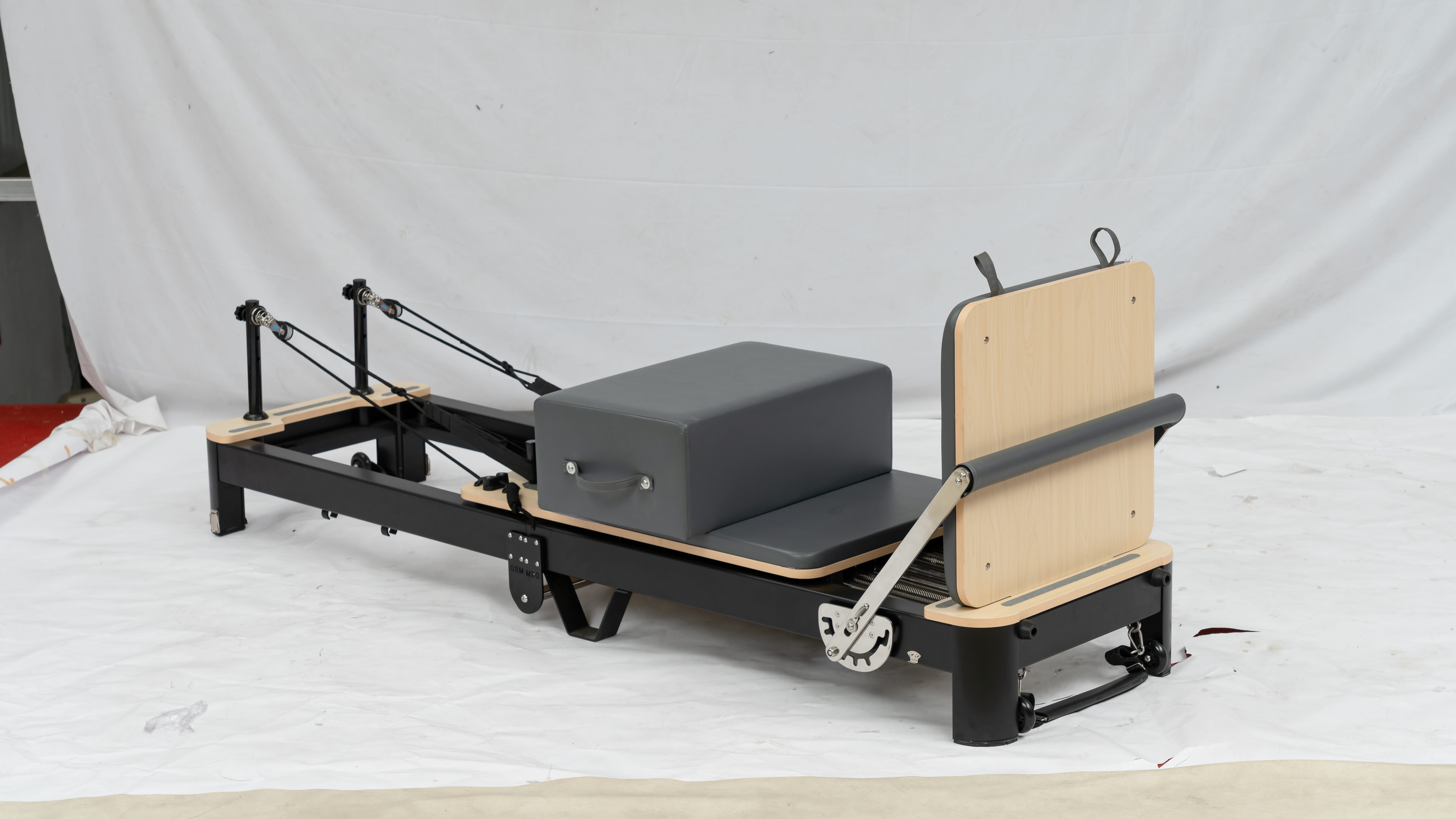
Measured unfolded lengths vary significantly. A 3000+ RMB foldable bed measured 2320mm, while a 2000+ RMB budget model measured only 2130mm — a 20cm difference. This directly limits exercise range.
Budget short-frame models restrict full-body stretching, leg extensions, and advanced movements — particularly uncomfortable for taller users. Longer models match studio-grade equipment dimensions, providing sufficient space from basic stretching to advanced sculpting exercises.
Stability: Does the Folding Mechanism Hold Firm?
This is the most questioned aspect of foldable reformers. Testing shows that premium foldable models, when unfolded, maintain frame stability within 2% deformation variance compared to fixed-frame models. Rear columns feature integrated reinforced construction, eliminating wobble during exercise.
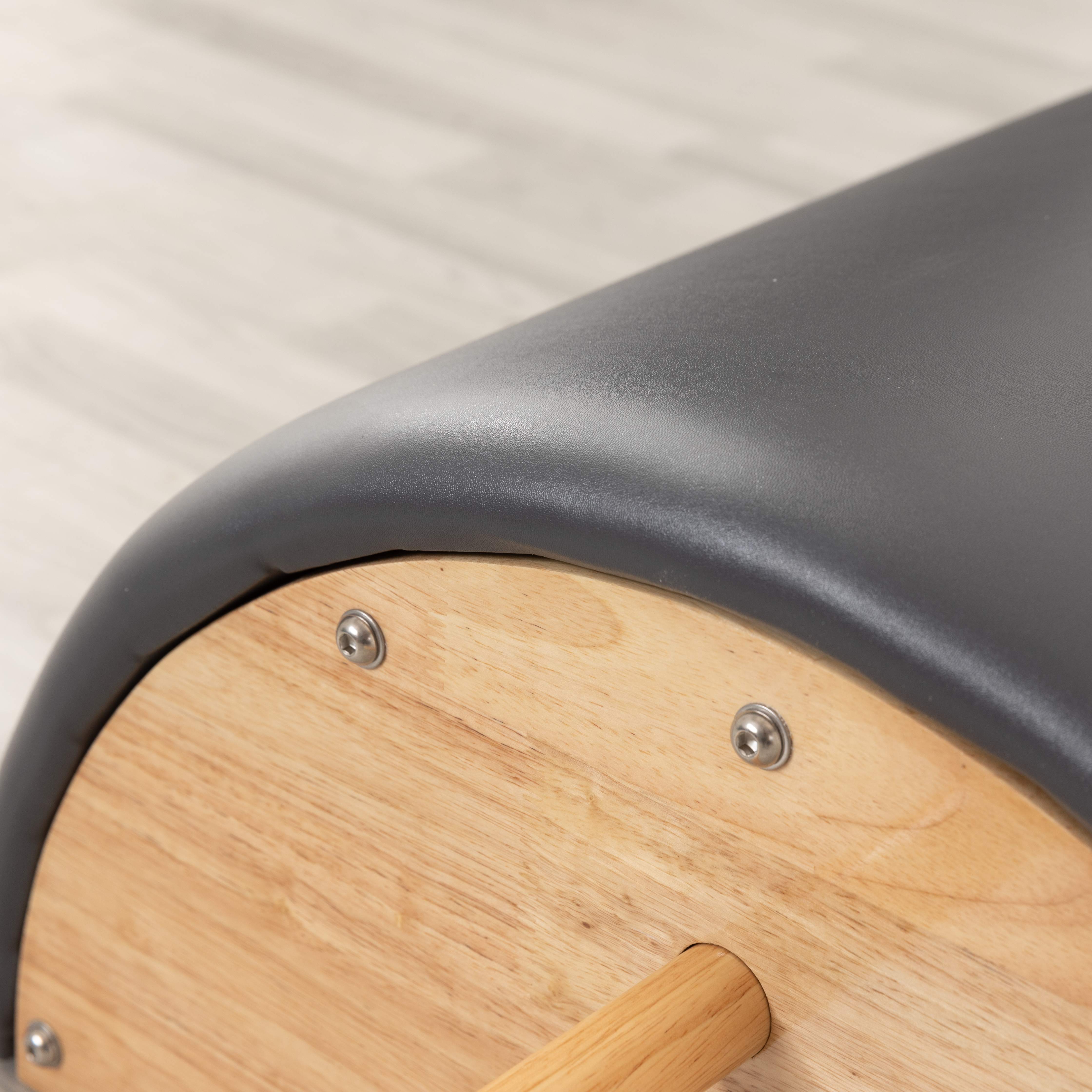
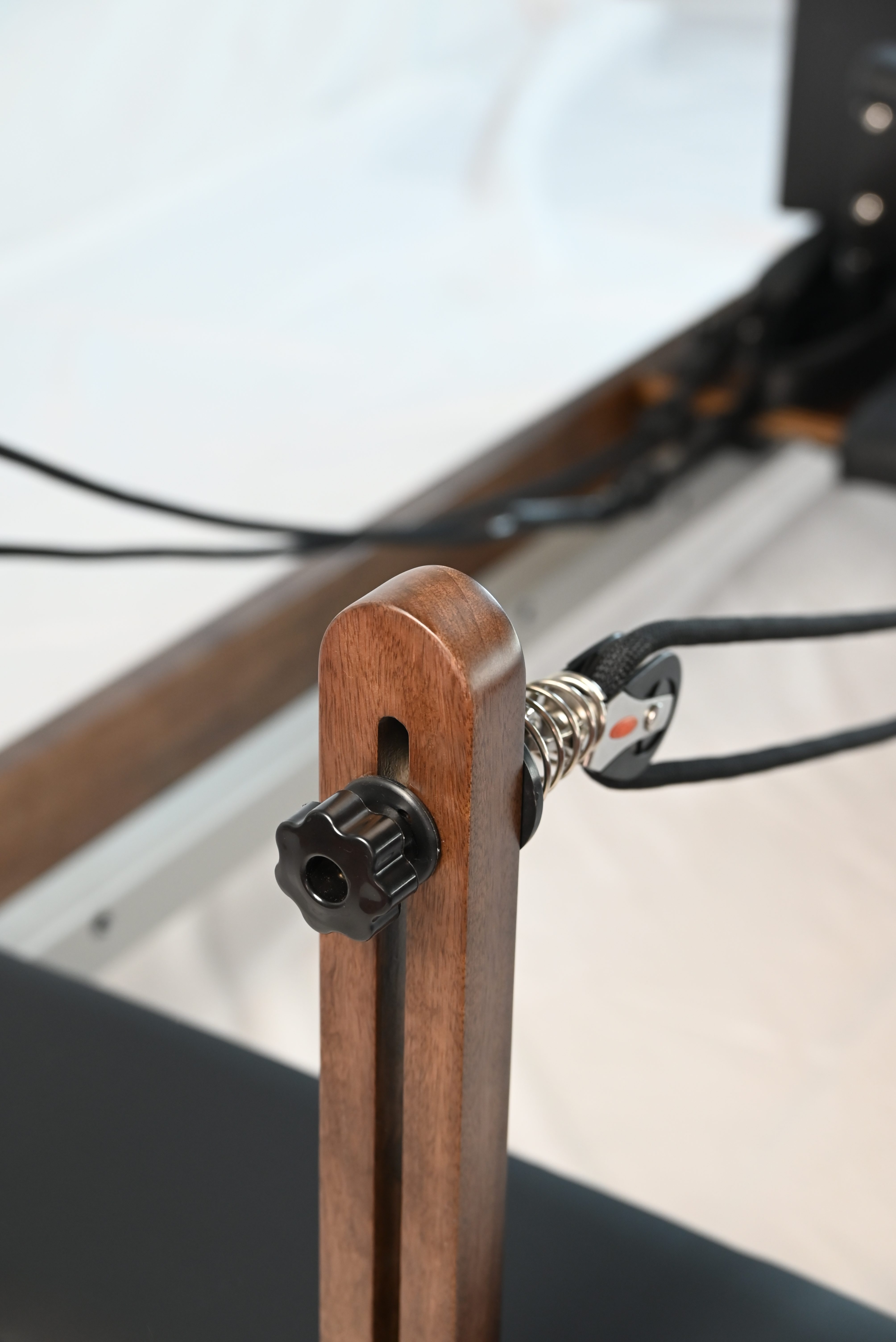
Budget models show clear stability deficiencies: rear columns use crude joining methods — "can be pulled apart with minimal force"; noticeable wobble during exercise; shoulder pads use cast iron instead of stainless steel, prone to oxidation; headrest assembly has excessive play, wobbling during supine work.
Noise Performance: Critical for Home Use
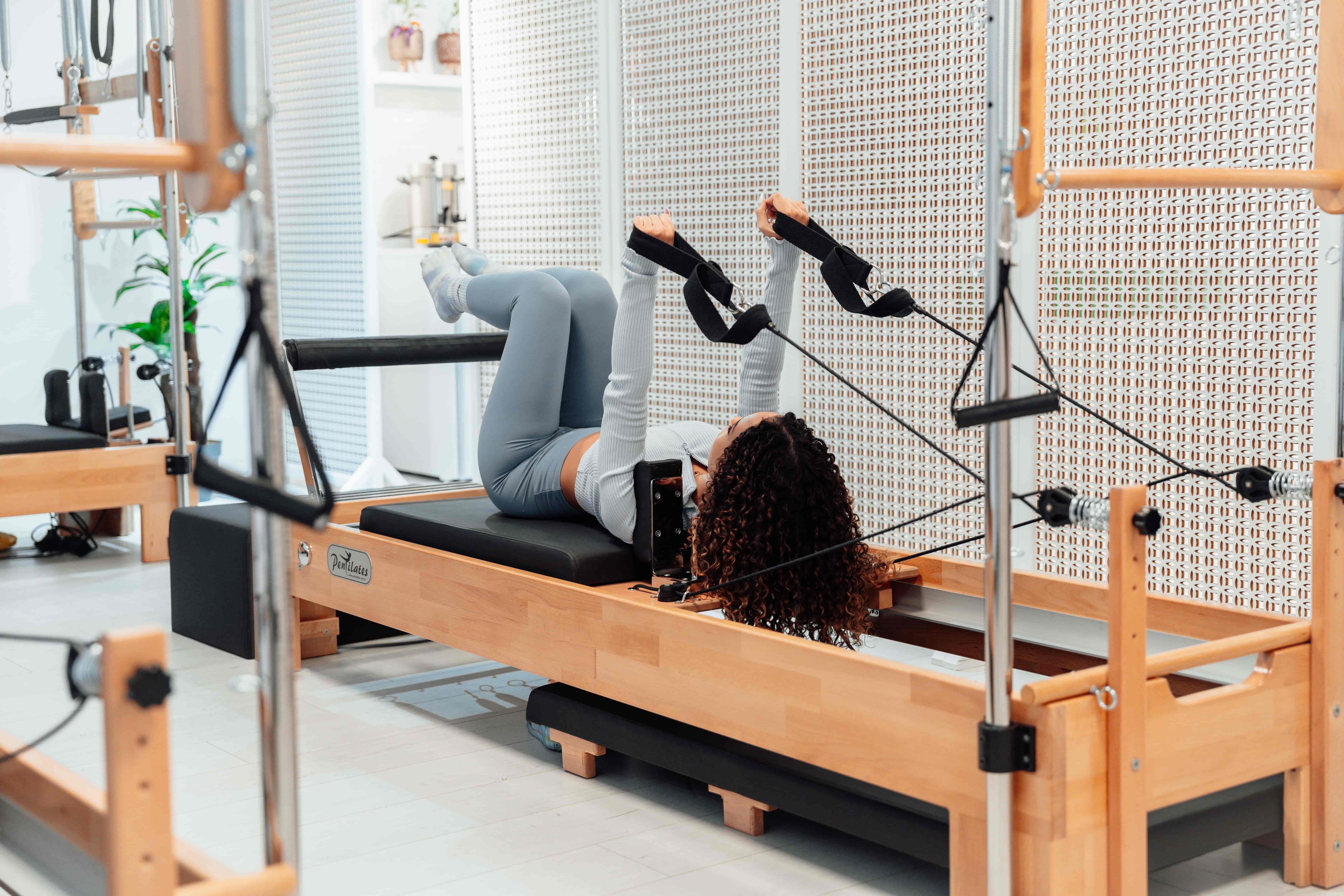
Noise levels determine whether training disturbs family and neighbors. Premium models feature silent rail and pulley systems — "virtually no noise throughout the entire workout". FOLD Reformer users report it can be used in a room directly above a napping child without disturbance.
Budget models often lack jumpboard support and locking mechanisms — noticeable sinking under pressure, sharp noise during gliding and exertion, significant wobble with ankle injury risk.
III. When Is a Foldable Reformer Worth Buying?
Scenario 1: You have solid mat practice experience and want to progress
If you've practiced mat Pilates consistently for 6+ months, can practice 2-3 times per week, and understand concepts like "neutral pelvis" and "core engagement," a foldable reformer is a reasonable next step.
Scenario 2: Limited space but adequate budget
For small apartments where Pilates needs to move from "occasional" to "daily," with a budget of 3000+ RMB (or £2000+), choosing a foldable model with 15cm folded thickness and secure locking mechanisms balances training quality and space efficiency.
Scenario 3: You're pursuing long-term cost efficiency
In the UK market, average studio classes cost £20-30. A £2000 foldable reformer used 3 times weekly for one year works out to approximately £12.8 per session — roughly half the cost of a studio class. For high-frequency practitioners, long-term savings are real.
IV. When Should You Avoid Buying?
Complete beginners with no equipment experience: Pilates equipment requires basic body awareness and movement patterns. Learning directly from a screen at home risks embedding poor form. As one experienced reviewer noted: "The main concern for a reformer newbie is that without attending an in-person class first, I'm not aware of where I might have incorrect form — the danger with focusing on a screen is that you can affect posture and alignment."
Budget under $300/£200: Budget foldable reformers in this range show significant compromises in storage safety, carriage travel, frame stability, and noise performance — trading metal springs for elastic cords, straps for locking mechanisms, and flimsy assembly for reinforced frames.
V. Four Key Specifications to Check
Folded dimensions and mechanism: Aim for folded thickness under 15cm. Prioritize models with integrated locking mechanisms over strap-based fastening.
Unfolded length: At least 220cm for adequate travel. Taller users should look for 230cm+.
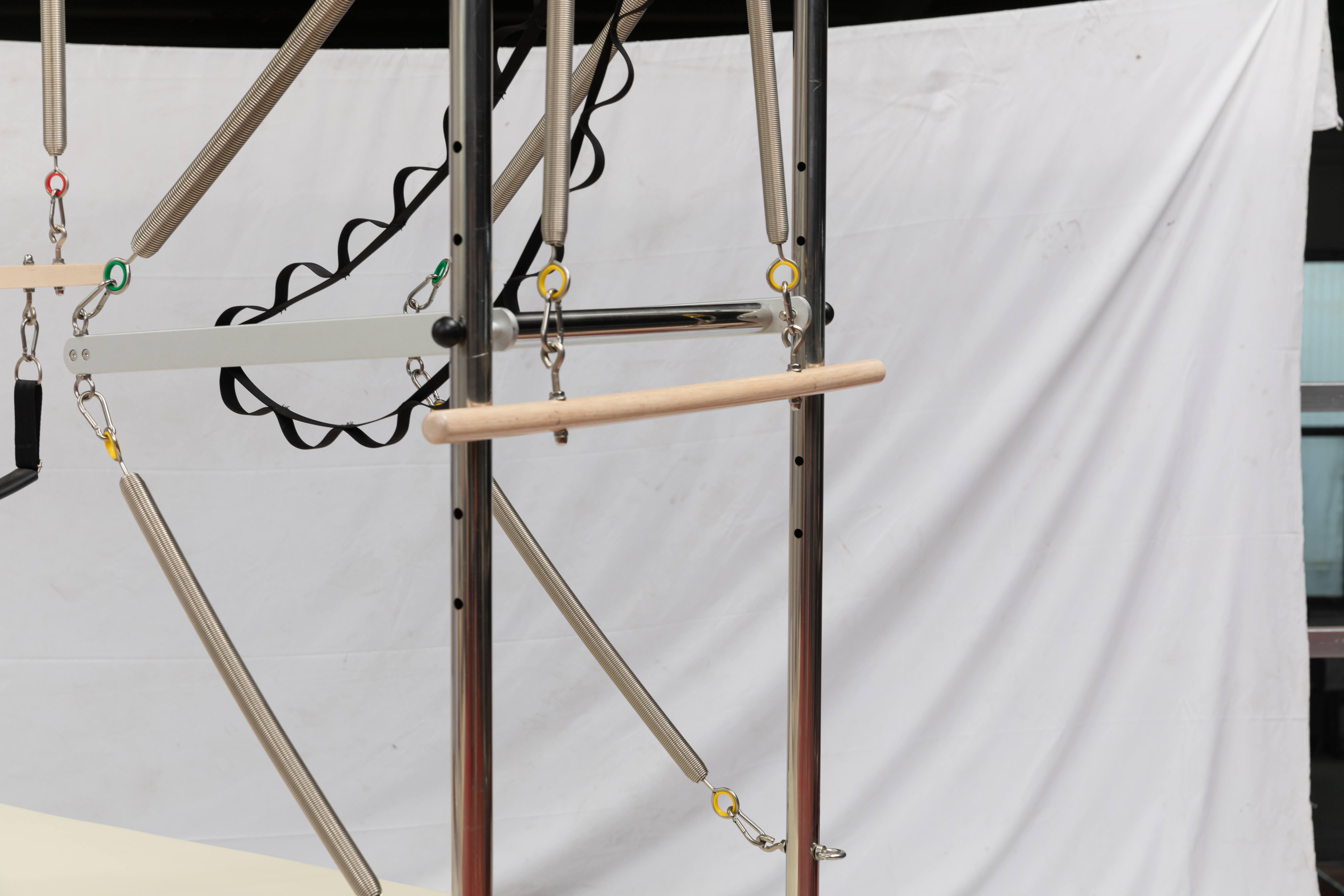
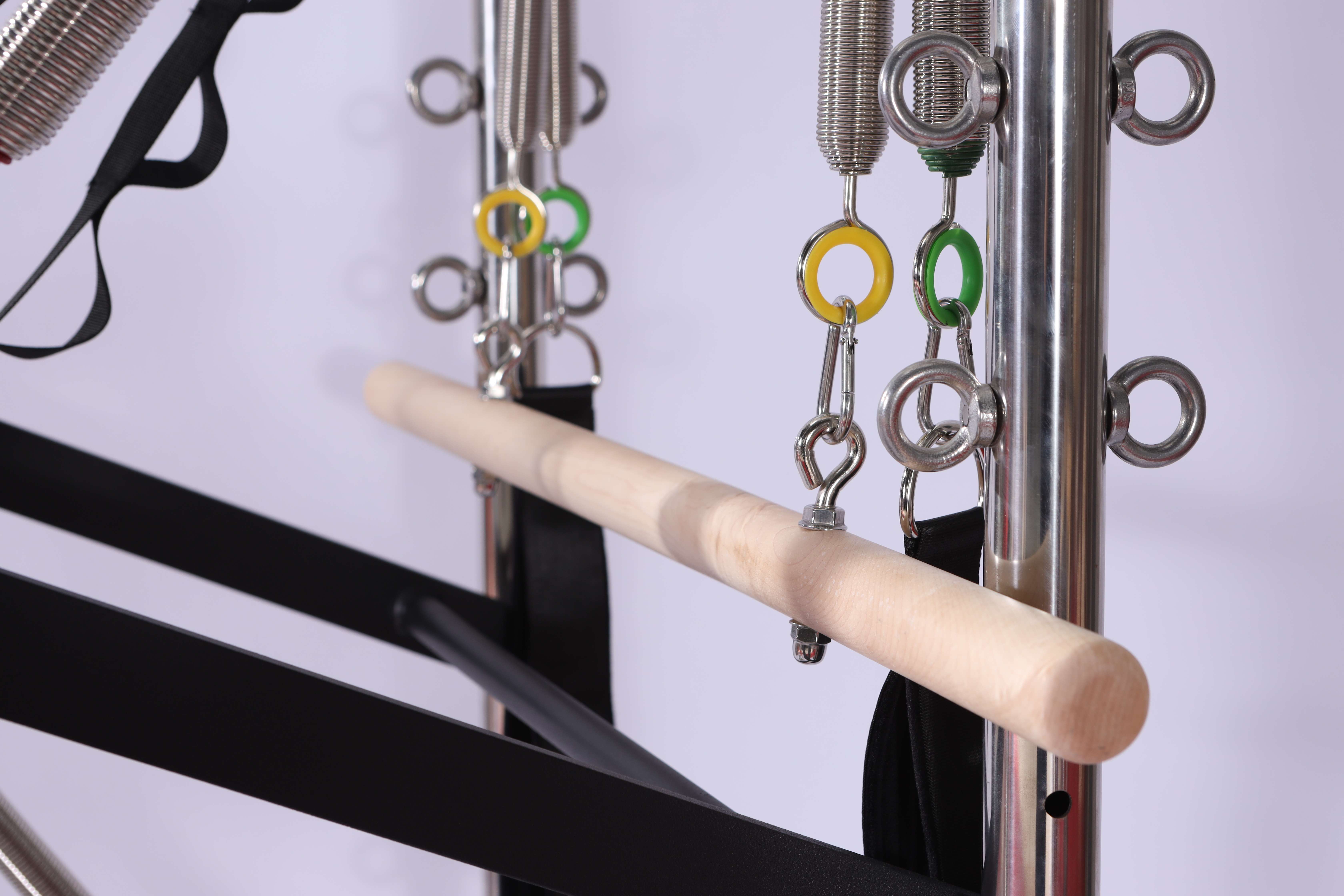
Spring material: Must be metal springs, not latex elastic cords. Reputable manufacturers specify "high-carbon steel cold-coiled springs" or "imported piano wire".
Rails and wheels: Glide should be smooth and silent. Look for wheels with sealed bearings or self-lubricating rails.
Summary: The value of a foldable Pilates reformer depends on three things — your practice foundation, your budget, and your available space. If you have basic mat control, a budget of 3000+ RMB (or £2000+), and can dedicate 2.5m × 1.5m of floor space when unfolded, a well-designed foldable bed can deliver a near-studio experience at home. But if any of these conditions aren't met, start with small props or continue studio classes — spending $300 on a machine that's "too short, too wobbly, too noisy" is a bigger waste than the money itself.