Small Space Pilates Machine: Perfect for Apartment Dwellers
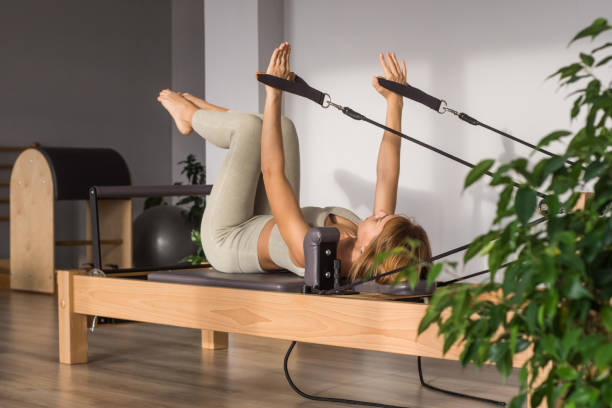
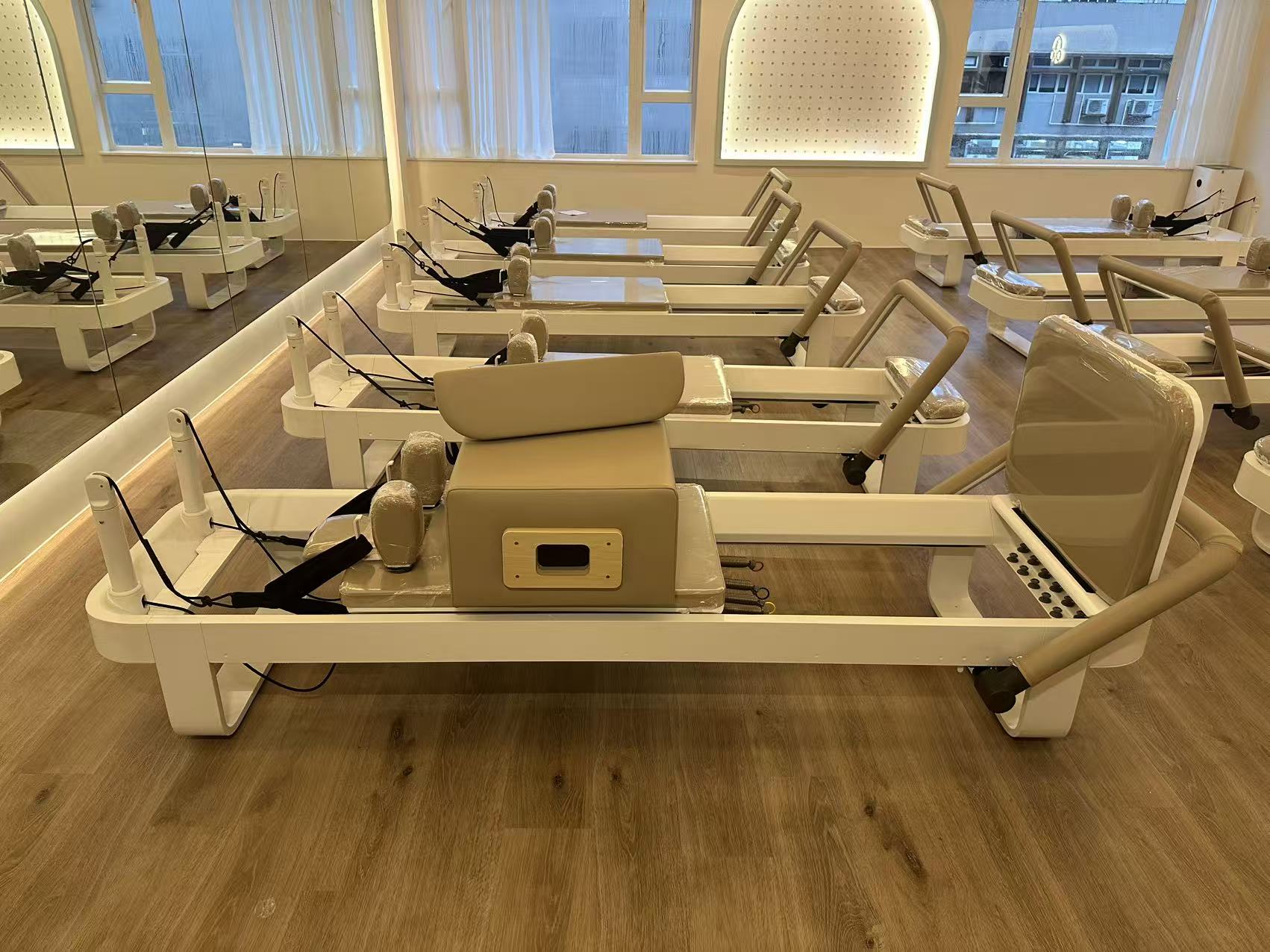
For apartment dwellers who want to practice Pilates at home, the biggest obstacle is rarely price — it's space. A standard Pilates reformer stretches nearly 2.4 meters long and 0.7 meters wide — in a small apartment living room, that's like permanently sacrificing a sofa's worth of floor space. Yet apartment dwellers' fitness needs don't disappear because space is limited. Quite the opposite — those without a building gym, without time to commute to a studio, are exactly the people who need a home practice solution.
The good news: an increasing number of brands are focusing on the "small-space fitness" niche. From foldable reformers to non-expanding alternatives that don't require a dedicated gym room, apartment-friendly Pilates equipment is becoming more sophisticated. This guide provides practical recommendations for apartment dwellers across three dimensions: space adaptation, equipment selection, and real-world usage.
I. Three Real Challenges for Apartment Dwellers
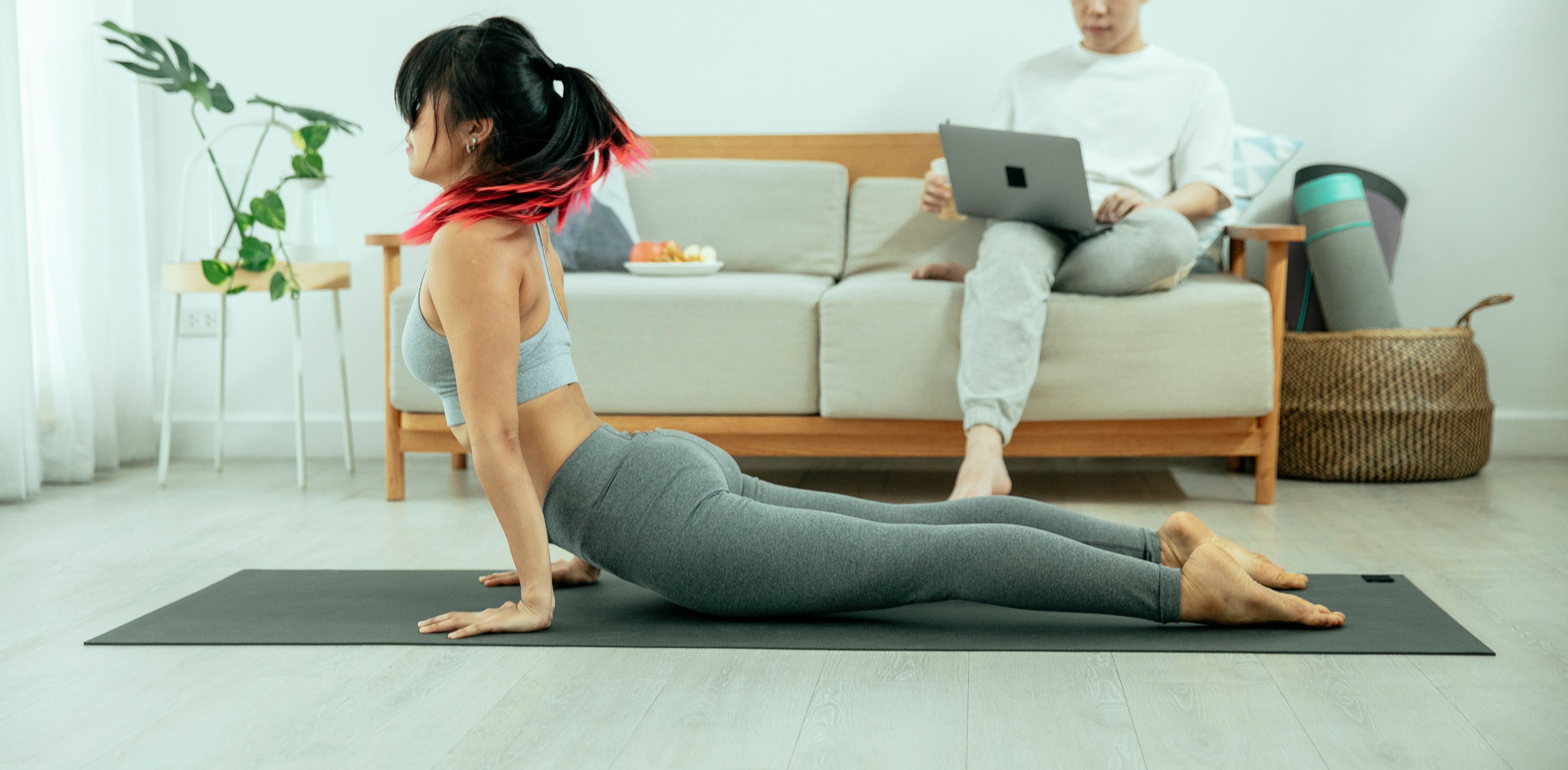
Challenge 1: No dedicated "fitness corner" floor space. Most apartments don't have a spare room for a home gym. The living room has a sofa. The bedroom has a bed. The balcony has a drying rack. The space you can spare for exercise is often "a corner" rather than "a whole wall." This means equipment must be storable — not permanently expanded.
Challenge 2: Thin walls and noise complaints. Apartment floors and walls are typically thin. Metal rail friction, spring vibration, and carriage impact sounds can be particularly jarring in a quiet residential setting. Your downstairs neighbor might not mind you working out — but they definitely mind you "squeaking and clunking" at 6 AM.
Challenge 3: Difficult delivery and installation. Apartments typically lack freight elevators. Stairs are narrow. Doorways are tight. A 70kg wooden reformer is impossible for one person to carry up five flights of stairs. Even if delivery is arranged, scheduling professional installation can be costly and time-consuming.
II. What Pilates Equipment Works for Apartments?
Apartment-friendly Pilates equipment must meet three conditions: storable, quiet, and manageable to move. Here's a priority-ranked list.
First Choice: Foldable Reformer
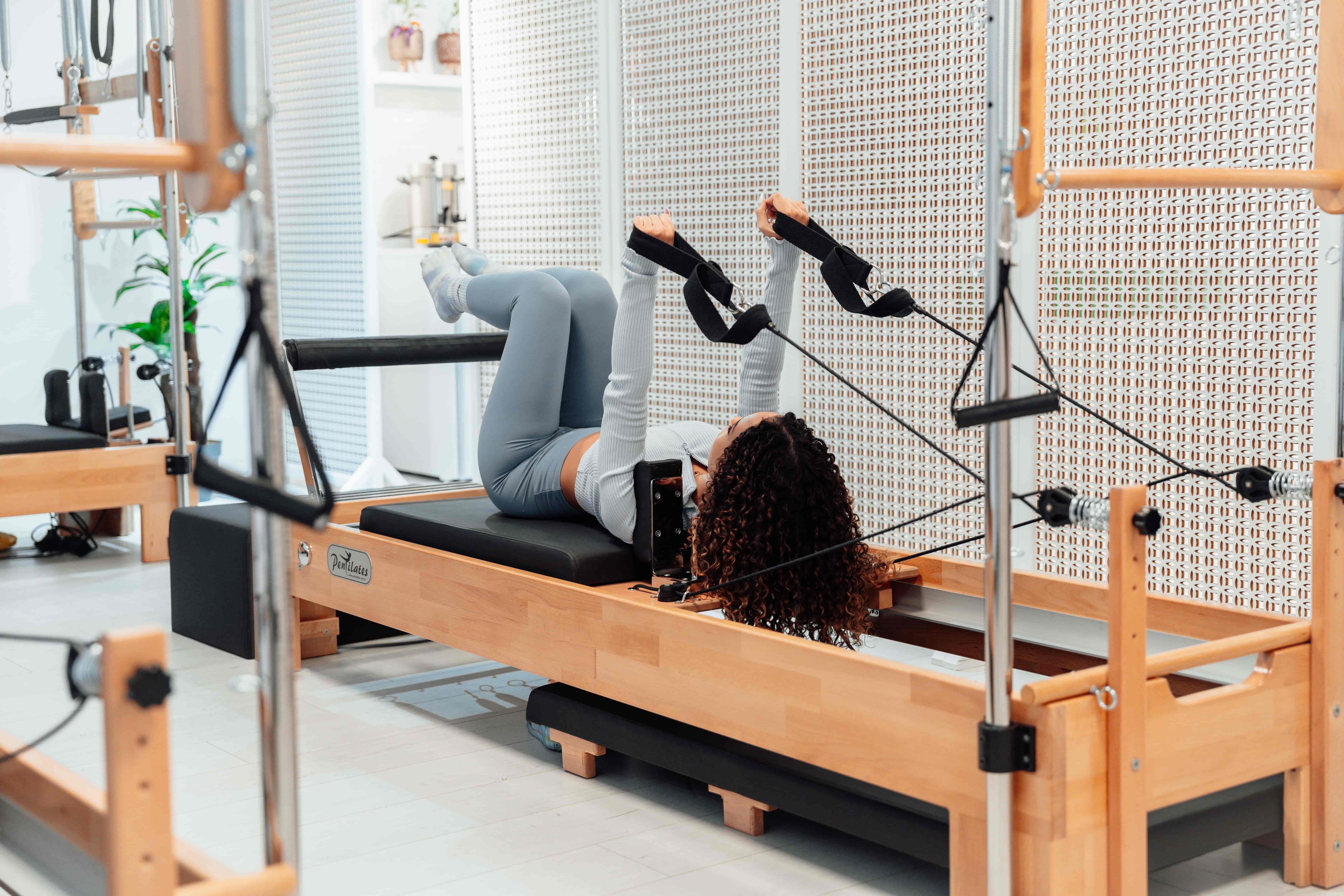
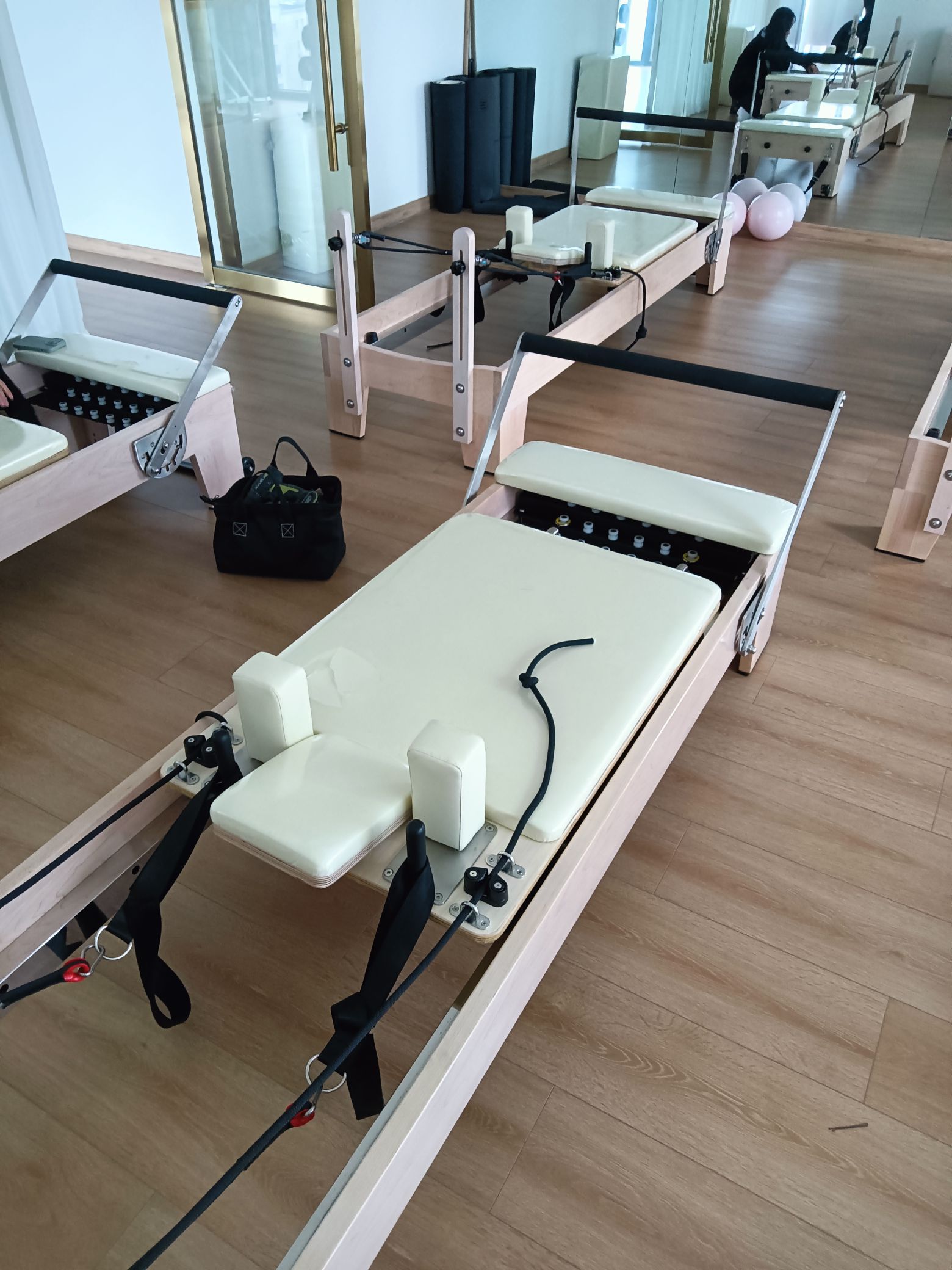
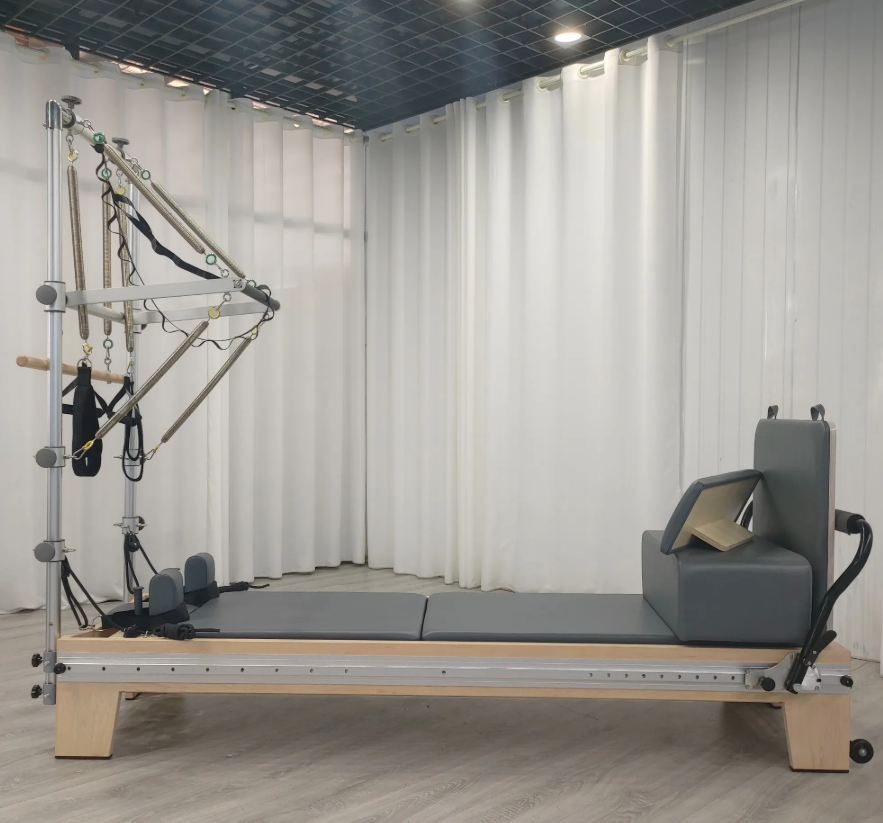
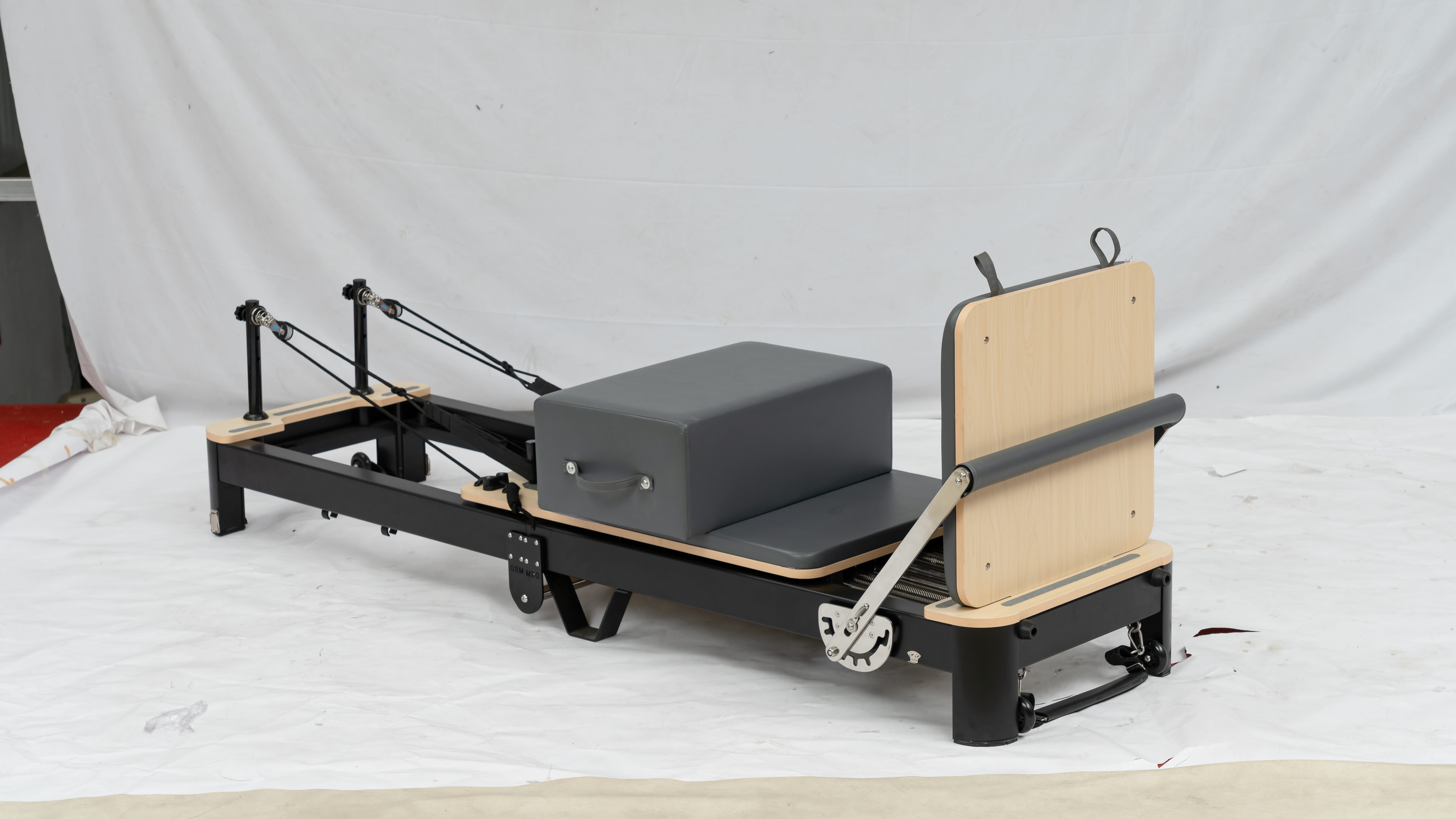
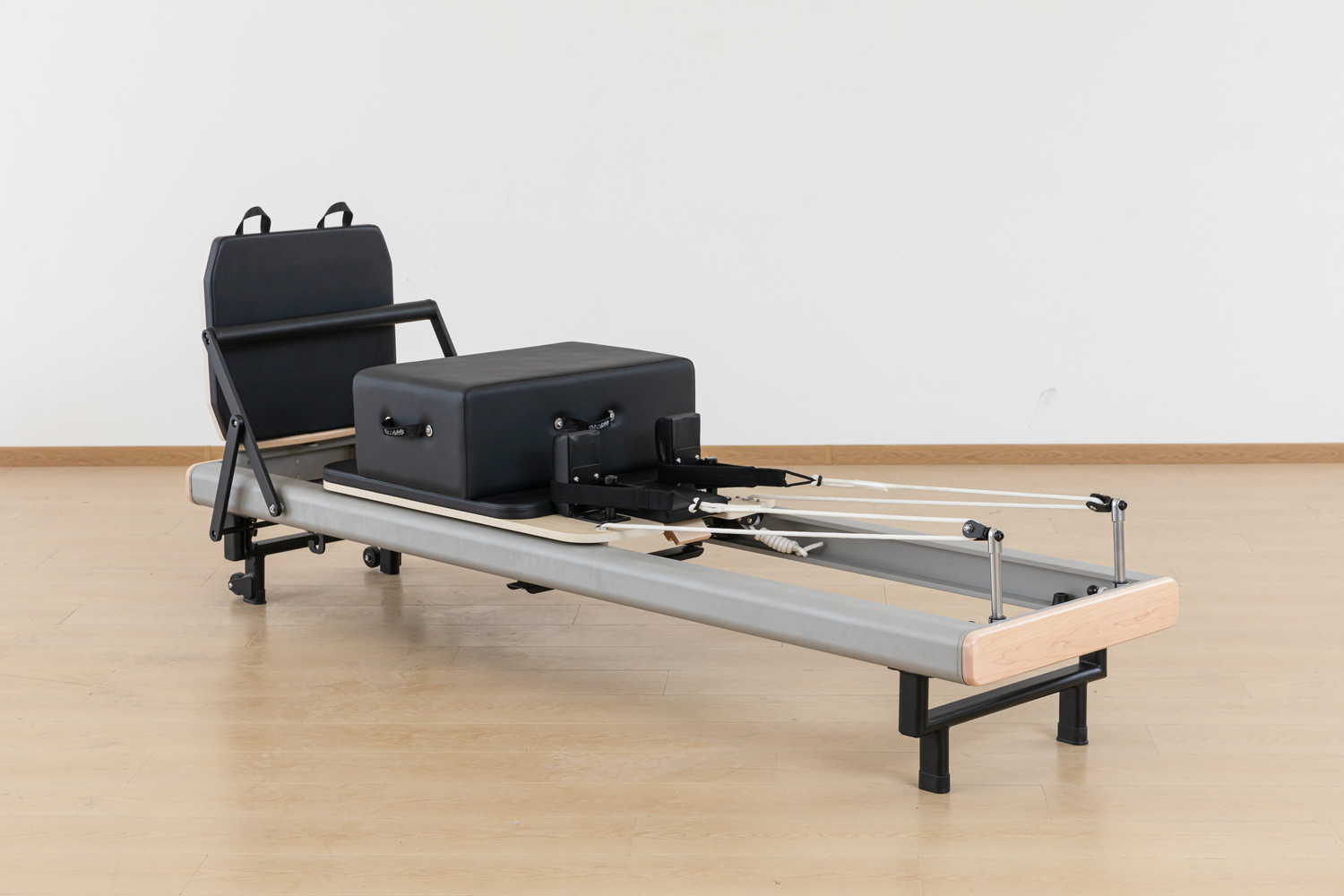
The foldable reformer is the "optimal solution" for small-space Pilates. Unfolded, it delivers a full reformer experience. Folded, it stands against a wall, slides beside a wardrobe, or tucks into a balcony corner. Key purchase checks: folded thickness (15cm or less is ideal), locking mechanism stability (not strap-based), and unfolded length (at least 220cm for full range of motion).
Critical note: While a foldable reformer saves storage space, it still requires approximately 2.3 meters of floor length when unfolded. If your apartment can't accommodate that, even a foldable model won't work for you.
Second Choice: Core Sliders
Core sliders are the "floor-based substitute" for a reformer. They're essentially two discs that slide on smooth flooring, using body movement to mimic reformer-like motions. For apartments with extreme space constraints, sliders' biggest advantage is their nearly zero storage footprint — two discs stacked, slide them under the sofa. While they can't fully replace spring resistance, they're sufficient for foundational core work and sliding exercises.
Fallback Setup: Small Props Kit
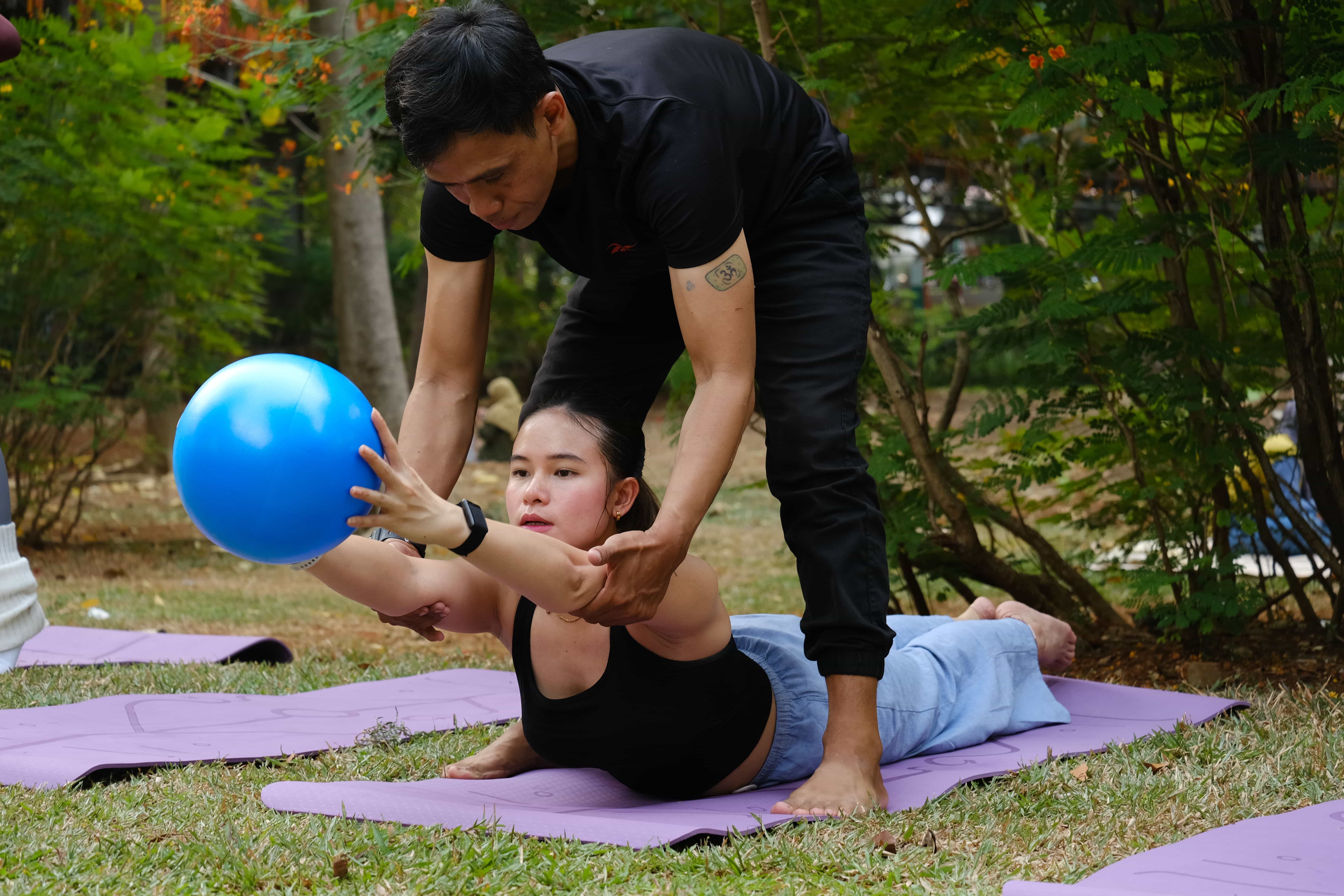
If you can't spare even 2.3 meters of floor space, go back to the basics — Magic Circle, resistance bands, and a small ball. This set takes up virtually zero floor space yet supports 80%+ of home training content. More importantly, they produce almost no noise, won't disturb neighbors, and are budget-friendly.
What Doesn't Work for Apartments?
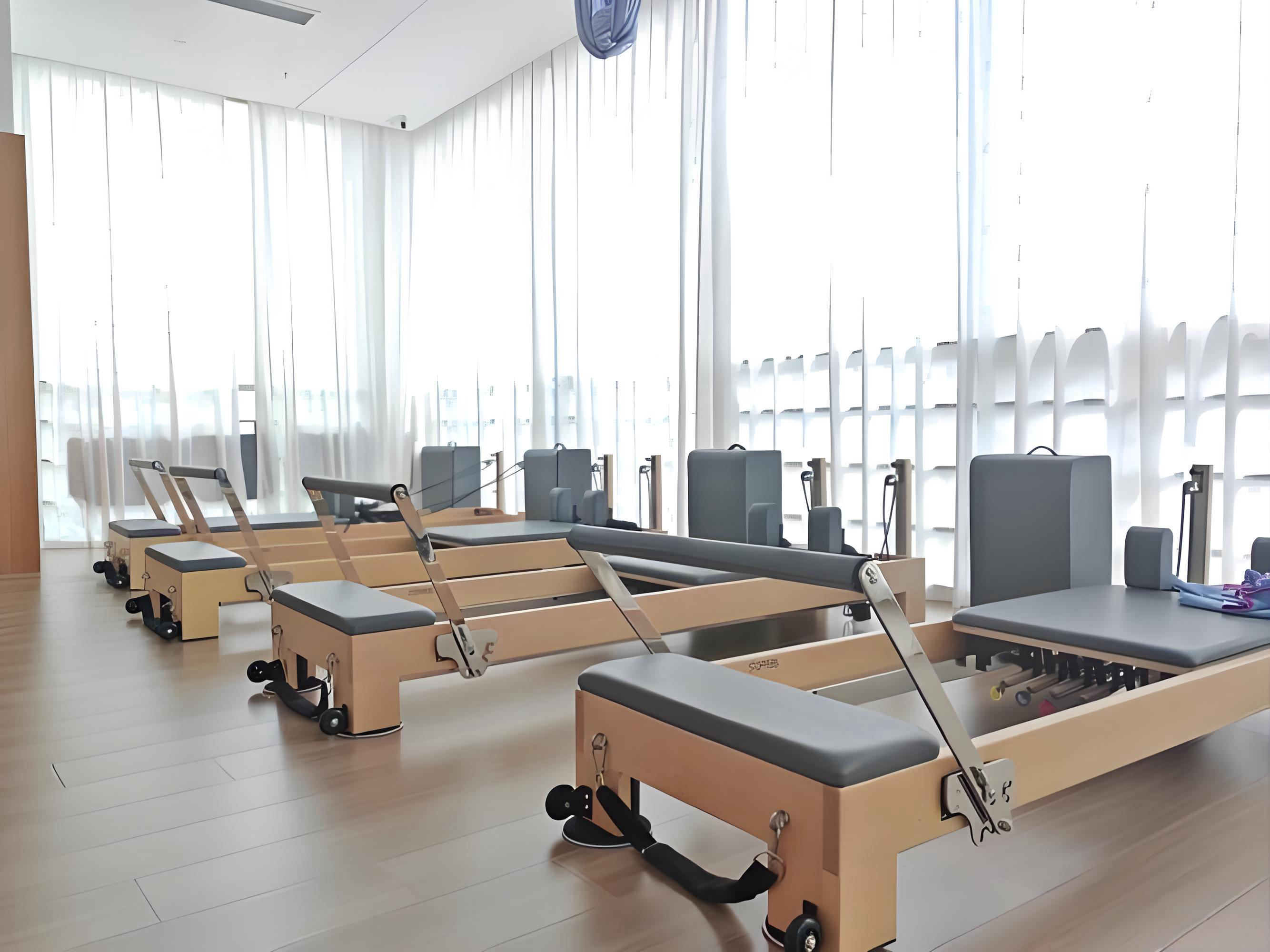
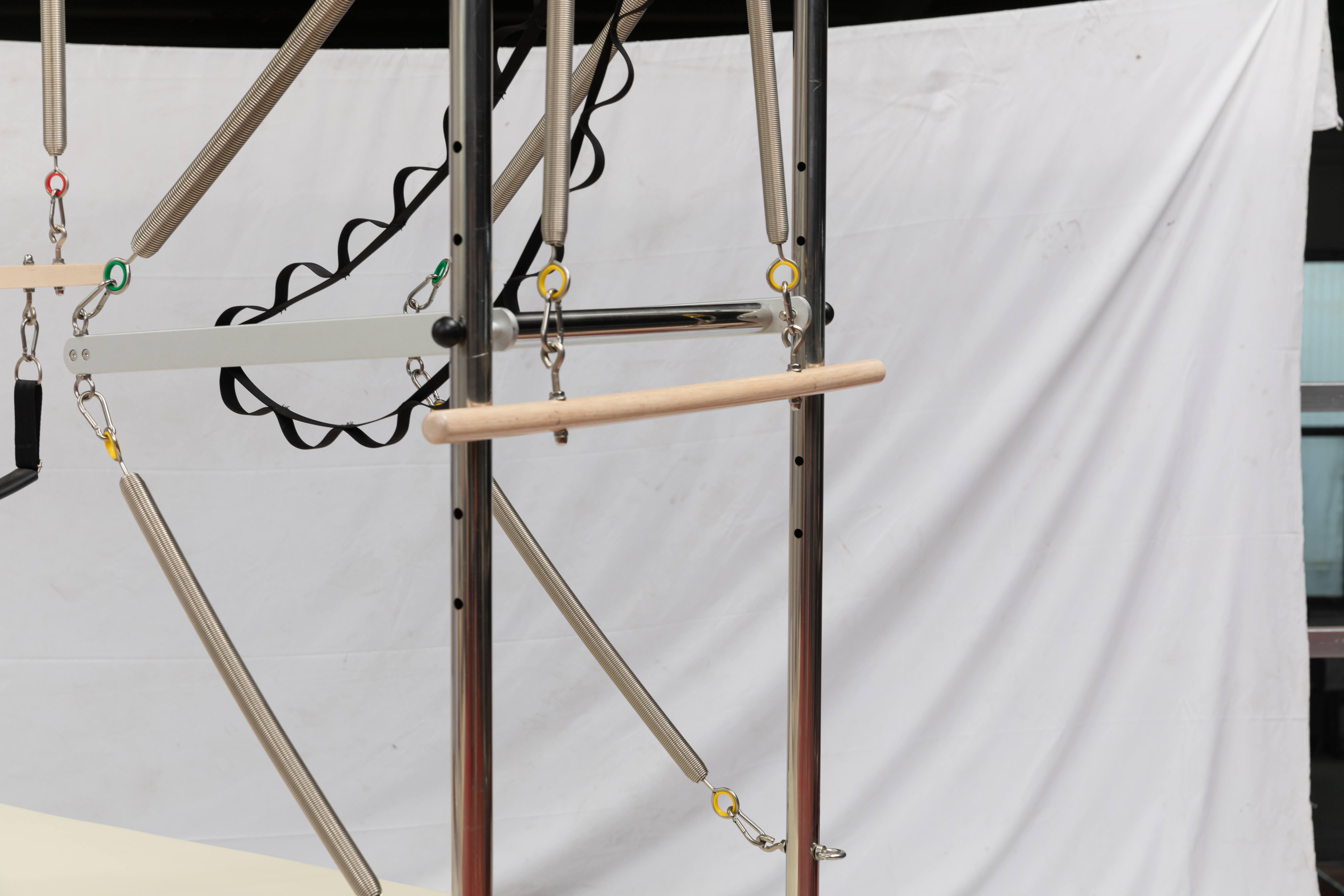
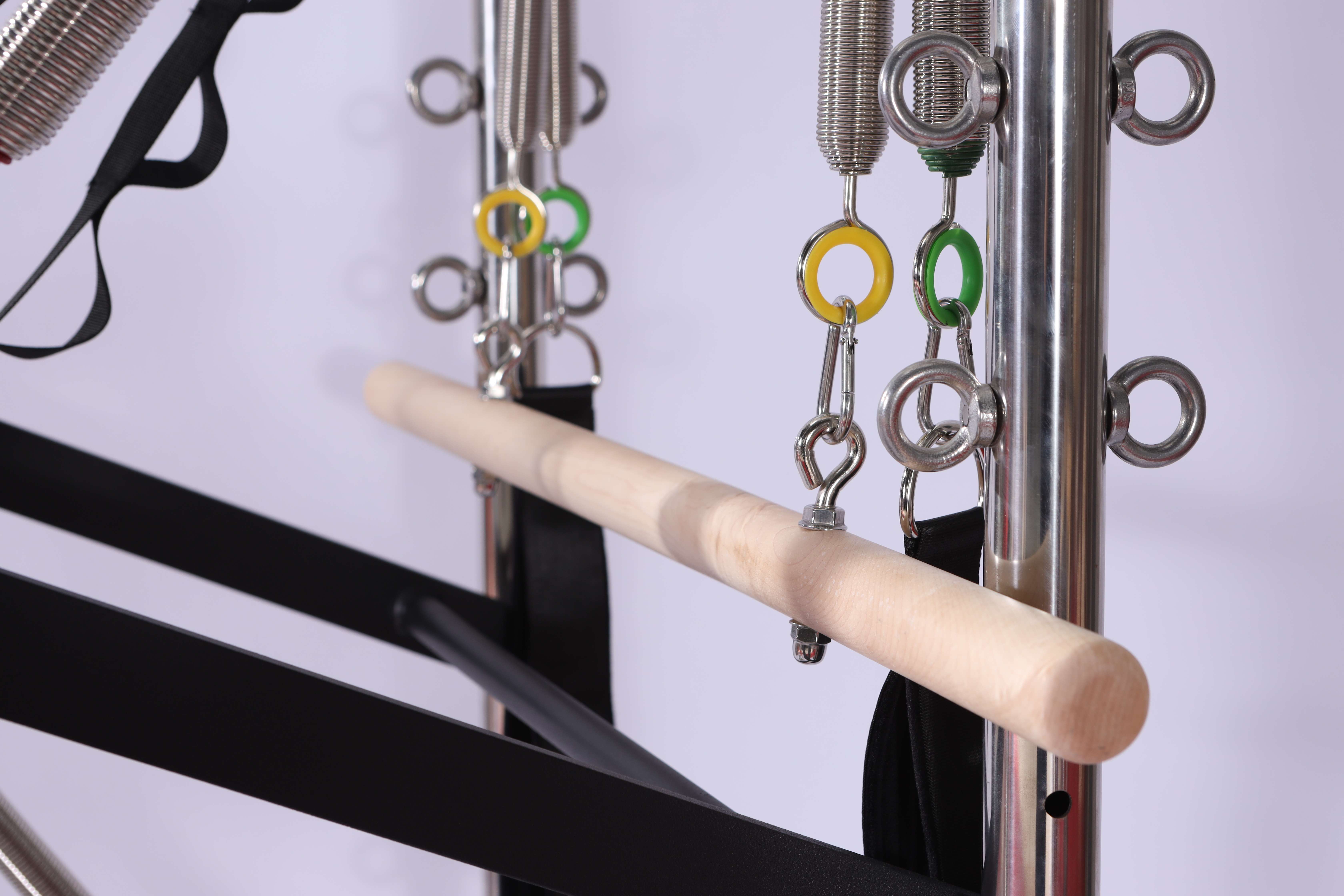
Standard commercial reformers (non-foldable) — cannot be stored, permanently consume floor space. Cadillac/Trapeze Table — its three-dimensional frame and suspension system rule out folding — nearly impossible to place in an apartment. Heavy equipment with metal jumpboards — impact noise and vibration from jumpboard work is "disastrous" for downstairs neighbors.
III. Four Key Specifications for Apartment Shoppers
Spec 1: Folded dimensions
Don't just read "foldable" — ask for exact folded height, width, and length. Models with folded thickness under 15cm truly "disappear" when stored. If folded thickness exceeds 30cm, it will still look bulky against the wall.
Spec 2: Unfolded space requirement
Aim for at least 220cm length and 60cm width, with at least 50cm clearance on both sides. Before buying, mark the unfolded dimensions on your floor with tape and perform some trial movements — confirm you won't hit furniture or block the walkway before ordering.
Spec 3: Noise level
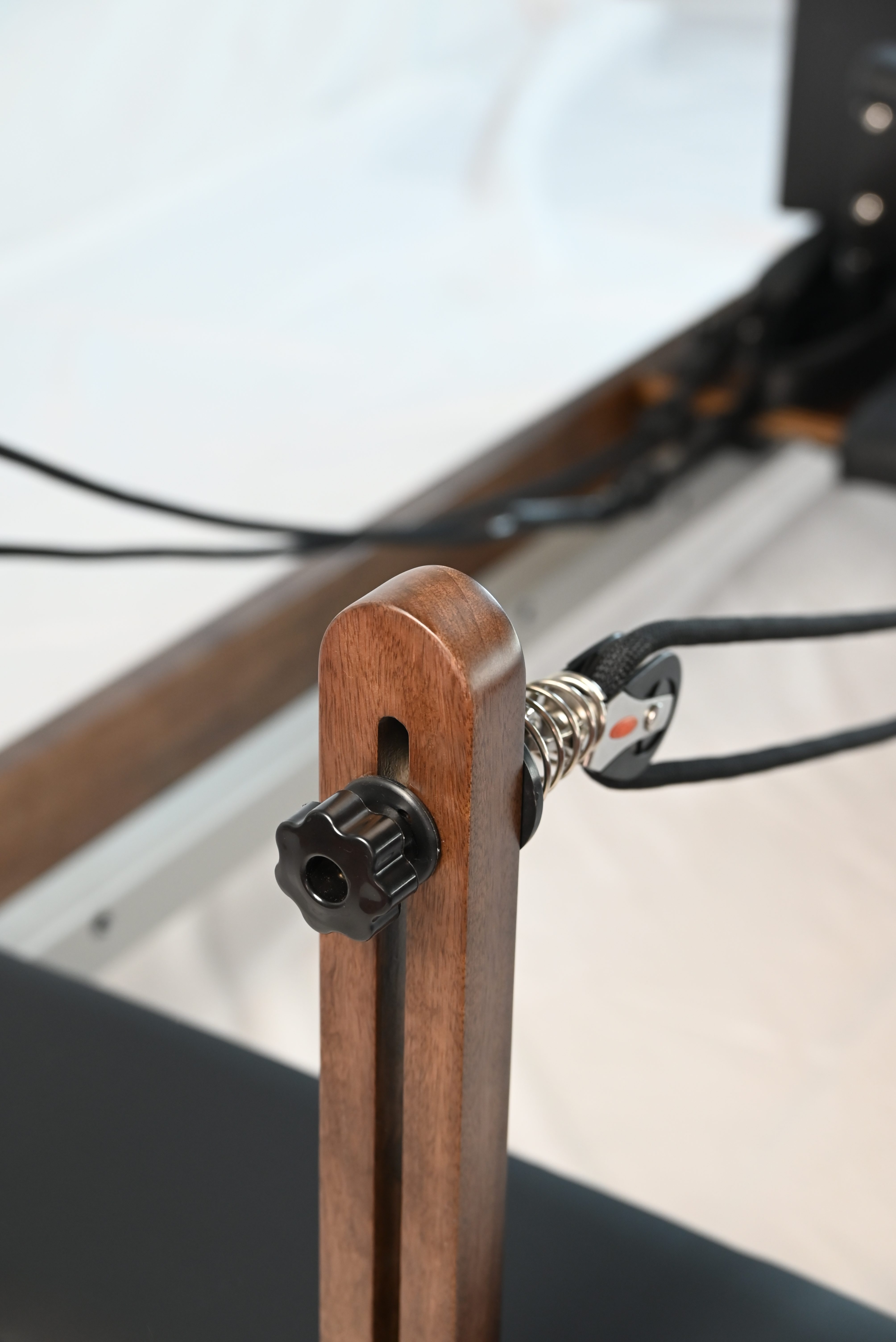
Prioritize models with silent rails and quiet pulleys. If product pages don't specify noise levels, scan user reviews for keywords like "noise," "sound," and "neighbors." In apartment environments, glide noise above 50 decibels can draw complaints from below.
Spec 4: Delivery and installation
Check equipment weight and packaging dimensions — confirm they'll fit through your doorways and elevator. If your building has no elevator, choose lighter models (under 40-50kg) or brands offering installation services. A 70kg machine carried up five flights may cost more in delivery fees than the machine's discount.
IV. Apartment Use Tips
Floor protection: Place sound-dampening mats or rubber flooring under the equipment to reduce vibration transmission and protect floors from scratches.
Time-of-day consideration: Schedule practice during daytime or before 9 PM — avoid early morning and late-night hours. If soundproofing is poor, prioritize noise-free small props for mat work.
Storage habits: Build a "use-it, store-it" habit — fold and stand equipment against the wall; store small props in boxes. Taking one minute to tidy up after each session keeps equipment from becoming a "visual burden" in your living space.
Summary: For apartment dwellers, the core approach isn't "recreate the studio at home" — it's "practice Pilates in a way that fits your home." A foldable reformer offers the closest studio experience, but only if your apartment has 2.3+ meters of clear floor space and a reasonable storage spot. Core sliders and small props are the "Plan B" for extremely limited spaces. Whatever you choose, remember the first principle of apartment fitness: it's not about "how powerful the equipment is" — it's about "no neighbor complaints, no family resentment, and you actually using it every day."