New Pilates Studio Equipment Checklist: Essential Gear for Different Business Models

Opening a new Pilates studio is an exciting investment, but many new owners make the same critical mistake: purchasing mismatched, excessive, or insufficient equipment that fails to fit their actual business model. A boutique private-training studio does not need the same setup as a high-volume group class studio, and a rehabilitation-focused clinic requires entirely different core gear than a casual fitness wellness space.
A targeted new Pilates studio equipment checklist helps investors control startup budgets, optimize space layout, standardize course systems, and avoid unnecessary equipment waste. This complete buying guide categorizes essential Pilates gear based on the four most common Pilates studio business models, providing clear, actionable equipment lists for new studio startups and global fitness distributors.
Key Factors That Determine Your Studio Equipment List
Before purchasing any Pilates apparatus, define your studio positioning. Four core factors directly decide your equipment combination:
- Main business model: Group classes, one-on-one private training, rehabilitation therapy, or hybrid courses
- Studio size and space layout: Compact boutique studio, large training center, or multi-functional fitness space
- Target client groups: Posture correction users, postpartum clients, injury rehab patients, or fitness shaping enthusiasts
- Profit positioning: Low-price high-volume group classes or high-value premium private sessions
Only by matching equipment to your business positioning can you maximize space utilization and investment return.
1. Equipment Checklist for Group Class Pilates Studios
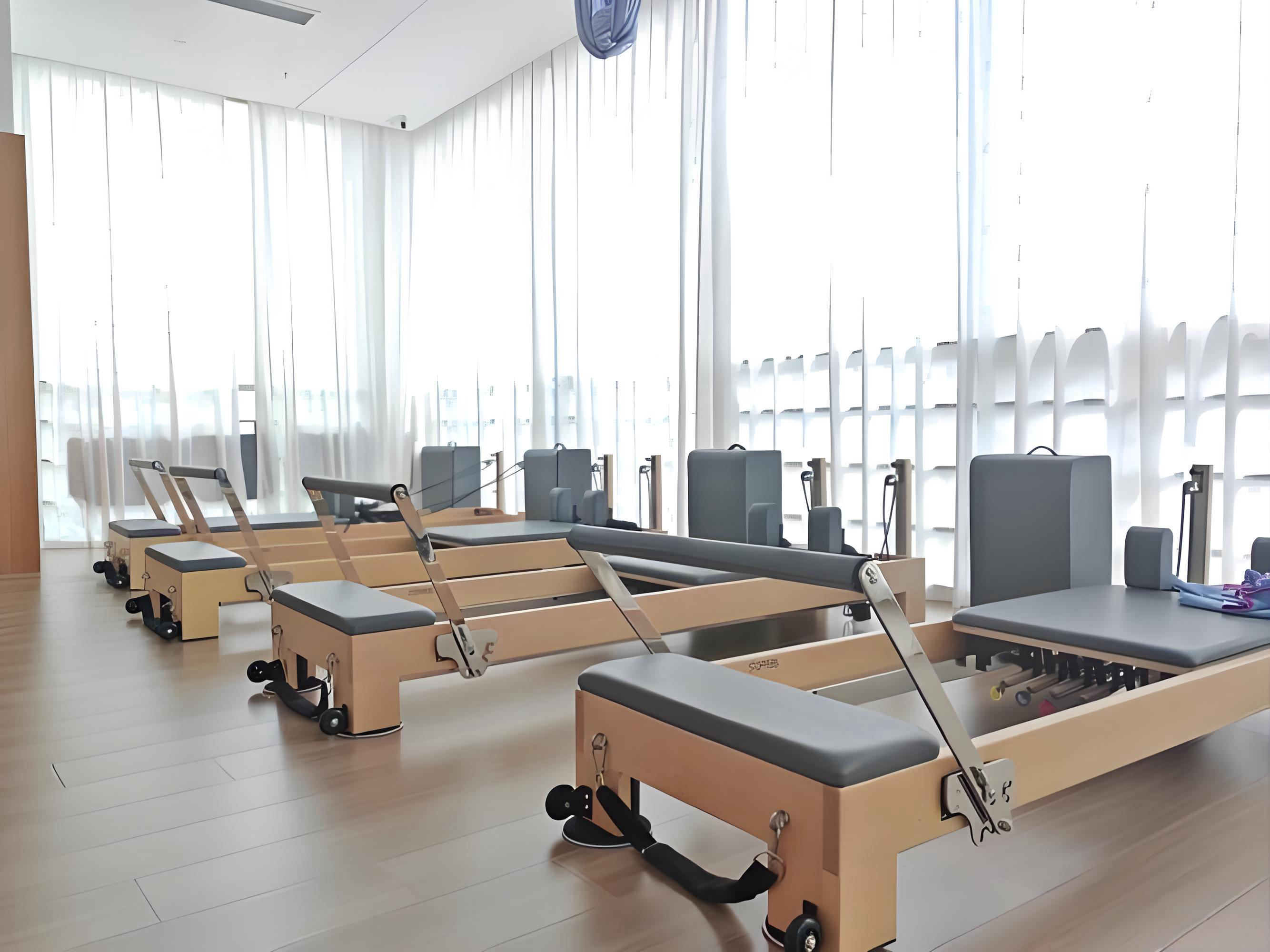
Group class studios focus on high customer flow, standardized courses, fast class turnover, and unified teaching effects. Equipment prioritizes high stability, low maintenance, consistent tension feedback, and neat unified aesthetics.
Core Essential Equipment
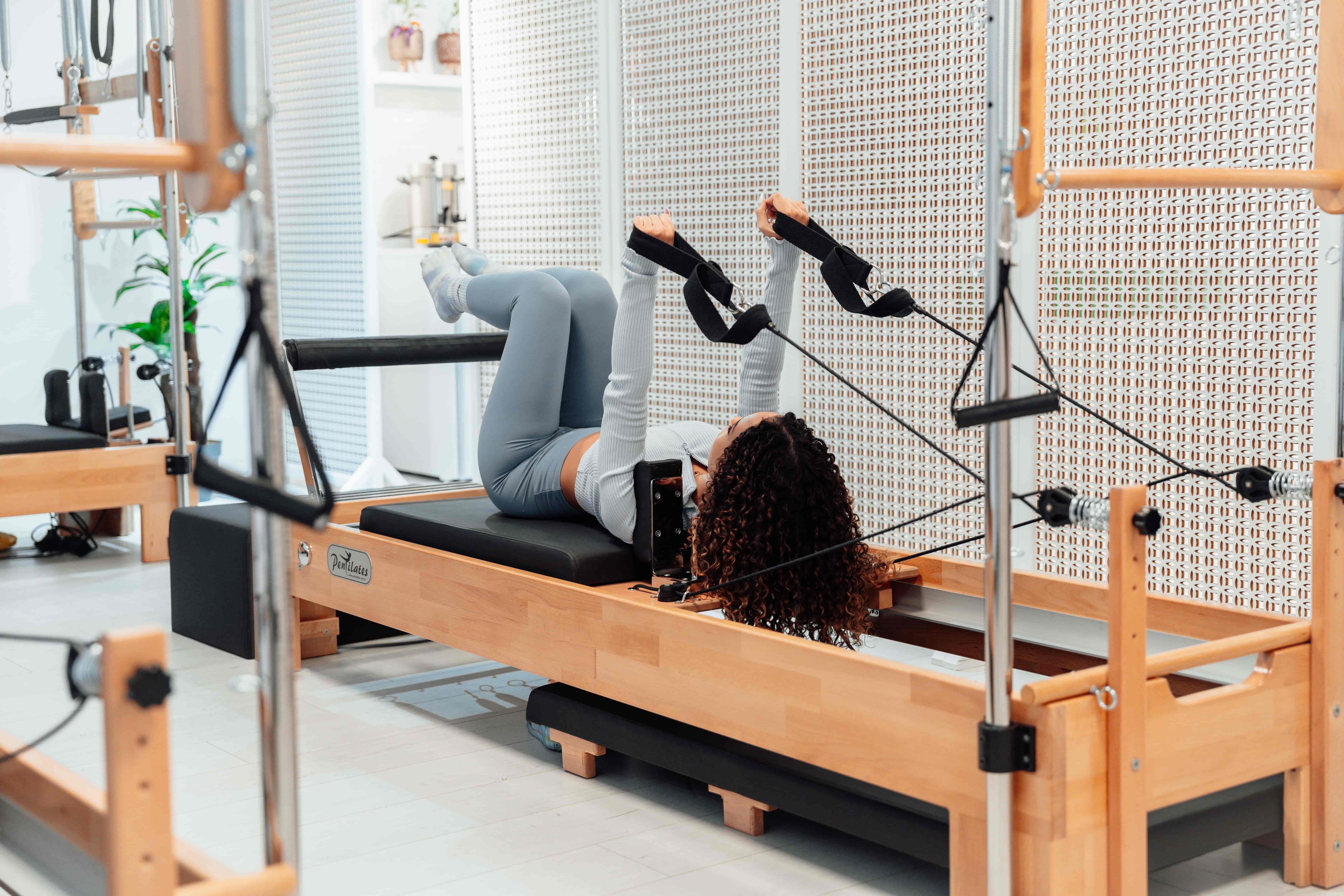
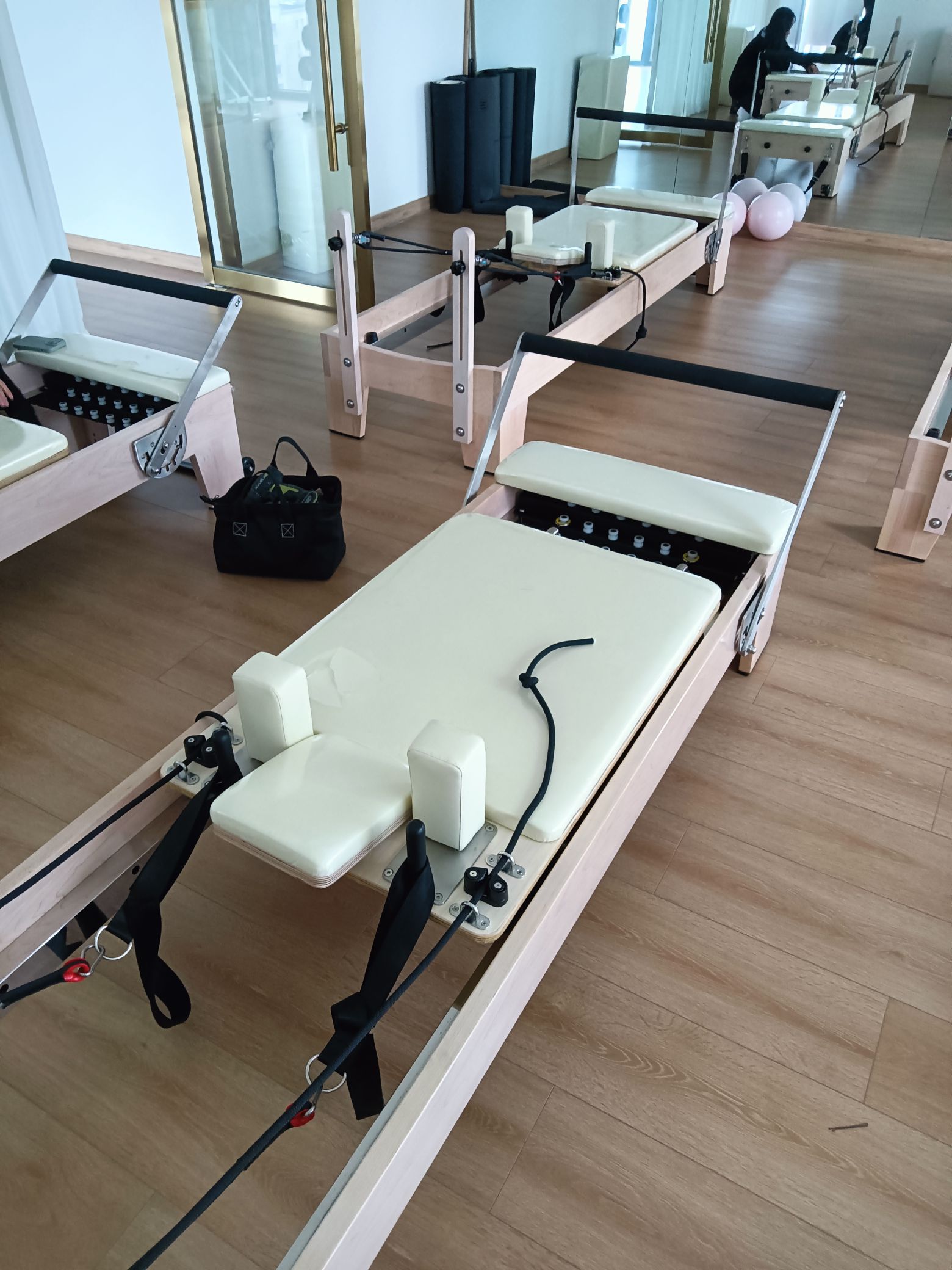
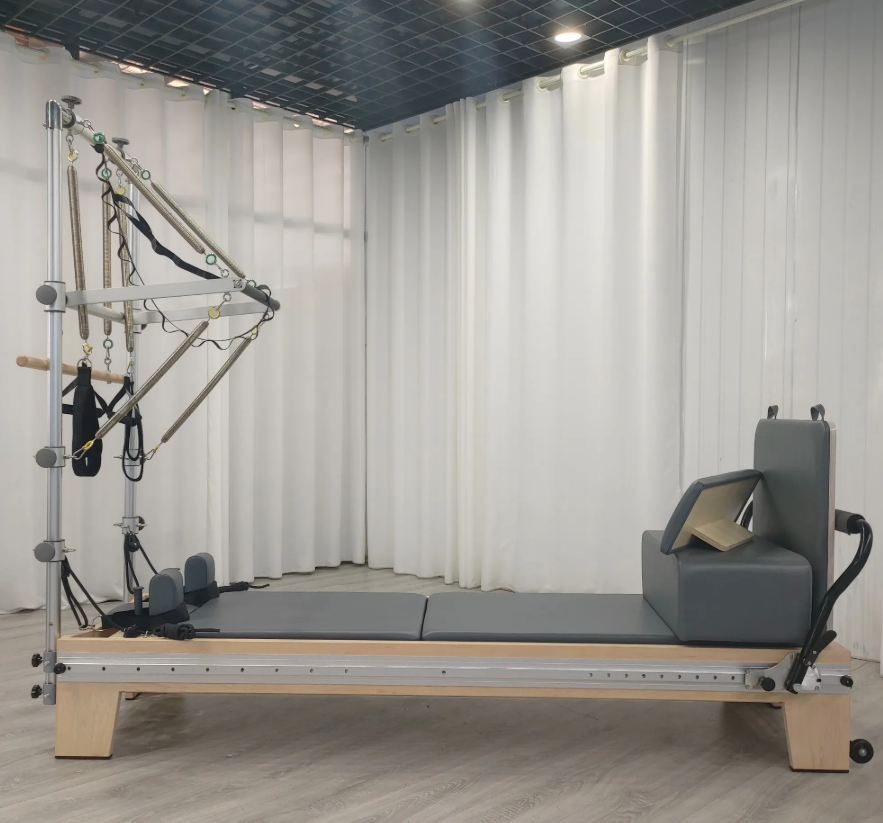
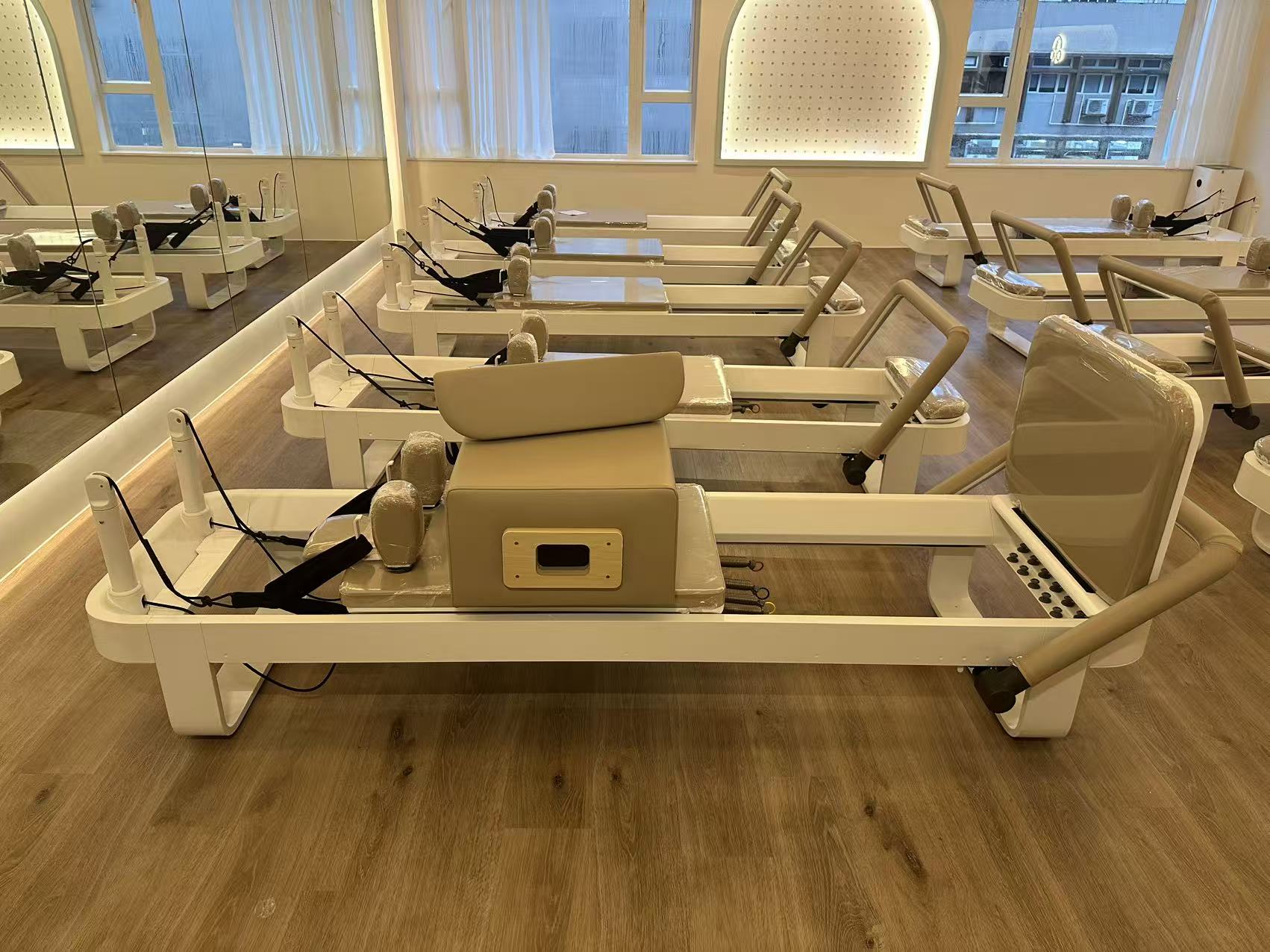
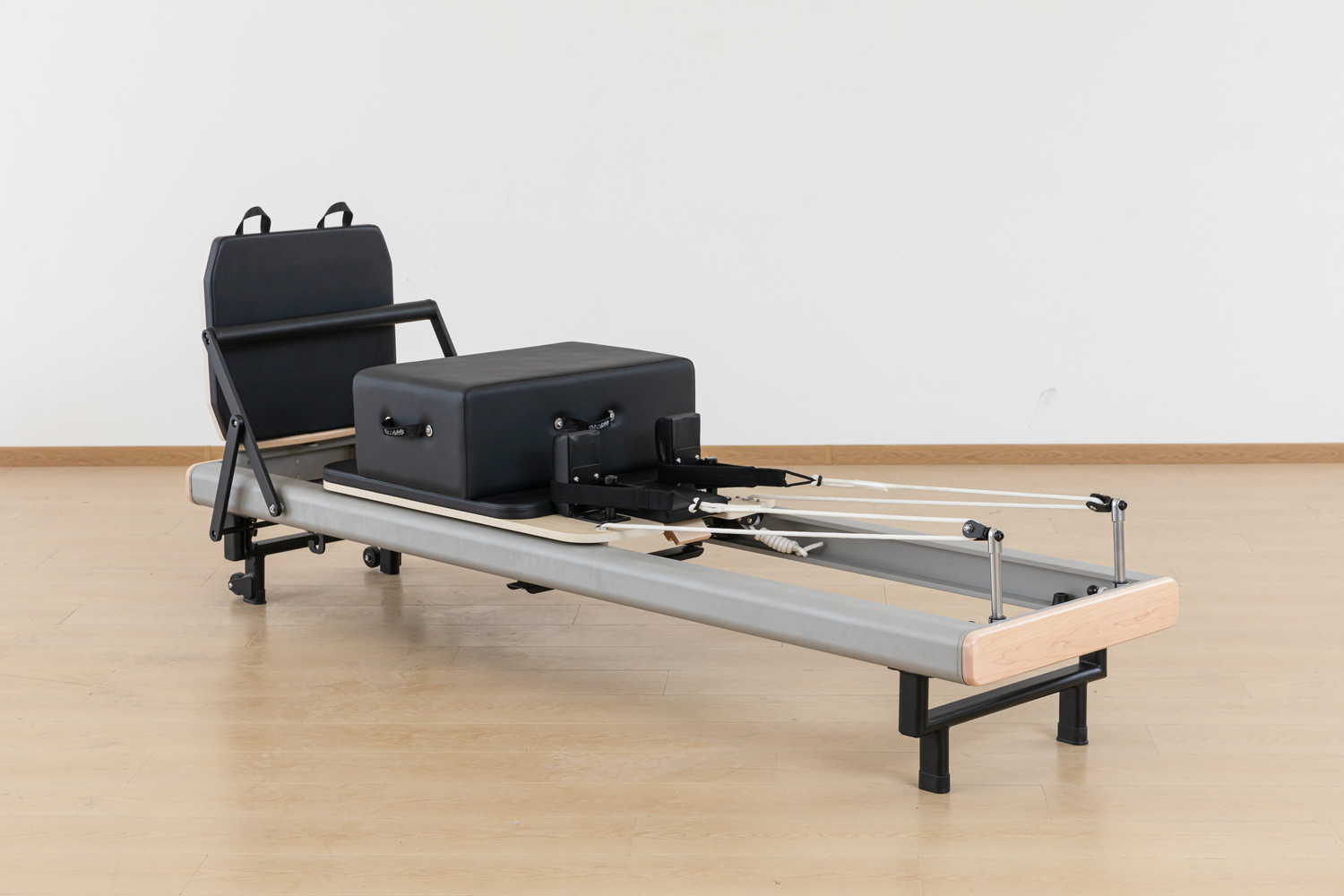
- Commercial stationary Pilates reformers (6–12 units according to space): The core of group class teaching, requiring stable frames, silent sliding, and standardized spring tension
- Reformer accessories: Jump boards, reformer boxes, long straps, short straps, and head cushions for diversified group sequences
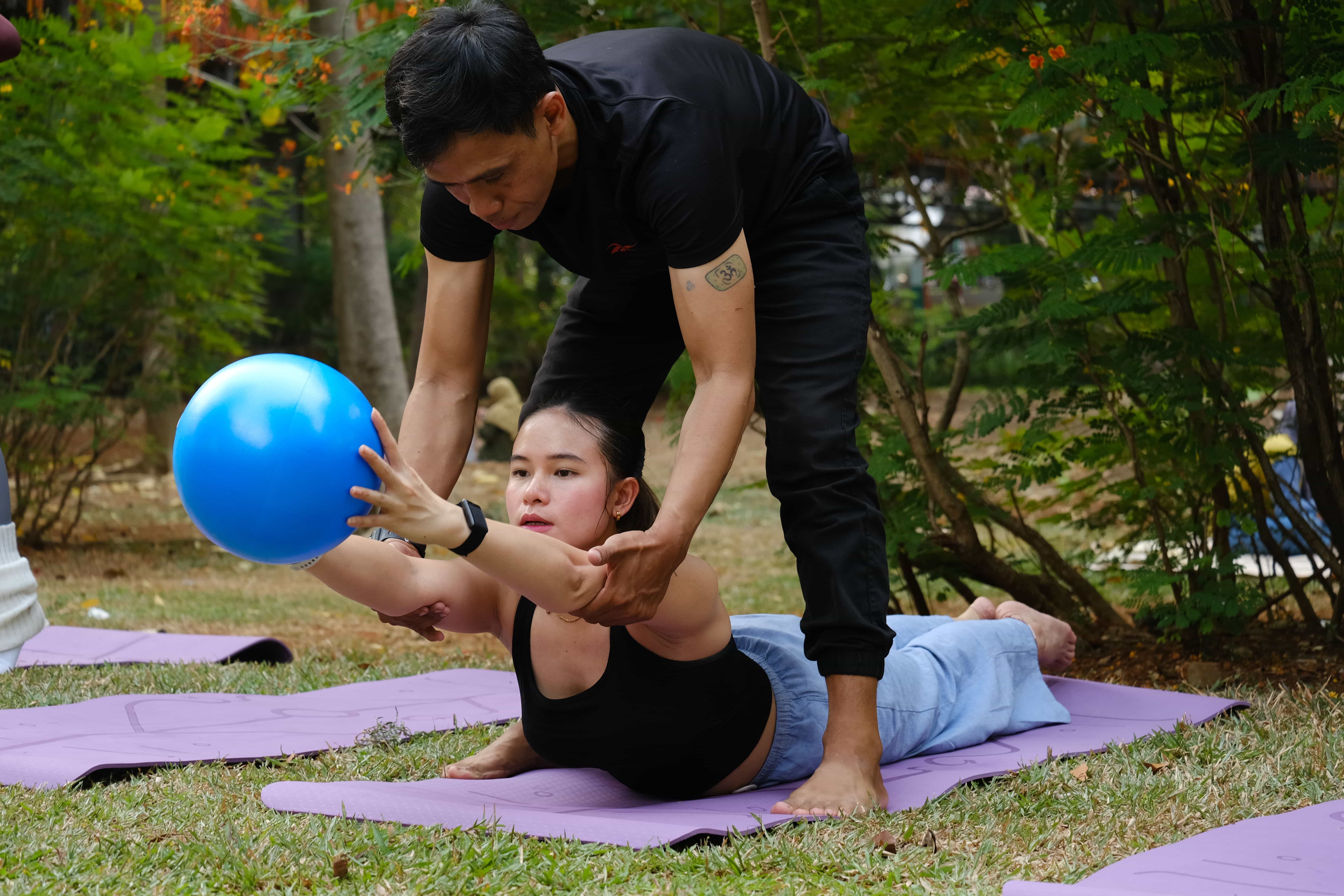
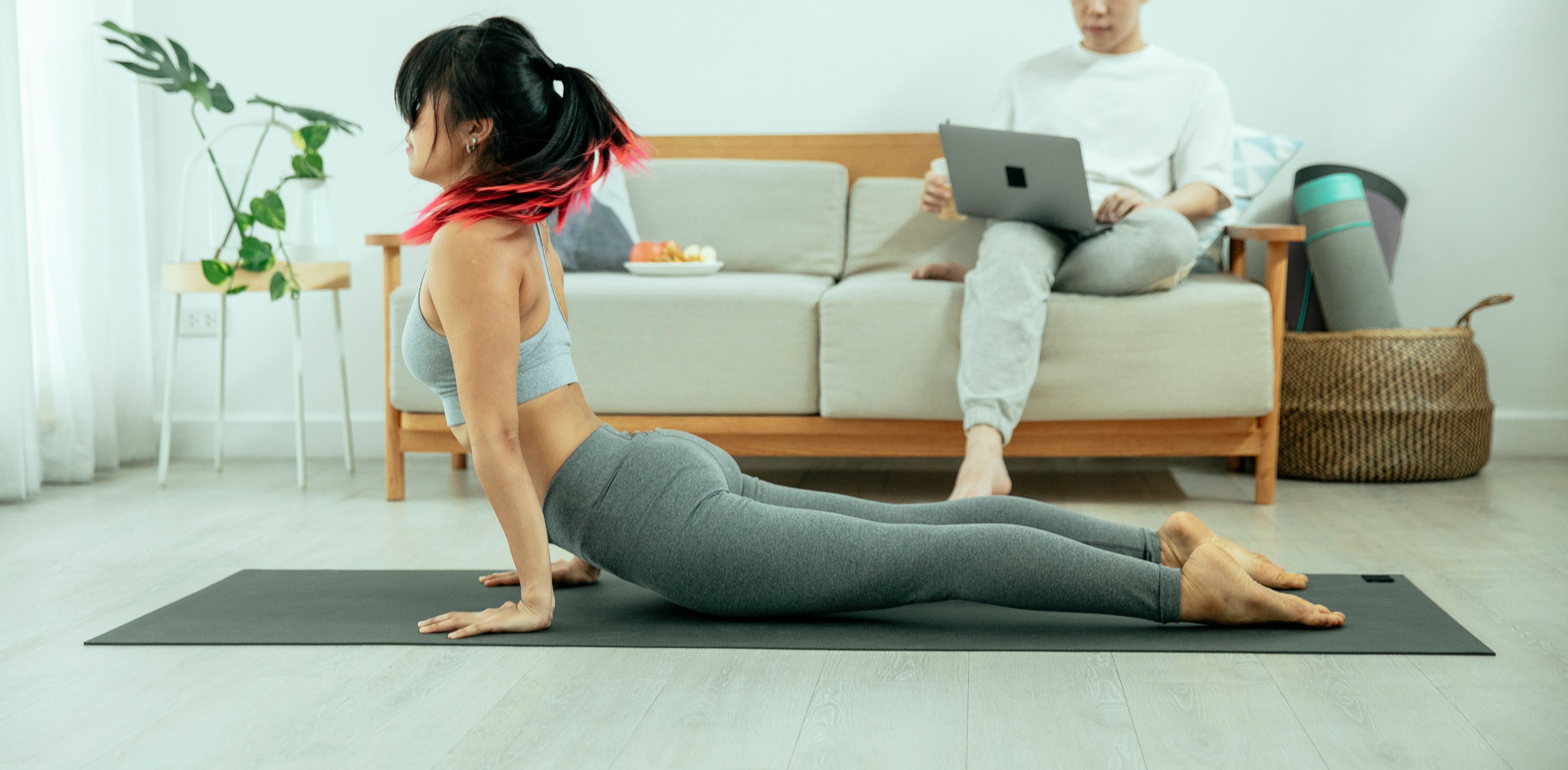
- Yoga mats, blocks, and resistance bands: For warm-up, cool-down, and auxiliary stretching
Optional Auxiliary Gear
Small ladder barrels and spine correctors for partial posture correction courses. Cadillac tables and tower units are optional but not mandatory for pure group class studios.
Matching Suggestions
Unify all equipment colors, upholstery tones, and frame styles to present a professional and neat studio visual effect. Prioritize low-maintenance commercial-grade reformers to reduce daily operating pressure in high-traffic scenarios.
2. Equipment Checklist for Premium Private Training Studios
Private Pilates studios rely on high-value one-on-one sessions to profit, requiring complete equipment systems to support customized shaping, posture adjustment, and deep core training. Equipment completeness directly determines course richness and client renewal rates.
Core Full-Set Essential Gear
- Commercial reformer: For core shaping, fat loss, and basic posture training
- Cadillac trapeze table: For spinal decompression, suspended stretching, and high-end rehabilitation private courses
- Ladder barrel: For full-spine mobility adjustment, thoracic extension, and muscle chain release
- Spine corrector: For segmental spinal correction, shoulder and neck relaxation, and beginner posture reset
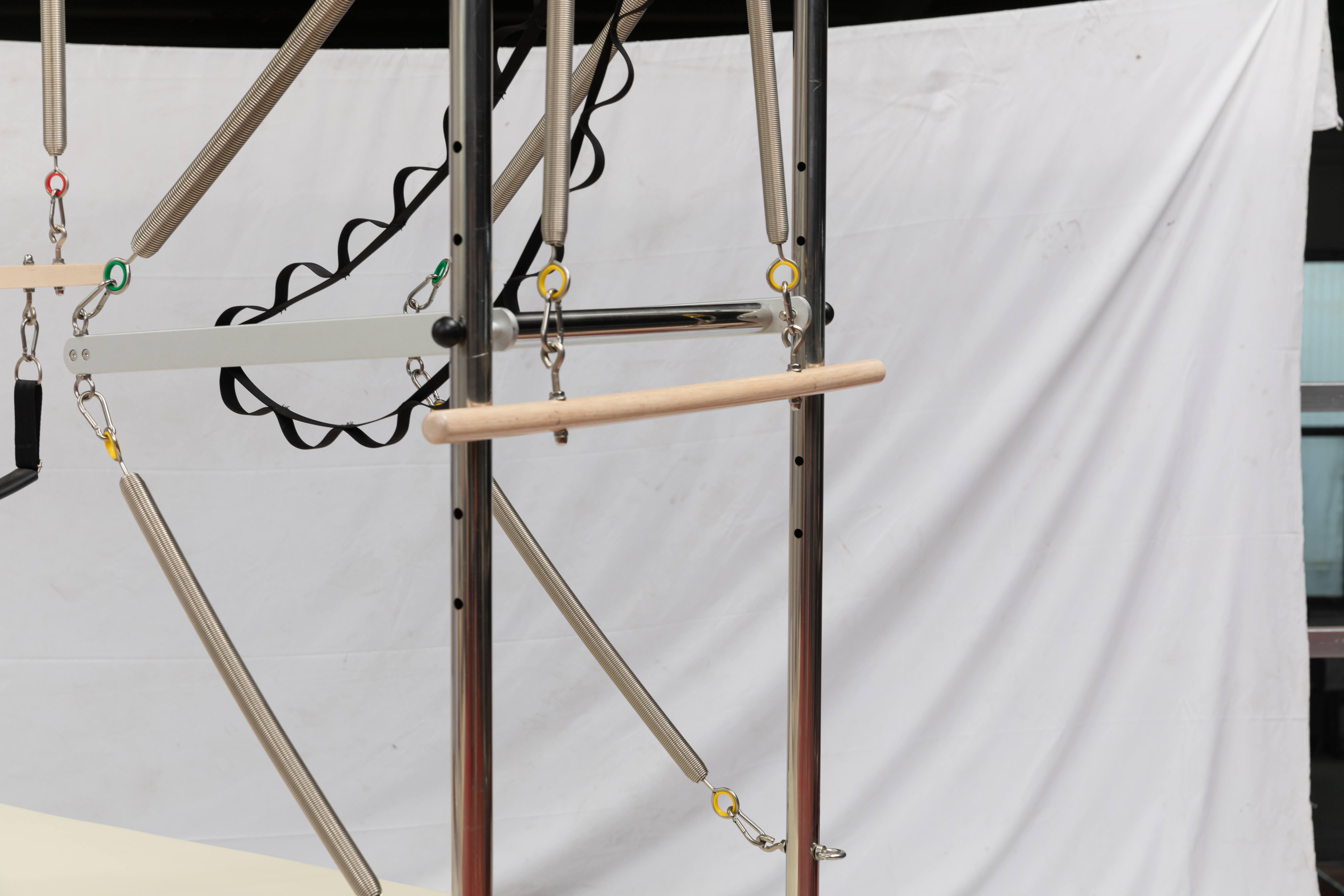
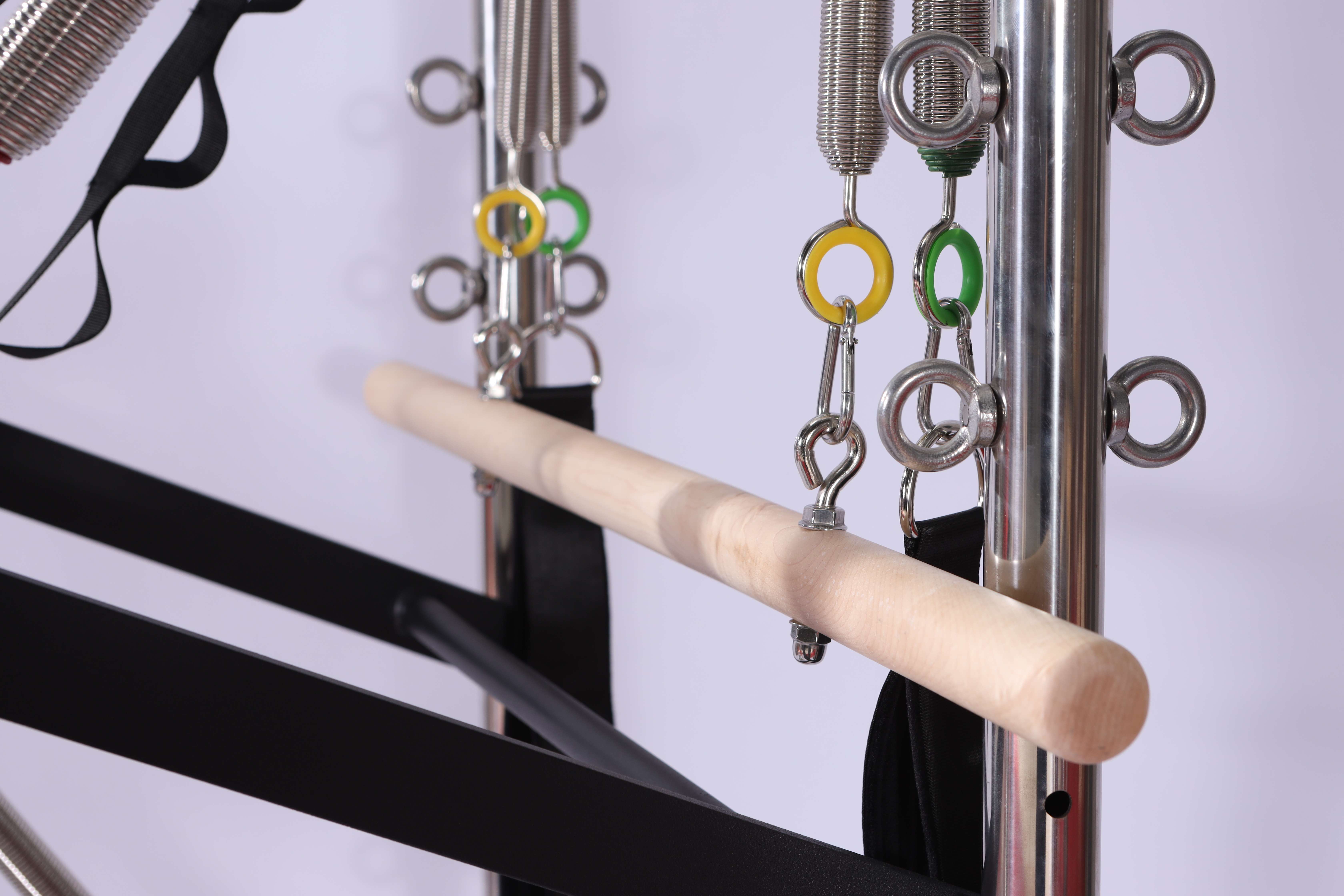
- Pilates tower unit: For vertical spring training, core stabilization, and upper limb correction
Auxiliary Fine Training Tools
Magic circles, small balls, tension bands, balance pads, and customized cushions to enrich personalized private teaching schemes.
Matching Suggestions
This full five-device set forms a complete closed-loop training system covering shallow relaxation, deep correction, core shaping, and injury rehabilitation, fully supporting high-priced premium private session positioning.
3. Equipment Checklist for Rehabilitation & Medical Therapy Studios
Rehabilitation studios and physical therapy clinics focus on spinal correction, injury recovery, postpartum repair, and chronic pain relief. Equipment prioritizes safety, low compression, precise mobilization, and clinical therapeutic effects.
Core Priority Equipment
- Cadillac trapeze table (must-have): The most clinical equipment for zero-compression spinal rehabilitation, postpartum pelvic adjustment, and post-injury recovery
- Spine corrector: Targets thoracic kyphosis, scoliosis, and cervical and shoulder stiffness for precise segmental correction
- Ladder barrel: Relieves lumbar pressure, stretches paravertebral muscles, and restores spinal mobility
- Low-resistance reformer: Adapts to weak muscle groups and injured bodies for low-impact functional reconstruction
Professional Therapy Accessories
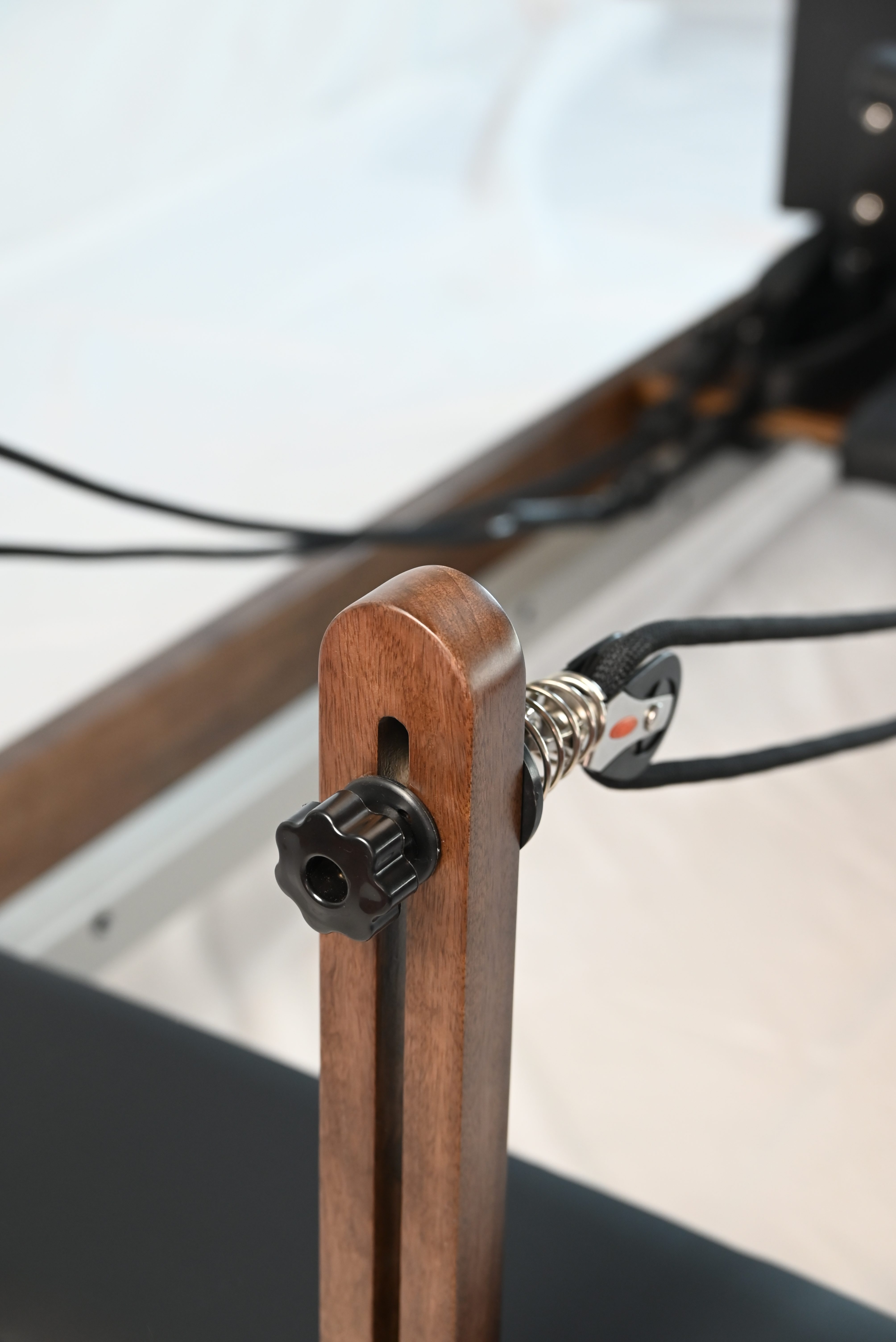
Soft rehabilitation straps, low-density buffer cushions, and adjustable tension spring sets to ensure safe and gradual rehabilitation training.
4. Equipment Checklist for Small Boutique & Multi-Functional Studios
Small boutique studios, home-based studios, and multi-functional fitness rooms are limited by floor space and startup budgets, requiring space-saving, multi-functional, and cost-effective equipment combinations.
Cost-Effective Core Equipment
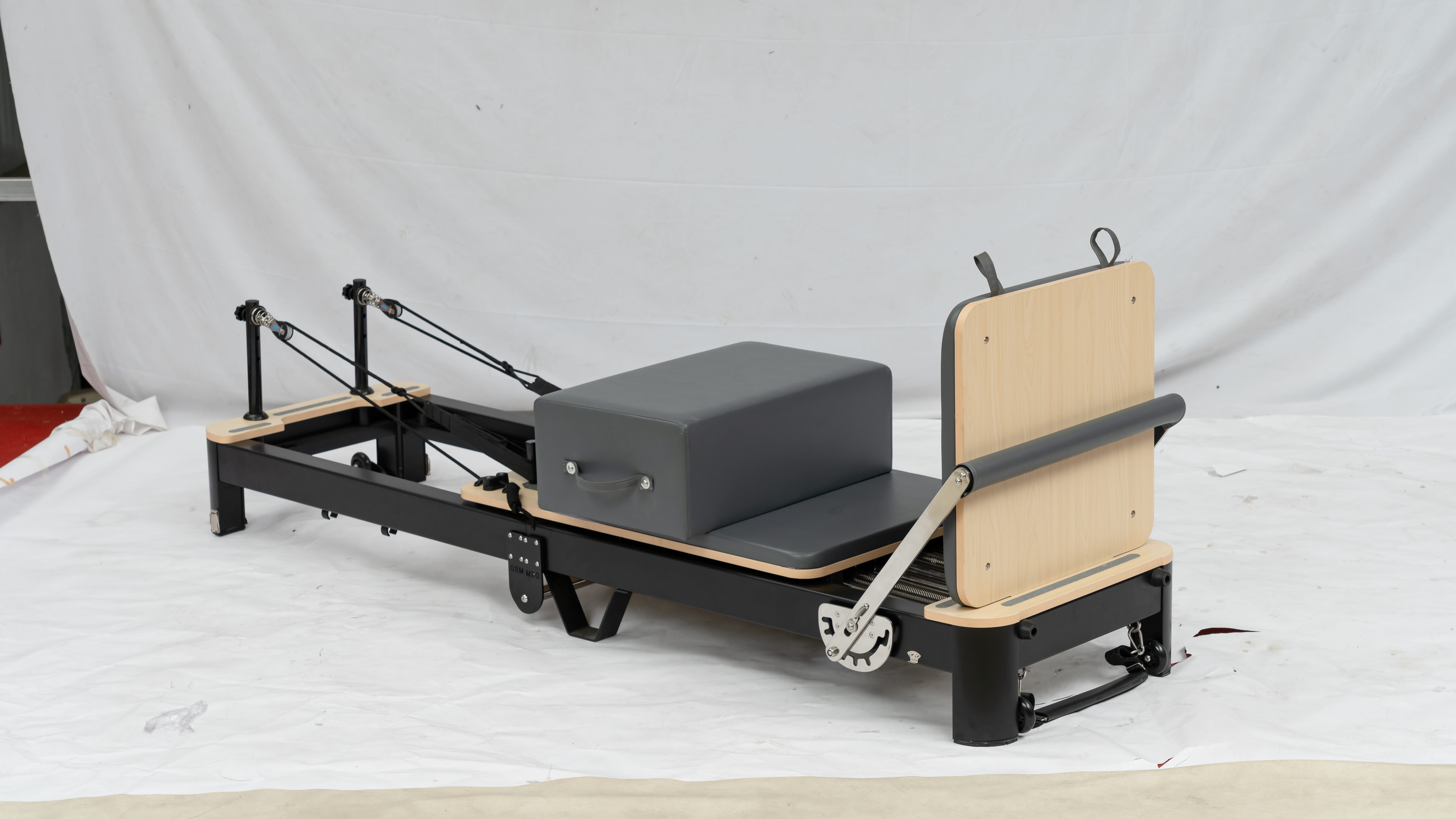
- Foldable commercial reformer: Saves storage space, meets daily shaping and basic correction needs
- Pilates wall tower unit: Replaces large Cadillac tables, realizing vertical rehabilitation and strength training
- Integrated small barrel & spine corrector combo: Compact size, versatile functions for auxiliary posture training
Matching Suggestions
This lightweight combination balances space utilization and functional diversity, perfectly suitable for new studio trial operation, small-space mixed courses, and low-budget entrepreneurship.
Universal Must-Have Accessories for All Studio Types
Regardless of business model, these basic accessories ensure standardized teaching and daily studio operation:
- Professional non-slip Pilates mats and cleaning disinfection kits
- Complete spring sets, replacement ropes, and wearable spare parts
- Unified storage racks and equipment placement tools
- Branded printed manuals and studio teaching guides
New Studio Equipment Purchasing Mistakes to Avoid
- Blindly purchasing full-set equipment: Wasting budget and space on unused professional gear for group class studios
- Only pursuing low prices: Low-end equipment causes unstable training experience and frequent maintenance
- Ignoring commercial-grade standards: Home-grade equipment cannot support high-frequency studio operation
- Unreasonable space matching: Large Cadillac tables in narrow spaces affecting teaching safety
Final Conclusion
A scientific Pilates studio equipment list is always based on business model positioning. Group class studios focus on standardized reformer batches, private training studios require full-function apparatus sets, rehabilitation clinics prioritize clinical correction equipment, and small boutique studios adopt space-saving integrated combinations.
Matching equipment reasonably according to studio positioning can effectively reduce startup costs, improve teaching professionalism, and enhance long-term market competitiveness. As a professional Pilates equipment manufacturer, we provide customized one-stop studio equipment matching solutions, commercial-grade full-set apparatus, and private label services for global new studio owners and distributors.