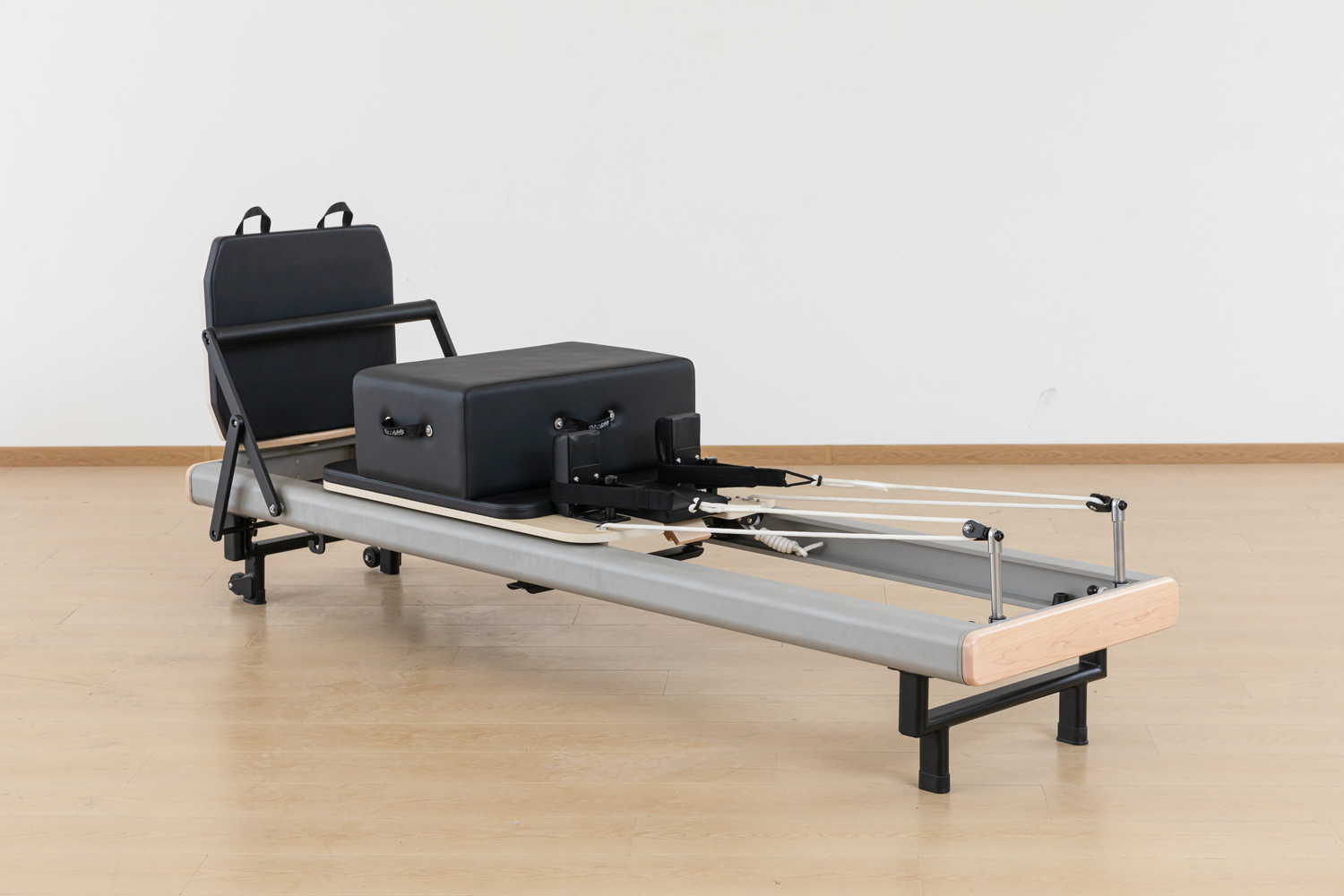
Export Certification Requirements for Pilates Machines Sold in EU and Australia
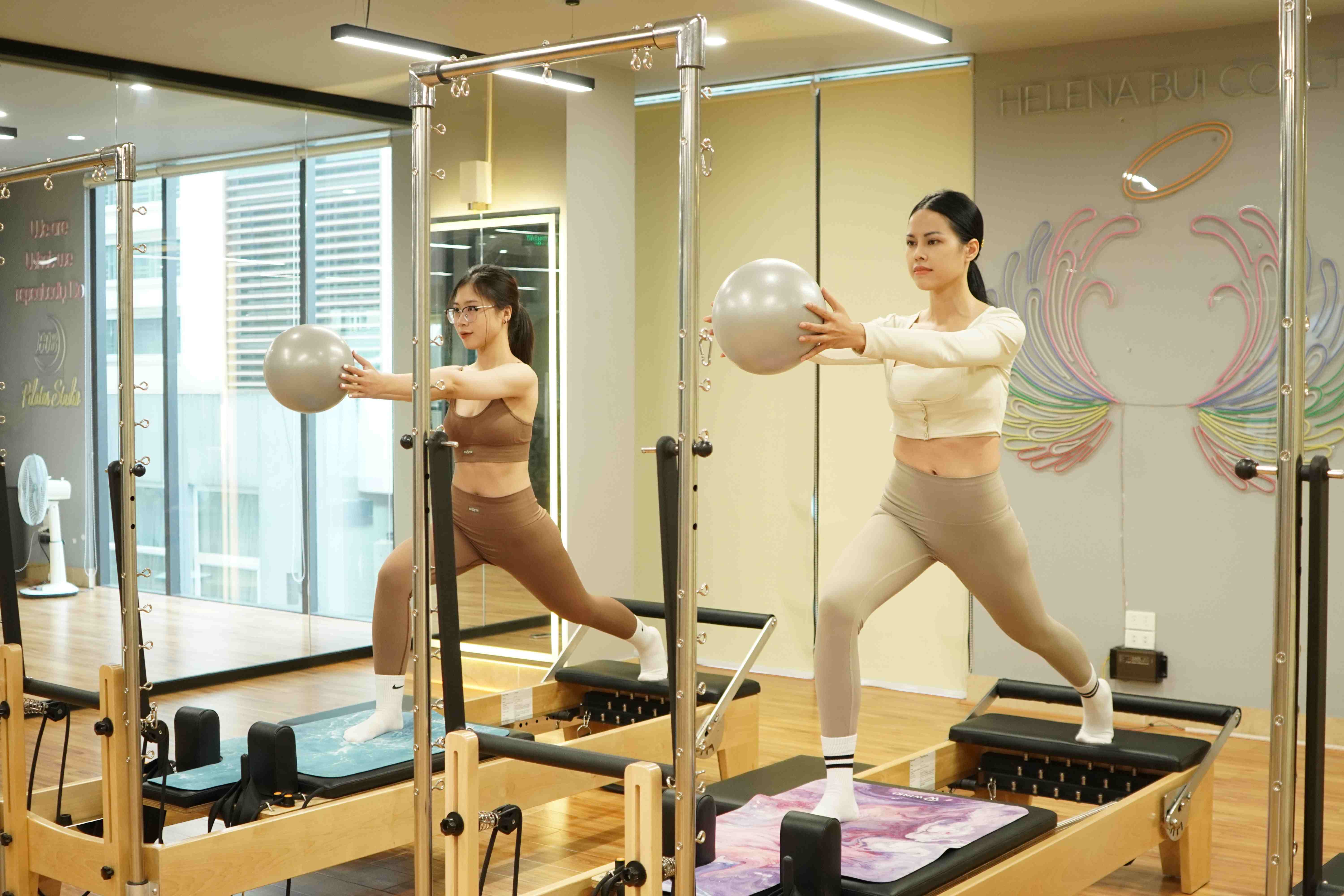
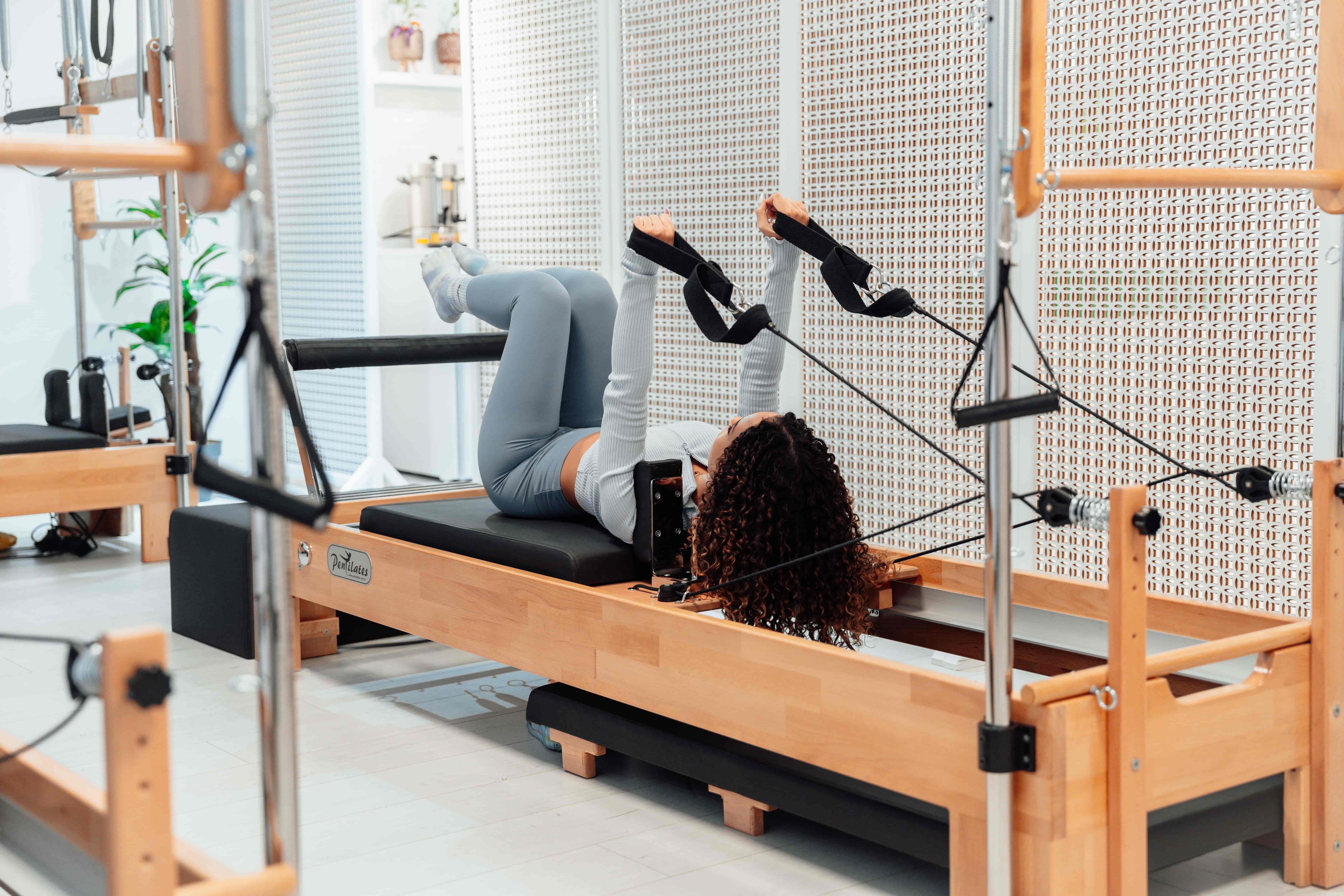
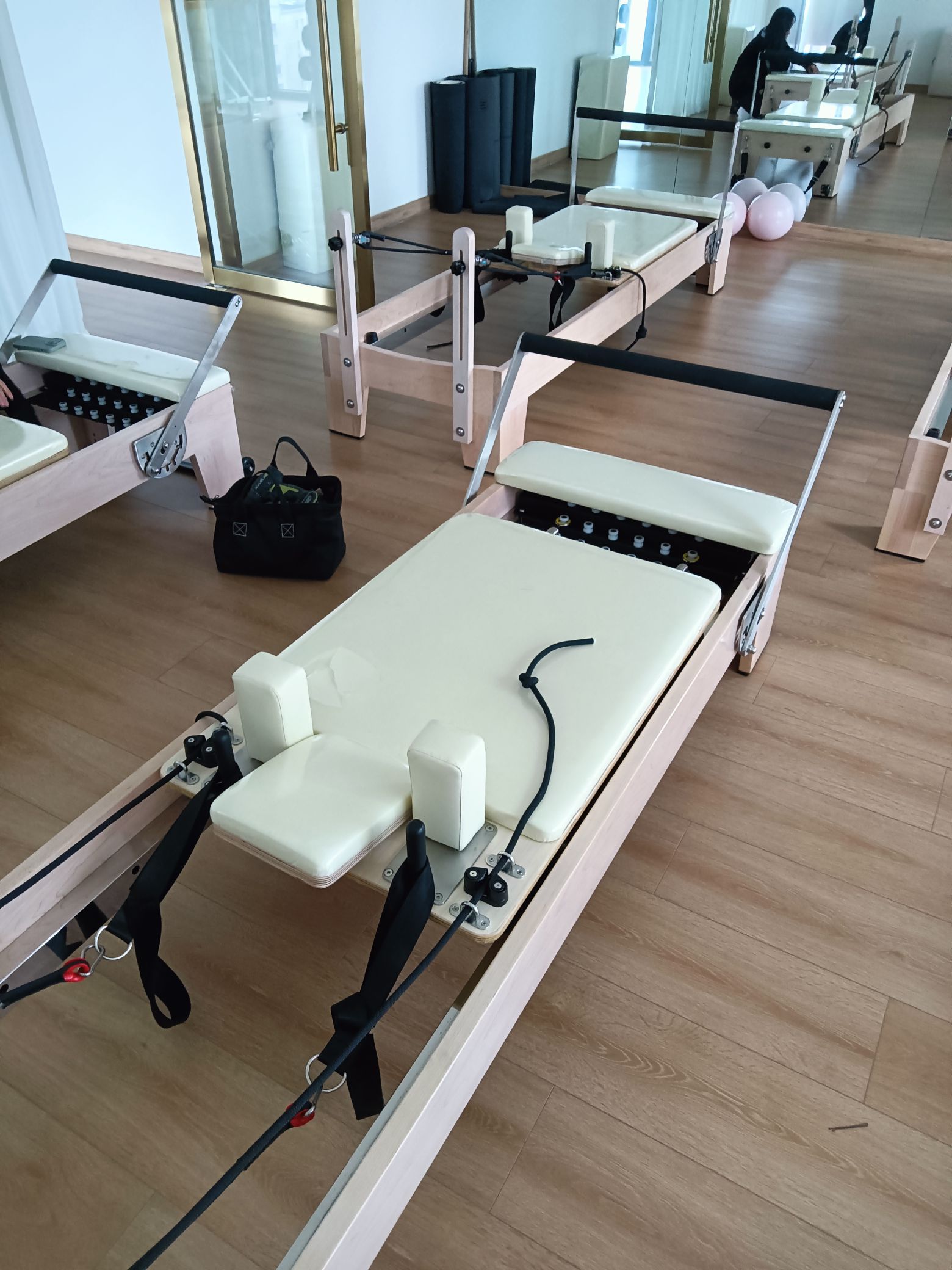
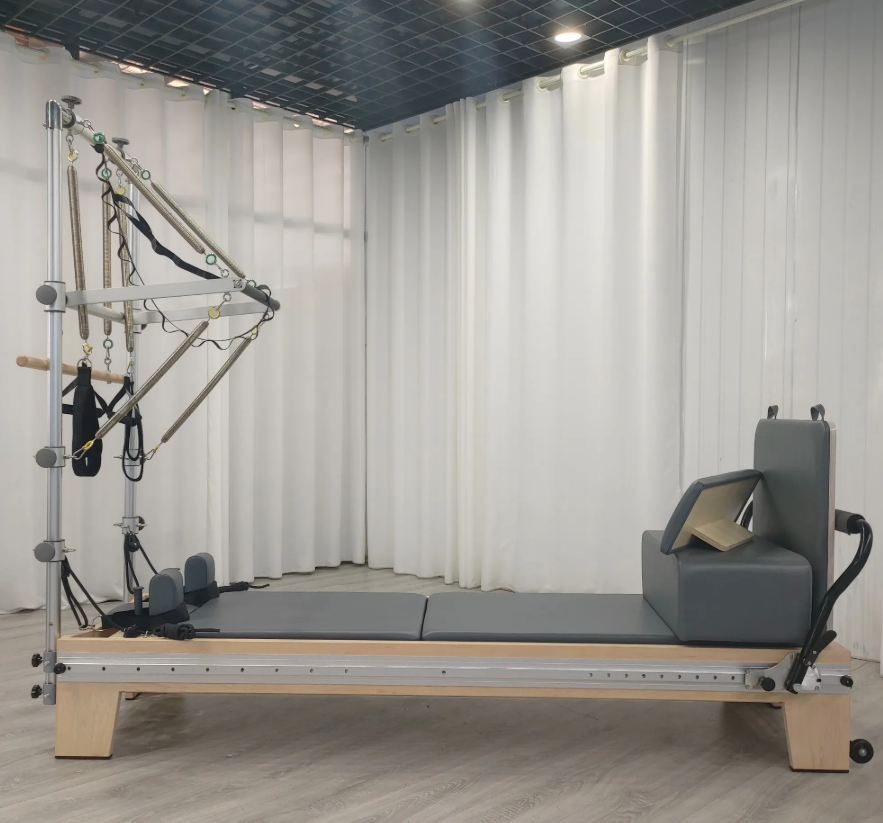
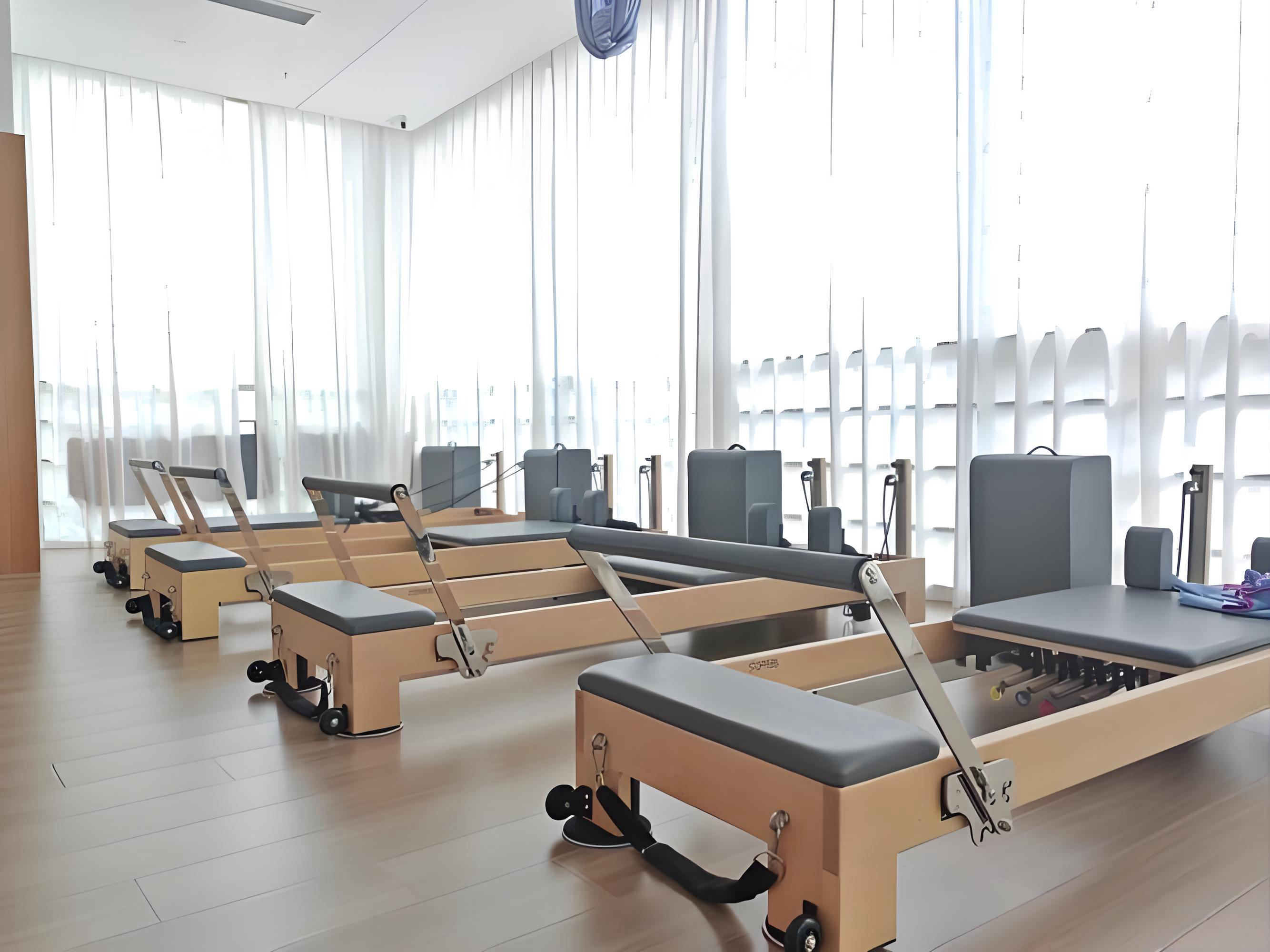
Exporting commercial Pilates reformers, Cadillac tables, ladder barrels, and tower units to the European Union and Australia requires strict compliance with regional safety standards, product certifications, and chemical regulatory rules. Unlike generic fitness gear, Pilates equipment involves mechanical structural safety, upholstery material safety, long-term load resistance, and surface chemical compliance. Non-compliant products will face customs detention, return shipment, or market recall, causing huge losses for distributors and manufacturers.
For global fitness wholesalers and Pilates equipment suppliers, mastering the EU and Australian export certification requirements for Pilates machines is essential for stable cross-border sales, smooth customs clearance, and qualified local commercial sales. This article systematically sorts out mandatory certifications, applicable standards, document lists, compliance differences, and common export pitfalls for the two major markets.
General Compliance Overview for Pilates Equipment Exports
Most commercial Pilates machines belong to non-electrical stationary strength training equipment. Although they do not involve electrical safety testing, they must meet mechanical safety, structural stability, material environmental protection, and consumer product safety regulations in the EU and Australia. Electric-assisted Pilates devices additionally require EMC electromagnetic compatibility and electrical safety certification.
Core compliance dimensions include mechanical structural safety standards, material RoHS and REACH chemical restrictions, product conformity declaration, official marking certification, and complete export technical documents.
EU Market Export Certification & Compliance Rules
The European Union adopts a unified standardized system for fitness equipment imports, mainly based on EN ISO mechanical safety standards, GPSR general product safety regulations, and REACH/RoHS material environmental protection directives.
- Mandatory EN ISO 20957 Mechanical Safety Standard
EN ISO 20957 (updated version replacing the old EN 957) is the core mandatory standard for all stationary fitness equipment entering the EU market. All commercial Pilates reformers, Cadillac tables, and auxiliary correction equipment must pass full mechanical performance testing under this standard.
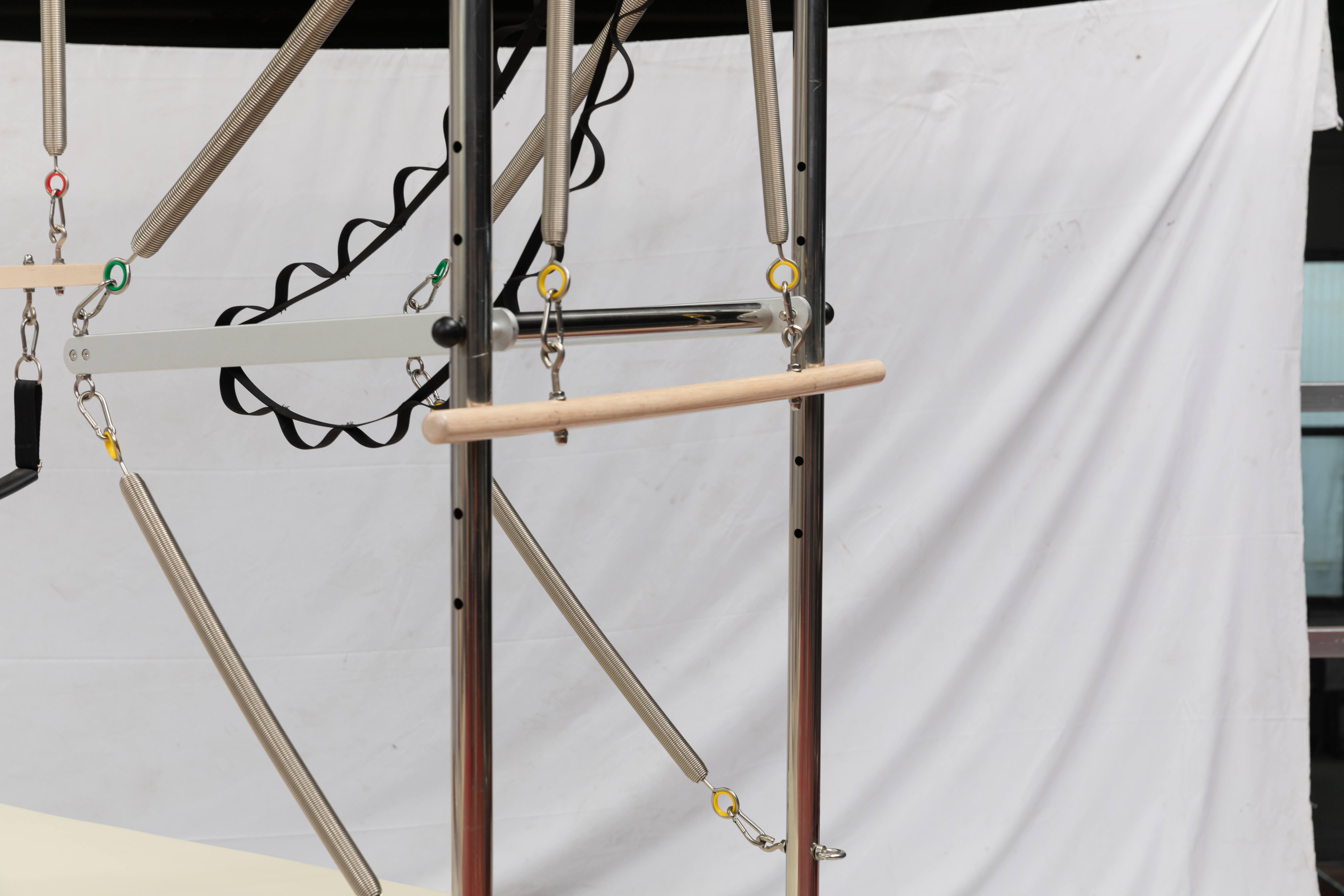
Key test items include overall structural stability, static and dynamic load resistance, anti-fall safety design, edge and gap anti-pinch protection, spring tension safety, and long-term fatigue resistance. Only products that meet EN ISO 20957 can legally circulate in EU commercial fitness studios and retail markets.
- GPSR General Product Safety Regulation
The EU’s latest General Product Safety Regulation (GPSR) replaces the old GPSD directive and applies to all consumer and commercial fitness products without electrical attributes. It requires manufacturers to ensure zero potential safety hazards in product design, structure, and materials, and establishes complete product traceability mechanisms.
Exporters must provide product risk assessment reports, structural safety analysis documents, and qualified product technical files to prove compliance with GPSR requirements during customs declaration and market supervision spot checks.
- REACH & RoHS Material Environmental Compliance
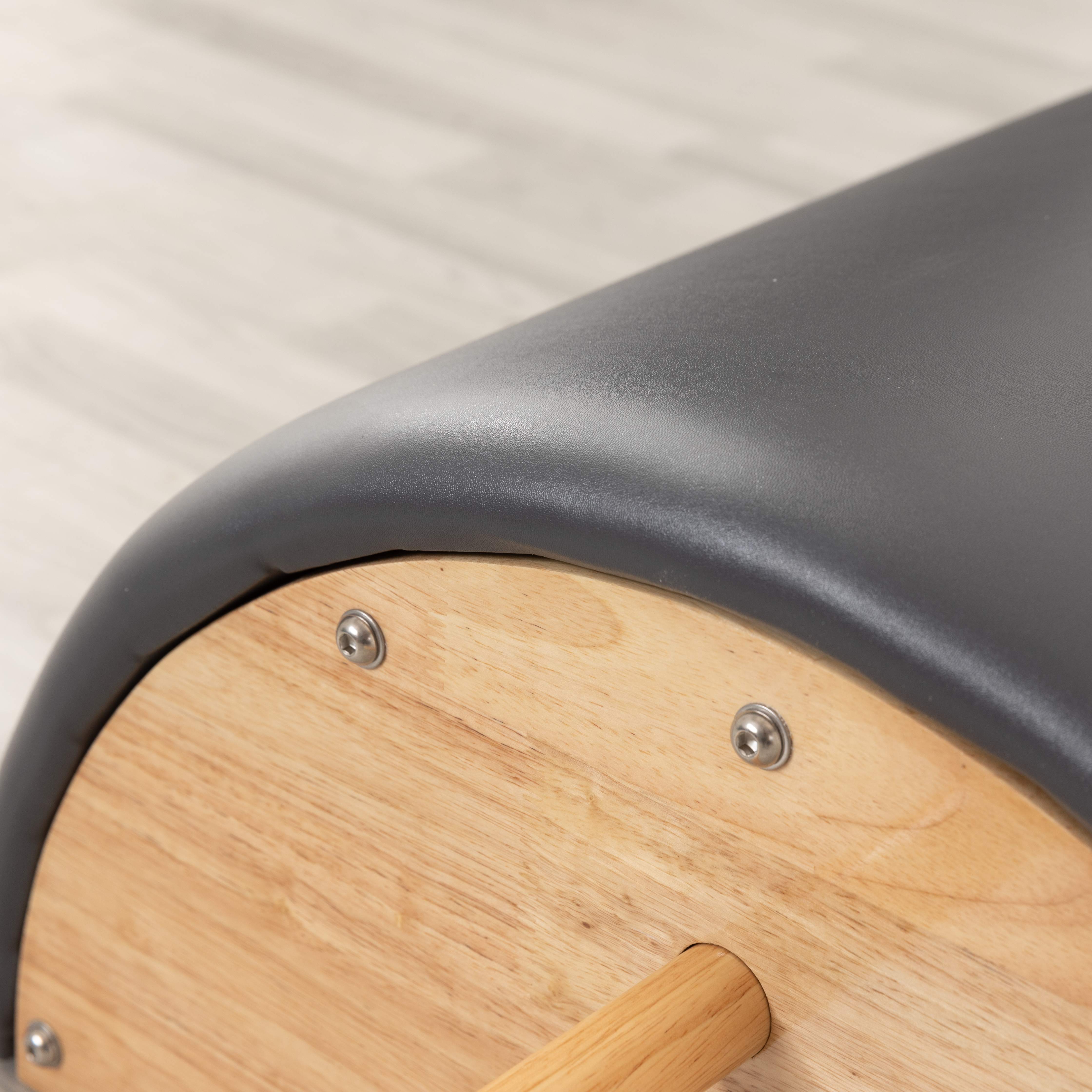
Pilates equipment involves multiple materials such as microfiber upholstery, foam padding, metal frames, paint coatings, and plastic accessories. All materials must comply with EU REACH and RoHS regulations.
REACH restricts harmful chemical substances such as heavy metals and volatile organic compounds in leather, foam, and surface coatings. RoHS prohibits excessive lead, mercury, cadmium, and other hazardous substances in metal and plastic parts. Unqualified materials will fail EU customs inspection and cannot be sold locally.
- CE Marking & DoC Declaration of Conformity
Although non-electrical Pilates equipment does not require third-party NB institutional certification, it must be affixed with a self-declared CE mark and provide a formal DoC (Declaration of Conformity) document signed by the manufacturer.
The DoC must clearly mark applicable standards, product model series, manufacturer information, and EU authorized agent information. The CE logo must be printed clearly and permanently on the equipment frame or nameplate to meet EU market supervision requirements.
- Required EU Customs Clearance Documents
- Commercial Invoice & Packing List
- CE Declaration of Conformity (DoC)
- EN ISO 20957 test report
- REACH & RoHS material compliance report
- EORI number registered by the EU importer
Australian Market Export Certification & Compliance Rules
Australia implements independent AS/NZS standard system and RCM marking management. Its fitness equipment access rules are stricter than general consumer goods, focusing on mechanical durability, material safety, and standardized product labeling.
- AS/NZS 2115 Fitness Equipment Safety Standard
AS/NZS 2115 is the mandatory safety standard for all fitness equipment sold in Australia and New Zealand. All commercial Pilates machines must comply with this standard’s mechanical structure, load testing, safety protection, and structural durability requirements.
Compared with EU standards, AS/NZS 2115 has higher requirements for equipment anti-slip performance, overall structural balance, and long-term commercial wear resistance, which is more suitable for local high-frequency commercial studio usage scenarios.
- Mandatory RCM Marking
The RCM (Regulatory Compliance Mark) is the unified compulsory certification mark for Australian imported goods. Whether electrical or non-electrical, all fitness products sold in the local market must affix RCM marks to prove compliance with Australian safety standards.
Suppliers need to complete self-declaration based on AS/NZS standard test reports, register product information through official channels, and use standardized RCM logos to ensure traceability of imported products.
- Australian Material & Environmental Protection Requirements
Australia has strict restrictions on formaldehyde emission from foam padding and chemical residues from microfiber leather. All upholstery and foam materials of Pilates equipment must pass formaldehyde and volatile organic compound testing to ensure compliance with local indoor environmental safety standards for fitness venues.
Metal frames and surface paint need to meet heavy metal limit standards to avoid environmental pollution and user contact hazards.
- Required Australian Customs Clearance Documents
- AS/NZS 2115 safety test report
- RCM compliance declaration and marking certificate
- Material environmental protection test report (formaldehyde, heavy metal)
- Manufacturer qualification certificate and product specification
- Complete product traceability information
Common Export Certification Mistakes to Avoid
- Using expired standards: Many suppliers still use old EN 957 reports instead of the latest EN ISO 20957 certification, leading to EU customs clearance failure
- Confusing CE and RCM marks: CE marks cannot replace Australian RCM certification, and products will be banned from sale
- Incomplete material reports: Ignoring REACH and formaldehyde testing for leather and foam leads to market recalls
- Invalid generic test reports: Each Pilates equipment model requires independent test data; universal reports are not accepted by customs
- Missing authorized agent information: EU DoC documents without EU agent information are deemed invalid
Certification Preparation Suggestions for Pilates Exporters
For long-term stable export to EU and Australian markets, manufacturers and distributors are recommended to complete standardized certification layouts in advance. First, apply for EN ISO 20957 and AS/NZS 2115 model-by-model test reports to cover all mainstream Pilates equipment. Second, complete unified REACH, RoHS, and formaldehyde environmental testing for all materials to form complete material compliance files.
In addition, standardize CE and RCM marking usage, sort out complete customs clearance document templates, and ensure each batch of export goods has traceable qualification files, greatly improving the efficiency of customs clearance and local market sales.
Final Conclusion
Exporting Pilates machines to the EU and Australia requires dual compliance with mechanical safety standards and material environmental protection regulations. The EU market focuses on EN ISO 20957, GPSR, REACH, RoHS, and CE-DoC compliance, while the Australian market takes AS/NZS 2115 and RCM marking as the core access thresholds.
Standardized export certification is the core threshold for cross-border sales of commercial Pilates equipment. Only by fully complying with local regulatory requirements can manufacturers and distributors avoid customs risks, stabilize overseas market share, and establish long-term trustworthy brand advantages in the global fitness equipment trade.
We provide fully certified commercial-grade Pilates equipment that meets EU EN ISO standards and Australian AS/NZS regulations, complete with full sets of test reports, CE DoC, and RCM qualification files to support global customers’ zero-risk export and local sales.