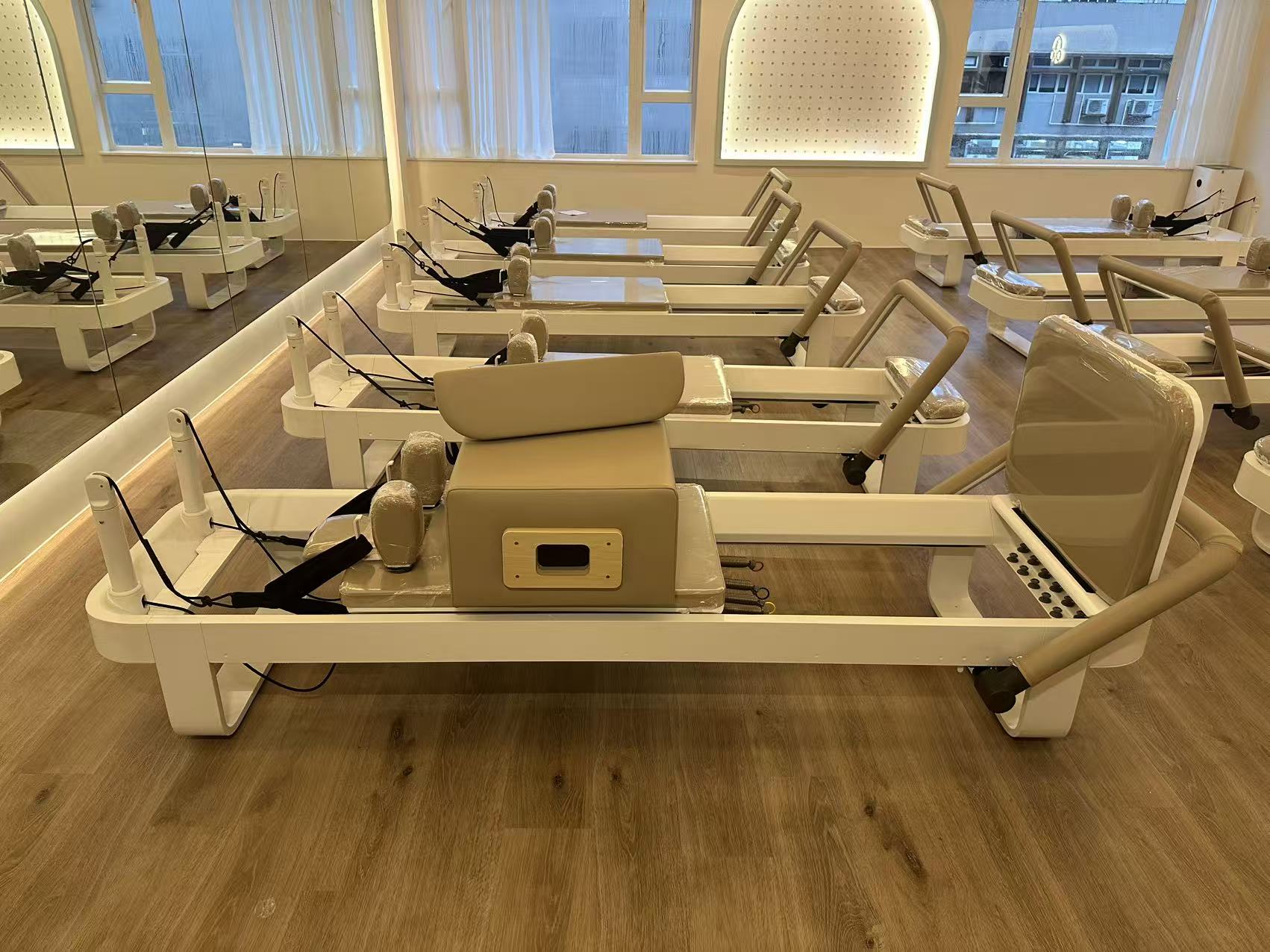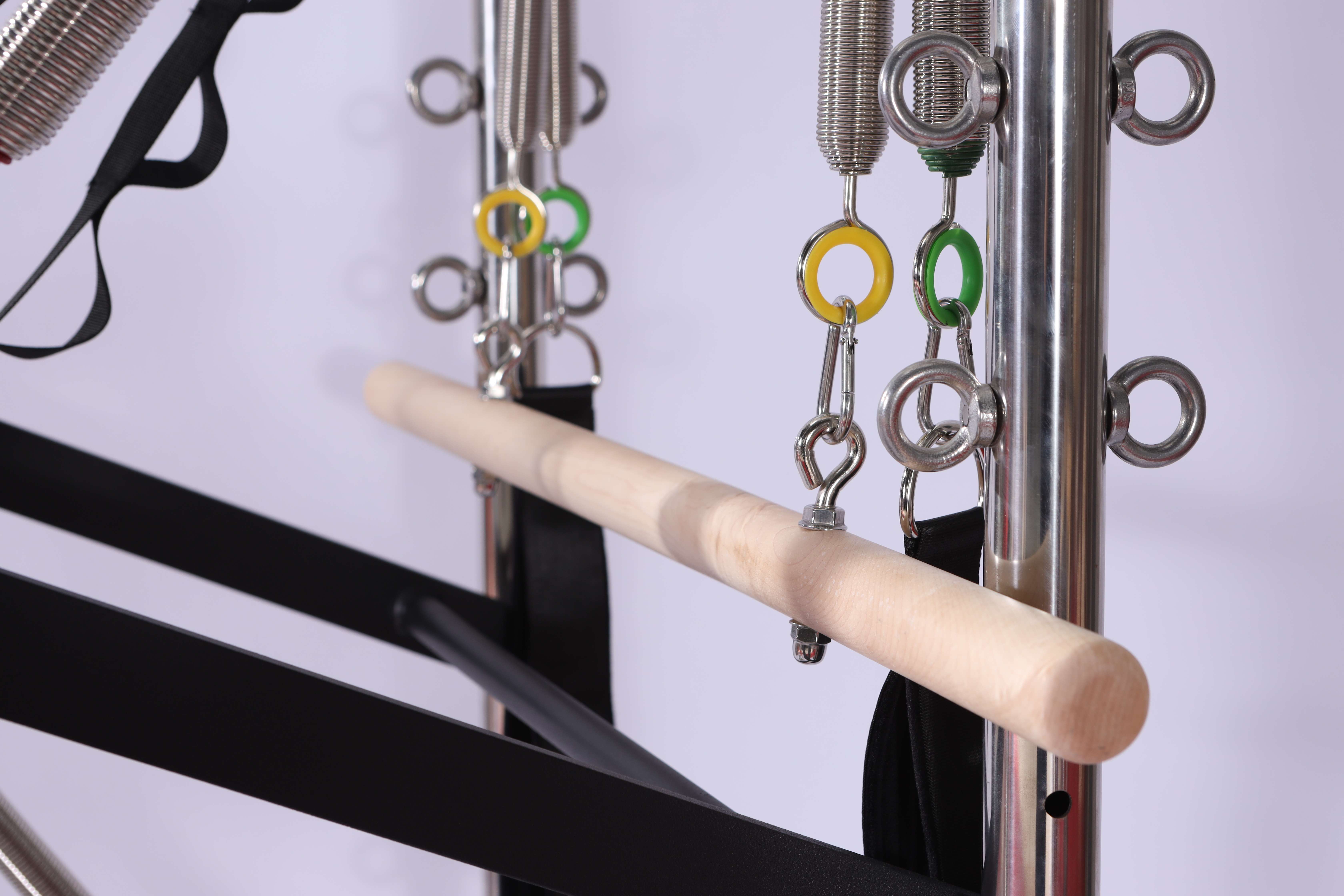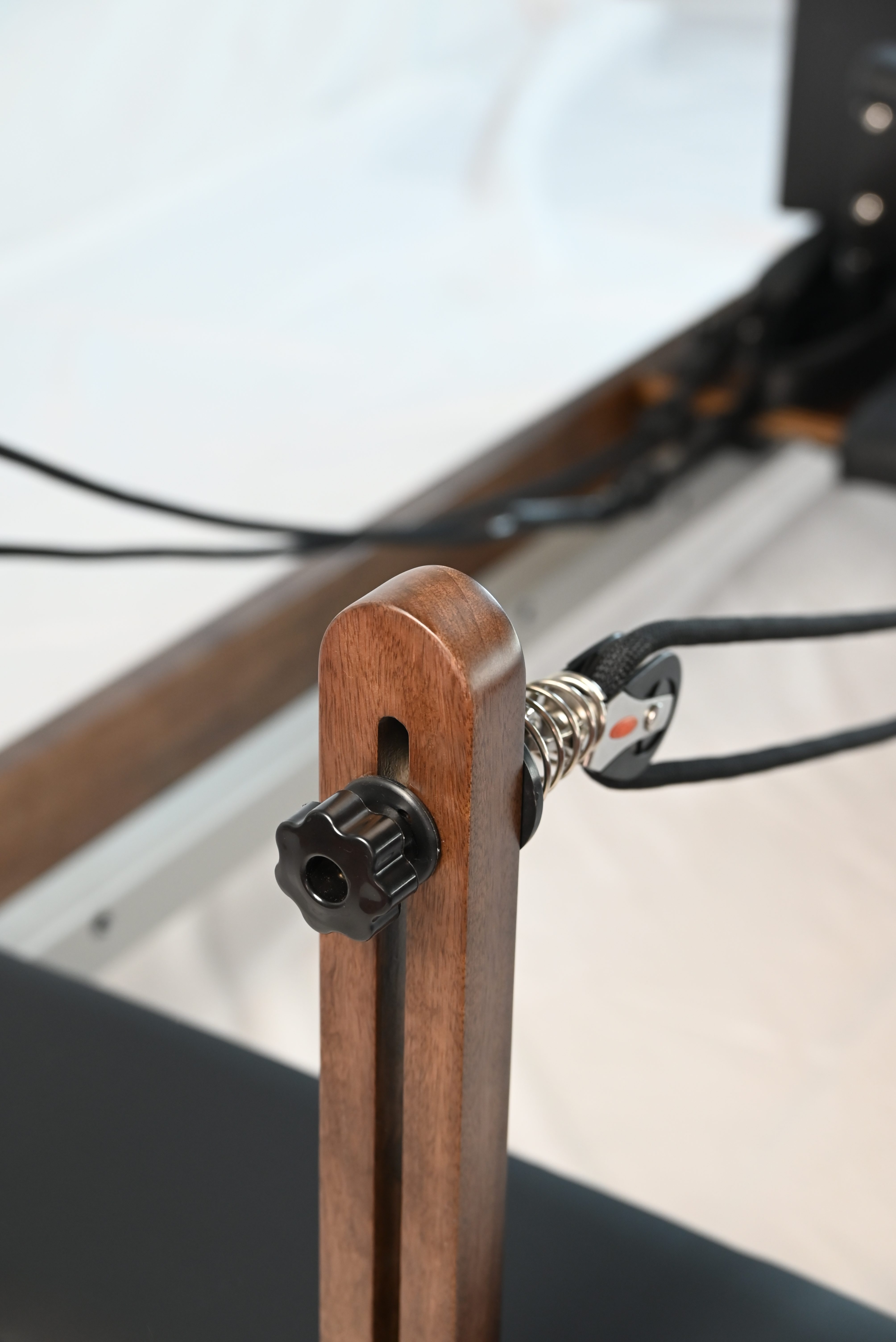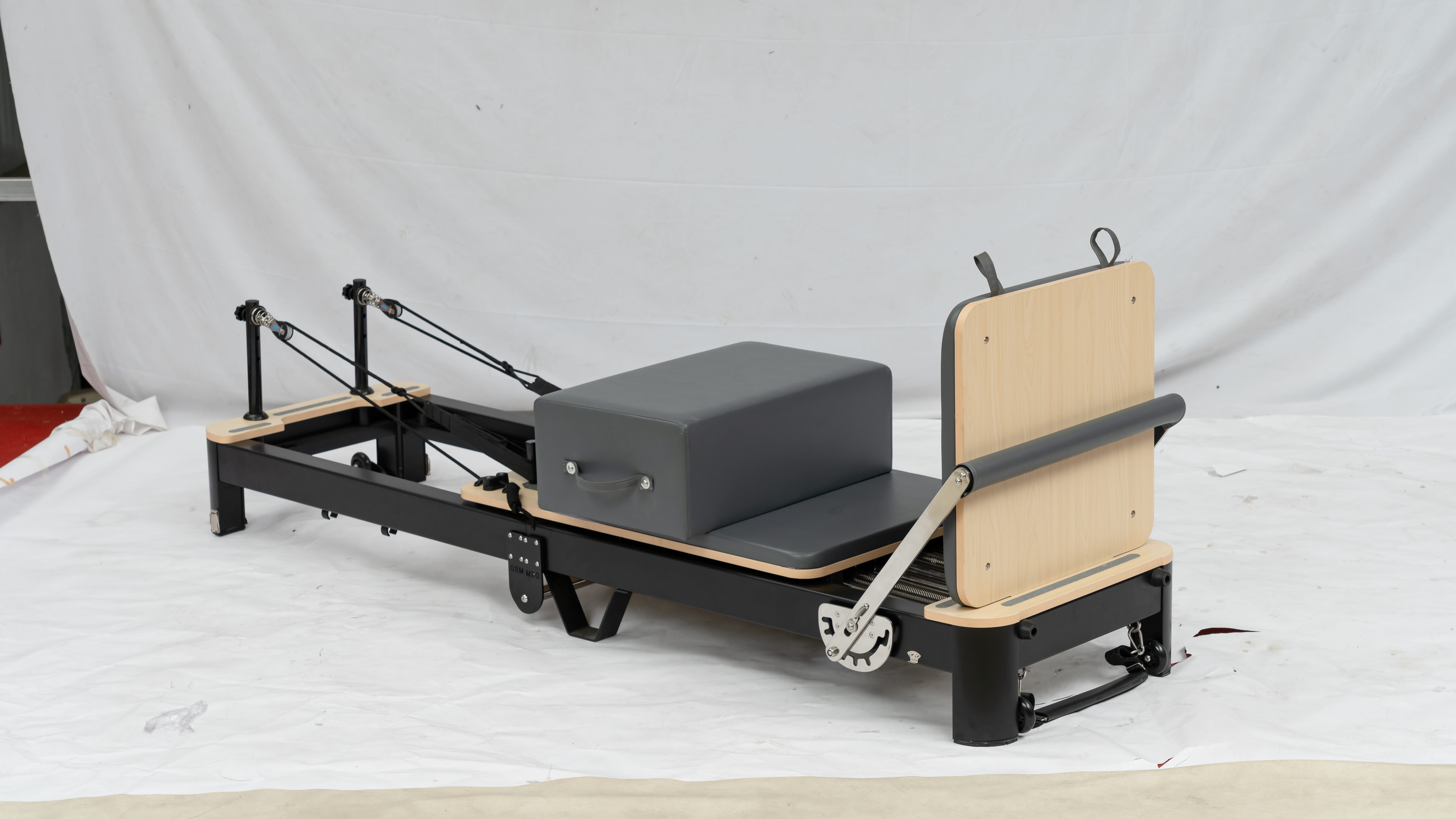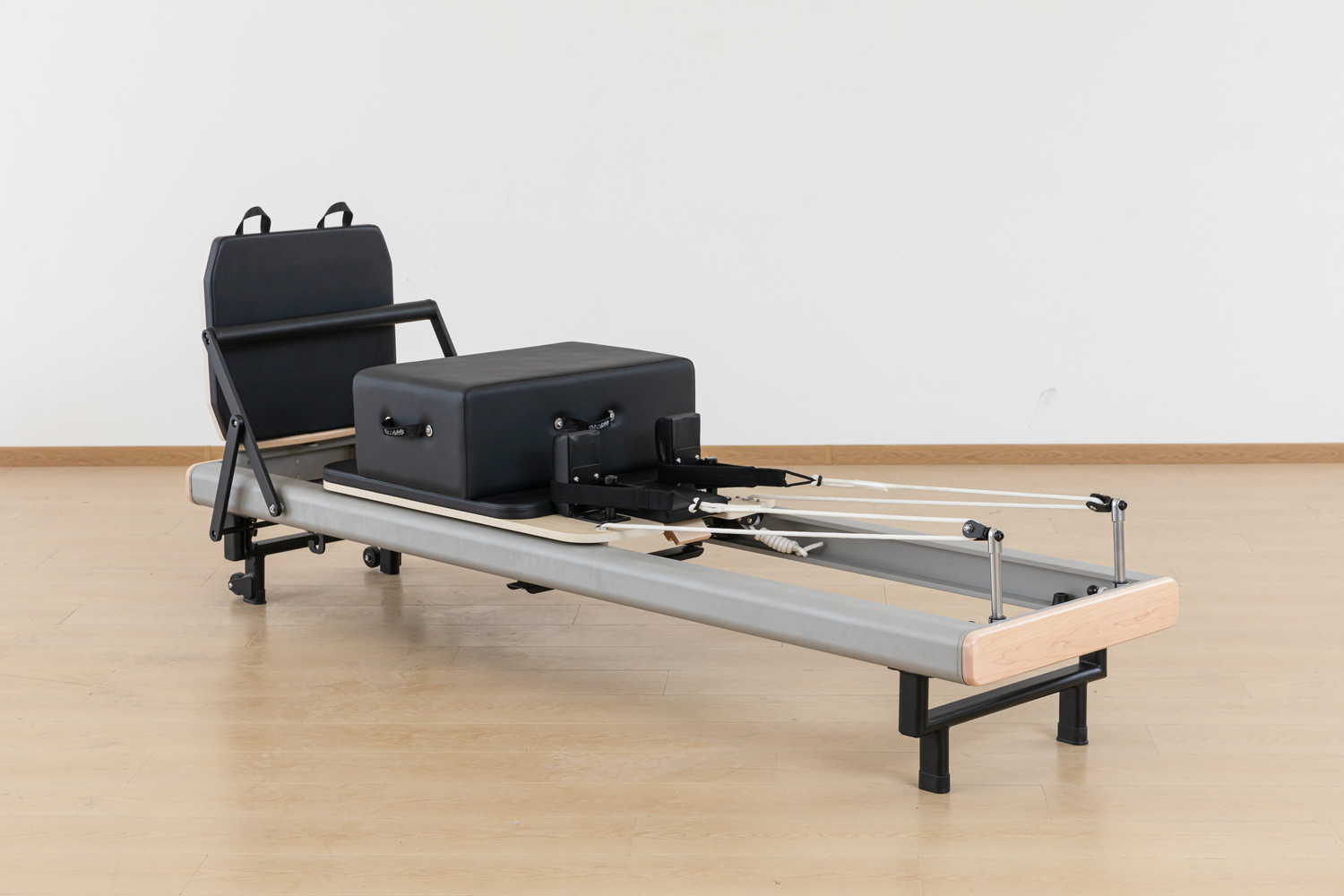
Combo Pilates Chair vs Traditional Wunda Chair: Performance and Client Experience
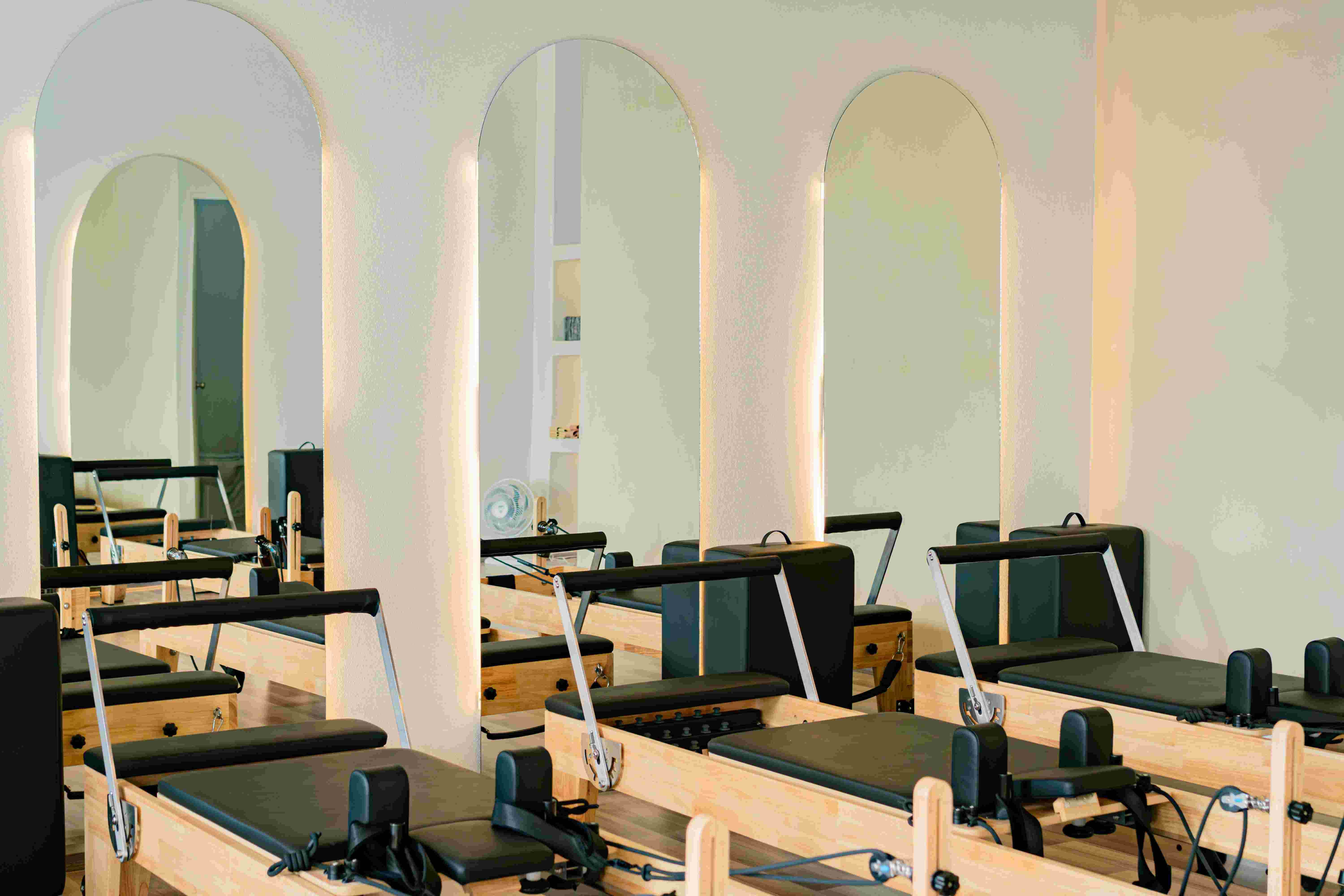
The Pilates chair, commonly known as the Wunda Chair, is one of the most compact, functional, and high-value apparatuses for targeted core training, balance improvement, and postural correction. For boutique studios, rehabilitation clinics, and home Pilates practitioners, choosing between a traditional Wunda Chair and a modern Combo Pilates Chair directly impacts exercise diversity, training precision, and overall client experience.
While both devices share the same original Joseph Pilates chair design logic and spring-resistance training mechanism, structural upgrades on the Combo model deliver significant differences in movement performance, unilateral correction capability, and user adaptability. This professional comparison breaks down structural performance, training scenarios, client experience differences, and commercial studio applicability to help buyers select the most cost-effective Pilates chair for their business or personal use.
Core Structural Differences: Foundation of Performance Gaps
The biggest divergence between traditional Wunda Chairs and Combo Pilates Chairs lies in pedal structure and expandable functions, which fundamentally change their training flexibility and precision.
Traditional Wunda Chair: Classic Single-Pedal Design
The traditional Wunda Chair retains Joseph Pilates’ original classic structure, featuring an integrated single spring-loaded pedal and a fixed wooden frame. It adopts an all-in-one pedal linkage system, where the left and right sides move synchronously with identical spring tension and displacement. This classic design focuses on integrated full-body coordination and symmetrical muscle training, staying true to traditional classical Pilates teaching systems.
With fewer movable parts and a simplified structure, the traditional Wunda Chair boasts extreme stability, zero complex adjustments, and ultra-low maintenance requirements. Its streamlined design is sturdy, durable, and less prone to mechanical failure after long-term high-frequency use.
Combo Pilates Chair: Upgraded Split-Pedal Multi-Functional Design
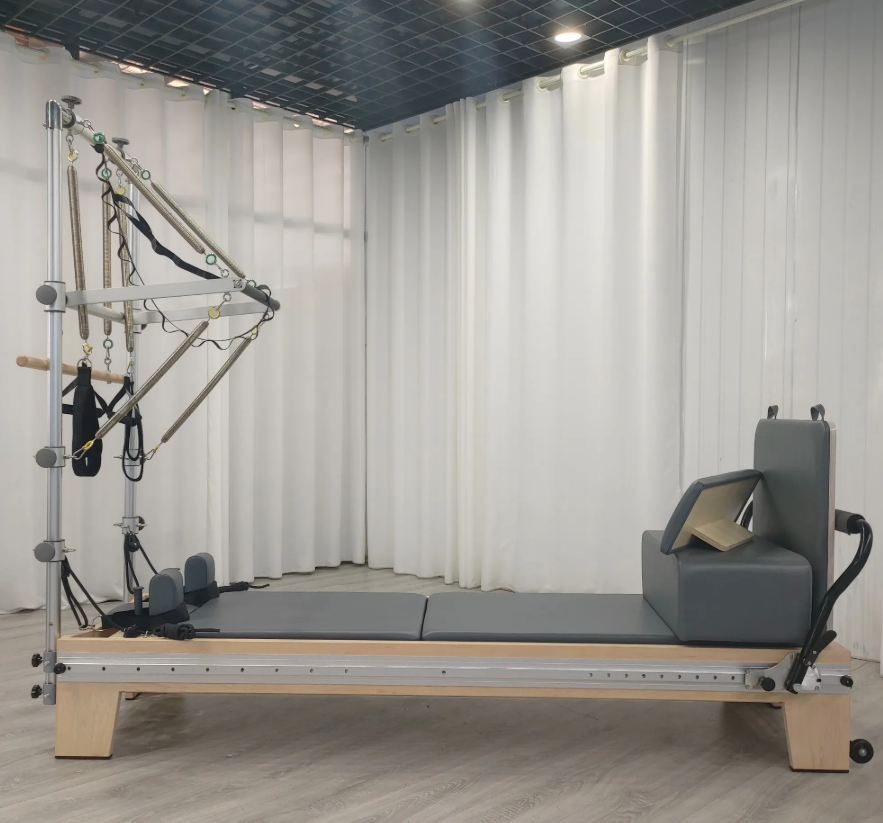
The modern Combo Pilates Chair is an upgraded commercial version optimized for contemporary corrective training and diversified studio courses. Its core innovation is the detachable split dual-pedal system. Users can connect the two pedals into a unified whole via a positioning dowel for synchronous training, or separate them completely for independent unilateral movement on left and right sides .
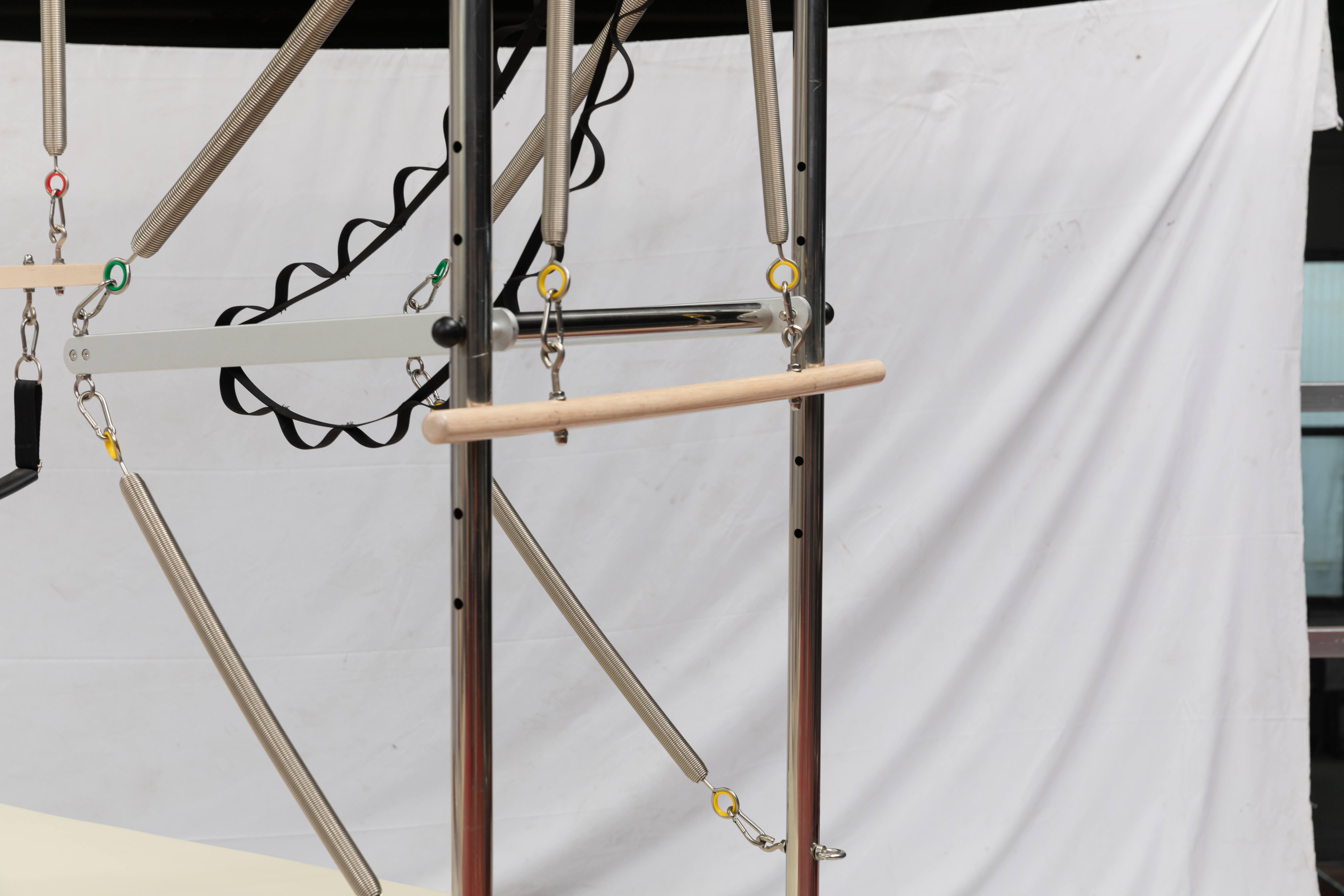
Additionally, the Combo Chair adds multi-angle adjustable locking handles, expanded spring combination options, and a high-fit ergonomic padded surface. Some premium models feature the same bed height as Cadillac tables, enabling combined training with Cadillac equipment to enrich movement sequences and maximize studio space utilization .
Training Performance Comparison: Symmetry Training vs. Unilateral Correction
Structural differences create completely different training performance, making the two chairs suitable for distinct fitness goals and client conditions.
Traditional Wunda Chair: Excellent for Symmetrical Foundation Training
The synchronized single-pedal structure eliminates unilateral operation errors, forcing users to maintain symmetrical force output and neutral spinal alignment throughout movements. It performs excellently in building basic core stability, improving overall body coordination, and cultivating standard Pilates movement patterns.
It is highly friendly for beginner group classes, foundational shaping training, and fitness enthusiasts pursuing balanced muscle development. The unified resistance feedback ensures consistent training effects for each client, perfectly matching standardized group course teaching needs.
Combo Pilates Chair: Precise Unilateral Correction & Progressive Training
The split-pedal design is a game-changer for corrective and rehabilitation training. Independent left and right pedal movement allows targeted adjustment of muscle asymmetry, pelvic imbalance, scoliosis deviation, and unilateral limb weakness that traditional Wunda Chairs cannot improve . Trainers to apply different tension and range of motion on each side to fix compensatory muscle patterns precisely.
With dual working modes (synchronous + unilateral), the Combo Chair covers beginner foundation training, intermediate shaping workouts, and advanced rehabilitation correction. It supports progressive intensity adjustment and complex multi-plane movements, including single-leg balancing, unilateral hip flexion, and asymmetric core stabilization training .
Client Experience Differences: Comfort, Difficulty & Adaptability
Client experience determines course satisfaction and renewal rates, especially for commercial studios serving diverse groups of all ages and fitness levels.
Beginner & Senior Client Experience
The traditional Wunda Chair’s simple operation and synchronous movement logic reduce learning costs. Beginners can quickly master movement essentials without worrying about left-right imbalance during training, effectively avoiding frustration caused by unilateral control difficulty. Its stable and straightforward feedback delivers a relaxed entry-level experience for new clients, seniors, and postnatal beginners.
The Combo Chair is also beginner-friendly in synchronous mode but offers higher upper limits. Instructors can switch modes according to client progress, allowing beginners to start with symmetrical training and gradually upgrade to unilateral precise correction as their core control improves.
Rehabilitation & Advanced Client Experience
For clients with chronic back pain, uneven shoulder and hip height, pelvic tilt, and unilateral muscle weakness, the traditional Wunda Chair has obvious limitations. Synchronous movement cannot target weak unilateral muscles, making it hard to correct long-term compensatory posture problems.
The Combo Chair solves this pain point perfectly. Independent unilateral training precisely activates atrophied muscles, relaxes over-tightened dominant muscles, and balances bilateral body force. Advanced practitioners can also use split pedals to complete high-difficulty balance and core anti-disturbance training, achieving better body control and athletic performance improvement .
Overall Comfort & Safety
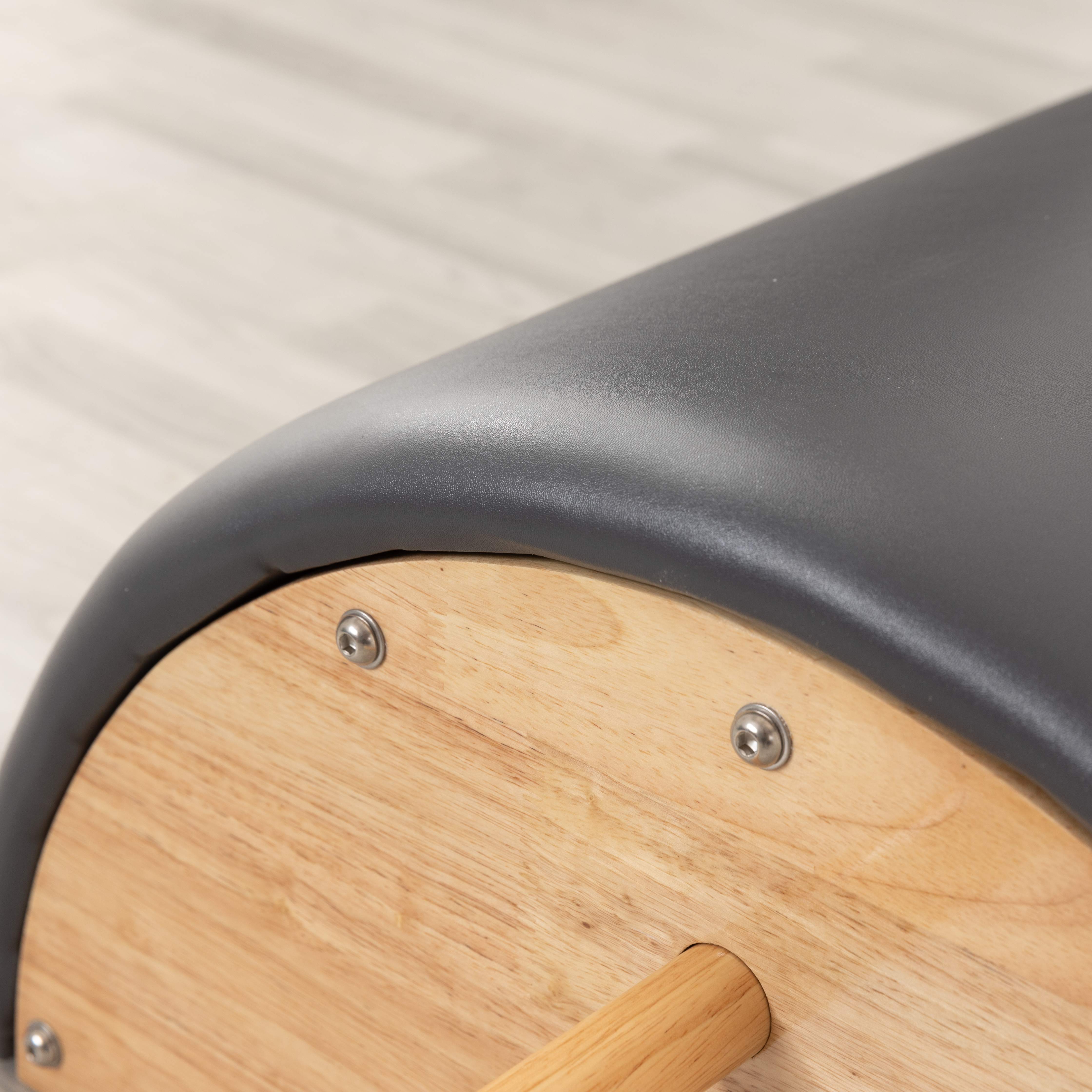
Premium Combo Chairs adopt upgraded thickened high-resilience foam padding and smooth edging treatment, with no sharp contact points, reducing body pressure during long training sessions . The multi-position locking handles provide stable support for different heights and movement postures, improving overall training safety. Traditional Wunda Chairs feature classic durable padding with moderate comfort, fully meeting daily conventional training needs.
Commercial Studio Value & Scenario Adaptability
Choosing the right chair model can maximize studio space efficiency and profit potential, tailored to different business positioning models.
Traditional Wunda Chair: Ideal for Group Class & Budget Studios
- Simple structure, low failure rate, and ultra-low long-term maintenance costs
- Unified movement logic, convenient for standardized large-group teaching
- Cost-effective pricing, suitable for studios focusing on basic shaping and foundation training
- Stable training feedback, ensuring consistent group-class teaching quality
Combo Pilates Chair: Best for Premium Private & Rehab Studios
- Dual-mode design doubles exercise types, supporting high-value private customized courses
- Unique unilateral correction function supports high-priced rehabilitation and posture correction projects
- Strong equipment differentiation, improving studio professionalism and market competitiveness
- Multi-functional integration saves space, eliminating the need to purchase multiple single-function devices
How to Choose Between Them for Your Studio
Choose Traditional Wunda Chair If:
- Your studio mainly runs low-to-medium priced group Pilates classes
- You prioritize low maintenance and long-term stable operation
- Most clients are beginners focusing on basic fitness and shaping
- You have a limited startup budget and need cost-effective equipment
Choose Combo Pilates Chair If:
- Your core business is premium one-on-one private training and rehabilitation
- You need to correct scoliosis, pelvic tilt, and muscle asymmetry
- You want to enrich course types and raise studio service premiums
- You pursue multi-functional equipment to maximize space utilization
Final Conclusion
Both traditional Wunda Chairs and Combo Pilates Chairs deliver professional compact Pilates training performance, yet they serve distinct studio and client needs. The traditional Wunda Chair excels in structural simplicity, stability, and cost performance, making it the preferred choice for standardized group classes and beginner training. The upgraded Combo Pilates Chair stands out with its split-pedal dual-mode design, supporting precise unilateral posture correction and progressive advanced training, perfectly matching high-end private teaching and rehabilitation business models.
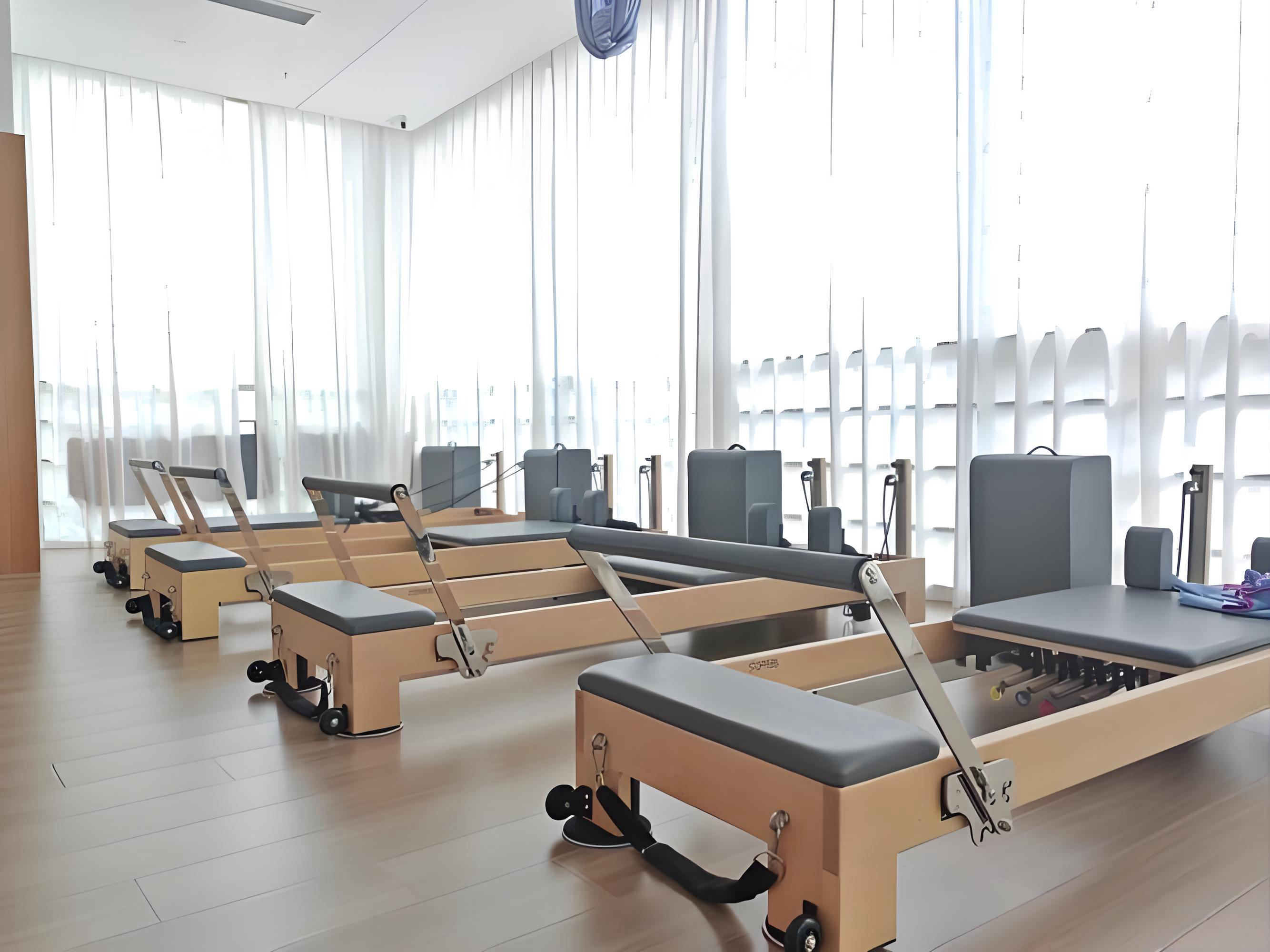
For comprehensive studio equipment allocation, collocating a small number of Combo Chairs with traditional Wunda Chairs can balance teaching standardization and professional correction capabilities, covering all client levels and training goals. We provide commercial-grade traditional Wunda Chairs and multi-functional Combo Pilates Chairs with customizable colors, stable spring systems, and full export certifications to support global studio equipment matching and private label customization.