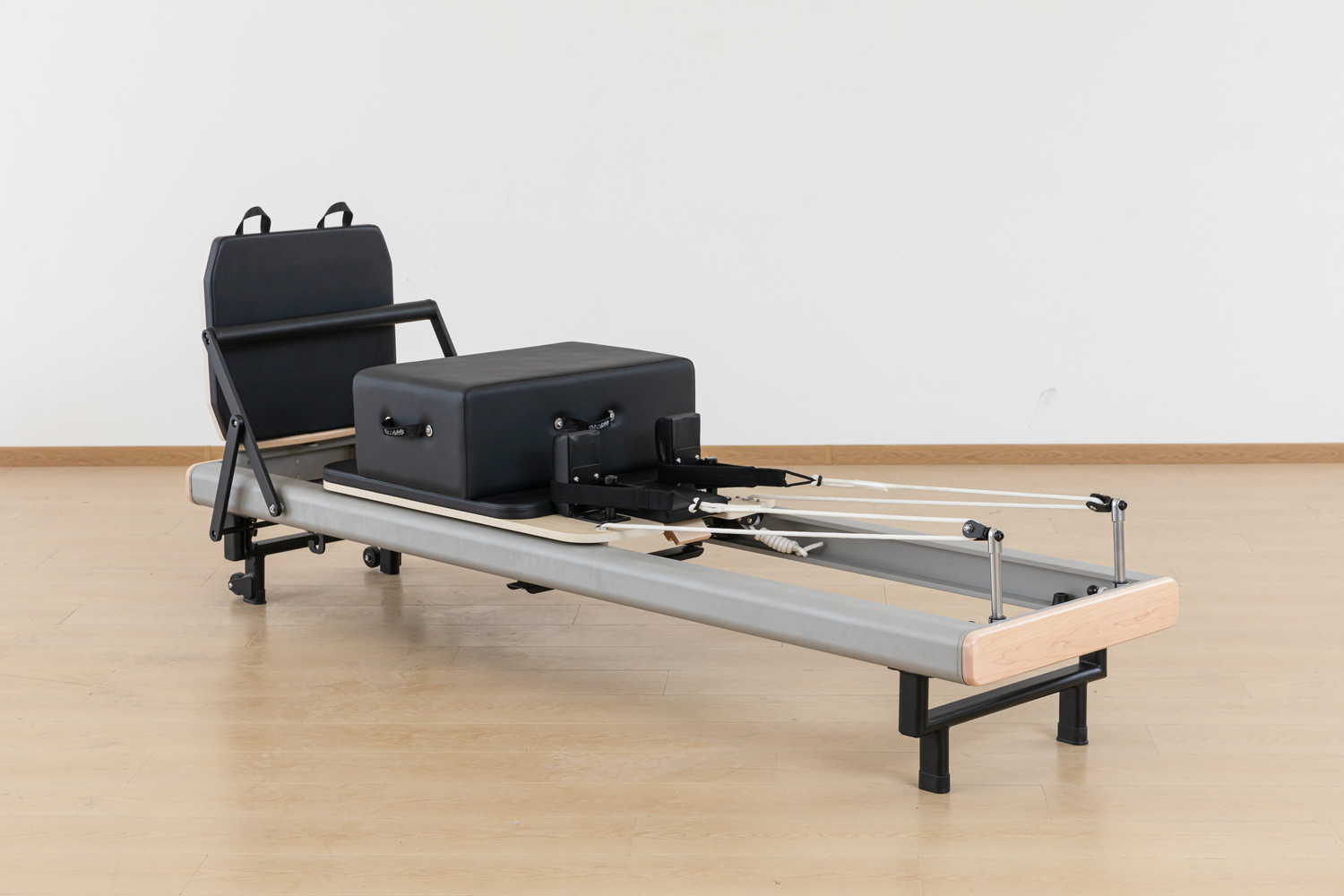
How a Pilates Bed Helps Relieve Lower Back Pain at Home

Low back pain is one of the most common health problems worldwide — over 80% of adults experience it at least once in their lifetime. For chronic sufferers, medication and rest only provide temporary relief; the real solution lies in active rehabilitation. The Pilates reformer is precisely such a tool: through spring resistance, carriage movement, and adjustable support, it helps practitioners rebuild core strength and spinal stability in a low-impact, controlled environment. This article explains how a reformer can help relieve lower back pain at home, from scientific mechanisms and clinical evidence to practical home protocols.
I. The Root of Low Back Pain: Why Core Strength Matters
Most chronic low back pain doesn't come from a single "injury" — it results from long-term poor posture, weak core muscles, and insufficient spinal stability. The spine is a precision mechanical structure. When deep core muscles — the transverse abdominis, multifidus, and pelvic floor — fail to provide adequate "natural bracing," the lumbar spine bears the full brunt of daily activities.
Japanese spinal surgery research notes that Pilates aims to reduce and disperse mechanical stress on the spine by improving mobility in the thoracic spine and hip joint while stabilizing the lumbar spine. In short, Pilates helps the "stabilizing muscles" around the spine do their job again.
II. Four Mechanisms: How the Reformer Relieves Low Back Pain
Rebuilding Neutral Spine Alignment
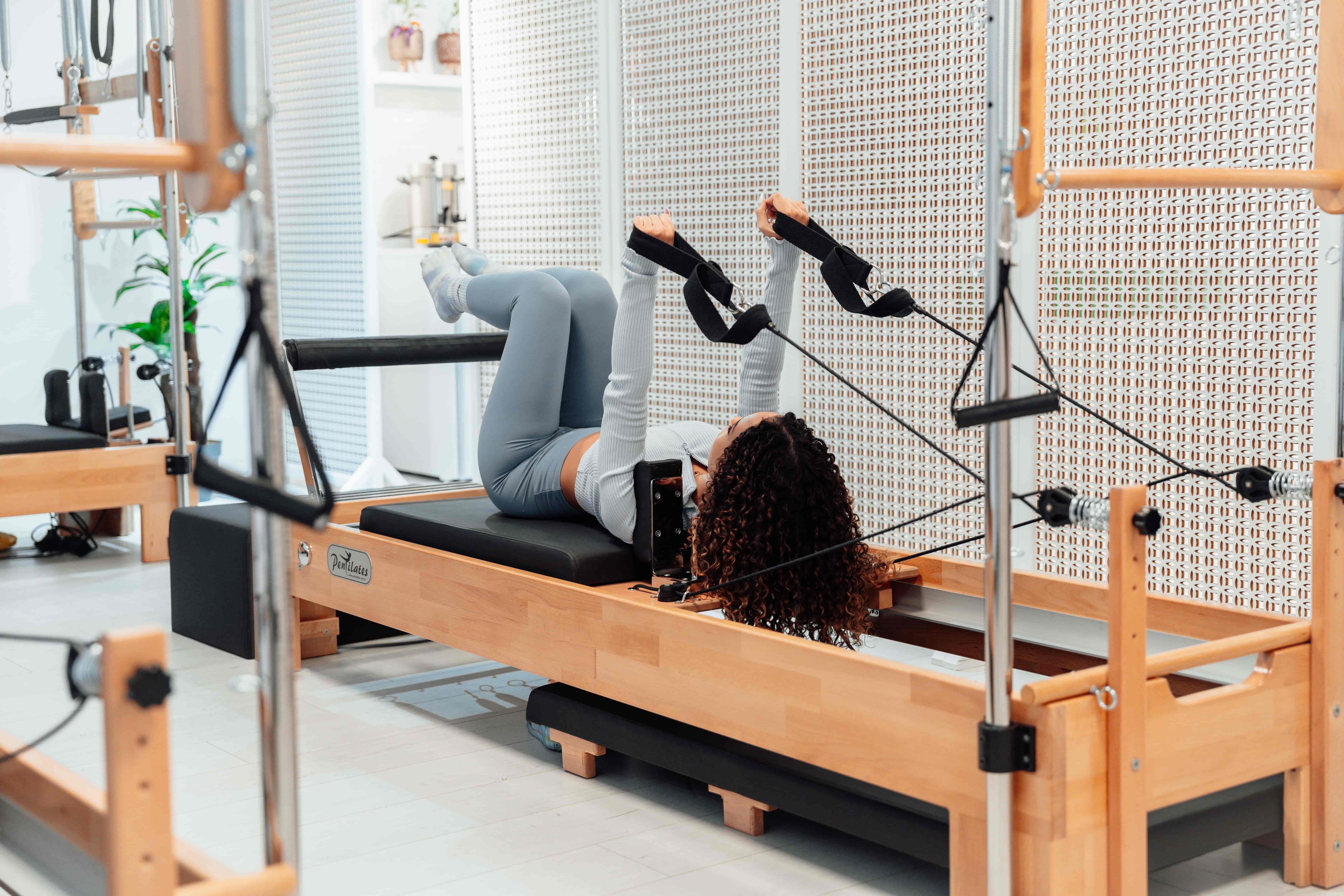
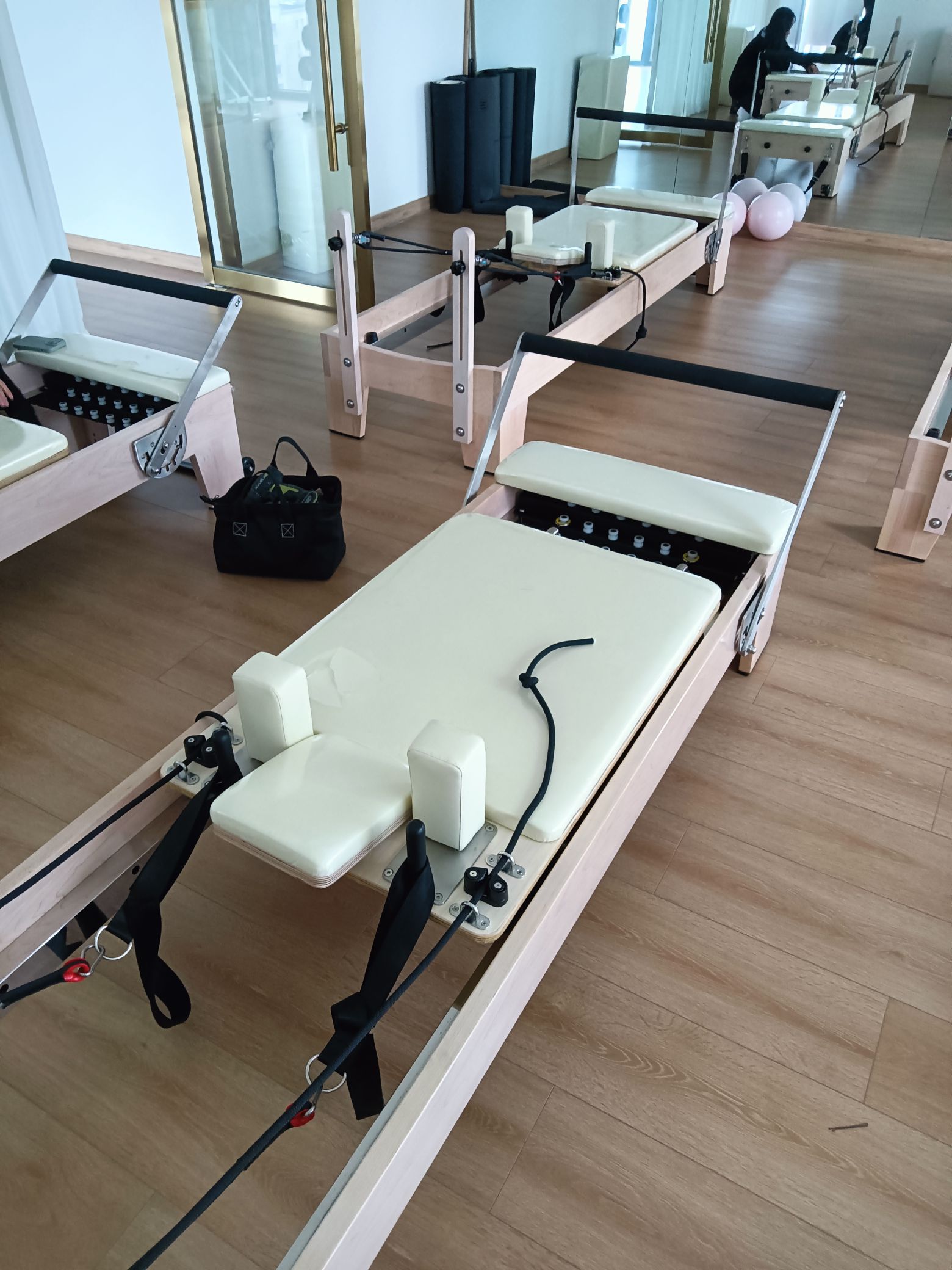
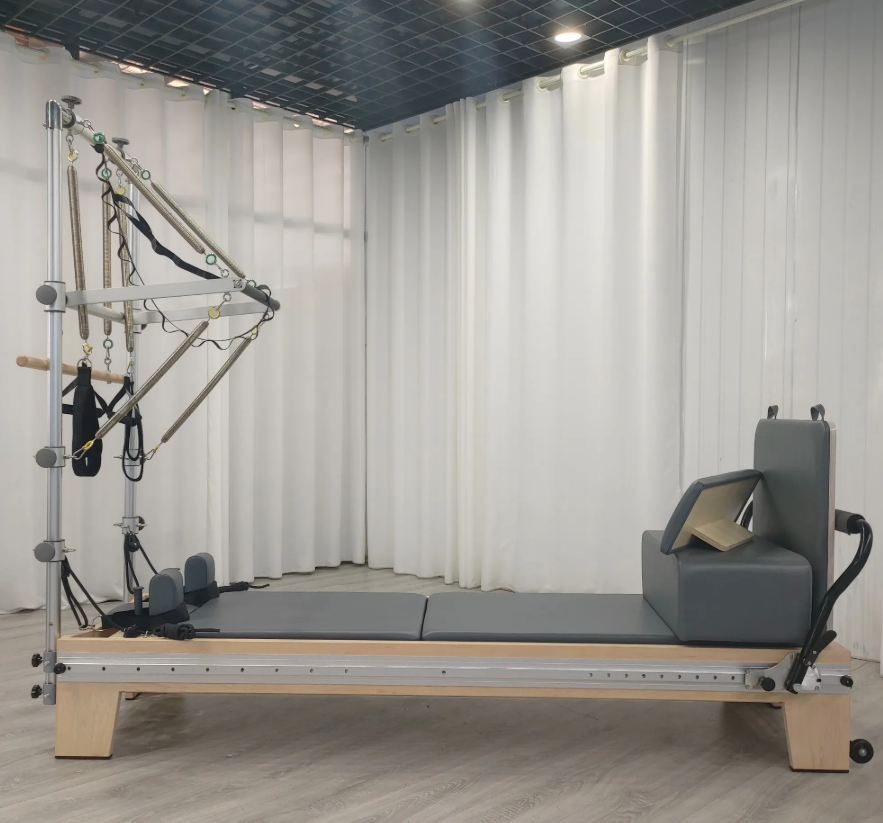
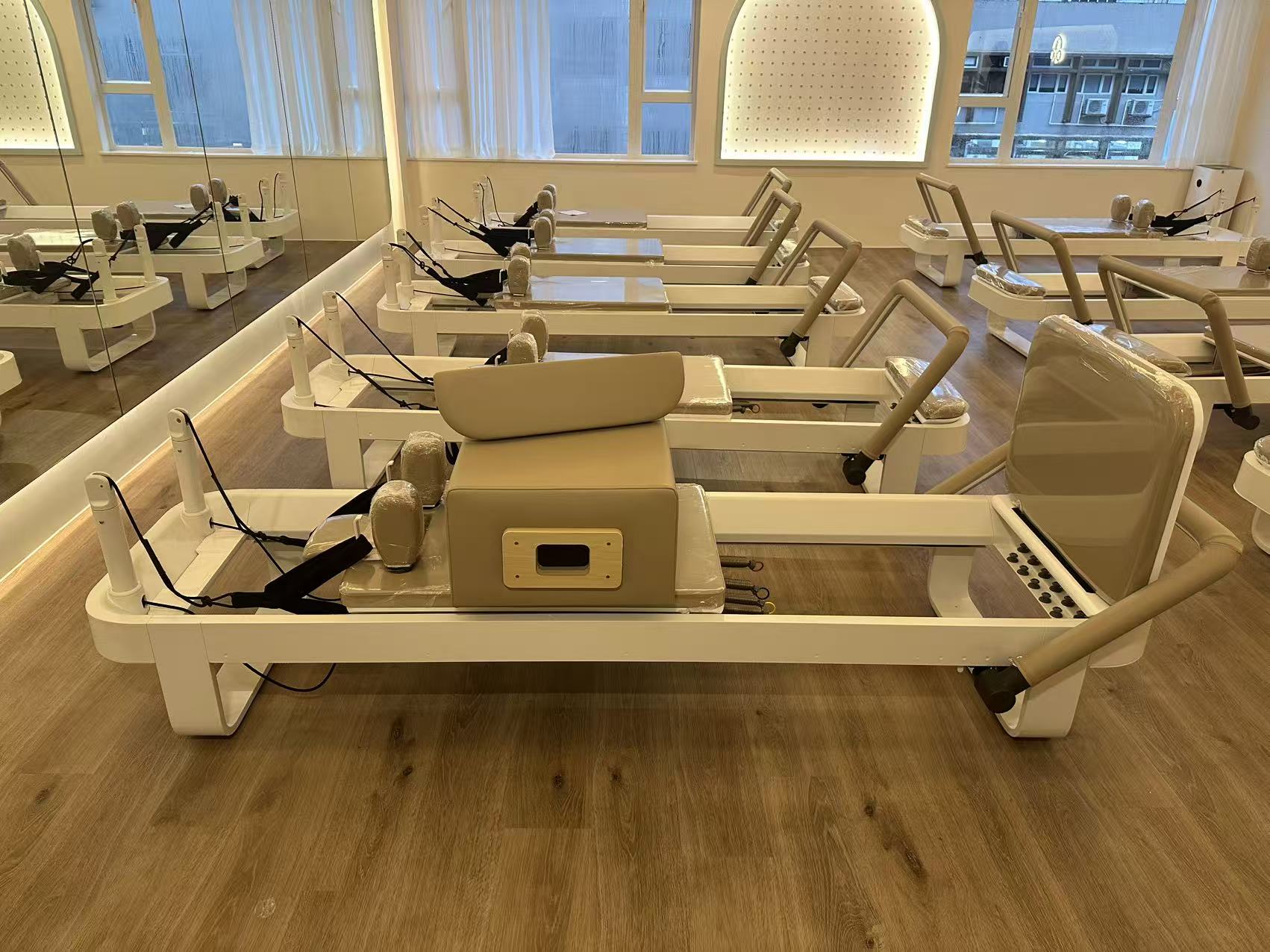
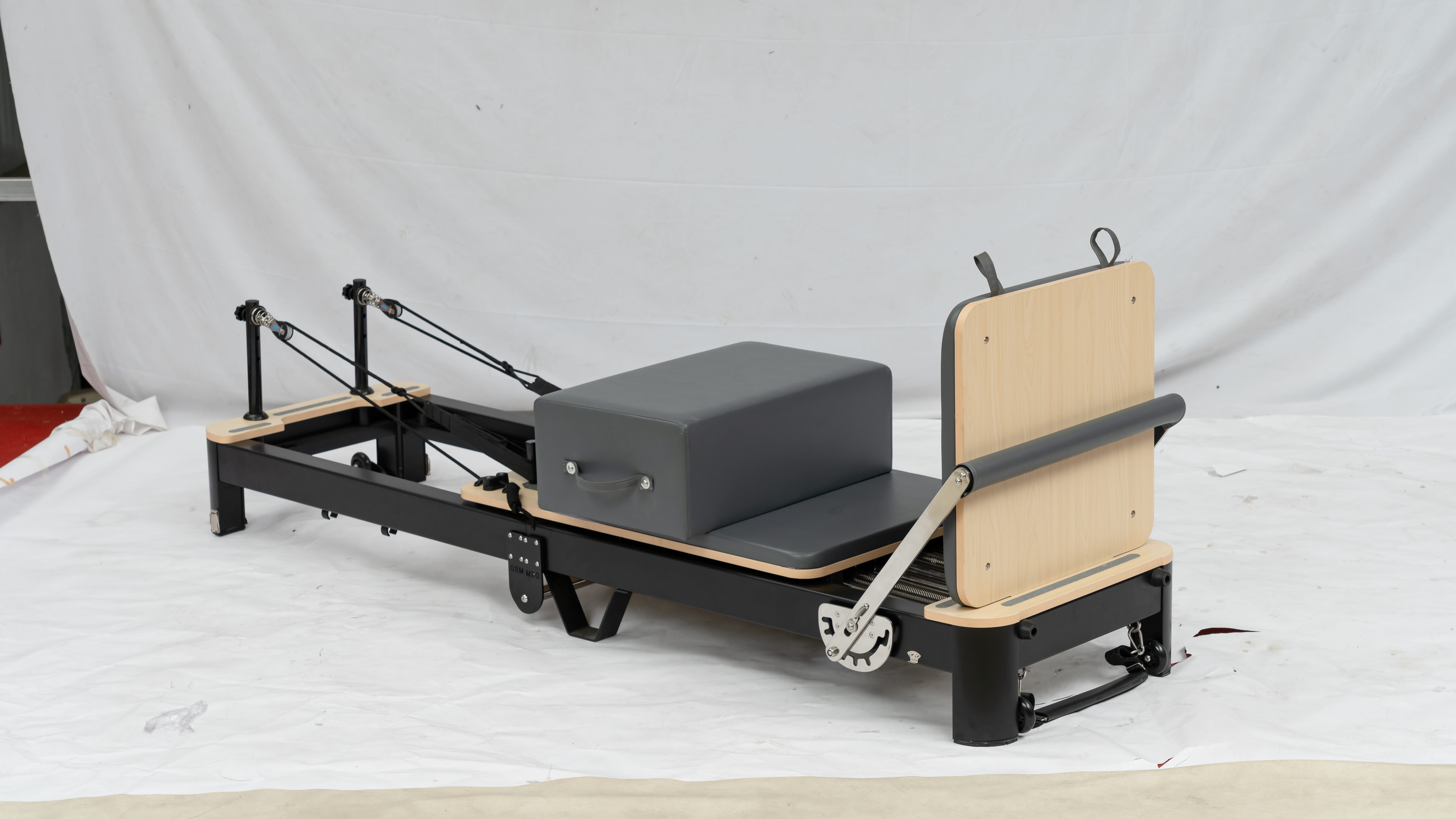
The carriage and spring system on a reformer provides immediate feedback — when the spine is in neutral alignment, the carriage moves most smoothly; when the pelvis tilts or the lumbar spine hyperextends, movements become difficult or unstable. This "instant feedback" helps practitioners gradually develop body awareness and correct poor postural habits. For people with back pain associated with disc degeneration or lumbar instability, this postural correction is especially important.
Precise Activation of Deep Core Muscles
Standard crunches only work the superficial rectus abdominis. Reformer exercises — such as pelvic curls and carriage glides — require sustained engagement of the transverse abdominis and multifidus during dynamic movement. A 2016 medical review explicitly identified increased activity of lumbar stabilizing muscles as one of the key benefits of Pilates. This "deep activation" is central to relieving lower back pain.
Low-Impact, Controlled Exercise Environment
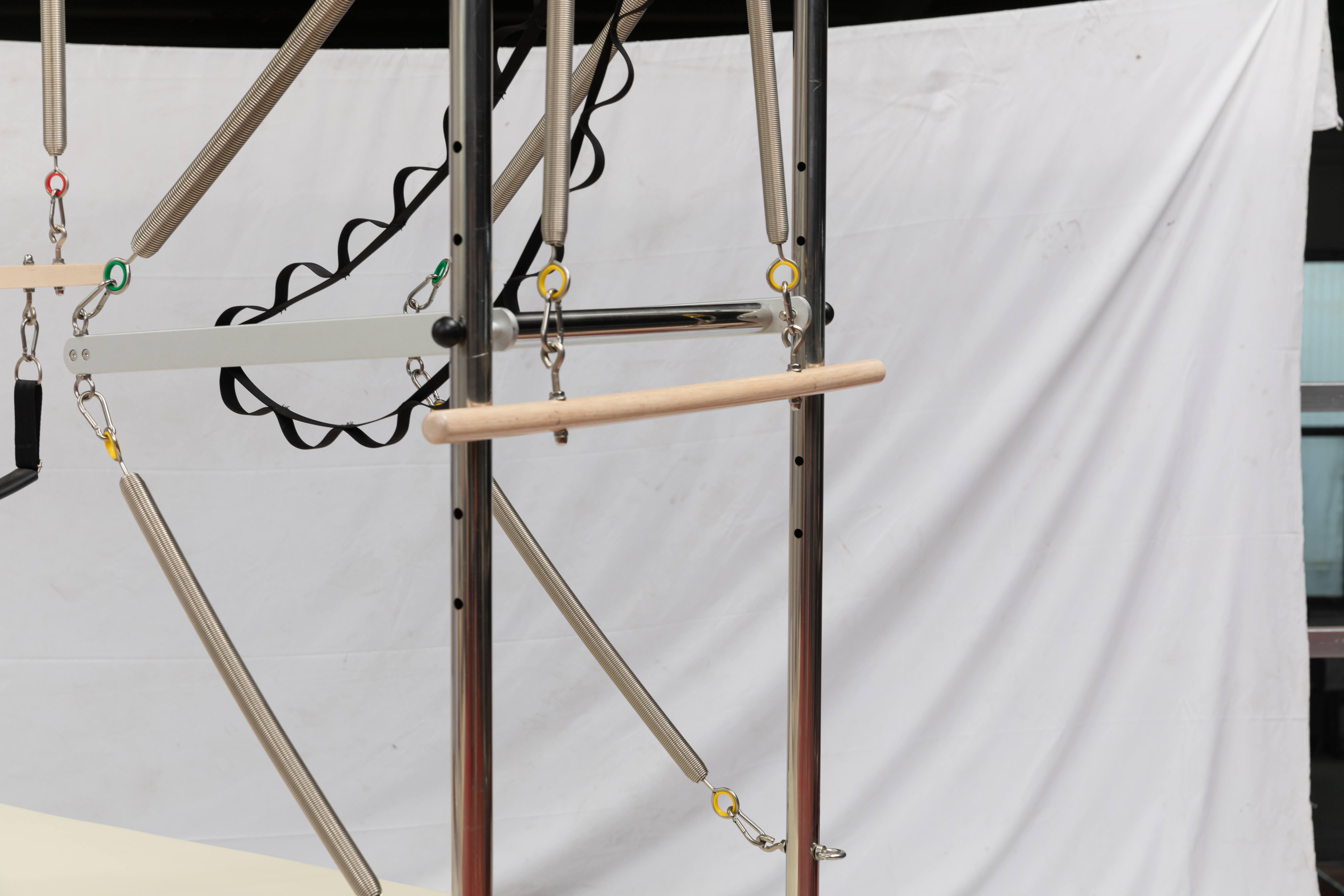
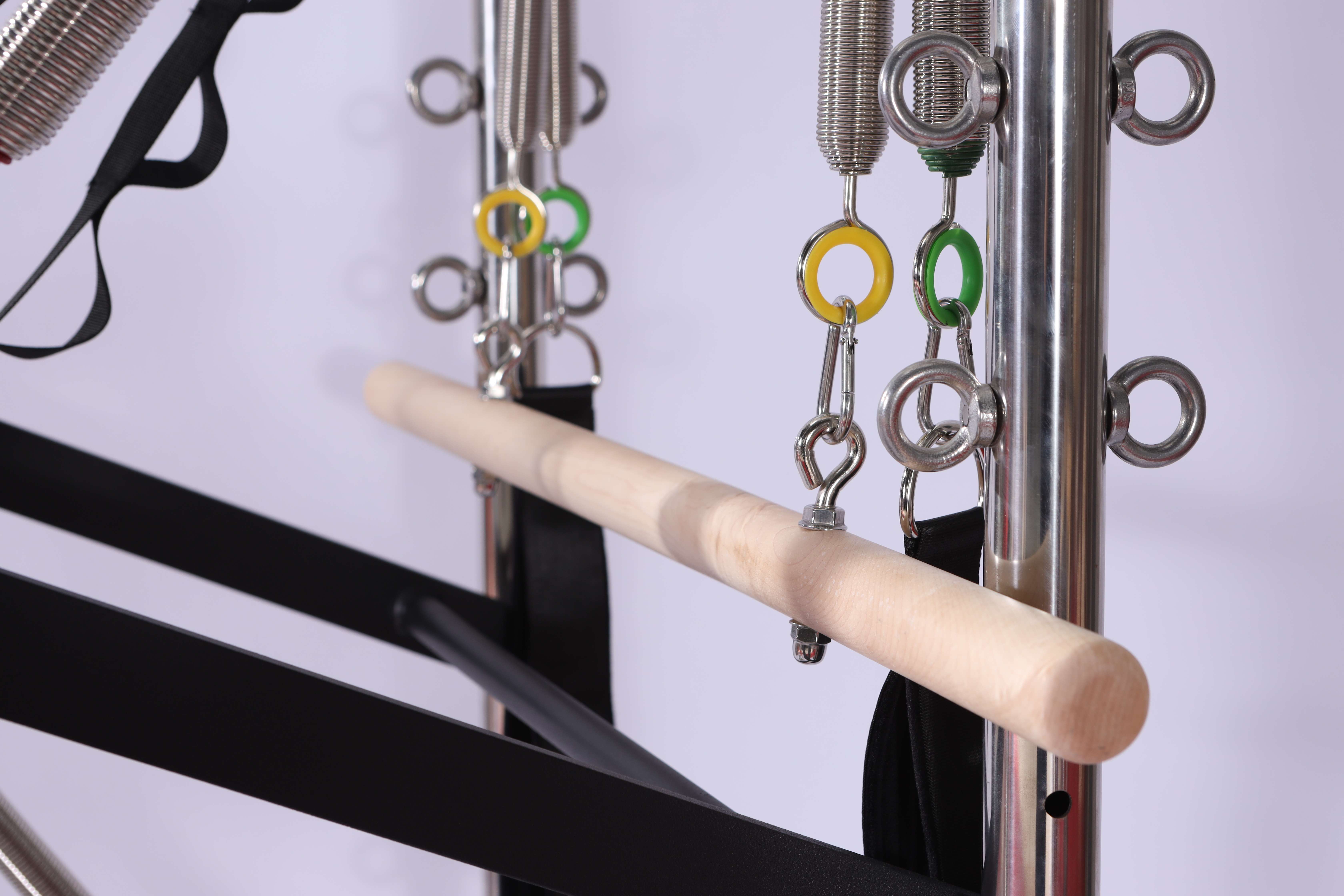
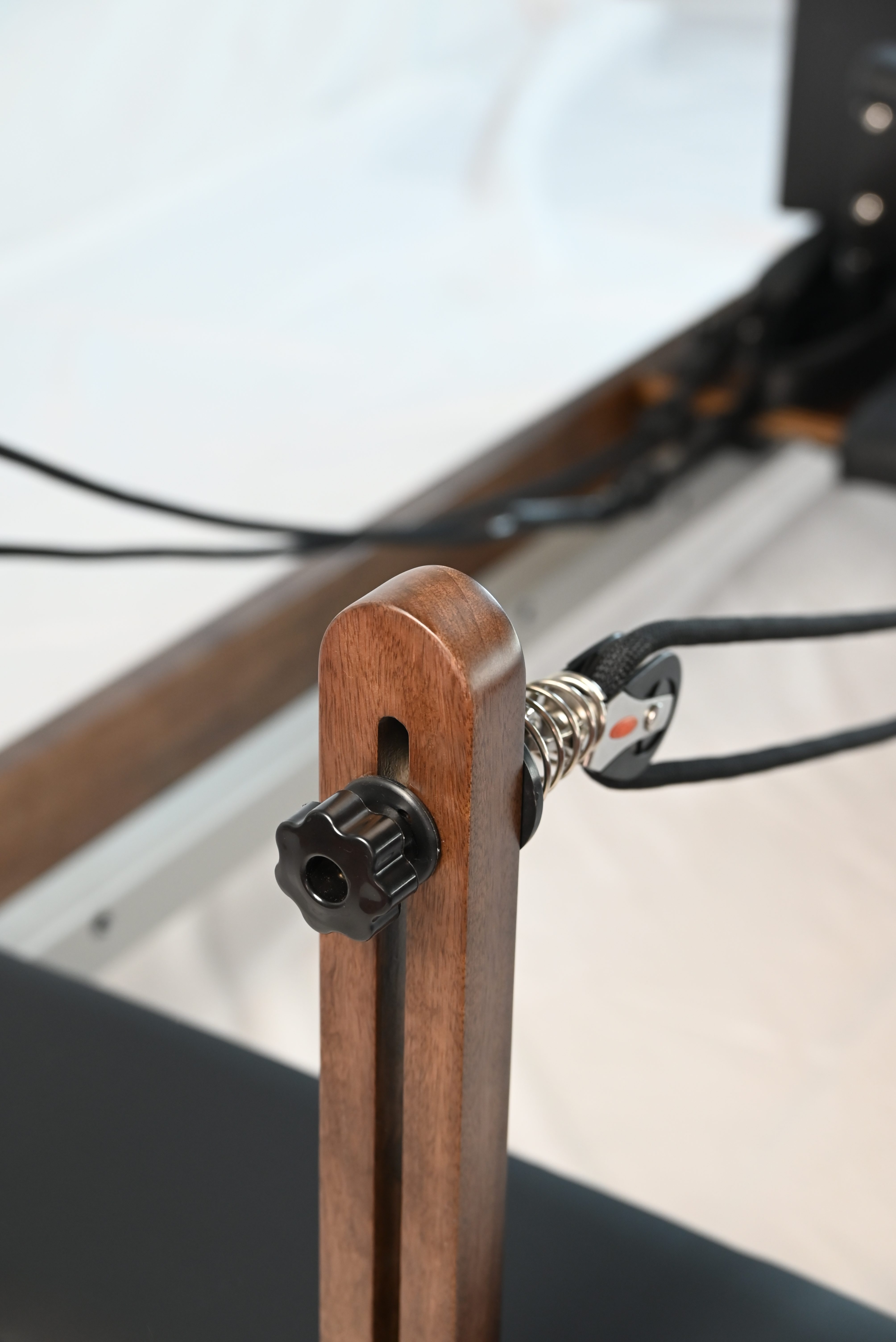
The reformer's spring resistance is adjustable. For acute or early-stage patients, light springs with limited carriage travel allow movement without increasing pain. Clinical guidelines recommend starting with foundational exercises and progressing gradually — avoiding extreme spinal flexion or extension in patients with severe degenerative conditions.
Improving Muscle Viscoelasticity and Flexibility
A 2026 study published in Healthcare recruited 28 chronic low back pain patients for 4 weeks of twice-weekly reformer Pilates. Results showed significant reductions in pain intensity, disability, and kinesiophobia, along with improved sleep and quality of life. Another systematic review (covering 8 RCTs) confirmed that 4-12 week Pilates programs were more effective than minimal intervention for pain reduction and functional improvement.
III. Practical Home Reformer Protocols
Start with Foundational Exercises
When using a reformer at home, start with these three foundational exercises: Pelvic Curl, Carriage Glide, and Leg Stretch. Don't chase range of motion — focus on feeling spinal "segmental movement" and core stability.
Frequency: Twice Weekly is the "Sweet Spot"
Research shows that in a 6-week treatment program, twice-weekly Pilates sessions provided clinically important improvements, while three sessions per week offered no additional benefit. Session duration should be 30-60 minutes. Beginners should start with twice weekly, approximately 40 minutes per session.
Safety First: When NOT to Practice at Home
Experts advise against home practice in the following conditions: unstable spondylolisthesis, spinal fractures, or severe radiculopathy. If any exercise causes significant pain, stop immediately.
The Value of Professional Guidance
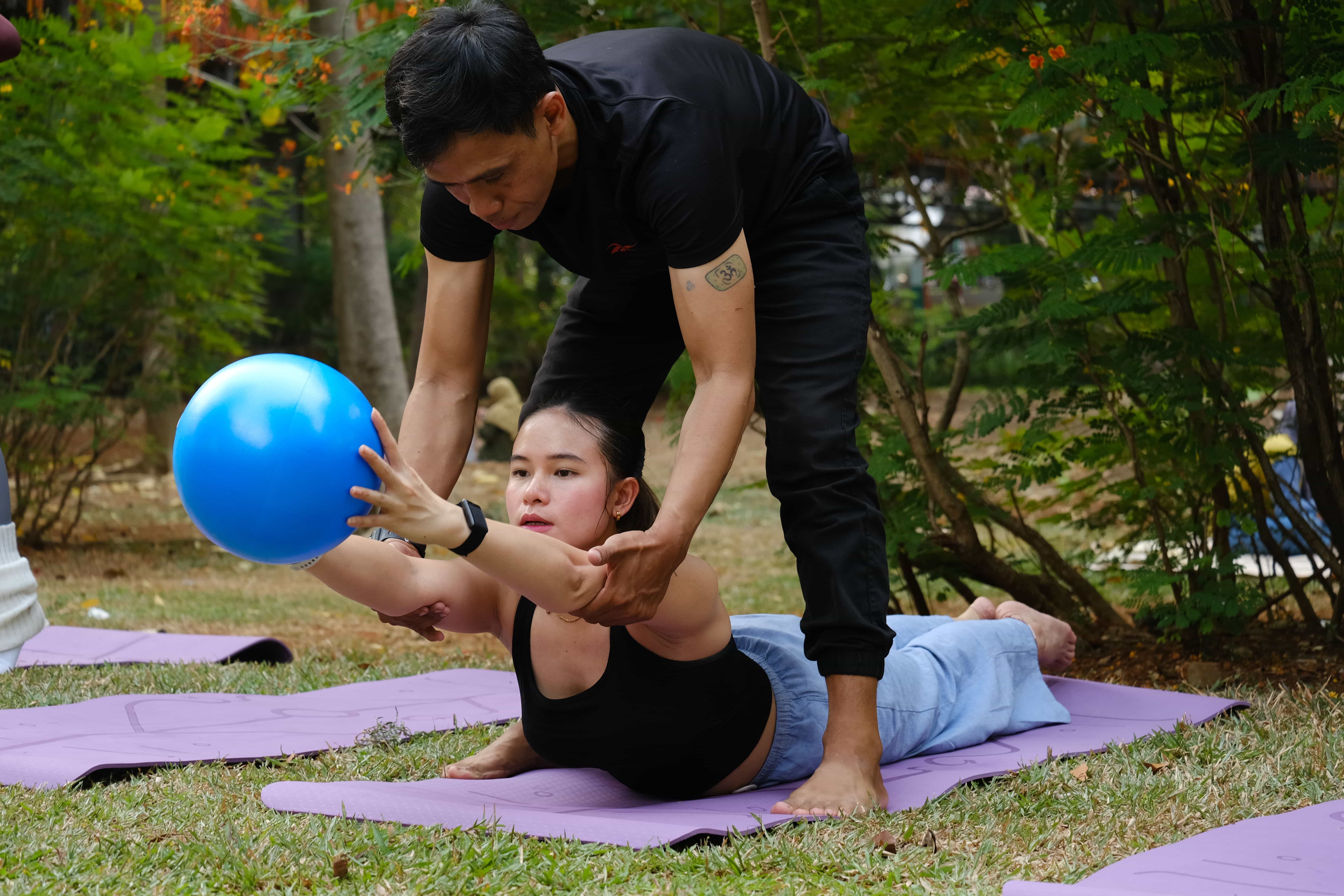
Even in a home setting, guidance from an experienced Pilates instructor or physical therapist is essential for safety — especially in the early stages, 1-2 private sessions can help confirm correct form and prevent bad habits from becoming embedded.
Summary: The scientific logic behind reformer Pilates for lower back pain is straightforward — through low-impact spring resistance training, it rebuilds neutral spine alignment, activates deep core muscles, and improves muscle flexibility, shifting the spine from a "load-bearing" state to a "stably supported" state. Clinical evidence confirms that twice-weekly Pilates training over 4-12 weeks significantly reduces pain and disability. For suitable home users, a reformer can serve as a "home therapist" — but always start with foundational exercises and seek professional guidance early.