Best Budget Home Pilates Equipment Under $1000
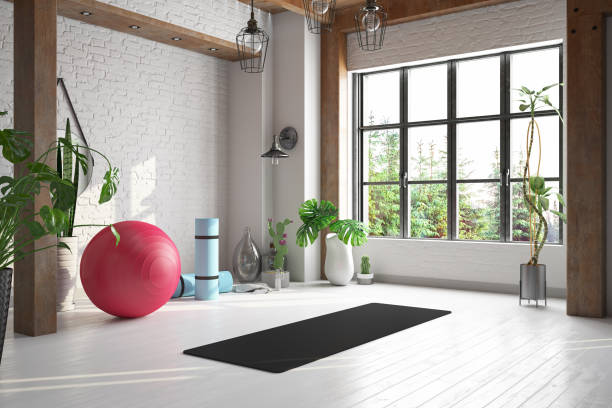
Many assume that starting Pilates at home requires a costly reformer. The truth is, for most beginners, the best investment isn't a machine — it's a small-props kit. With a budget under $1,000, you can build a setup that supports meaningful, long-term practice.
I. Why "Props First" Beats "Reformer First"
The reformer is Pilates' signature apparatus, but buying one as a beginner comes with two risks.
First: you haven't yet built the body awareness needed to use it safely. Pilates is about control and awareness. If you haven't yet developed a physical sense of neutral pelvis and core engagement, a reformer will only amplify poor form. A certified instructor notes: "The gear isn't the bottleneck — instruction is."
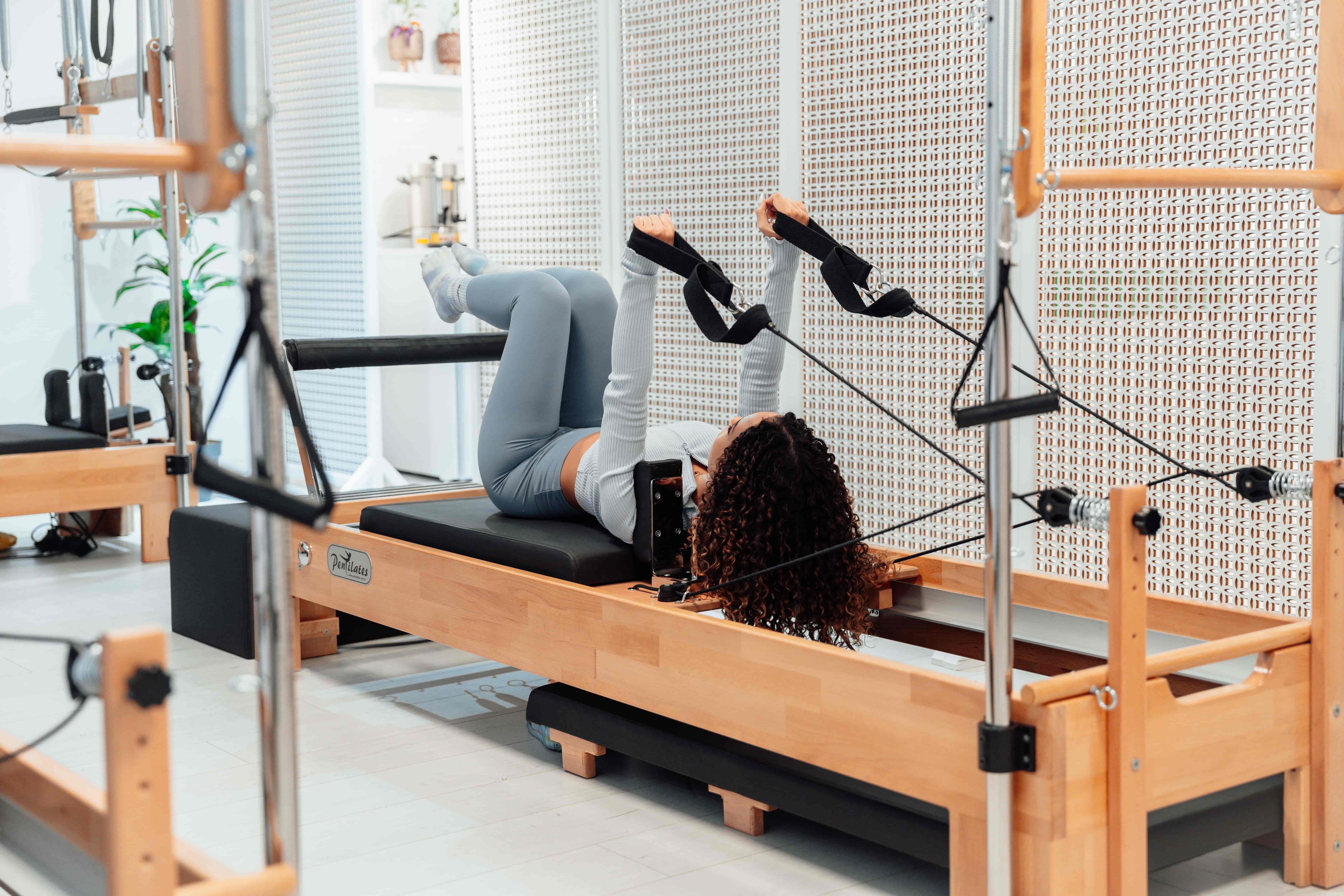
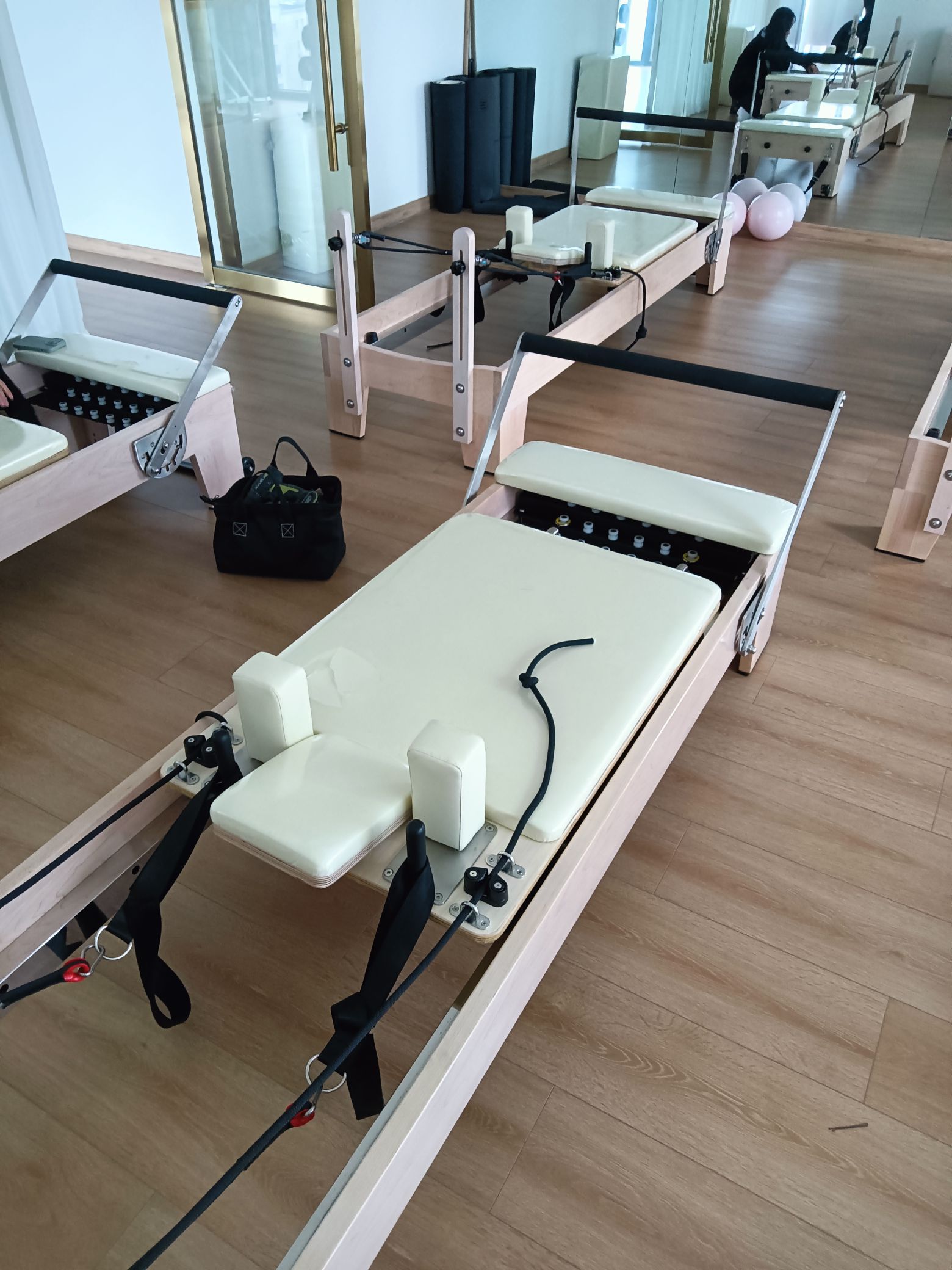
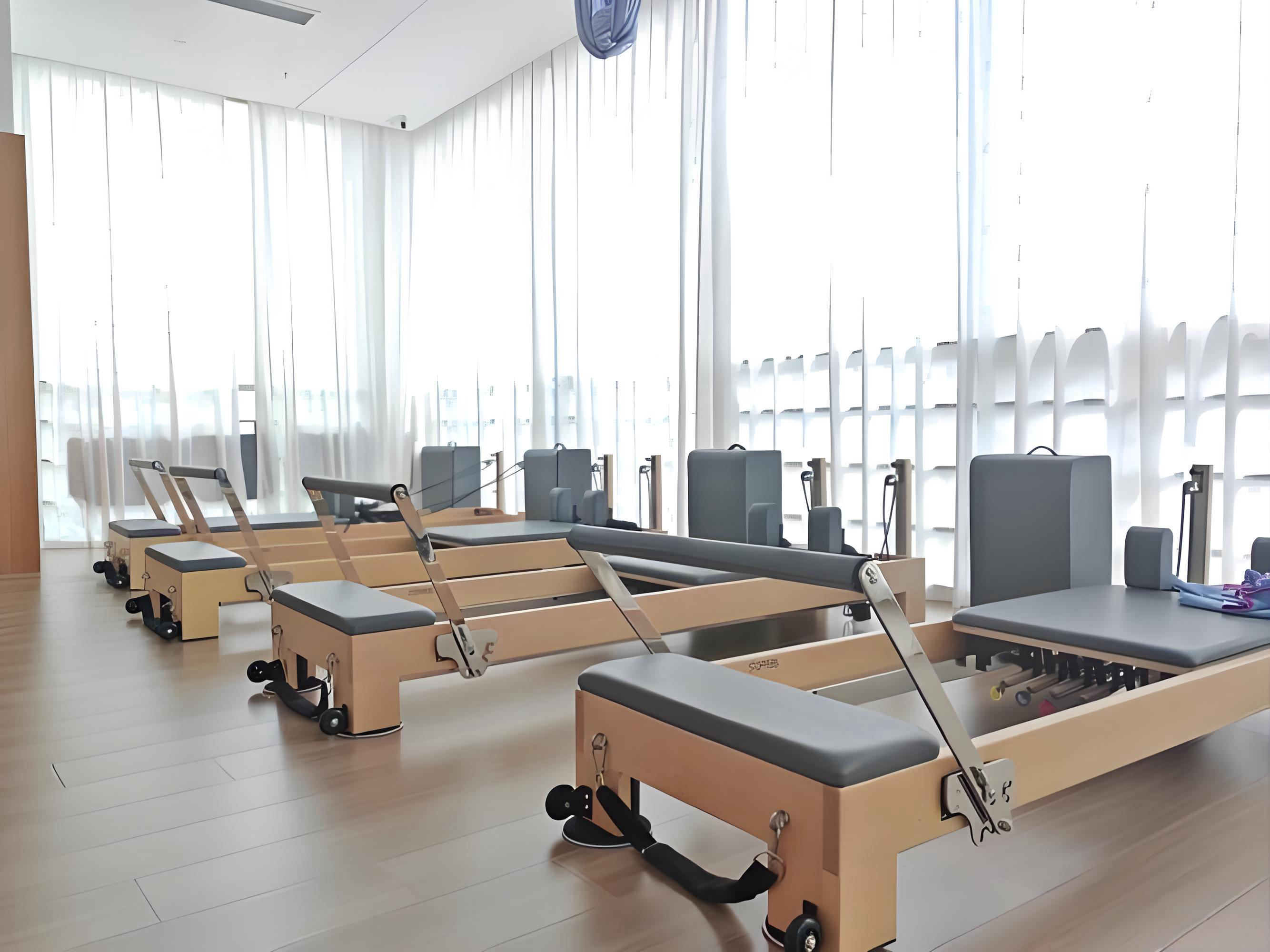
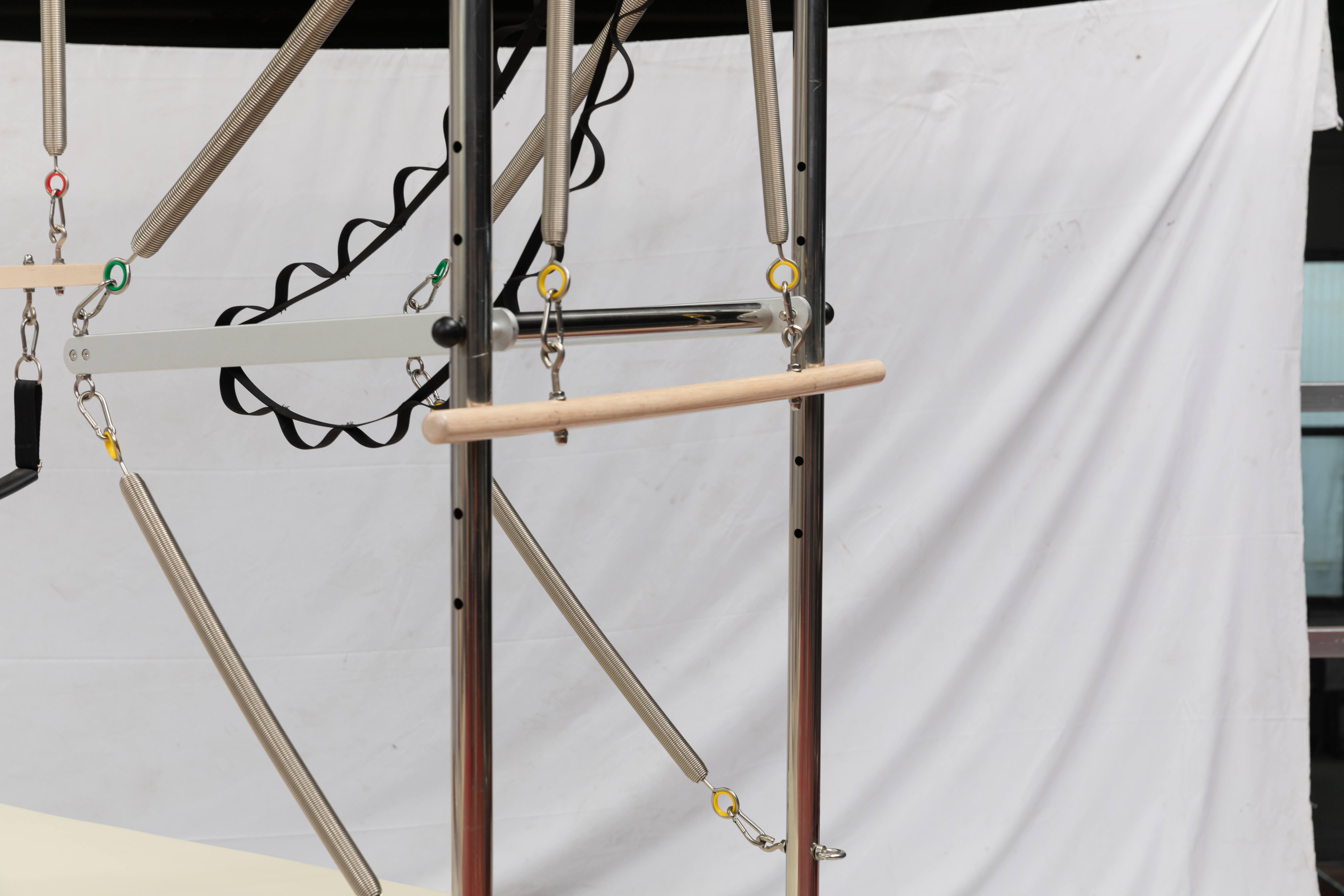
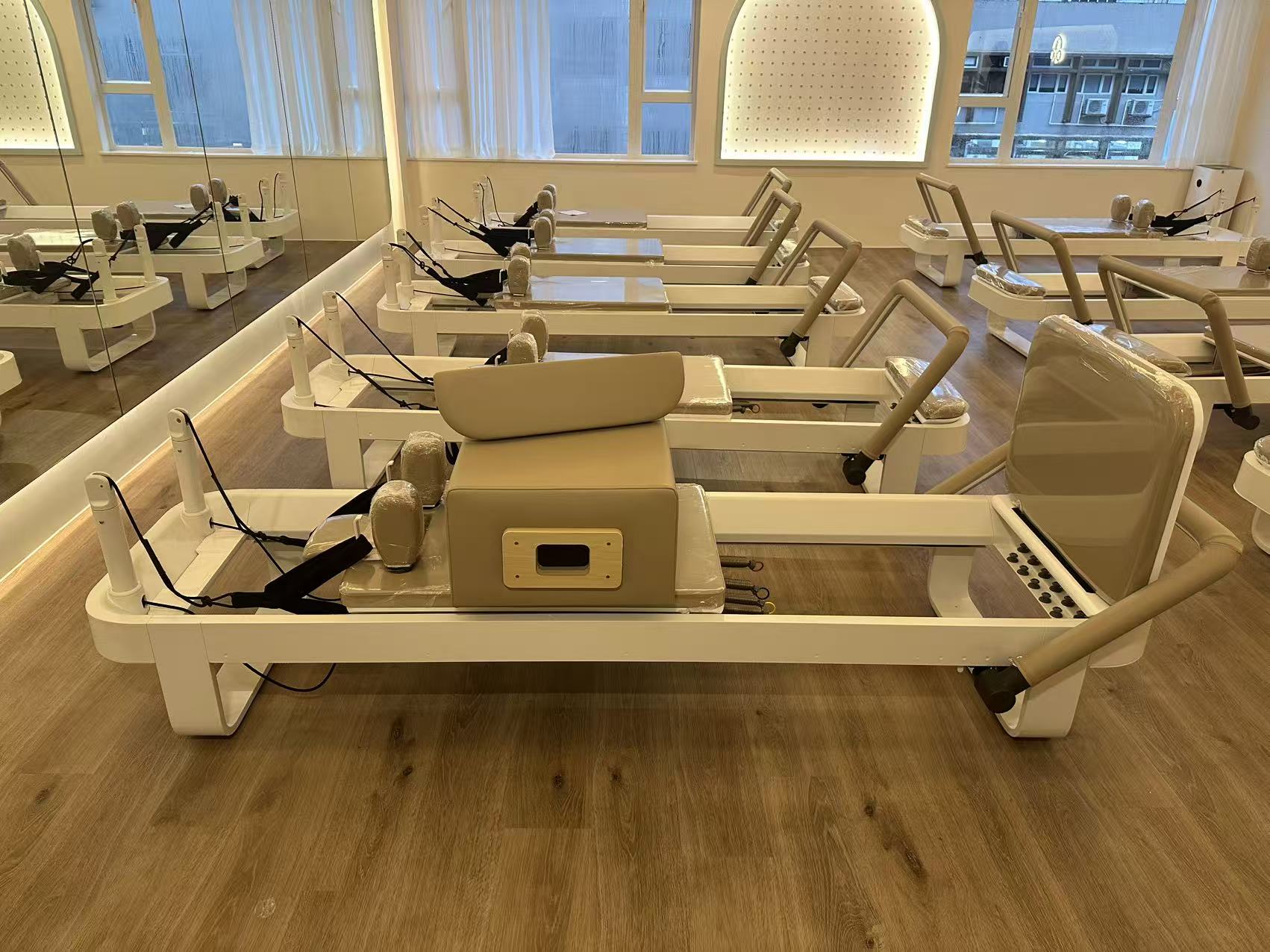
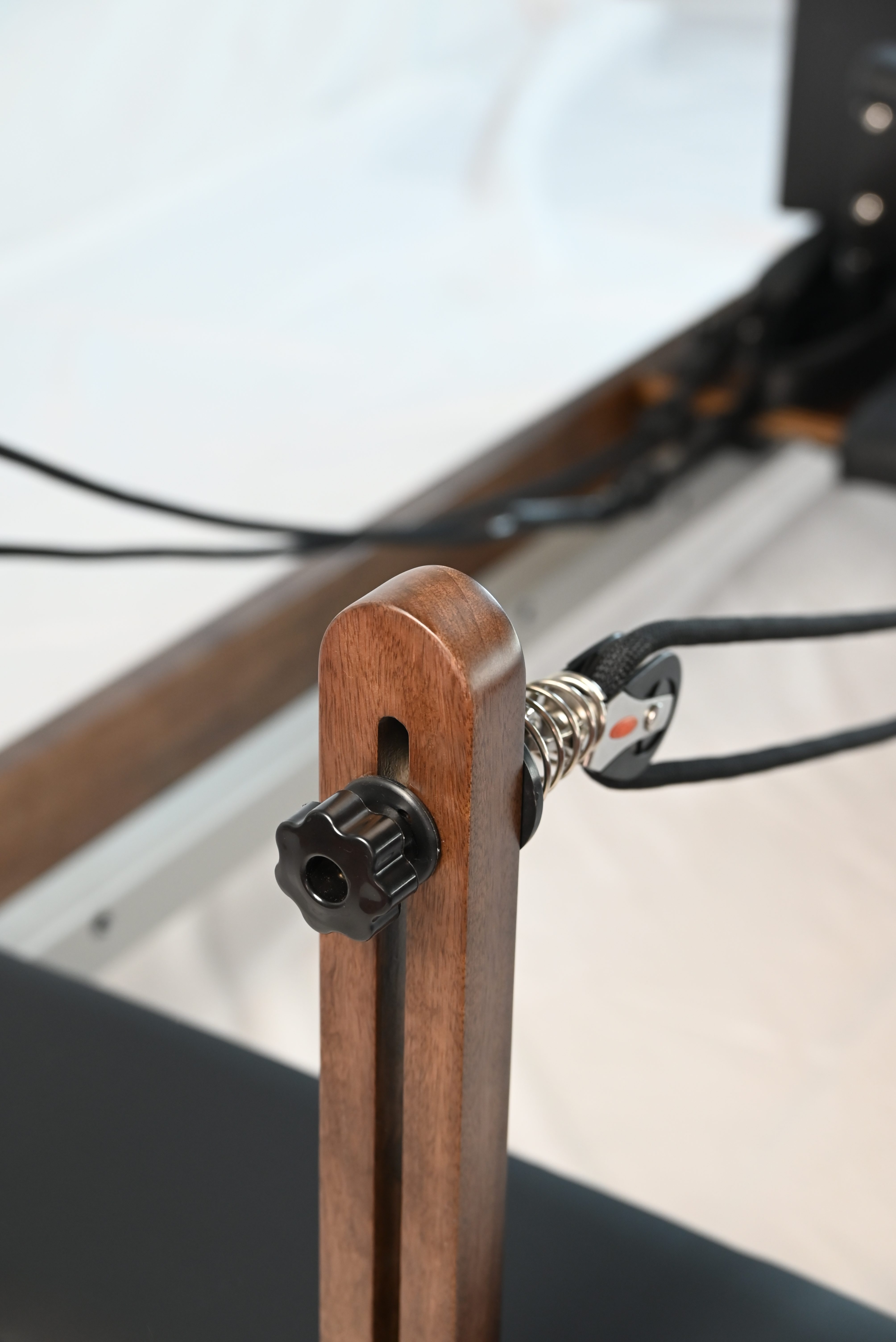
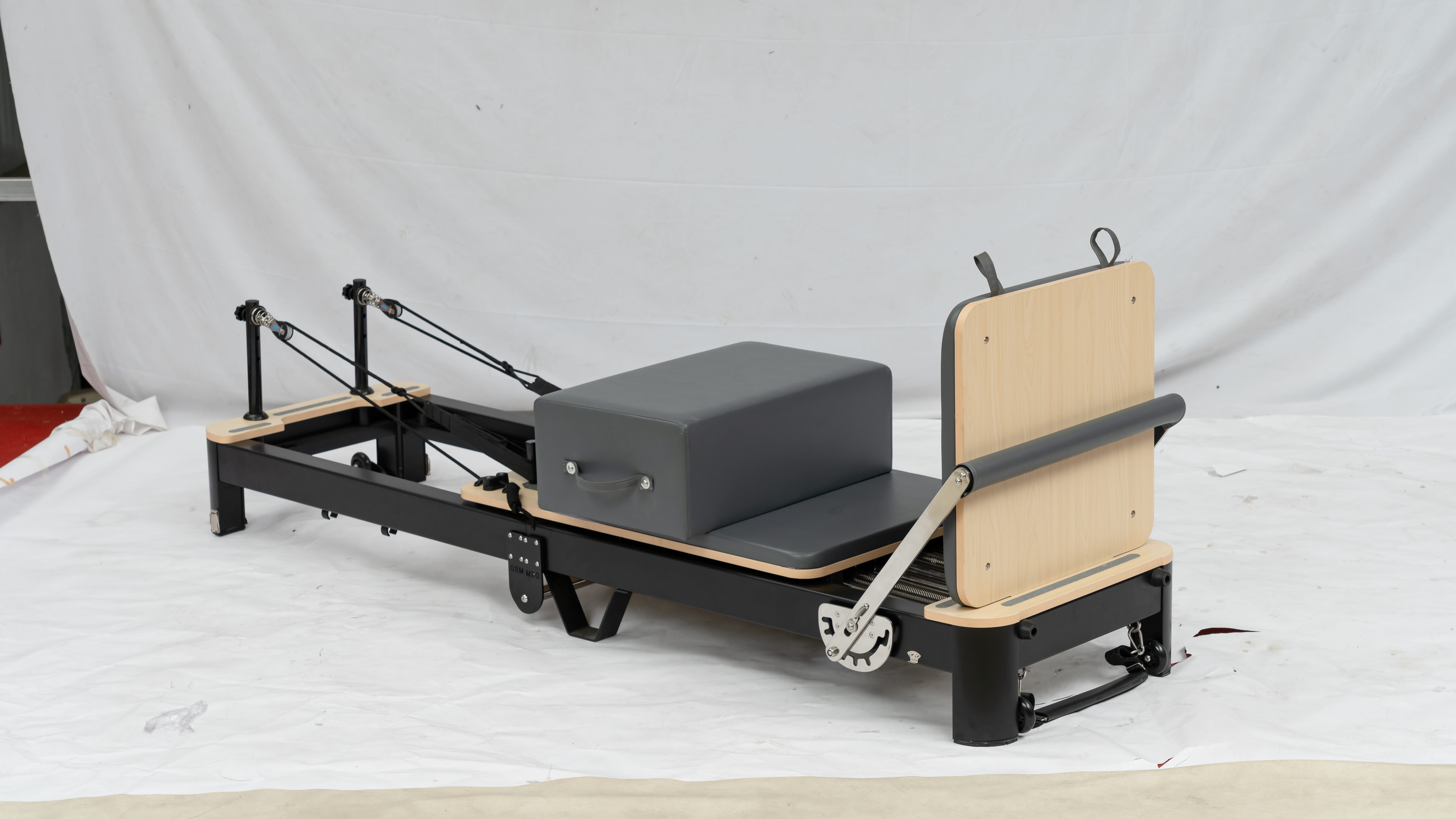
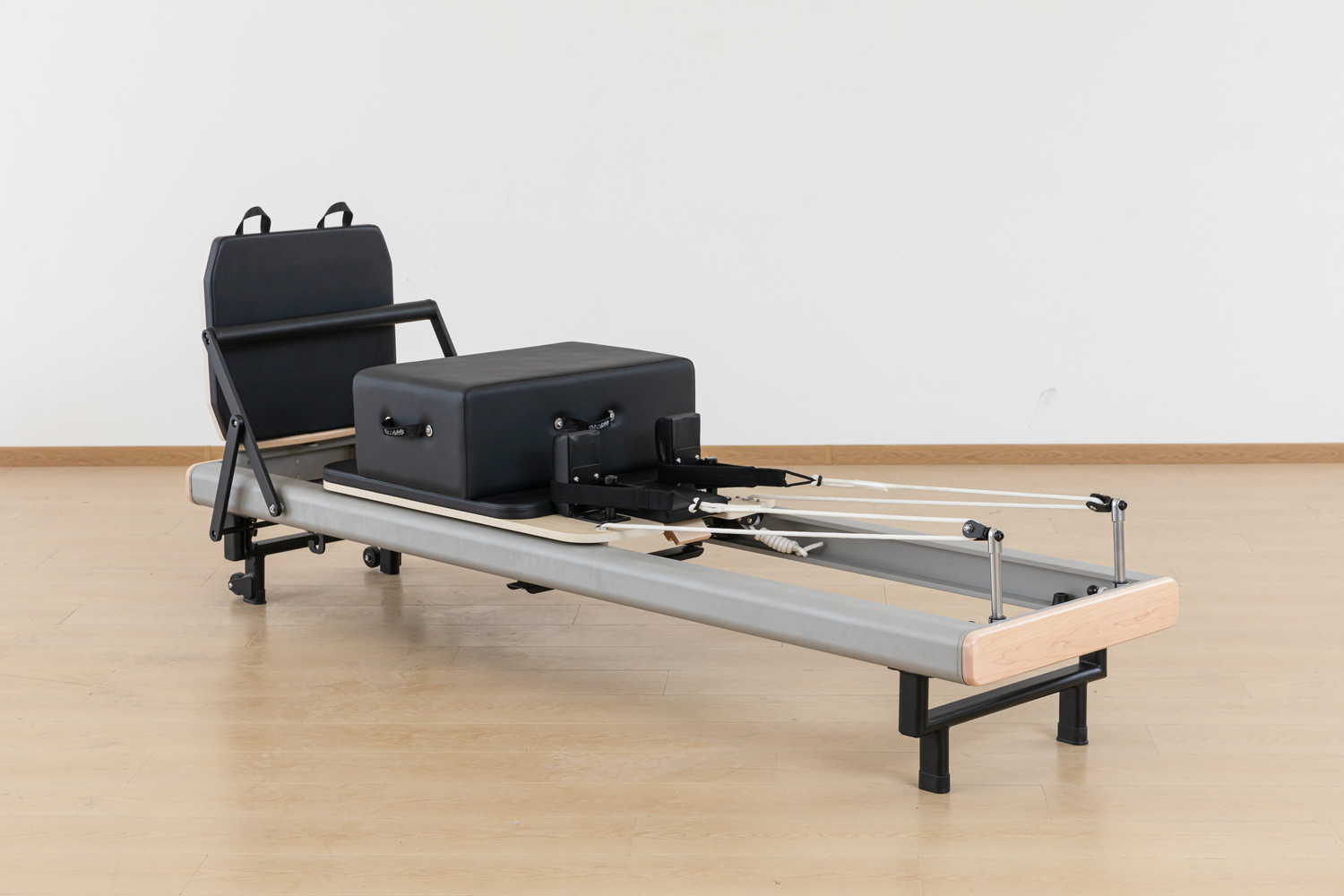
Second: budget reformers often compromise on what matters. You can buy a reformer under $1,000 — the AeroPilates Reformer 287 (~$400-500) or the Kmart foldable (~$160 USD) . But machines at this price typically use elastic cords instead of metal springs. The resistance feel is less smooth, and the glide experience falls short of studio equipment. Instead of buying a machine that "almost works," invest in tools that genuinely improve your practice.
A smarter path: build awareness and control with small props first. When your practice stabilizes, then consider a reformer.
II. Under $200: The Starter Trio ($50-$120)
This is the highest-value entry point — three tools that together cost less than a nice dinner, yet support 80%+ of mat-based training.
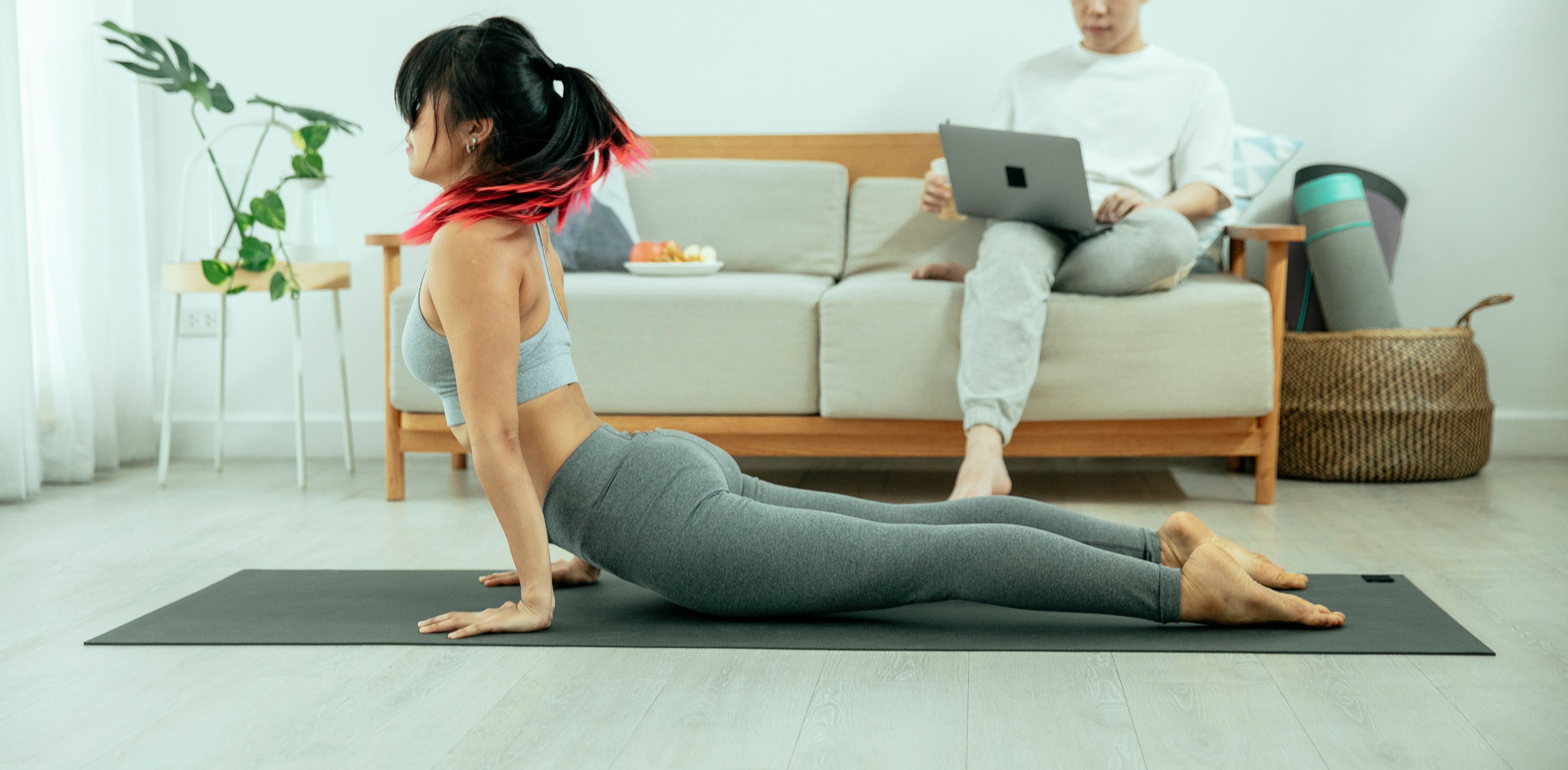
Thick exercise mat ($25-$50) : Choose 6-8mm thickness with good grip to protect your spine and joints.
Resistance bands ($10-$20) : Mimic reformer spring resistance for leg circles, arm series, and seated rows. Keep 2-3 different resistance levels.
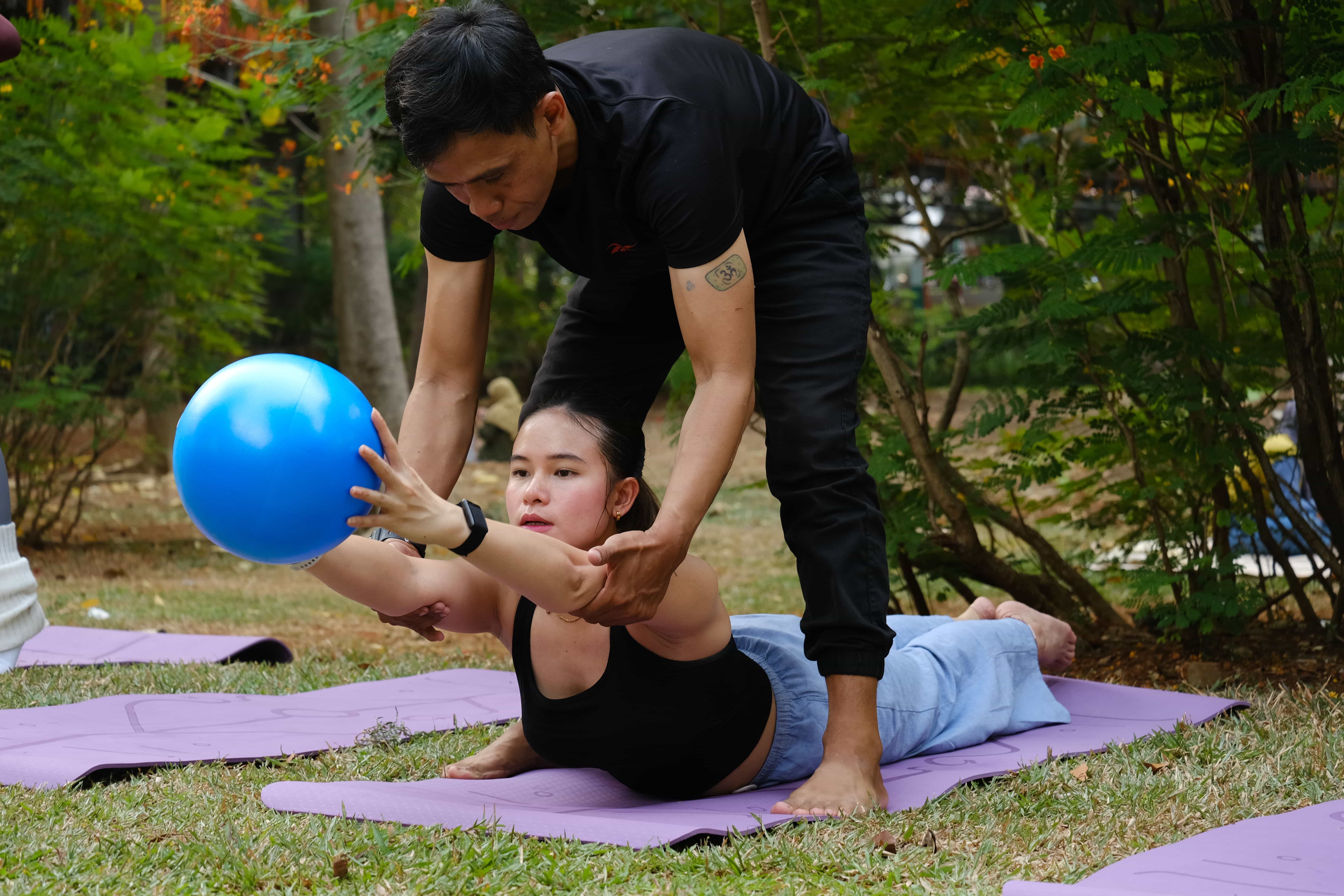
Small stability ball ($15-$25) : Placed behind your back or between your knees, it forces deep core engagement. Size guide: under 5'4" → 7-inch; 5'4" to 5'9" → 8-inch; over 5'9" → 9-inch.
Total investment: $50-$120 — enough for beginner to intermediate mat work.
III. $200-$500: The Advanced Prop Kit ($200-$400)
Once the starter trio feels natural, expand your toolkit with these additions.
Magic Circle (~$15-$25) : Gentle resistance for adductors, arms, and chest.
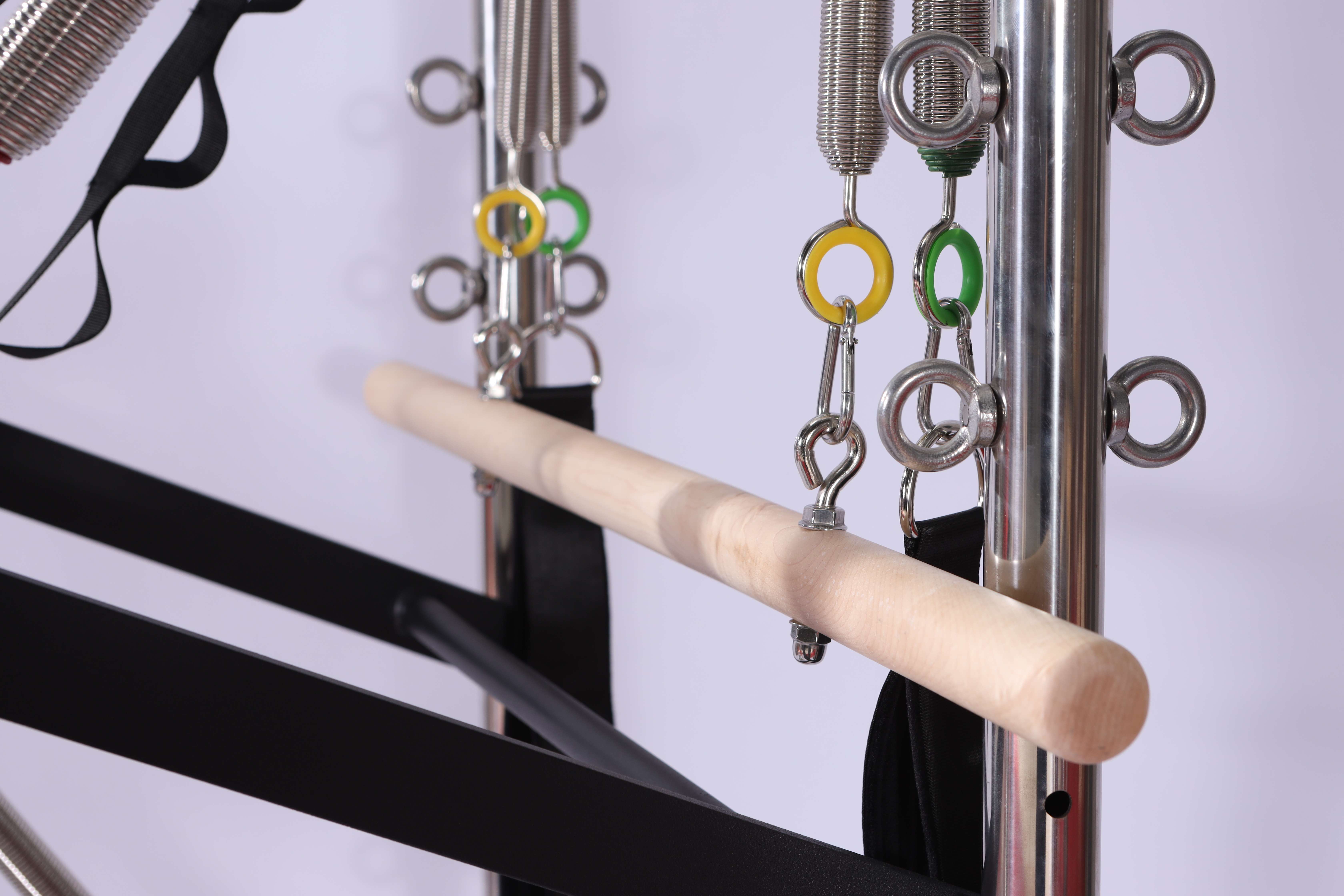
Pilates bar with resistance bands (~$60) : Simulates reformer-style exercises like rows and side-lying leg lifts.
Foam roller ($25-$40) : Self-myofascial release for pre- and post-workout.
Wrist/ankle weights (~$20-$30) : Light loads (1-2 kg) add challenge to exercises.
Full advanced kit: approximately $200-$400.
IV. $500-$1,000: Reformer Alternatives and Entry-Level Machines
In this range, two options are worth considering.
Option 1: Core Sliders (~$20-$30) : Placed under hands or feet, they increase core engagement through sliding resistance. Not a reformer replacement, but excellent for lunges and plank variations — and storage is effortless.
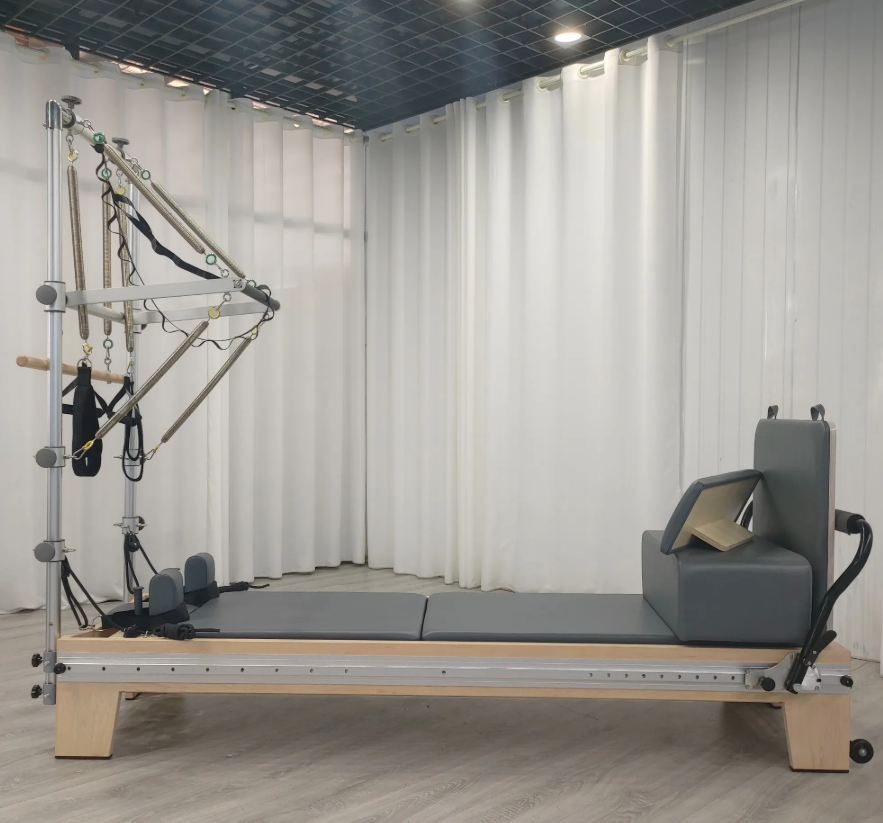
Option 2: Refurbished / used reformers : American Pilates Reformer Outlet offers professionally refurbished USA-made reformers under $1,000 — each disassembled, inspected, and tested by engineers and instructors. Verify parts availability before buying.
**New sub-$1,000 reformers** : AeroPilates Reformer 287 ($400-$500) uses a three-cord resistance system, folds for storage, weighs 56 lbs, and supports 300 lbs. Kmart's foldable model (~$160 USD) uses rubber bungee cords, extends to 197cm, and weighs 33.6kg. These are "try-it-out" options — affordable and storable, but cord resistance feels different from studio springs and may degrade over time.
V. Budget Allocation Summary
- Budget Range: $50–$120
·Recommended Setup: Thick exercise mat + resistance bands (2–3 levels) + small stability ball.
·Best For: Complete beginners who are unsure about their long-term commitment.
·Value: Covers 80%+ of foundational mat work for 6–12 months of consistent practice.
- Budget Range: $200–$400
·Recommended Setup: Starter trio + Magic Circle + foam roller + Pilates bar with resistance bands (+ optional light ankle/wrist weights).
·Best For: Practitioners with established mat experience who want to add variety, progression, and challenge.
·Value: Transforms training from “basic” to “rich” without requiring large equipment or dedicated space.
- Budget Range: $500–$1,000
·Recommended Setup: Advanced prop kit + Core Sliders — or — an entry-level cord-based foldable reformer (e.g., AeroPilates or Kmart), or a professionally refurbished used metal-spring reformer.
·Best For: Consistent practitioners (2–3 times/week, 6+ months) who want to explore apparatus-style movements at home.
·Value: Provides a genuine step up in training variety and intensity, while keeping storage and cost manageable.
- Spending Principle Across All Budgets
·Start small: build consistency and body awareness with props first.
·Upgrade only when your practice frequency and skill level demand it.
·A $50 setup used 3 times a week delivers far more value than a $1,000 machine used once a month.
Summary: Building a home Pilates setup under $1,000 is entirely achievable — the key is "props first, machine later." The $50-$120 starter trio supports 6-12 months of consistent practice. The $200-$400 advanced kit adds variety and challenge. At $500-$1,000, consider sliders or an entry-level reformer. The value of equipment isn't its price tag — it's how often you actually use it. Build consistency with small props first, then upgrade based on real need. That's the most cost-effective path.