5 Simple Daily Pilates Workouts You Can Do On Your Reformer
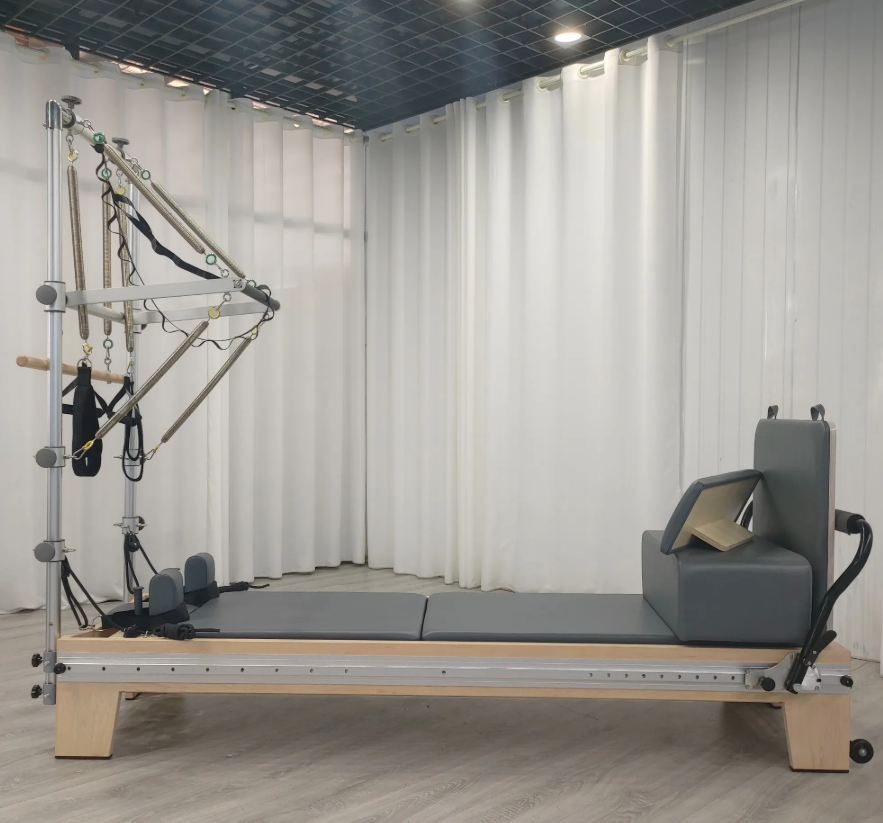
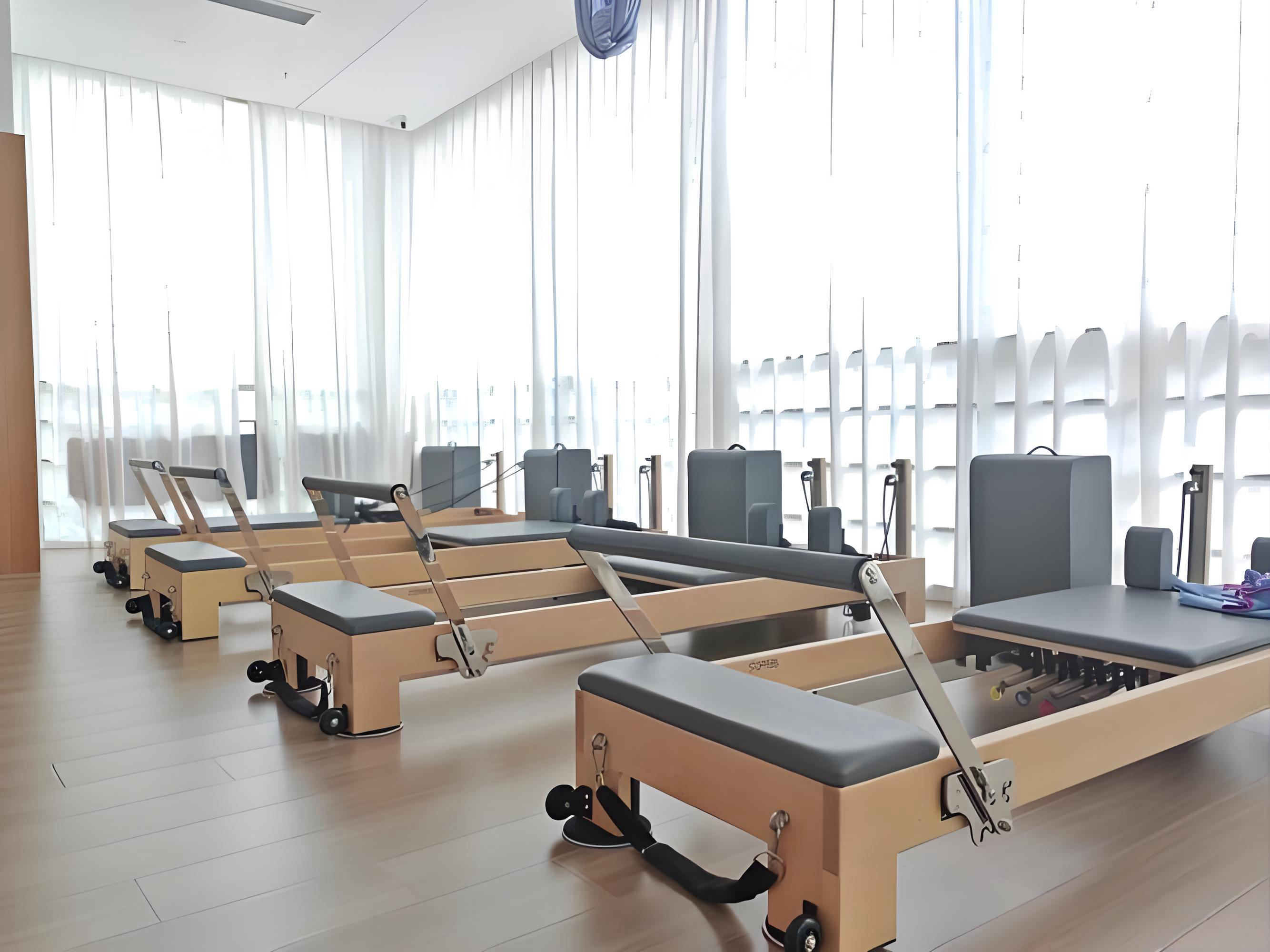
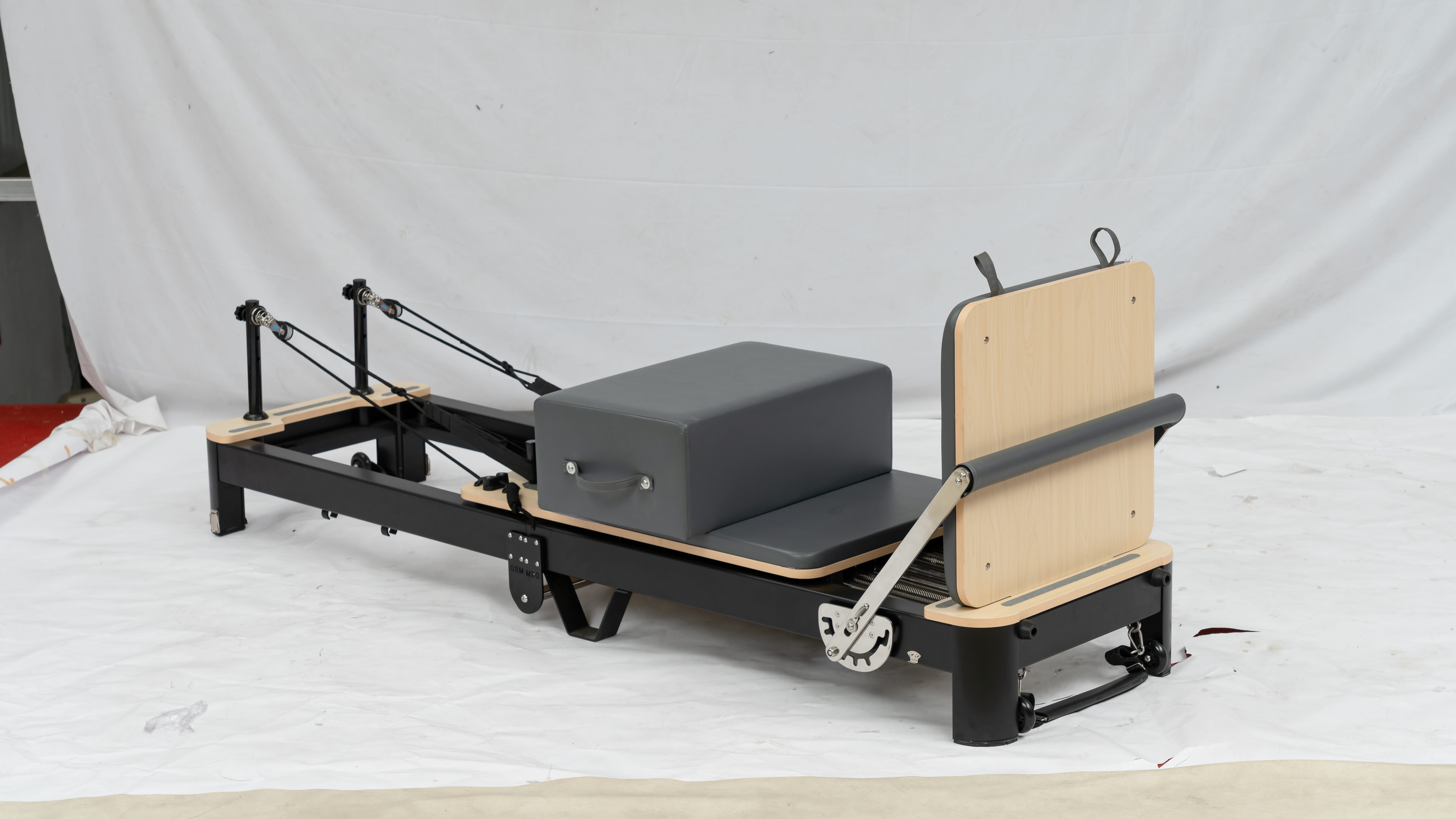
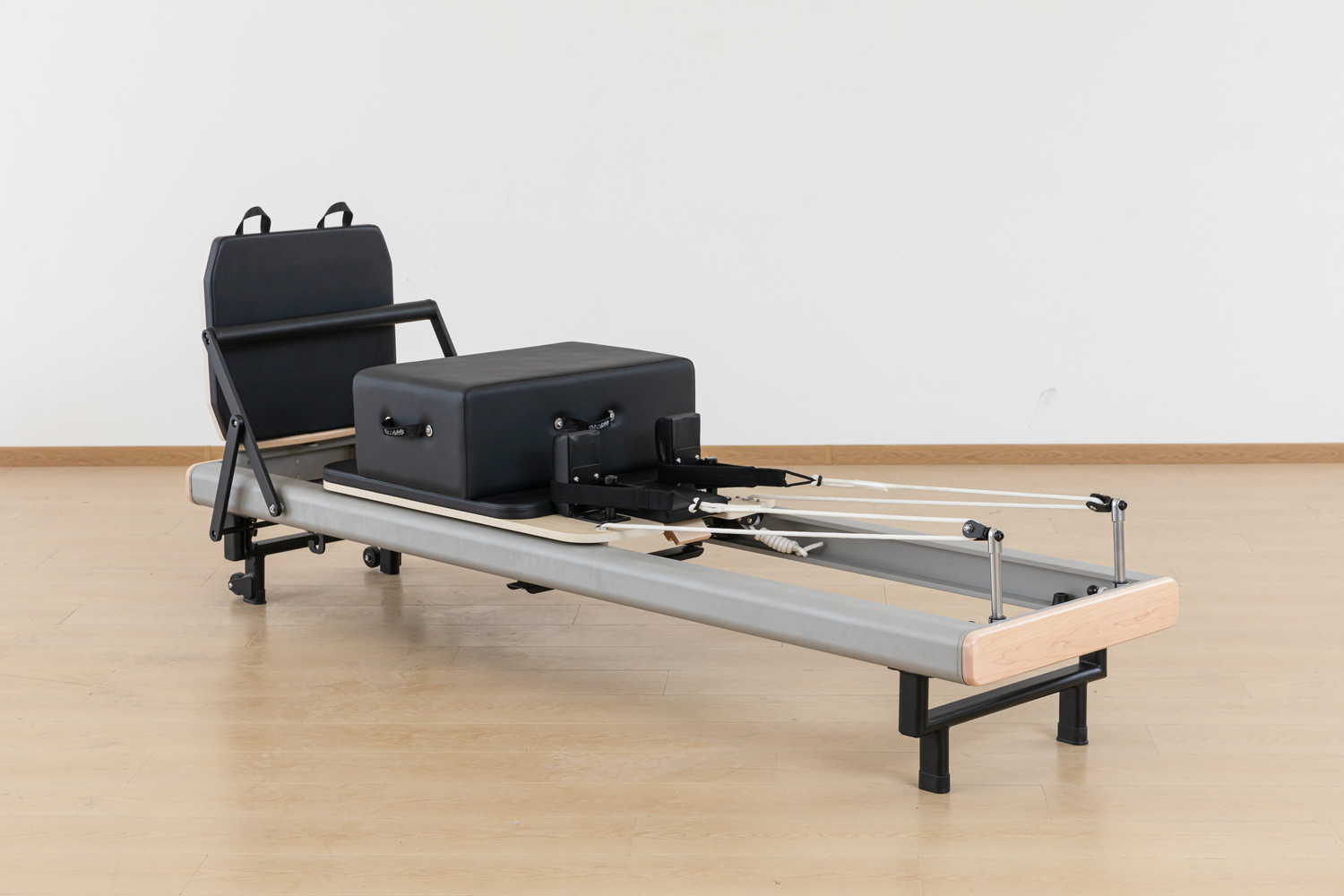
One of the biggest advantages of owning a Pilates Reformer is being able to practice daily. Yet many people buy one and then have no idea what to do — either they bookmark a bunch of "advanced tricks" from social media that they can't actually perform, or they repeat the same few exercises until they lose interest.
These five exercises are what I consider the "foundational movement library" for any Reformer user. They cover four dimensions: spinal articulation, core stability, lower body strength, and back/shoulder activation. The movements themselves are not complex — but the point of the practice is control, not "completion."
Practice frequency: Pick 2-3 exercises daily, or do all 5 for a complete 20-25 minute workout.
Exercise 1: Pelvic Curl
Focus: Spinal articulation + Hamstring activation + Pelvic control
Spring: Light spring (e.g., 1 red or yellow light spring)
Steps:
·Lie supine on the carriage, feet on the footbar, knees bent at 90°, feet hip-width apart
·Shoulders on shoulder rests, arms by your sides, palms down
·Inhale to prepare; exhale, articulate the spine up from the tailbone, lifting the pelvis off the carriage
·Keep ribs down — the goal is "articulation," not "height"
·Inhale, roll down one vertebra at a time
Key cue: The "curl" is about segmental spinal movement — not using the rectus abdominis to yank your whole back up. Slower is harder, and harder means your deep stabilizers are engaged.
Common errors: Neck/ shoulder compensation, using lower back extension instead of glute engagement, slamming back down.
Exercise 2: Leg Stretch (Parallel / Turned Out)
Focus: Core control + Lower body strength + Hip mobility
Spring: Medium or medium-heavy spring (e.g., 2 springs)
Steps:
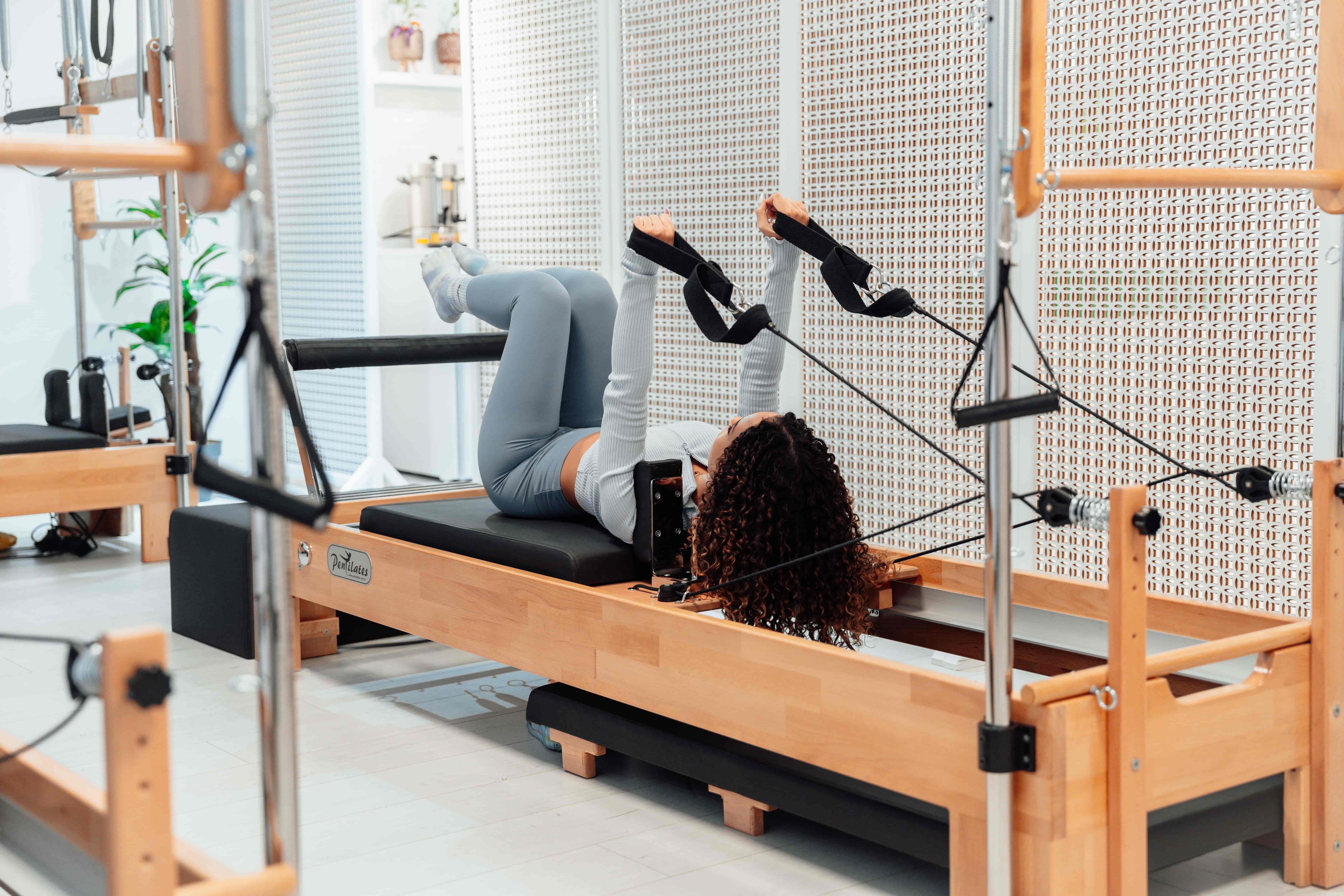
·Lie supine, knees pulled toward chest, feet on the footbar (parallel or Pilates stance)
·Hands on straps/ropes, positioned above knees
·Inhale, stabilize knees at chest with abdominal engagement
·Exhale, slowly extend legs forward, keeping knees soft
·Inhale, return knees to chest
Key cue: The goal isn't "pushing as far as possible" — it's "keeping core stability while extending." If your lower back lifts off the carriage, your core isn't locked or the spring is too heavy.
Common errors: Overpowering with the arms instead of pressing through the footbar, pelvic tuck causing low back arching, holding breath.
Exercise 3: Seated Row
Focus: Upper back strength + Scapular stability + Thoracic extension
Spring: Medium (1-2 springs)
Steps:
·Sit on the carriage, feet on the frame crossbar, knees bent, hands on straps/ropes
·Sit tall, crown of head lifting, shoulder blades sliding down the back
·Exhale, pull the straps toward your body using back muscles — elbows move back, shoulder blades retract
·Inhale, return to start with control
Key cue: This is a "back" exercise, not an "arm" exercise — imagine your elbows traveling backward, not your hands. Shoulders stay down.
Common errors: Shrugging (upper traps taking over), low back arching (core losing stability), using momentum to snap back.
Exercise 4: Side-Lying Abduction
Focus: Gluteus medius + Lateral line stability + Hip stability
Spring: Light to medium (1 light spring or 1 medium spring)
Steps:
·Lie on your side on the carriage, top foot on the footbar, bottom foot on the carriage or hovering
·One hand in front for balance, other hand behind your head or on your torso
·Inhale to prepare; exhale, push the top leg outward using gluteus medius, pushing the carriage
·Keep pelvis stable, body from rolling backward
·Inhale, return to start with control
Key cue: Push, don't kick. Body should feel like a straight line.
Common errors: Rolling backward (losing lateral stability), using front of thigh instead of glute, moving too fast to maintain control.
Exercise 5: Supine Leg Circles (or Supine Glides)
Focus: Deep core stability + Hip flexor length + Control
Spring: Light (1-2 light springs)
Steps:
·Lie supine on the carriage, knees bent, feet flat on the carriage (not footbar), arms by sides
·Inhale to prepare; exhale, slowly pull knees toward chest, allowing hips to lift slightly off the carriage
·Pause at the bottom; inhale, use abdominal strength to slowly return legs to start
Key cue: This is the ultimate "control" test — easiest to cheat with momentum. The slower the return, the more your core works. If your low back arches during return, reduce spring load or shorten the range.
Common errors: Low back lifting off the carriage (insufficient core), using momentum to swing legs back, holding breath.
Daily Practice Recommendations
Full workout day: Do all 5 exercises, 3-5 breath cycles each — approximately 25 minutes.
Short workout day: Do Exercise 1 + Exercise 3 + Exercise 5 — approximately 12-15 minutes, still covering spinal work, back strength, and core control.
First two weeks for beginners: Only Exercises 1 and 5, 4-5 times per week. Build core awareness and control before adding the rest.
Summary: Daily Reformer practice isn't about how complex your moves are — it's about whether every glide, every curl, every pull is being performed with control. These five exercises cover the four foundational dimensions of Pilates training. If you can do 2-3 of them daily, a year from now your movement quality will be at a completely different level from those who only "take classes" but never practice at home.