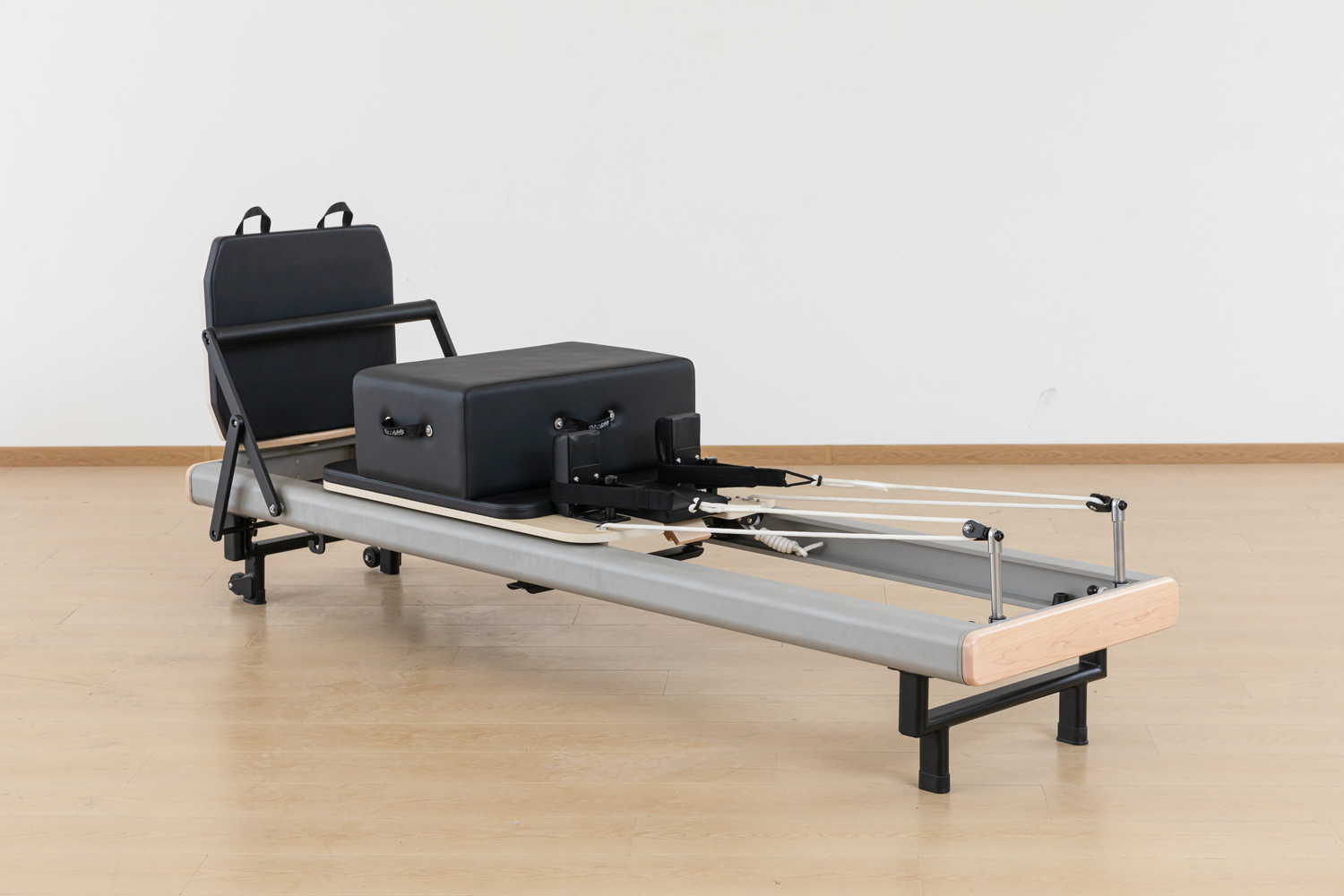
Wooden Pilates Bed Aesthetic: Match Your Modern Home Decor

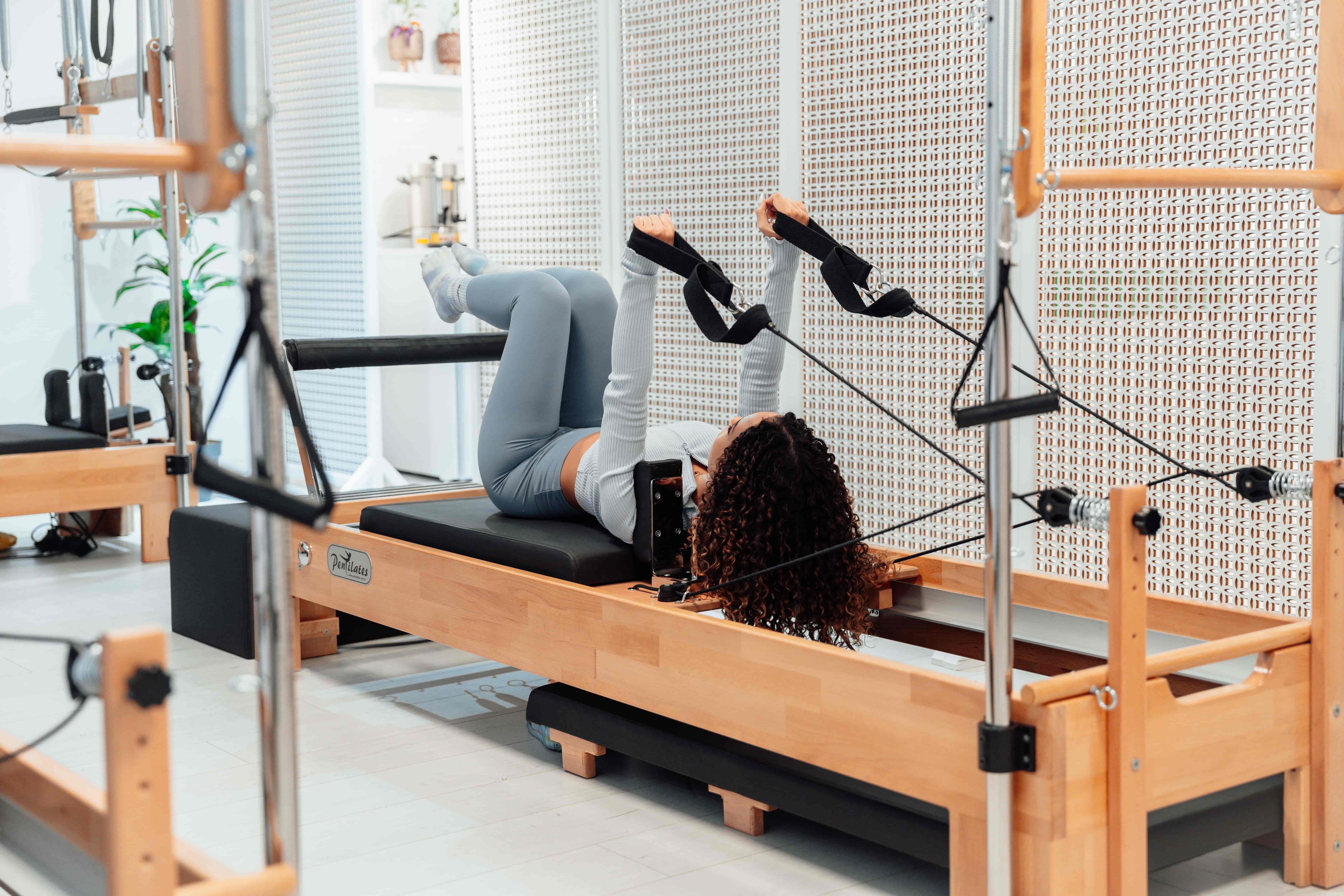
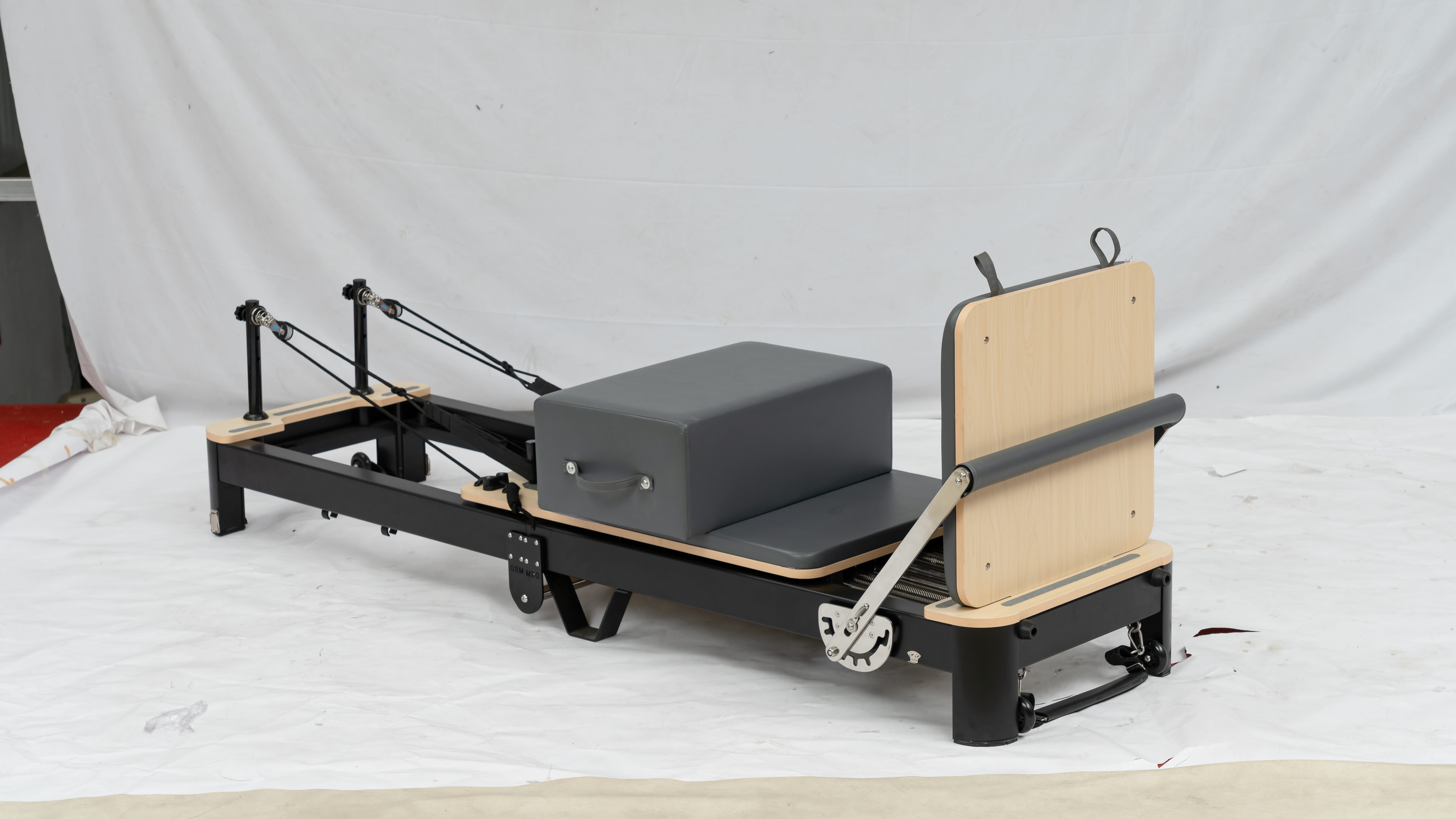
The Pilates reformer was once something you only saw in professional studios — metal frames, industrial design, bulky, and not particularly attractive. But in recent years, wooden Pilates reformers have been changing that perception. They are no longer pieces of equipment you need to "hide away," but pieces you actually want to "leave out."
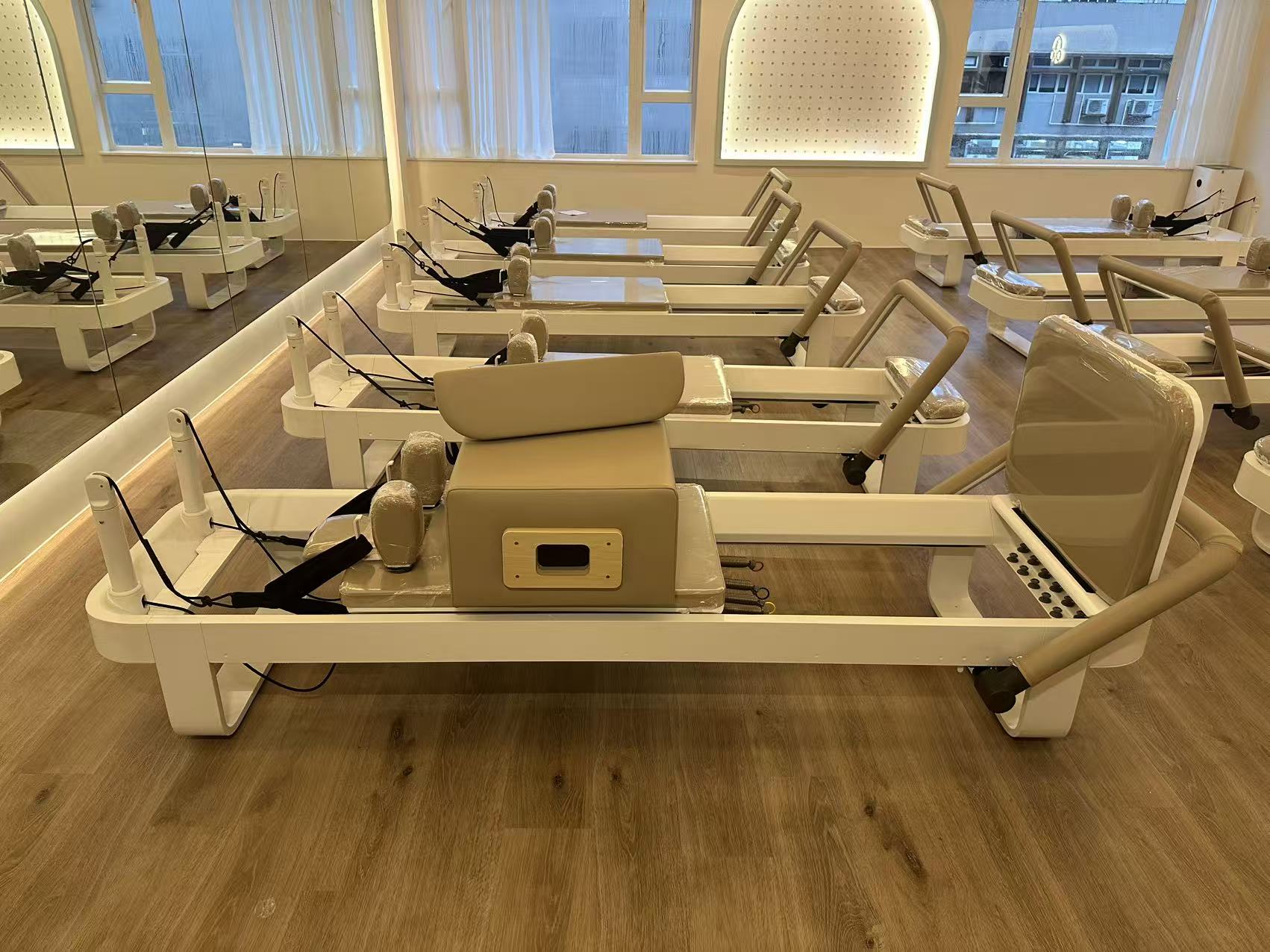
When a warm, solid-wood reformer appears in a corner of your living room, beside a bedroom window, or in a sunroom, it no longer feels like "gym equipment" — it feels more like a piece of Scandinavian furniture: calm, understated, and textured. This aesthetic shift is the core reason wooden reformers are gaining popularity among home users.
I. Why Wood Works Better in Home Spaces
The biggest difference between wood and metal isn't about "pretty" or "ugly" — it's about "temperature." A metal-framed reformer says "equipment" — function, efficiency, industrial standards. A wood-framed reformer says "furniture" — warmth, texture, daily companionship.
This distinction matters especially in home environments. A living room with a metal reformer can feel like "a gym took over." A living room with a solid-wood reformer feels more like "someone who loves movement lives here".
Key advantages of wood reformers for home aesthetics:
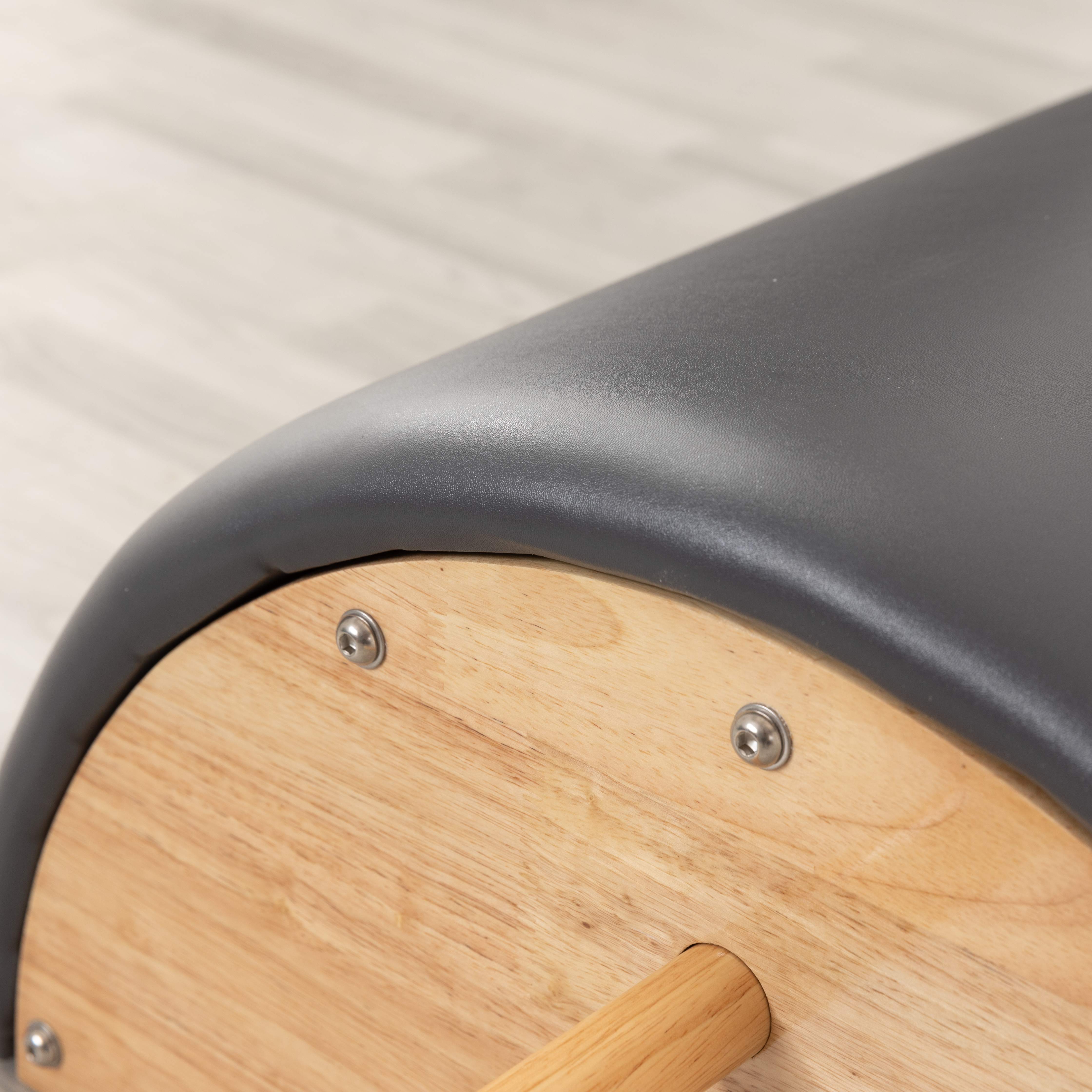
Texture and warmth: The grain of natural woods like oak, maple, and beech is unique — no two pieces are identical. This "imperfect" natural quality is exactly what modern interior design values. The sensation of bare feet on warm wood is completely different from cold metal or plastic.
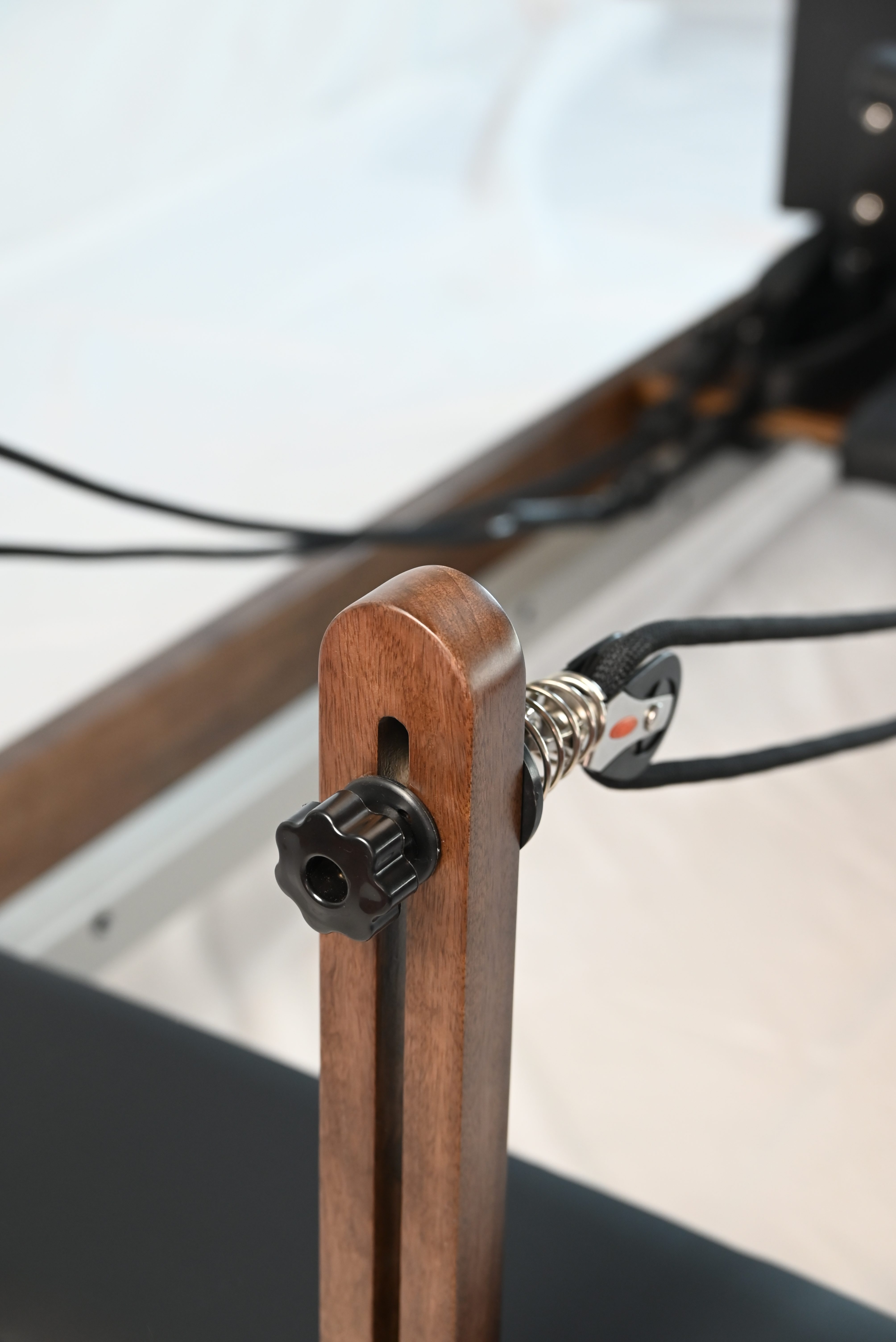
Color versatility: Light woods (white maple) suit Scandinavian and Japanese minimalist styles; warm woods (oak) suit vintage and mid-century styles; dark woods (walnut) suit industrial and dark-toned spaces. Wooden reformers naturally fit different interior styles, while metal frames typically offer only "silver" or "black".
Quiet operation: Wooden frames absorb vibration and noise better than metal. The gliding sound on a wood reformer is more "damped," while metal frames can sometimes resonate or create friction noise — important in home environments where quietness matters.
Better aging: Scratches on metal frames look "worn out." On wood, minor marks from use create a "patina" — they become part of the story, not evidence of damage.
II. Matching Wood Reformers with Different Home Styles
Scandinavian Minimalist
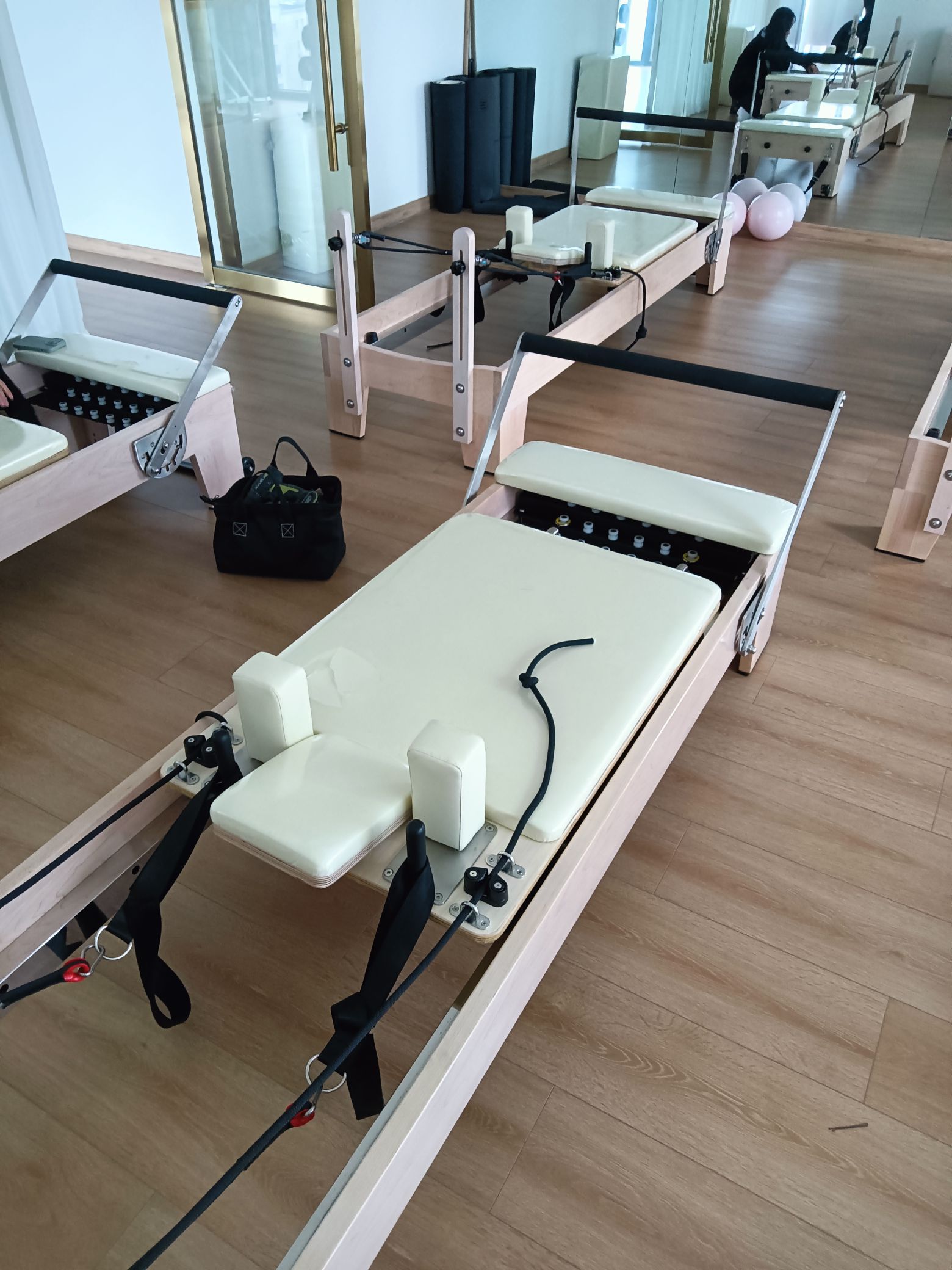
The essence of Scandinavian style is "light, airy, functional, and beautiful." White maple or light beech frames blend naturally with white walls, light wood floors, and grey fabric sofas. Place the reformer near a window — natural light on the wood grain makes the whole space feel warmer and more open.
Mid-Century / Vintage
This style favors warm tones, dark woods, and retro textures. Oak-framed reformers are ideal here, paired with dark walnut floors, rattan furniture, and brass lighting — the reformer becomes a "natural presence" rather than an intrusion.
Japanese Minimalist
Japanese style emphasizes wabi-sabi — the beauty of imperfection. Light wood with clean, simple lines is key. Choose a foldable wooden reformer that stands against the wall when not in use — like a movable side cabinet that doesn't break the room's calm.
Modern Eclectic
If your home doesn't follow a rigid style, a wooden reformer is actually the safest choice. It coexists with metal lamps, leather sofas, concrete walls — the warmth of wood contrasting with industrial materials creates a sophisticated modern look.
III. Practical Placement Tips
Location: By a living room window, in a bedroom corner, or in a sunroom. The key isn't square footage — it's light. Natural light shows wood grain at its best. If your room isn't very bright, choose lighter wood (like white maple) which reflects light better.
Storage: If space is limited, choose a foldable wooden reformer. When folded, thickness is typically 15-20cm — it can stand against a wall or slide beside a wardrobe, barely taking up visual space.
Maintenance: Wood reformers prefer consistent humidity (40%-60%) and protection from direct sunlight. Dust weekly with a dry cloth, and apply beeswax or wood oil occasionally for extra protection.
Summary: The value of a wooden Pilates reformer is that it transforms home practice from "making do" to "making it count." It's no longer a piece of equipment you tuck away — it's a piece of furniture you live with. Of course, wooden frames are typically heavier than aluminum — they take more effort to move and fold. But for users who value aesthetic coherence in their home, that weight brings stability, security, and a sense of quality that makes it worth it.