How to Maintain Your Home Pilates Reformer to Avoid Squeaking
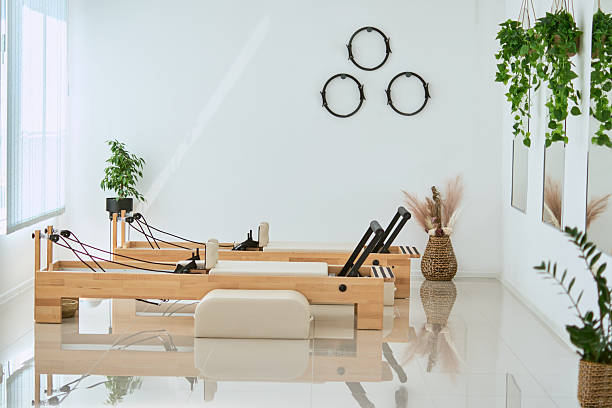
One of the most enjoyable aspects of a new Pilates reformer is its smooth, quiet glide. However, with regular use, many home users notice various sounds emerging — faint squeaks, grinding during glides, metallic spring noises. These sounds not only disrupt training focus but also make the machine feel cheap.
The good news is that most noise can be prevented or eliminated — without specialized tools or costly repairs. This article provides a comprehensive noise-reduction guide covering root causes, daily maintenance, and targeted fixes.
I. Where Does the Noise Come From?
Home reformer noise typically comes from five areas. Understanding the source is key to solving the problem.
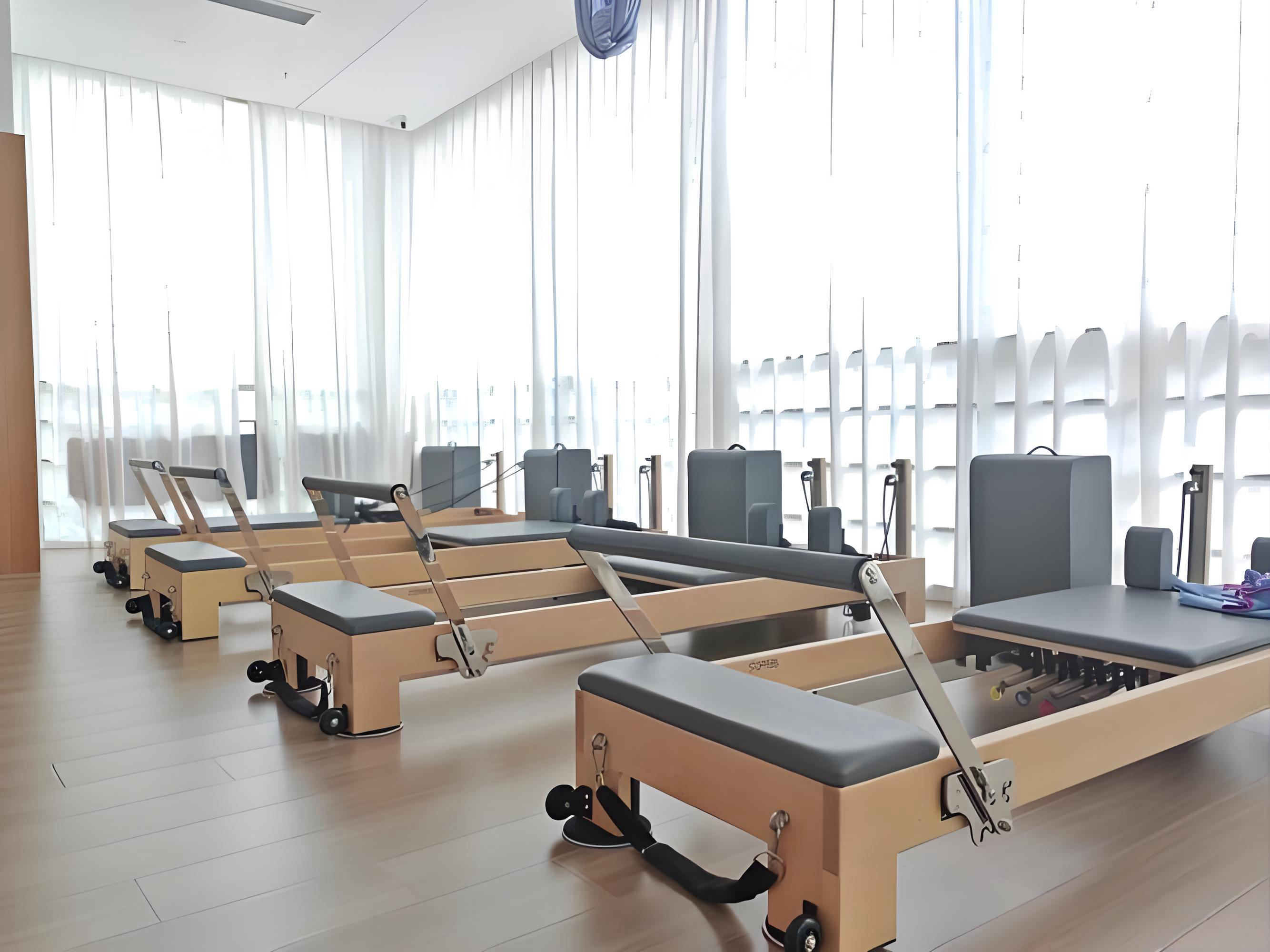
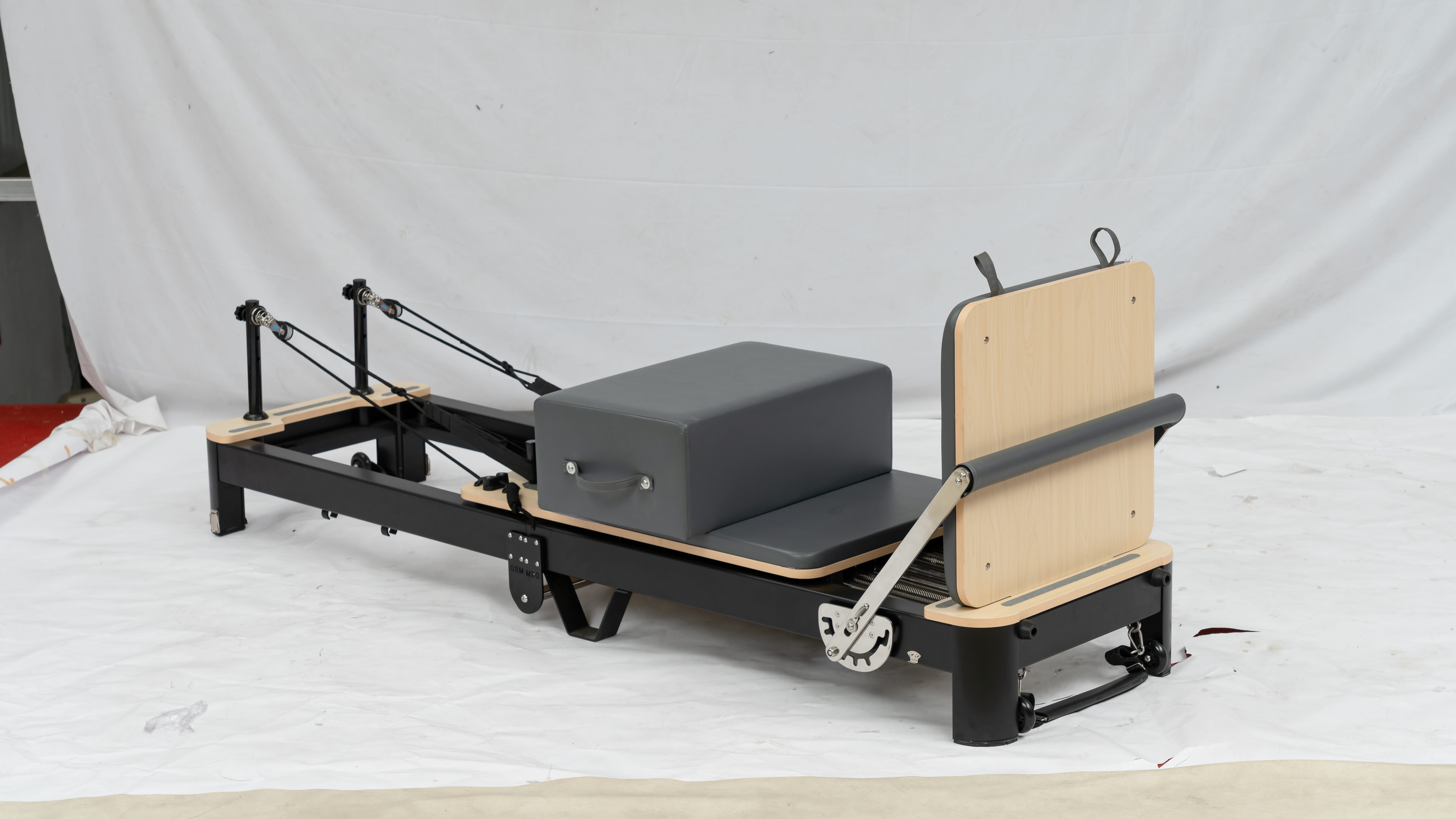
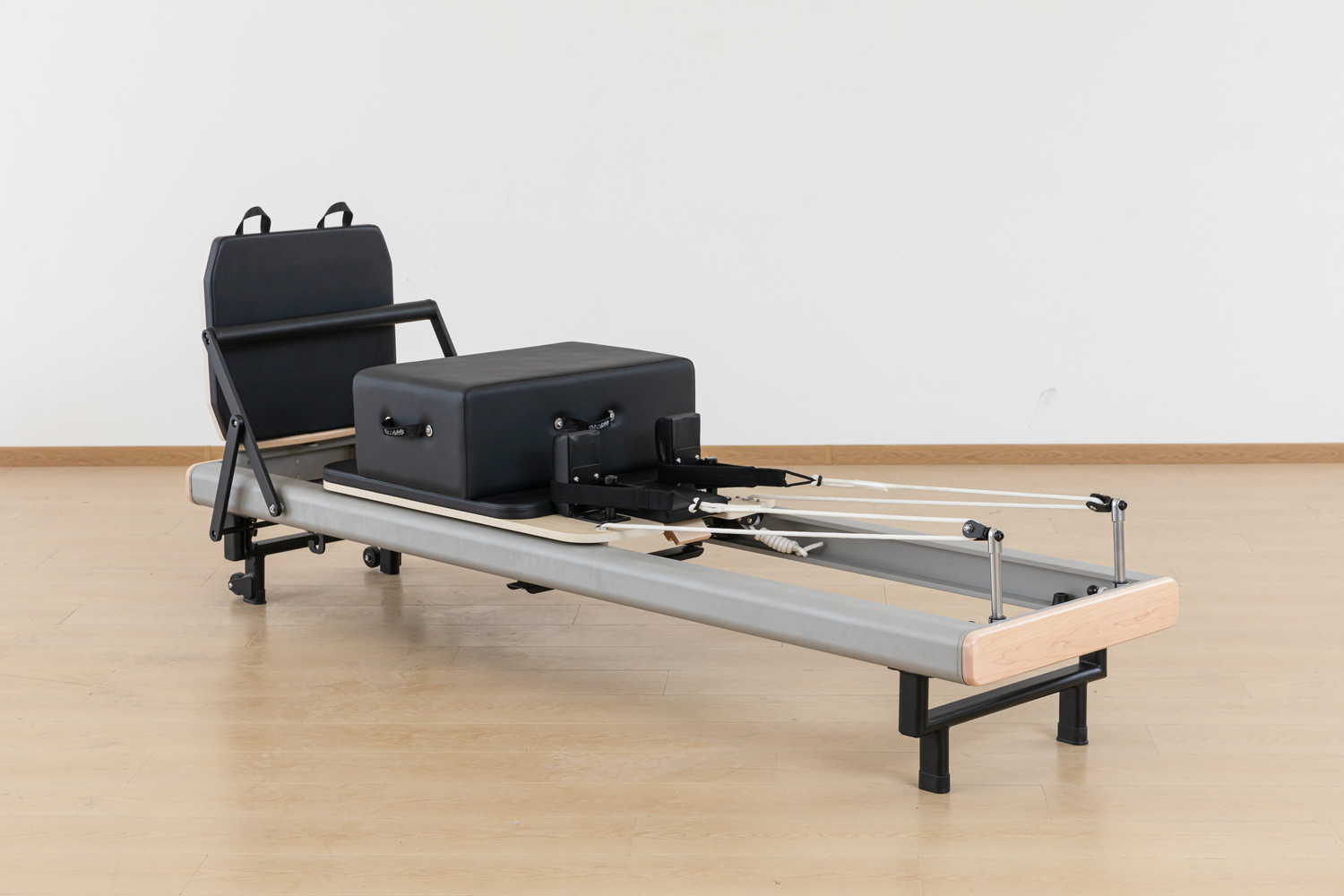
- Rail and wheel friction is the most common source of reformer noise. As the carriage slides along aluminum or chrome-plated steel rails, friction between wheels and rails creates continuous rubbing sounds. This is especially common on budget equipment where rails have limited precision and only a thin layer of rust-preventive oil is applied at the factory — once that oil evaporates, friction between metal and plastic becomes audible.
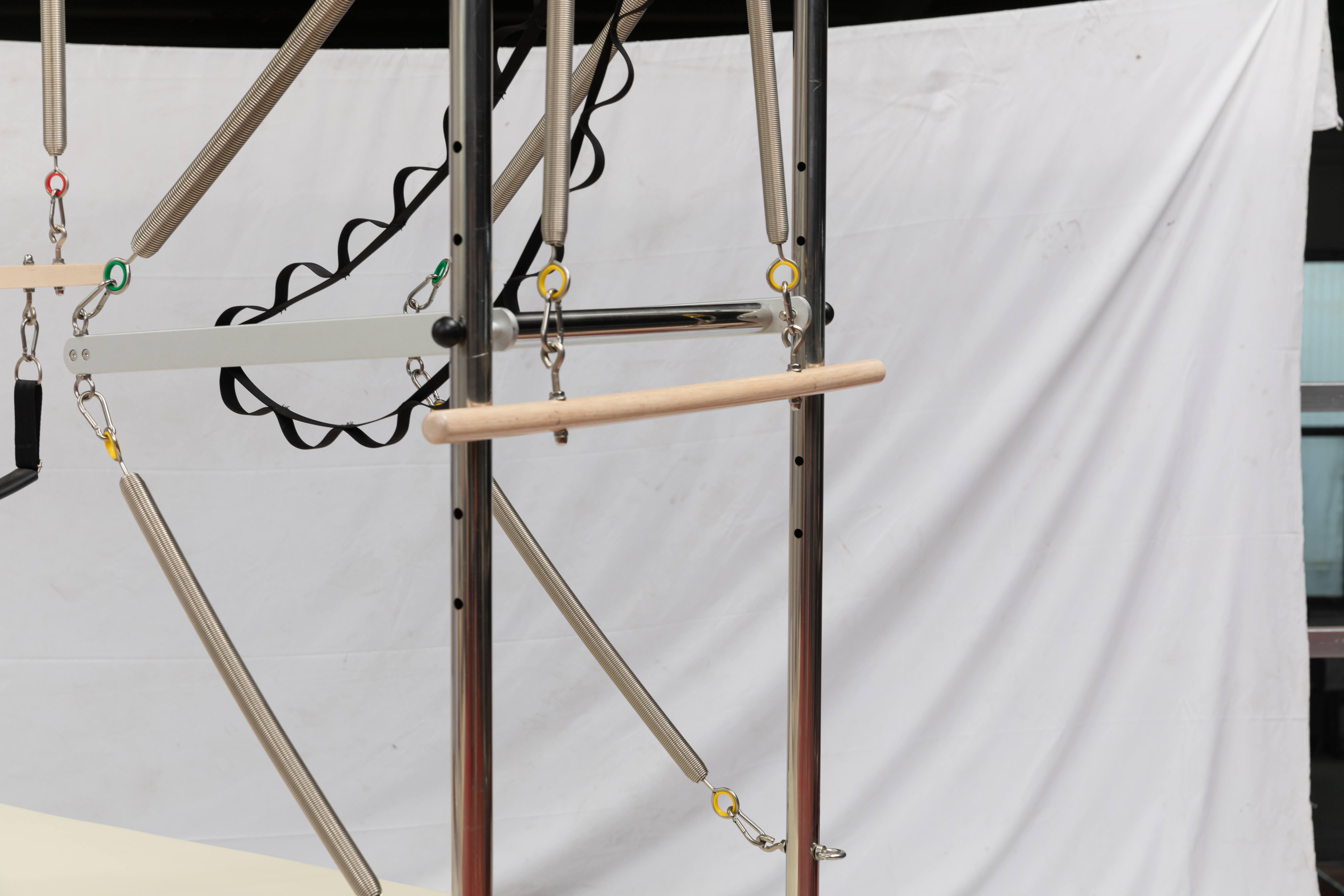
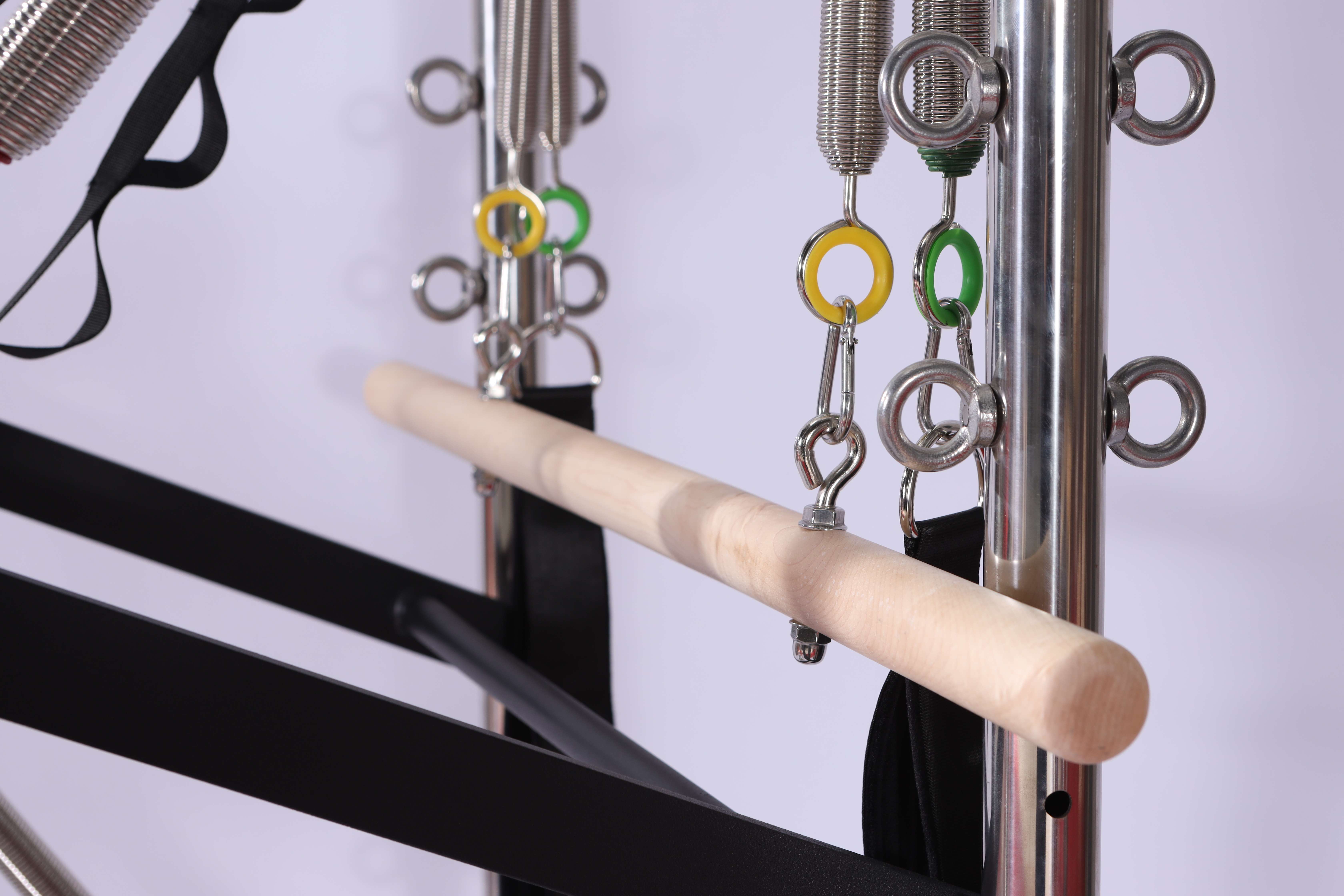
- Spring metal vibration and friction is another frequent noise source. When springs extend and retract, the hook-to-mount contact point can produce metallic squeaking. When multiple springs are used side by side, adjacent springs may rub against each other during stretching, creating a hissing or buzzing sound. Cheap springs can also resonate at specific points in the carriage travel, producing a "twanging" sound.
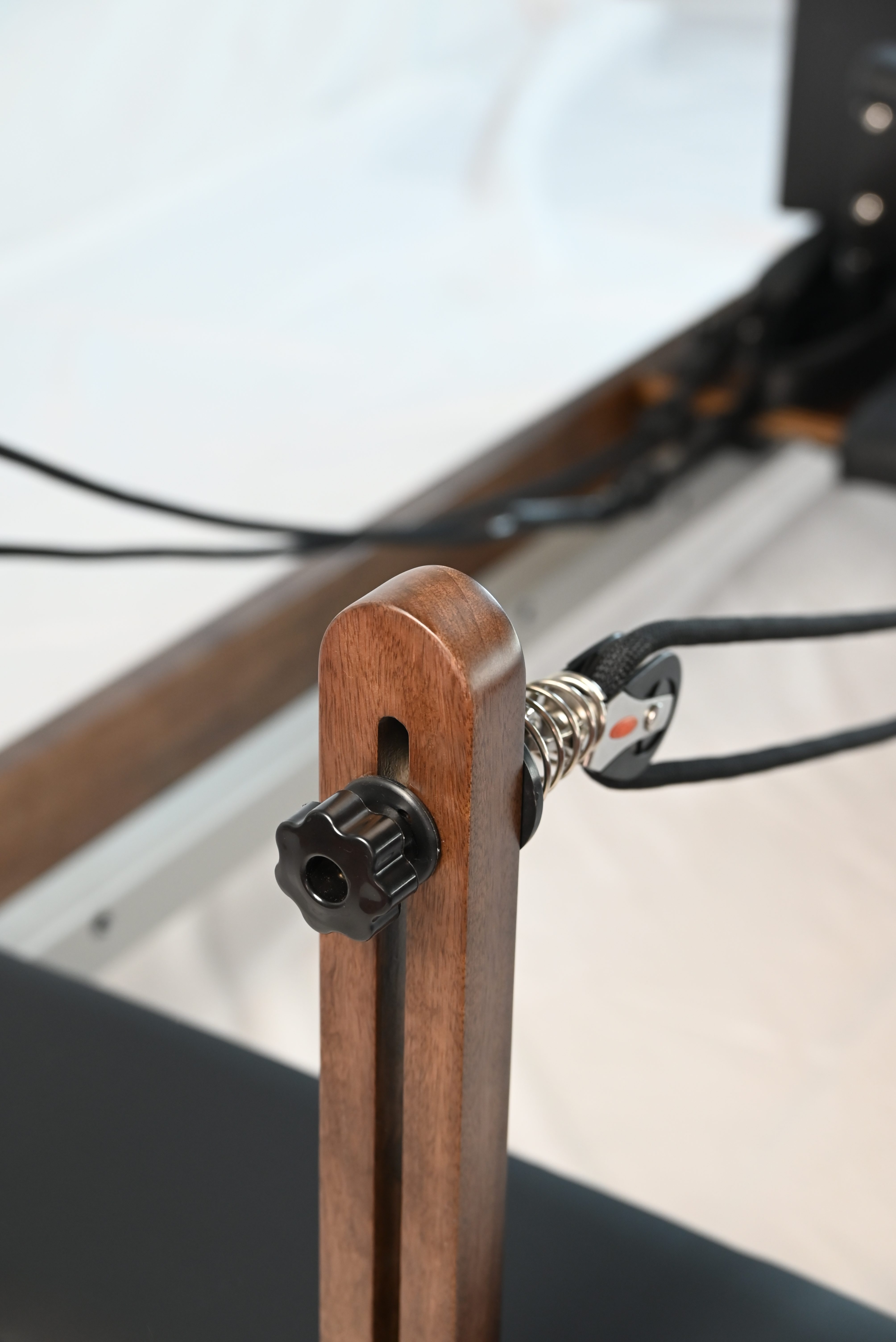
- Loosening frame and fastener connections is often overlooked. Continuous low-frequency vibration during use gradually loosens screws and bolts at various connection points. Loose fasteners produce clicking or creaking sounds during carriage movement, particularly during exertion.
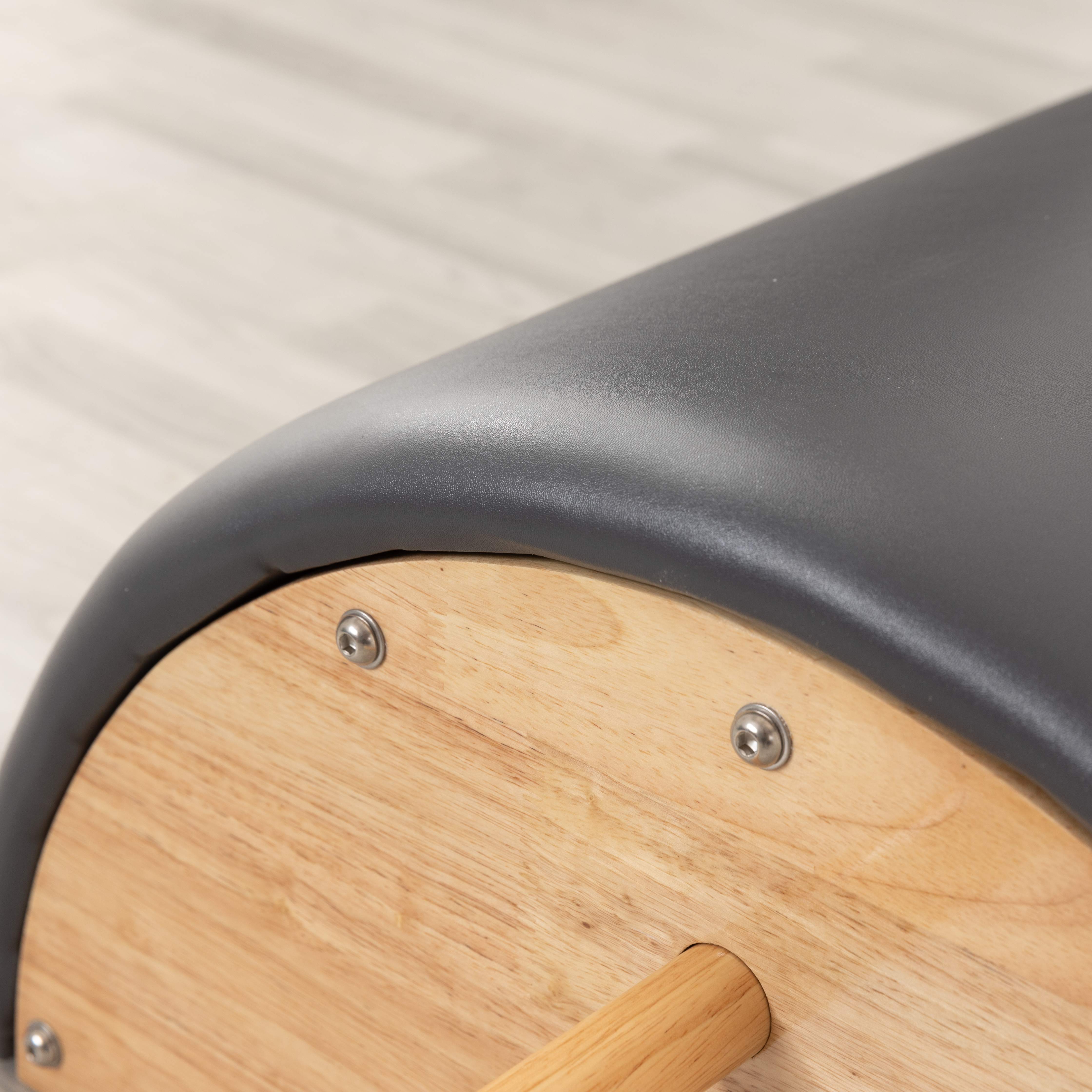
- Leather and foam compression sounds may seem surprising but are real. When leather surfaces rub against frame edges, or foam shifts against its base under pressure, dull compression sounds can occur. This typically appears at contact points between upholstery edges and metal frames.
- Rope and pulley friction is less common but worth checking. When ropes pass through pulleys, accumulated dust or worn bearings create rough friction sounds during pulls.
II. Daily Maintenance: Prevention Beats Repair
The following maintenance routine is recommended weekly. A machine used daily deserves 5 minutes of care per week — far less painful than half a day of disassembly six months later.
Rail cleaning and lubrication is the core operation for noise prevention. Wipe rail surfaces with a clean dry cloth to remove dust, lint, and old oil residue. Apply a light spray of silicone lubricant to the rails — a little goes a long way; avoid getting it on leather and straps. Slide the carriage 5-8 times to distribute evenly. Critical warning: Never use WD-40 or ordinary oil — these attract dust and form an abrasive paste that accelerates wear.
Fastener inspection every two weeks. Using the provided hex wrench or screwdriver, check all visible bolts and screws — frame connections, footbar mounts, shoulder rest mechanisms, spring hook brackets. Tighten until you feel resistance — over-tightening can damage threads.
Spring inspection monthly. Check each spring for deformation, cracks, hook wear, or rust. Stretch springs manually and observe return speed — significantly slower return indicates fatigue. Check hook contact points for metal wear marks; if present, apply a small amount of lithium grease.
Wheel inspection also monthly. Rotate wheels manually to feel smoothness. Noticeable resistance or wobble indicates bearing wear or debris ingress. Check wheel surfaces for cracks or unusual wear patterns.
III. Targeted Fixes for Common Noises
Issue 1: Continuous scraping/creaking during glides. This indicates inadequate rail lubrication. First clean rails thoroughly, then reapply silicone lubricant. If noise persists, check for scratches or burrs on rail surfaces — lightly sand with fine sandpaper along the rail direction, then wipe clean.
Issue 2: Clicking/clunking at specific carriage positions. Likely due to uneven rail joints or loose mounting screws. Check rail joint gaps and fasteners — tighten loose ones. For stepped joints, insert thin shims at the gap.
Issue 3: Spring buzzing or metallic vibration. Check spring hook contact points — apply a small amount of lithium grease if dry. If adjacent springs are rubbing, insert thin rubber spacers between them.
Issue 4: Squeaking leather friction during carriage movement. Check upholstery edges contacting the metal frame — apply thin felt or Teflon tape at contact points.
IV. Long-Term Maintenance Recommendations
Create a maintenance calendar — write the above operations into your schedule: weekly rail cleaning and fastener checks; monthly spring and wheel inspections; quarterly comprehensive inspection.
Correct usage habits matter. Never let the carriage slam back against the stop under spring tension — always control the return speed. Impact forces accelerate spring fatigue and affect rail precision.
Environmental control is often underestimated. Wood-framed equipment is vulnerable to humidity changes — place in a stable indoor environment away from direct sunlight and AC airflow. Metal parts oxidize in humid conditions — place desiccant packs nearby if needed.
Summary: Over 90% of home reformer noise issues can be prevented through regular cleaning, lubrication, and fastener inspections. The core principle is "prevention first" — 5 minutes of weekly care saves far more time than disassembly and diagnosis six months later. With consistent maintenance, your reformer can remain as quiet and smooth as when it was new, even after years of regular use.