Is Home Pilates Better Than Yoga Mat Workouts? Full Comparison

“Which is better, Pilates or yoga?” Almost everyone who cares about fitness has asked this question. But if we reframe it slightly — for home practice, is a Reformer-based workout better than mat-based bodyweight training? — the answer isn't “which is better,” but “which better fits your goals, your body, and your lifestyle.”
This article compares the two approaches across training logic, intensity, joint-friendliness, space, and cost.
I. Core Differences in Training Logic
Mat-Based Training: Bodyweight Mastery
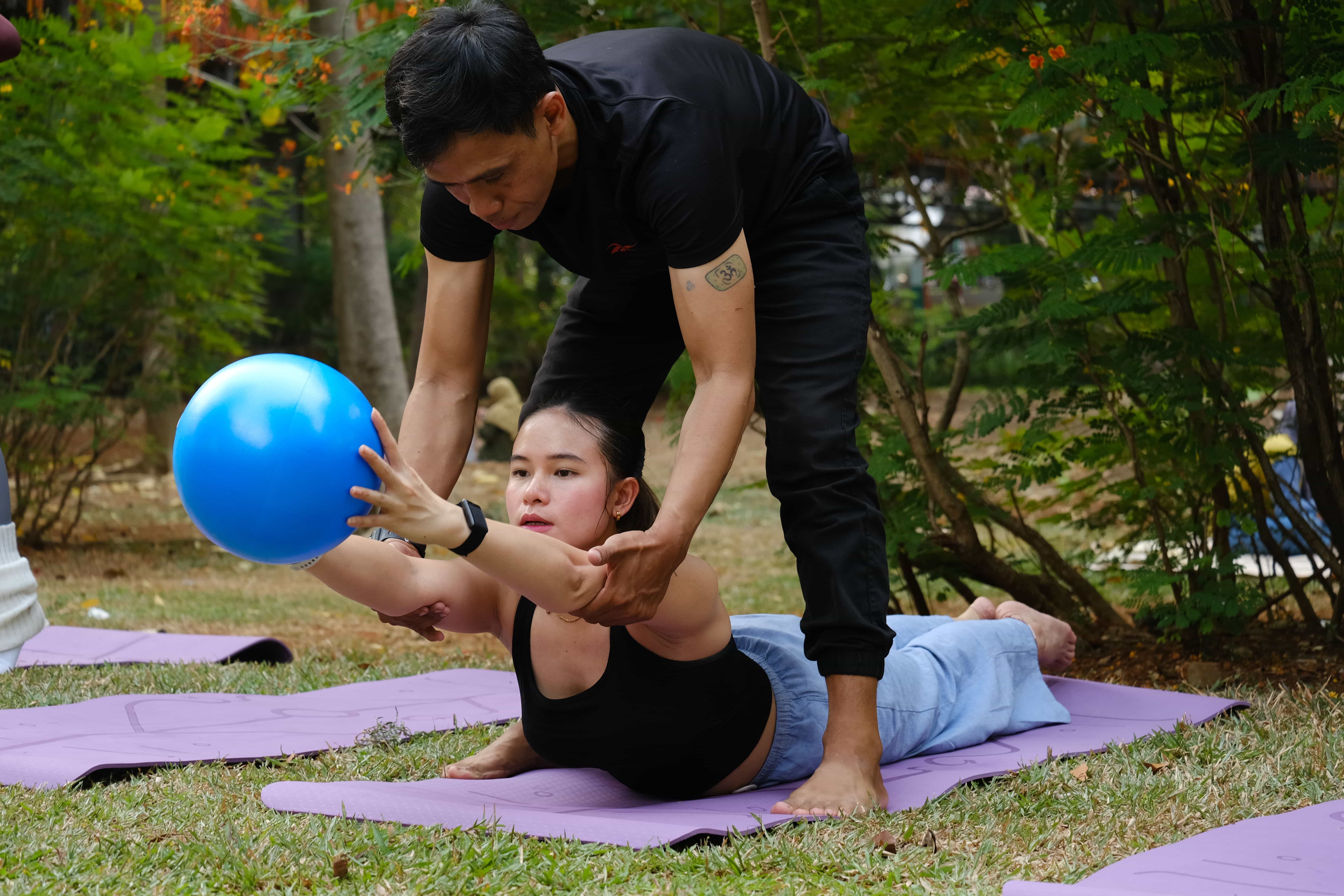
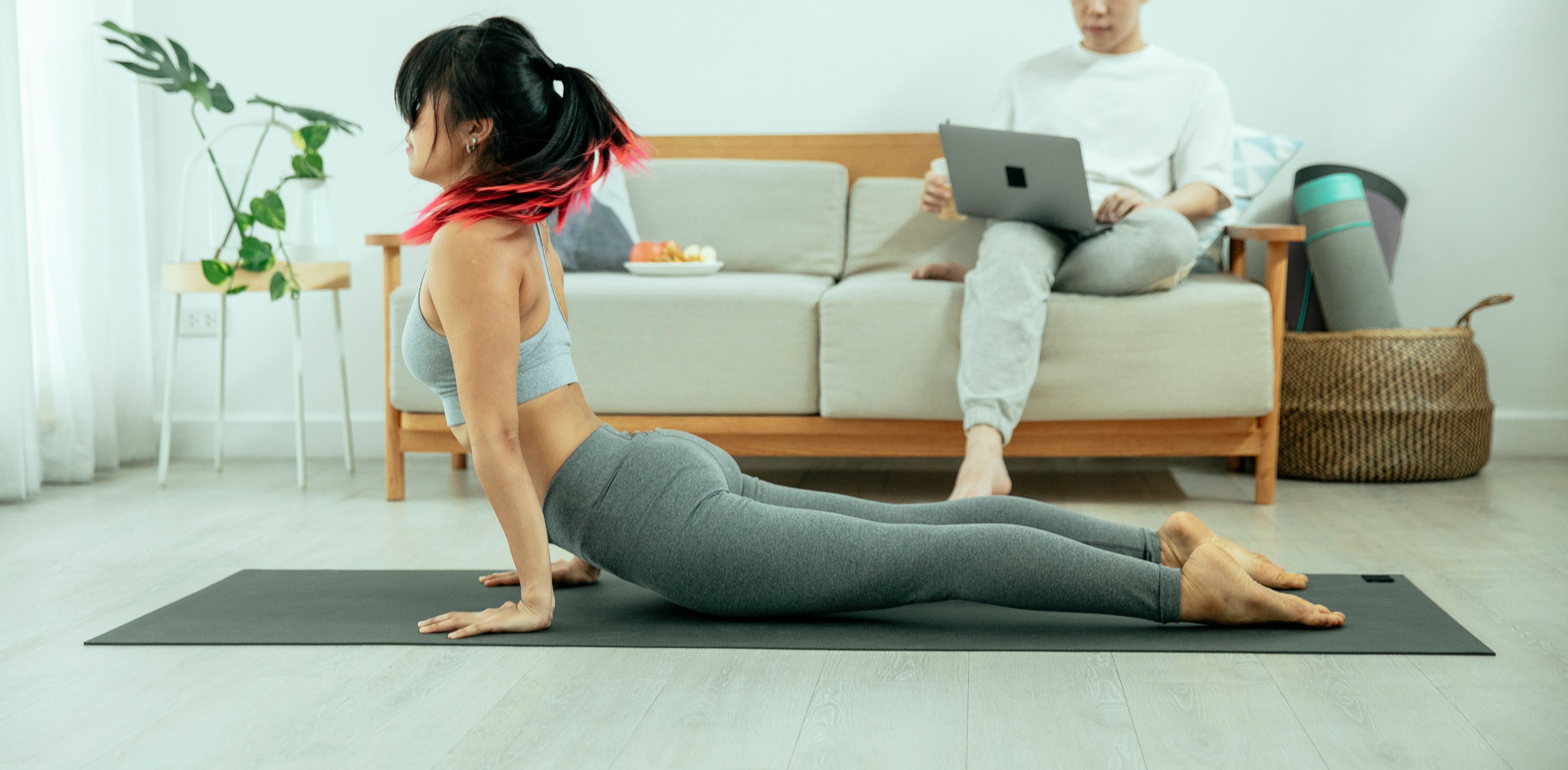
Mat training is fundamentally about bodyweight resistance. Whether it's yoga flows or Pilates exercises like the Hundred or Single Leg Stretch, all resistance comes from gravity and your own control.
The advantage of mat work is its “purity” — it forces you to learn how to control your body without external assistance. As one instructor put it: “On the Reformer, the springs help you 'find' the muscle engagement. On the mat, you have to 'create' it yourself. These are completely different learning pathways.”
Studies have confirmed that mat Pilates effectively improves upper and lower body strength and flexibility. A 2022 study found that 24 weeks of mat Pilates significantly improved these metrics in breast cancer survivors undergoing hormone therapy .
Reformer Pilates: Amplified Precision
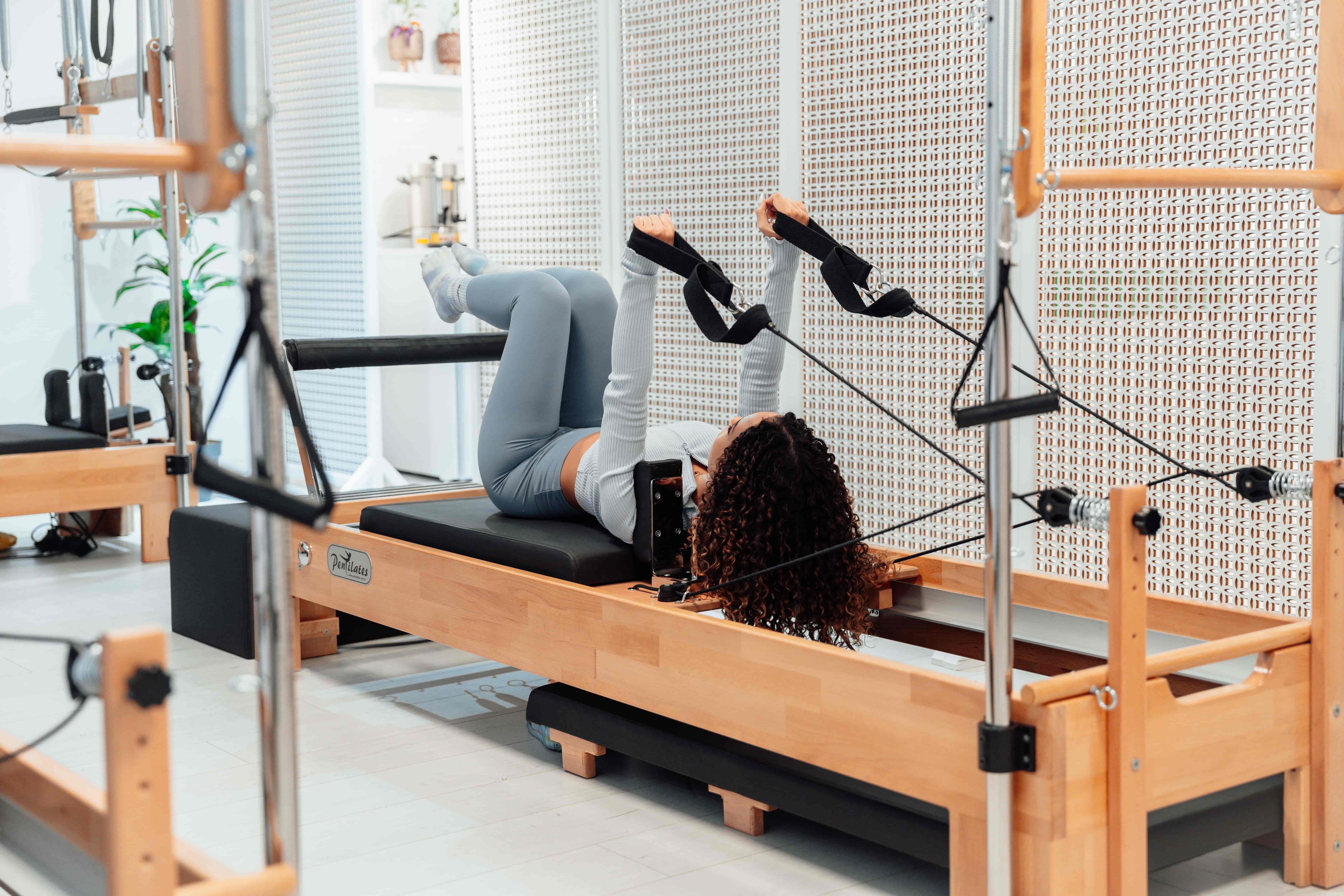
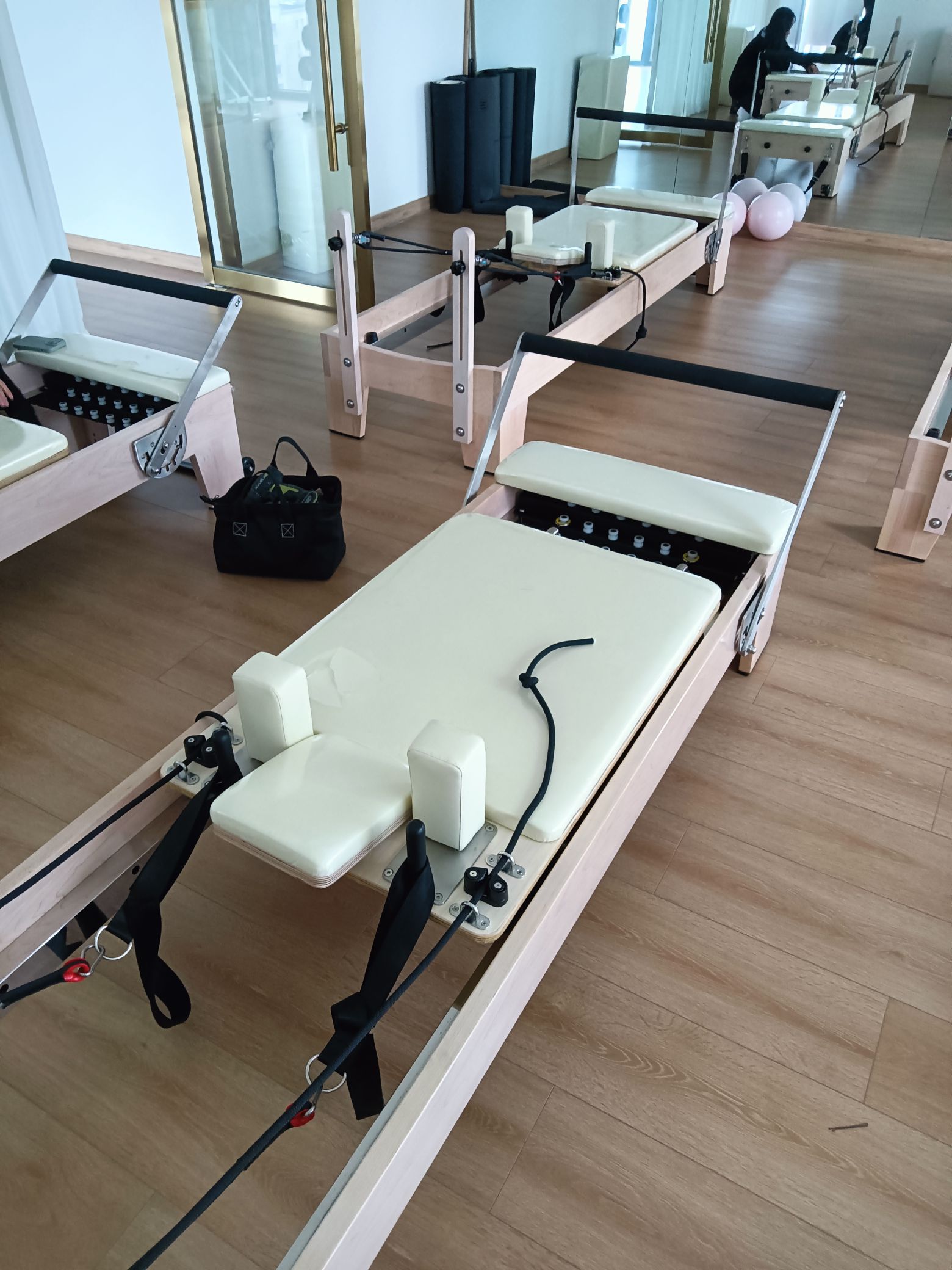
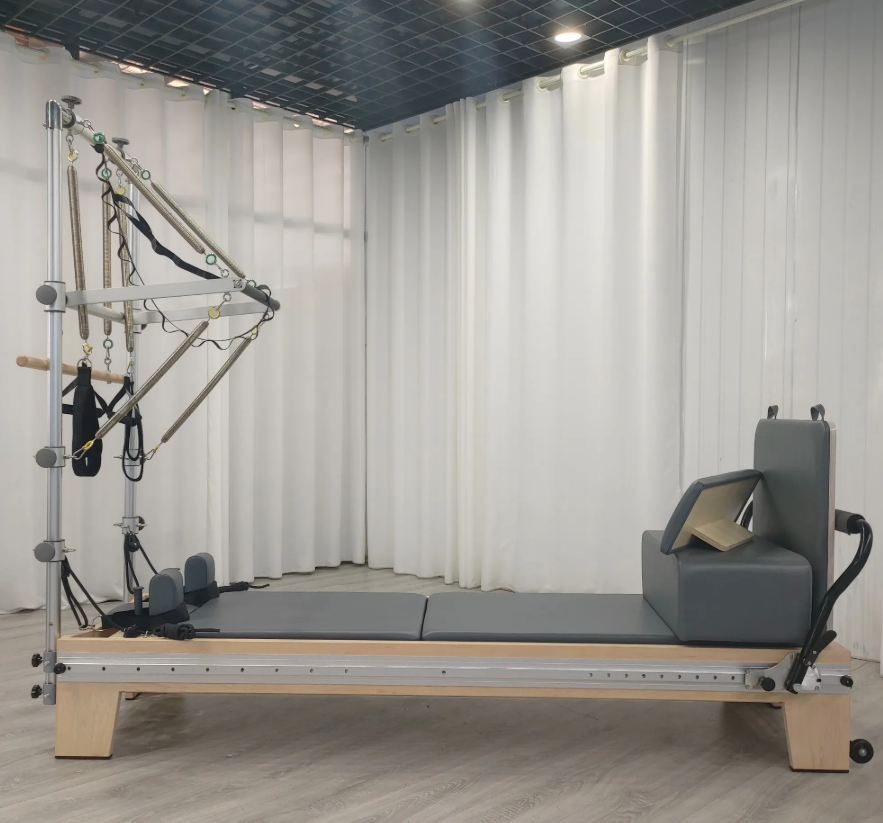
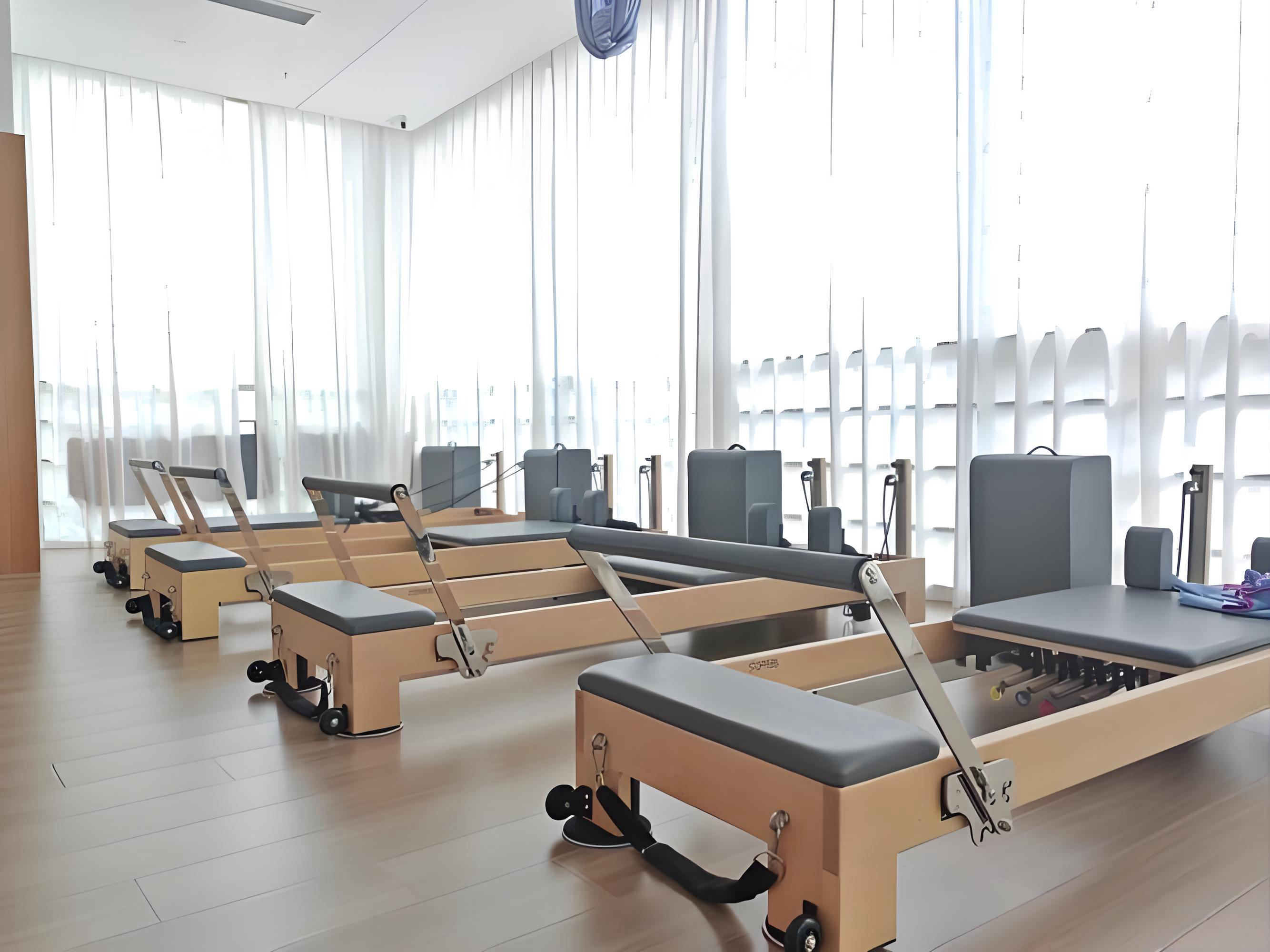
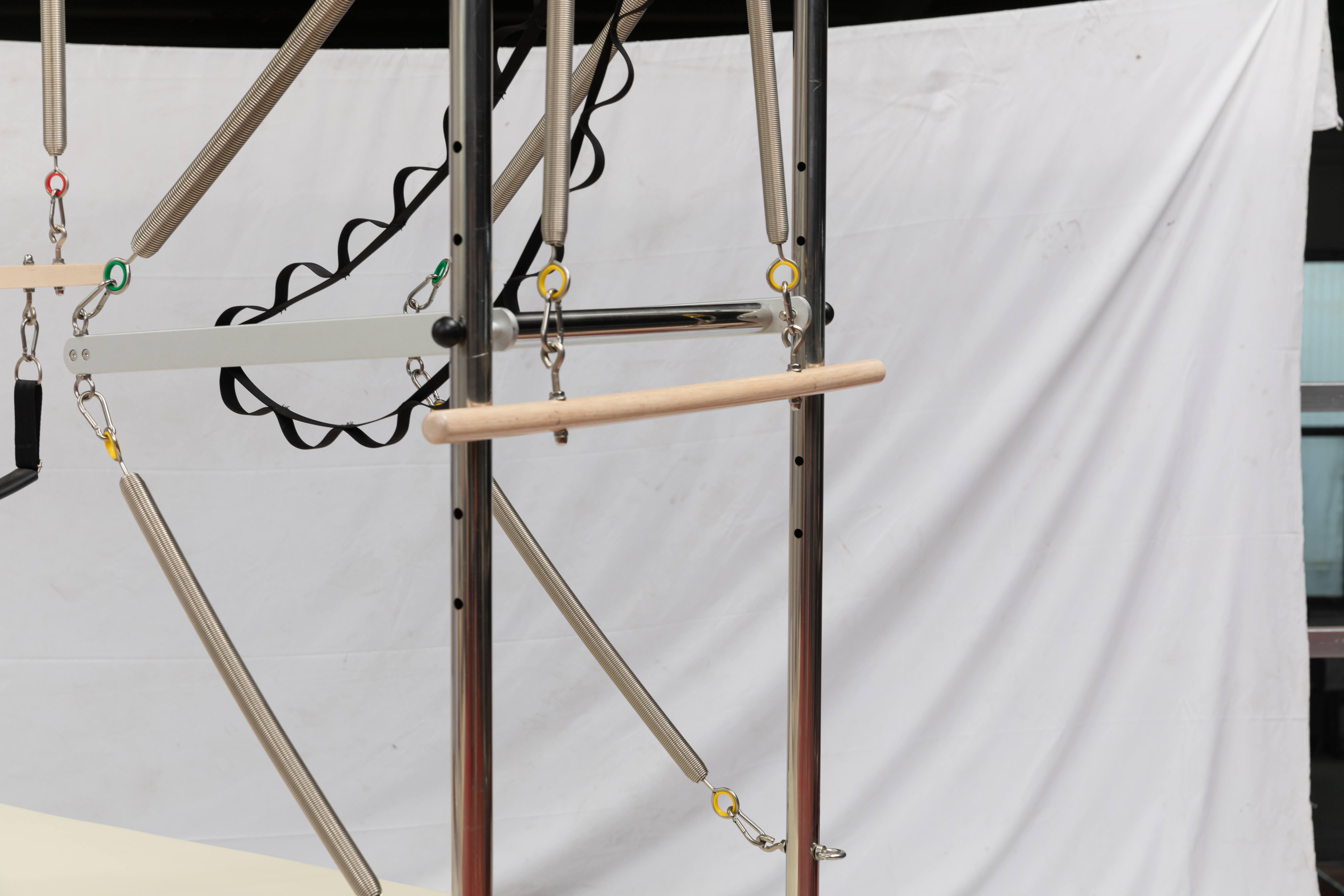
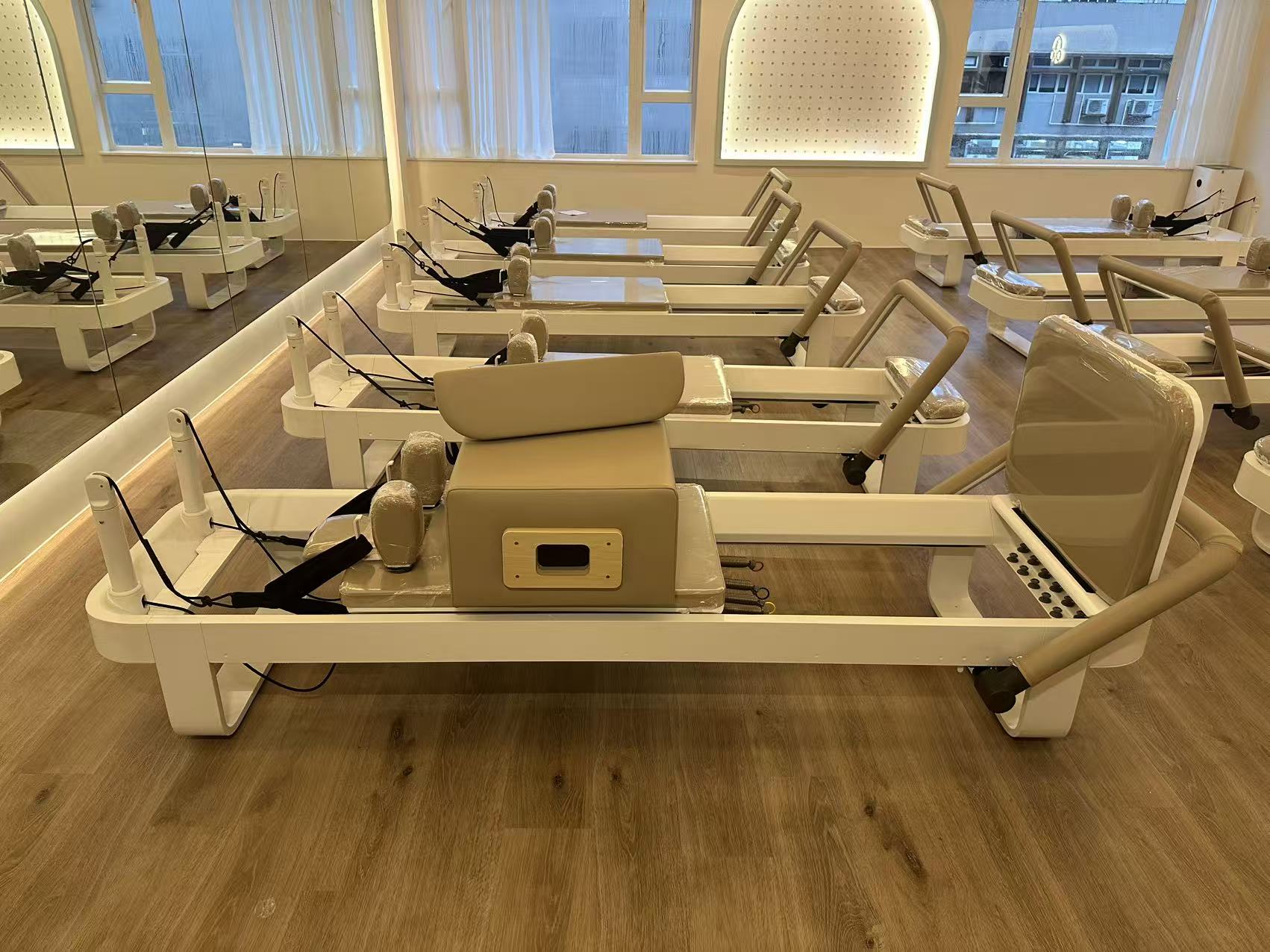
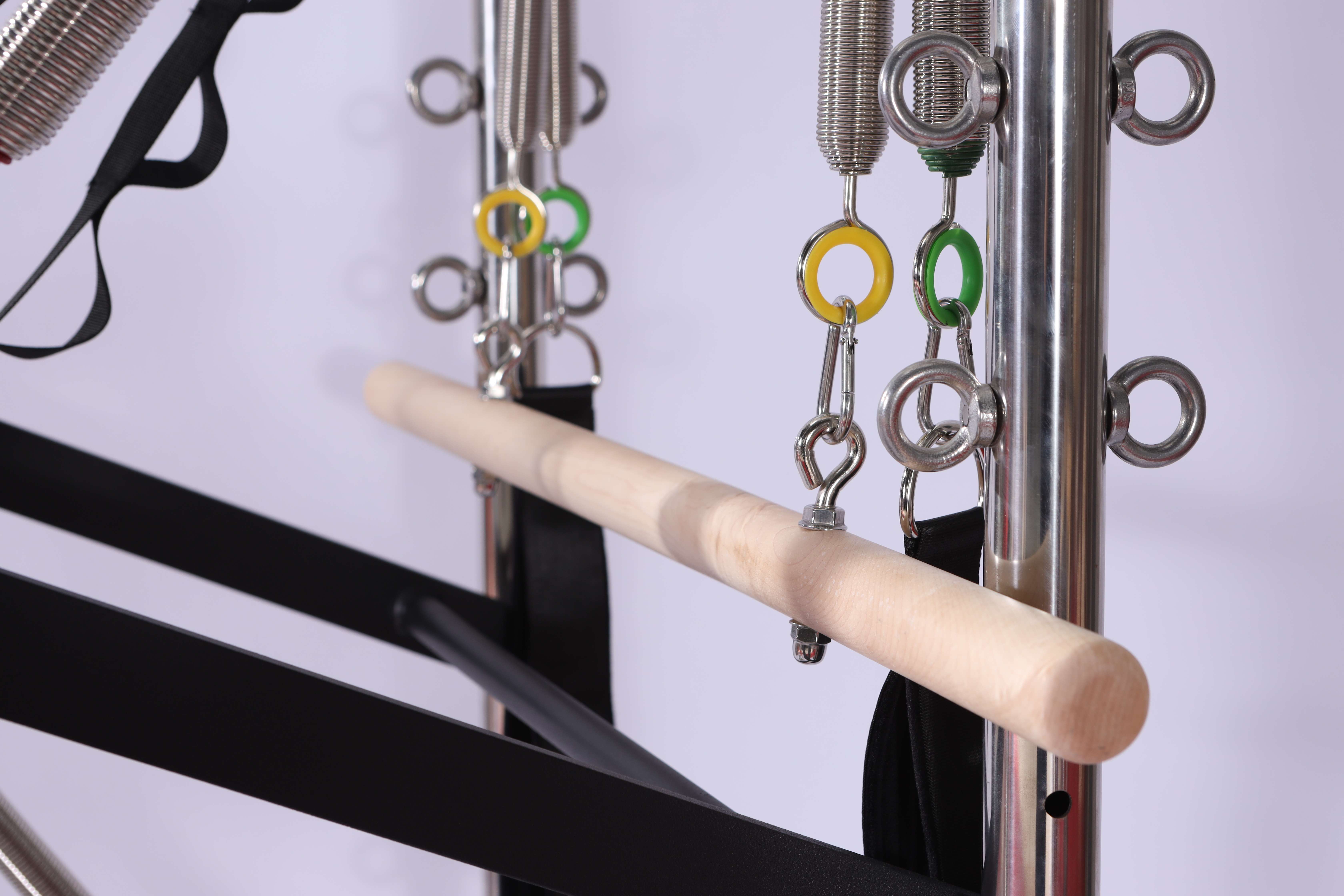
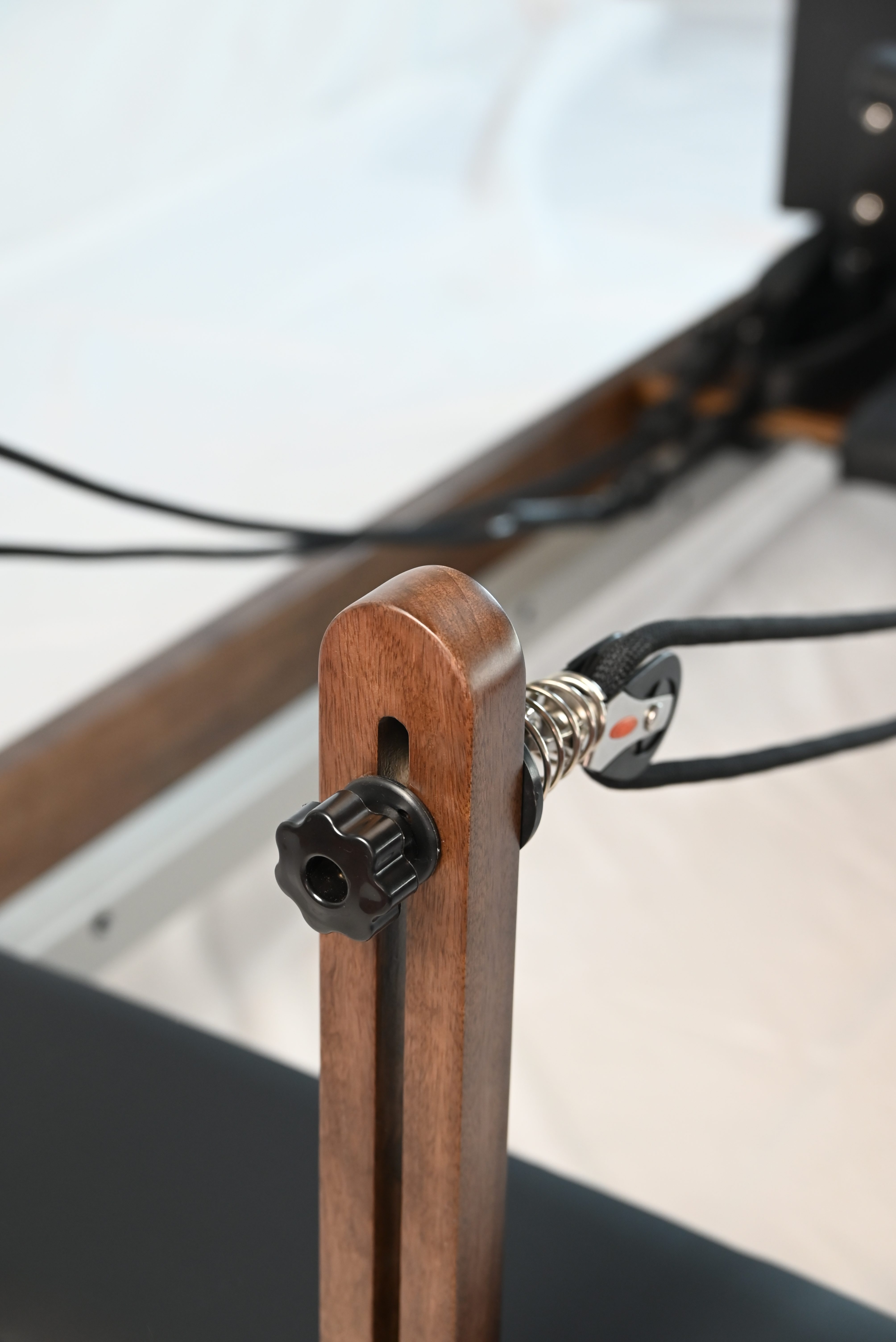
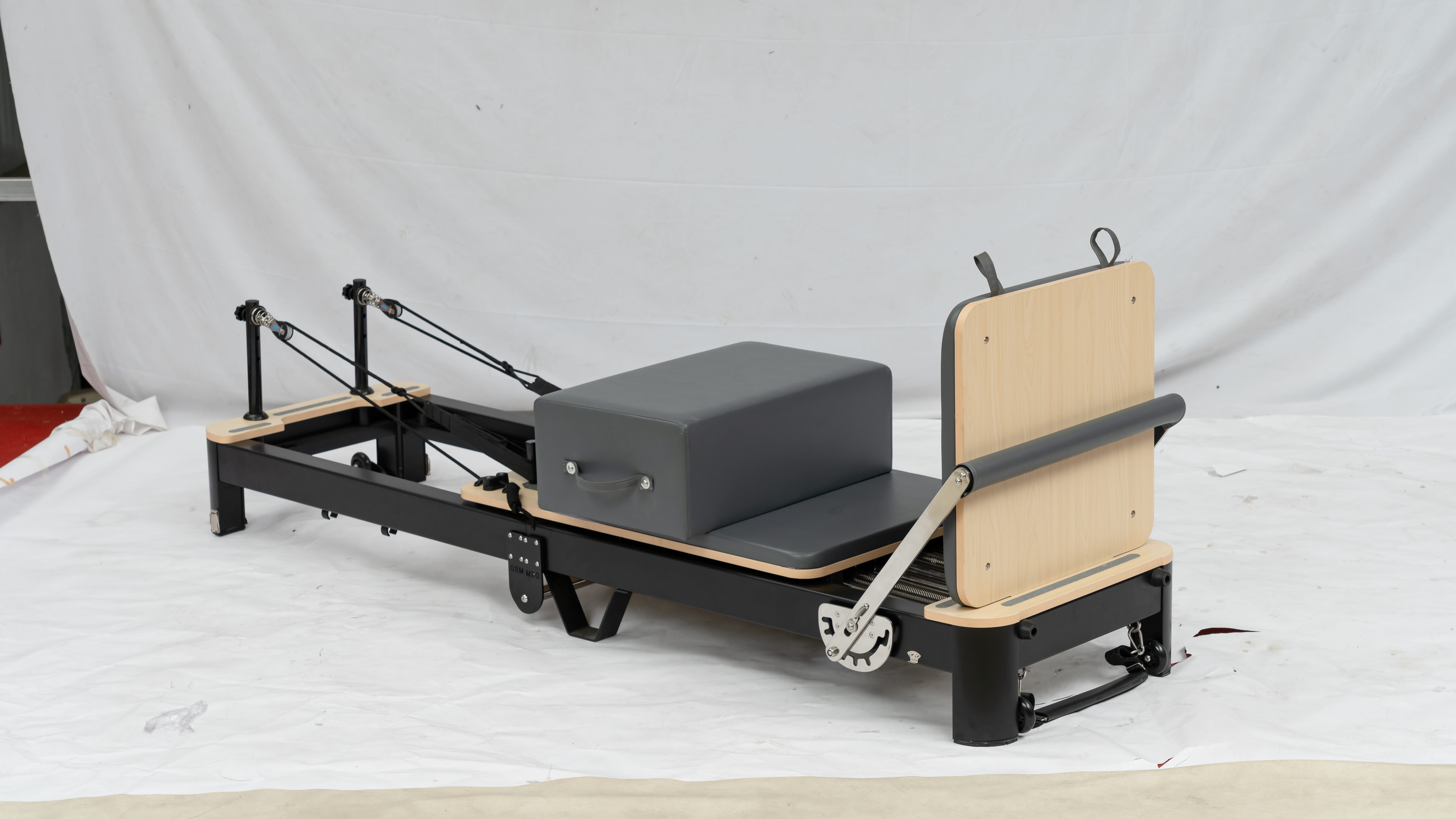
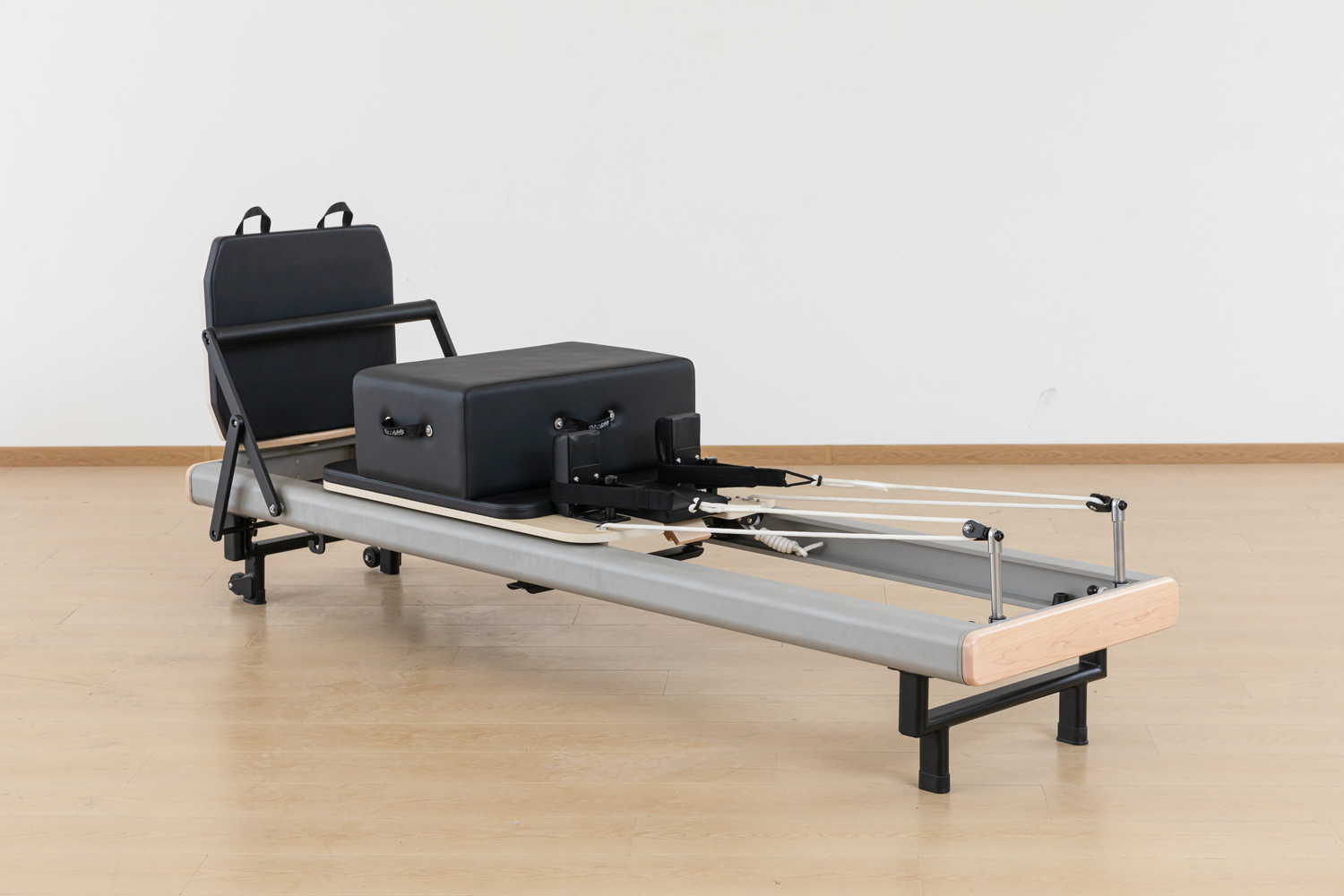
The Reformer provides adjustable resistance through its spring, carriage, and strap system. Spring tension can amplify your movement patterns — when your form is right, movements feel smooth and controlled; when it's wrong, the spring “tells” you something is off .
The Reformer also offers vastly more exercise variations. Mat work has a limited number of exercises; the Reformer, through different spring combinations, carriage positions, and accessory setups, can create hundreds of variations, allowing continuous progression within the same movement family .
II. Intensity and Results: Which “Hits Harder”?
Mat Training: The Challenge Is Control, Not Force
The intensity of mat Pilates lies in sustained control. A standard Hundred doesn't require massive strength, but it does require maintaining pelvic stability and rib closure while completing 100 breaths and arm beats — that sustained control is the real core test .
The difficulty of mat exercises comes from instability — without machine support, your body must find balance on its own. As one expert noted: “Mat work requires a baseline of core strength and control; otherwise, you risk compensating with your neck and shoulders.”
Reformer: Adjustable Resistance, Higher Ceiling
The Reformer's strength is that resistance can be adjusted to your current ability. Beginners use light springs to build movement patterns; advanced practitioners increase spring weight to challenge muscles .
A 2025 study found that Reformer Pilates was more effective at improving athletic performance metrics — standing broad jump, short sprint times, and flexibility — compared to mat Pilates in soccer players. For those seeking quantifiable strength and power gains, the Reformer offers a higher training ceiling .
This doesn't mean the Reformer is “harder” — it's simply “different.” The difficulty on the mat lies in “isolated control,” while the difficulty on the Reformer lies in “staying stable during dynamic movement.”
III. Joint-Friendliness: Which Is Better for Injuries or Limitations?
Mat Training: Demands More From Your Body
A practical reality of mat work: your body is in direct contact with the floor. Even with a 6mm mat, during spinal rolls, kneeling exercises, or side-lying supports, your tailbone, knees, and elbows bear pressure. For those with sensitive joints or old injuries, this discomfort can become a barrier to consistency .
Form accuracy on the mat depends heavily on real-time feedback. In group classes or following videos, incorrect form is easily overlooked, potentially leading to compensations and new issues over time .
Reformer: More Support, Less Pressure
The Reformer's design naturally reduces direct joint pressure. The carriage allows you to perform many exercises lying down, without supporting your full body weight on knees or elbows. One user shared: “I used to dread kneeling exercises on the mat because my knees hurt. On the Reformer, I can do almost everything lying down — my knees never bear weight.”
The Reformer's spring system also provides adjustable support — for those in rehabilitation or with movement restrictions, springs can help “hold” the body and allow safe movement within a protected range .
IV. Space and Cost: Which Works Better at Home?
Mat Training: Almost Zero Barriers
The biggest advantage of mat training is low cost and minimal space requirements. A yoga mat (6-8mm thickness for Pilates) and a 2m × 1m floor space is all you need to start . Online classes are mostly free or affordable, and a 2024 study even found that online mat Pilates courses were as effective as in-person classes .
For those on a tight budget or in compact living spaces, mat training is truly barrier-free.
Reformer: Big Investment, Long-Term Returns
Reformer equipment requires significant investment — home foldable models start around $400+, commercial-grade can exceed $2,000 . Plus, a Reformer requires approximately 2.3m × 0.7m of floor space, plus movement clearance — at least 2.5m × 1.5m.
However, over the long term, if used 3+ times per week, per-session cost gradually decreases. One user calculated: a studio Reformer class costs about $30; a $1,500 home Reformer used 3x weekly for one year costs about $9.6 per session .
V. How to Choose?
Choose mat training if:
·You're a beginner who wants to build basic body awareness and core control
·You have limited budget or living space
·You value the freedom of “practice anytime, anywhere”
·Your primary goals are flexibility and posture improvement
Choose Reformer if:
·You already have 6+ months of consistent mat practice
·You're pursuing quantifiable strength gains and muscle definition
·You have sensitive joints and struggle with kneeling/supporting on the mat
·You have rehabilitation needs (post-surgery recovery, chronic back pain, etc.)
Budget and space allow
Best Approach: Combine Both
Many professionals recommend combining both — mat work builds foundational control and body awareness; Reformer work provides progressive resistance and exercise variations. A weekly schedule of 2-3 mat sessions + 1-2 Reformer sessions covers both “foundational control” and “progressive strengthening” .
Summary: Reformer Pilates is not “better” Pilates — it's “different” Pilates. Mat work teaches you to control your body through bodyweight resistance, serving as an essential foundation. Reformer work uses springs and carriage to amplify your movement patterns, acting as an accelerator for progression. They are not replacements for each other — they are complementary. The most effective training path often starts on the mat, introduces the Reformer when needed, and ultimately allows both to enhance each other.