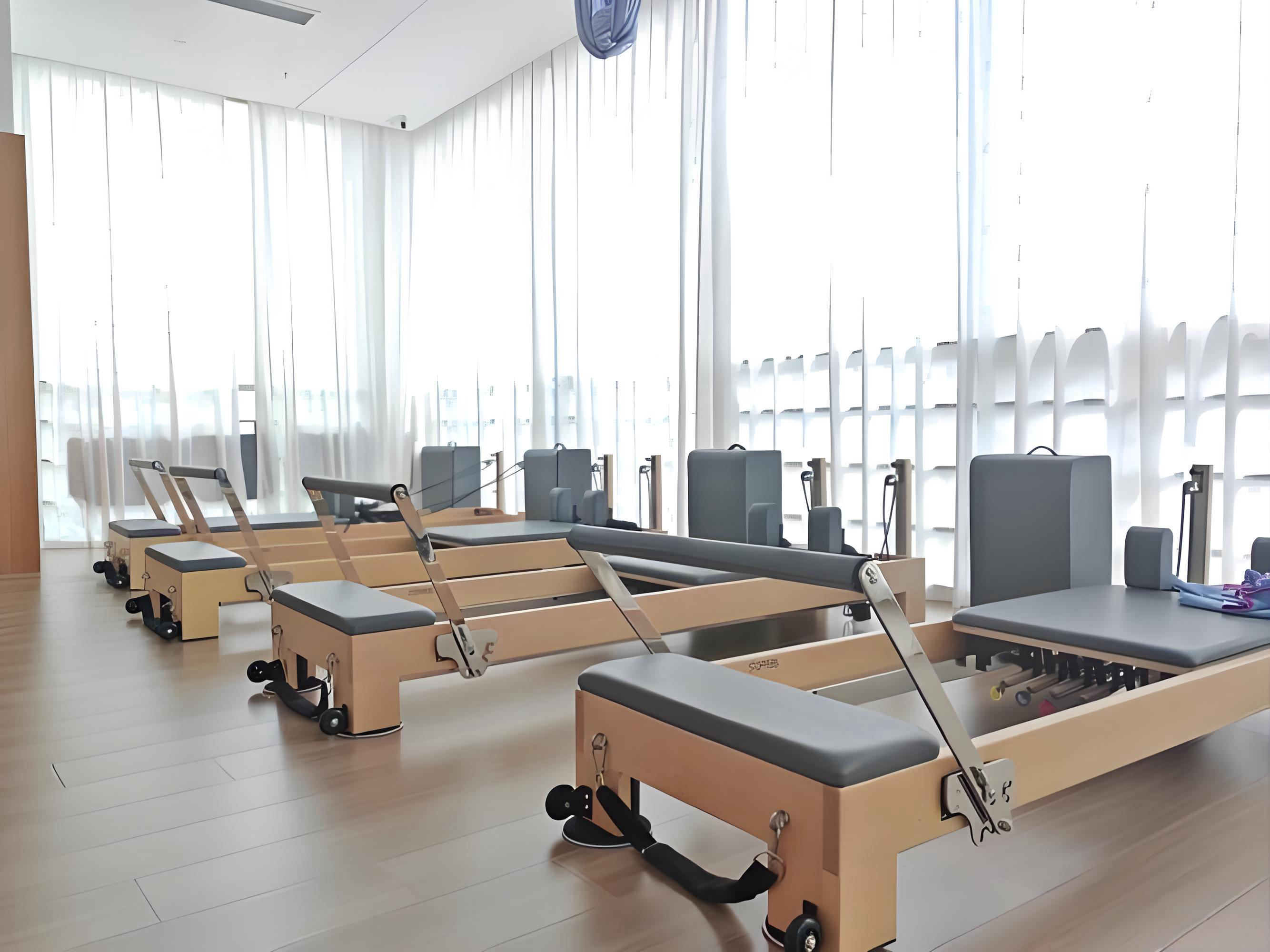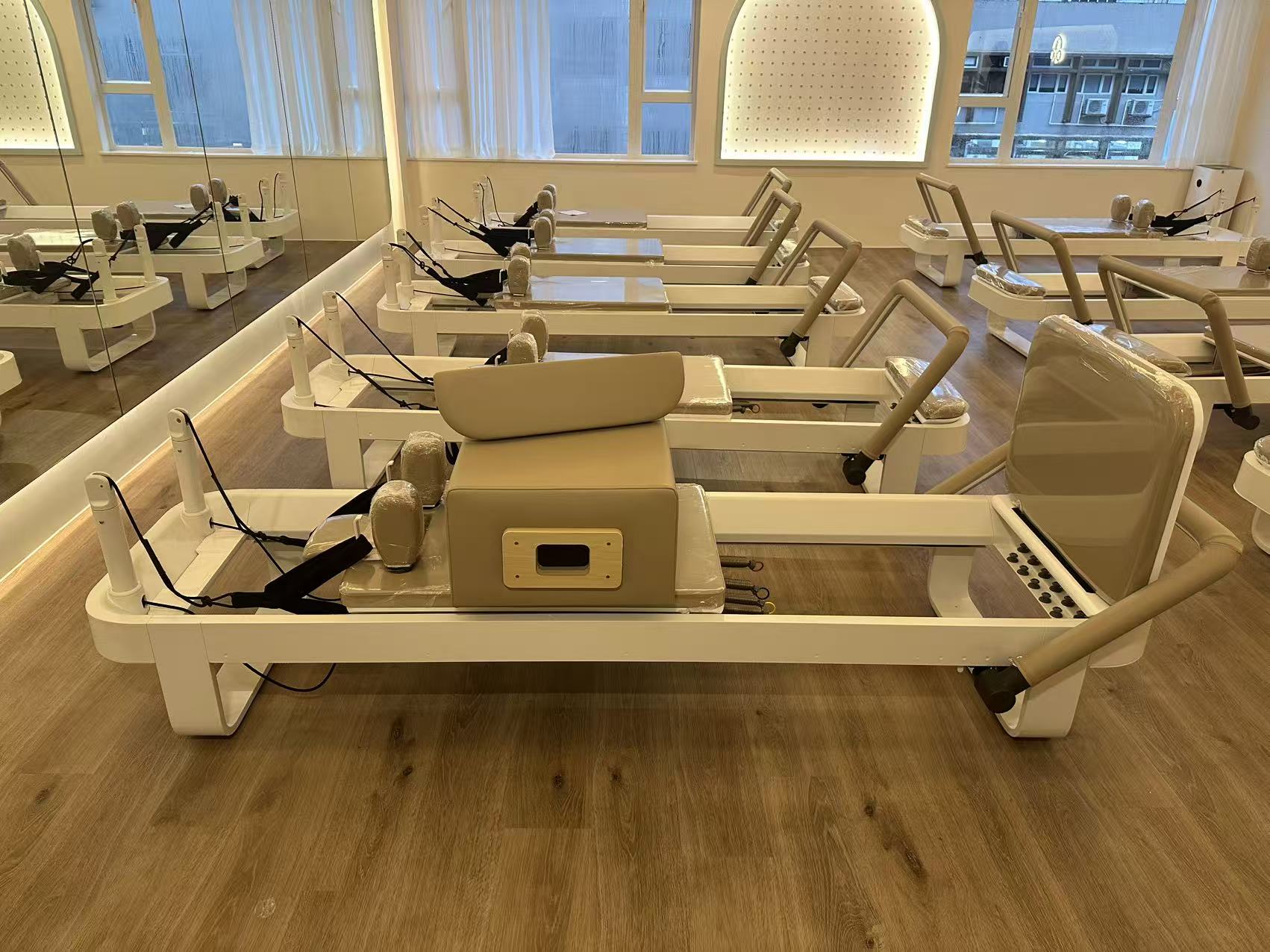
Quiet Pilates Reformer: No Noise for Early Morning Workouts
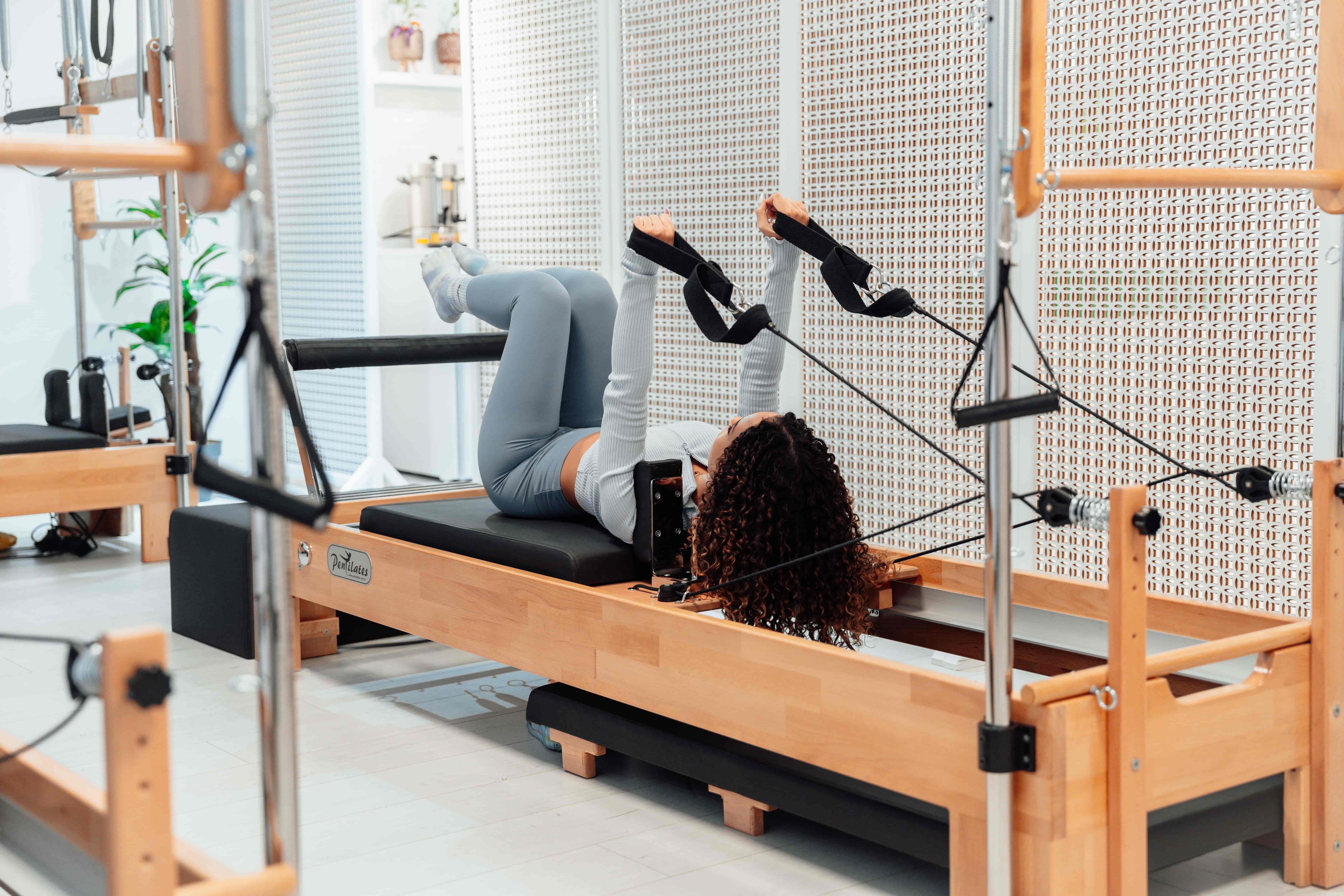
5:30 AM. The alarm goes off. You want to get a Pilates session in before the family wakes up — but you hesitate. The sharp screech from your reformer's last glide echoed through the quiet house, nearly waking the toddler next door. You skip the workout and go back to bed.
This is the real dilemma many home reformer users face. A noisy machine doesn't just disrupt your training plan — it makes family members dread hearing that sound in the early morning.
A genuinely quiet reformer is the only solution.
I. Why Do Reformers Make Noise?
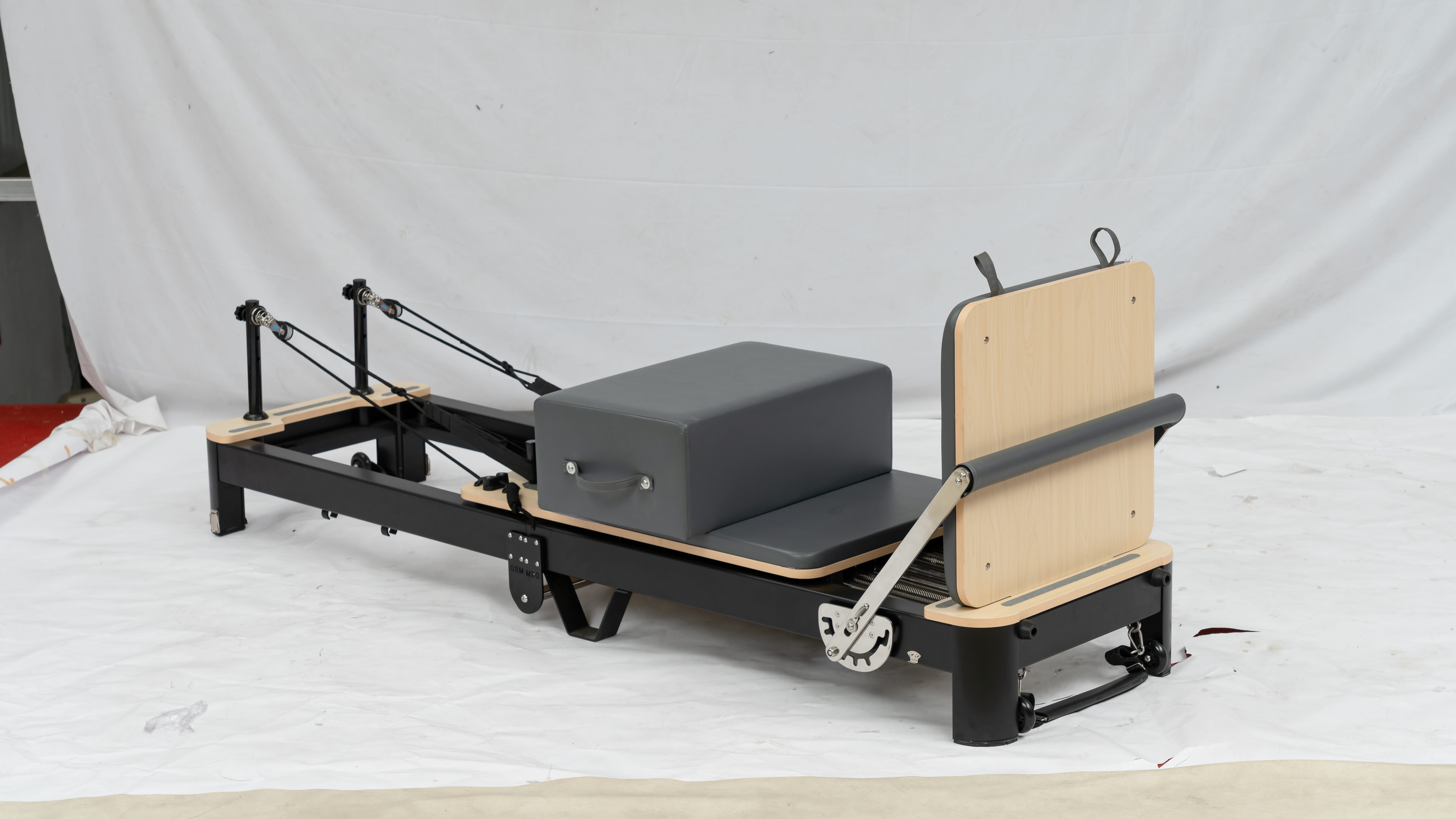
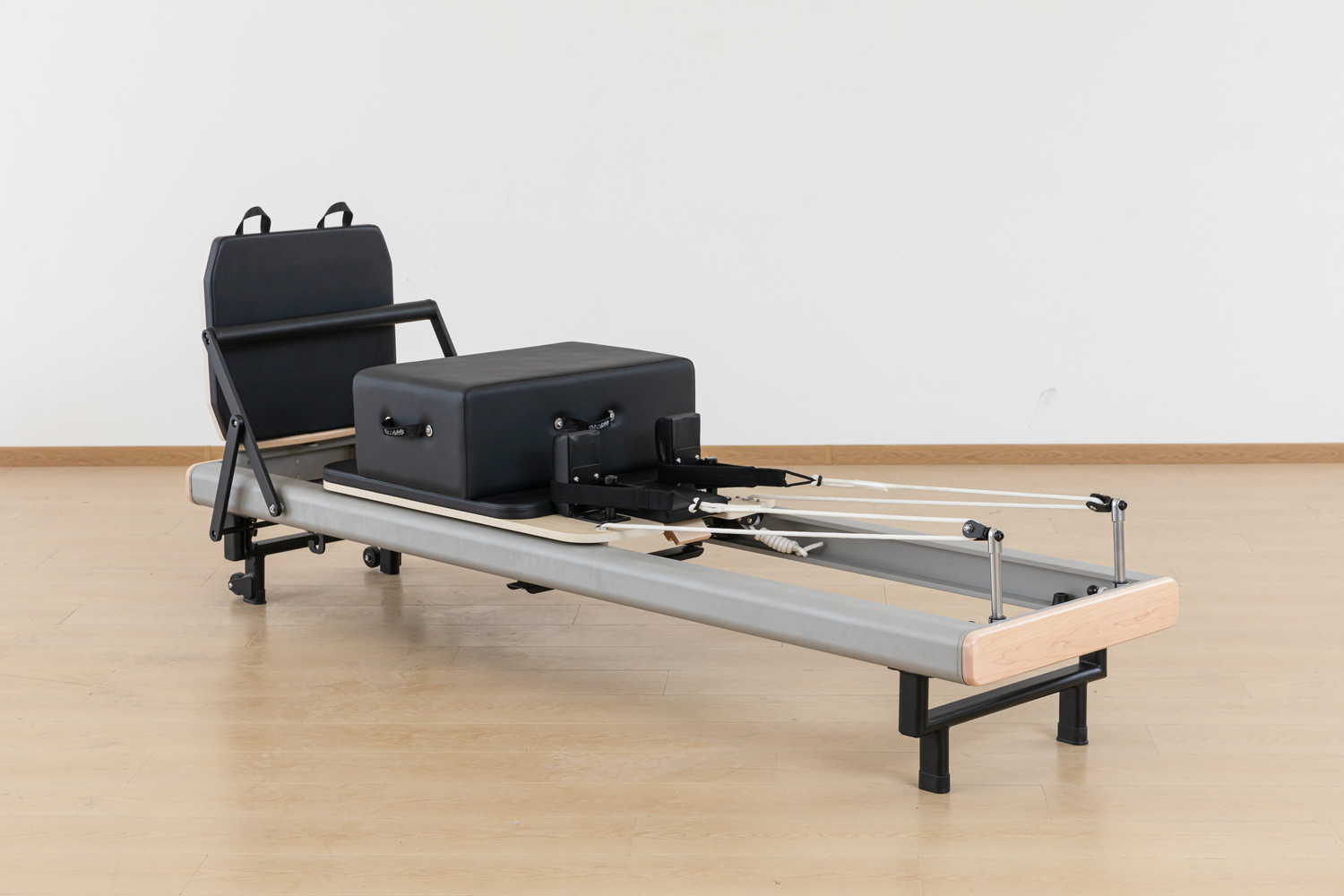
The noise from a reformer isn't from a single component — it's from the interaction of multiple moving points. Understanding the sources is the first step to choosing quiet equipment.
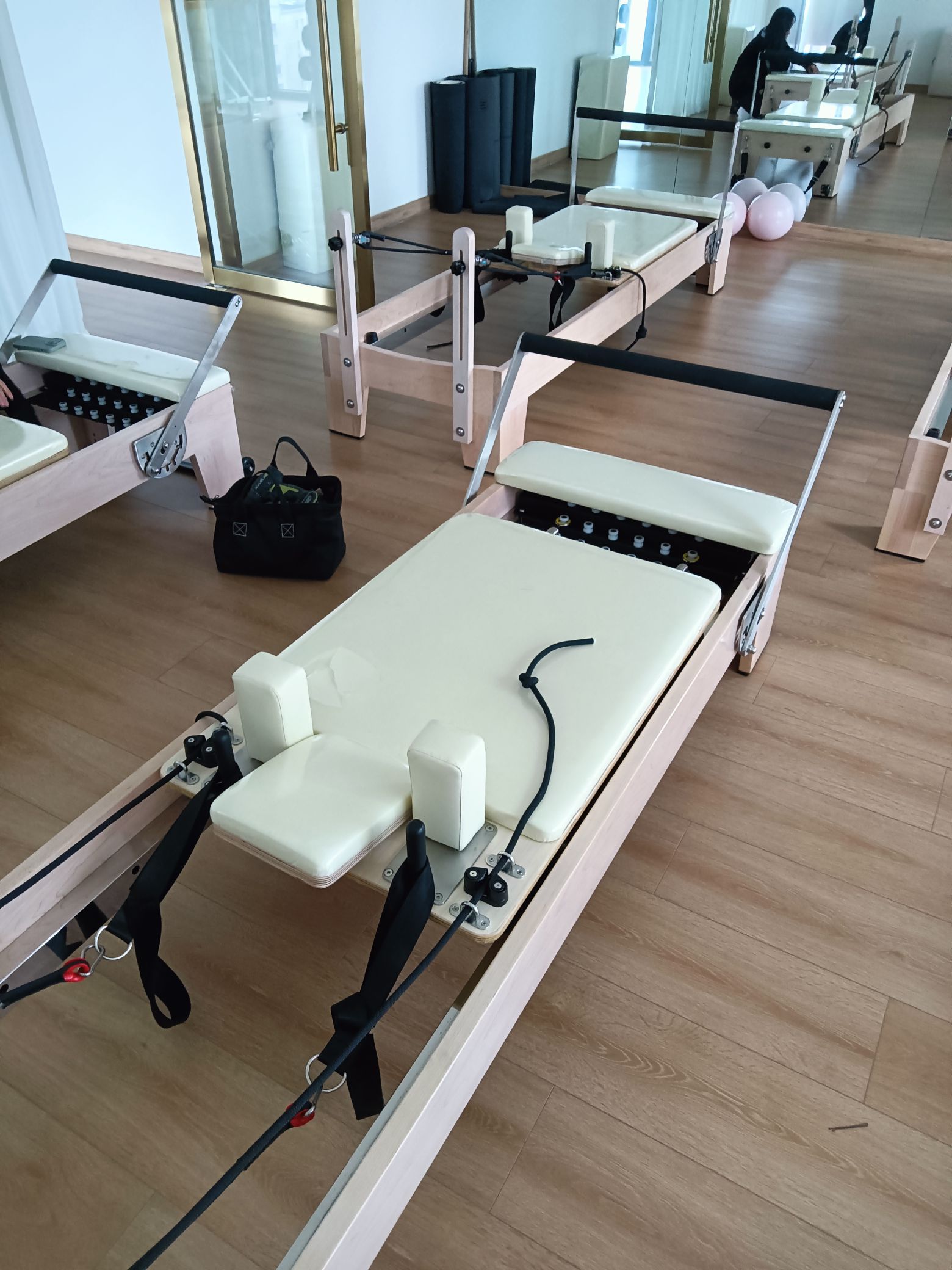
Metal rail contact surface: When the carriage glides on the rail, hard, rough, or peeling surfaces produce metal scraping sounds. Cheap models often use standard engineering plastics and stainless steel with high friction and poor self-lubricating properties.
Wheel bearings: During high-speed glides, bearings rotate dozens of times per minute. If the bearings use metal balls instead of quiet resin materials, or lack proper seals, dust and debris increase friction — producing persistent, irritating rolling noise.
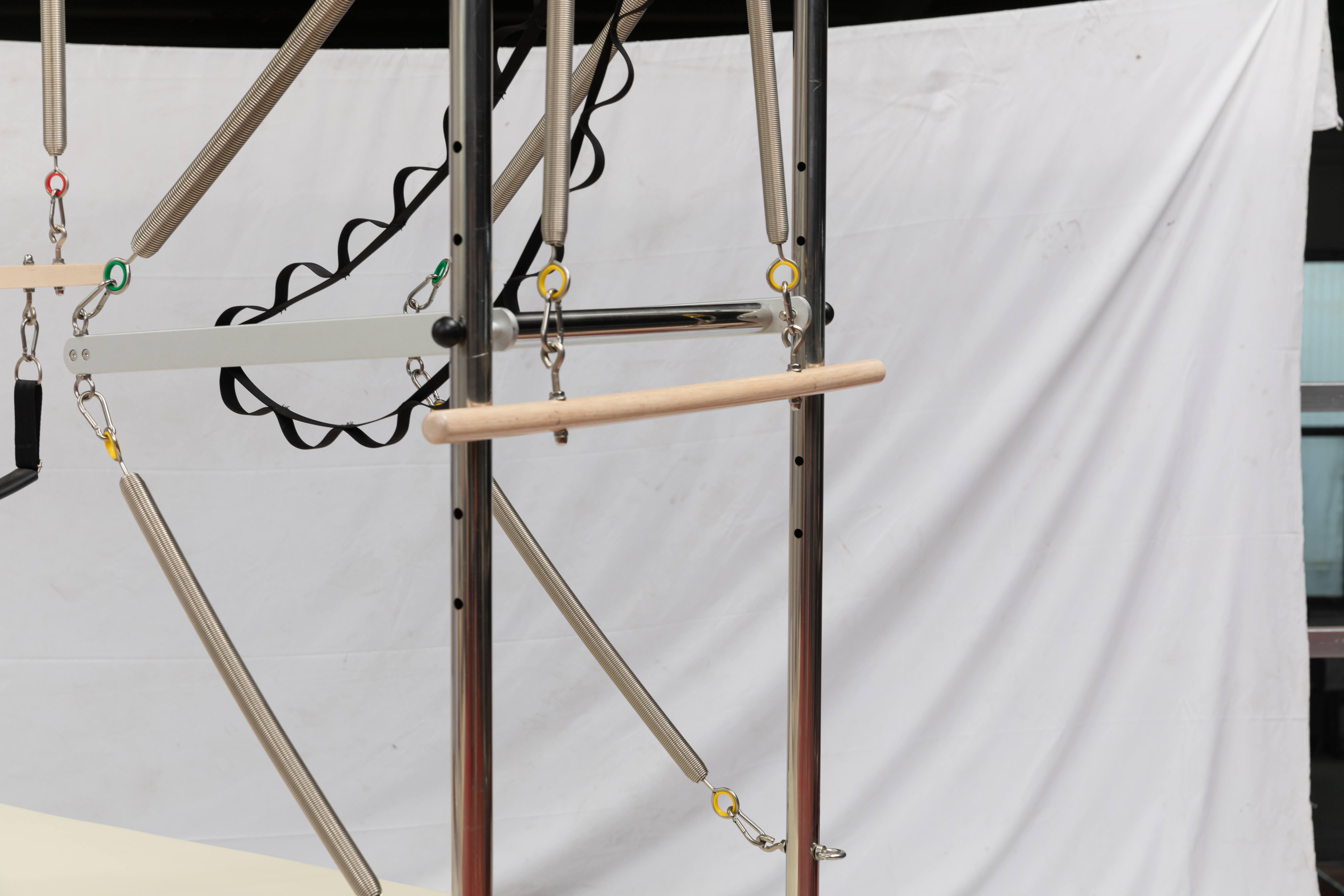
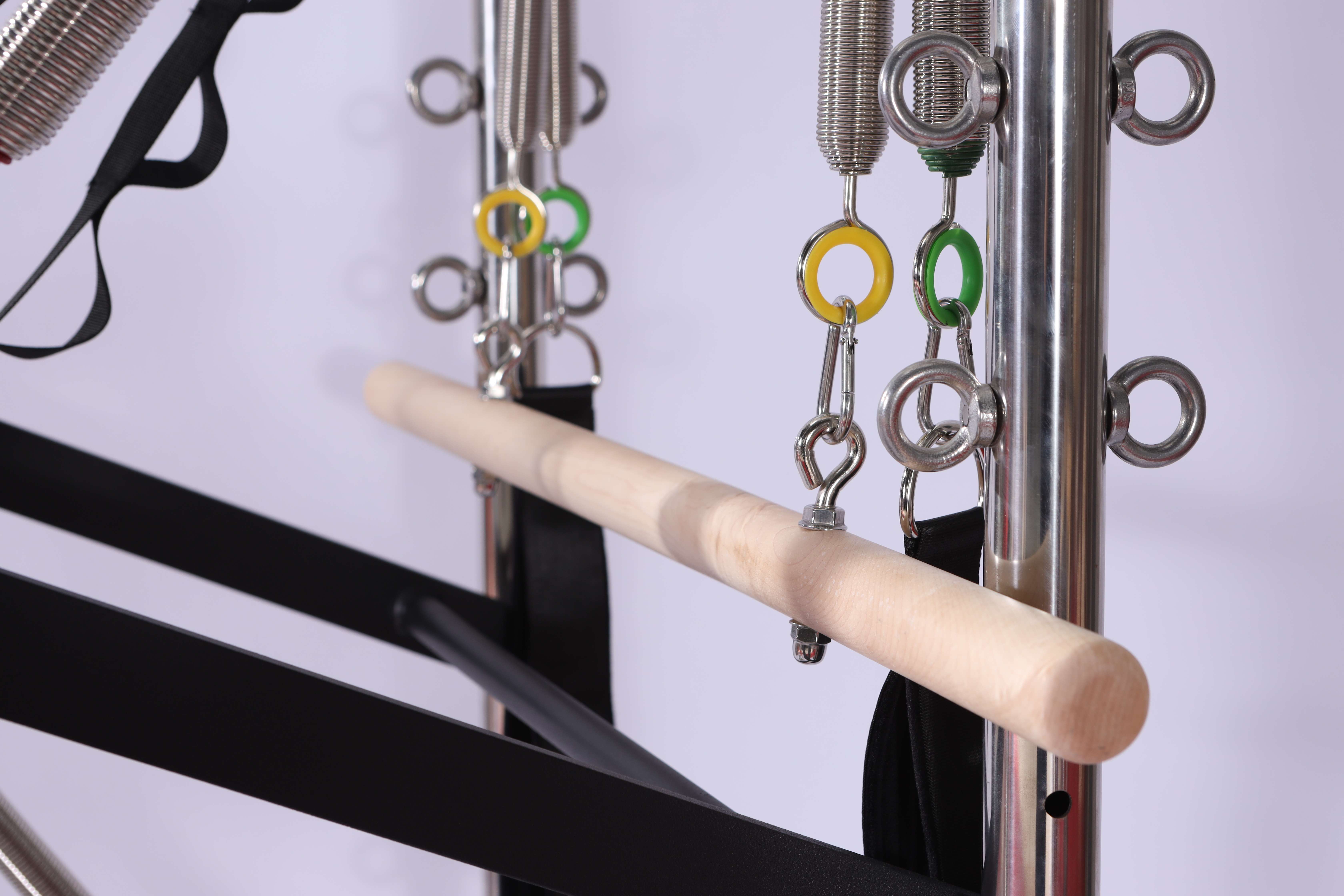
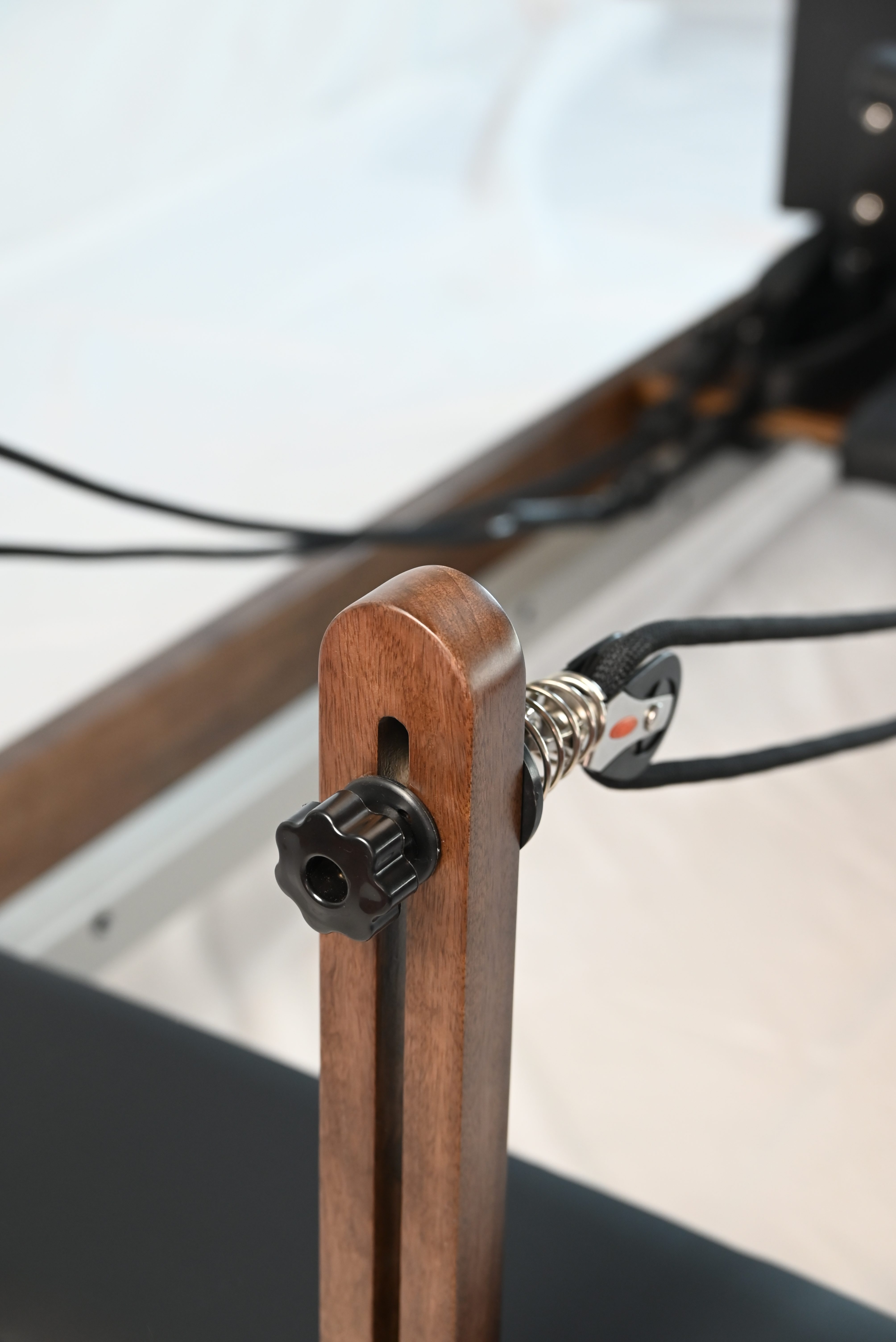
Spring material and mounting: During stretch and return, metal springs generate vibration. If spring modulus is inconsistent or mounting points lack damping materials, vibration travels along the frame, creating low-frequency "buzz" or high-frequency "scrape."
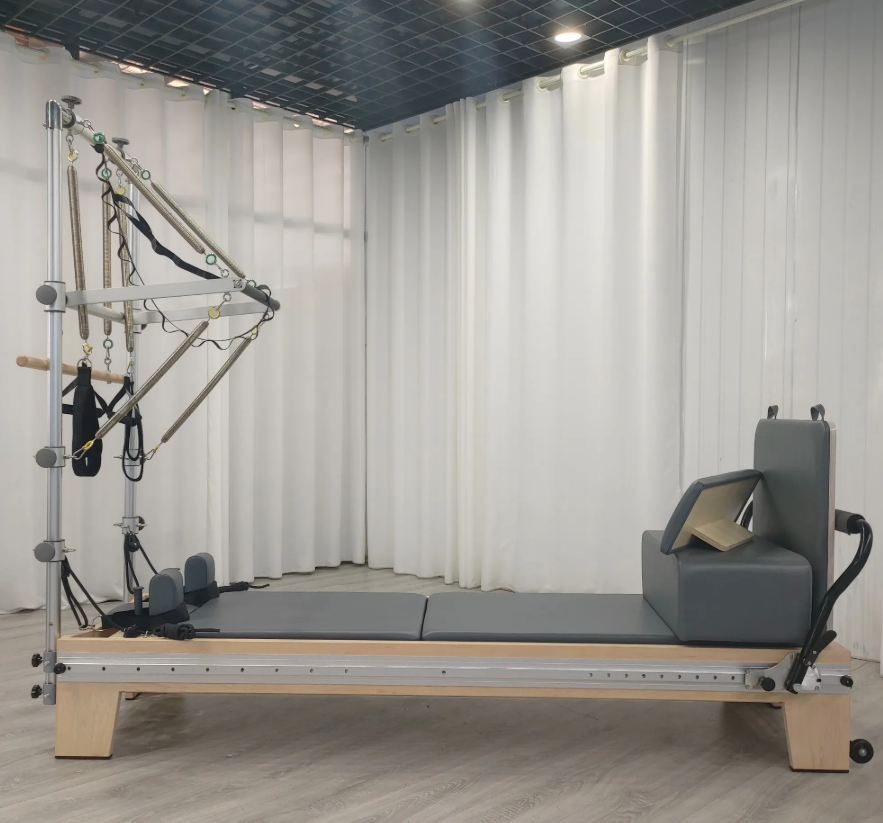
Frame resonance: Frame density and structural design determine whether noise gets amplified. Thin-walled, low-density frames resonate more easily — much like a speaker cone amplifying mechanical vibration.
II. How Do Quiet Reformers Actually Work?
A truly quiet reformer isn't about a single "quiet part" — it's a system-level solution that integrates materials science, acoustic engineering, and structural design.
Self-lubricating polymer rails: Ordinary rails require regular oiling to stay smooth, but oils attract dust, increasing friction and noise. Quiet rails use self-lubricating polymer materials with low friction coefficients and built-in lubrication — requiring no maintenance while delivering quiet glides.
Industrial-grade quiet bearings: Balls are upgraded from standard steel to ceramic or resin-coated quiet bearings, with sealed dust covers to block debris. In lab conditions, these wheels operate below 35 decibels.
Spring vibration isolation: Rubber or silicone isolation pads embedded between spring hooks and mounting points block vibration transfer from springs to the frame. Quality quiet systems also ensure multiple springs don't contact each other.
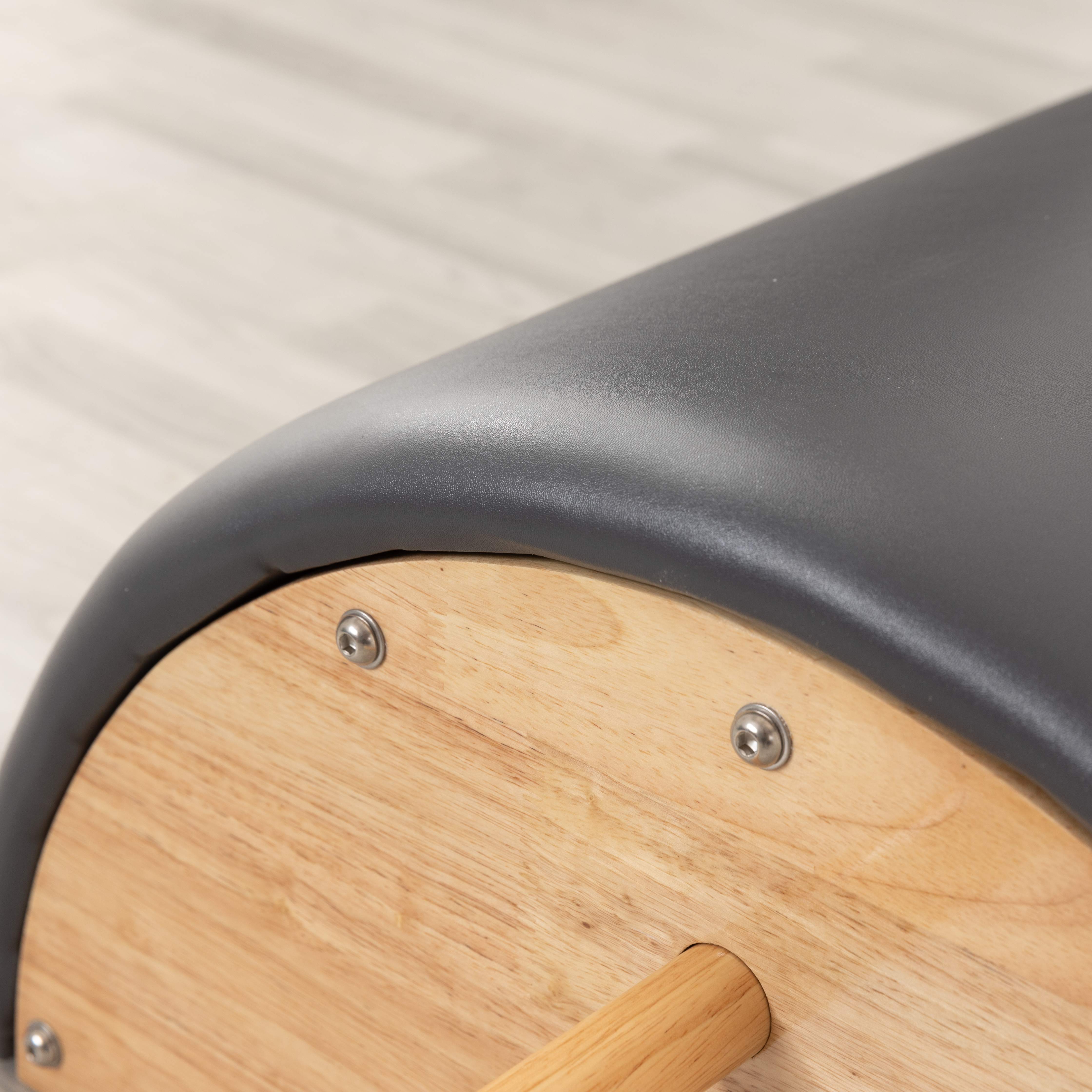
Damping frame structure: Frame walls use composite construction with internal damping layers (e.g., butyl rubber) that absorb vibrational energy, converting it into minute heat loss. Frame geometry is also optimized to avoid resonance frequencies.
III. How Quiet Can a Truly Quiet Reformer Be?
In international noise measurement standards, 35 decibels is "soft whisper" and 40 decibels is "quiet library." Most ordinary reformers operate at 55-65 decibels — equivalent to normal conversation. A genuinely quiet reformer, under full load, stays below 40 decibels — even at midnight or early morning, the sound won't penetrate a closed bedroom door.
One optimized quiet reformer user reported that during 5:30 AM sessions, family members sleeping downstairs couldn't detect any movement noise. Carriage starts, glides, and returns — the entire sequence measured 37-42 decibels, comparable to the sound of turning a book page.
IV. Key Specs for Choosing a Quiet Reformer
Rail material: Choose self-lubricating polymer rails or aviation-grade aluminum rails with precision polishing and PTFE coating. Resistance should feel light and even.
Wheel bearings: Check for sealed bearings with ceramic or resin composite balls. Hand-spin the wheel — it should rotate smoothly and silently.
Spring mounting: Check for rubber or silicone isolation pads between spring hooks and frame. Pluck a spring — the shorter the residual ring, the better.
Frame structure: Tap the frame — a "sharp" lingering sound indicates resonance risk; a "dull" short sound indicates good damping.
Test glide: In a quiet environment, glide at medium speed and listen for sudden noise spikes. Even small roughness amplifies in early morning silence.
V. Quiet Maintenance Tips
Even with quiet equipment, maintenance reduces noise further:
·Avoid oil-based lubricants: Quiet rails require no additional lubrication. If gliding feels rough, wipe rails clean with a dry cloth and use a silicone-based spray (non-oily) if needed.
·Check spring hooks quarterly: Loose or worn hooks amplify noise during high-speed stretching.
·Clean wheels regularly: Use a soft brush to remove dust from wheel surfaces and bearing gaps.
Summary: Early morning is the most consistent time for Pilates practice — but noise is often the biggest blocker. A truly quiet reformer, with self-lubricating rails, quiet bearings, spring isolation, and damping frames, keeps operating noise below 40 decibels — letting you train in those quiet morning hours without disturbing your family's sleep. You're not just investing in "quiet" — you're investing in the freedom to practice every morning, for years to come.