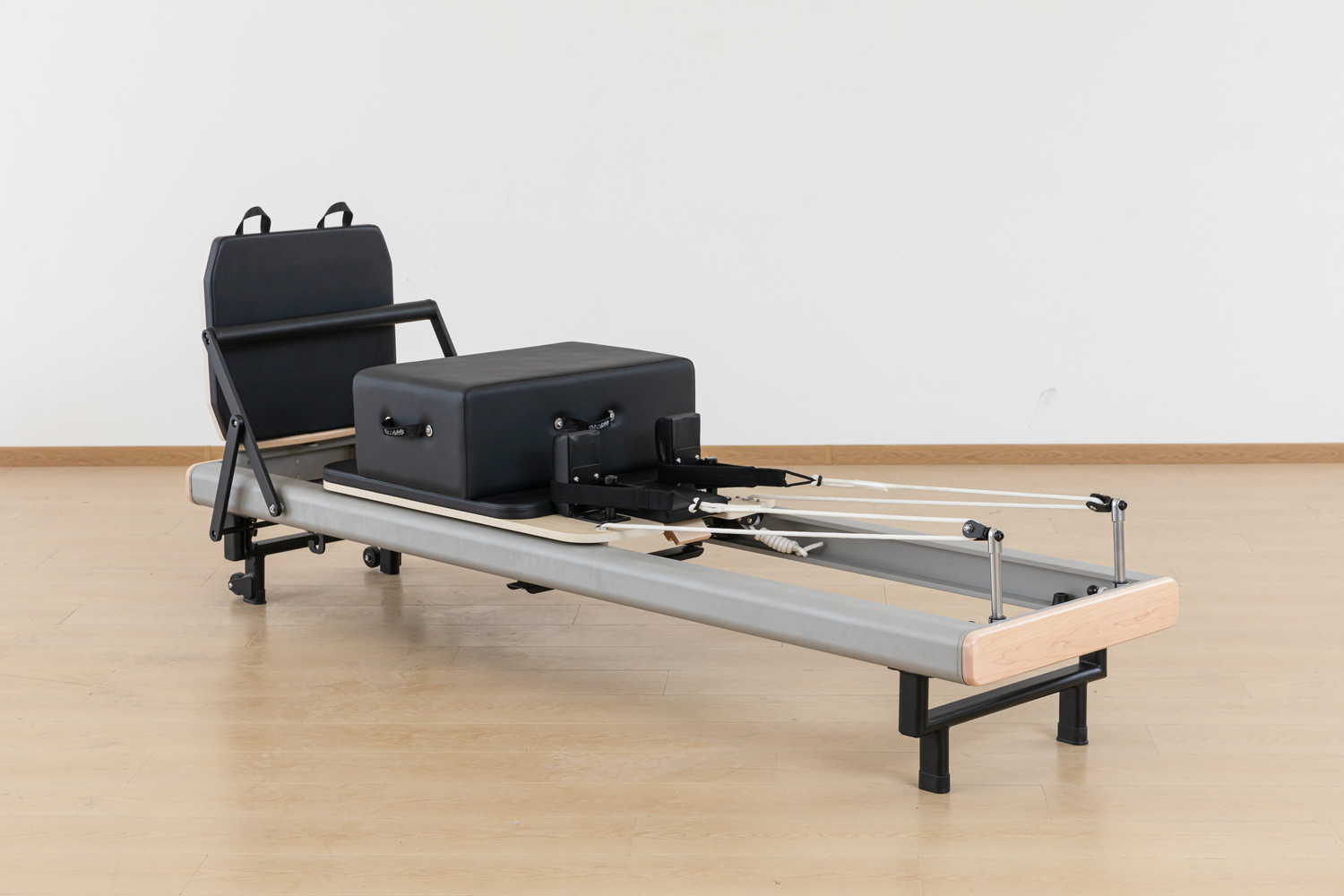
Soft Leather Pilates Reformer: Comfort for Long Training Sessions

When choosing a Pilates reformer, most buyers focus on frame material, spring system, and rail smoothness. But one detail directly determines your comfort during every session—the surface your body contacts. For users who train for extended periods, a soft leather reformer isn't just about "feeling nicer"—it's a key factor in whether you can sustain long-term practice.
I. Why Soft Leather Matters for Long Training Sessions
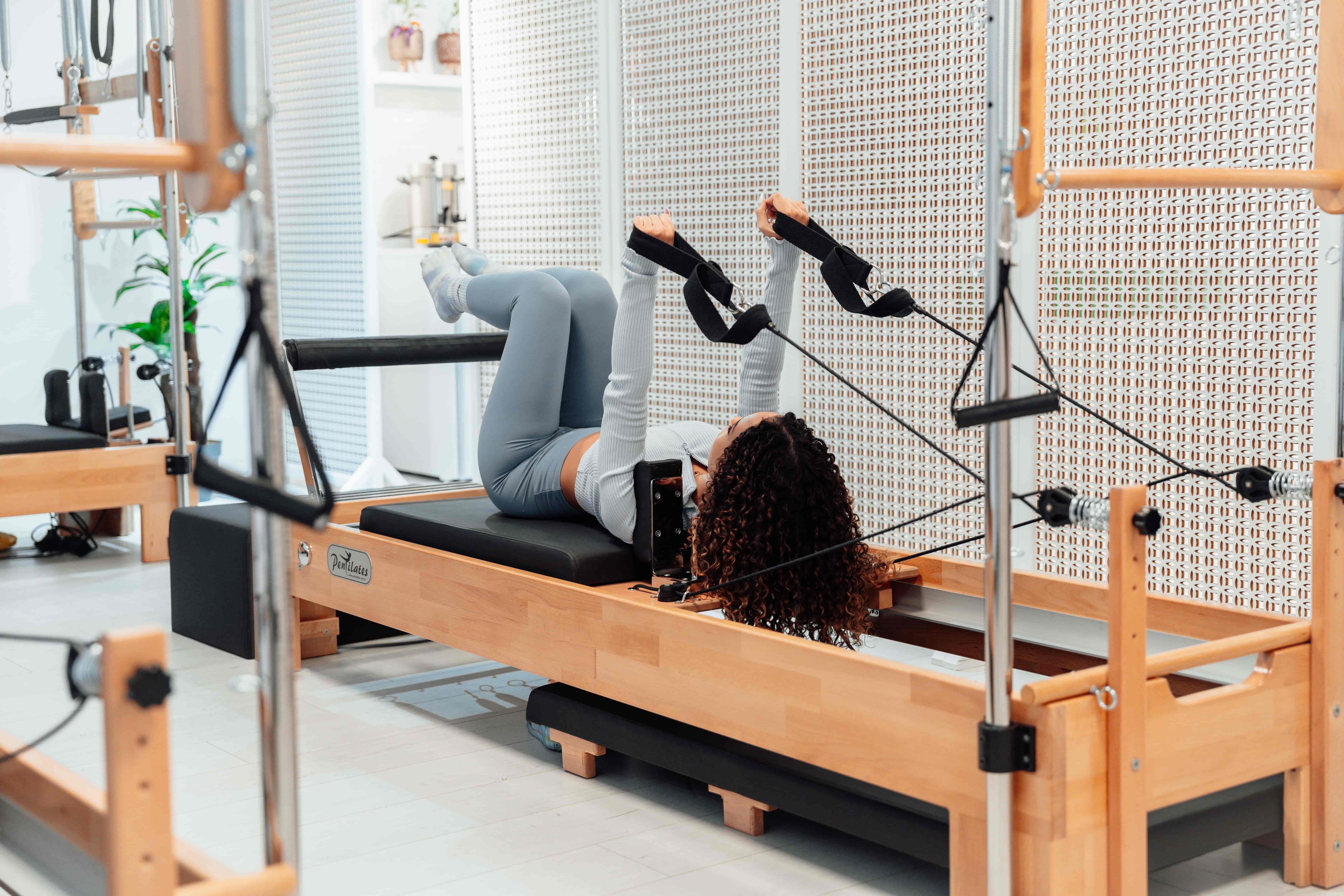
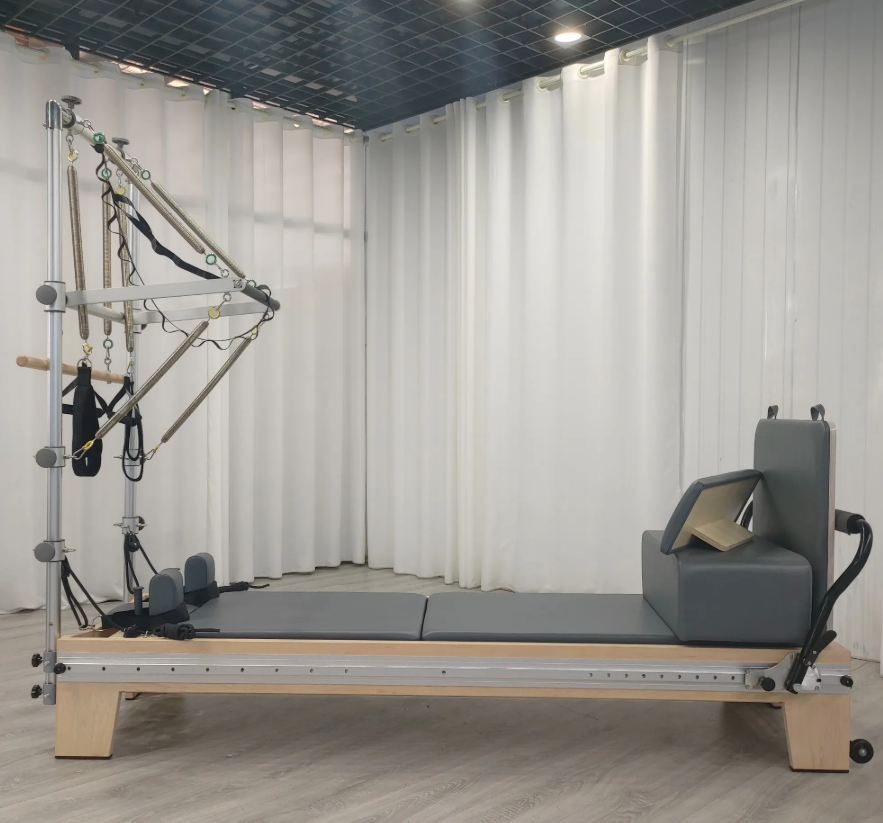
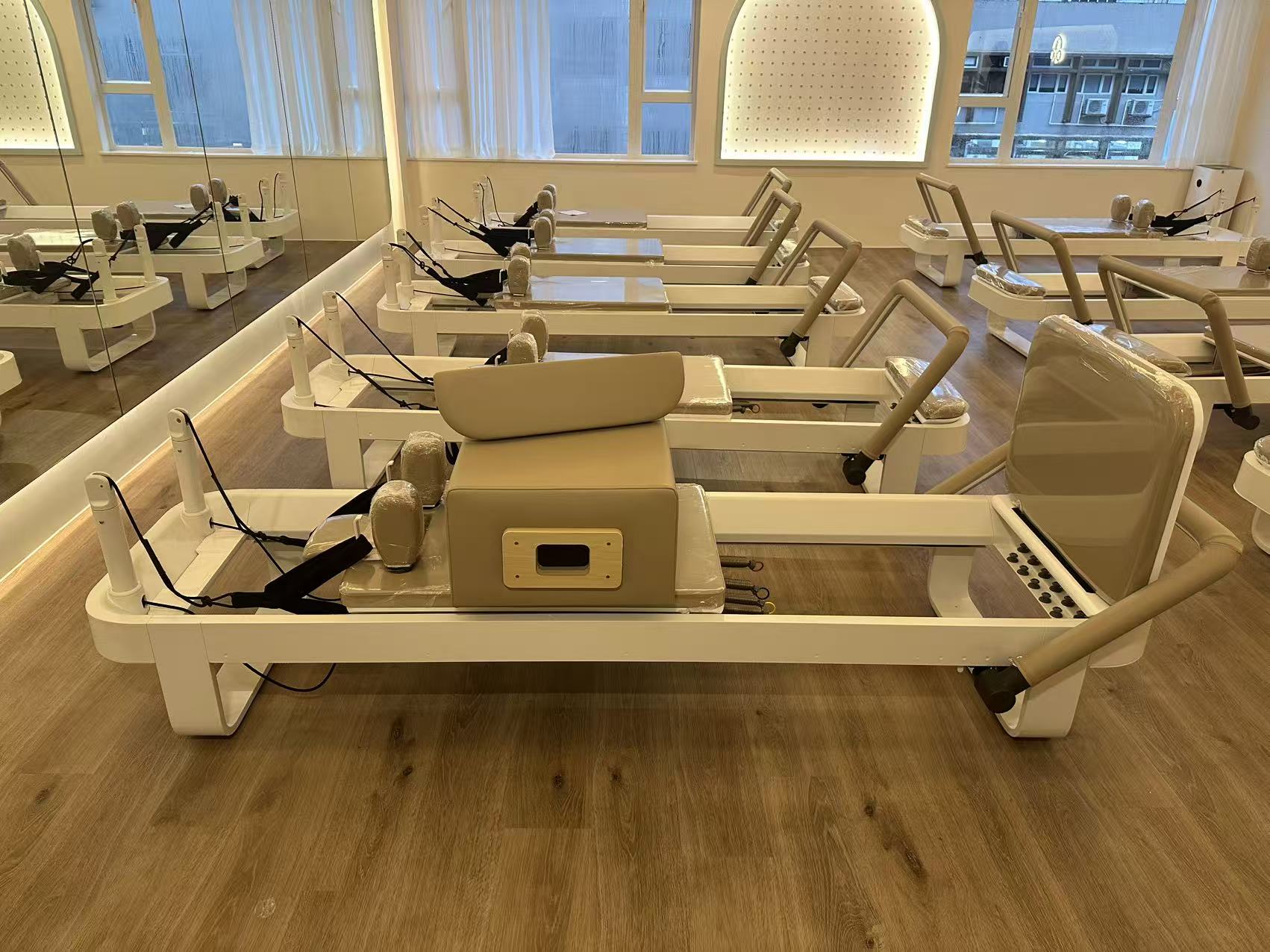
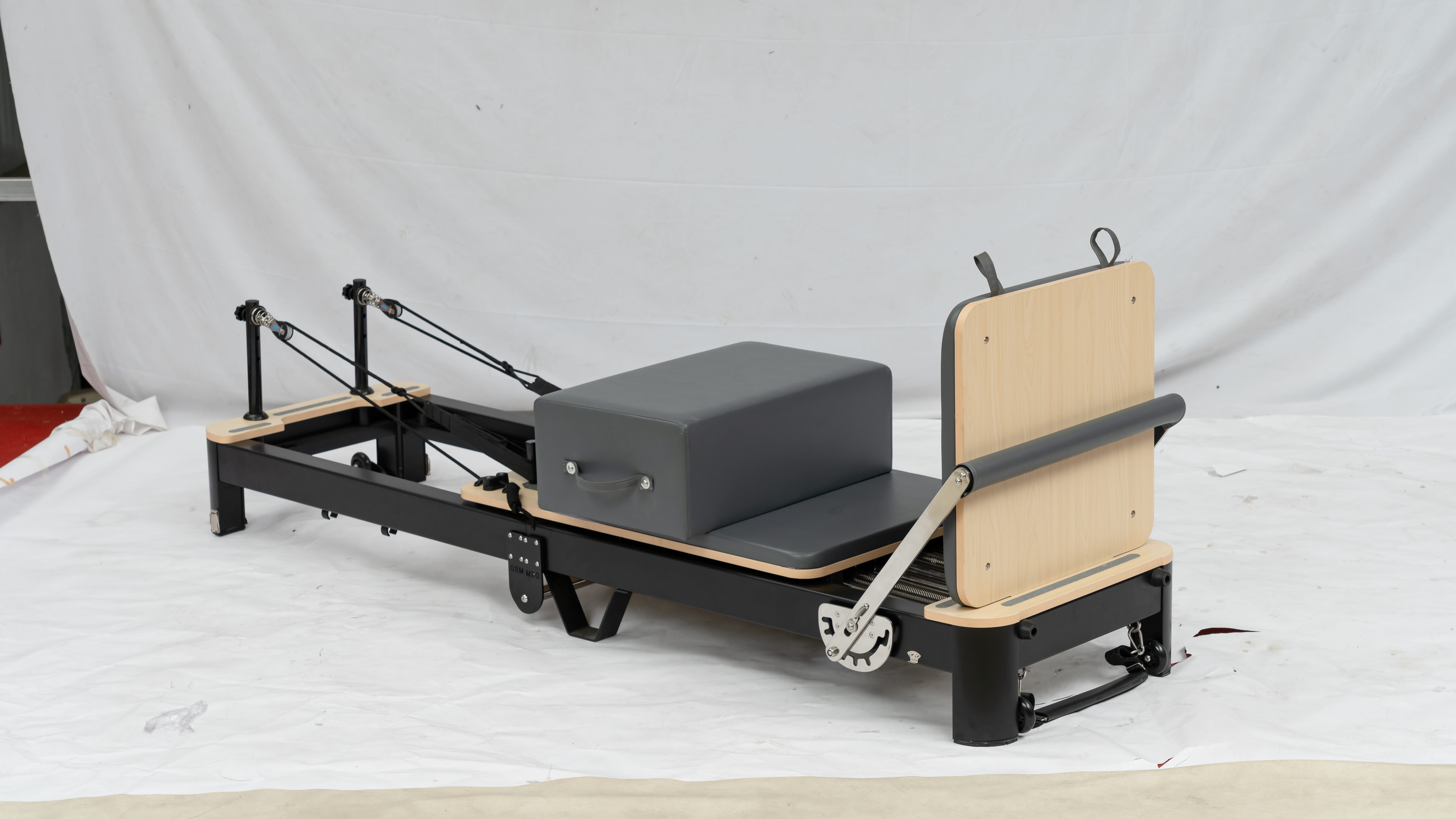
A typical Pilates reformer session lasts 30 to 55 minutes. During this time, your back, shoulders, hands, and feet remain in continuous contact with the equipment surface—the spine pressing into the carriage pad during supine work, the sit bones against the leather during seated exercises, the hips against the upholstery during prone movements, and the palms against the straps during pulling actions.
If these contact surfaces are too hard, non-breathable, or lack elasticity, extended training leads to several problems: pressure points causing discomfort—especially during exercises like roll-ups or swans where body weight rests on a single area; a slippery feeling from sweat accumulation that compromises stability and security; and skin irritation from repeated friction, which is particularly noticeable for daily users.
Soft leather works well for long training because it balances support and softness. Quality soft leather combined with high-density foam provides enough support for stable movement while avoiding the "resistance" feel that hard materials create against the body—this difference becomes increasingly noticeable after the 30-minute mark.
II. Types of Soft Leather: Not All "Soft Leather" Is the Same
The "soft leather" labeled on reformers varies significantly in actual material composition. Understanding the differences helps make a more informed choice.
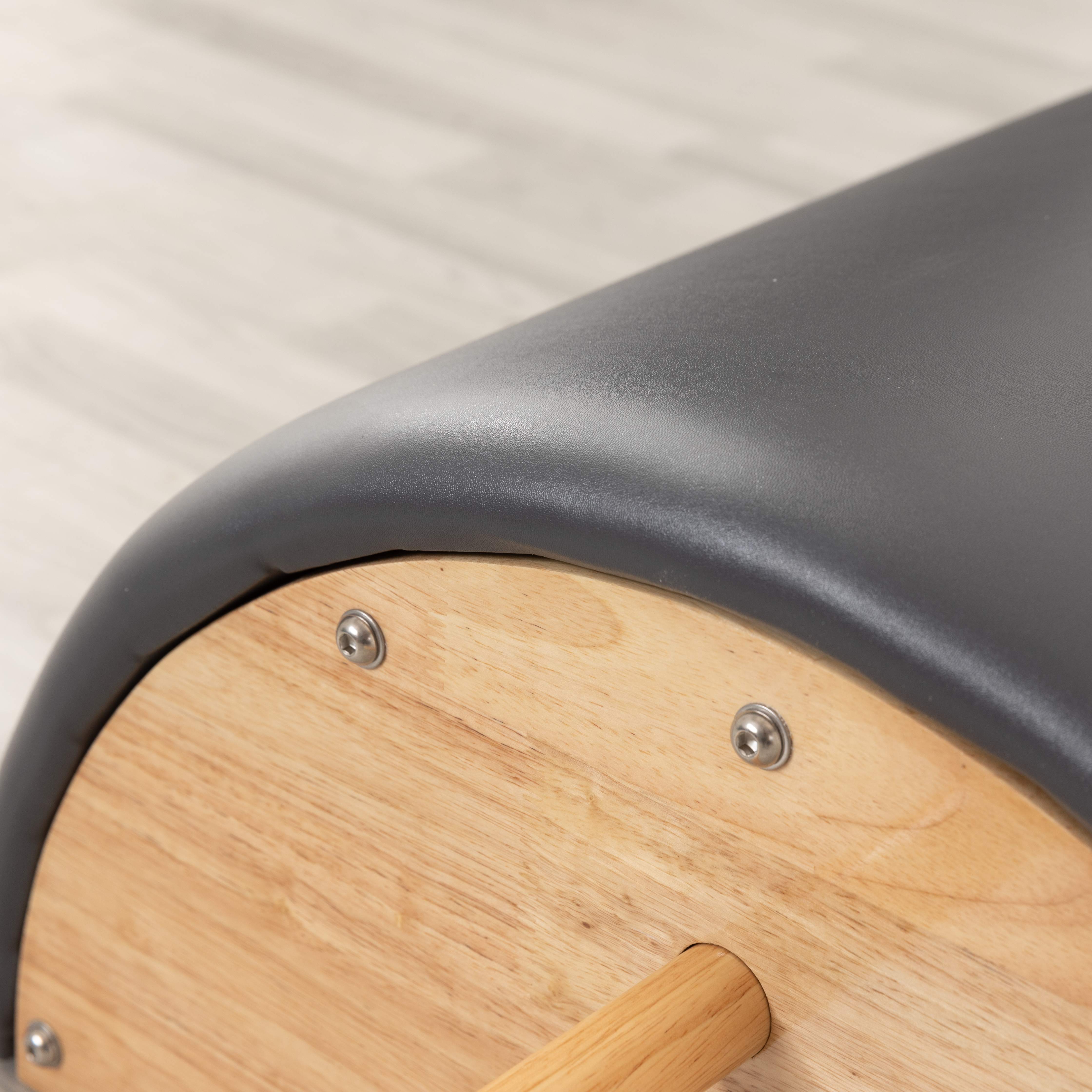
Microfiber leather is currently a popular choice for home and premium commercial equipment. Its dense fiber structure gives a surface feel close to genuine leather while offering better abrasion and tear resistance. Compared to low-grade PVC or ordinary PU, microfiber leather provides more stable grip and better breathability during extended contact, with less odor—making it suitable for home spaces like bedrooms or living rooms.
PU leather (polyurethane leather) is the most common upholstery material for commercial reformers. Quality PU leather has a soft surface, fine texture, and good elasticity and stretchability. Commercial-grade PU leather typically features a woven polyester backing with a thickness of 1.2 to 1.5 mm, preventing tearing at stress points. However, PU leather is less breathable than fabric materials and may feel sticky in hot environments.
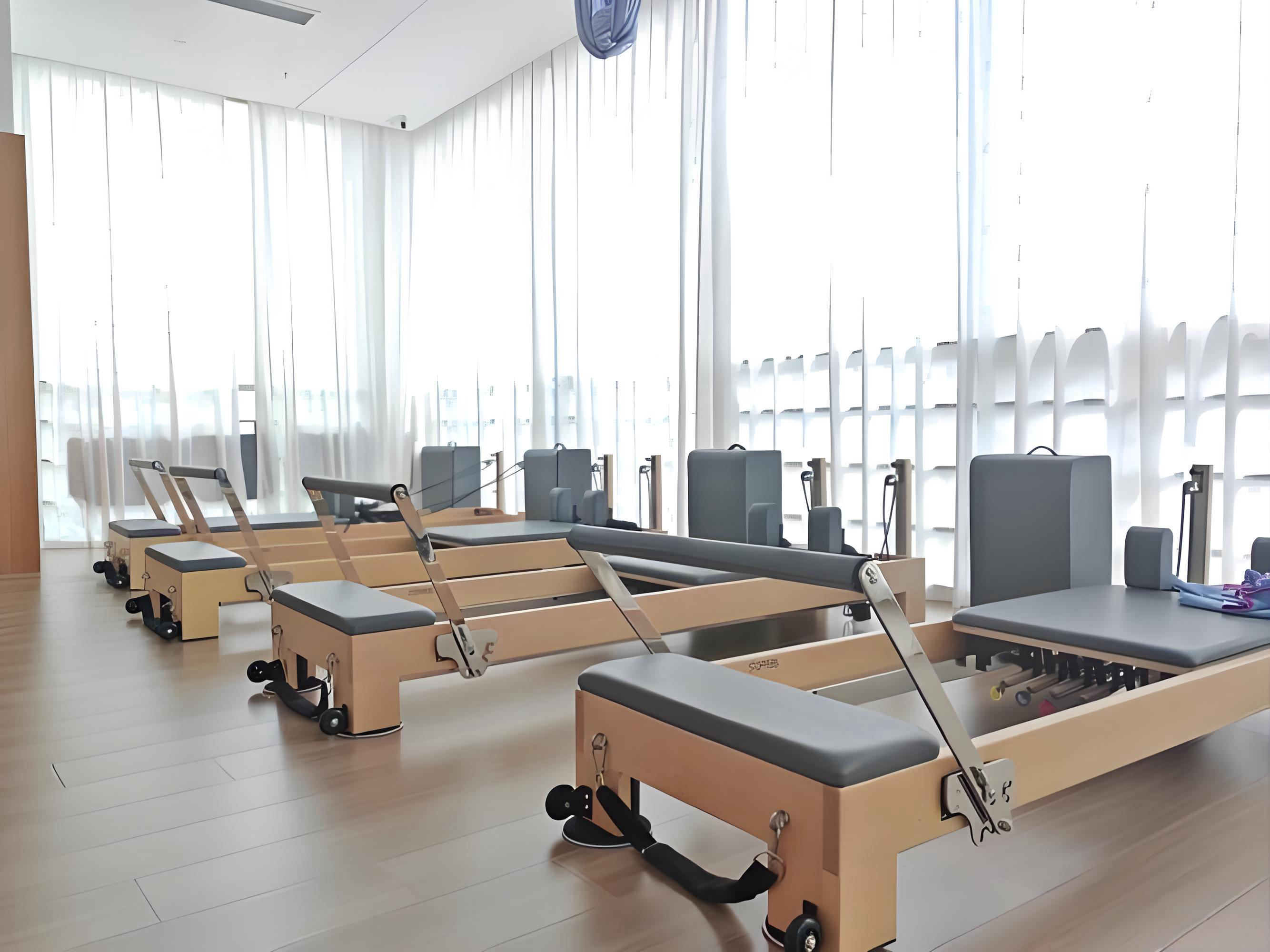
Marine-grade vinyl is the industry standard for commercial studios. Originally developed for boat upholstery, it offers exceptional durability—5 to 8 years under commercial use—and is easy to clean with a quick wipe of 70% alcohol sanitizer. Its drawbacks include poor breathability and a cold feel in air-conditioned spaces.
Breathable soft leather: Some premium equipment incorporates breathable treatments, such as soft matte suede leather surfaces that absorb sweat instantly, provide grip in both wet and dry conditions, and offer quick-drying breathability. This type of material helps keep contact surfaces dry during long sessions, reducing slippage and friction.
III. Soft Leather + High-Density Foam: The Comfort Combination
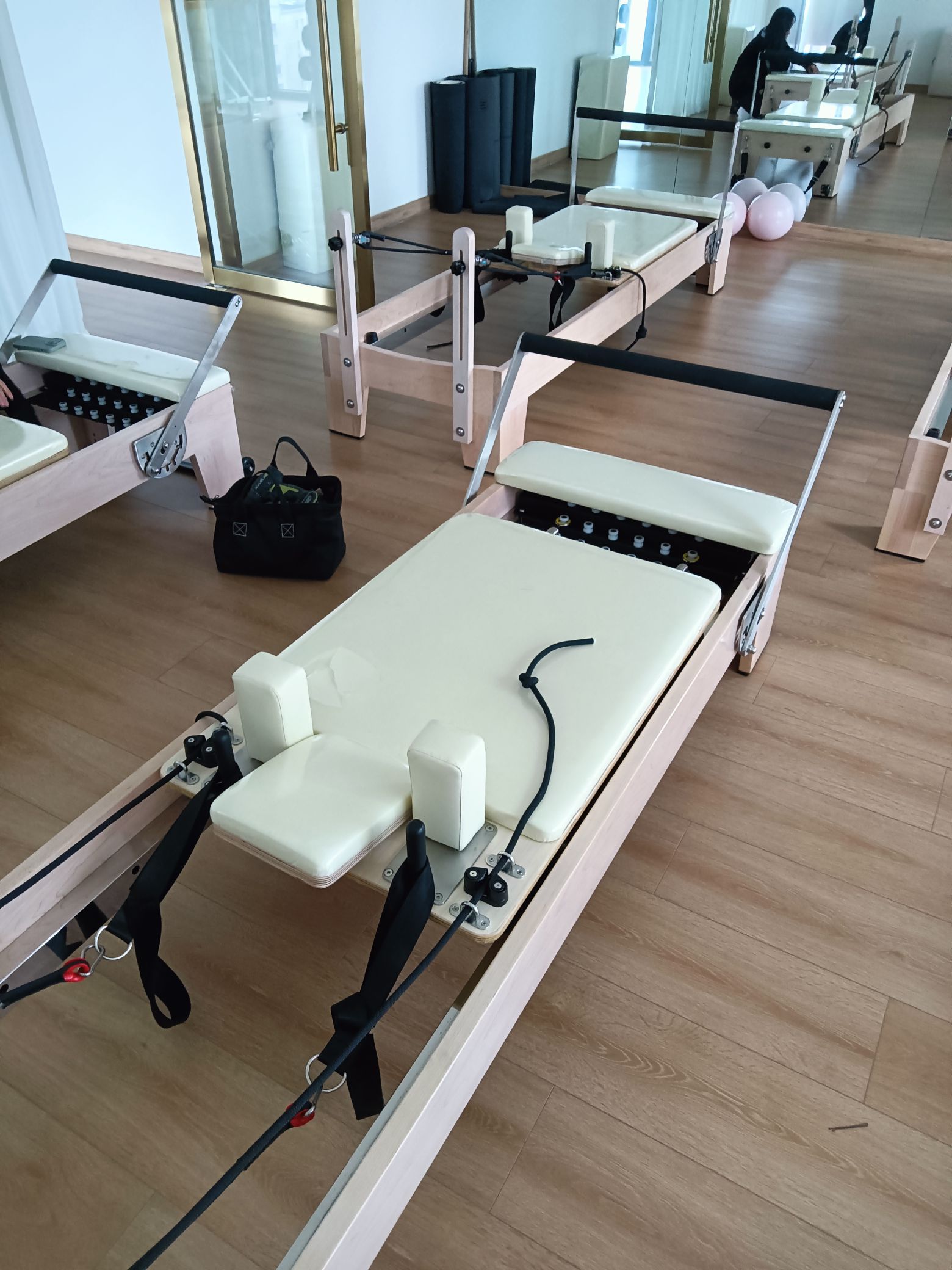
The comfort of soft leather comes not only from the surface material but also from the padding underneath. Carriage pads, shoulder rests, and headrests typically use high-density foam as filling. Commercial-grade equipment requires foam density of at least 45 kg/m³ to provide adequate support without collapsing, while quickly rebounding after pressure.
In practice, this "soft leather + high-density foam" combination delivers: when lying supine on the carriage, body weight is evenly distributed without noticeable pressure on the scapulae or sacrum; during side-lying work, the hip area doesn't feel numb from prolonged pressure; and the soft leather on shoulder rests and headrests reduces neck sliding and friction during roll-ups.
IV. Maintaining Soft Leather Reformers
While soft leather is comfortable, proper cleaning and care are needed to maintain its performance and appearance.
After each use, wipe the leather surface with a slightly damp microfiber cloth to remove sweat and dust. For PU and microfiber leather, use neutral cleaners—avoid alcohol, bleach, or strong acid/alkali products that damage the surface coating, causing hardening or cracking. Deep conditioning every 3 to 4 months with specialized leather care products helps maintain material suppleness.
In commercial environments, soft leather carriage pads typically show visible wear after 18 to 24 months; lifespan is longer for home use.
Summary: The value of a soft leather Pilates reformer lies in transforming "long training sessions" from something to endure into something to enjoy. It's not a decorative upgrade—it's a functional choice that directly affects training experience and the willingness to stick with it. When choosing, pay attention to the specific leather type (microfiber, PU, or marine-grade vinyl), foam density, and breathability performance—not just the vague label of "soft leather." A good soft leather reformer lets you focus on the movement itself, rather than being distracted by discomfort from the equipment.