Why Cheap Pilates Beds Break Easily: Material Hidden Risks
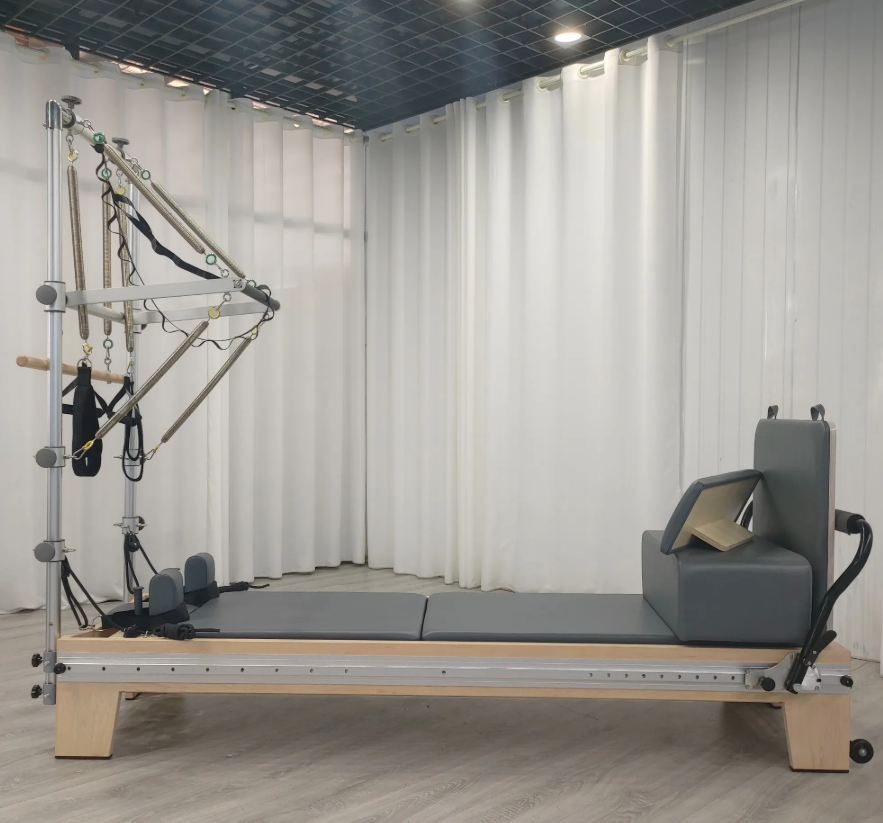
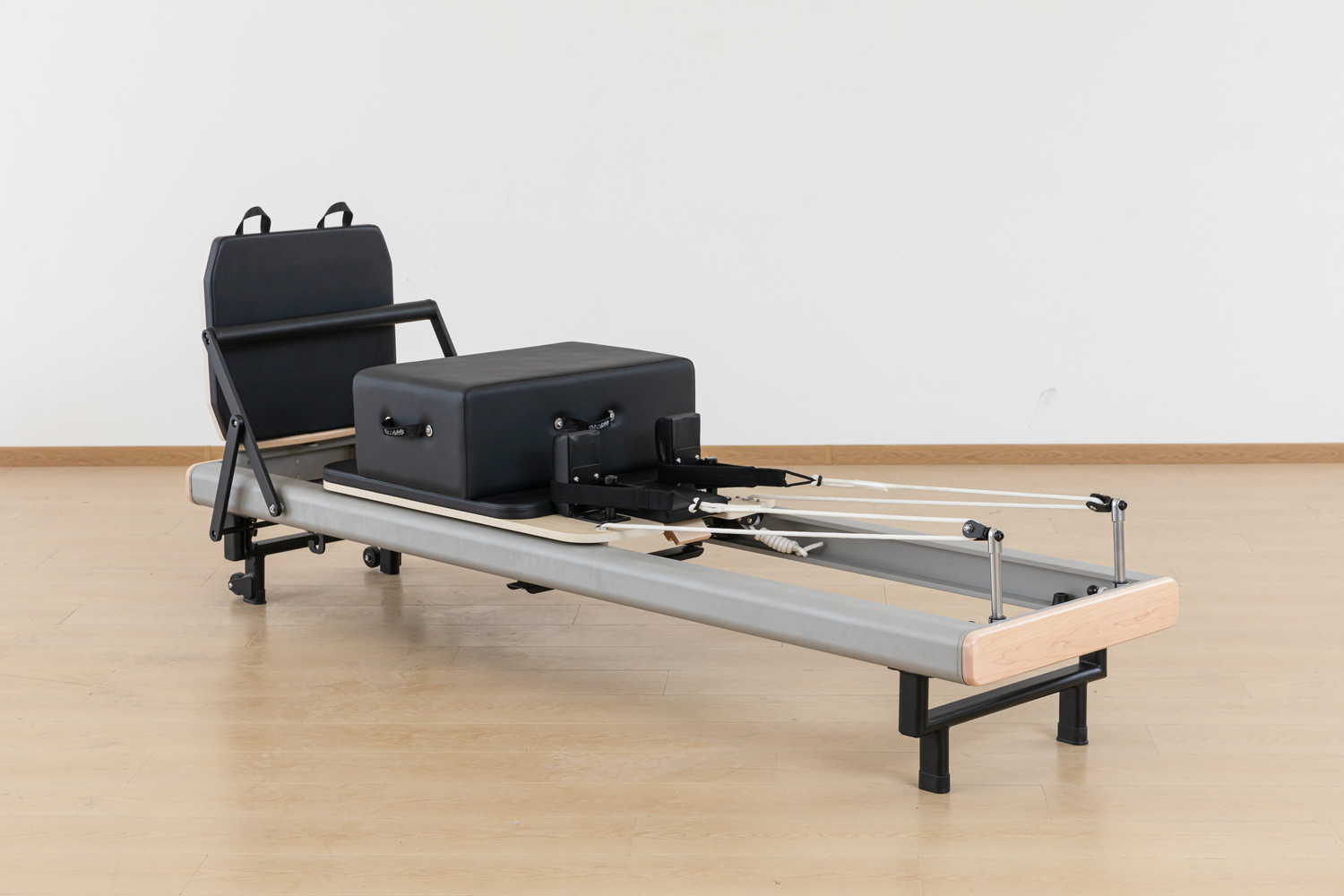
A Pilates reformer priced at $200 and one priced at $2,000 may look similar in product photos. But what really determines lifespan is what you can't see—steel thickness, spring material, wheel bearings, weld quality, and locking mechanisms. This article breaks down the five core reasons cheap reformers break easily, from a materials engineering perspective.
I. Springs: Elastic Cords Masquerading as Metal Springs
This is the most common and most dangerous cost-cutting trick in cheap reformers.
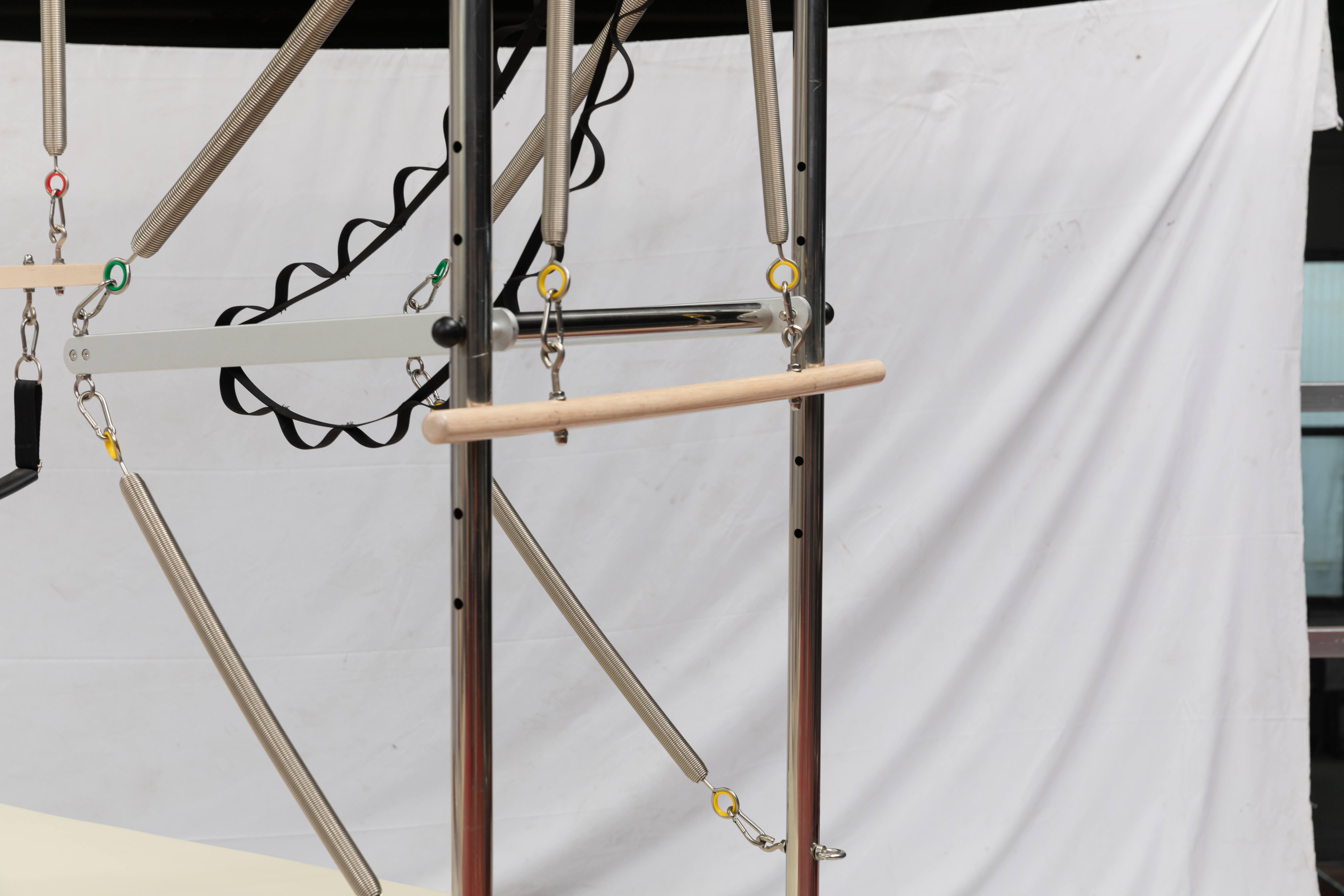
Professional reformers use high-carbon steel cold-coiled springs, heat-treated to remove residual stress, delivering consistent force and a lifespan of 500,000+ cycles. Many sub-$300 "reformers" use latex elastic cords—not springs at all.
The difference is fundamental. Elastic cords have non-linear resistance: slack at the start of a movement, progressively tighter as you stretch. This cannot provide the stable resistance feedback that proper Pilates training requires. More dangerously, elastic cords are far weaker than metal springs. Experts warn they "can only take you so far before snapping and losing elasticity over time". If one snaps suddenly, the user may lose balance and suffer injury.
Elastic cords also have very short lifespans. Users have reported noticeable tension loss after just a few uses. In studio settings, instructors select spring combinations based on each client's body weight and ability—elastic cords cannot offer this precision.
How to spot: Ask the seller directly "what material are the springs?" If they're vague or say "resistance system," it's almost certainly elastic cords. Real metal spring sellers will specify "high-carbon steel cold-coiled springs" or "imported piano wire."
II. Rails and Wheels: Cheap Materials Replacing Precision Components
Rails and wheels determine whether gliding is smooth and quiet. Cost-cutting in these parts leads directly to "squeaking" and "wheels falling off."
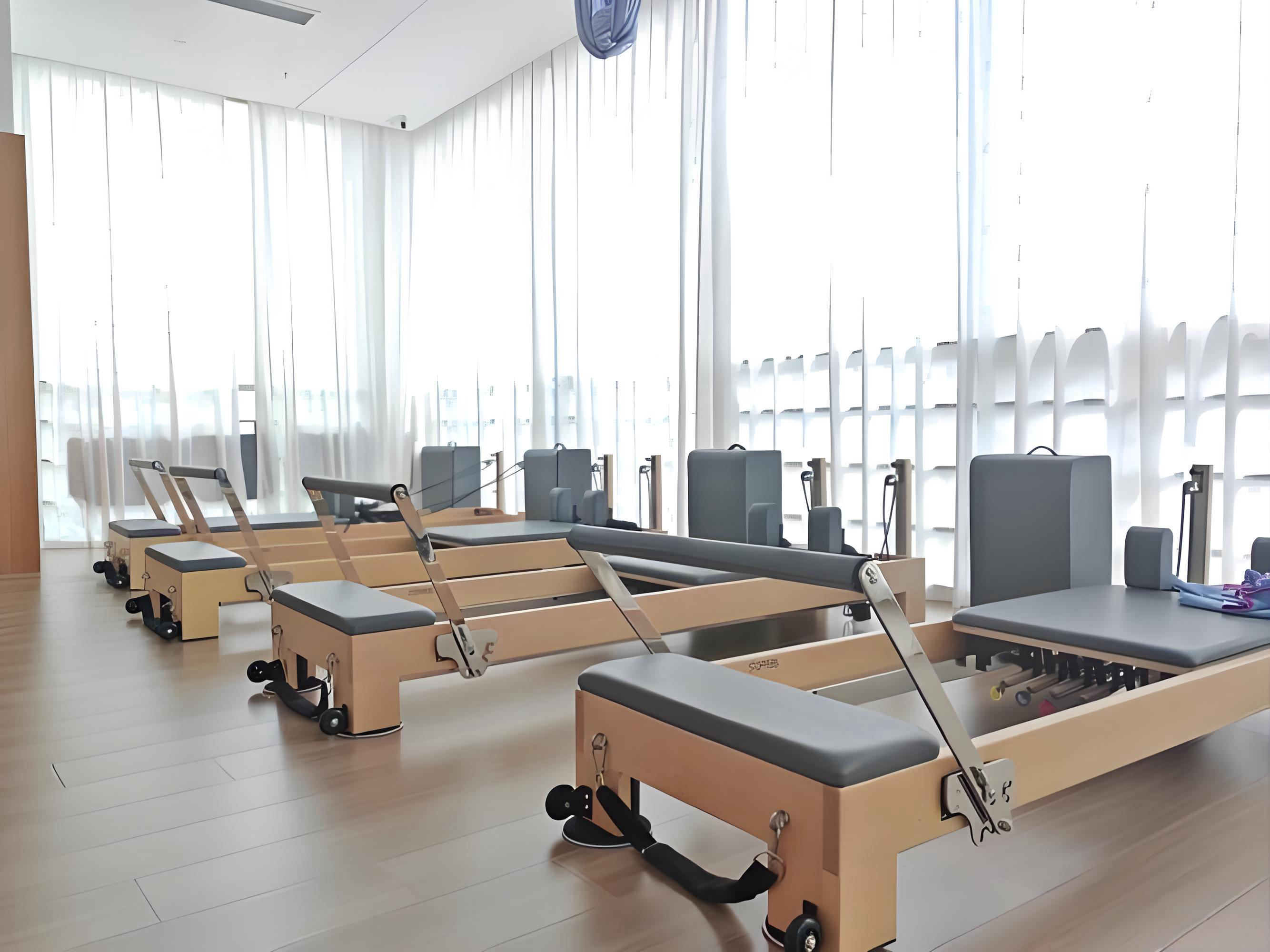
Rails: Cheap reformers typically use standard carbon steel rails with rough surface finishes and high friction coefficients. Over time, they rust and develop scratches, increasing resistance and creating unpleasant noise. Professional equipment uses anodized aviation-grade aluminum rails with low friction coefficients, silent gliding, and excellent corrosion resistance.
Wheels: Cheap wheels are often standard nylon with low-precision bearings and no seals. Dust and fibers enter bearings, increasing friction and noise. More seriously, users have reported rubber on cheap wheels "popping off" or "snapping" after just a few uses. Once wheels fail, the carriage's gliding function is essentially disabled.
III. Frame: Too-Thin Tubing and Poor Welds
A reformer must withstand the user's body weight and lateral forces repeatedly. If the frame isn't strong enough, it wobbles at best—and bends or breaks at worst.
The issues with cheap frames appear at two levels:
Thin tubing: Many lightweight cheap reformers use excessively thin tubing to reduce weight and cost. During exertion, thin walls cause elastic deformation, creating noticeable wobbling. User feedback confirms that cheap beds "wobble noticeably during exercise".
Rough welding: Cheap beds often use crude joining methods on rear columns—connections can be "pulled apart with minimal force". These structures loosen under repeated stress, compromising both training experience and safety.
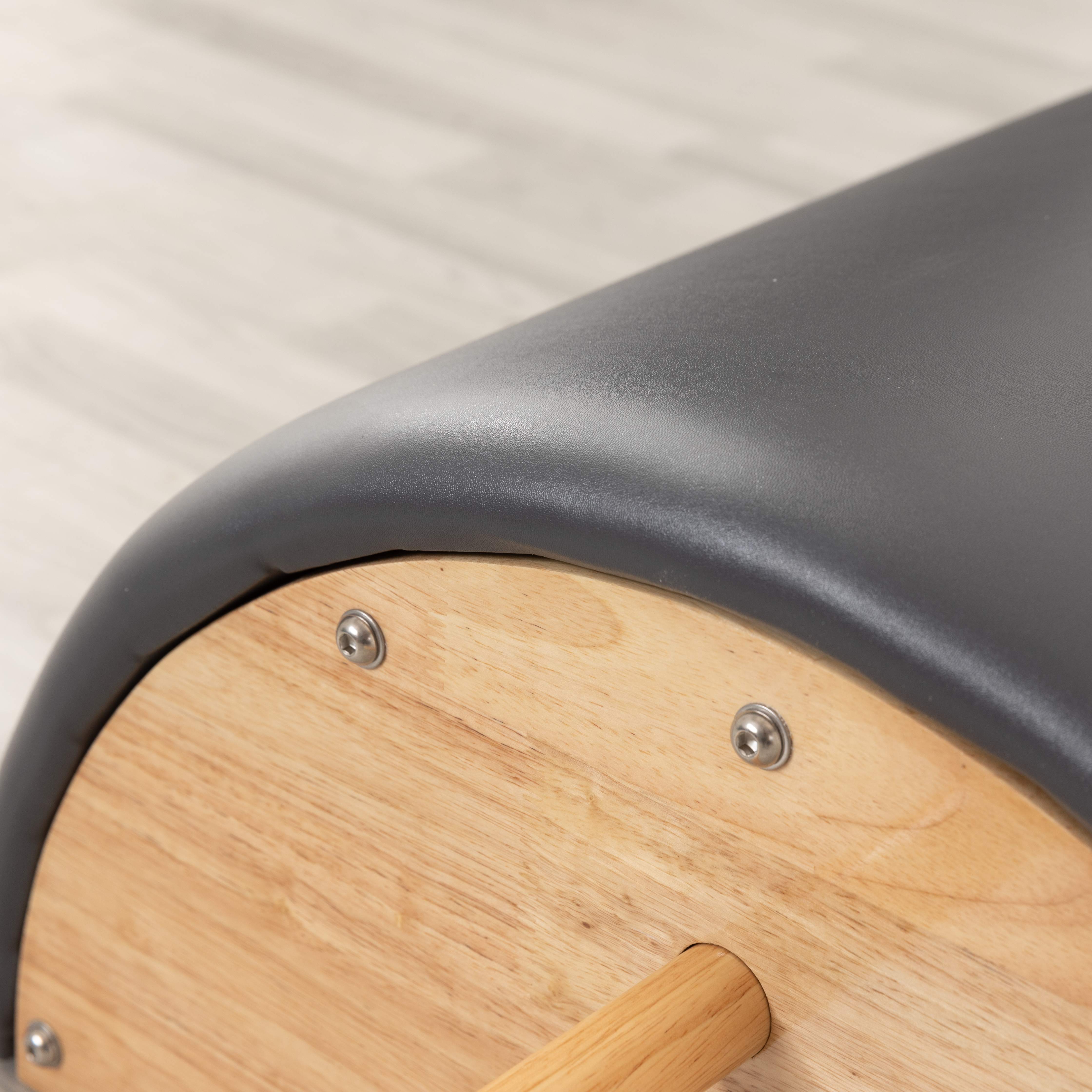
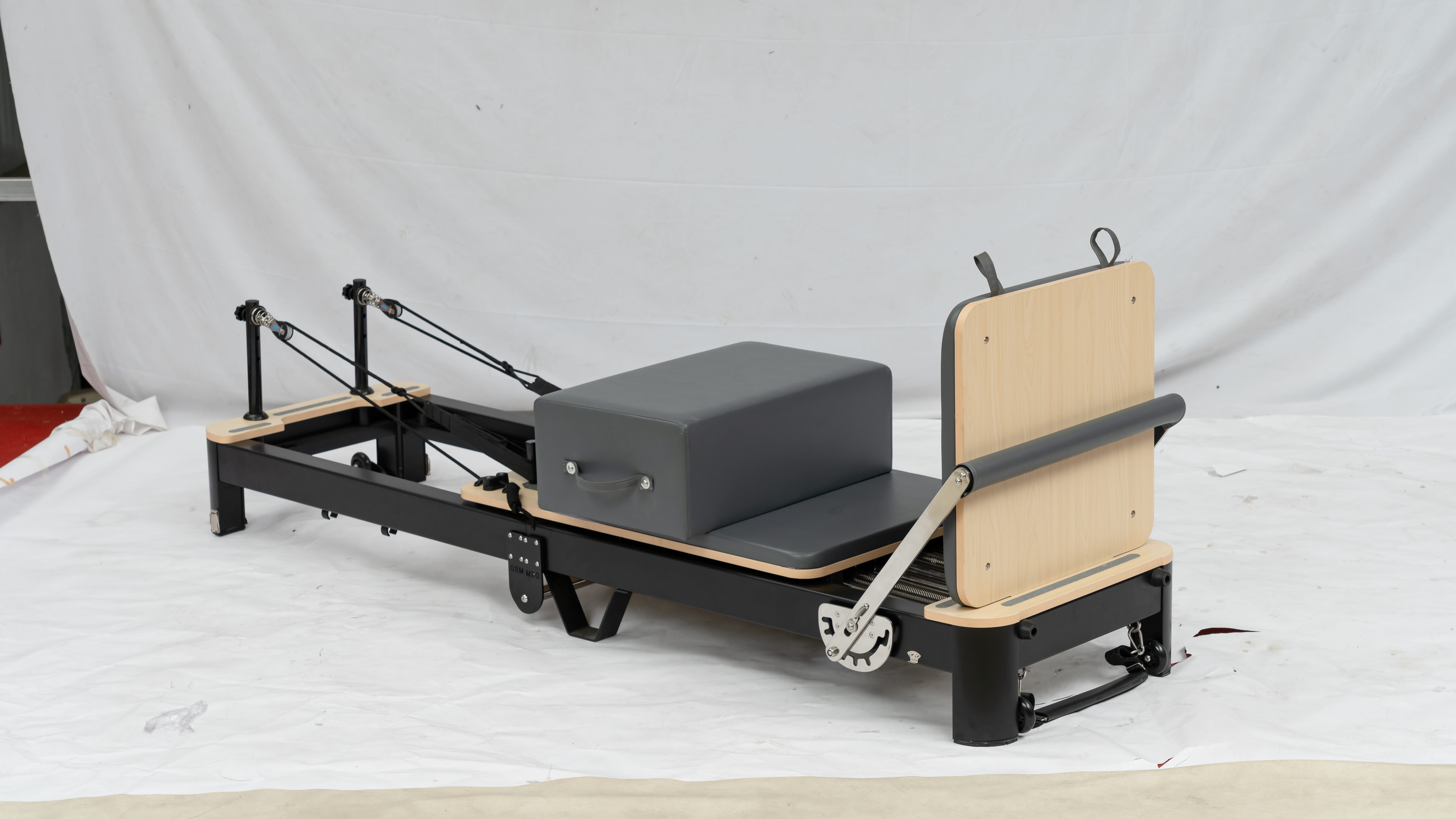
Professional equipment uses integrated reinforced construction, with welds that undergo rigorous inspection and frames that show almost no deformation under load. Premium brands also use 30mm AA-grade beech panels and 304 stainless steel, with ISO 9001 and CE certifications.
IV. Folding Mechanisms: Straps Instead of Locks
The storage mechanism of a foldable reformer is a key indicator separating "professional design" from "cheap assembly."
Professional foldable reformers use industrial-grade hinges and locking mechanisms, operating smoothly and securing the bed in place during storage. Sub-$300 models often lack built-in locking, relying on simple straps to secure the carriage. Some users report the carriage "slides forward automatically during storage"—creating pinch and impact hazards.
Additionally, cheap foldable beds force springs into bent positions during storage, while professional designs keep springs vertically aligned and evenly stressed—extending spring life.
V. Hardware: Cast Iron Instead of Stainless Steel
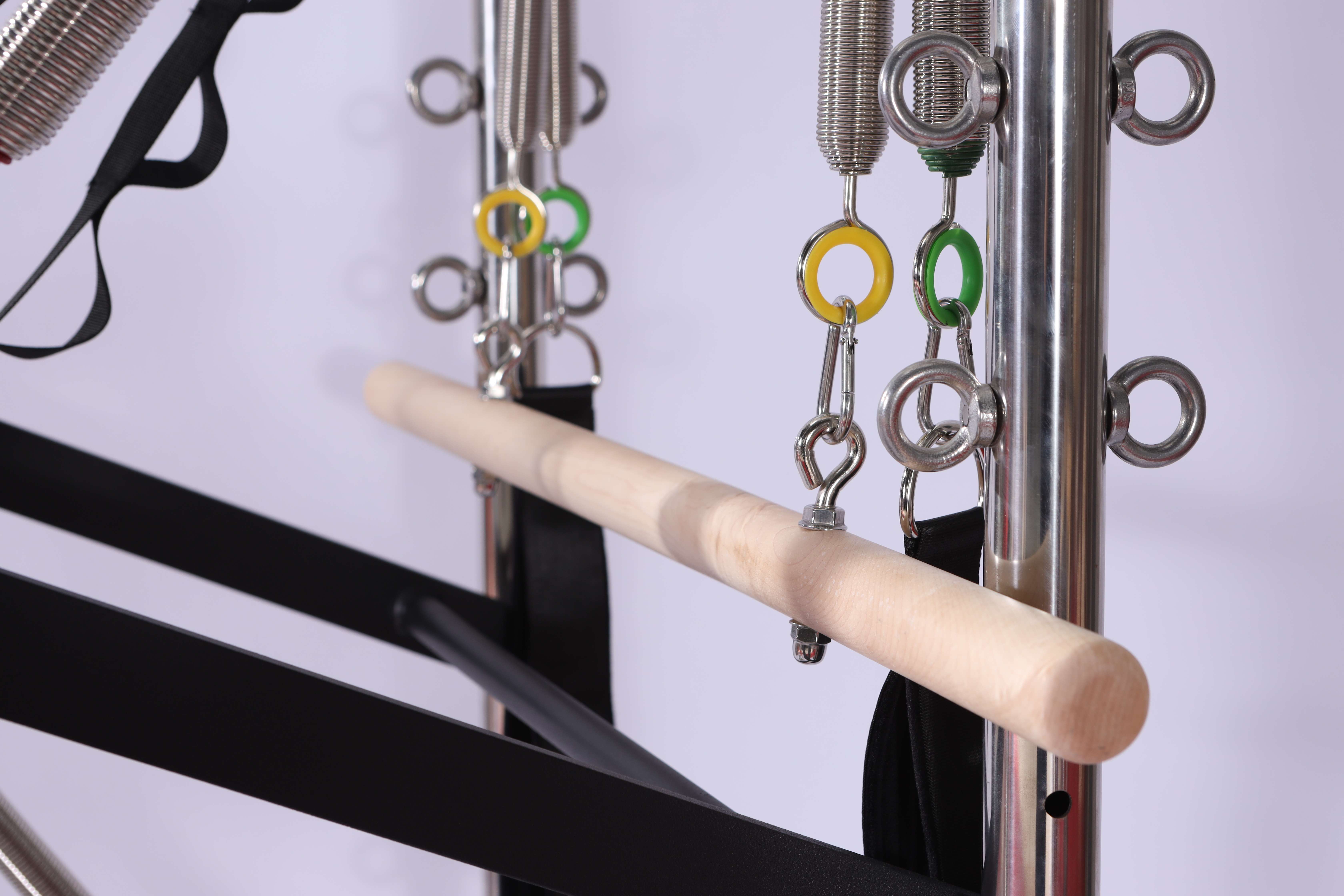
Hardware material quality determines equipment lifespan in humid environments. Cheap products use ordinary cast iron parts that rust, oxidize, and deform over time. Professional equipment uses 304 stainless steel or corrosion-treated steel.
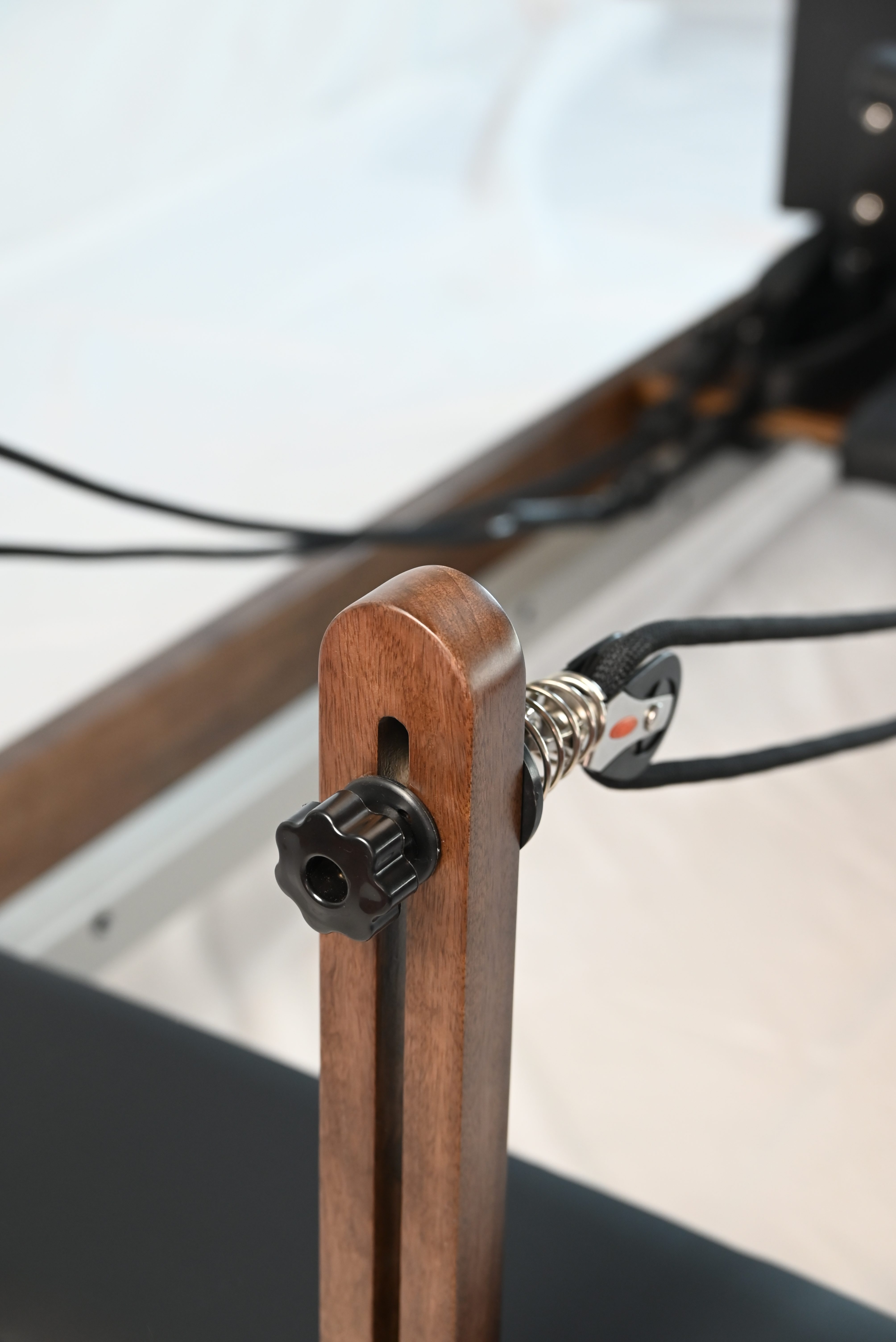
Other easily overlooked details: cheap beds have headrests with excessive play, wobbling during supine work; footboards lack fixing devices and shift during exertion. These "small" issues directly affect training safety and comfort.
VI. Why These Risks Shouldn't Be Ignored
Injury risk: Sudden elastic cord breakage can cause falls; frame loosening can lead to loss of control; wheel failure can jam the carriage.
Compromised training results: Rough gliding and wobbling interfere with movement precision, preventing effective development of correct movement patterns. As one instructor noted, "If the bed itself is unstable, you'll never know whether your form is wrong or the bed is wobbling".
Higher long-term cost: A $200 cheap bed may show spring degradation, wheel damage, and frame loosening within six months to a year. A quality machine costs more upfront but can last over a decade. Over time, buying cheap ends up being expensive.
Summary: The "cheapness" of budget Pilates reformers comes with trade-offs—typically sacrificing spring material, rail precision, frame thickness, folding structure, and hardware grade. These "invisible" compromises eventually manifest as noise, wobbling, breakage, or safety hazards. If you're just trying Pilates short-term, a cheap bed can be a temporary entry point. But if your goal is consistent, long-term practice, invest in equipment that gets the essentials right—spring type, frame stability, and rail smoothness.