The Ultimate Pilates Equipment Glossary for New Buyers
When you first encounter Pilates equipment, the terminology can be overwhelming — what's the difference between a Reformer and a Cadillac? Is a spring the same as a cord? Does "carriage" mean the same thing as "platform"?
This glossary provides a complete reference for new buyers, helping you navigate equipment selection, class instruction, and professional conversations without getting stuck on unfamiliar terms.
I. Core Apparatus Names
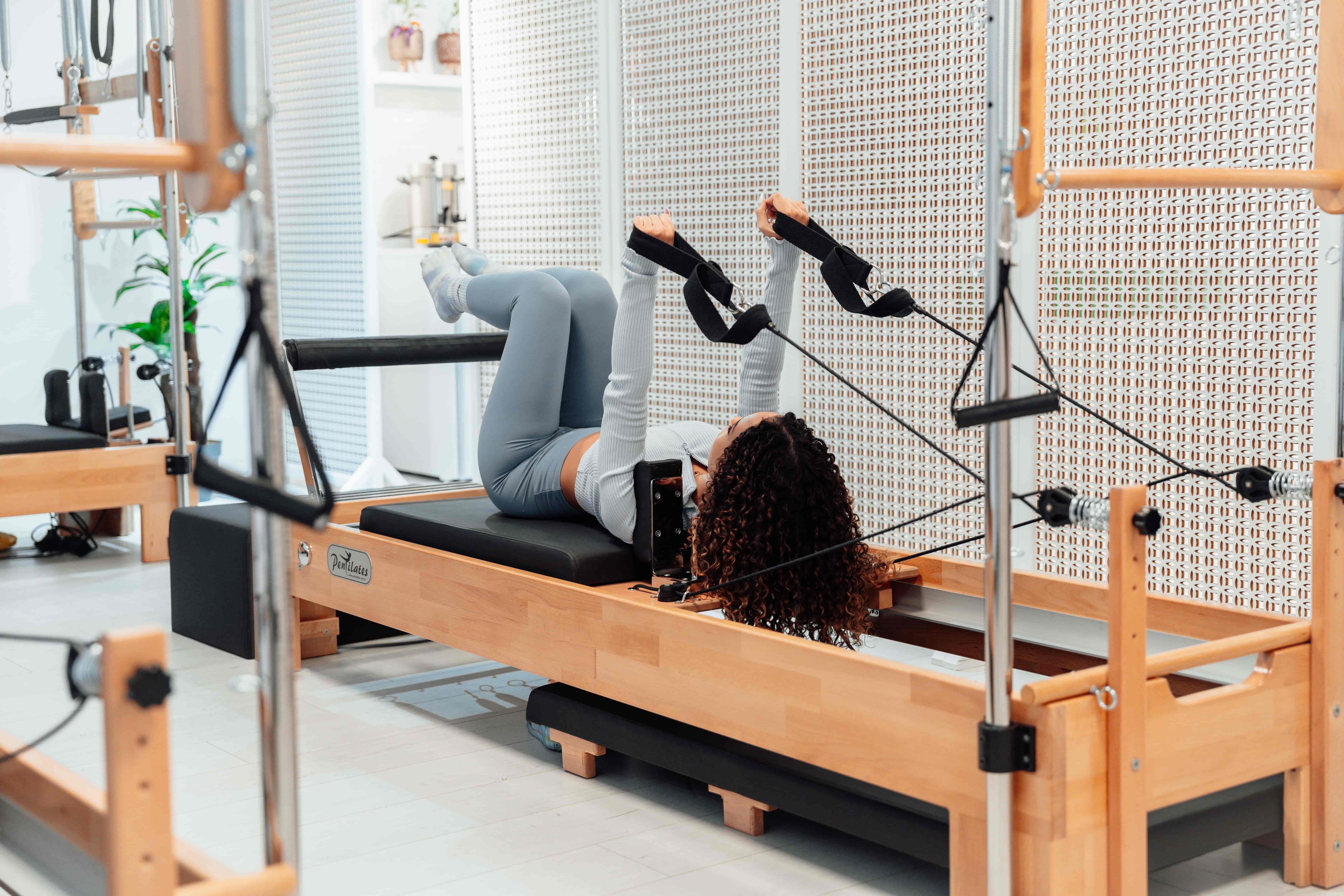
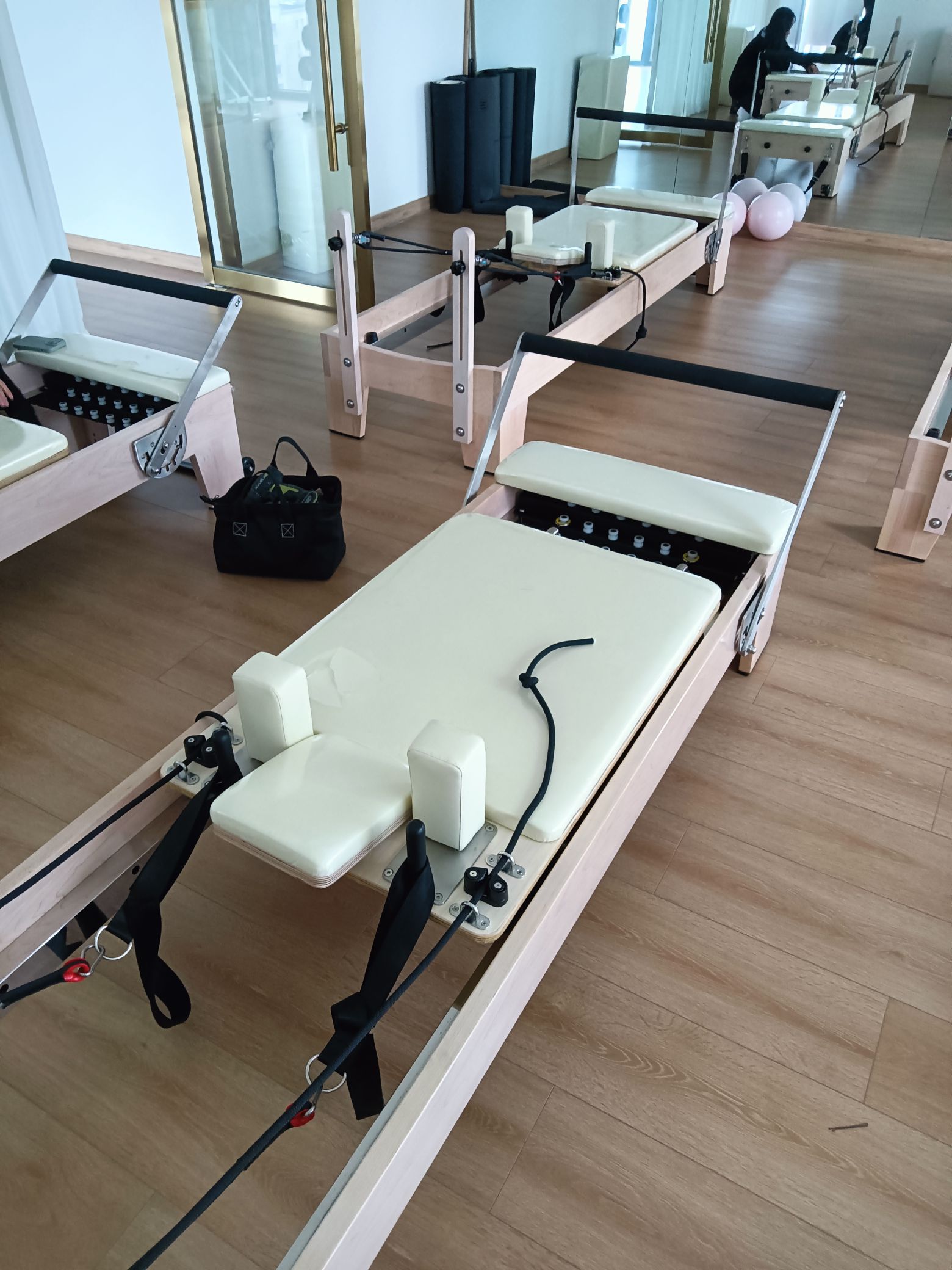
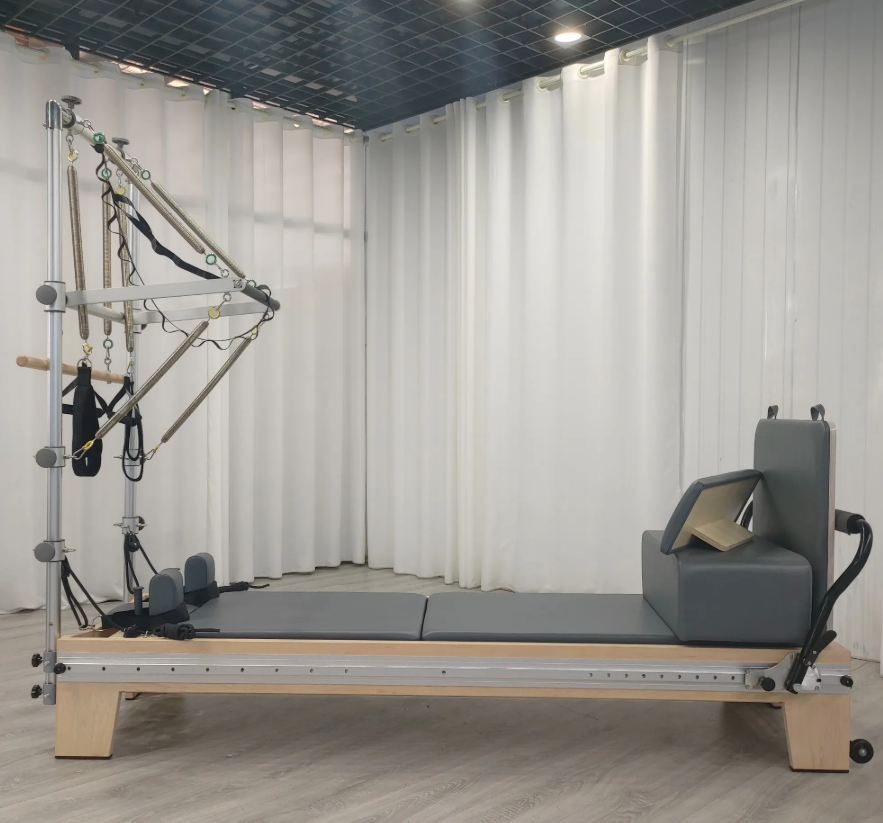
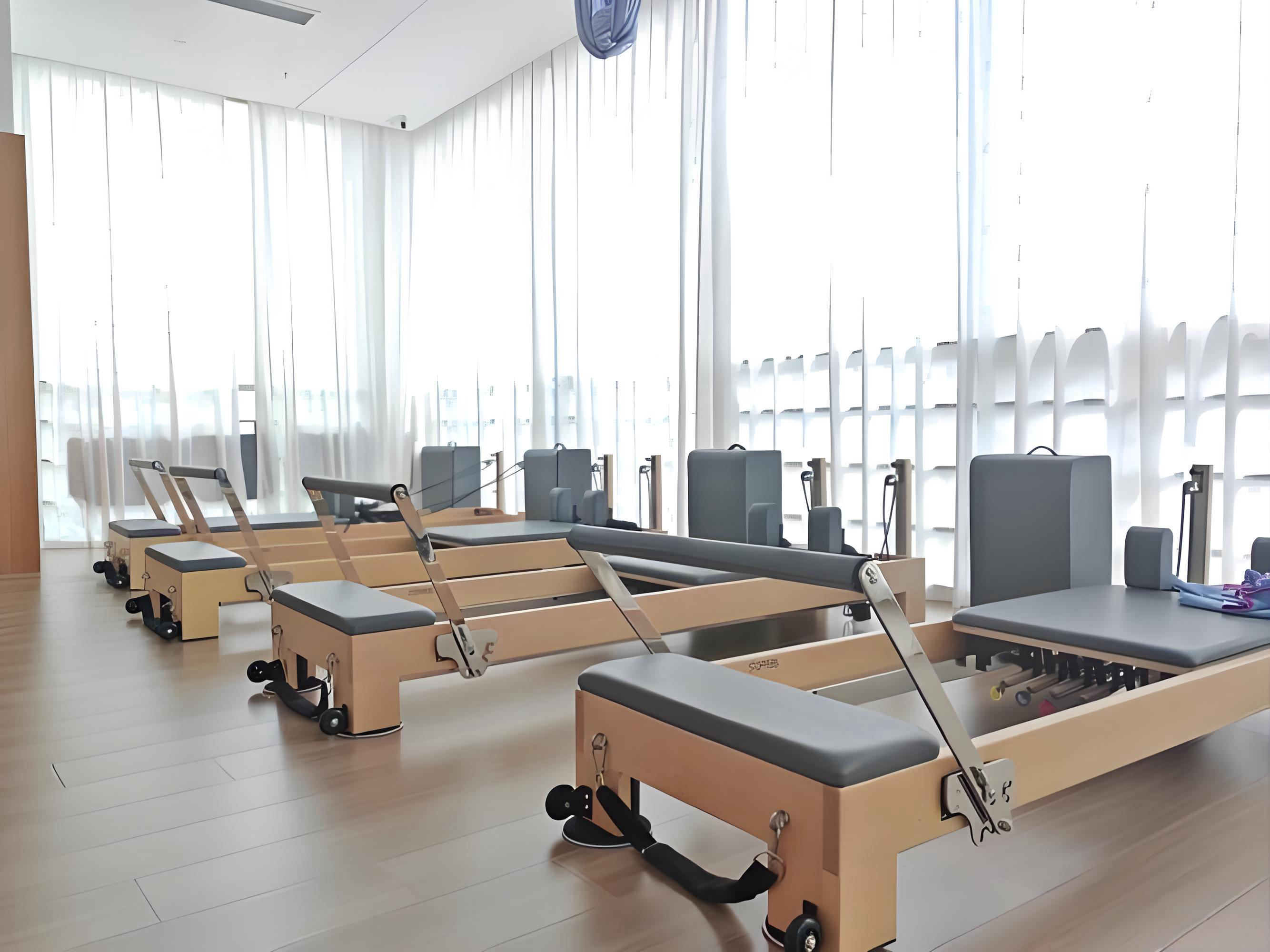
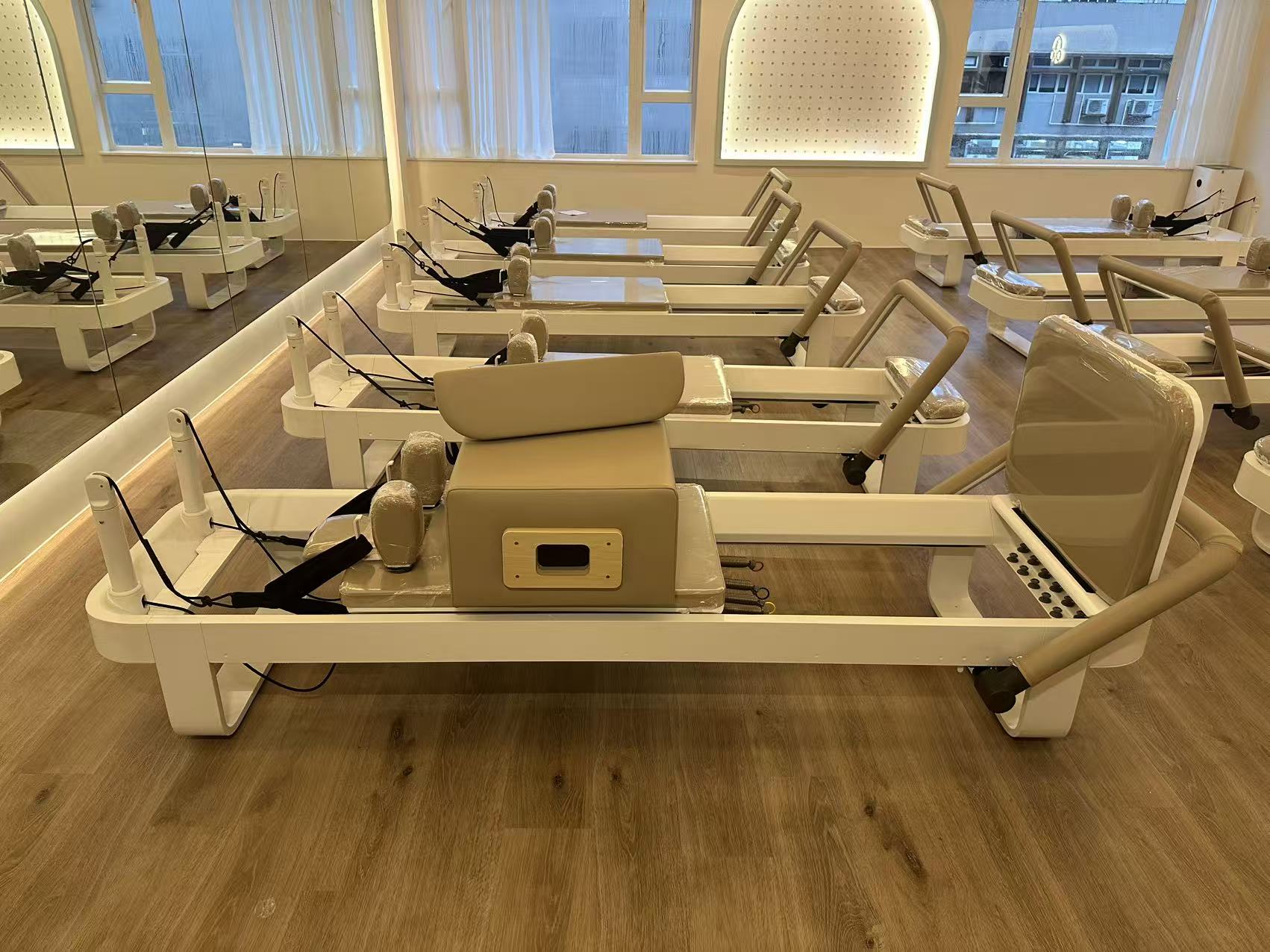
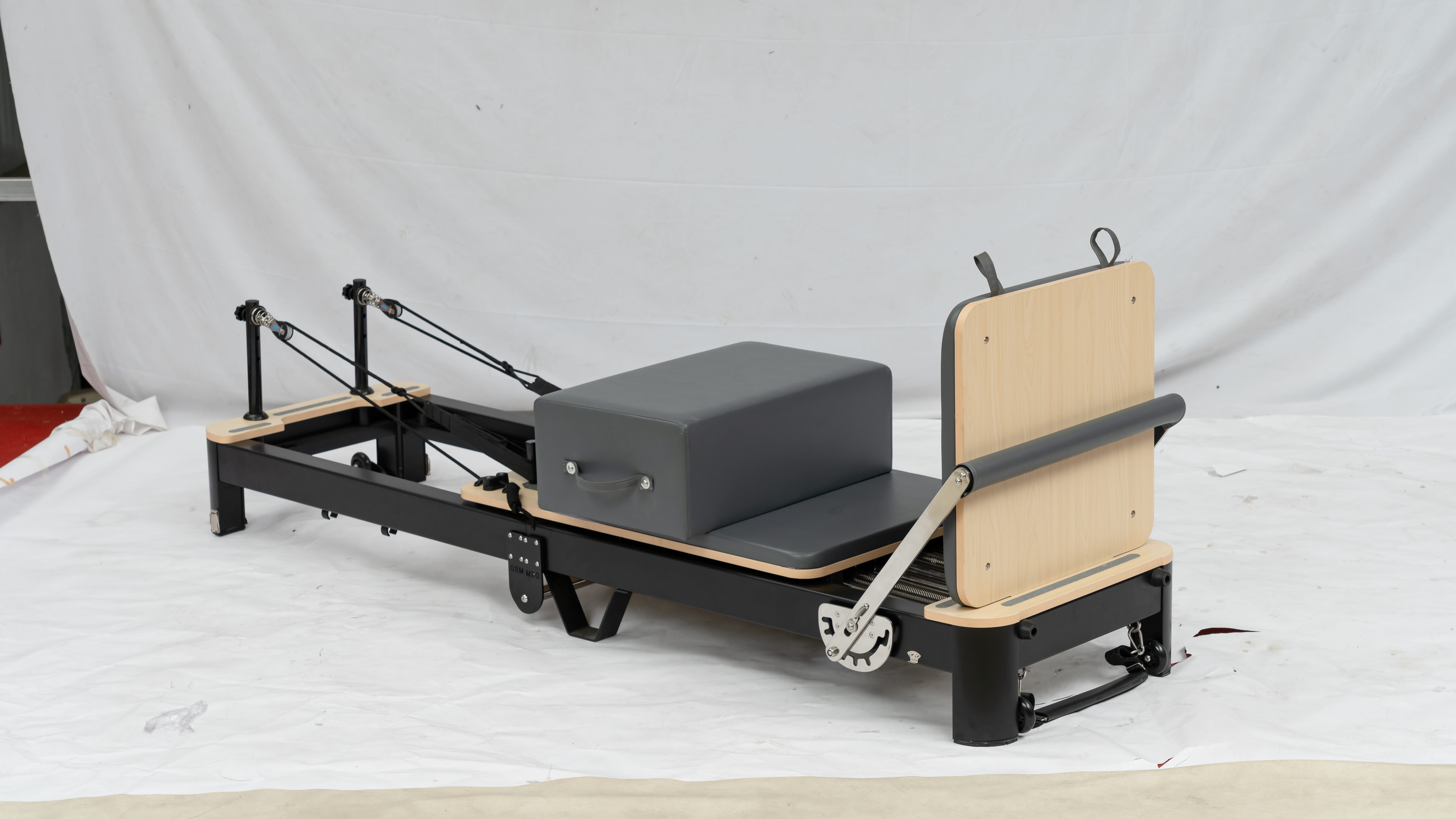
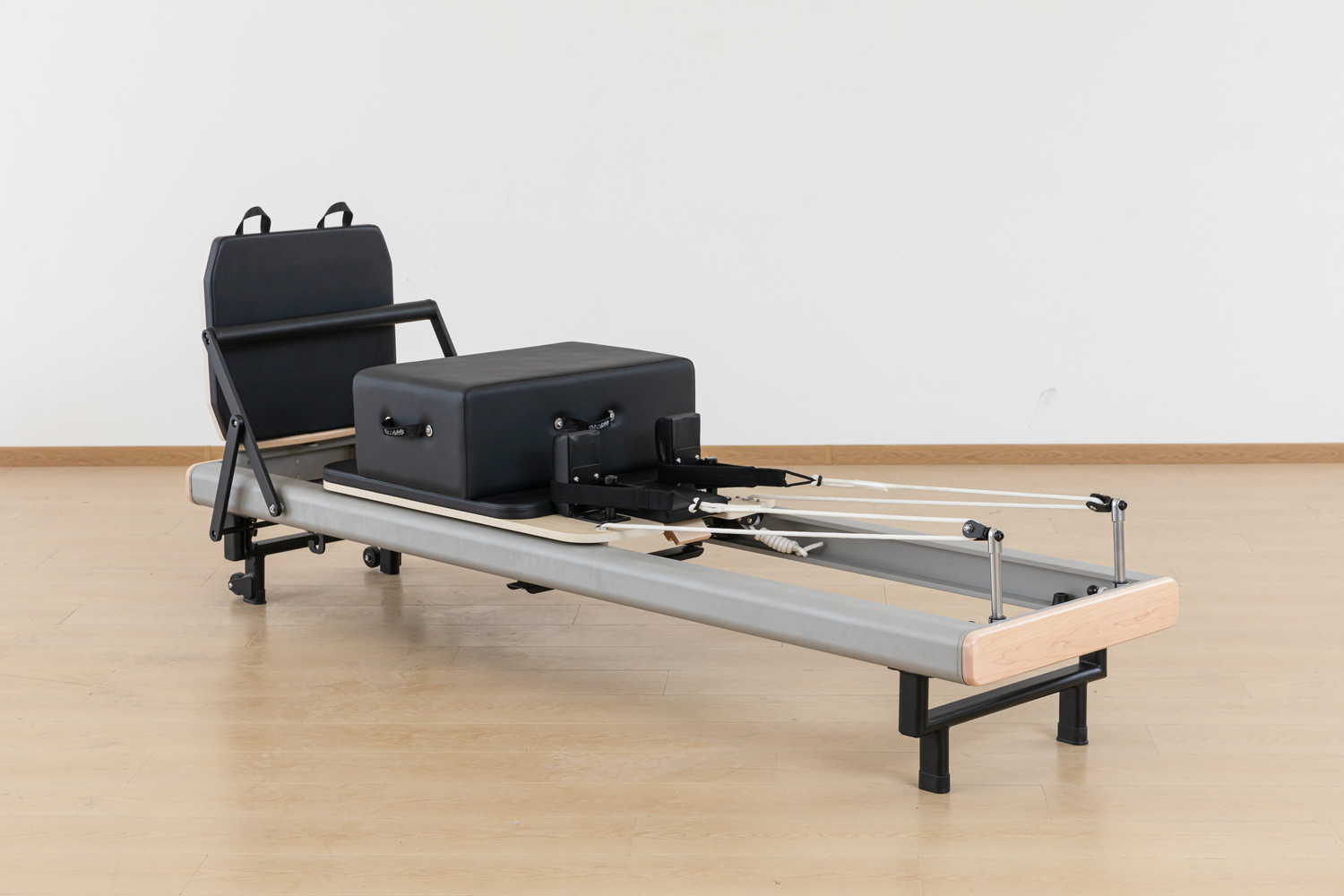
Reformer: The most essential and commonly used Pilates apparatus. Features a sliding carriage, spring resistance system, footbar, and shoulder rests. Enables hundreds of exercises covering strength, flexibility, and rehabilitation.
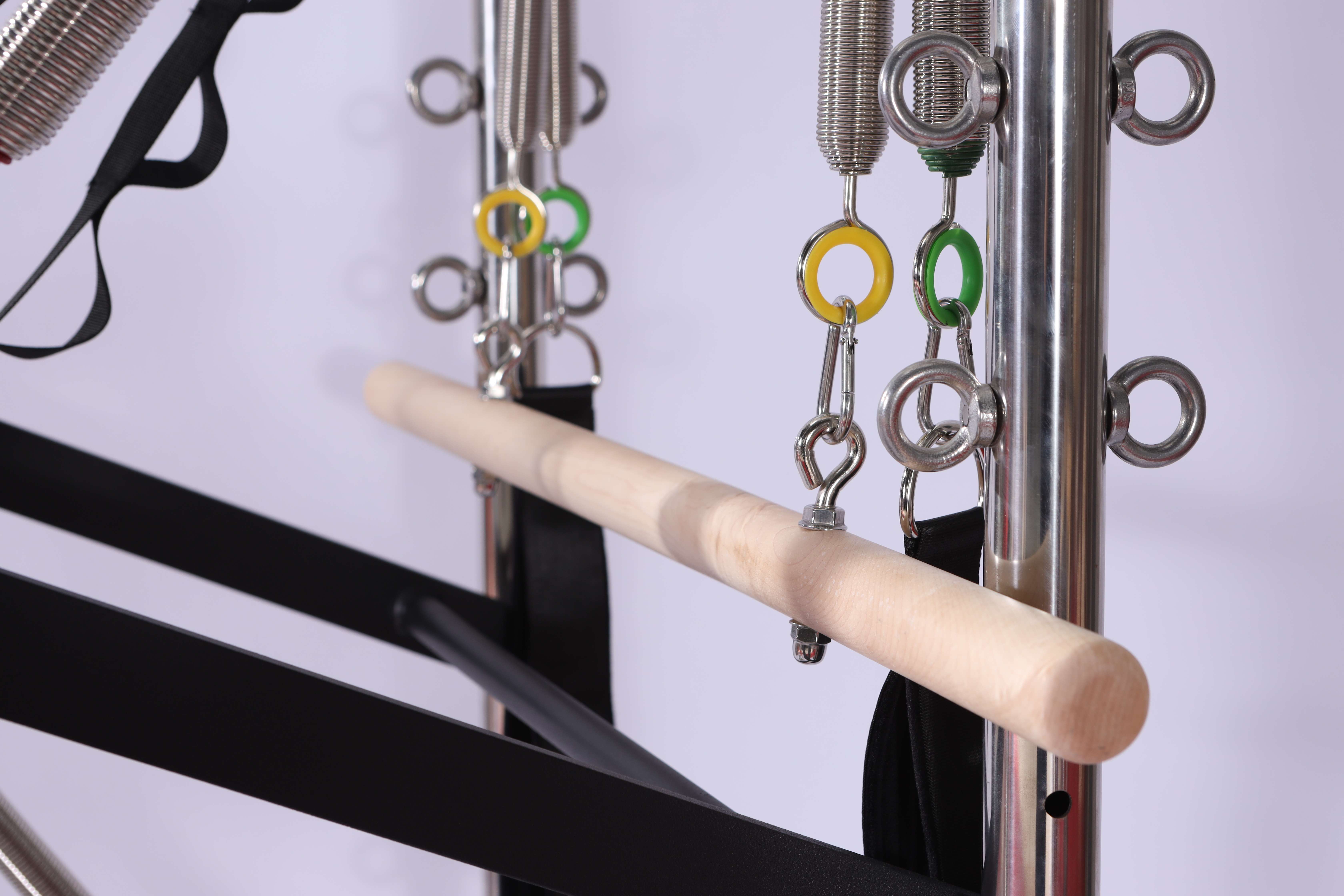
Cadillac: Also known as the Trapeze Table. Features an elevated frame with hanging springs, straps, and push-through bars. One of the most comprehensive apparatuses, especially suited for rehabilitation and full-body conditioning.
Wunda Chair: Compact apparatus consisting of a seat, pedals, and springs. Focuses on lower body strength, core stability, and unilateral training.
Ladder Barrel: Features an arched barrel attached to a ladder-like frame. Focuses on spinal mobility and postural correction. No springs or moving parts — resistance comes from body weight and the curved surface.
Spine Corrector: Also known as the Arc. Lightweight curved apparatus for segmented spinal movement and deep muscle activation.
II. Reformer Component Terms
Carriage: The sliding platform on the Reformer that users lie on during exercise.
Rails: The two parallel tracks on which the carriage slides. Rail precision and smoothness directly affect training experience.
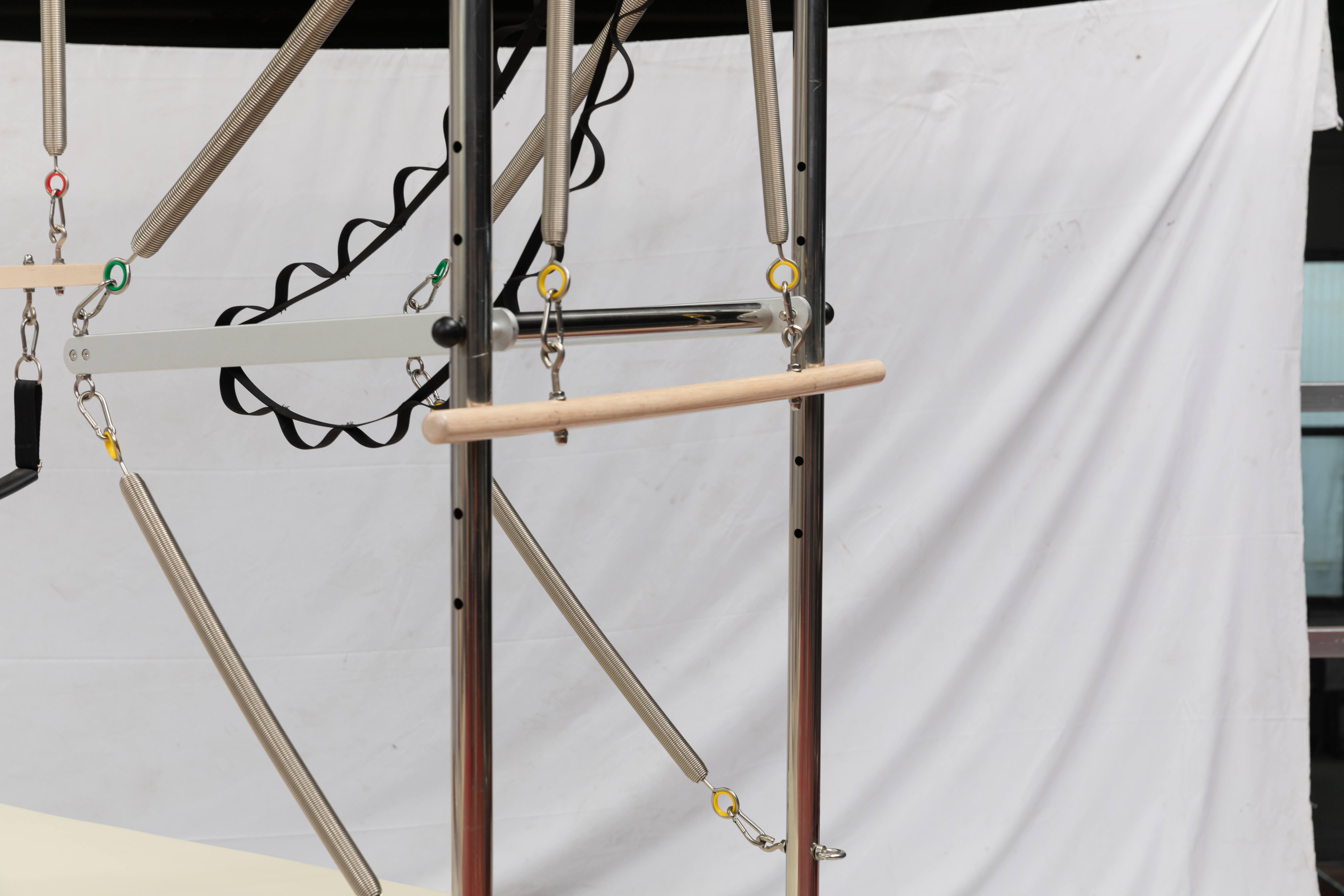
Springs: The core resistance components. Different colors or types indicate different resistance levels.
Footbar: The adjustable crossbar at the foot end of the Reformer for feet or hands.
Shoulder Rests: A pair of padded rests at the head end for stabilizing shoulder position.
Headrest: Adjustable padded rest between shoulder rests at the head end.
Straps / Ropes: Straps connecting the carriage to hands or feet for arm and leg exercises.
Jumpboard: Elastic platform attached to the foot end for jumping and cardiovascular training.
Tower: Vertical frame with springs and rope system attached to the head or foot end, expanding the Reformer's capabilities.
III. Resistance and Spring Terms
Spring Tension / Resistance: The amount of resistance provided by springs, determined by material, wire diameter, and coil count.
Light / Medium / Heavy Springs: Springs of different resistance levels. Typically color-coded — yellow/red for light, blue for medium, green/black for heavy.
Spring Clip / Carabiner: Metal fasteners connecting springs to the carriage or frame.
Progressive Resistance: The characteristic of quality springs where resistance increases smoothly during stretching.
Linear Resistance: The characteristic where spring resistance changes uniformly with stretch length.
IV. Adjustment Component Terms
Gearbar: The crossbar for adjusting spring position and resistance, typically with multiple settings.
Adjustable Footbar: Footbar that adjusts height and angle to accommodate different body sizes and exercises.
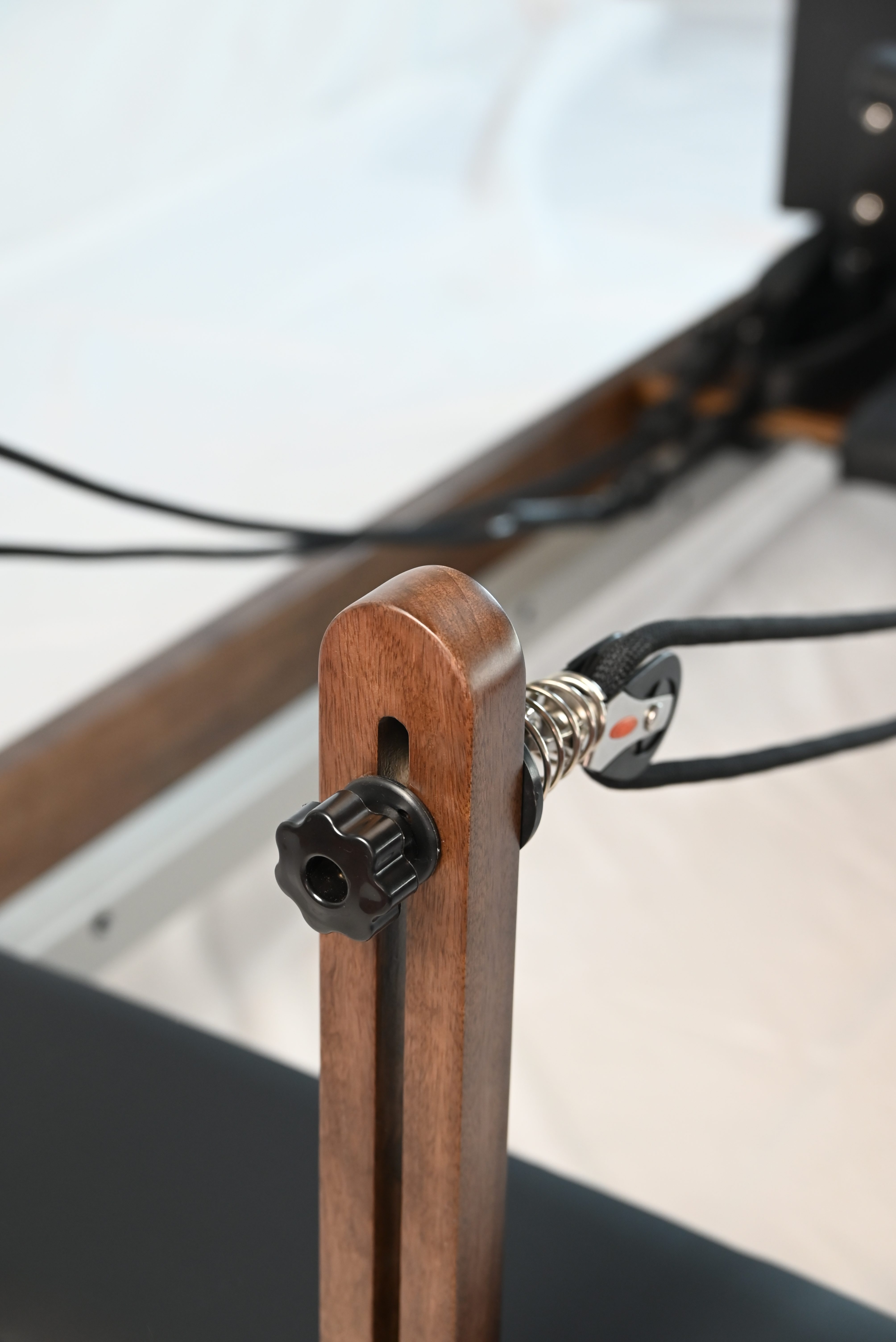
Rope Length Adjustment: Mechanism for adjusting rope or strap length for different exercises and body types.
Stopper / End Stop: Buffer devices at rail ends preventing the carriage from sliding off the tracks.
Locking Mechanism: Device for securing carriage, shoulder rest, or footbar position.
V. Small Prop Terms
Magic Circle: Also known as the Pilates Ring. Circular resistance tool for adductors, arms, and chest training.
Resistance Band / TheraBand: Elastic bands providing variable resistance — a supplement to mat training.
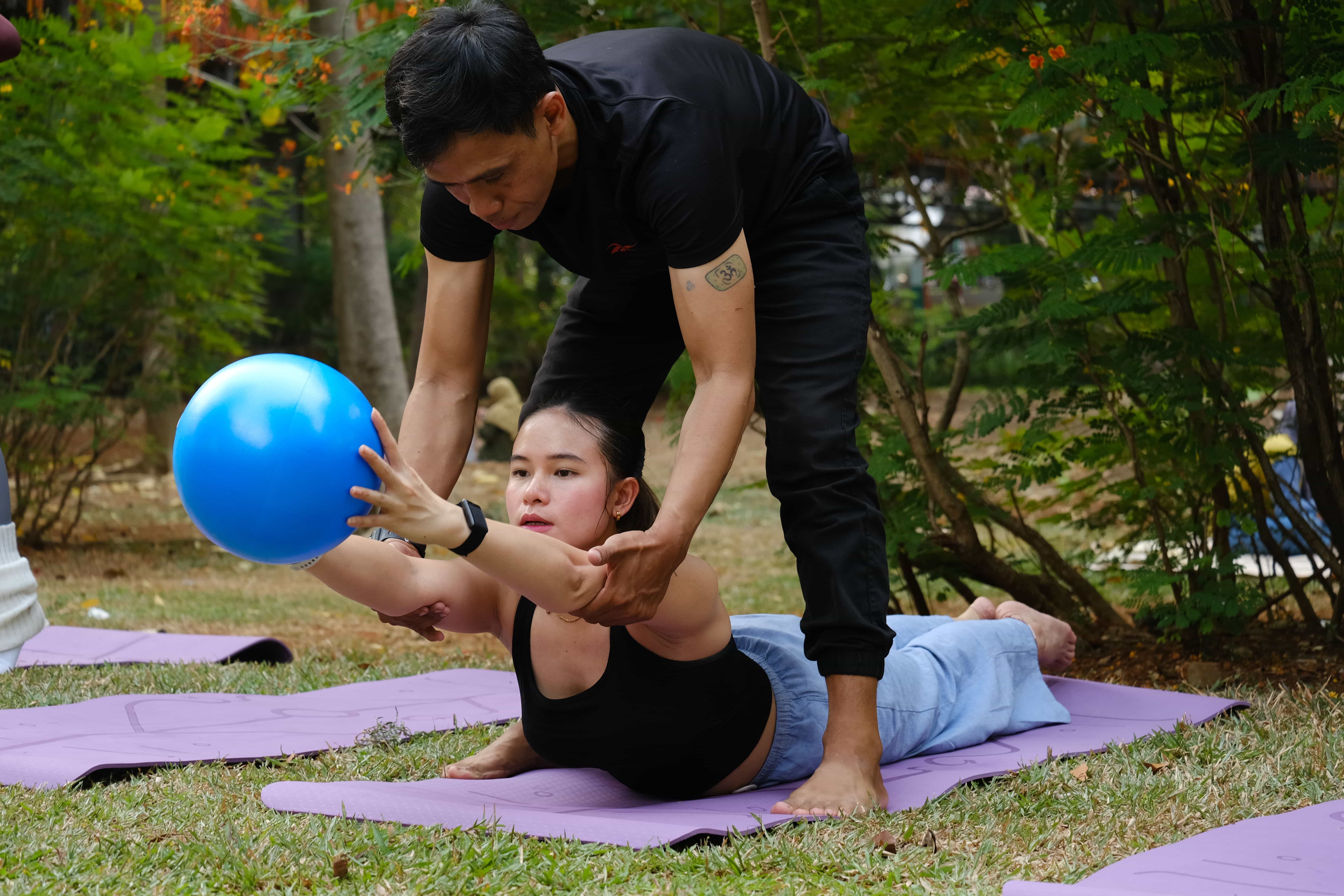
Stability Ball / Pilates Ball: Small inflatable ball for core training and instability exercises.
Foam Roller: Tool for self-myofascial release and muscle recovery.
Box / Platform: Wooden or padded platform for elevating sitting or prone positions.
VI. Common Movement and Operation Terms
Articulation: The controlled rolling of the spine one vertebra at a time during curling or uncurling.
Imprint: The position where the lumbar spine lightly presses into the carriage or mat in supine position, indicating a neutral pelvis.
Neutral Spine / Neutral Pelvis: The natural anatomical position of the spine and pelvis — spine maintaining natural curves, pelvis neither tilted forward nor backward.
Core Engagement: The activation of deep stabilizing muscles around the abdomen, back, and pelvis.
Control: The core principle of Pilates — executing movements with muscular control rather than momentum.
Summary: Mastering these basic terms not only helps you communicate more clearly with suppliers when purchasing, but also helps you better understand instructor instructions during class. Keep this glossary as a reference — as your practice deepens, these names will gradually transform from "unfamiliar terms" into "movements your body knows."