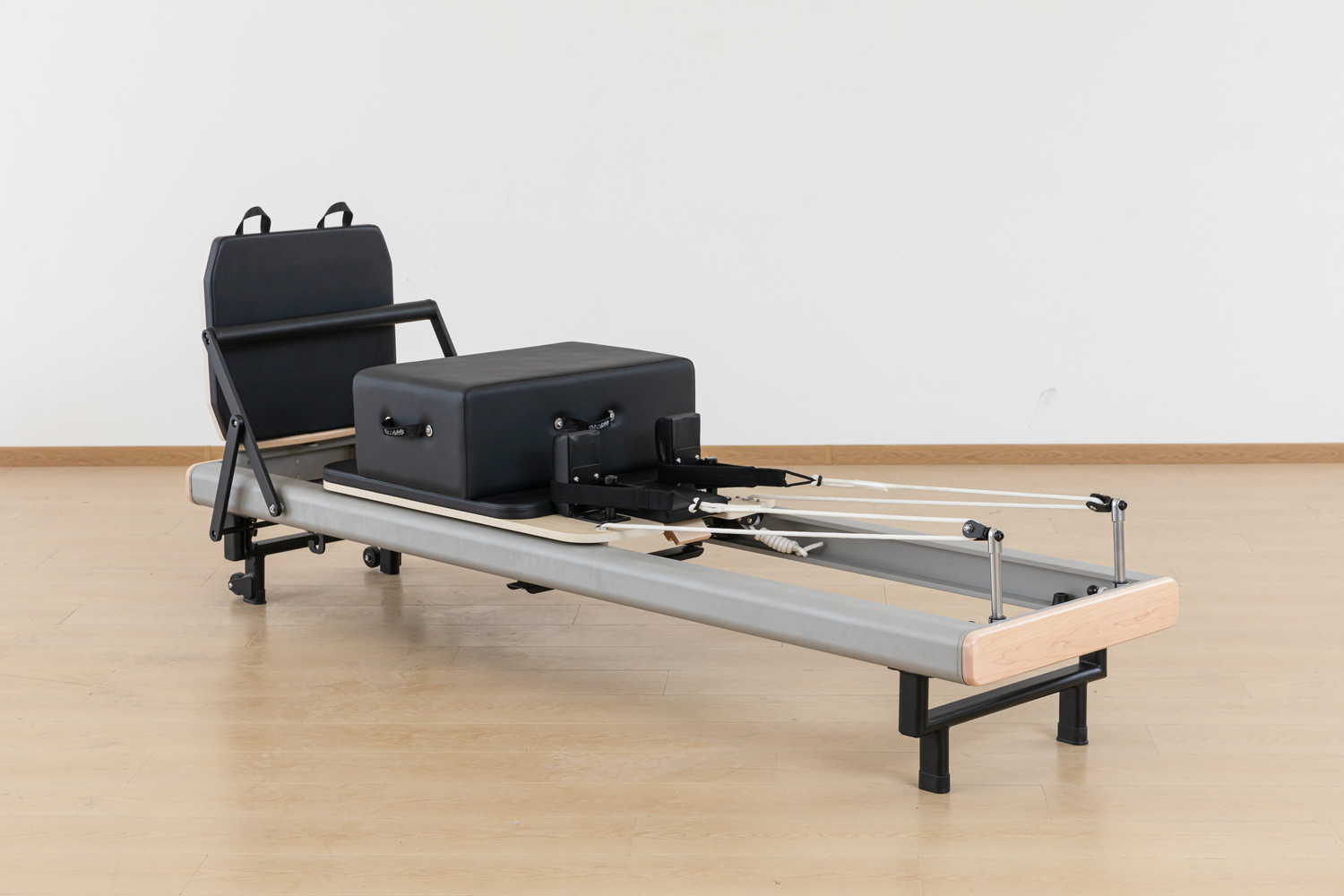
How Long Does A Standard Pilates Reformer Last With Daily Use
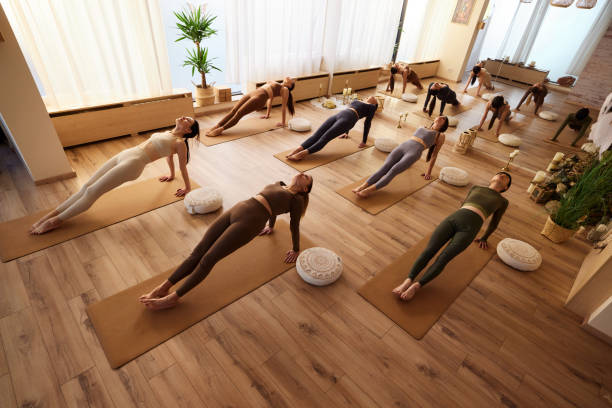
The answer depends on what "standard" means — commercial-grade or residential-grade. There is no single lifespan for a Pilates reformer, as different grades are designed for vastly different durability targets. A residential machine used daily may not survive two years, while a commercial machine can operate reliably for a decade or more.
I. Commercial Reformers: Built for High Intensity
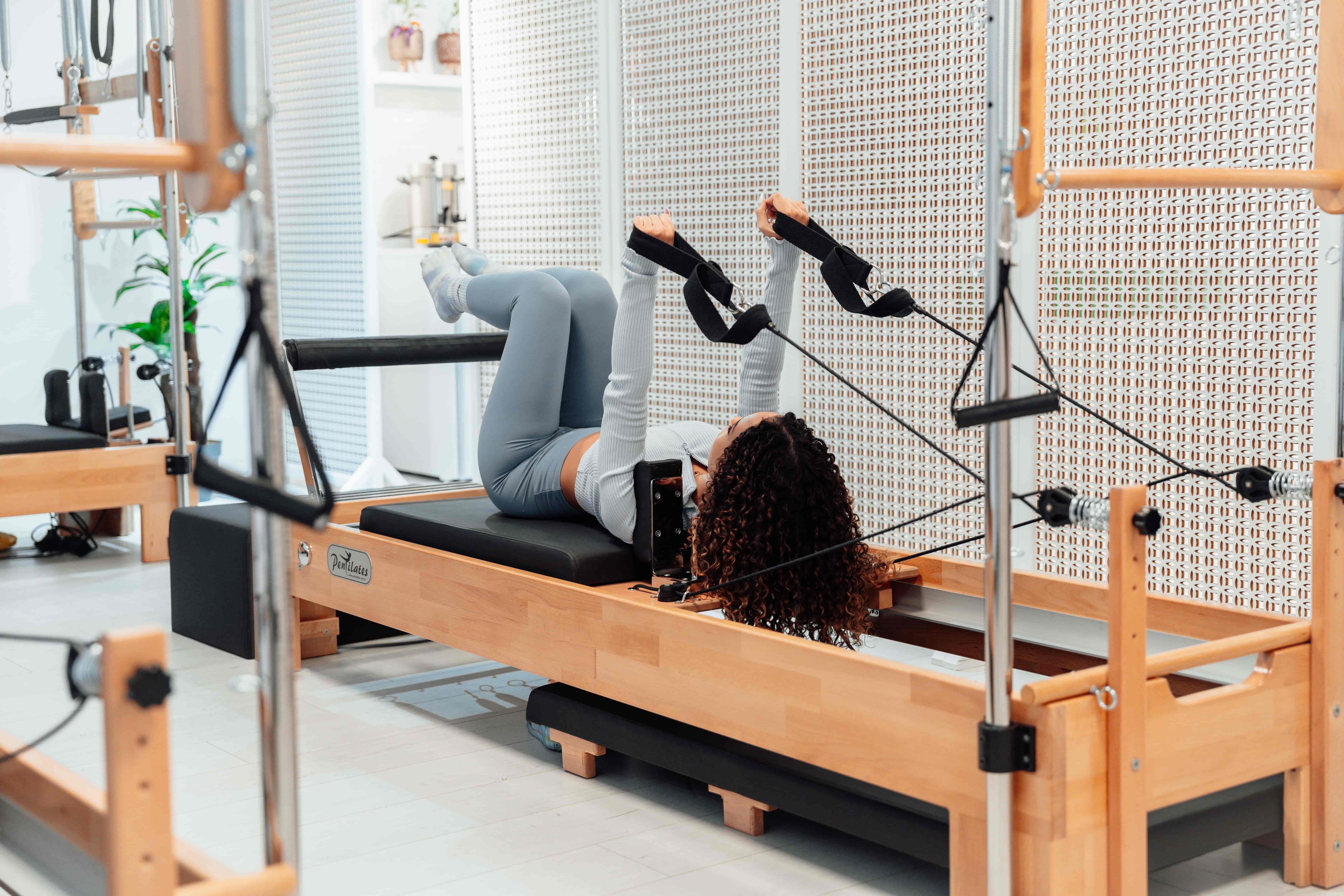
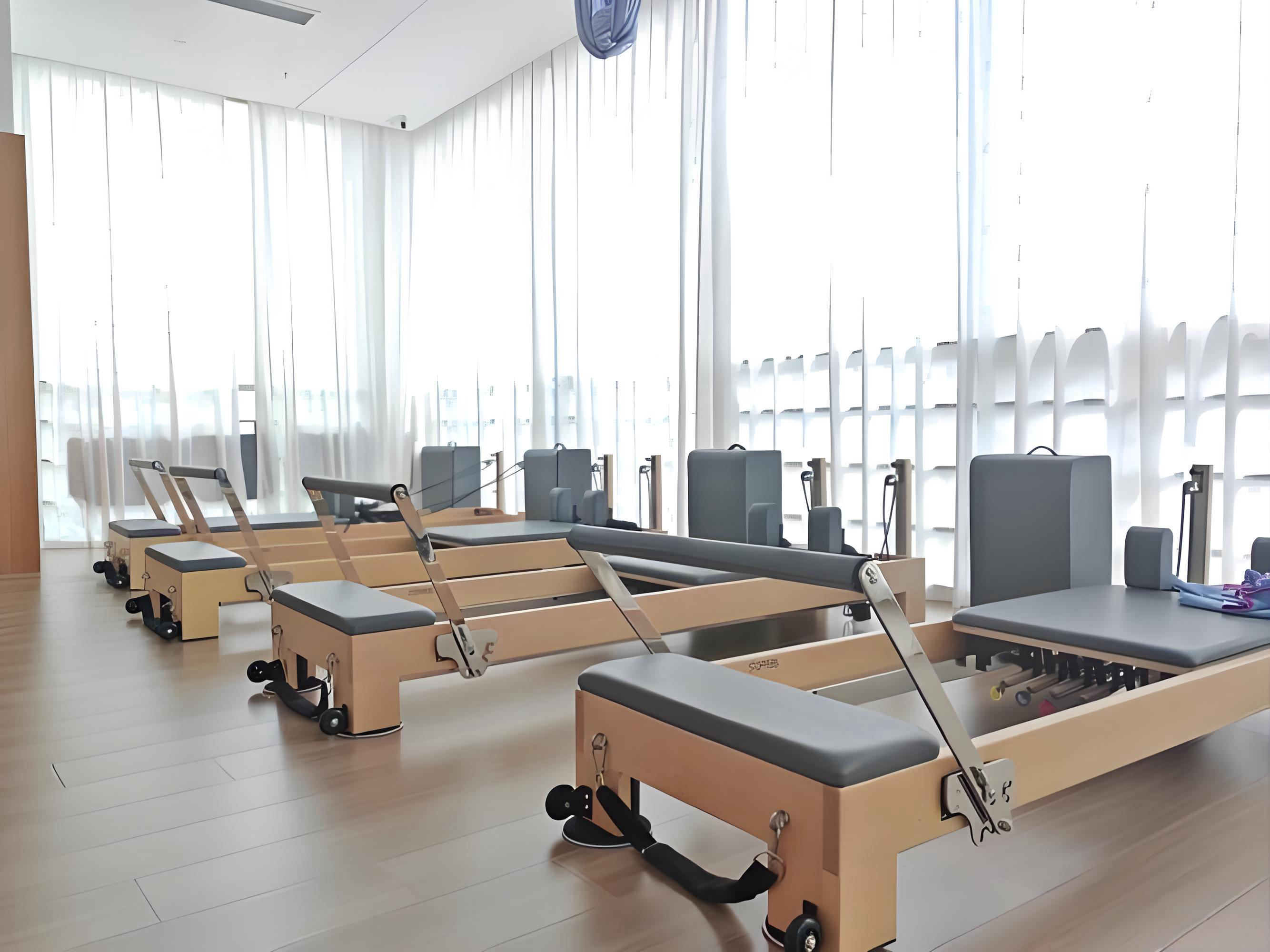
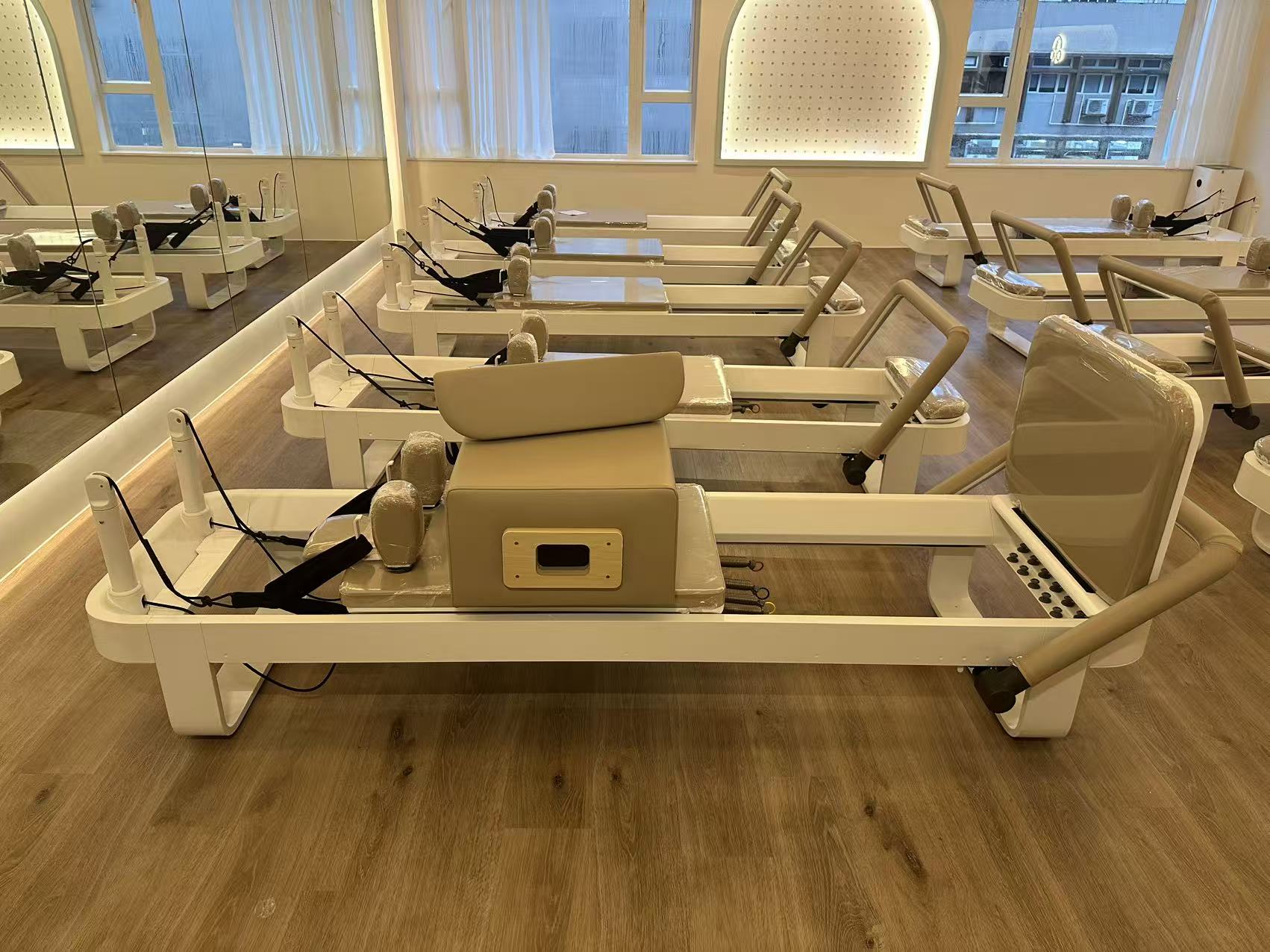
Commercial-grade reformers are engineered to handle 15–25 sessions per day, 6–7 days per week, year after year. A properly built commercial reformer can maintain its structural integrity for 15+ years under daily studio use.
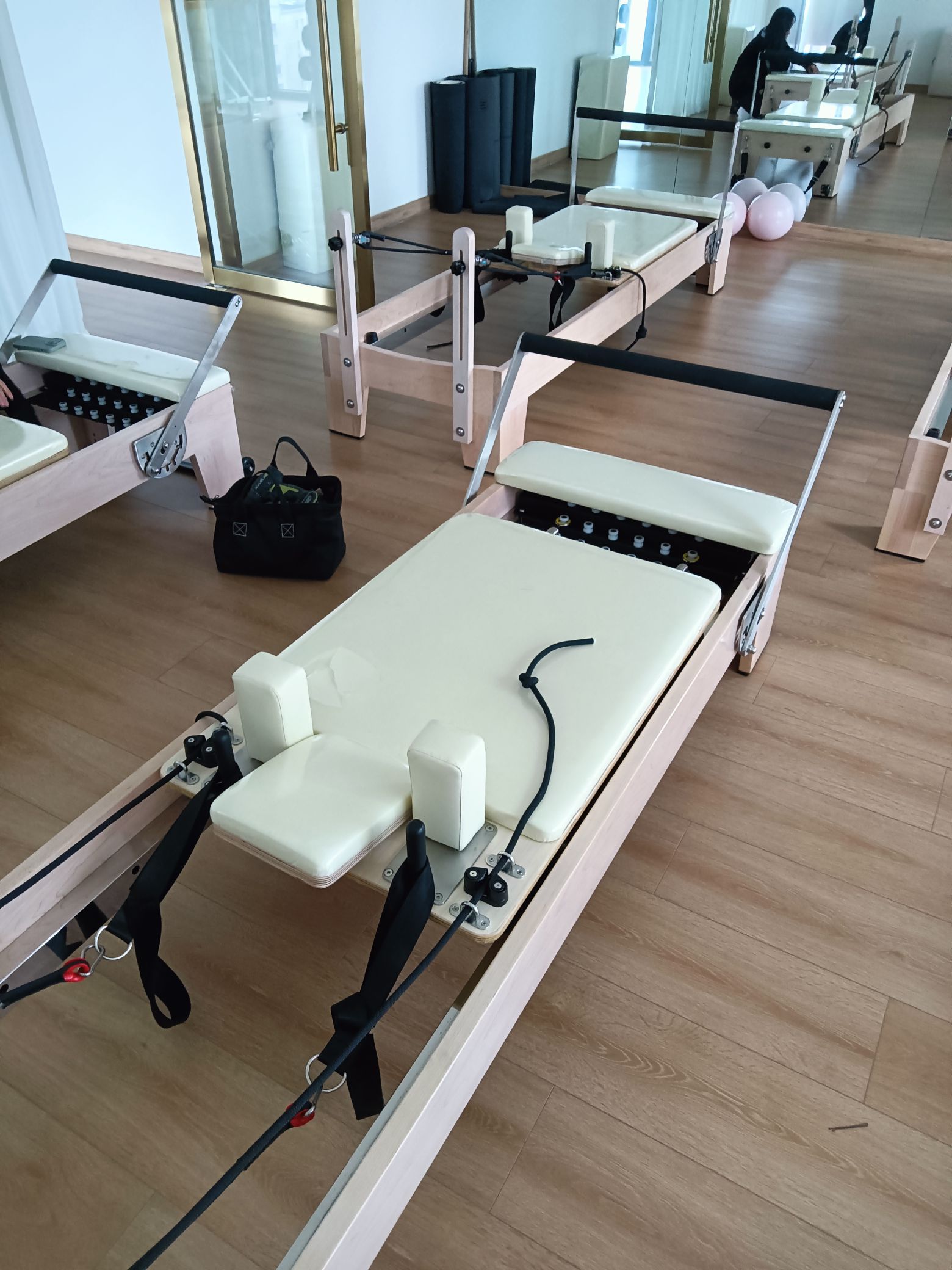
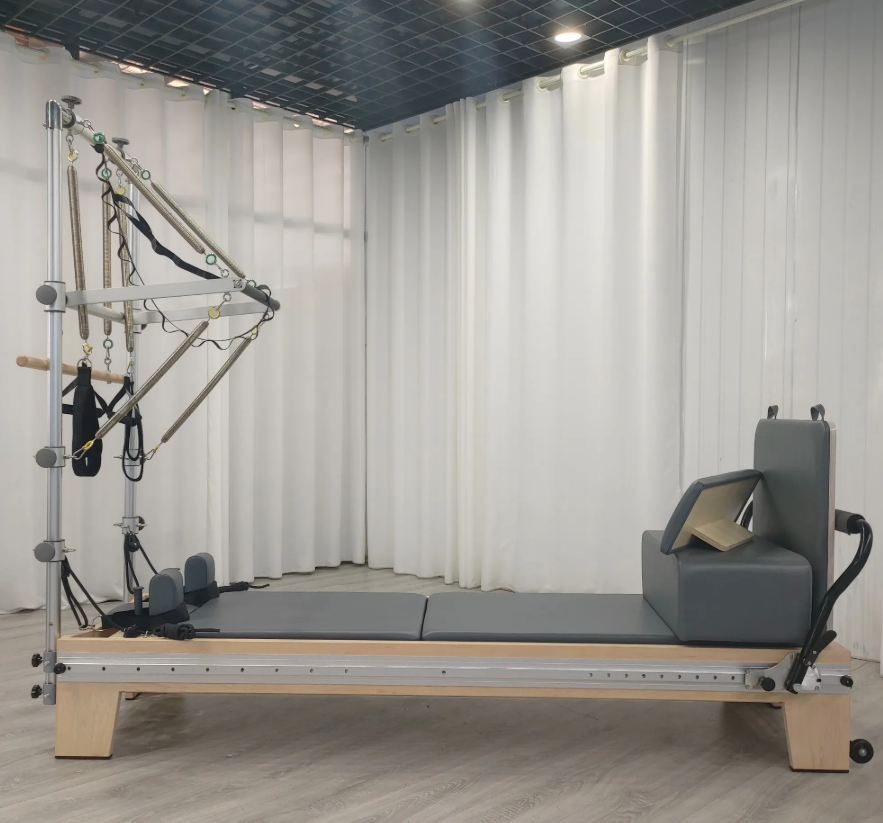
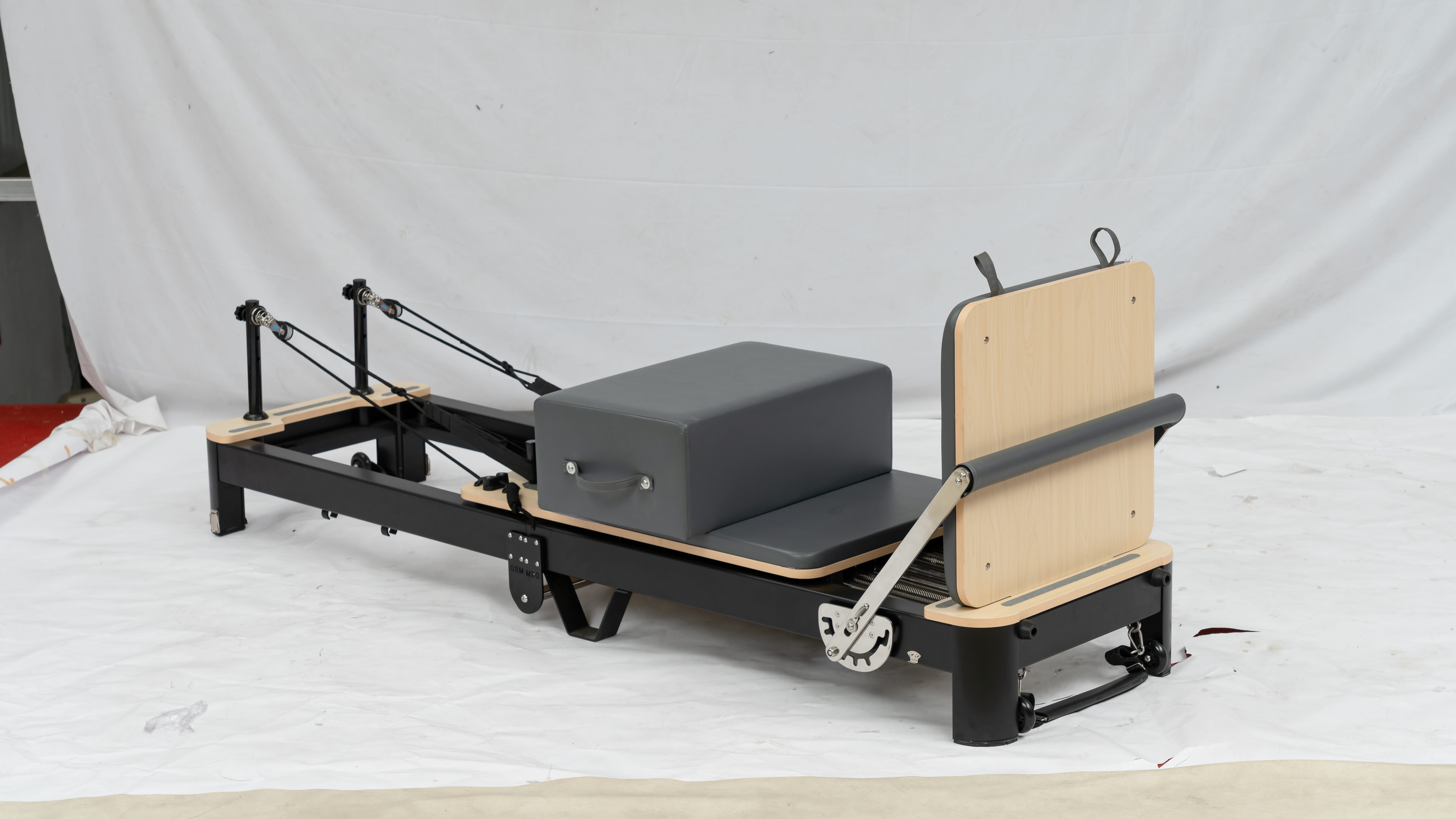
The frame is the key determinant of the machine's lifespan. Commercial reformers use thicker steel (2.0–3.0 mm wall thickness) or aviation-grade aluminum, reinforced with welded cross-braces, and rated for loads of 150–225 kg (330–500 lb). Balanced Body offers a 10-year warranty on Allegro 2 frames and limited lifetime warranties on wood frames. Gratz provides lifetime coverage on major structural components. These warranty periods reflect manufacturer confidence in frame durability.
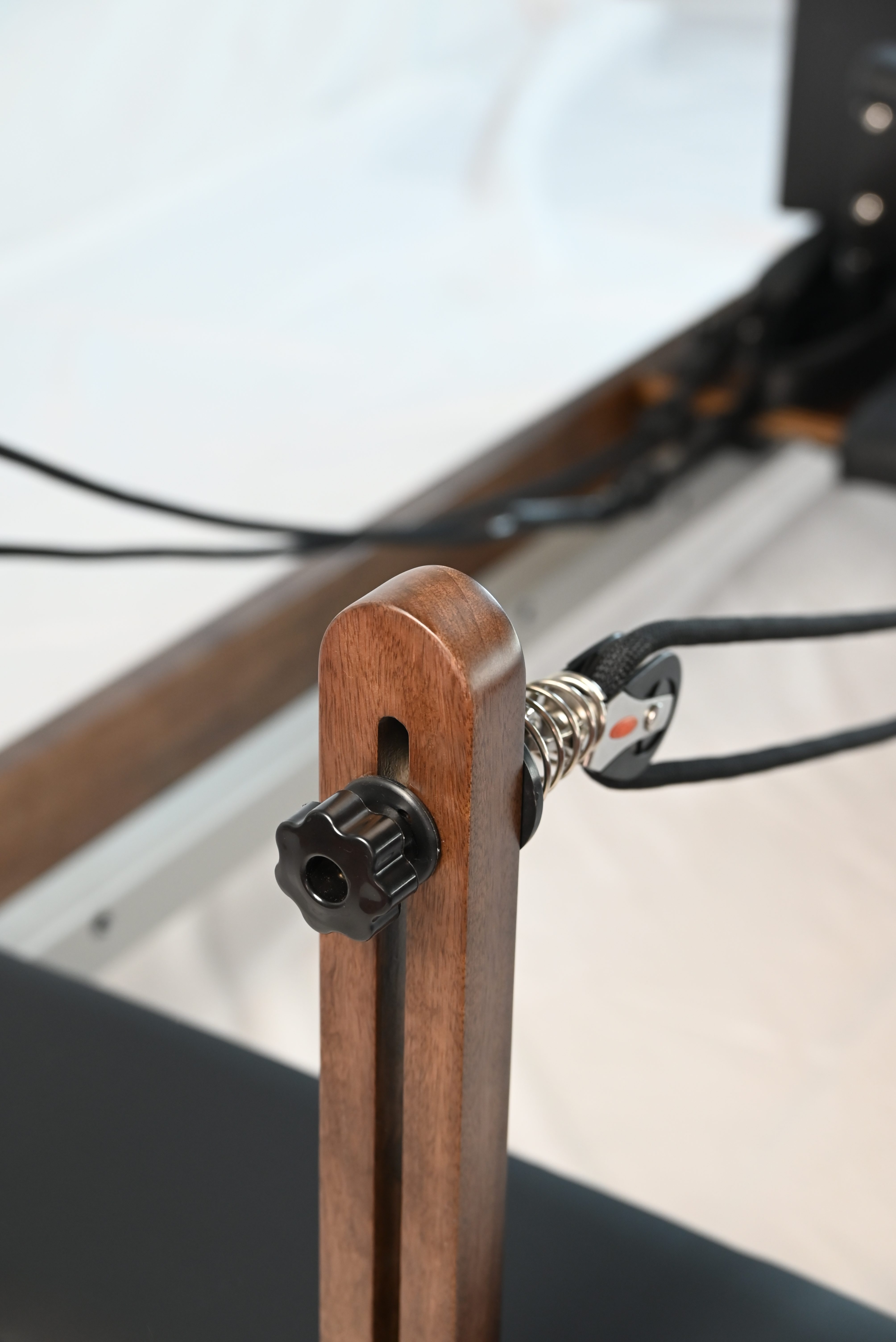
Bearings and rails in commercial reformers use sealed, precision-ground ball bearings on stainless steel rails, rated for 500,000+ meters of carriage travel — equivalent to 10+ years in a busy studio. Bearings are typically replaced preventively every 3–5 years at a cost of approximately $200–$400.
Overall, a commercial reformer typically lasts 8–15 years under daily studio use.
II. Critical Components That Wear Out
Even if the frame lasts decades, certain components naturally wear out as consumables.
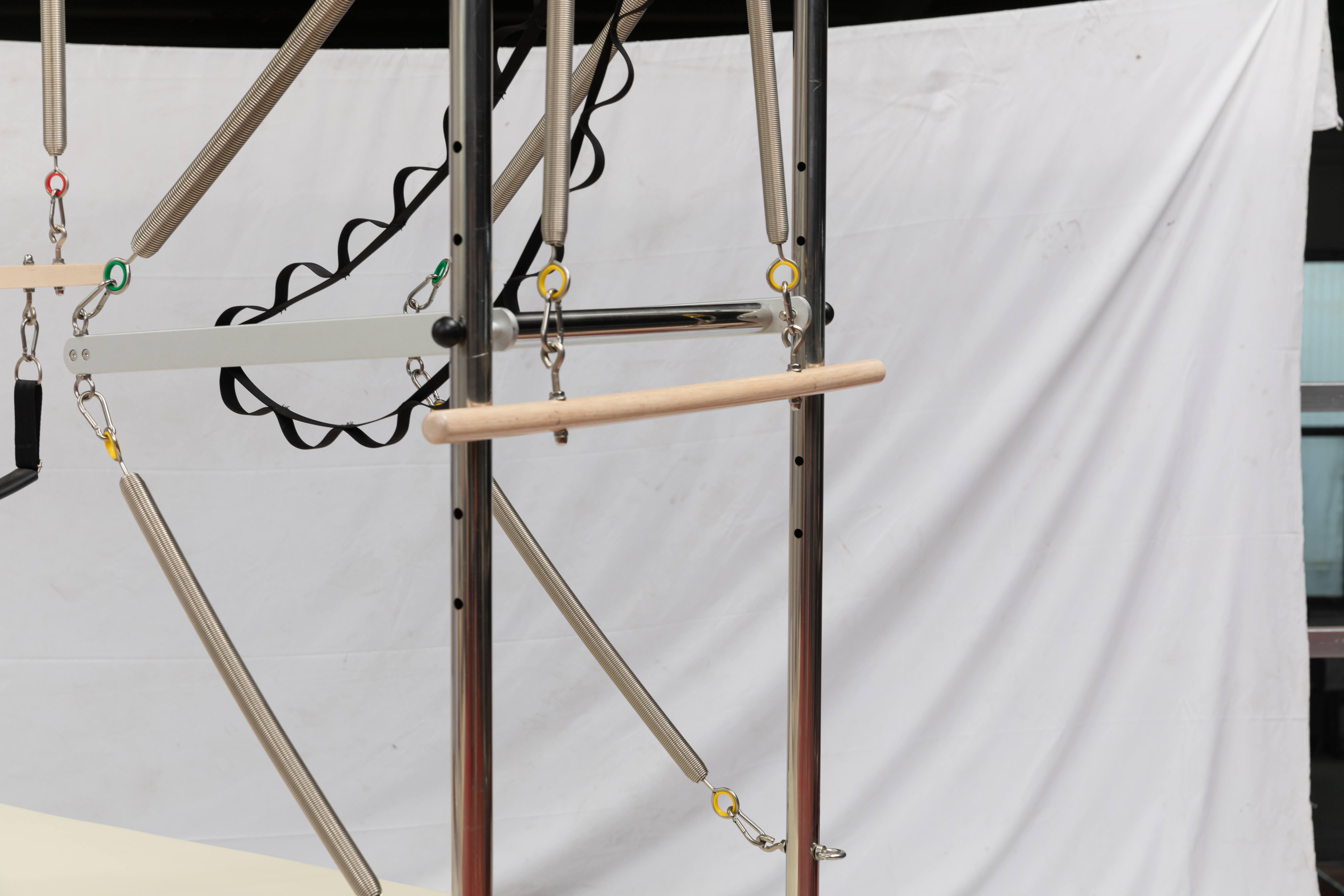
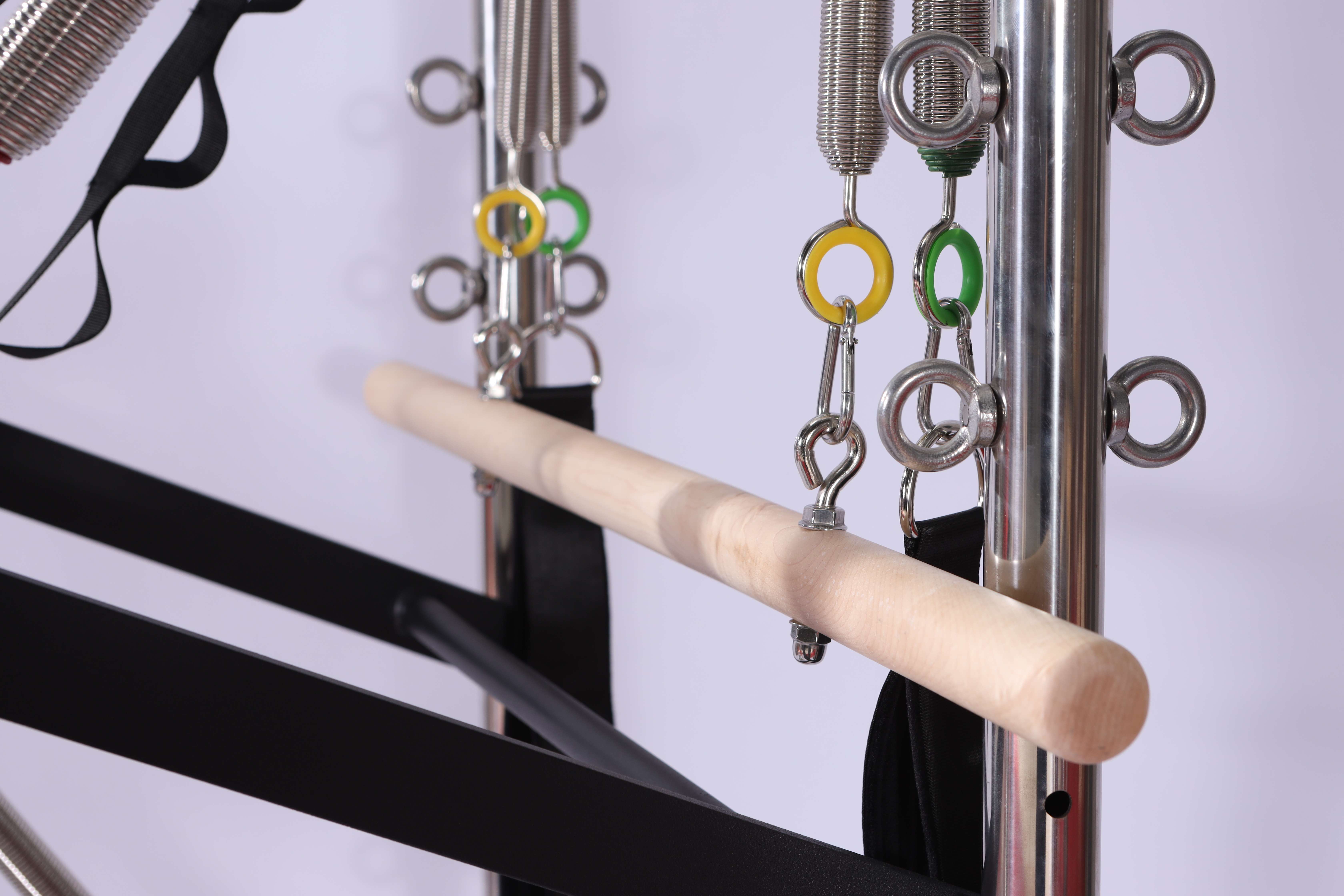
Springs are the most frequently replaced component in any studio. Commercial springs are rated for 50,000–100,000 cycles. Under daily use with 15 sessions per reformer per day, commercial springs typically last 12–18 months. Measured in hours, Balanced Body recommends replacing Signature Springs after approximately 3,000 hours of use. For example, with 6 hours of daily use, 6 days per week, yearly usage is about 1,872 hours — springs may need replacement in less than two years.
Peak Pilates recommends replacing springs every two years, while noting that any springs showing early signs of fatigue — such as gaps between coils — should be replaced immediately.
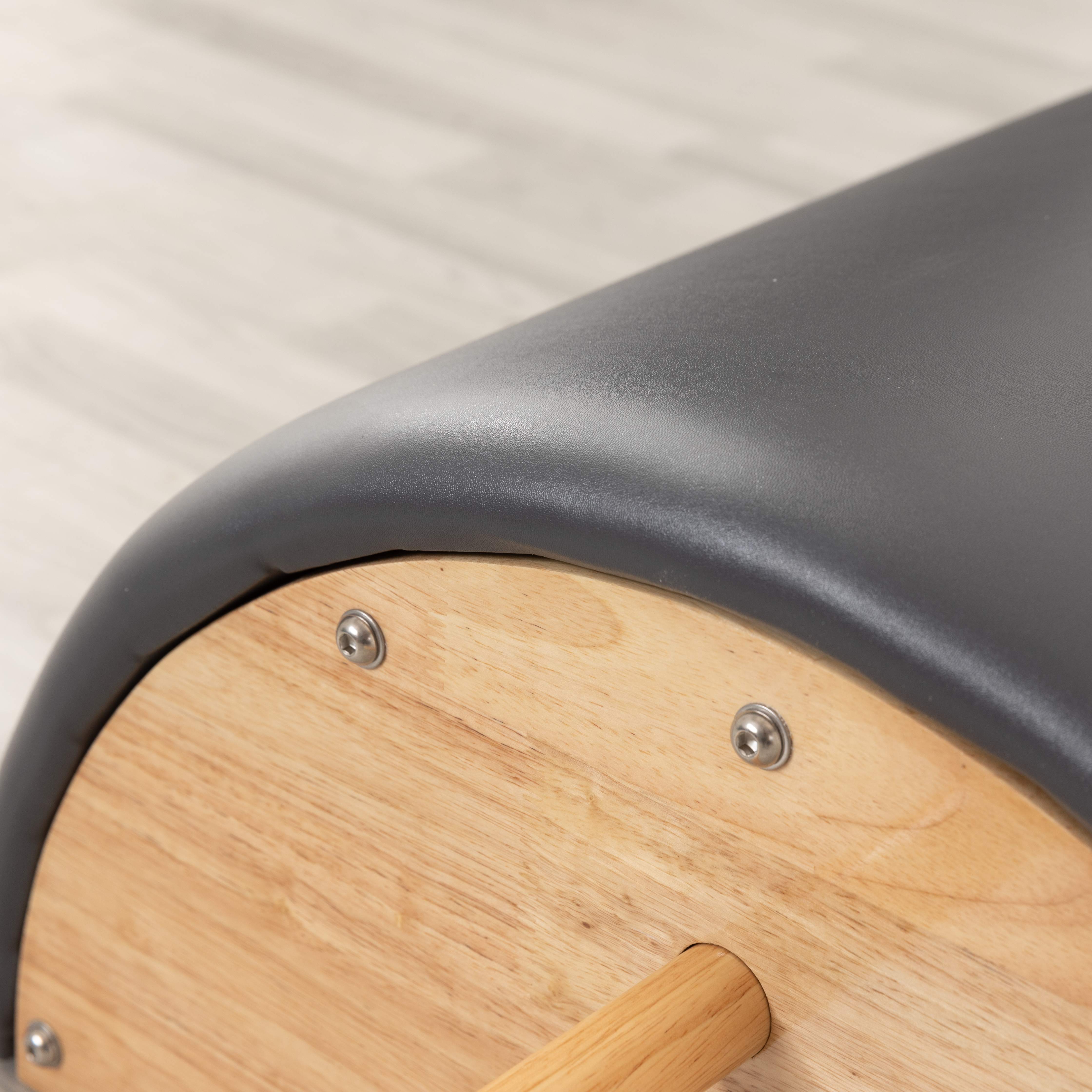
Upholstery in commercial-grade equipment uses marine-grade vinyl or high-density PU leather (35–45 kg/m³ closed-cell foam) with double-stitched seams, lasting 5–8 years under daily use.
Residential springs are typically rated for only 10,000–20,000 cycles and may need replacement every 3–6 months under studio intensity.
III. Residential Equipment Used in a Studio
This is the most commonly misunderstood scenario. Residential reformers are designed for a different use profile — typically 3–5 sessions per week, 1–2 sessions per day.
When used in a daily studio environment, a residential machine's lifespan drops significantly. The frame may develop twist within 12–18 months, causing the carriage to track unevenly. Bearings last only 2–3 years compared to 5–8 years for commercial-grade units.
A Dutch dealer notes that quality Pilates equipment used at home can last 10–20 years or more; but in commercial environments, residential-grade equipment may last only 3–5 years.
IV. Lifespan by Usage Intensity
Commercial Studio (10–15 classes daily)
·Main unit lifespan: 8-15 years (frame 15+ years)
·Spring replacement: 12-18 months
·Bearing replacement: 3-5 years (preventive)
·Upholstery replacement: 5-8 years
High-Volume Studio (15–25 classes daily)
·Main unit lifespan: 5-8 years (requiring major parts replacement)
·Spring replacement: 12-18 months (more frequent inspection needed)
·Frame lifespan: theoretically unlimited with proper maintenance
Home Use (3-5 times weekly)
·Main unit lifespan: 10-20+ years
·Spring replacement: 2 years or more
V. How to Extend Equipment Lifespan
Inspect springs regularly: Check monthly for deformation, cracks, or tension loss. Replace immediately if any issues are found — don't wait for the scheduled interval.
Daily cleaning: Wipe upholstery and rails after each use to prevent sweat corrosion and dust buildup.
Regular lubrication: Lubricate metal rails with silicone spray. Never use WD-40 or oil-based lubricants.
Check fasteners: Inspect all bolts and screws quarterly.
Rotate spring positions: Move springs to different positions on the spring bar to promote even wear.
Summary: A commercial-grade reformer under daily studio use can last 8–15 years for the main unit, with frames maintaining integrity for 15+ years. Springs are the most frequently replaced component, typically requiring replacement every 12–18 months. Residential equipment used in commercial environments may only last 3–5 years. Selecting the right equipment grade and establishing a regular maintenance routine are the keys to extending your reformer's lifespan.