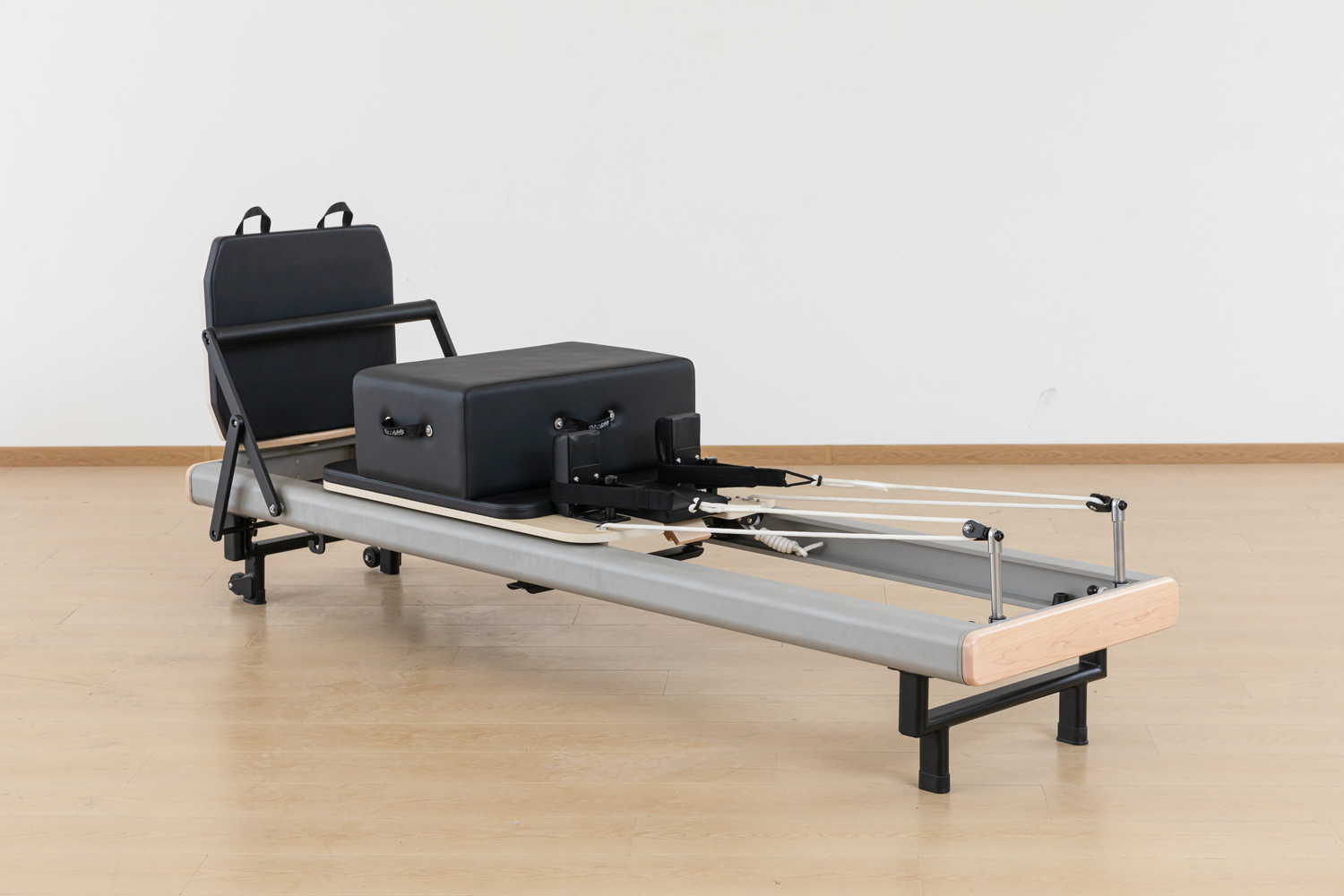
All Fabric & Leather Options For Pilates Machine Cushions Explained
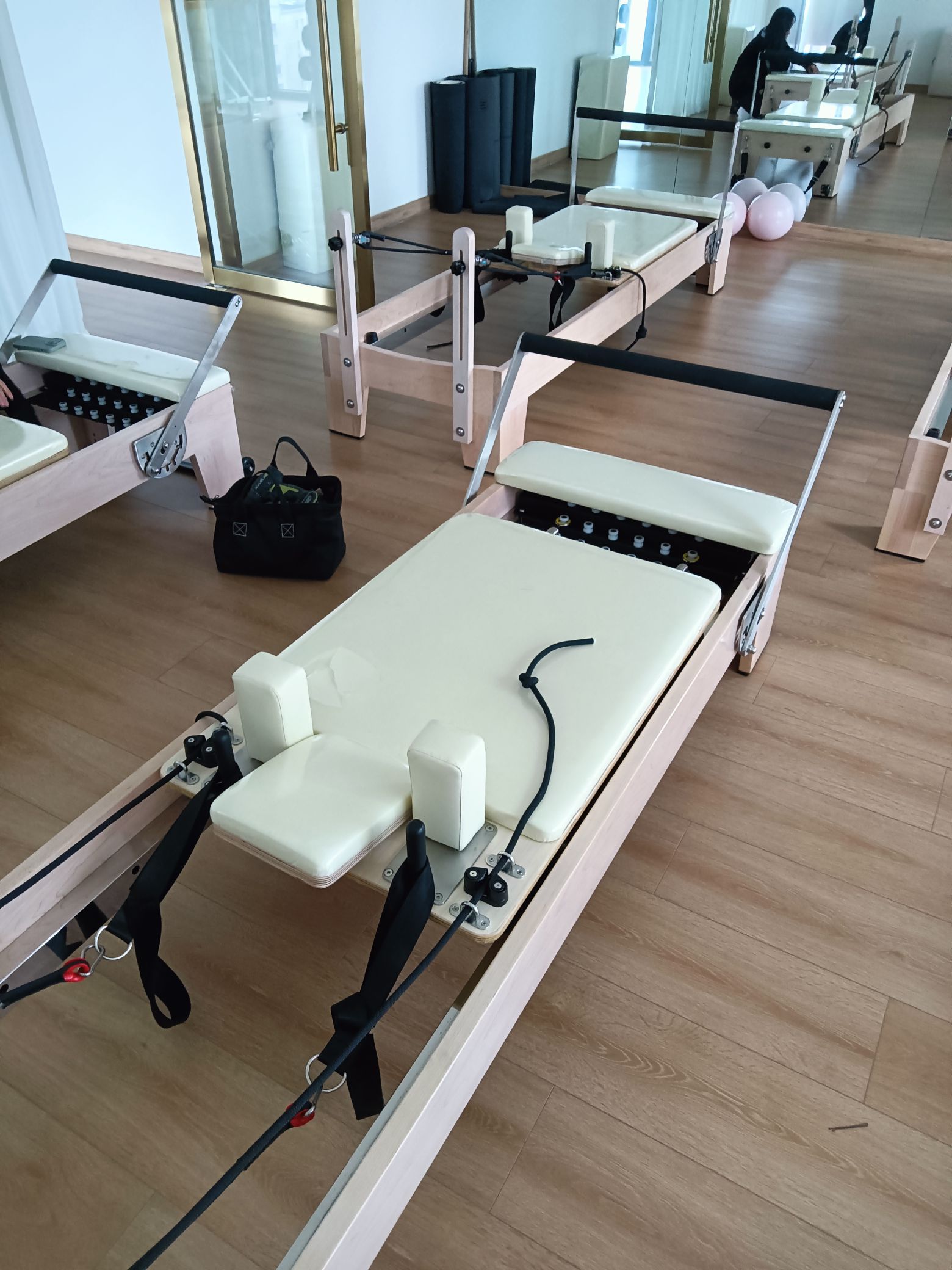
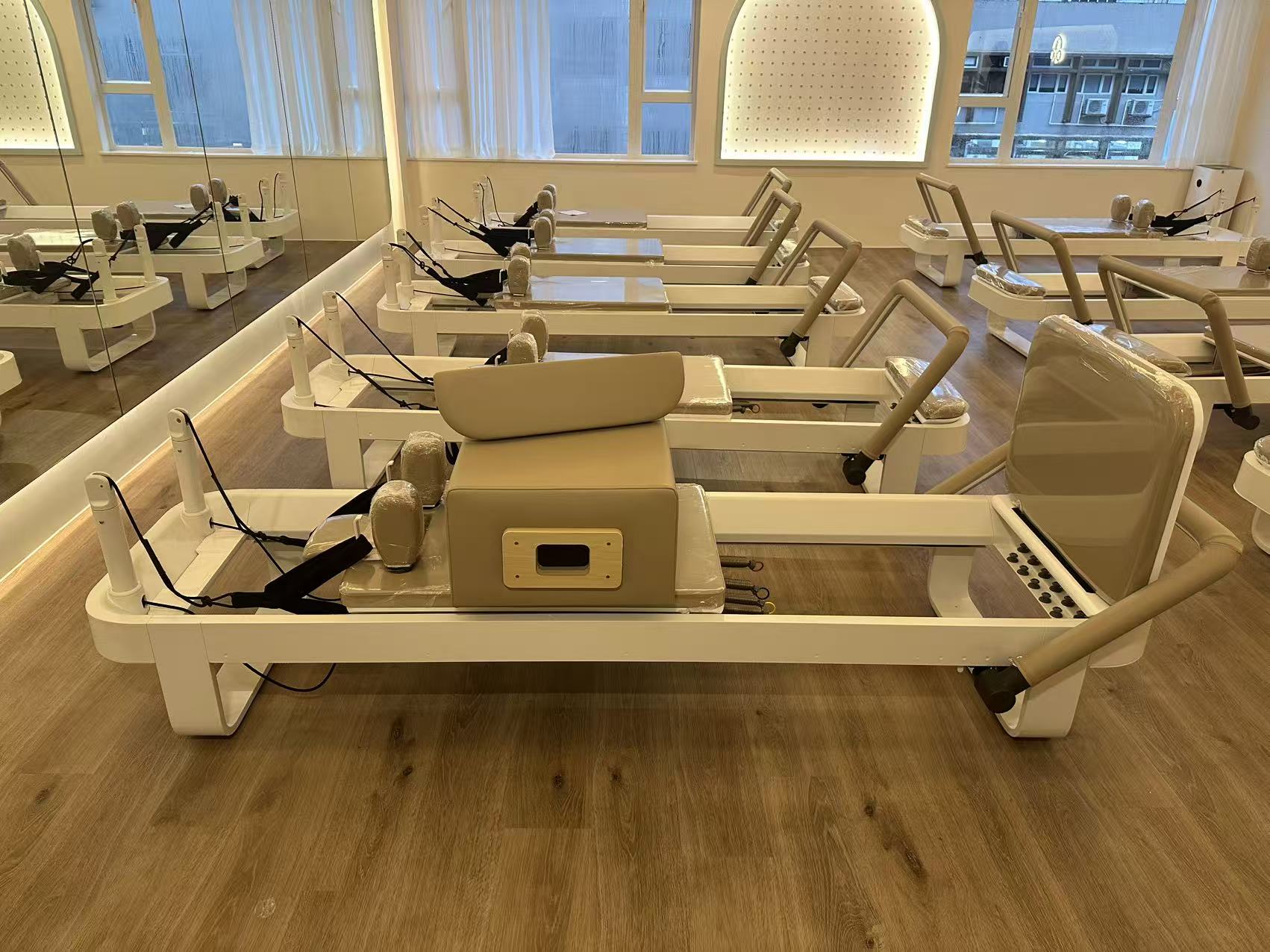
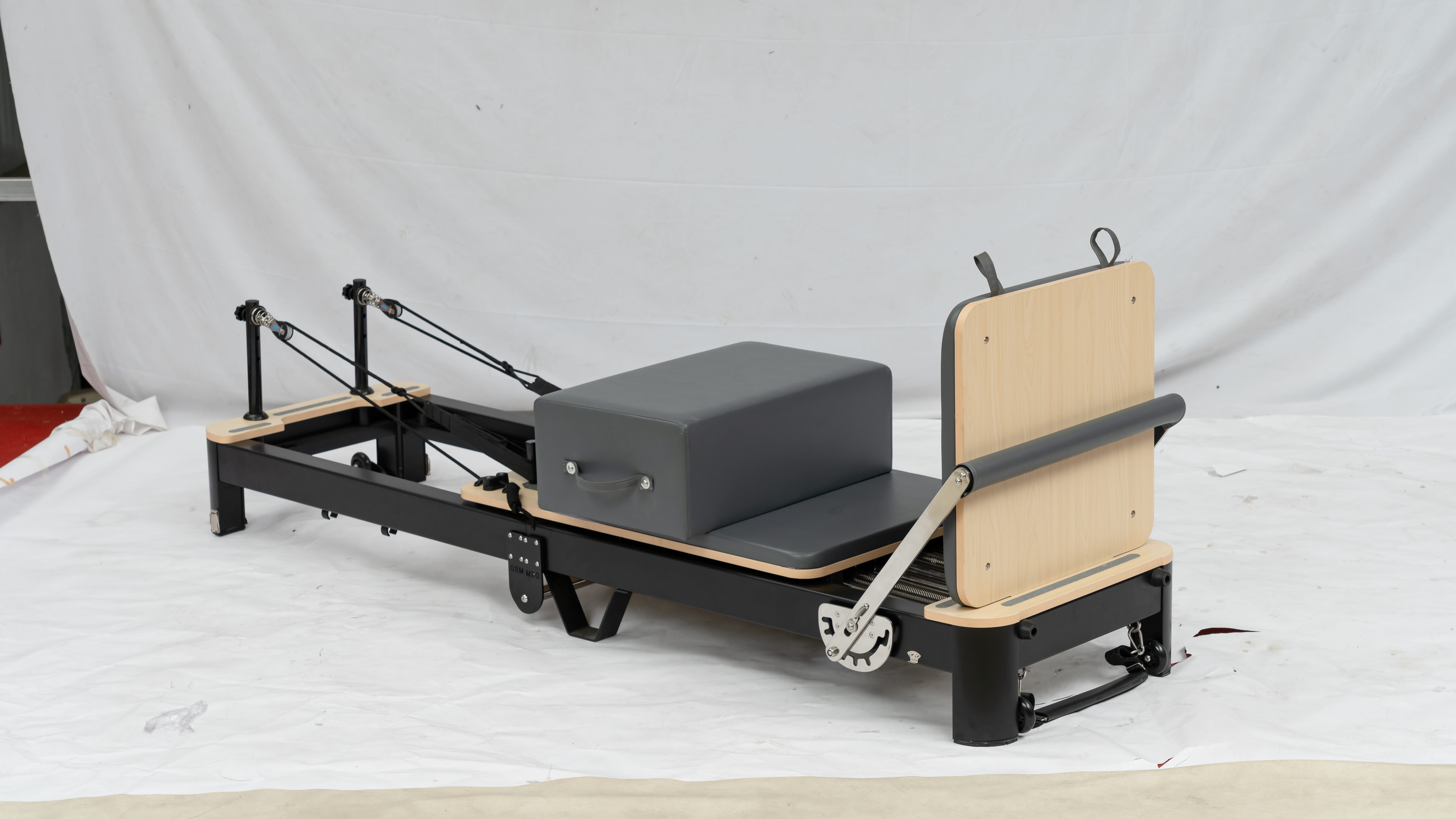
The cushion material on a Pilates reformer is the most direct contact interface between the user’s body and the equipment. During each session, clients’ backs, shoulders, and hands remain in prolonged contact with the pad — the material’s comfort, durability, and cleanability directly impact the practice experience and studio operating costs. Yet many buyers focus on frame specifications and spring systems while overlooking this important detail.
This article provides a systematic breakdown of the fabric and leather options commonly used for Pilates equipment cushions, helping you make a more informed choice.
I. Marine-Grade Vinyl: The Industry Standard for Commercial Pilates
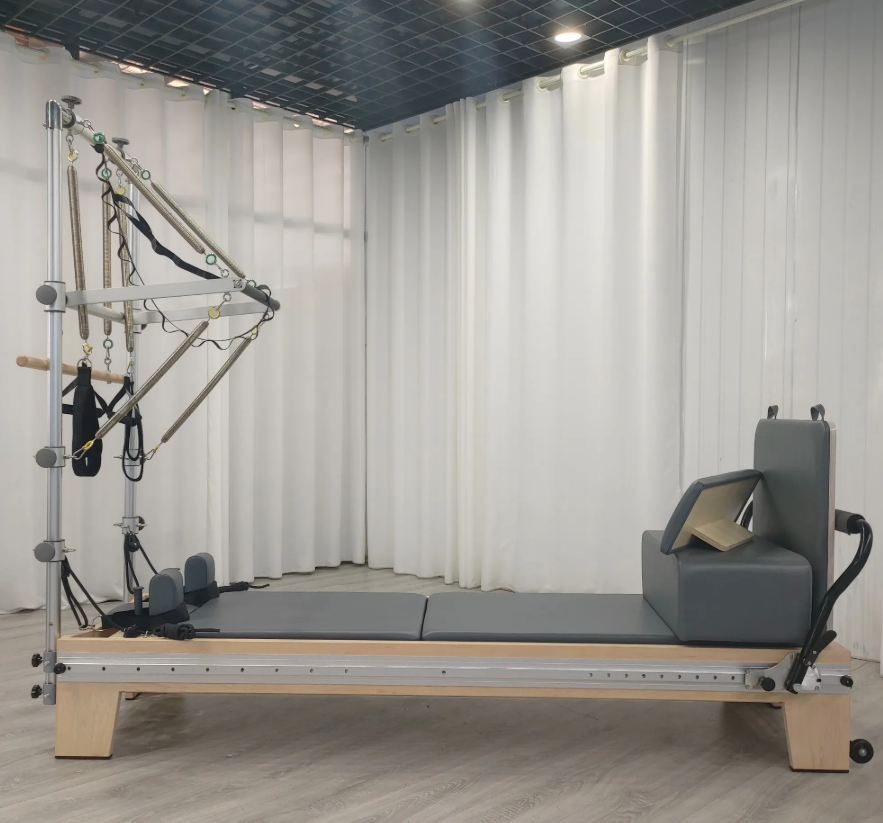
Marine-grade vinyl is the most common carriage pad material in commercial Pilates studios worldwide. Originally developed for boat upholstery, it features a multi-layer composite structure: woven polyester backing for tensile strength, a middle layer of expanded PVC for cushioning, and a UV-stabilized vinyl top coat for surface durability.
Key Advantages:
Extreme durability: 5–8 years in commercial use
Easy cleaning: Quick wipe with 70% alcohol sanitizer
Water resistance: Liquids bead on the surface rather than soaking into the foam core
Color variety: Brands like Balanced Body offer 30+ color options
Antimicrobial coating: Premium products like Naugahyde Advanced BeautyGard® feature antibacterial coating, have passed 1.5 million rub-cycle abrasion testing, and meet California fire safety standards
Limitations:
Limited breathability — may feel sticky during hot classes
Cold feel in air-conditioned studios
Potential surface cracking in dry climates if not conditioned every 3–4 months
II. PU Leather vs. PVC Leather: Two Main Synthetic Leather Options
Pilates equipment uses synthetic leather rather than genuine leather because synthetics offer better abrasion resistance, easier cleaning, and more cost control. The two most common types are PU leather and PVC leather.
PVC leather (polyvinyl chloride) is known for abrasion and water resistance, easy cleaning, and lower cost. Thickness is the key factor — a minimum of 2.5mm is required. Thin PVC leather can stretch, warp, or crack within about a year of use.
PU leather (polyurethane) offers a softer feel, better elasticity, and a texture closer to genuine leather, with better breathability. However, it has lower abrasion resistance and is more prone to tearing from corners, so sufficient thickness is essential to compensate. The combination of high-density foam + PU leather is a common commercial-grade configuration.
The choice depends on priority: prioritize thick PVC leather for durability and cost; prioritize thick PU leather for feel and comfort. Either way, thickness is non-negotiable.
III. Microfiber Leather: A New Choice for Home Users and Quality-Conscious Buyers
Microfiber leather has gained popularity in recent years, especially among home users and studios prioritizing quality.
Key Advantages:
Softer, more skin-friendly feel: Closer to genuine leather than PVC or standard PU
Lower odor: High-quality microfiber leather has significantly less odor upon unboxing than low-grade PVC, making it suitable for home environments
Better abrasion and tear resistance: Dense fiber structure provides long-term durability
Better surface stability: Provides more stable grip than lower-grade synthetics, especially when sweaty
Some manufacturers use microfiber leather on high-contact areas such as the jump board, foot pedal, and seat box to enhance comfort and durability.
IV. Other Fabric Options: Polyester and Canvas
Some premium or specialty brands offer fabric upholstery options, typically polyester or nylon blends.
Fabric’s advantage is breathability — it stays cooler than vinyl, making it suitable for hot environments. The disadvantages are significant: it absorbs sweat, oils, and bacteria, requiring more intensive cleaning and more frequent replacement. In commercial settings, fabric pads may need replacement every 6–12 months.
Natural cotton canvas is another niche option: fully biodegradable and extremely breathable, but it permanently absorbs moisture, stains easily, and lasts only 6–12 months in commercial use.
V. Key Selection Factors: Thickness and Staple Spacing Matter Too
Beyond material type, two overlooked details determine actual cushion durability.
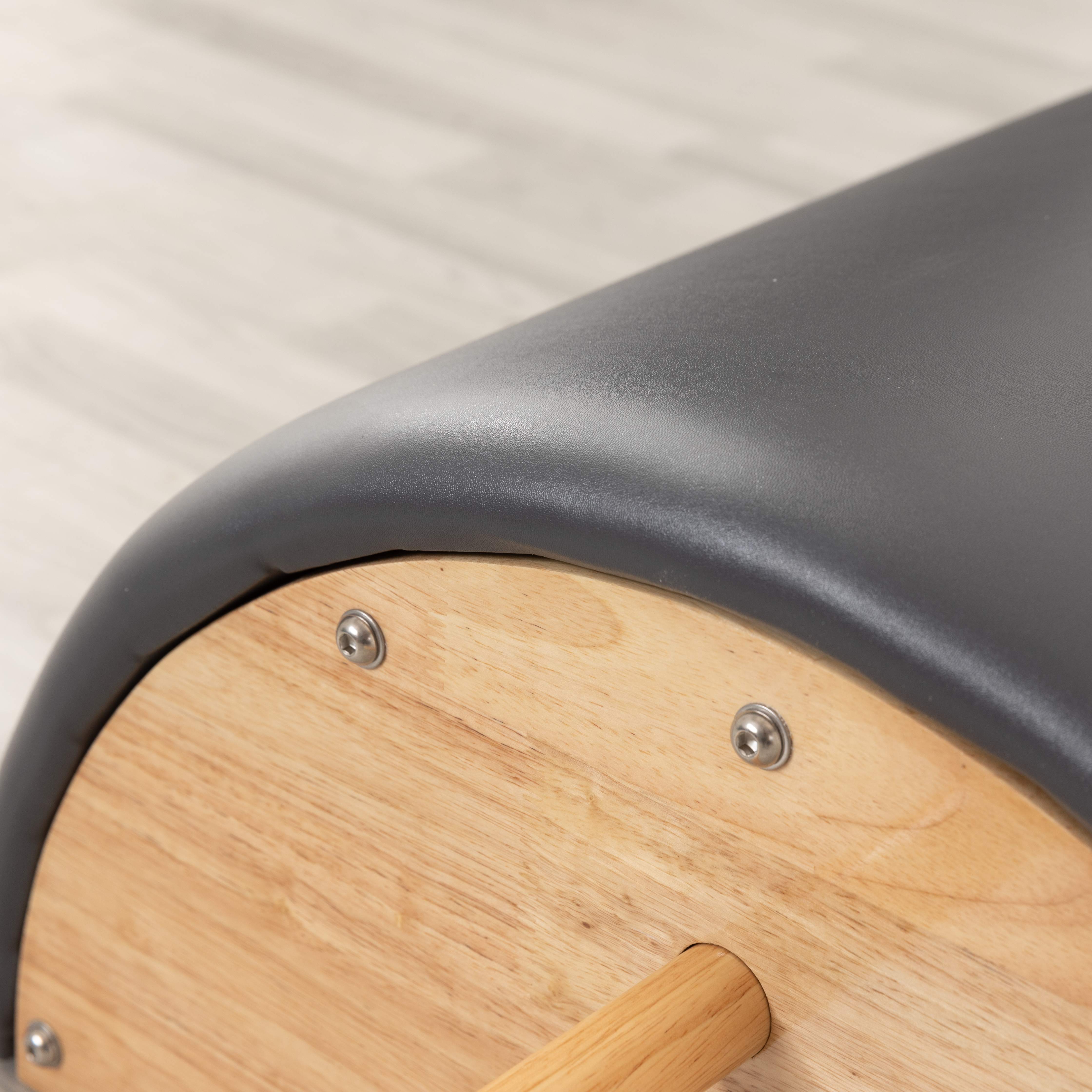
Thickness: Whether PVC or PU leather, insufficient thickness means rapid wear. Industry reference: at least 2.5mm is recommended. Materials thinner than this may stretch or warp within about a year.
Staple spacing: The upholstery is secured to the base with staples. Staple spacing under 1cm provides much better durability than spacing over 3cm. Excessive spacing allows the leather to stretch and shift during use, uneven foam compression, and ultimately affects the pad’s flatness and comfort.
VI. How to Choose the Right Cushion Material for Your Scenario
Choosing the right cushion material comes down to answering three questions:
Step 1: Is your environment commercial or home use?
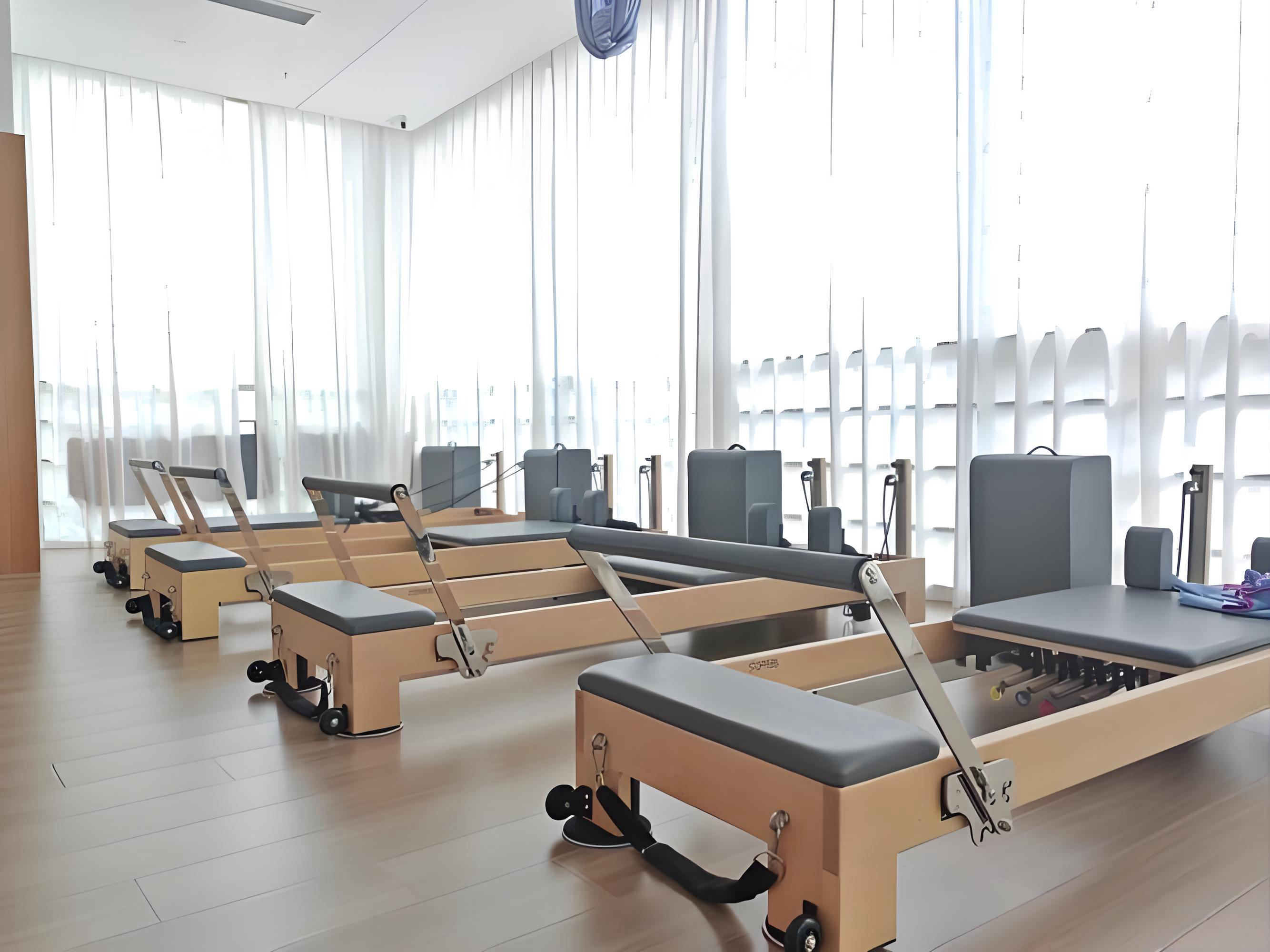
·For commercial studios — high-frequency daily use, multiple clients, frequent sanitizing — marine-grade vinyl is the top choice. It offers the best balance of durability and cleaning efficiency. If budget is a constraint, the fallback option is thick PVC leather (≥2.5mm) combined with tight staple spacing for secure attachment.
·For home environments — lower usage frequency, consistent users, greater sensitivity to odor and skin feel — microfiber leather or thick PU leather is more suitable. They perform better in terms of skin-friendliness and low odor.
Step 2: Do you need custom colors to match your brand identity?
·If you need a wide color range to reinforce brand recognition, marine-grade vinyl (brands like Balanced Body offer 30+ color options) and PU leather offer the broadest palettes.
·If color is not a priority, return to the primary decision between durability and tactile feel.
Step 3: Do you have any special usage requirements?
·Hot yoga or high-sweat practice scenarios → consider fabric upholstery for better breathability, but be prepared for higher cleaning costs and shorter replacement intervals.
·Odor-sensitive environments (e.g., home indoor use) → avoid low-grade PVC; prioritize microfiber leather or high-quality vinyl with VOC testing certification.
·High-contact areas (e.g., footbars, jumpboards) → consider local use of microfiber leather or thickened PU leather for enhanced durability.
Final note: Any material choice must align with your actual usage scenario. Before making a final decision, request cushion material samples from your supplier — touch them, press them, and even run a small cleaning test on a sample piece. This is the simplest and most effective way to avoid the regret of discovering a poor fit after purchase.