Foldable vs Fixed Pilates Bed: Pros & Cons For Every User
When choosing a Pilates Reformer, one of the first questions many buyers face is: foldable or fixed? Both designs have their advocates — and their trade-offs. There's no absolute "which is better" — only "which fits you better."
This article systematically compares foldable and fixed reformers across four dimensions: space, performance, stability, and usage scenarios — helping different users find the right match.
I. Fixed Reformers: Stability and Performance
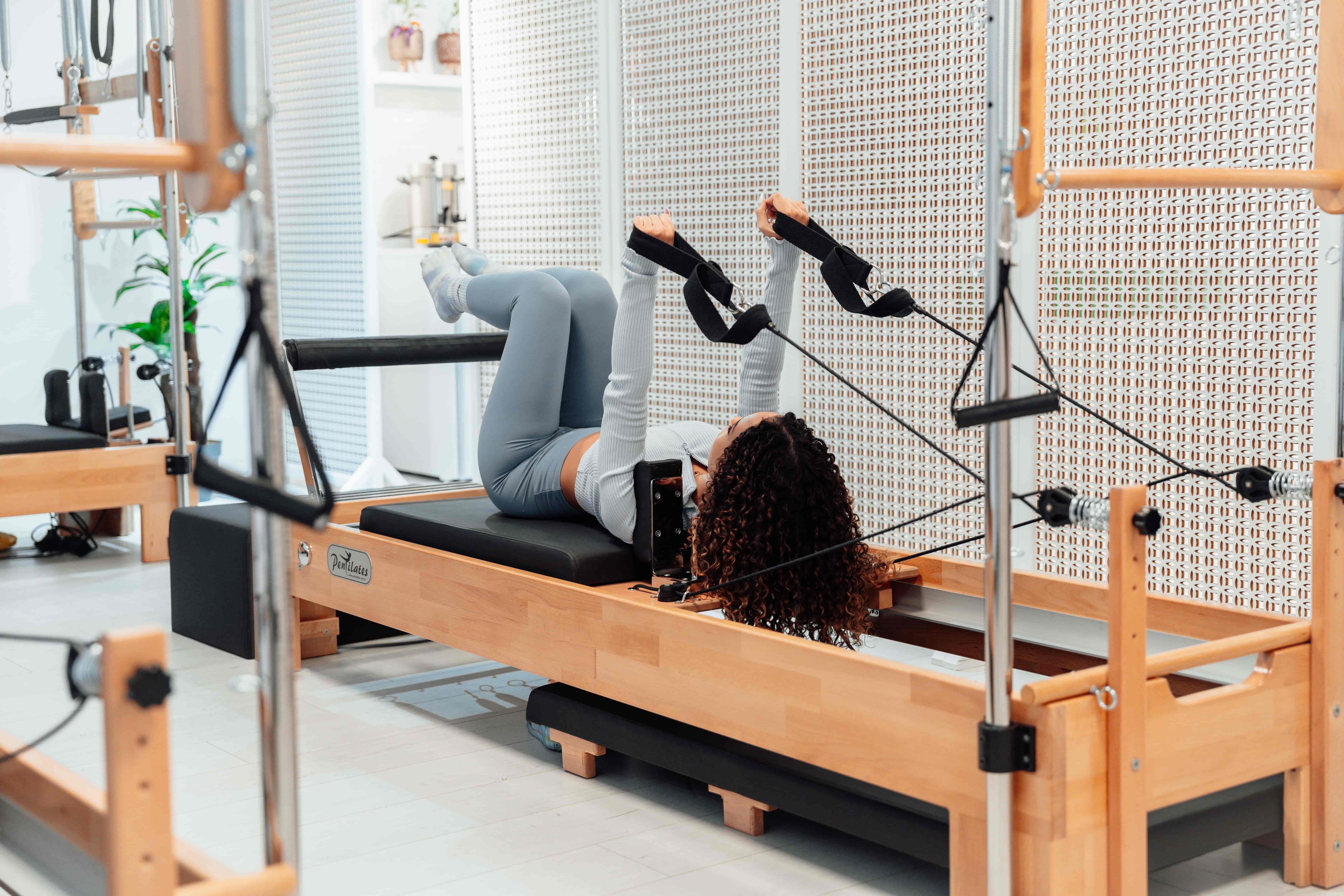
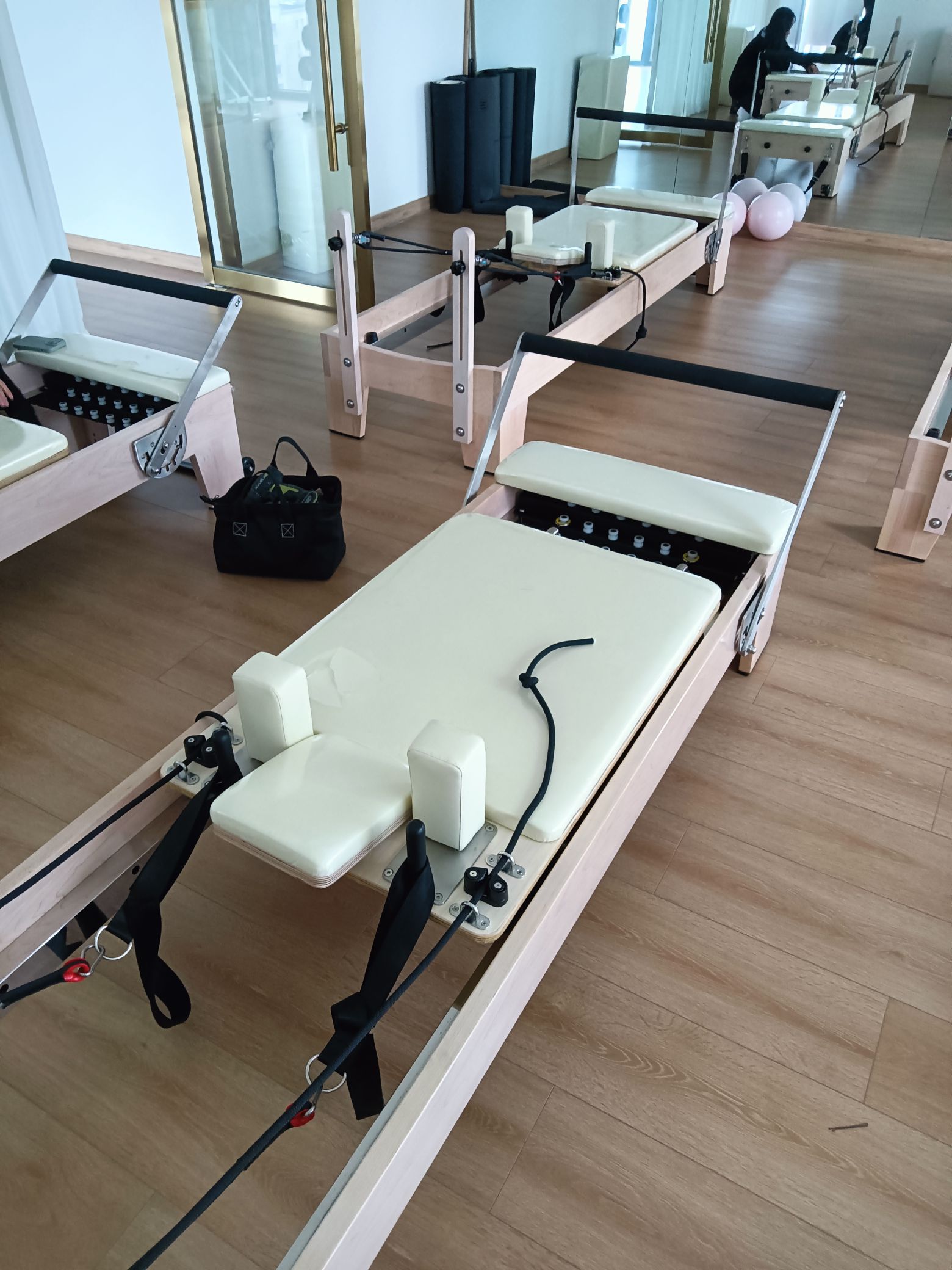
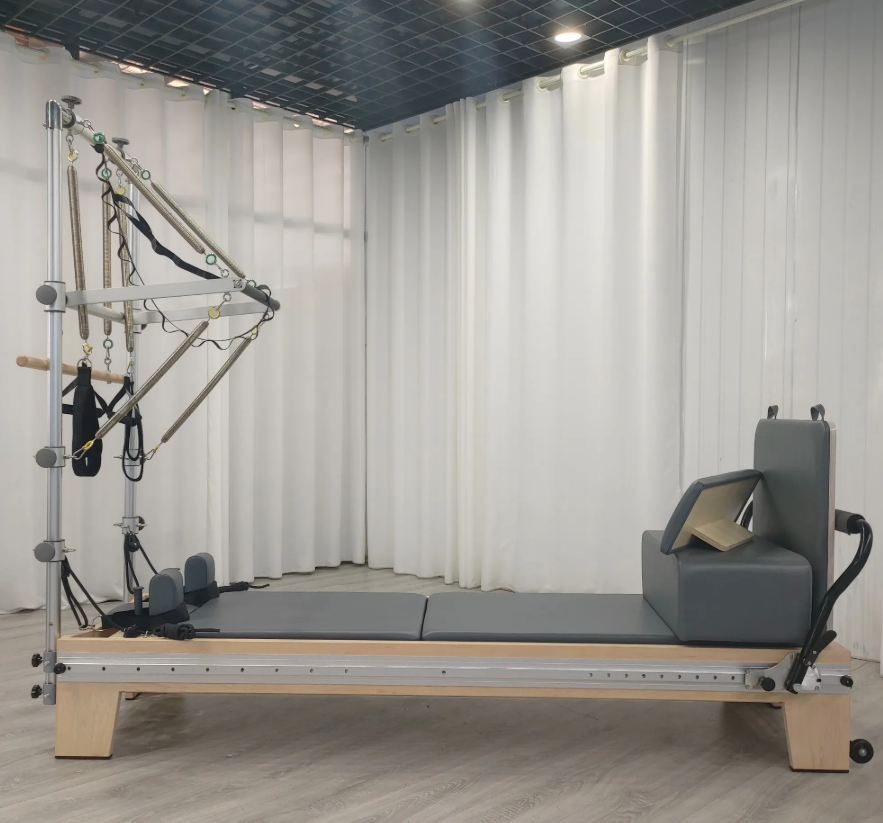
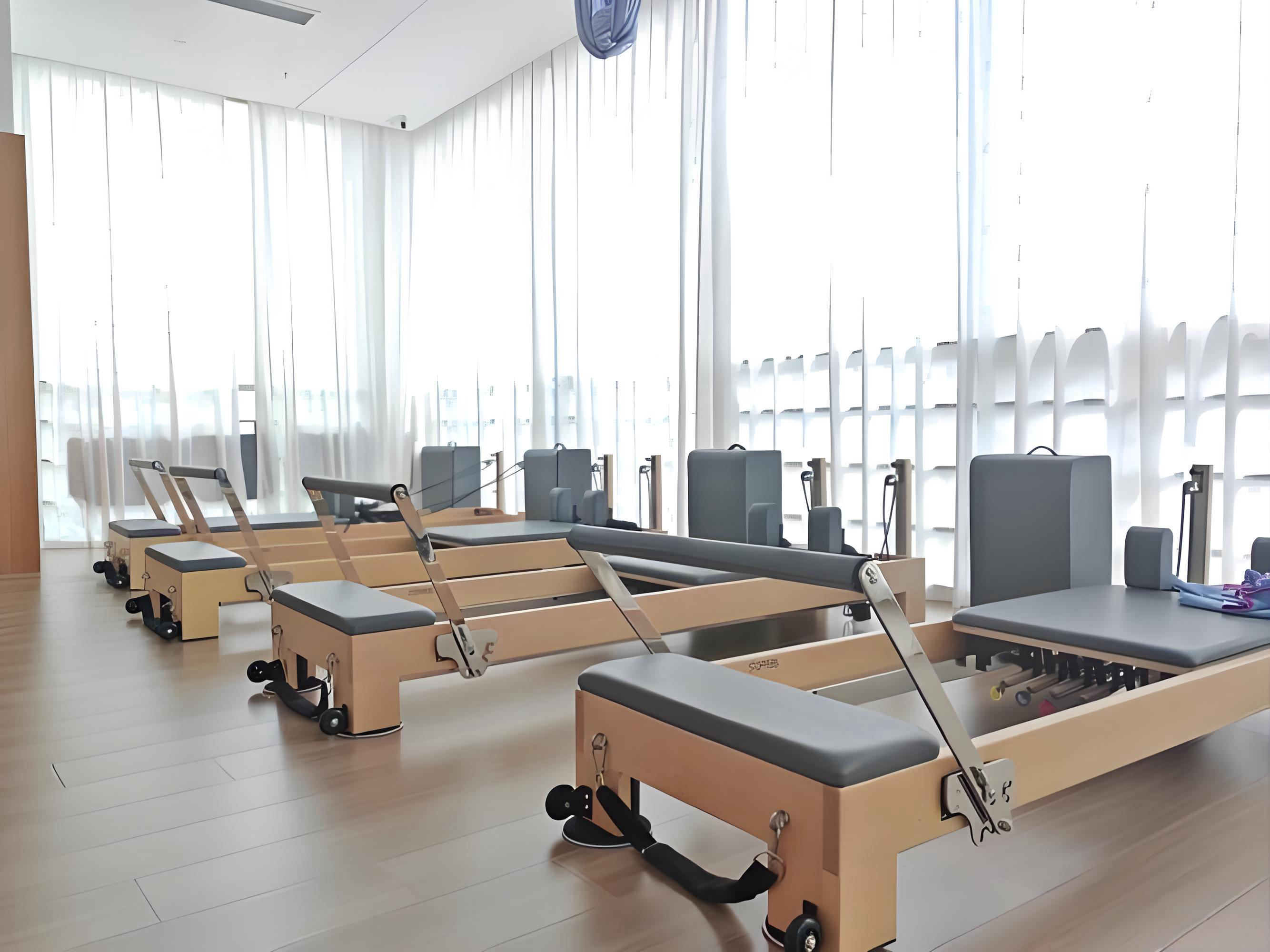
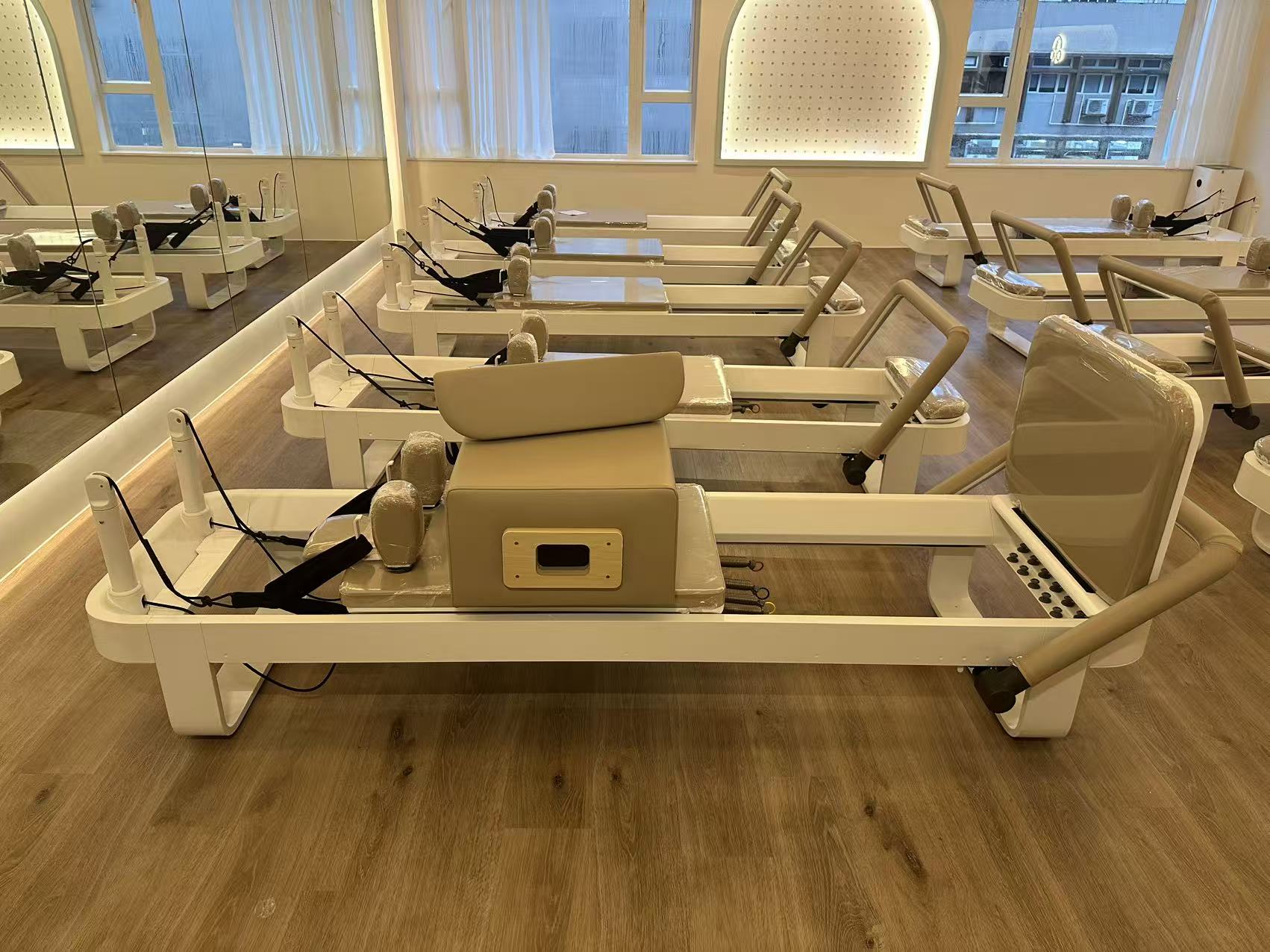
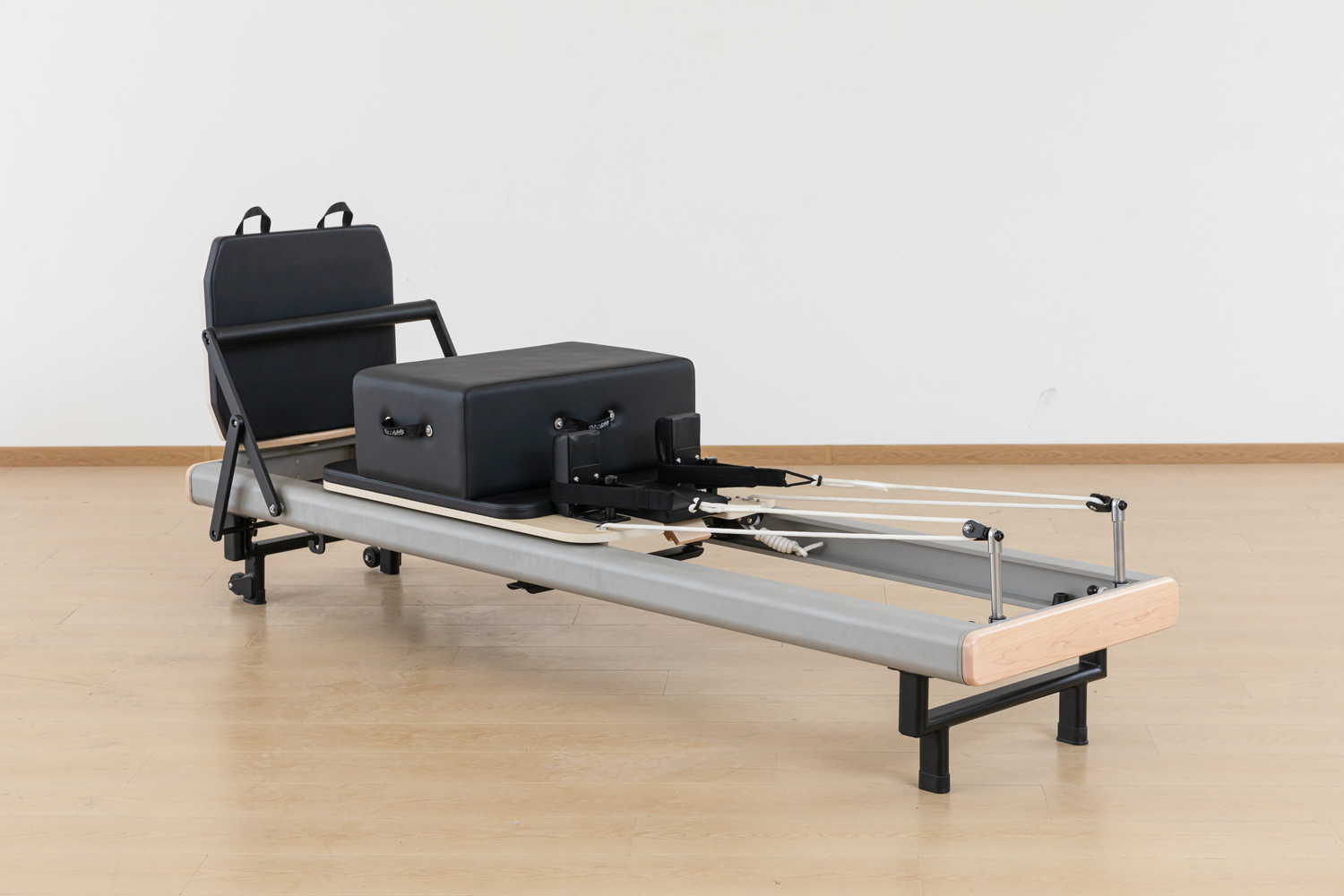
Fixed reformers are the standard in professional studios and gyms. The frame sits directly on the floor with no folding or storage mechanisms.
Core Advantages:
Highest stability. With no folding hinges or detachable joints, the entire machine is a single rigid structure. Even during high-intensity, large-range movements, there's no wobble or displacement — something foldable models struggle to fully replicate.
Optimal glide experience. With integrated continuous rails, there's no "rail joint step" issue common in foldable models. The carriage runs smoothly from end to end. Fixed reformer glide quality is often the benchmark against which other products are measured.
Longer service life. No moving joints means fewer wear points. The frame of a fixed reformer can last 10-20 years or more under normal use, with many 20-year-old machines still operating smoothly.
Best for: Home users with a dedicated workout space, professional studios, fitness chains — environments where stability, durability, and performance are priorities and equipment doesn't need frequent storage.
II. Foldable Reformers: Solutions for Space-Constrained Users
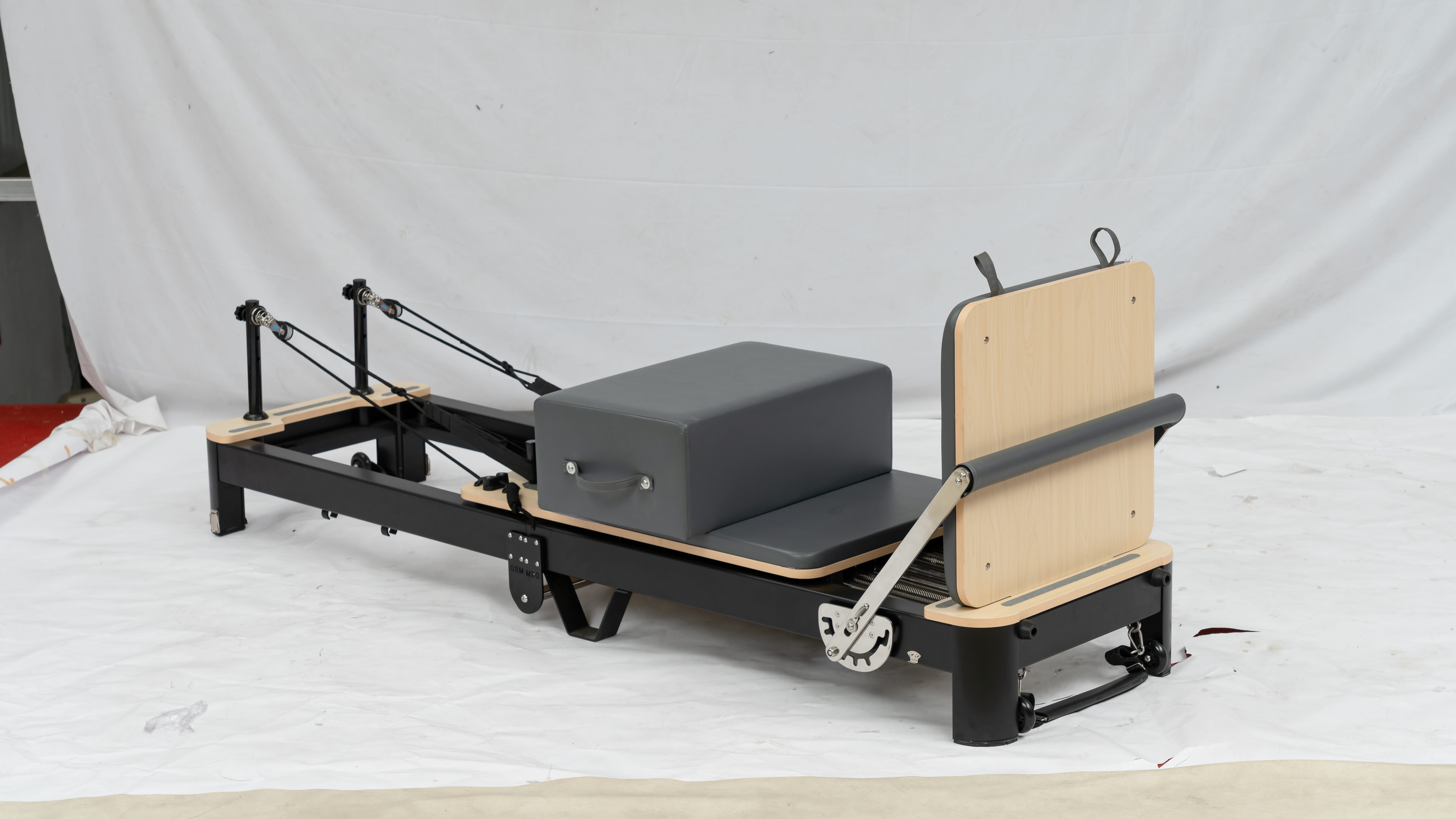
The core value of foldable reformers is storability. The frame features hinges or folding mechanisms that allow the machine to be folded against a wall, tucked into a closet, or pushed into a corner after use.
Core Advantages:
Extreme space efficiency. A fixed reformer occupies 2.4m × 0.7m of floor space — essentially "adding a large piece of furniture to the living room." Foldable models reduce storage thickness to 12.5-30cm, with minimal impact on daily living space when stored against a wall.
Ideal for renters or uncertain spaces. If you're renting or might move in the future, the portability of a foldable model is unmatched. Users report that vertical folding models "take up almost no space when stored, and can be moved easily even by one person."
Lower entry barrier. Foldable models are typically less expensive than comparable fixed models, with many brands offering mid-to-low-price folding options for home users.
Best for: Small-apartment home users, renters, budget-conscious beginners, instructors who need to transport equipment between home and studio.
III. The Trade-Offs of Foldable Designs
While foldable reformers solve space problems, they do make certain compromises. Understanding these trade-offs helps determine whether it's the right choice for you.
Stability trade-offs: Folding hinges are essentially moving joints. Even the most precise locking mechanisms can't fully match the rigidity of an integrated welded frame. Premium foldable models (e.g., £2000+ tier) limit frame deformation to under 2% when unfolded — a difference nearly imperceptible in daily use. But budget foldable models may show significant stability issues — noticeable wobble during exercise, even a feeling that the frame is "twisting."
Rail smoothness challenges: Foldable models typically need a folding point in the middle of the rail — meaning the rail isn't a single continuous track. Even with precision machining at the joint, micro-steps or gaps may develop over time, affecting glide quality.
Storage operation burden: Unfold before use, fold after use — this simple routine becomes a "mental hurdle" for daily practitioners. If unfolding and folding requires moving a 72kg machine, adjusting locks, and recalibrating positions, you'll likely skip many practice sessions.
Long-term durability questions: Folding hinges and locking mechanisms are moving parts that may wear, loosen, or lose locking force over time. While premium brands conduct durability testing, long-term reliability of these components remains to be proven over decades.
IV. Decision Tree: Match Your Needs
If you have a dedicated workout space (≥2.5m × 1.5m) → Prioritize a fixed reformer. Stability and glide quality are the fixed reformer's core strengths — and these affect training quality far more than "occasional storability." A fixed model can serve for 10+ years, offering better long-term value.
If you have limited space but adequate budget (≥$400/£300) → Choose a premium foldable model. High-quality foldable models now approach fixed models in stability and glide quality, while offering storability that fixed models can't match. Focus on locking mechanism quality and folded dimensions.
If you're renting or may move in the future → Foldable is your only logical choice. Moving a fixed reformer is extremely costly; foldable models move with you.
If you're a beginner unsure about commitment → Start with small props or studio classes. Don't buy just because it "doesn't take up much space." If you haven't established a consistent practice habit, any equipment will collect dust. Confirm you can practice 2-3 times weekly before making the investment.
V. Key Questions to Ask Before Buying
Regardless of which type you prefer, confirm the following with the supplier:
·What are the unfolded and folded dimensions?
·How does the folding mechanism lock — mechanical latch or strap?
·What is the frame material and thickness?
·What are the spring material, source, and expected lifespan?
·What components are covered by warranty, and for how long?
Summary: The choice between foldable and fixed reformers is ultimately a trade-off between space and performance. Fixed models suit users with dedicated space who prioritize stability and glide quality. Foldable models suit users with space constraints, those who need storage flexibility, or those who may move in the future. There's no "better" — only "better for you." Clarifying your use scenario and priorities matters more than obsessing over specs.