Key Safety Features Every Pilates Machine Must Have
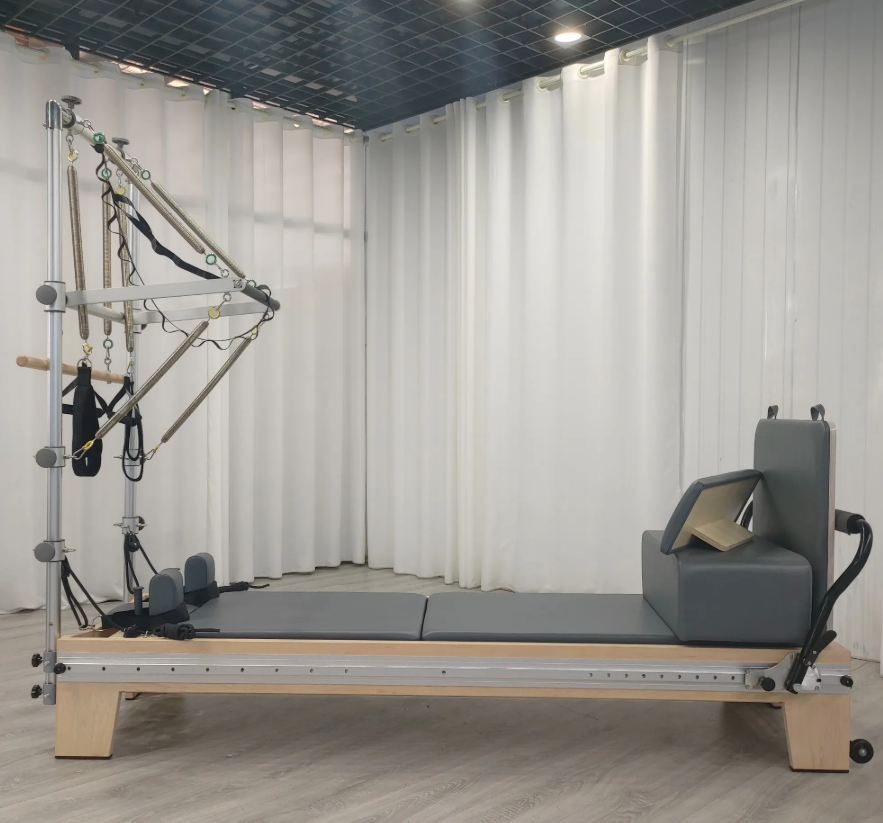
Pilates equipment is training machinery that bears body weight and applies spring resistance. If safety features are inadequate, the consequences range from compromised training experience to muscle strains, joint injuries, or even more serious accidents. Understanding what safety features a machine must have is fundamental to making a responsible purchase — for yourself and for your clients.
I. Structural Safety: The Frame's "Hard Strength"
The frame is the foundation of the entire machine. Structural safety is the first line of defense.
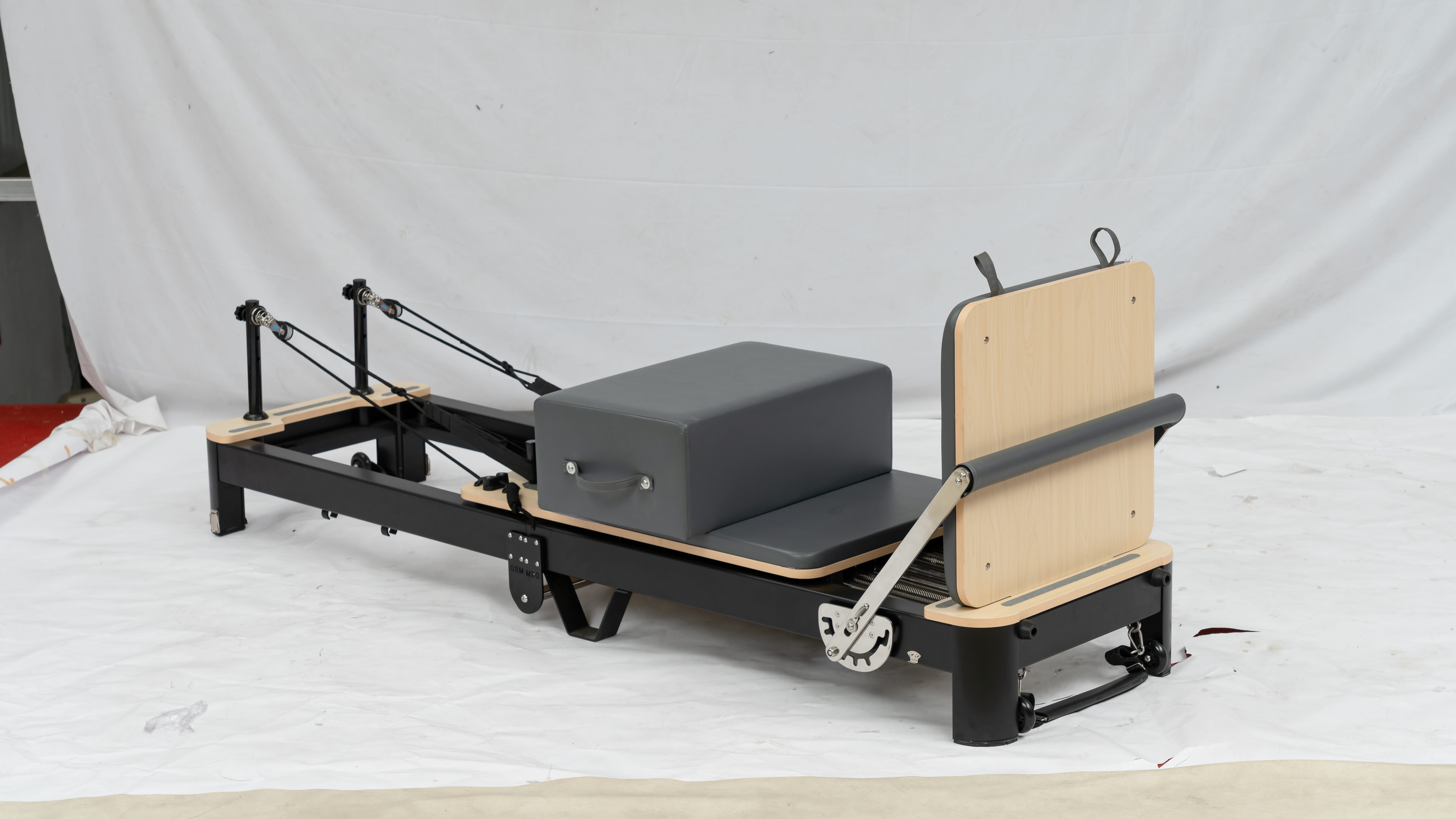
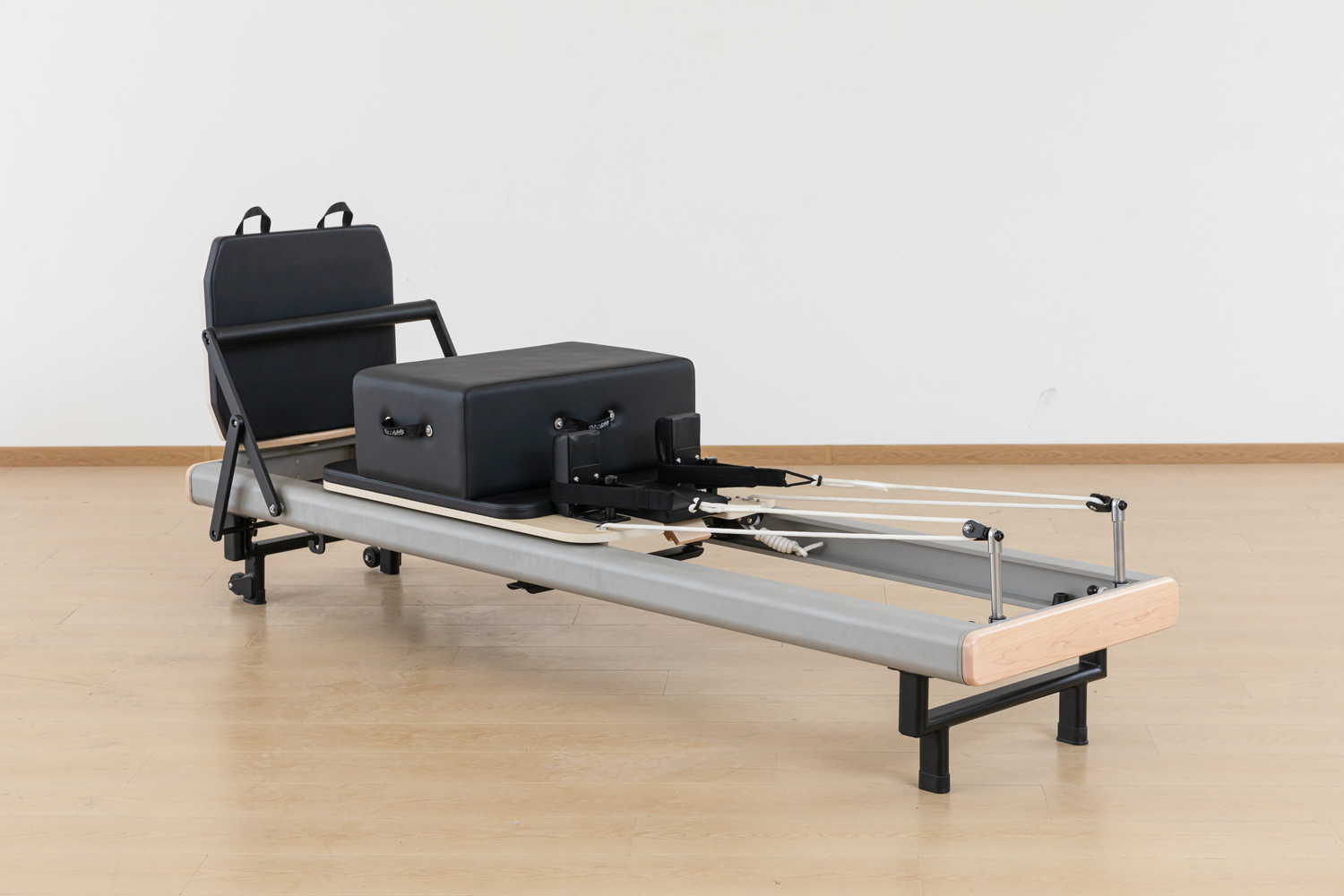
Adequate load capacity: Commercial-grade reformers should have a minimum frame load capacity of 120kg, with some professional-grade machines rated above 180kg. Load capacity includes not just static standing but also dynamic impact and repeated loading during training. International standards like EN ISO 20957-1 require equipment to be tested at 1.5× maximum rated load under static and dynamic conditions, ensuring it won't fail even under extreme use.
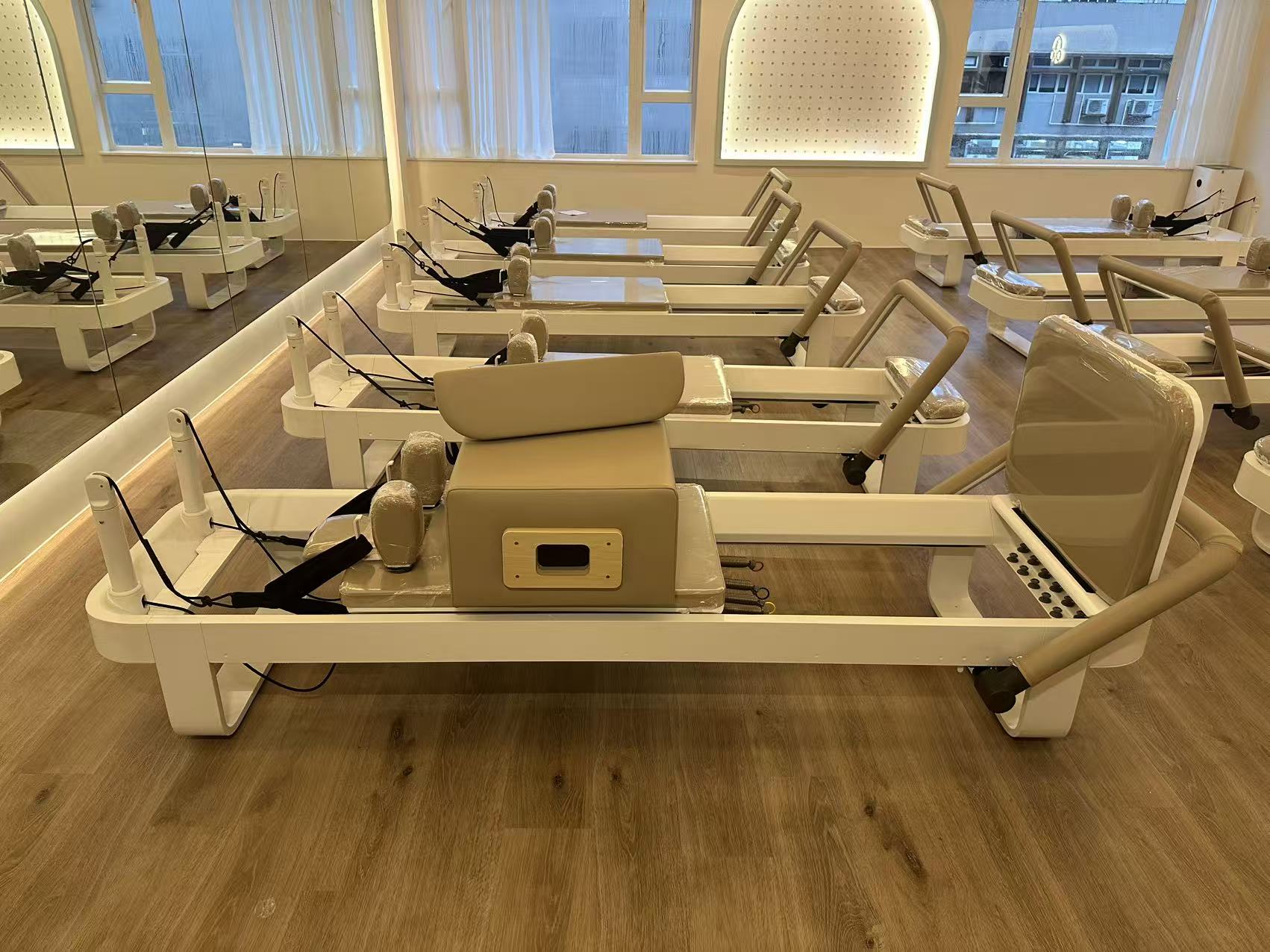
High-grade materials and welding quality: Frame materials should be high-strength steel or aviation-grade aluminum. Welds should be uniform, with no porosity, cold shuts, or cracks. When shaken, the frame should remain rigid — no visible elastic deformation or wobble during training. Continuous, uniform welds are more reliable than spot-welded joints.
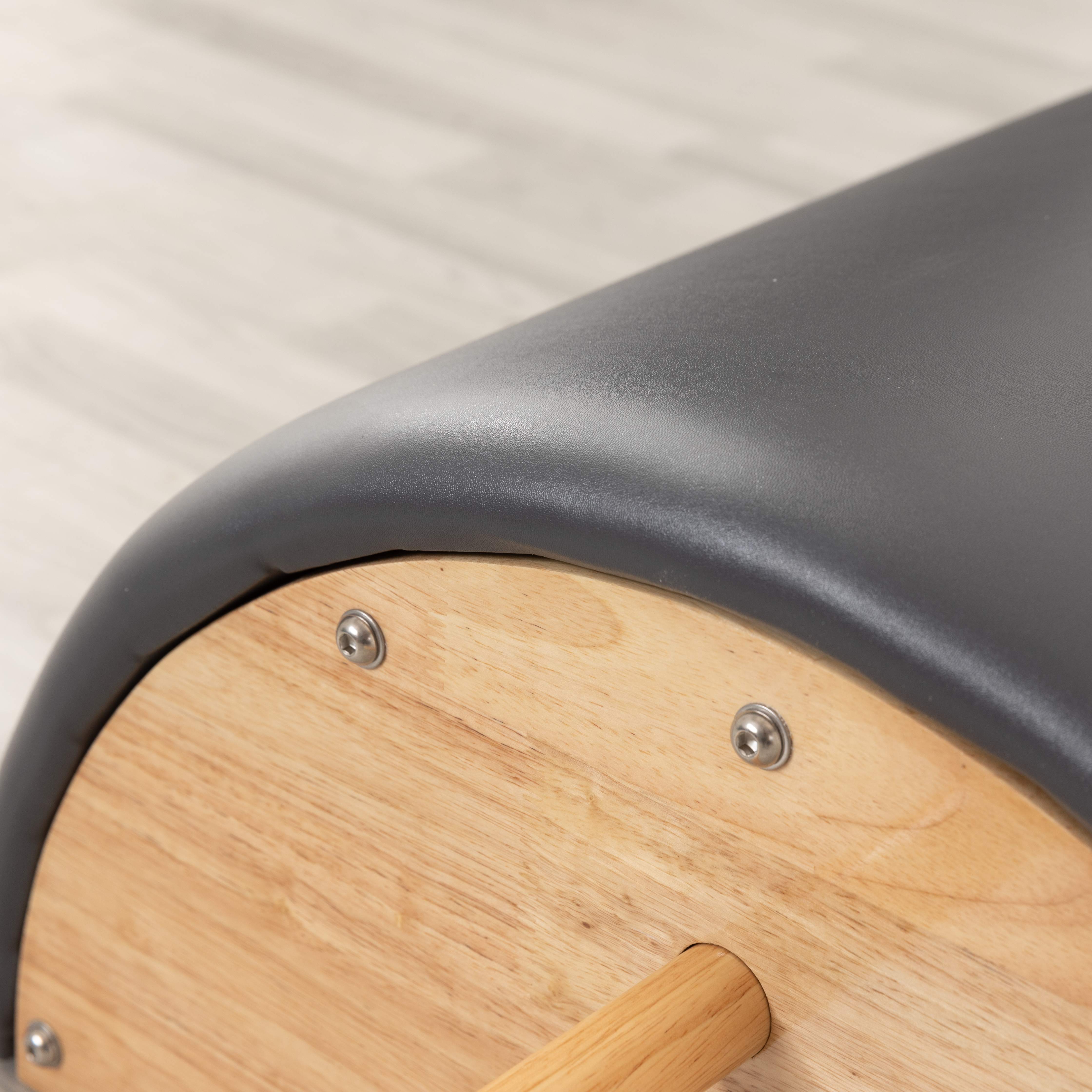
Rounded edges and pinch protection: All edges and corners accessible to users should be radiused to a minimum of 3mm. The carriage travel path should have no pinch points where fingers could become trapped. Gaps between carriage and frame should be designed so normal use cannot entrap fingers.
II. Spring System: The "Safety Line" of Resistance
Springs are the power source of Pilates equipment — and among the highest-risk components.
Spring breakage prevention: Quality springs undergo heat treatment and stress relief during manufacturing, with hooks reinforced at stress concentration points. Premium springs should have clearly specified cycle life (typically 500,000+ cycles) and maintain stable force output throughout their service life.
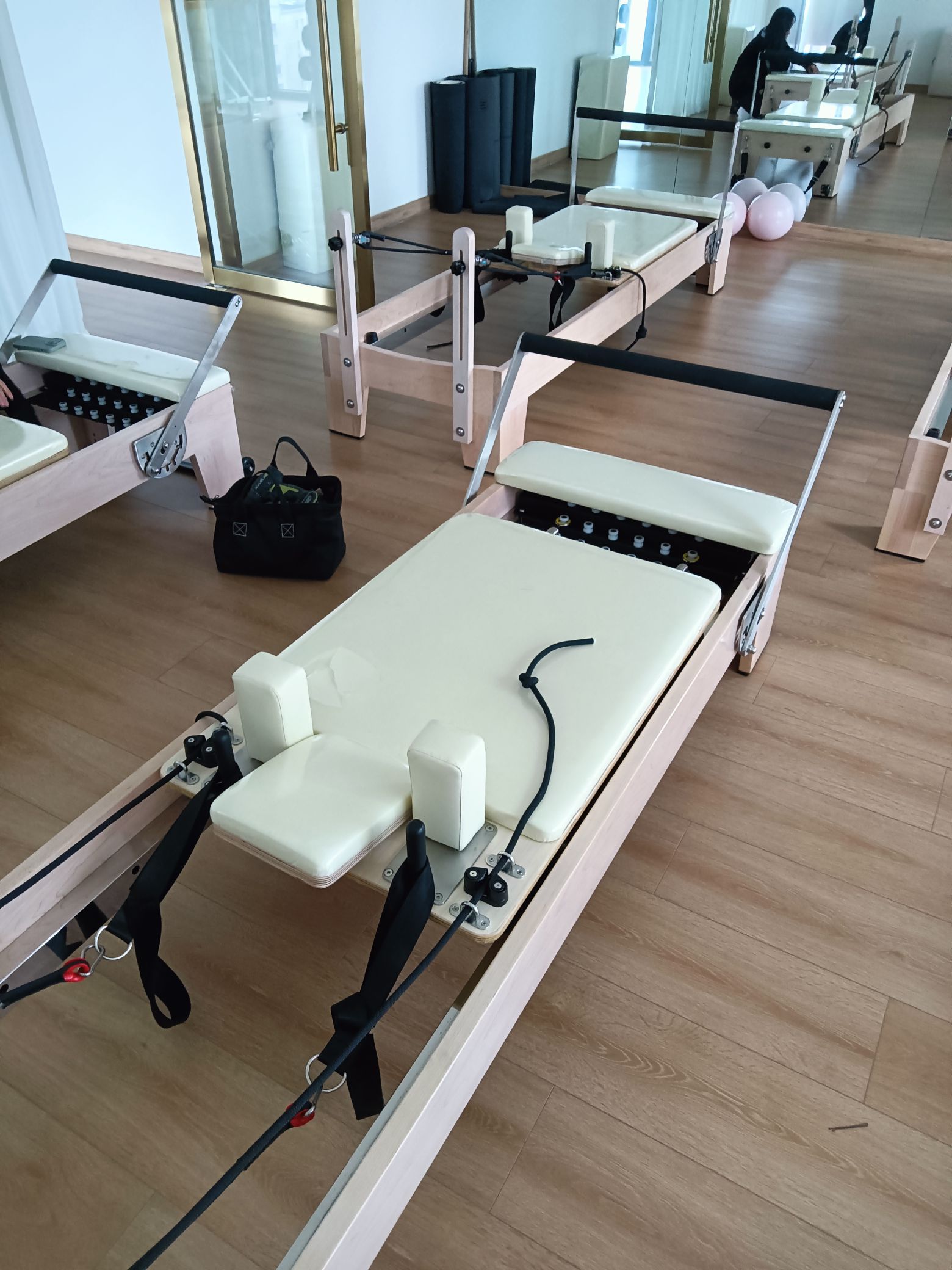
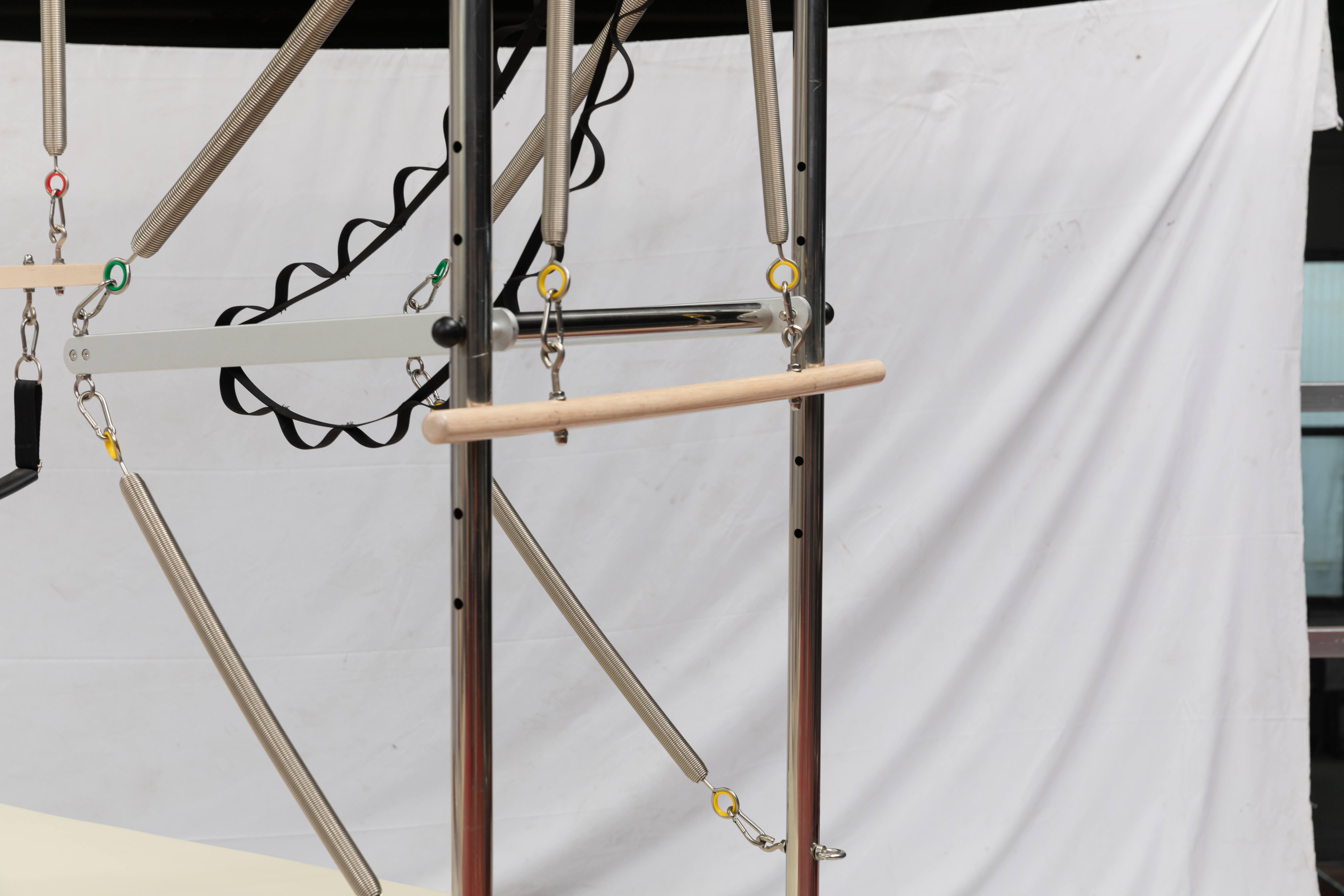
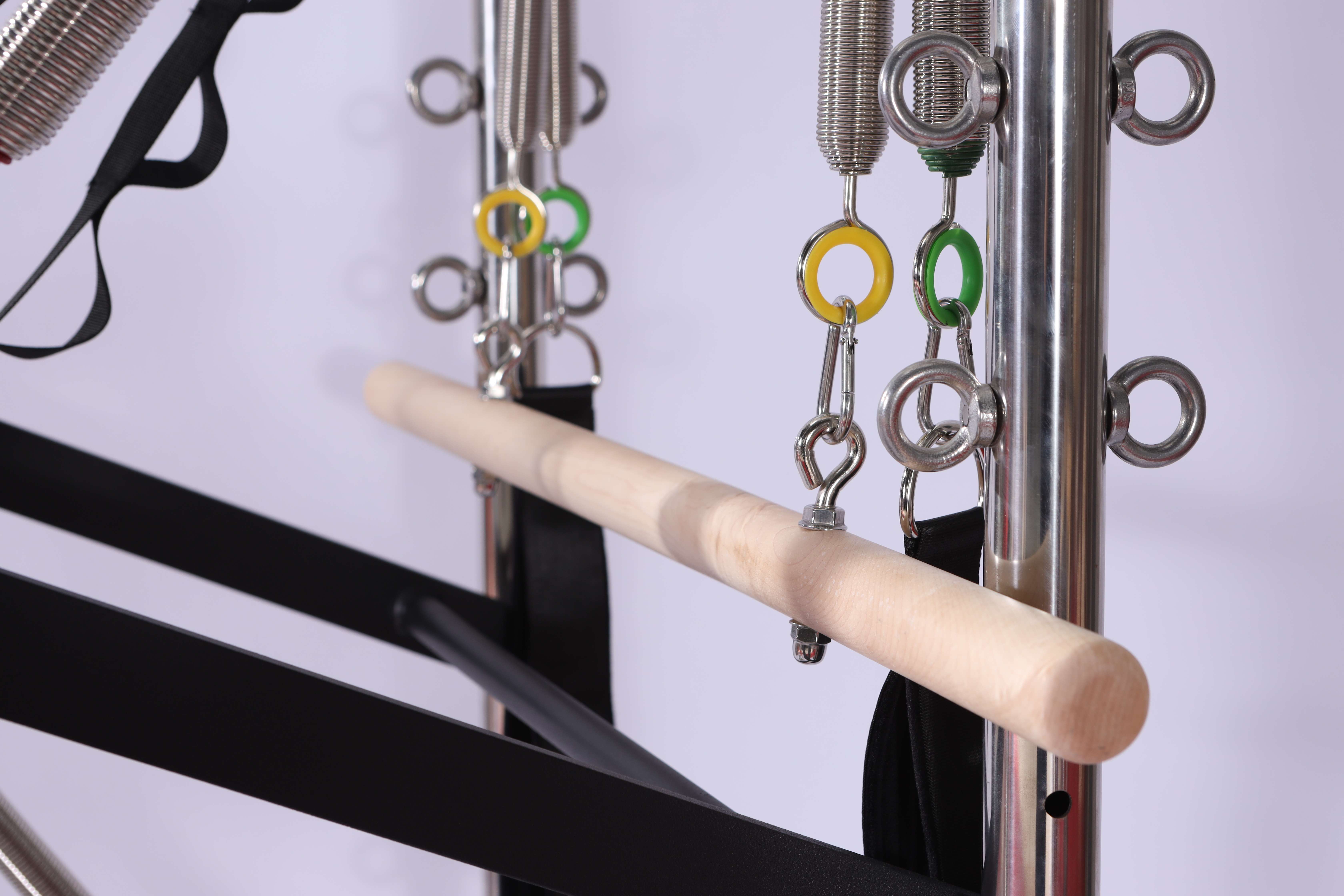
Spring guards or restraints: As springs stretch and contract, there's a risk of pinching if a user's limb comes close. Commercial equipment should have guards or restraints around springs to prevent fingers or clothing from being caught. Spring hooks should have retention features to prevent accidental detachment during use.
Clear force markings: Springs with different force levels should be clearly identified with color codes or numbers, allowing instructors and users to select and combine correctly. Markings should be durable and resistant to wear.
Replacement reminder: Instruction manuals should clearly state the recommended replacement interval (typically 2 years or adjusted for usage frequency) and remind users when replacement is due.
III. Carriage and Rail System: The "Safe Track" of Movement
The carriage is the most active component on a reformer — its safety directly affects user safety.
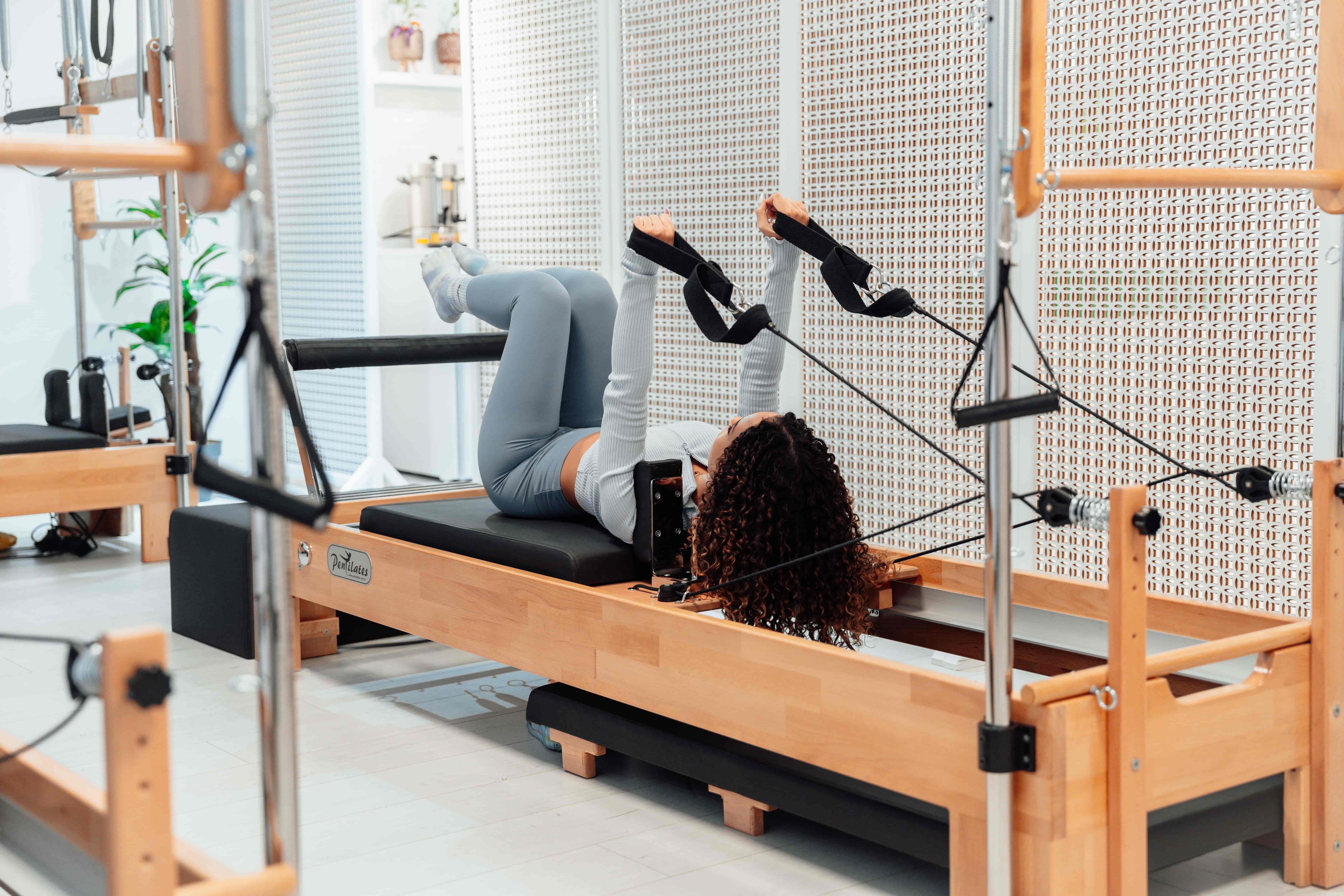
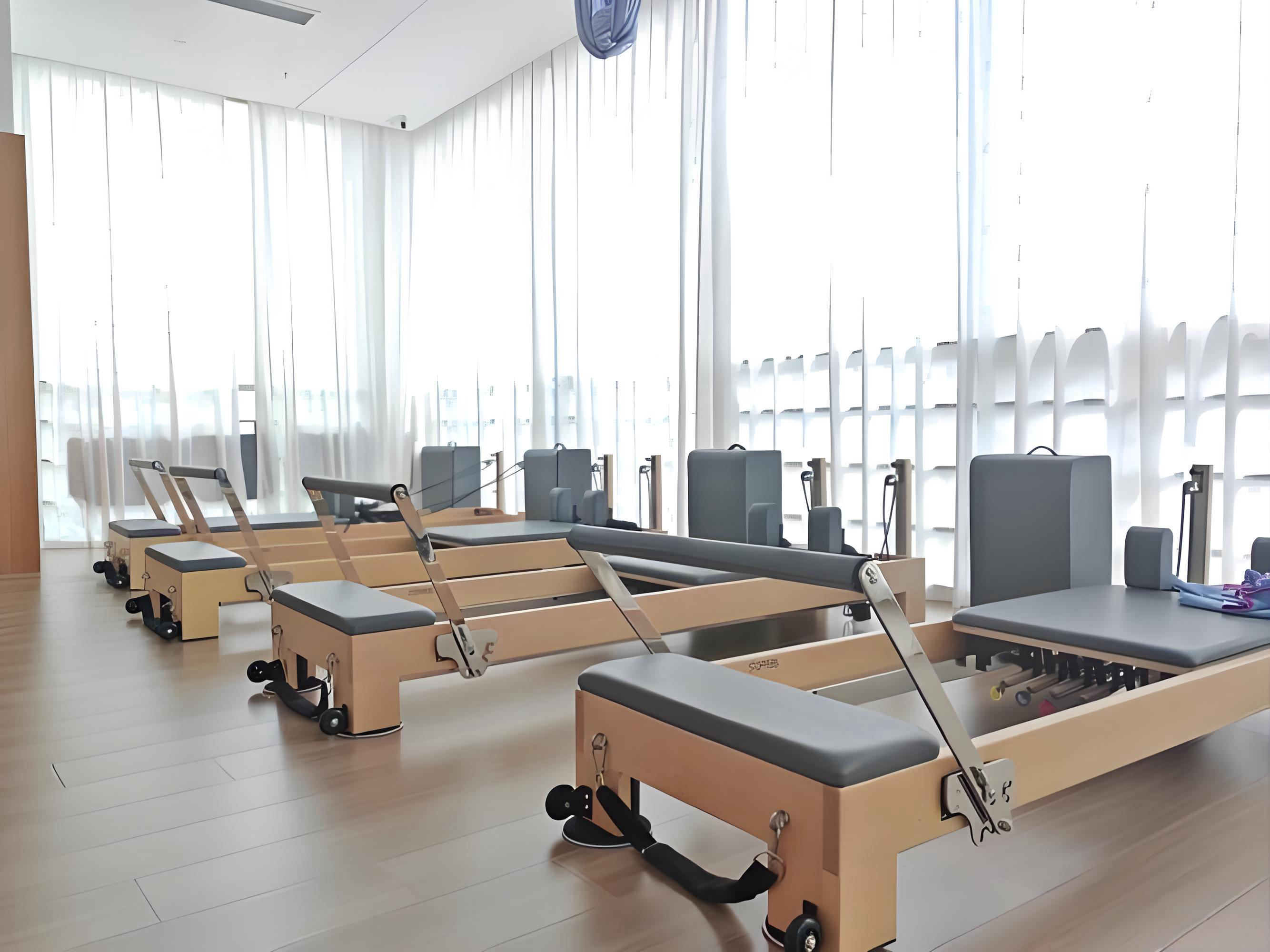
End stops: Both ends of the carriage track must have robust end stops to prevent the carriage from exceeding its safe range. End stops should feature shock-absorbing design (e.g., rubber bumpers) to reduce impact force. End stops should be inspected regularly for looseness or wear.
Carriage lock: During operations like mounting/dismounting or spring changes, the carriage should lock securely in a safe position. The locking mechanism should be easy to operate, lock firmly, and not release accidentally.
Smooth rails: Rail surfaces should be smooth and burr-free, preventing abnormal friction or scraping during carriage movement. Rail joints should be flush, with no steps or gaps that could cause jolts or sticking.
IV. Adjustment Mechanisms: Every Lock Must Hold Firm
Every adjustable component on Pilates equipment must hold its position securely when locked.
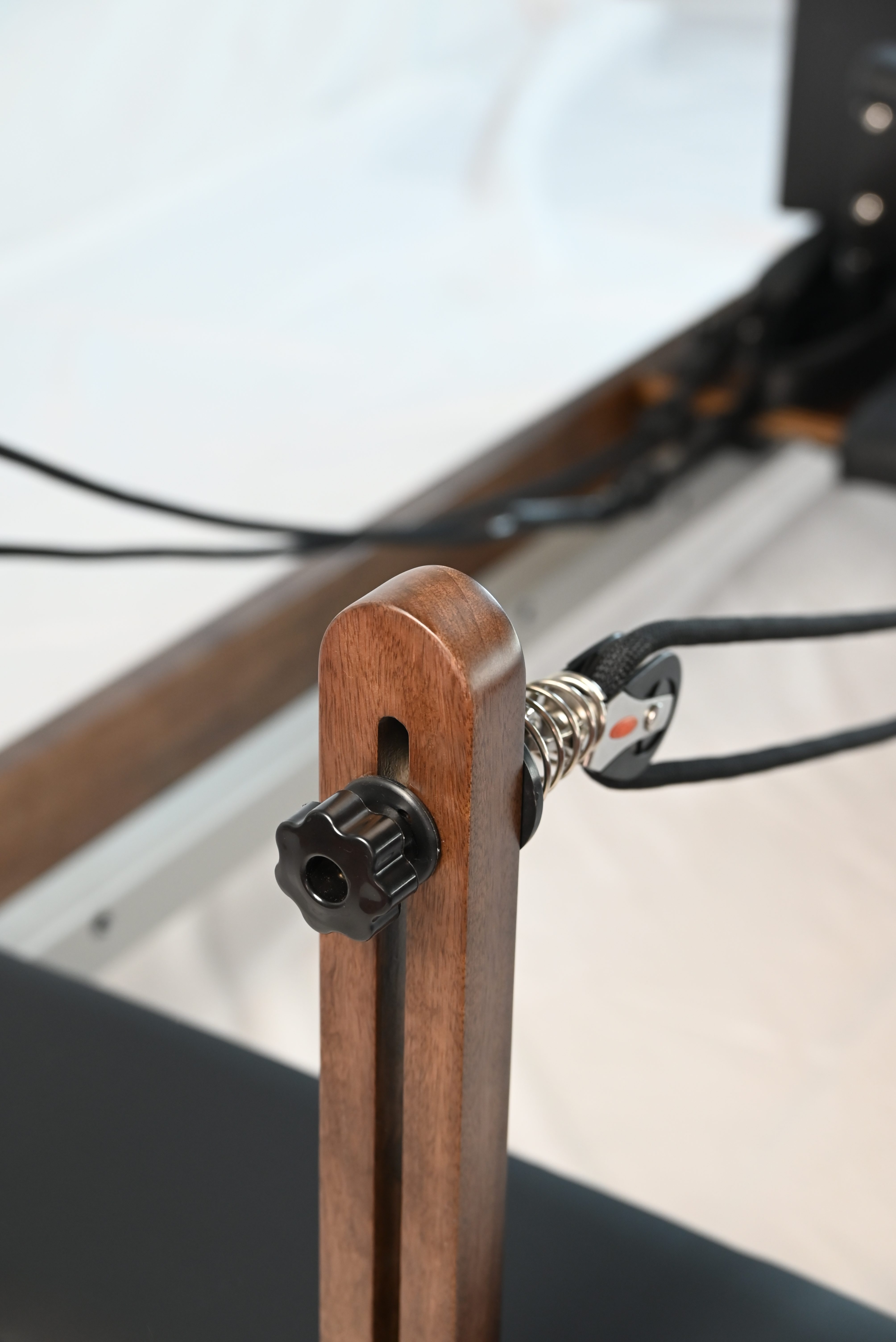
Footbar lock: The footbar height adjustment must hold firm with no looseness or movement under load. The footbar must stay in position during training.
Shoulder rest and headrest locks: Shoulder rests and headrests should adjust smoothly and lock securely without slipping. These components directly contact shoulders and head — any looseness compromises both safety and experience.
Rope and strap attachment points: All attachment points for ropes and straps must withstand training forces without slipping or detaching. Attachment points should feature retention mechanisms to prevent accidental release.
V. Anti-Slip and Stability: The Machine Mustn't "Move with You"
The machine should not shift or wobble during training.
Anti-slip feet: The base should have anti-slip rubber or silicone feet with good grip. Feet should be height-adjustable to compensate for uneven floors, ensuring stable contact with the ground.
Stability testing: During use, the machine should not wobble, tilt, or shift when performing lateral movements (such as side-lying abduction). Overall stability is fundamental to safe training.
VI. Safety Labels and Manuals
Safety information is an integral part of the equipment.
Clear warning labels: The machine should display maximum load capacity, usage precautions, and warnings in prominent positions. Labels should be durable and legible.
Complete instruction manual: The manual should include safe usage instructions, spring replacement intervals, and daily inspection/maintenance guidelines. For commercial equipment, it should also include safety considerations for instructors guiding clients.
Summary: A safe Pilates machine must meet standards across five dimensions — structural frame, spring system, carriage and rails, adjustment locks, and anti-slip stability. When purchasing, don't let appearance and features distract from safety details. Check weld quality, verify end-stop robustness, test every locking mechanism, and confirm spring force markings and expected service life. Safety is not an "add-on" feature — it's the machine's baseline requirement.