Pilates Equipment Buyer FAQ: All Your Questions Answered
Whether you're a studio owner planning your first purchase or a home user looking to upgrade your equipment, certain questions come up again and again — from "What's the difference between a Reformer and a Cadillac?" to "How often do I need to replace springs?" This FAQ covers the most common questions about Pilates equipment purchasing, with clear, practical answers.
I. Equipment Types and Selection
Q1: What's the difference between a Reformer and a Cadillac? Which should I buy?
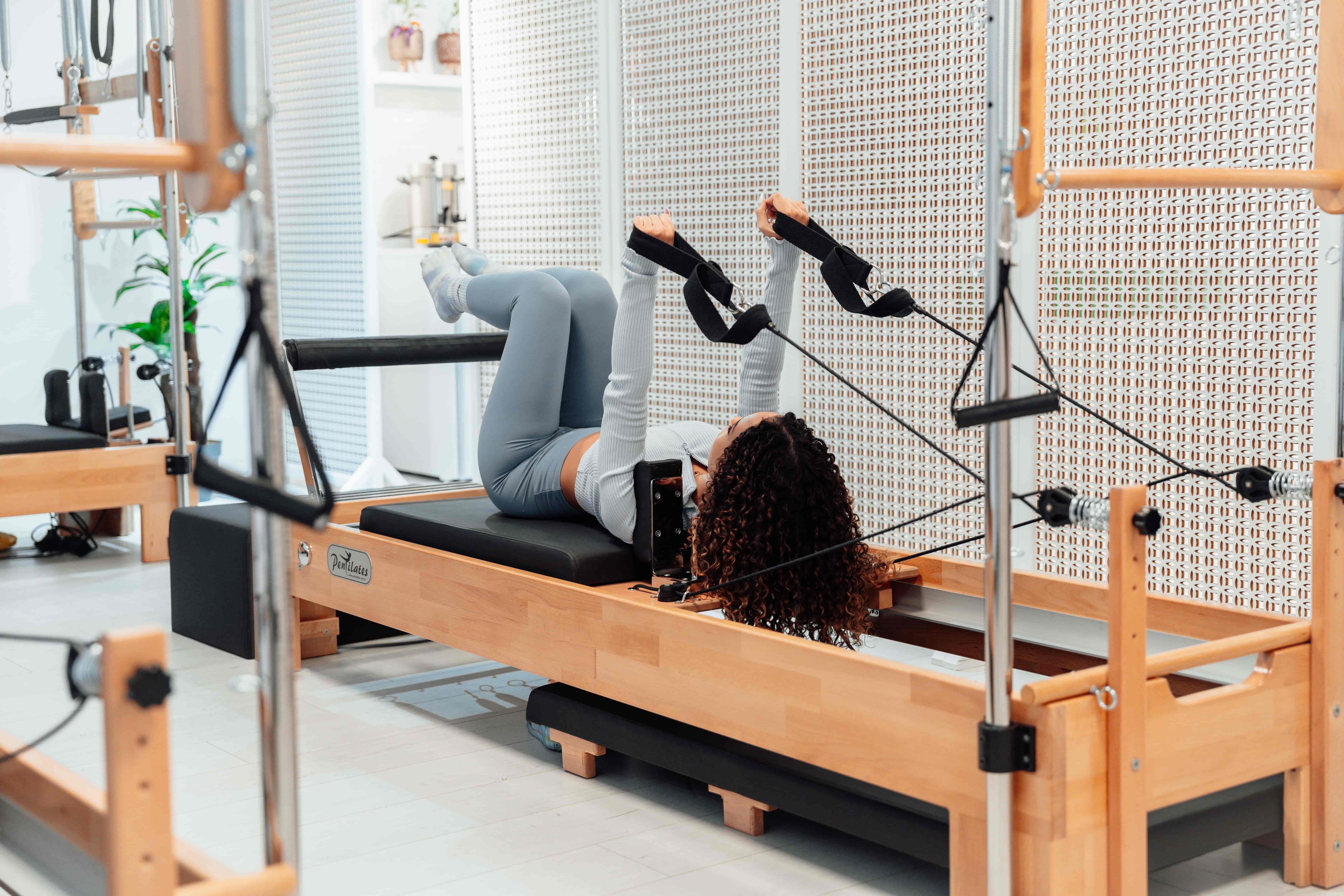
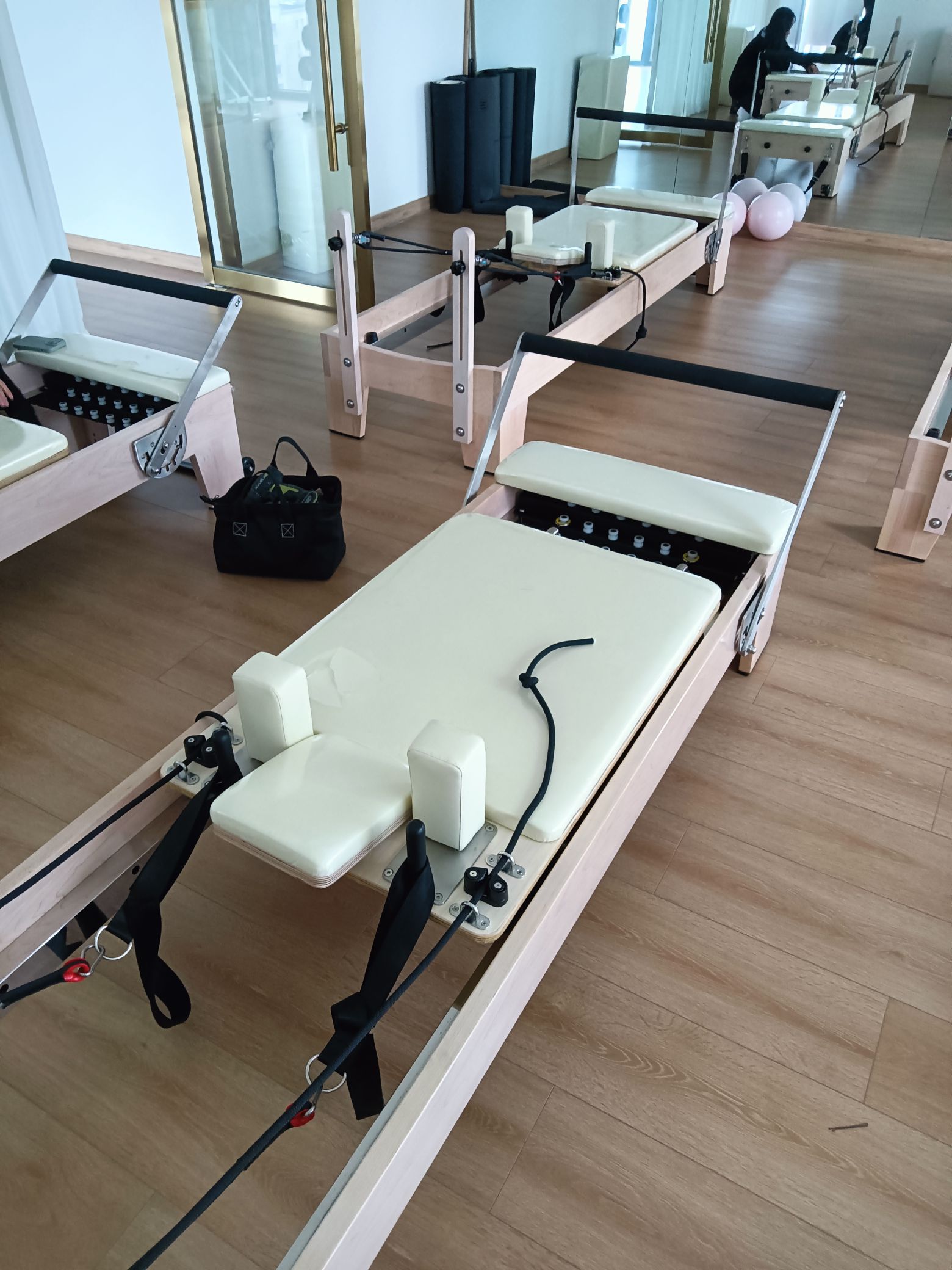
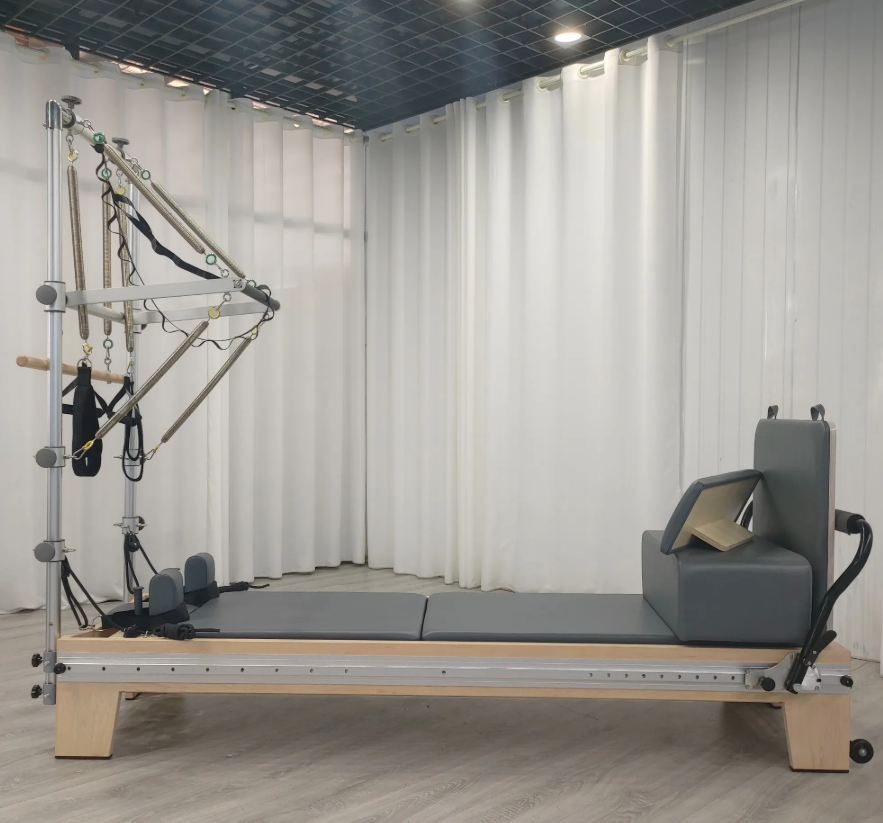
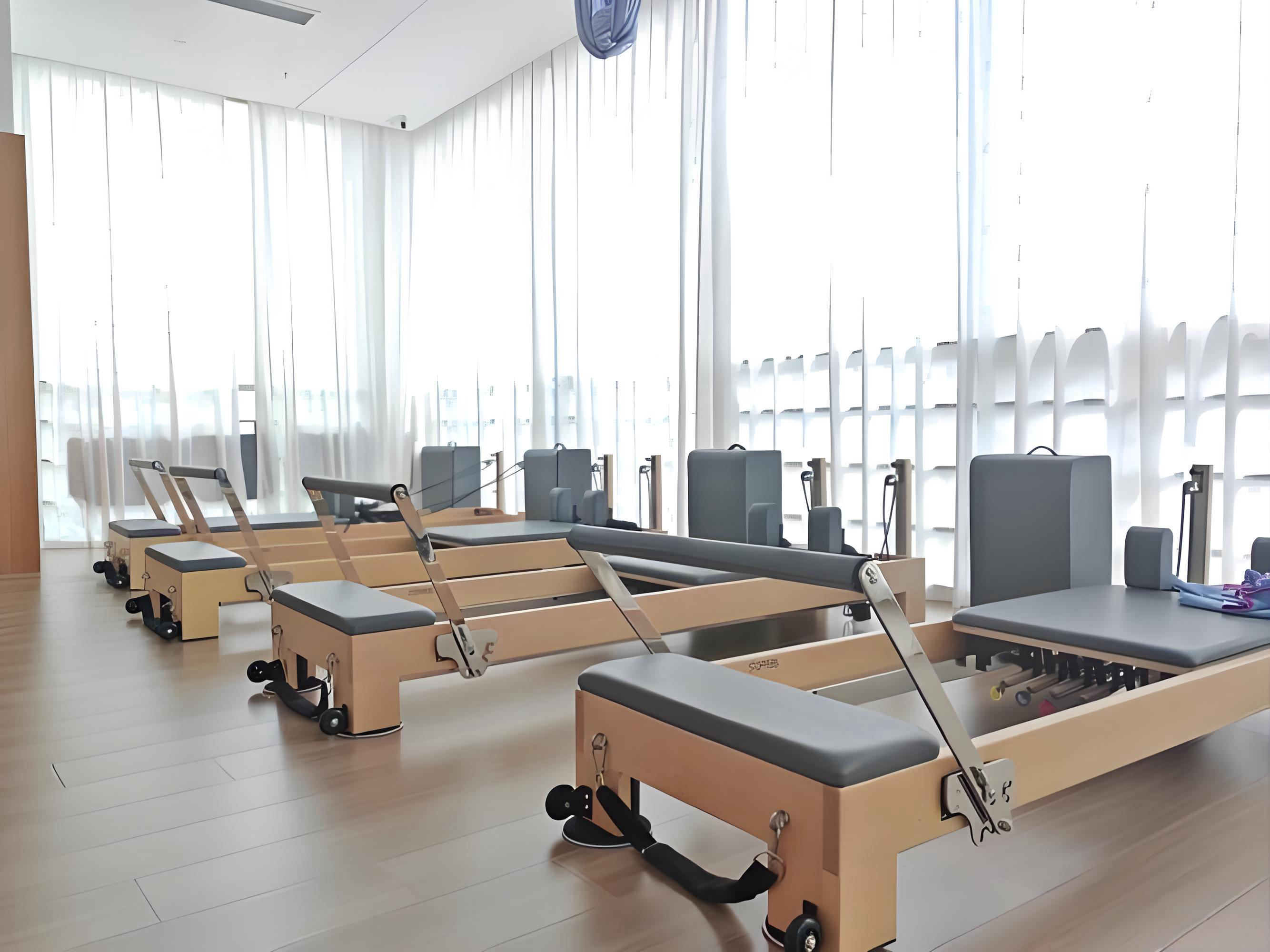
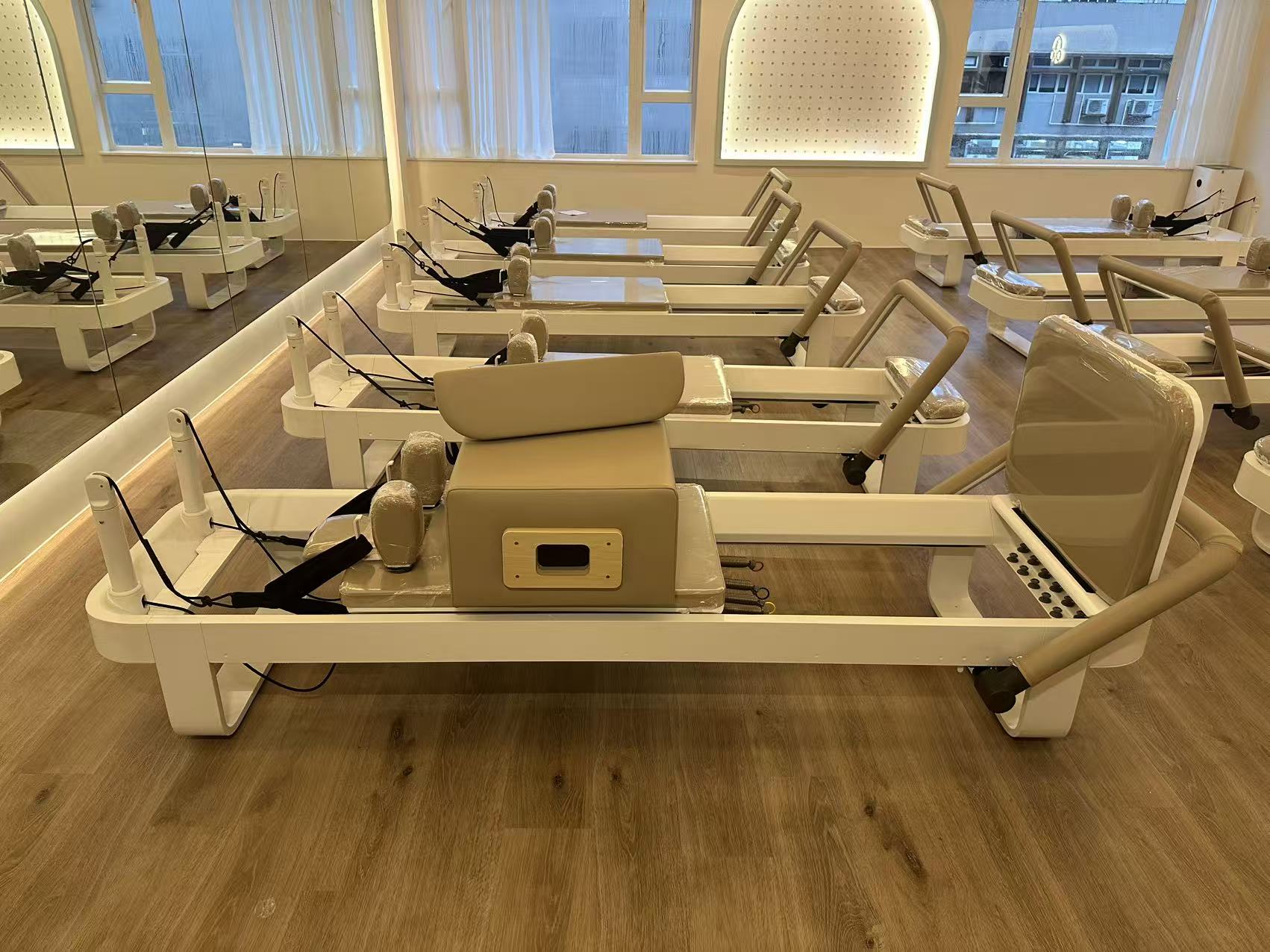
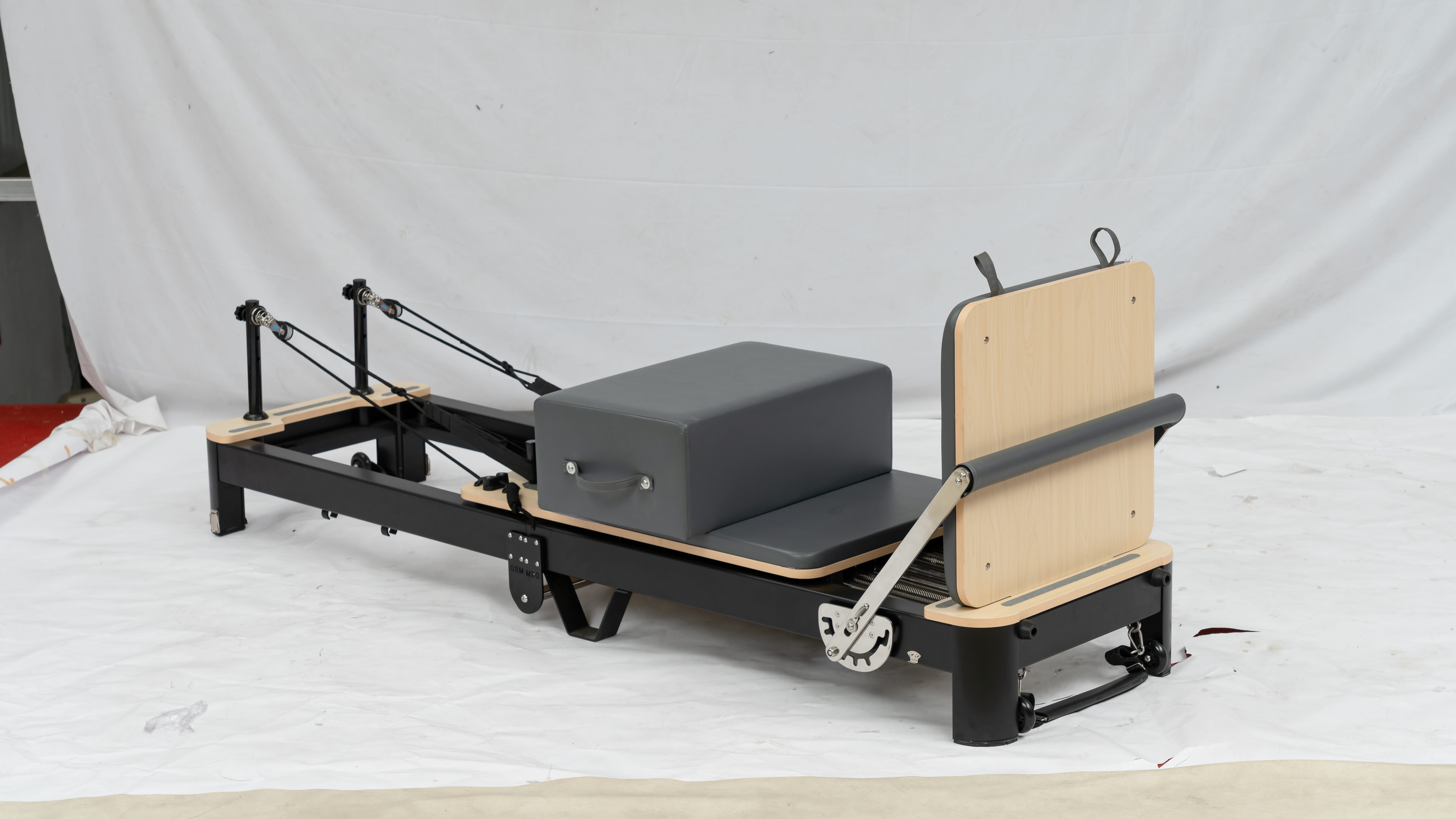
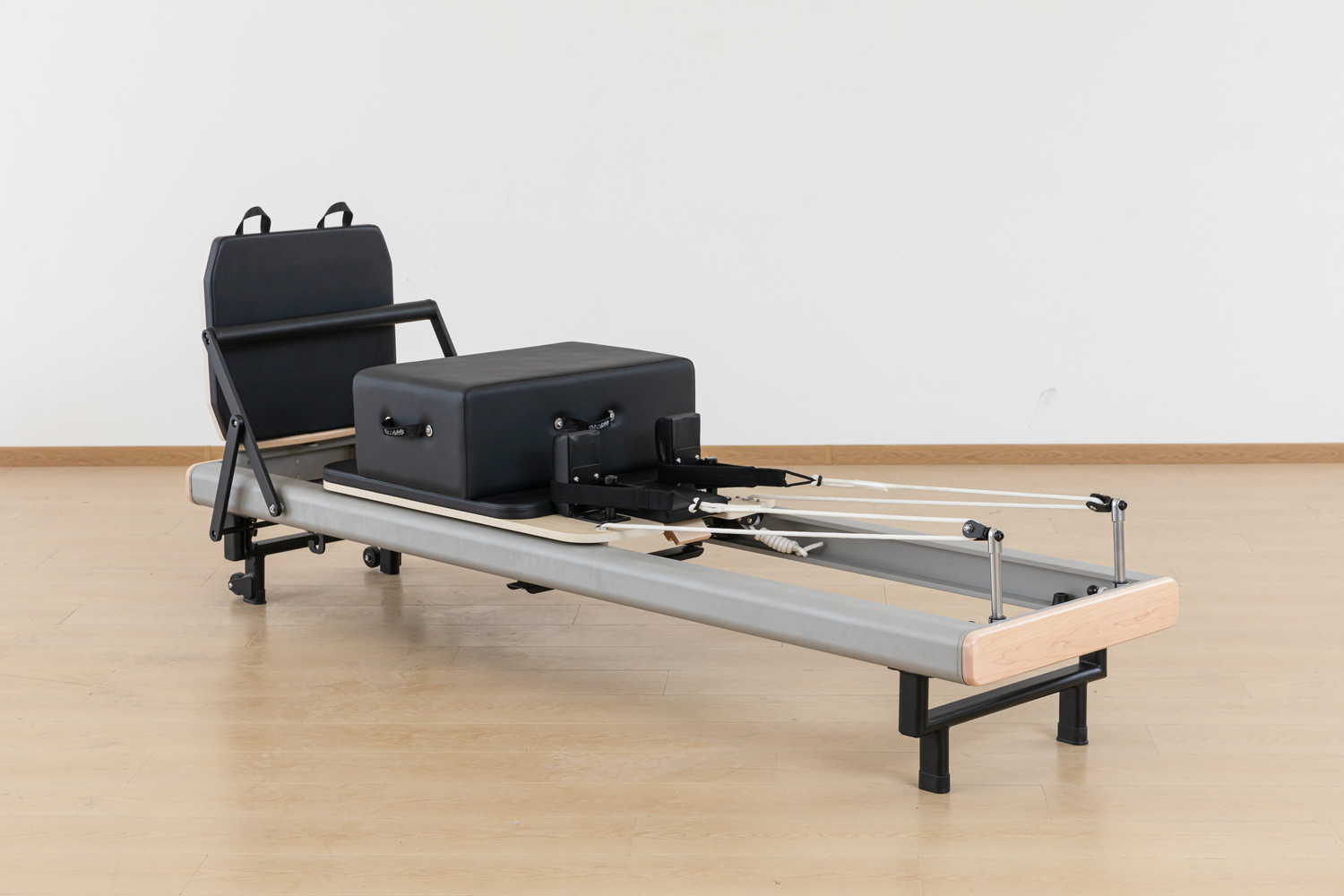
The Reformer excels at dynamic gliding and precision sculpting — ideal for users seeking body definition and flexibility. The Cadillac is known for rehabilitation support and comprehensive functionality — suitable for users with recovery needs or those wanting maximum exercise variety. For most studios, Reformers are essential for opening; Cadillacs are typically added in a second phase. For home use, Reformers are the more mainstream choice.
Q2: Are Wunda Chairs and Ladder Barrels essential?
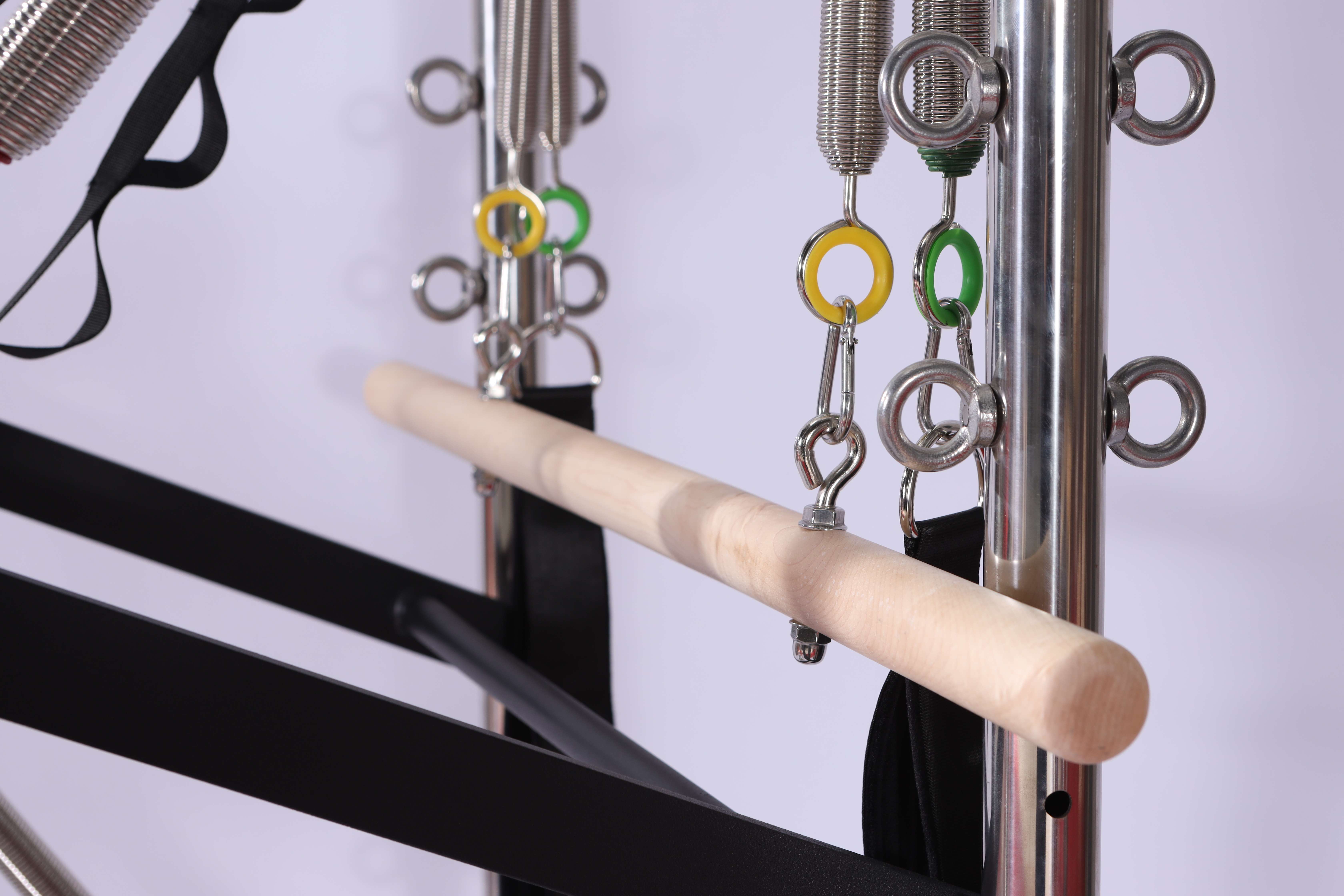
Not essential for opening, but valuable for a complete curriculum. The Wunda Chair is ideal for 1-on-1 private sessions and small groups, targeting lower body strength and core stability. The Ladder Barrel is primarily used for postural correction and spinal mobility. Add them gradually based on curriculum needs after your studio is stable.
Q3: Should I buy a Reformer for home use, or start with small props?
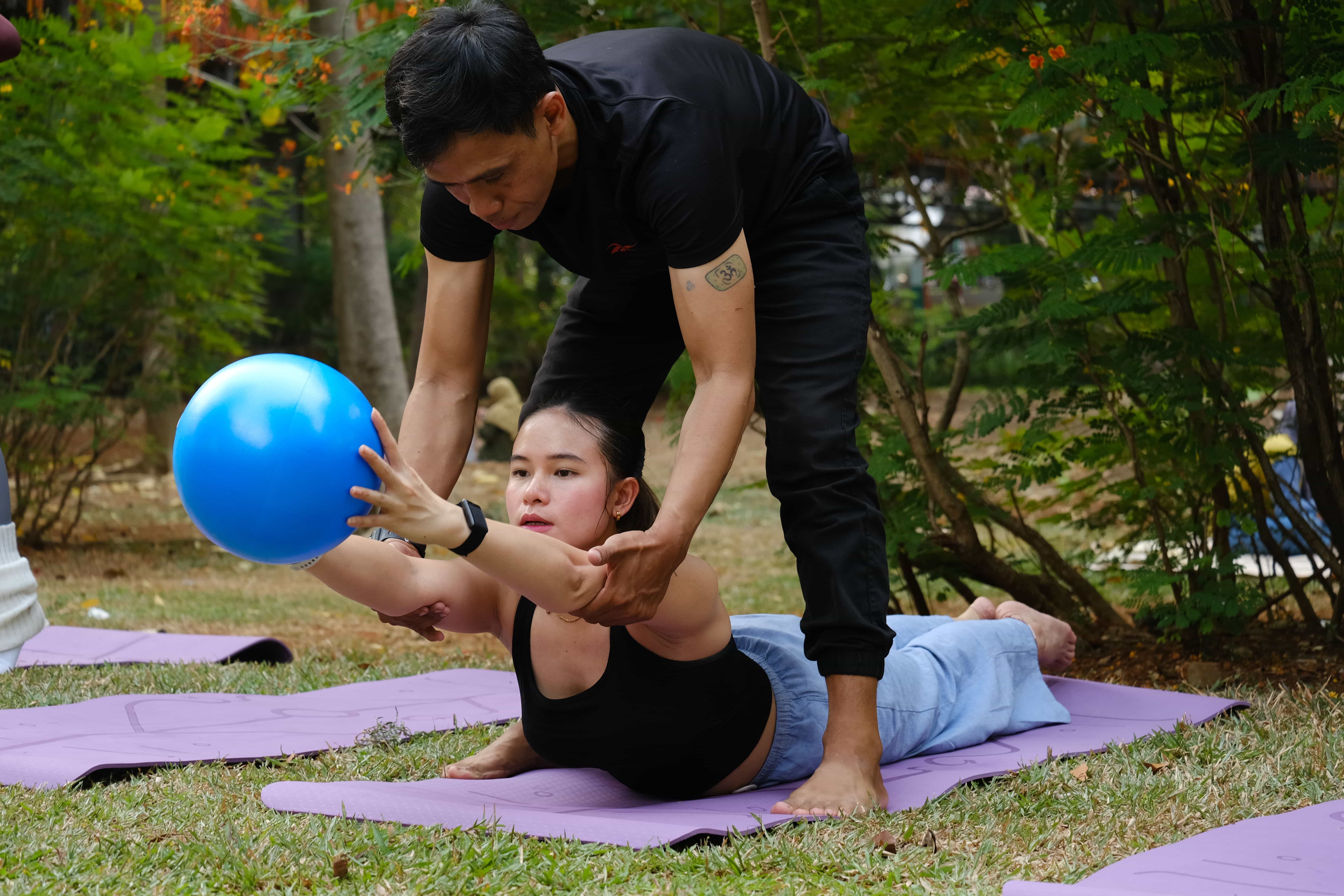
If you're a beginner, start with mat practice and small props (Magic Circle, resistance bands, small ball). Only consider a Reformer after at least 6 months of consistent mat practice. Buying a Reformer without foundation risks embedding poor movement patterns.
II. Brands and Quality
Q4: What's the difference between Balanced Body, Merrithew, and Chinese domestic brands?
International brands offer advantages in quality control, parts supply, educational resources, and brand recognition — at higher prices. Chinese domestic brands (e.g., Wuyi Chaoyuan, Zhejiang Yilian) offer lower prices for comparable specifications, with some brands having proven quality in international markets. The choice depends on budget, target client positioning, and brand premium needs.
Q5: How do I judge the quality of a Reformer?
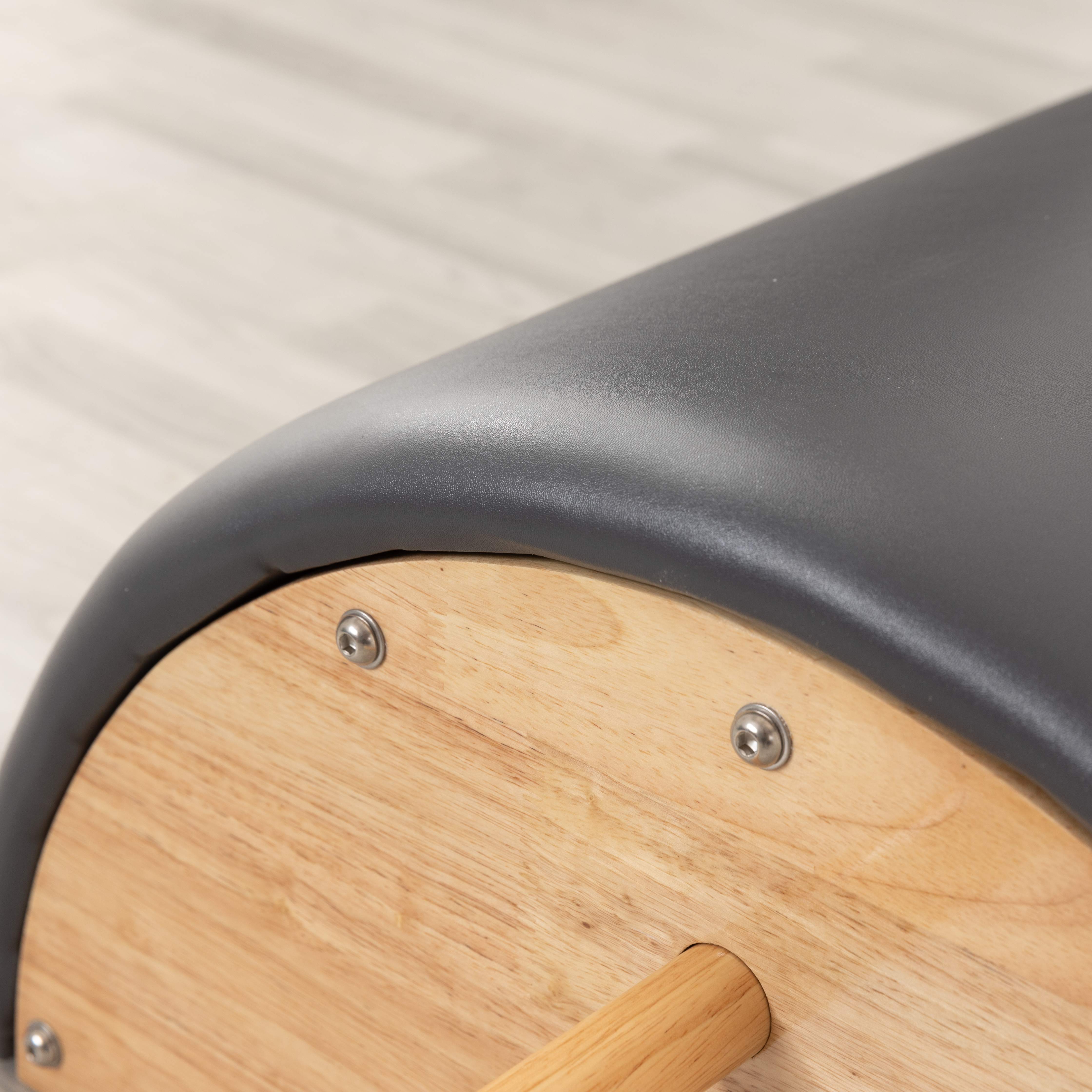
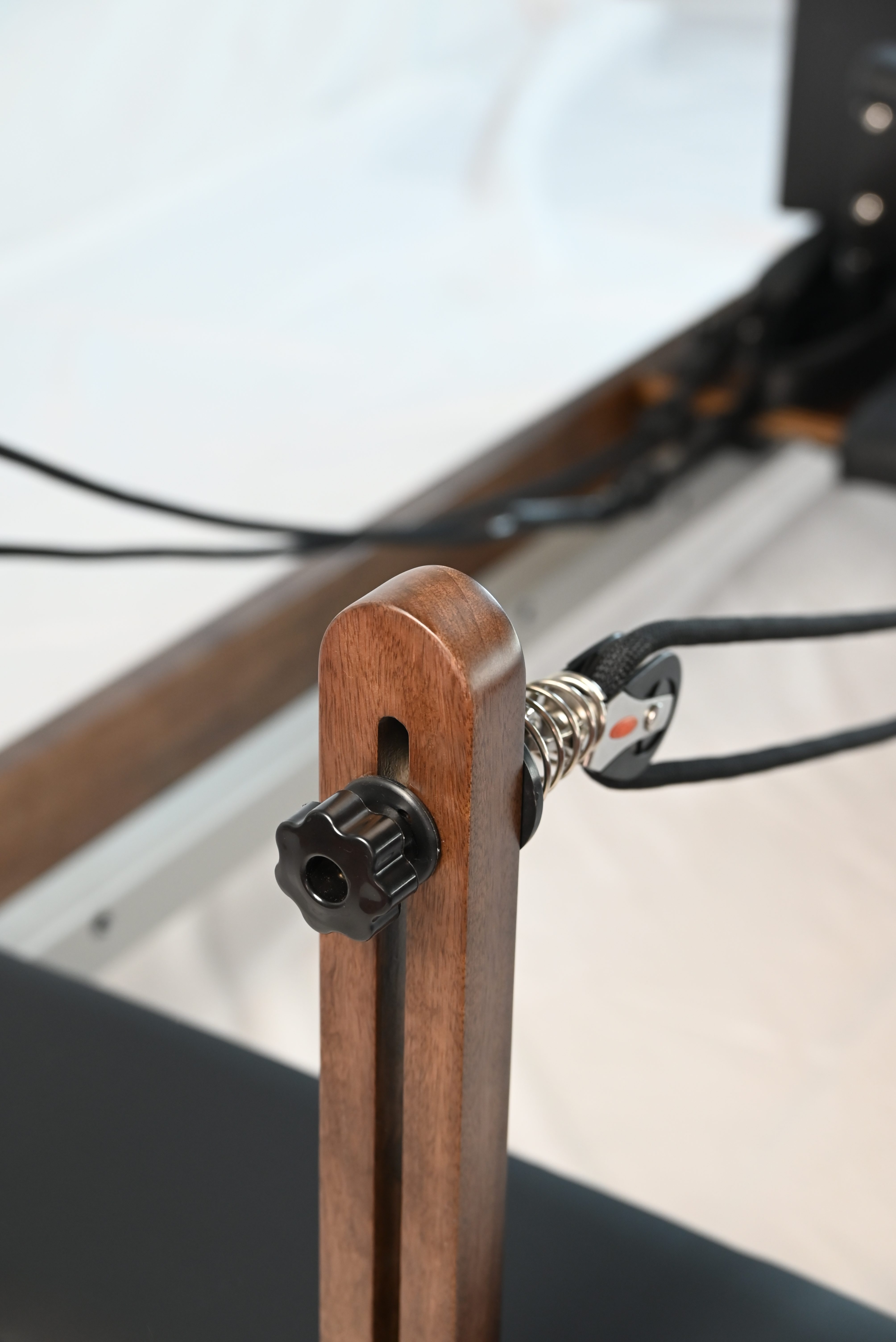
Evaluate five dimensions: weld quality (uniform, smooth), glide feel (smooth, silent), spring feel (linear resistance), frame stability (rigid under load), and warranty (lifetime or 10+ years on frame). If a machine passes on all five, it's a quality choice worth considering.
Q6: What's the difference between home-grade and commercial-grade Reformers?
Commercial-grade equipment is far superior in frame thickness, spring quality, leather abrasion resistance, and overall structural design. A commercial Reformer may cost twice as much, but its lifespan is often three to five times longer. Home users practicing 2-3 times weekly with adequate budget should consider commercial or semi-commercial grade.
III. Springs and Maintenance
Q7: How often should Reformer springs be replaced?
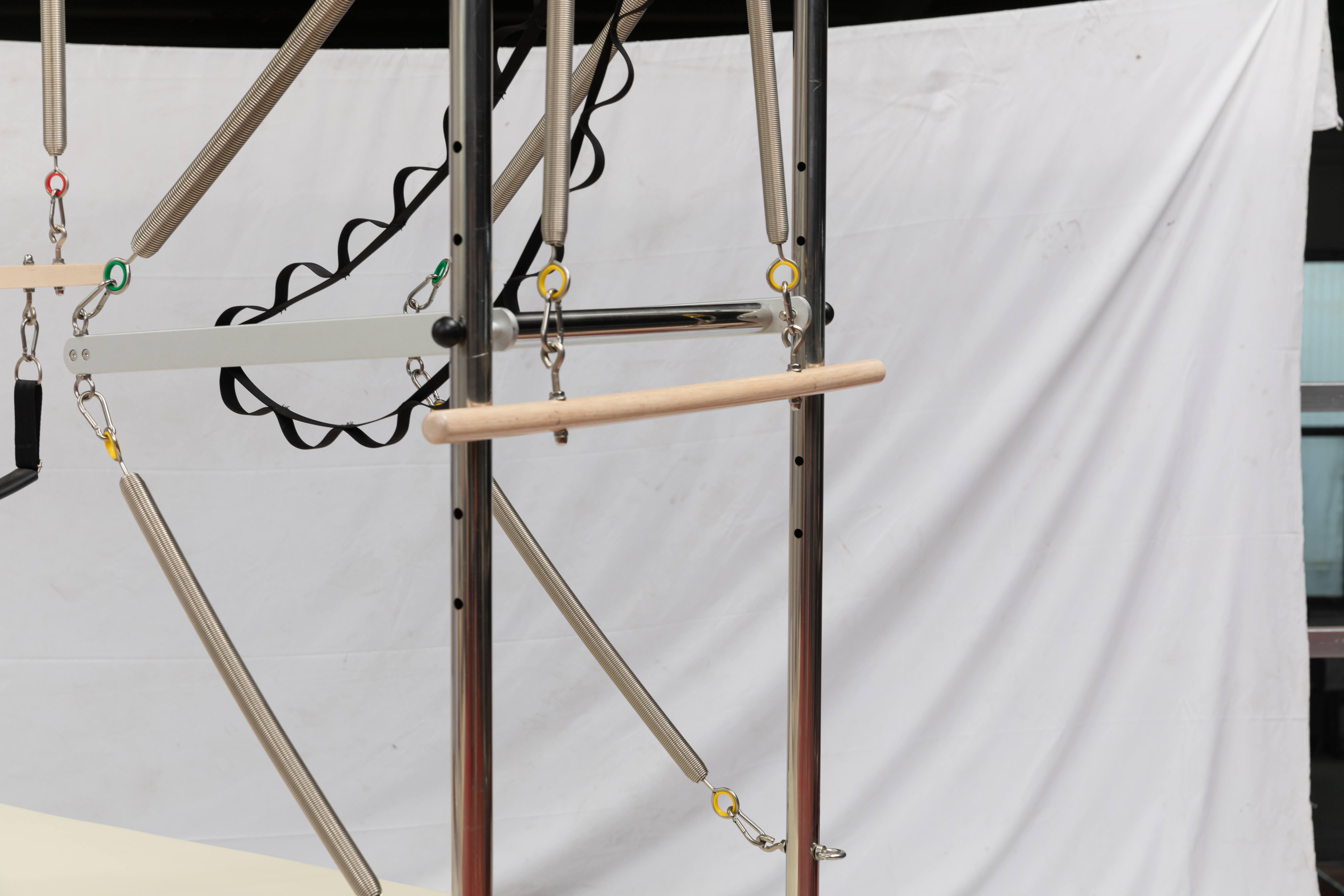
Industry standard recommends spring replacement every two years. Light home use (2-3 times weekly) may extend to 2-3 years; high-intensity studio use may require replacement within 6-9 months. Replace immediately if springs show gaps, kinks, rust, or abnormal rebound — don't wait for the "two-year mark."
Q8: How do I clean and maintain Pilates equipment?
Wipe leather with a slightly damp microfiber cloth after each use. Deep clean weekly with neutral soap solution. Clean rail crevices and lubricate metal rails monthly (use silicone spray — never WD-40). Wipe springs with a dry cloth — don't wash with water.
Q9: How long is the warranty on equipment?
High-quality brands typically offer limited lifetime or 10+ year warranty on frames, 2-3 years on moving parts (springs, pulleys, ropes), and shorter coverage on upholstery (leather and foam) — usually 1 year or less. Read warranty terms carefully before purchase.
IV. Customization and Procurement
Q10: Can I customize logos and colors?
Yes. Most manufacturers support appearance customization — upholstery colors (50-100+ options), frame colors, and brand logos (pad printing, laser engraving, embroidery, metal nameplates, etc.). Some support functional customization — spring force configurations, accessory packages, etc. MOQs vary — some suppliers accept 1-unit orders.
Q11: What are the MOQ and pricing for bulk orders?
MOQs vary by factory, typically 10-100 units. Bulk pricing can be 30-50% lower than retail, depending on order quantity and customization complexity. Always verify factory quality and cooperation through sample production before placing bulk orders.
Q12: What contract terms should I pay attention to when purchasing equipment?
Key items to confirm: product specifications (as contract appendix), acceptance criteria, warranty terms (frame/springs/upholstery separately), late delivery penalties, and IP/confidentiality clauses (for OEM/ODM). Verbal promises should be written into the contract — avoid vague terms like "equivalent quality substitutes."
V. Space and Installation
Q13: How much space does a Reformer need?
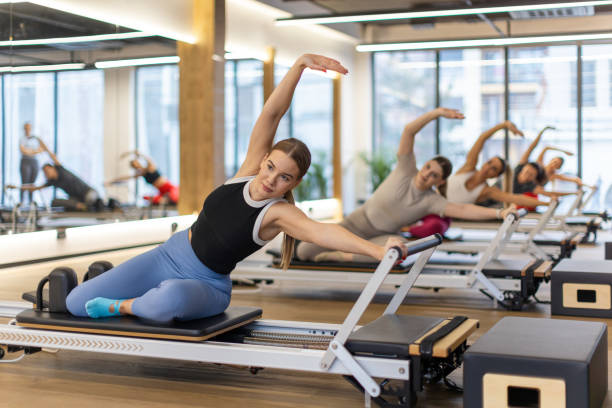
Each Reformer requires approximately 3.7 to 4.6 square meters of operating and clearance space. A 6-Reformer studio's core area needs about 30 to 40 square meters. Home users need at least 2.5m × 1.5m of unfolded floor space.
Q14: Is a foldable Reformer worth buying?
If you have at least 6 months of mat practice, practice 2-3 times weekly, have limited space, and a budget of $400+, a foldable Reformer is a reasonable next step. Key specs: folded thickness (ideally under 15cm), unfolded length (at least 220cm), spring material (must be metal springs), and secure locking mechanism.
Q15: What should I pay attention to during installation?
Commercial-grade equipment is heavy (an aluminum Reformer weighs approximately 160 kg). Professional installation is recommended to ensure frame leveling, smooth carriage operation, and proper spring system function. Upon delivery, verify model, quantity, and accessories against the packing list before installation.
Summary: Pilates equipment procurement is a multi-dimensional decision involving equipment selection, quality assessment, maintenance, customization, and space planning. These 15 questions cover the most common concerns. If you have additional questions, feel free to comment below or contact our professional consultants directly — we'll continue updating this FAQ list.