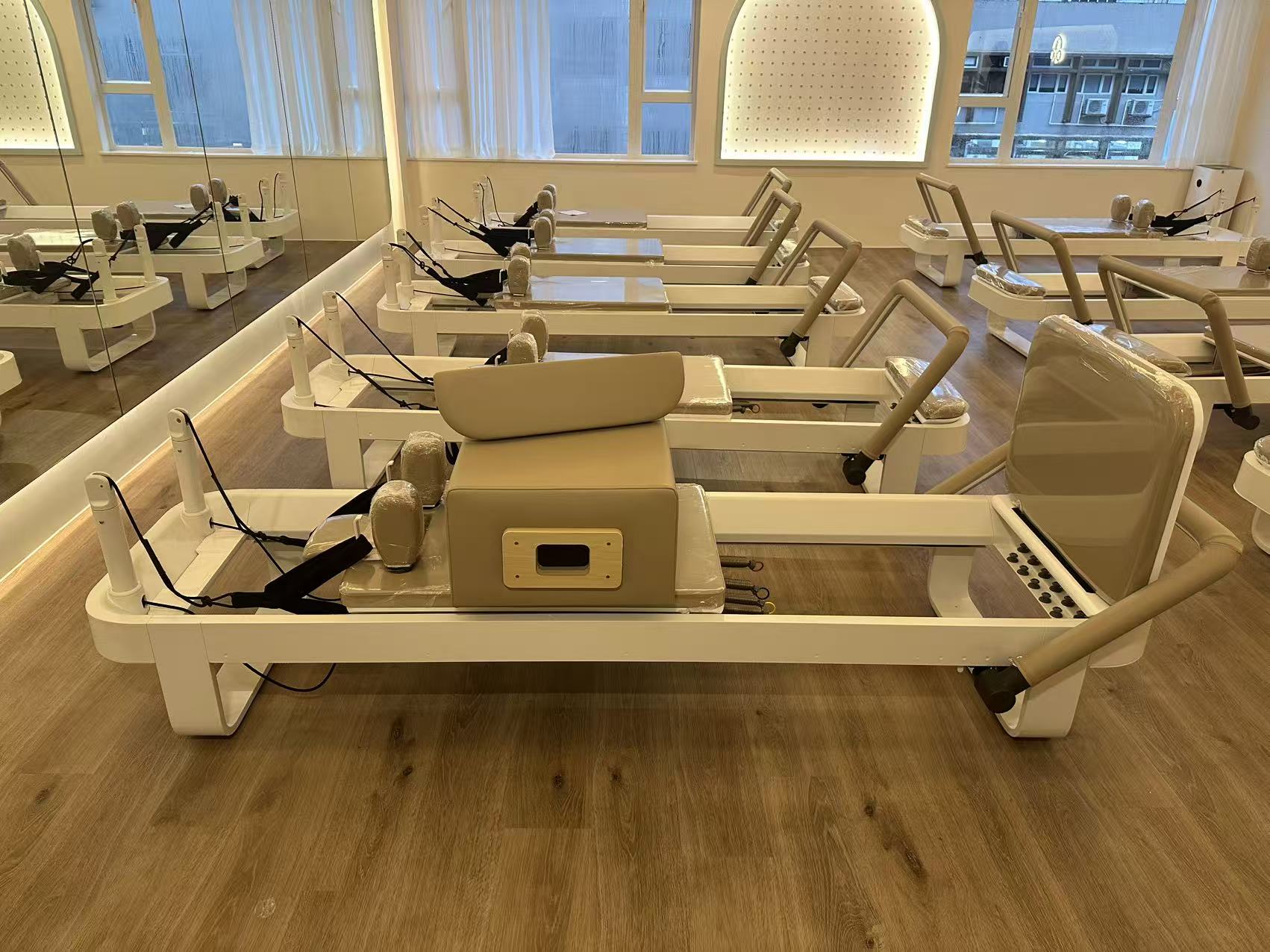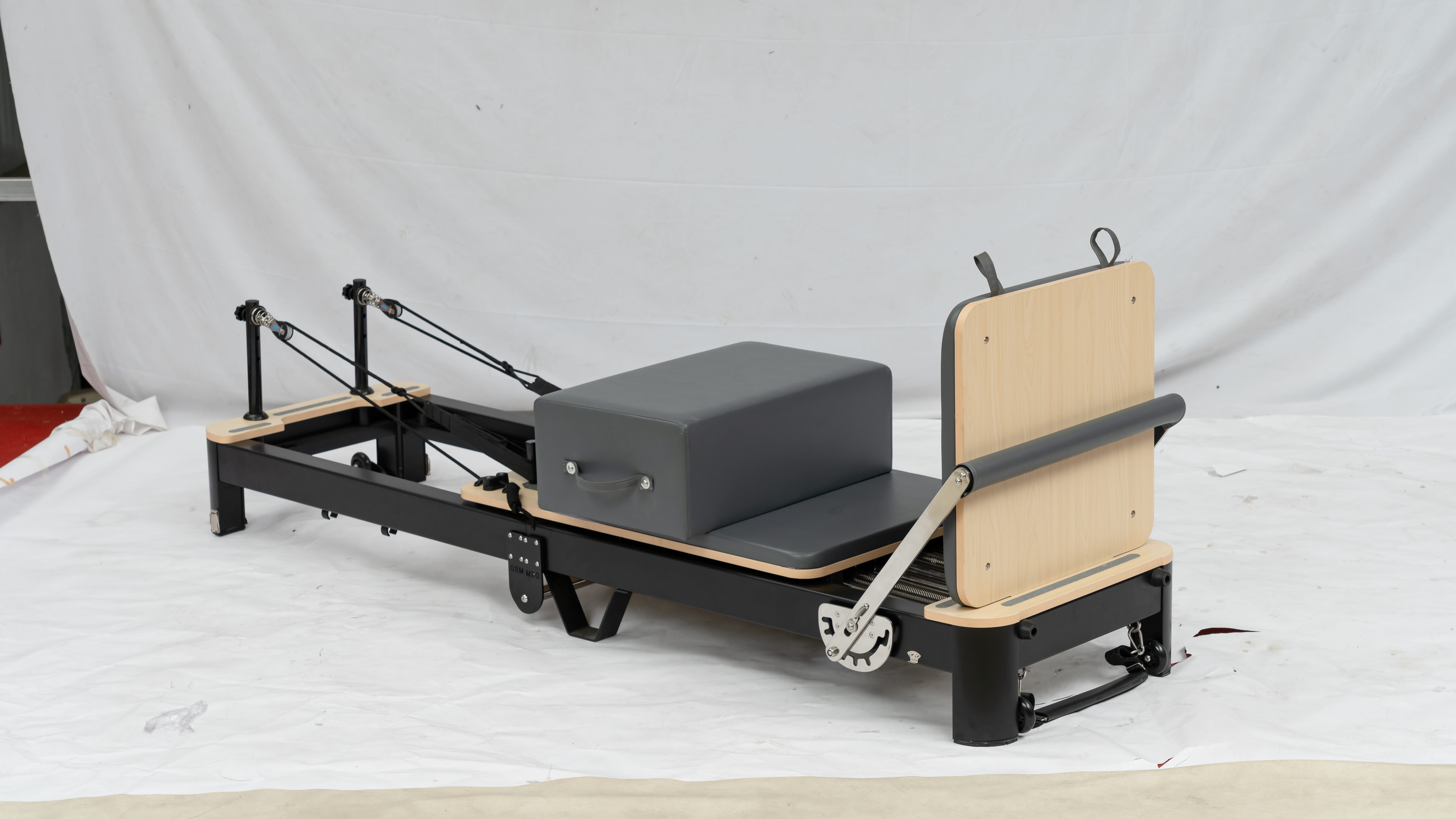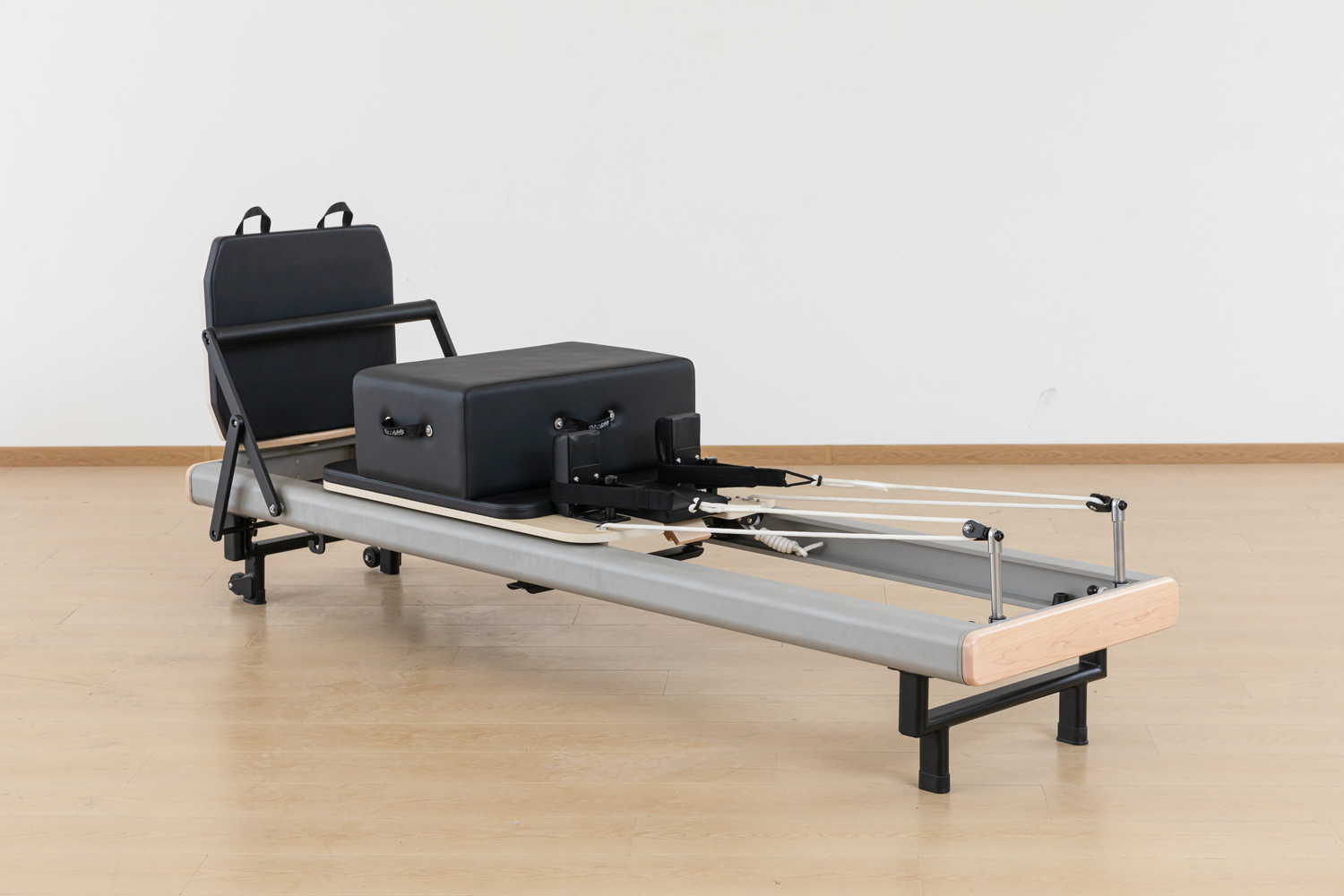
Transform Your Body With A Home Pilates Reformer
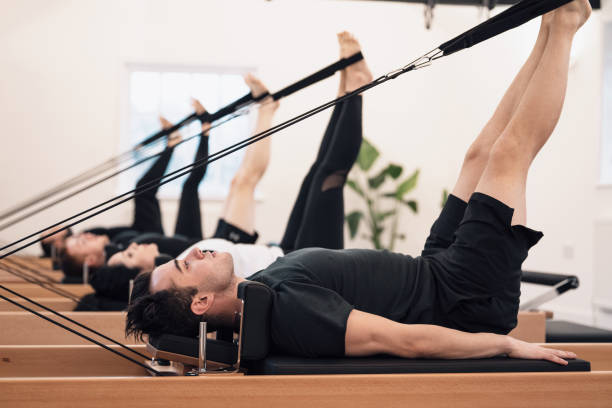
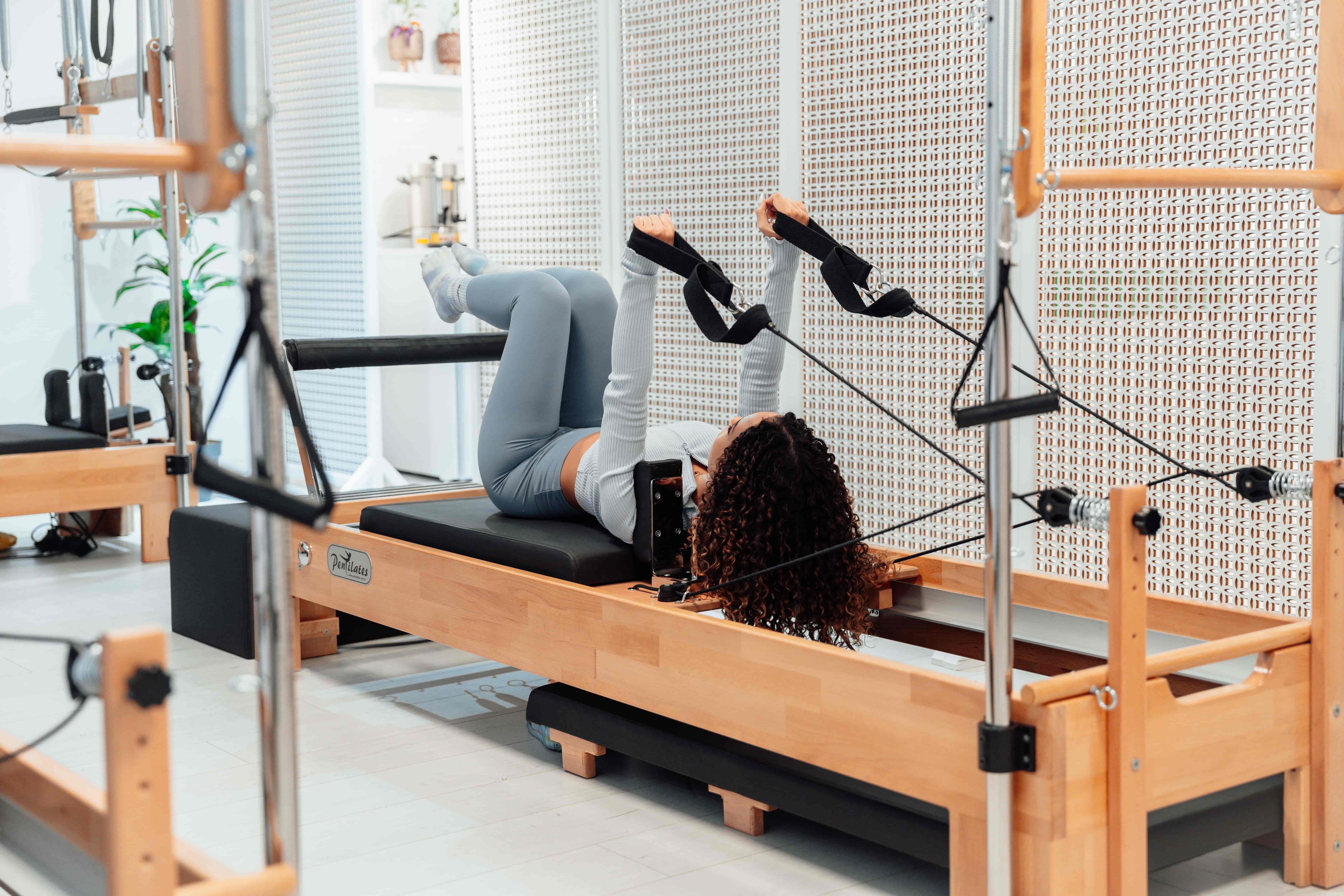
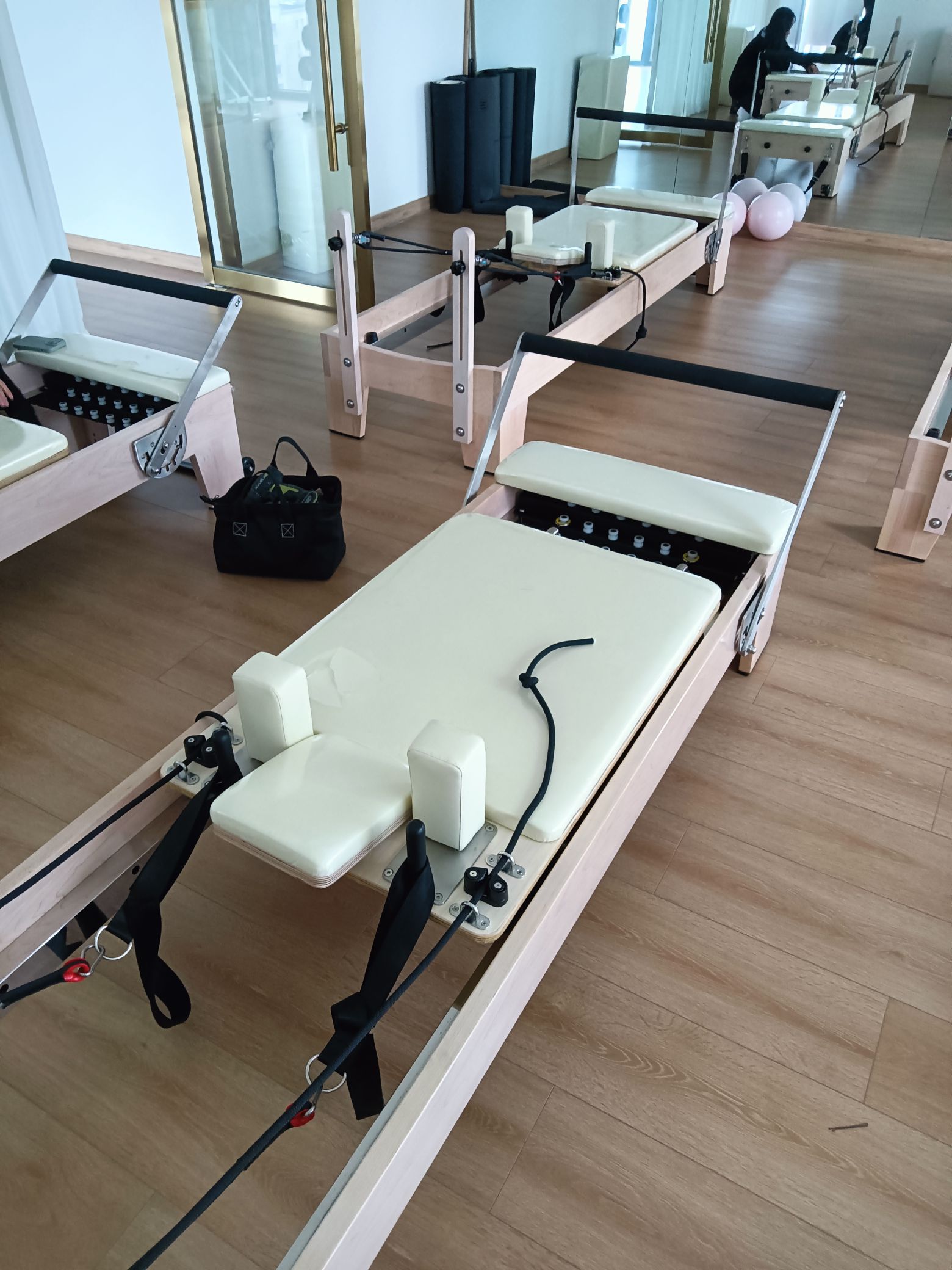
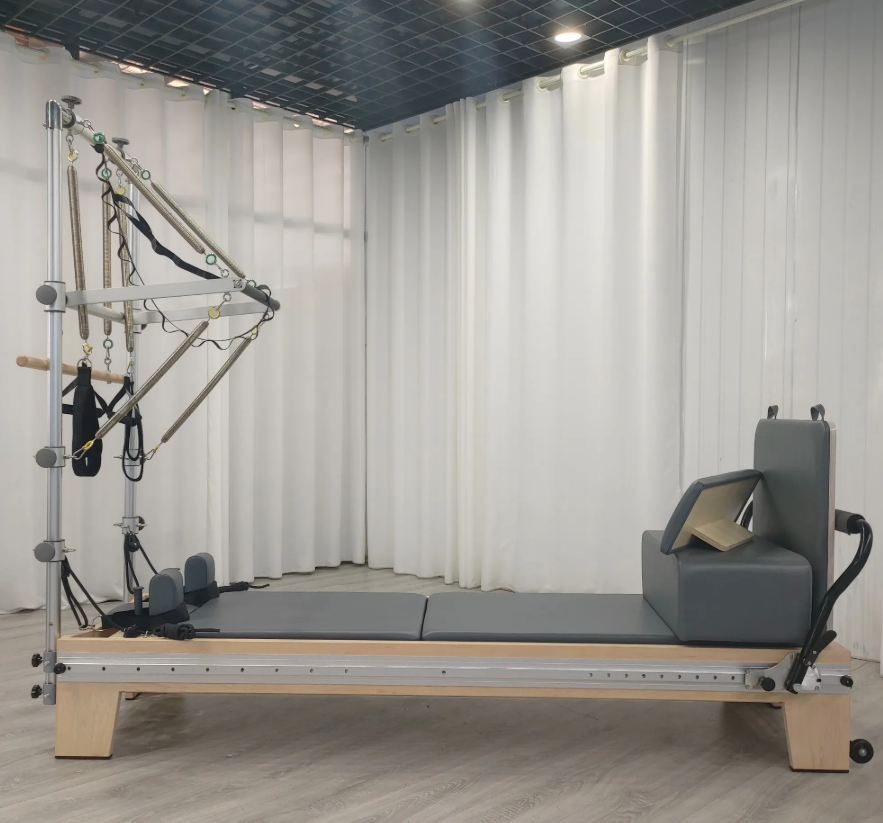
The greatest advantage of owning a home Pilates reformer isn't skipping the commute to the studio — it's transforming your practice from "once a week" to "any time you want." This shift in frequency is where real body change begins.
A reformer at home doesn't wait for your scheduled class time — it's always there, always available. And it's this convenience-driven increase in practice frequency that triggers the actual transformation.
I. Why Does a Home Reformer Create Change?
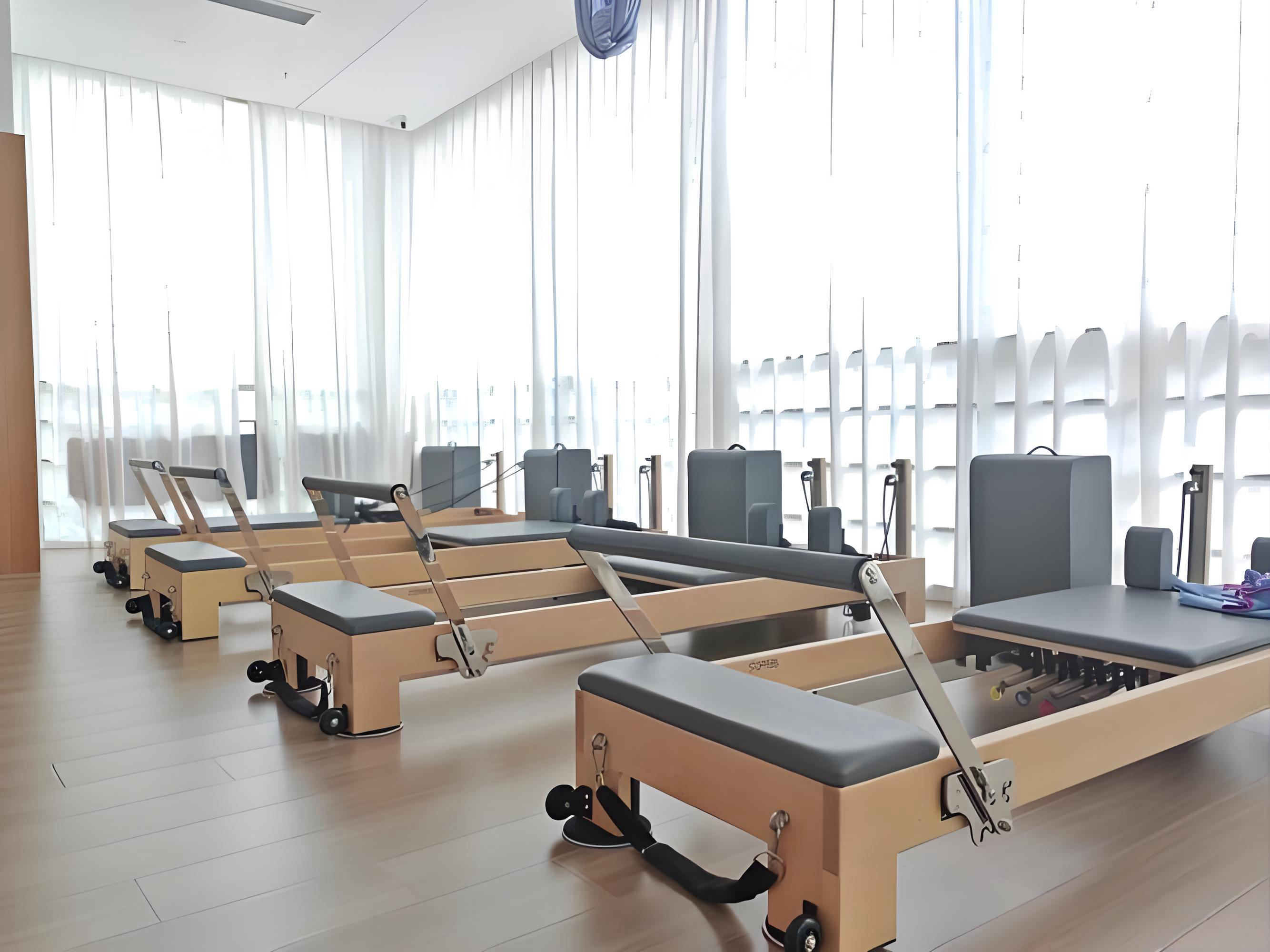
Frequency is the biggest variable. Most people practice 1-2 times per week at a studio — enough to maintain the status quo, but not enough to drive significant change. When the reformer is at home, you can increase to 3-5 times per week. Not because you've suddenly become more disciplined, but because the "activation cost" is just ten seconds.
Every session is personalized. At a studio, classes are designed for "most people." At home, you can target your specific weak points — tight shoulders? Focus on back work. Weak glutes? Prioritize footbar exercises. No one rushing you, no one waiting for you.
Progress accumulates. At a studio, you finish your class and leave — the next session is a week away, and most of the previous session's feeling is gone. At home, each day's progress carries over to the next. The body awareness "stacks."
II. How Long Before You See Changes?
First week (2-3 sessions) : Your body begins to "wake up." Stiffness from sitting loosens, neck and shoulder tension eases. Movements may still feel awkward, but you start to notice which muscles are actually working.
One month (8-12 sessions) : Movement gets "cleaner" — pelvis stays more stable during glides, shoulders stop hiking up. You might notice you stand taller, and you can feel your core engaging when walking.
Three months (25-35 sessions) : This is when most people start seeing visible changes — a sense of "firmness" around the waist feels different when you wake up. Clothes fit looser around the waist, back contours begin to show, arm lines become visible in side lighting.
Six months (50-60 sessions) : Your body has established a new default operating mode — no more slouching when sitting, no more forward-leaning when standing, no more "dragging" when walking. These changes aren't maintained by willpower — your body has simply learned a more efficient way to move. Training no longer feels like something you have to schedule — it's become part of your daily rhythm.
III. Training Strategies for Different Body Areas
Core: Turn "engagement" into instinct
Practice "carriage balance" daily — push the carriage halfway out, hold for 10 seconds, return slowly. This simple exercise teaches your transversus abdominis to engage automatically. After three months, "core engagement" happens without conscious thought.
Leg lines: Glute definition comes from "push" precision
During footbar exercises, focus on "pushing" rather than "kicking" — the eccentric (return) phase shapes lines more than the concentric (push) phase. Side-lying abduction: 10-12 reps per side, three times per week. Gluteus medius definition begins showing within six weeks.
Back and shoulders: Detail hides in the "pulling" end
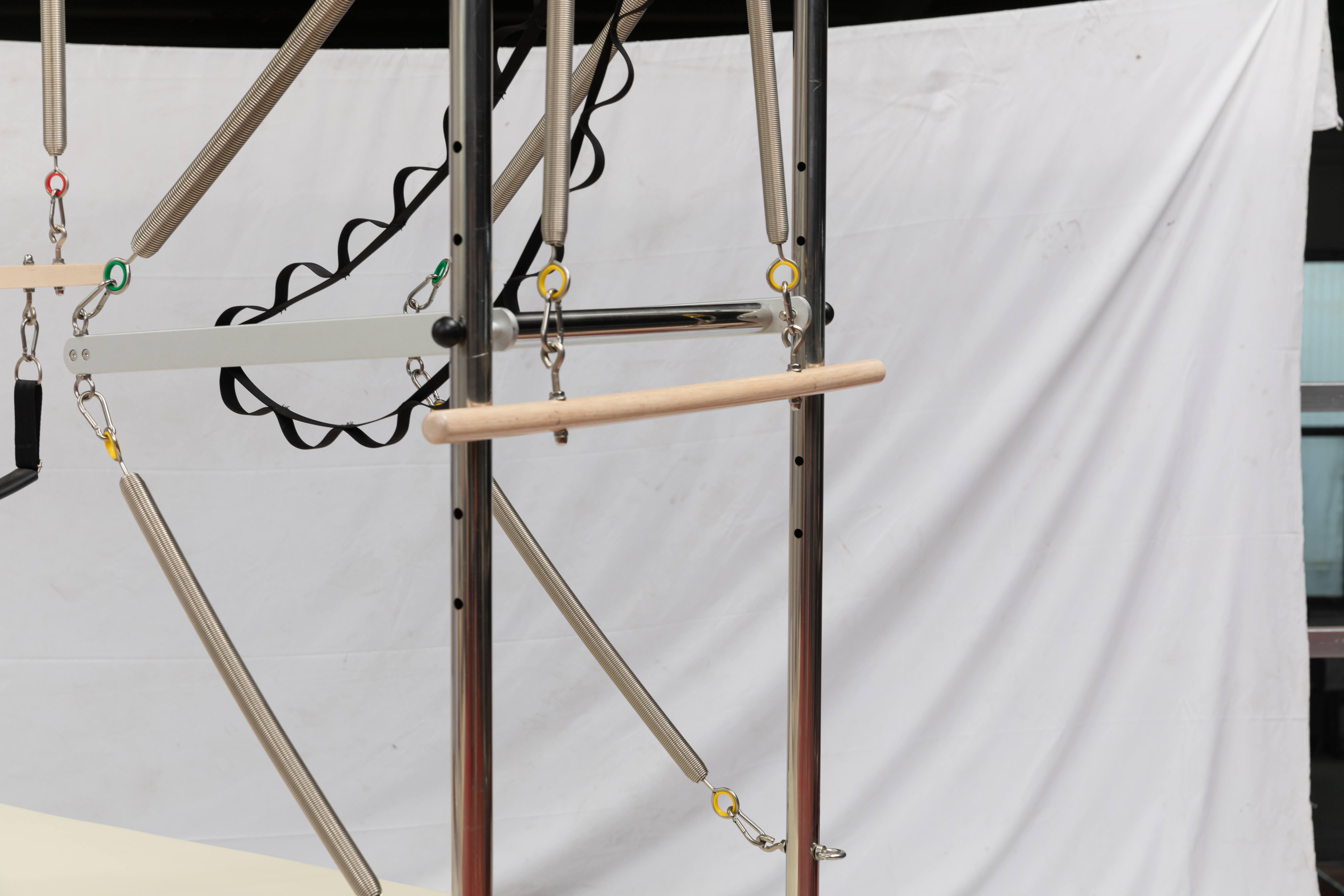
In rope rowing exercises, pause at the end of each pull for two seconds — feel the squeeze between your shoulder blades. Take three counts to return. When the scapular edges become visible, your entire posture changes.
IV. How to Accelerate Change
Anchor your practice to an existing routine: Practice after a consistent daily event (e.g., "right after waking up" or "before dinner"), rather than a fixed time. Habit formation relies on triggers, not schedules.
Track with notes, not numbers: You don't need to measure your waist daily. But after each session, note something like "felt smoother than yesterday" or "felt this move for the first time." These qualitative records often sustain motivation more than quantitative measurements.
Focus on one goal per week: This week, only focus on "pelvic stability." Next week, only "shoulder blade depression." Focus makes progress more visible — rather than moving in multiple directions at once.
V. Some Truths About Body Change
Body change doesn't happen linearly — you might go weeks feeling like nothing's happening, then suddenly notice your "pants are looser." It's not that your body changed overnight — it's that your body finally accumulated enough "practice volume" to cross the threshold of visible change.
You don't need to be a "disciplined person" to make it work — you just need to make practice something that requires minimal willpower to start. The greatest value of a home reformer isn't that it's better than a studio machine — it's that it reduces the "start-up cost" to nearly zero.
Summary: Transforming your body with a home Pilates reformer isn't about "training harder" — it's about "training more often." When practice shifts from once a week to four times a week, your body responds completely differently. Not because the exercises have changed, but because your body now receives enough stimulus frequency to actually "remember" the new movement patterns. The real barrier to body change is never exercise difficulty — it's practice consistency.