Studio Owners Swear By These Durable Pilates Machines
For Pilates studio owners, equipment selection is not about "buying a machine" — it’s a decision that affects daily operations, client experience, and long-term costs. Equipment that stands the test of time means fewer repairs, more consistent class quality, and better return on investment. So which Pilates equipment brands are recognized by industry peers as "durable choices"? This article provides answers based on industry reputation, testing data, and brand backgrounds.
I. What Is "Commercial-Grade Durability"?
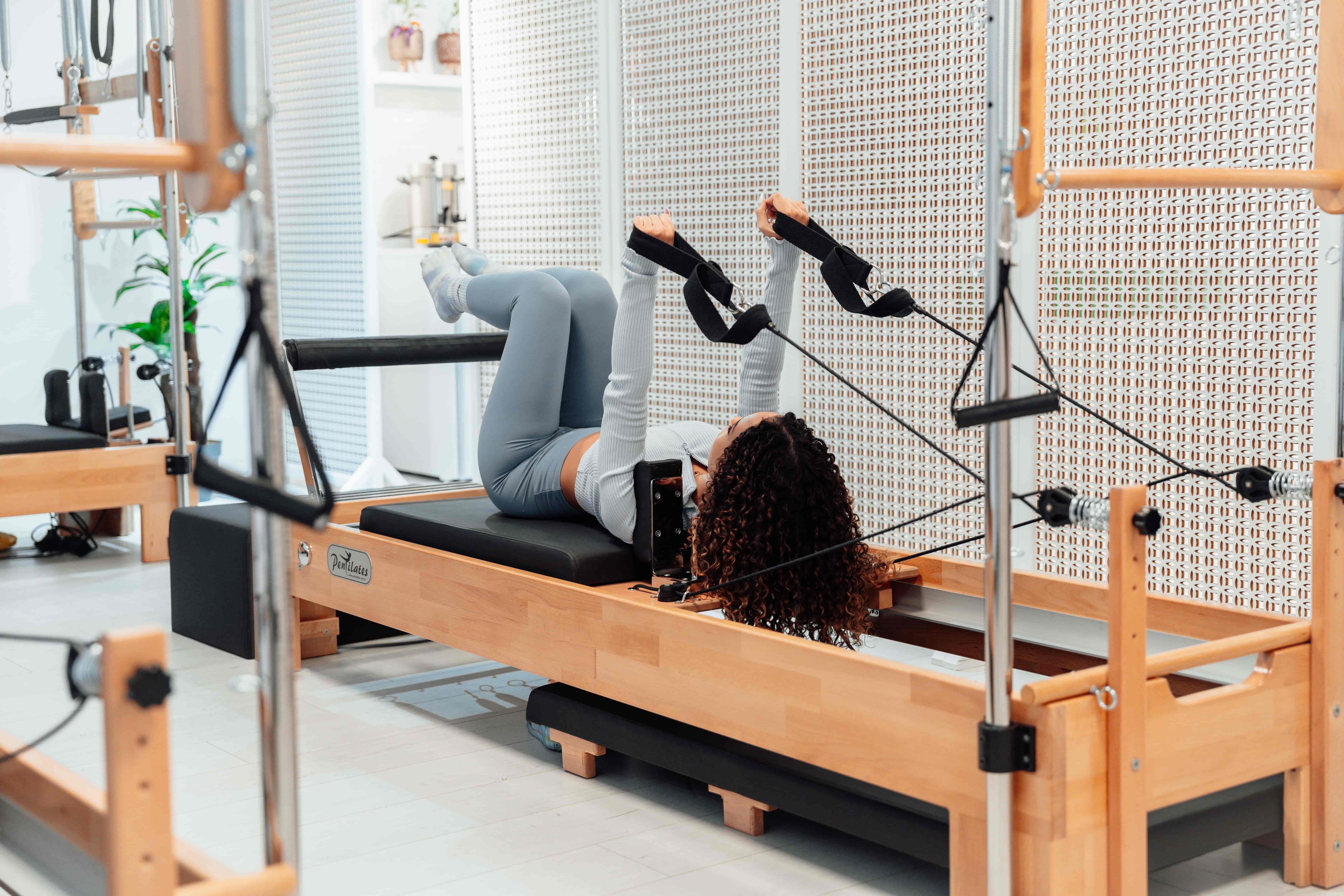
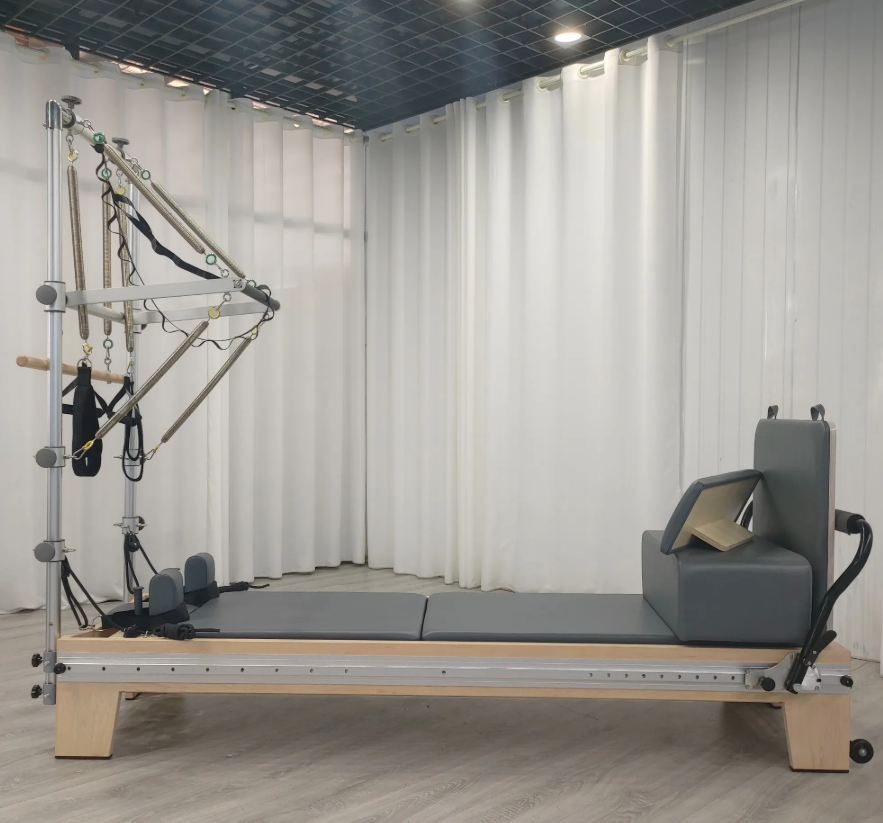
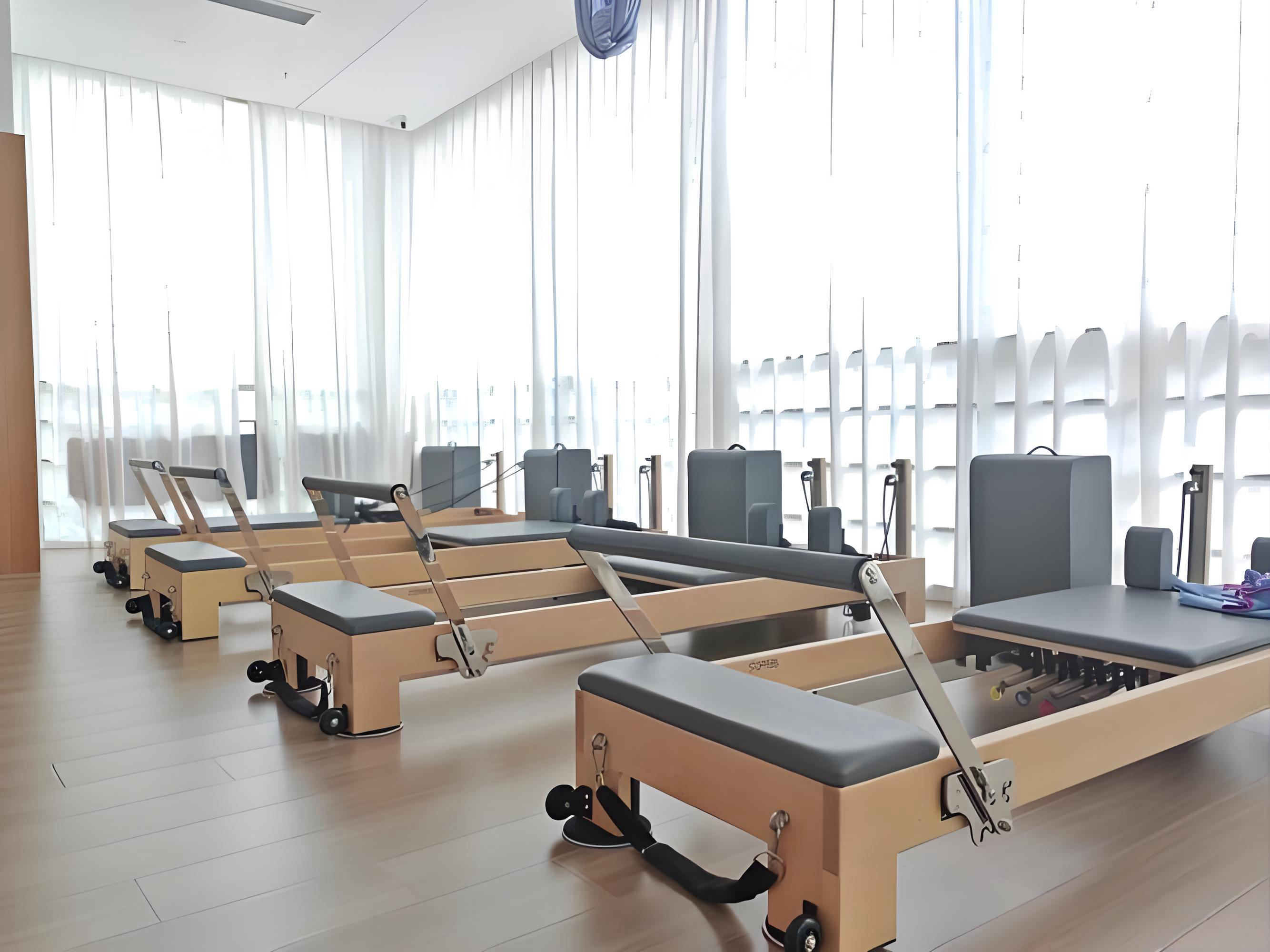
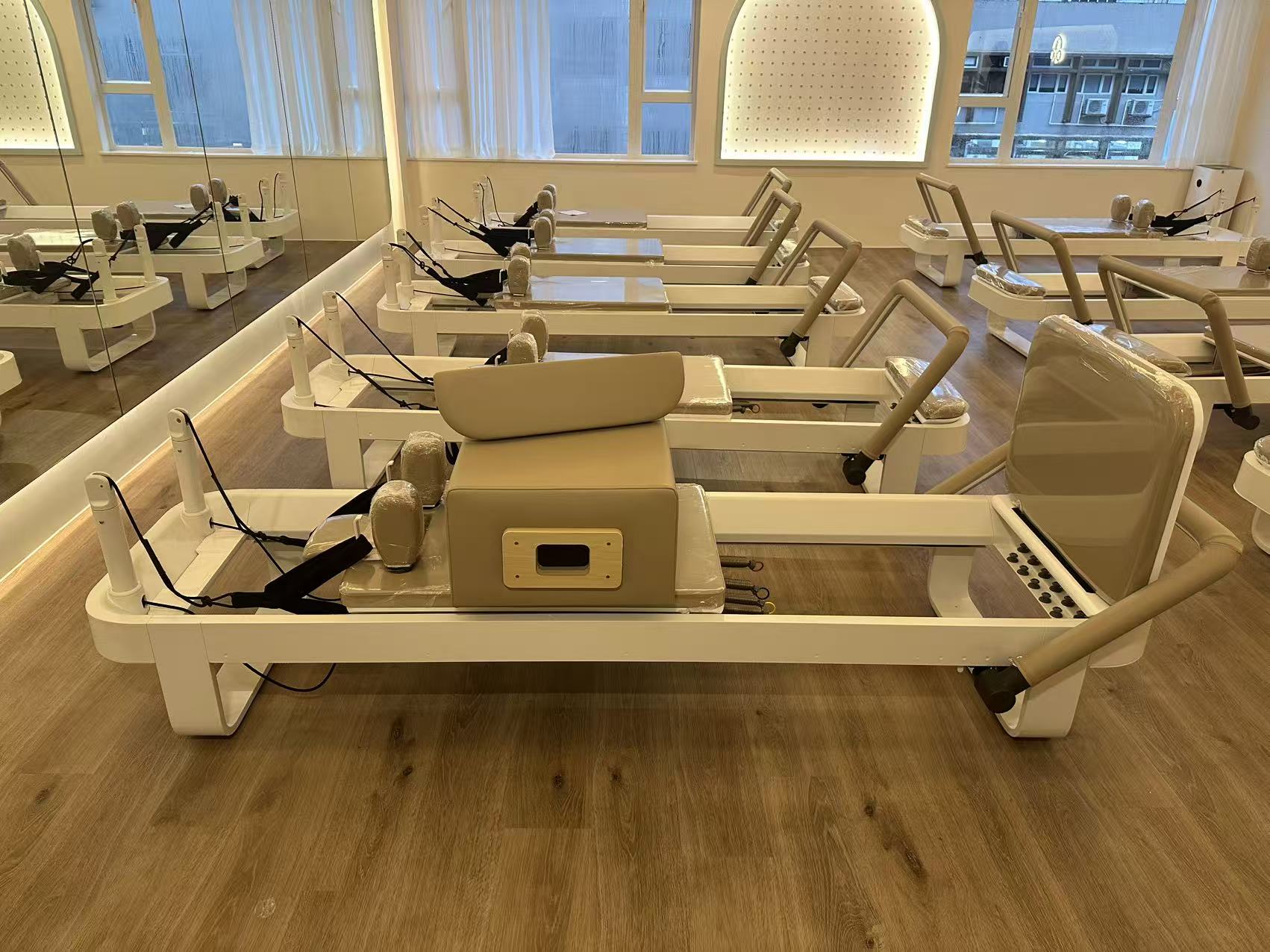
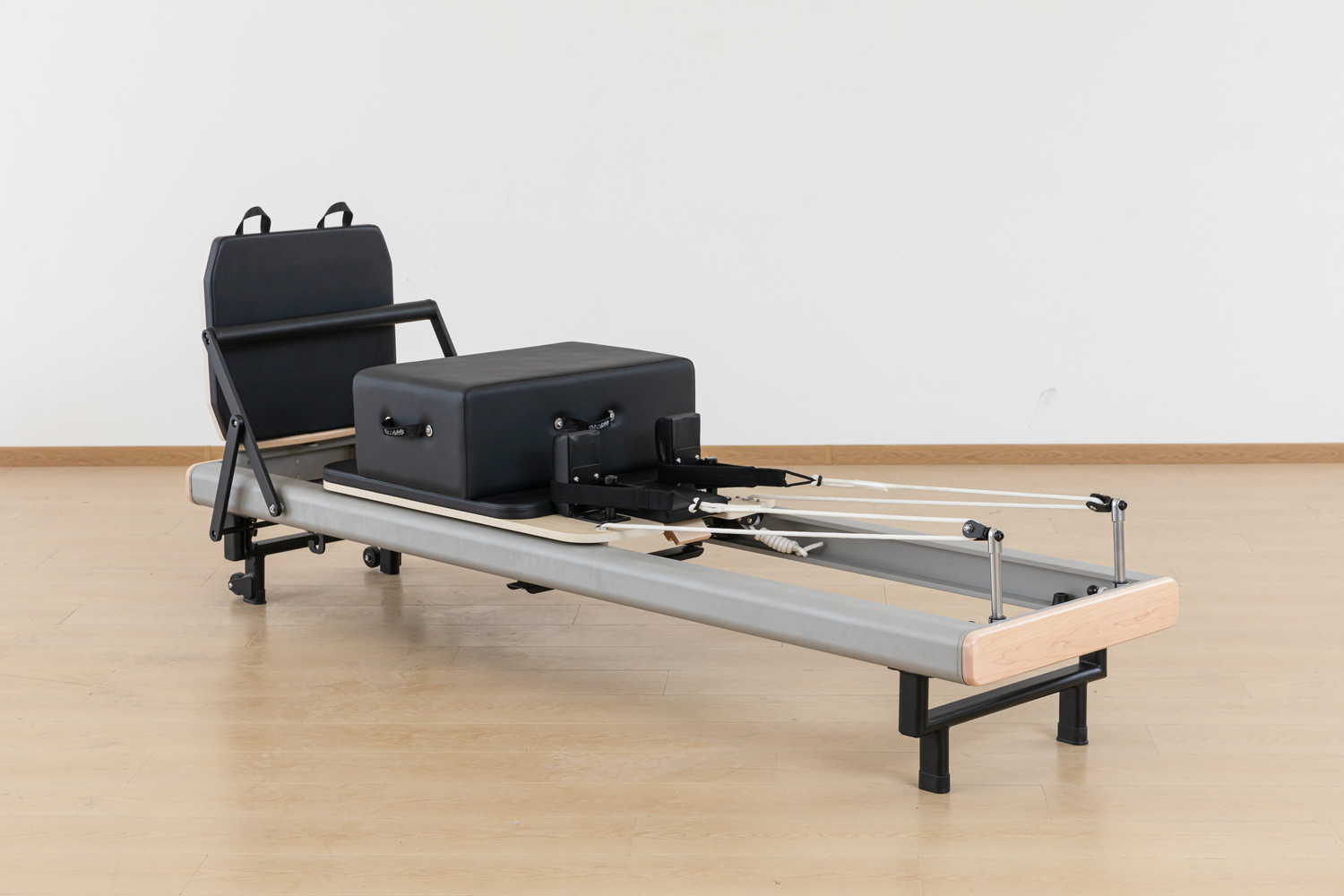
The reformers used in studios are fundamentally different from home equipment. Commercial-grade machines are engineered to withstand 8 to 12 hours of daily use, six to seven days a week, across multiple users of varying body types and skill levels, while maintaining consistent performance for 10+ years in high-traffic environments.
Key indicators:
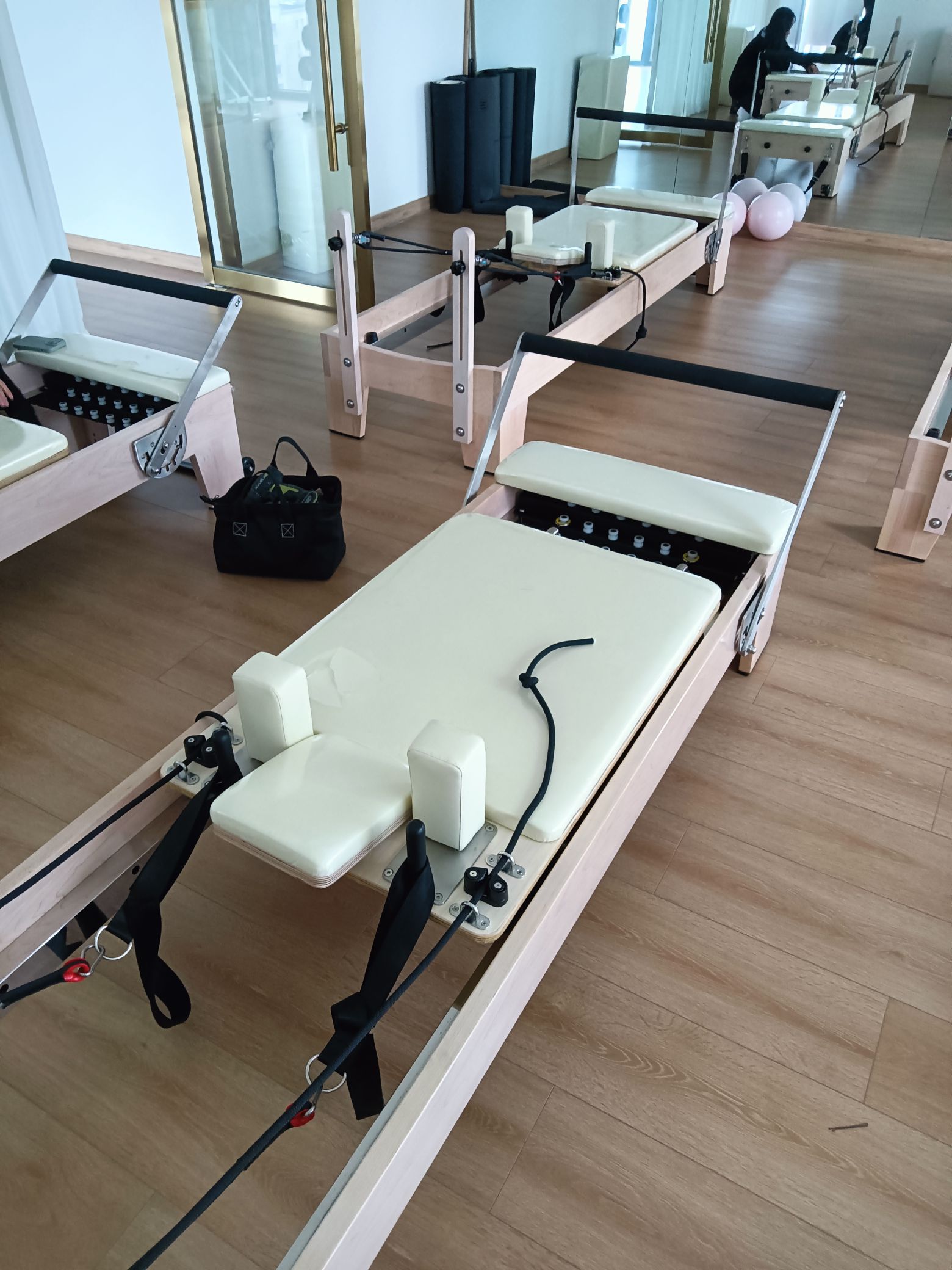
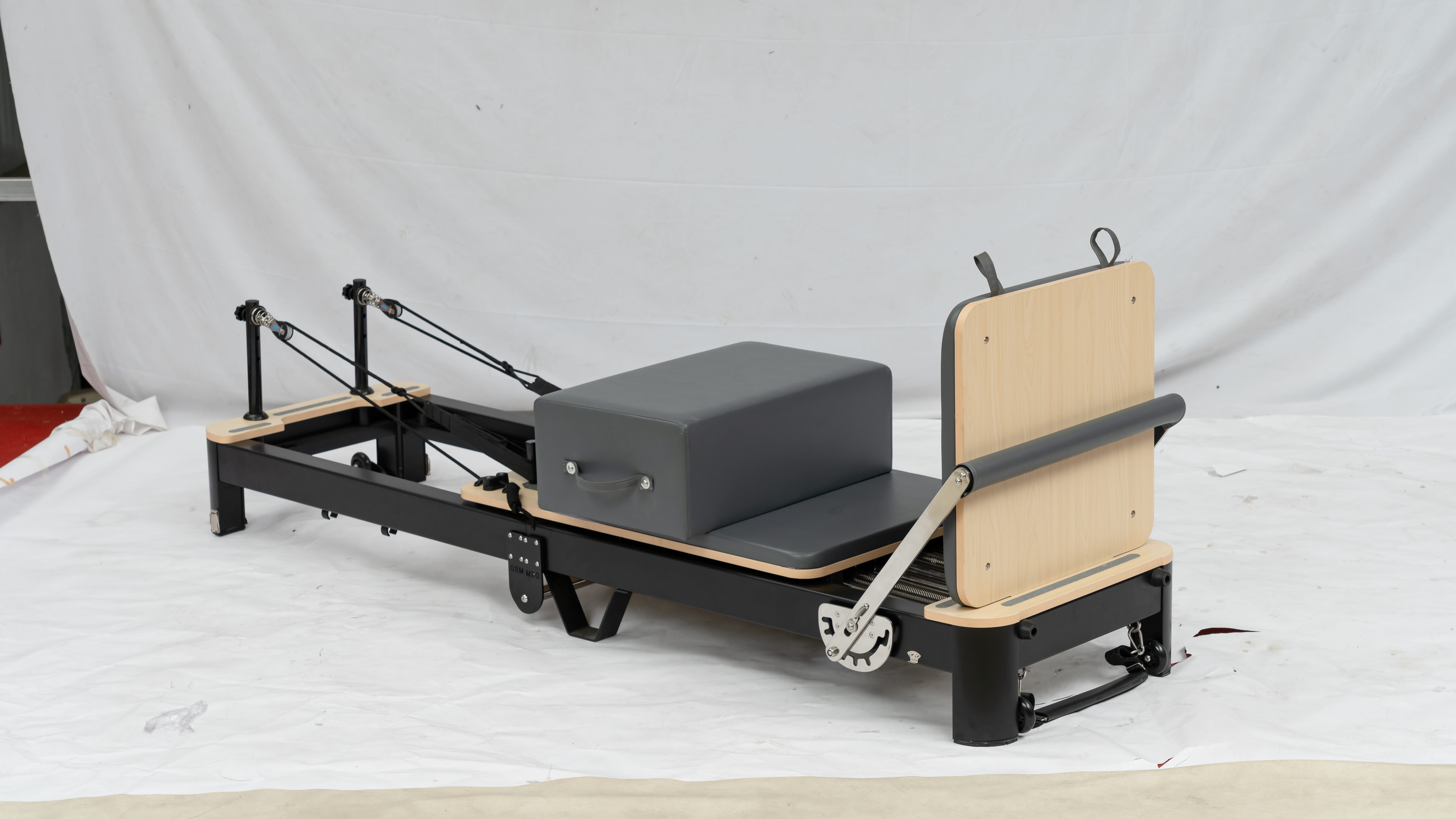
·Frame: Heavy-gauge aluminum or steel with reinforced welds at all stress points — zero flex during use
·Carriage: Precision-machined aluminum tracks with large-diameter polyurethane rollers — silent glide, even resistance across the full track, wear-resistant over thousands of cycles
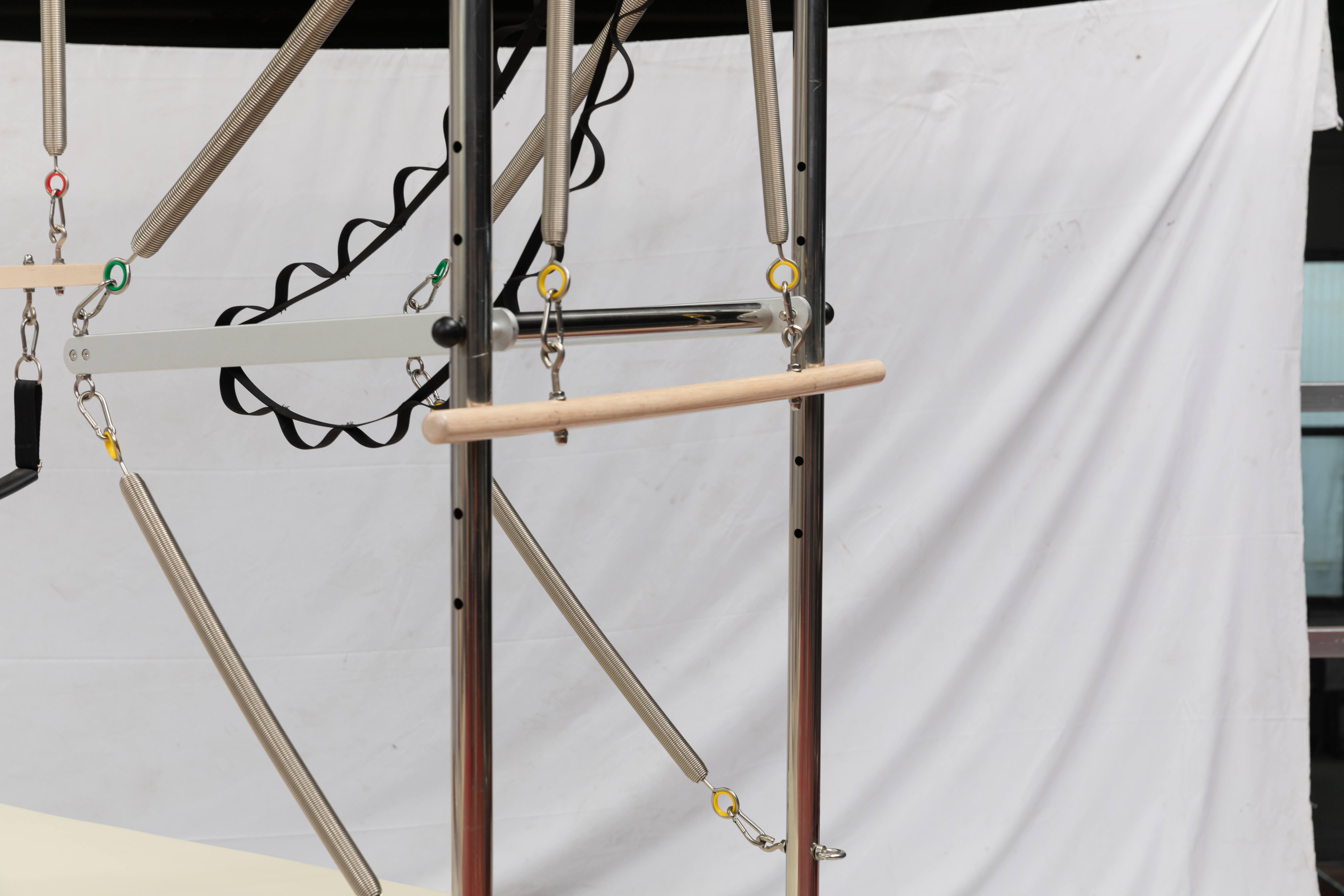
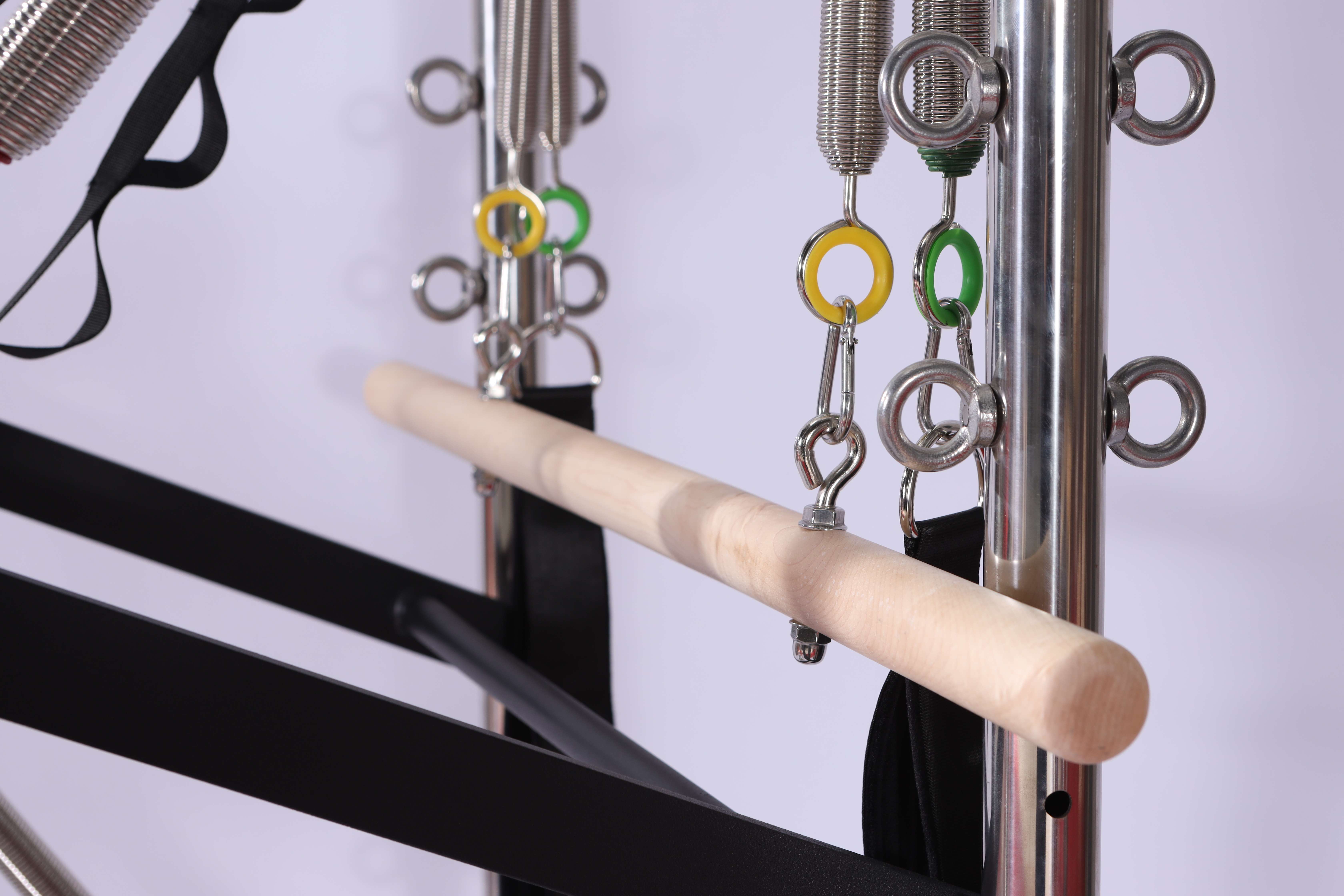
·Springs: Individually calibrated with color-coded resistance ratings, tool-free replacement, consistent tension over time
·Weight capacity: Commercial grade typically 150-200kg — capacity itself is a proxy for structural quality; a 180kg-rated machine will be more stable, quieter, and longer-lasting for a 70kg user
·Footbar: Tool-free, one-handed adjustment with four or more positions — rigid under maximum pressure during jump board and standing work
II. Industry-Recognized Durable Brands
Balanced Body is the most widely used commercial reformer brand in North America, with over 40,000 Allegro series reformers currently in use worldwide. This number itself is proof of durability — if the equipment failed easily, it wouldn't reach this level of adoption.
The flagship Allegro 2 features a solid aluminum frame, a well-calibrated carriage out of the box, and Balanced Body's reliable spring design. The footbar adjusts to four positions, ropes are easy to swap, and the reformer works for most class formats without modification.
For premium positioning, Balanced Body's Studio Reformer features a maple wood frame — regarded by many classical-trained instructors as the most precise reformer the brand makes. The trade-off is higher cost per unit, which adds up when outfitting 10-15 reformers. If your positioning is luxury, the premium is worth it.
Balanced Body equipment is handcrafted at their Sacramento, California facility with over 150 craftsmen, and the wooden frames carry a limited lifetime warranty.
Merrithew is known for engineering precision. The flagship V2 Max features an aircraft-grade aluminum frame and a carriage system with a gear-reduction mechanism that makes it exceptionally smooth under load. If your studio skews toward higher-intensity programming — strength-based Pilates, athletic conditioning, reformer cardio — the V2 Max holds up better under that kind of use than most alternatives. Merrithew machines are built with robust frames, minimal lateral sway, and stable long-term performance — recognized by Japanese studio operators as a brand with outstanding stability and durability.
Peak Pilates represents the classical Pilates approach, with reformers and Cadillacs primarily featuring wooden frames — substantial, stable, and built for long-term use.
Gratz is the "original" — the design has barely changed since Joseph Pilates himself developed it. For studios rooted in classical method — Romana's Pilates, Pilates Elder lineage — Gratz signals "authenticity." Made in New York from steel and maple, it carries a weight and authority no other brand can replicate.
III. New Players Worth Watching
Beyond the established brands, new options are entering the market:
NordicTrack Ultra 1: In Good Housekeeping's testing, it was described as "incredibly sturdy" — "nothing rattled, shifted, or felt flimsy". Long-term durability remains to be verified, but the initial impression is that NordicTrack took its Pilates entry seriously.
Mundo Luna Reformer: Launched by HF Industries in 2026, designed by a U.S.-based team in consultation with studio operators and instructors — aiming for "exceptional feel, daily-use durability, and ready-to-use out of the box". Features integrated legs, transport wheels, upright storage, and standard accessories (sitting box, jump board, foot strap).
IV. Material Choice: Aluminum vs. Maple
Studio owners typically face a material decision:
Aluminum frames: Extremely durable, resistant to warping and cracking, less affected by humidity and temperature changes — the go-to for high-traffic studios seeking modern aesthetics and low maintenance.
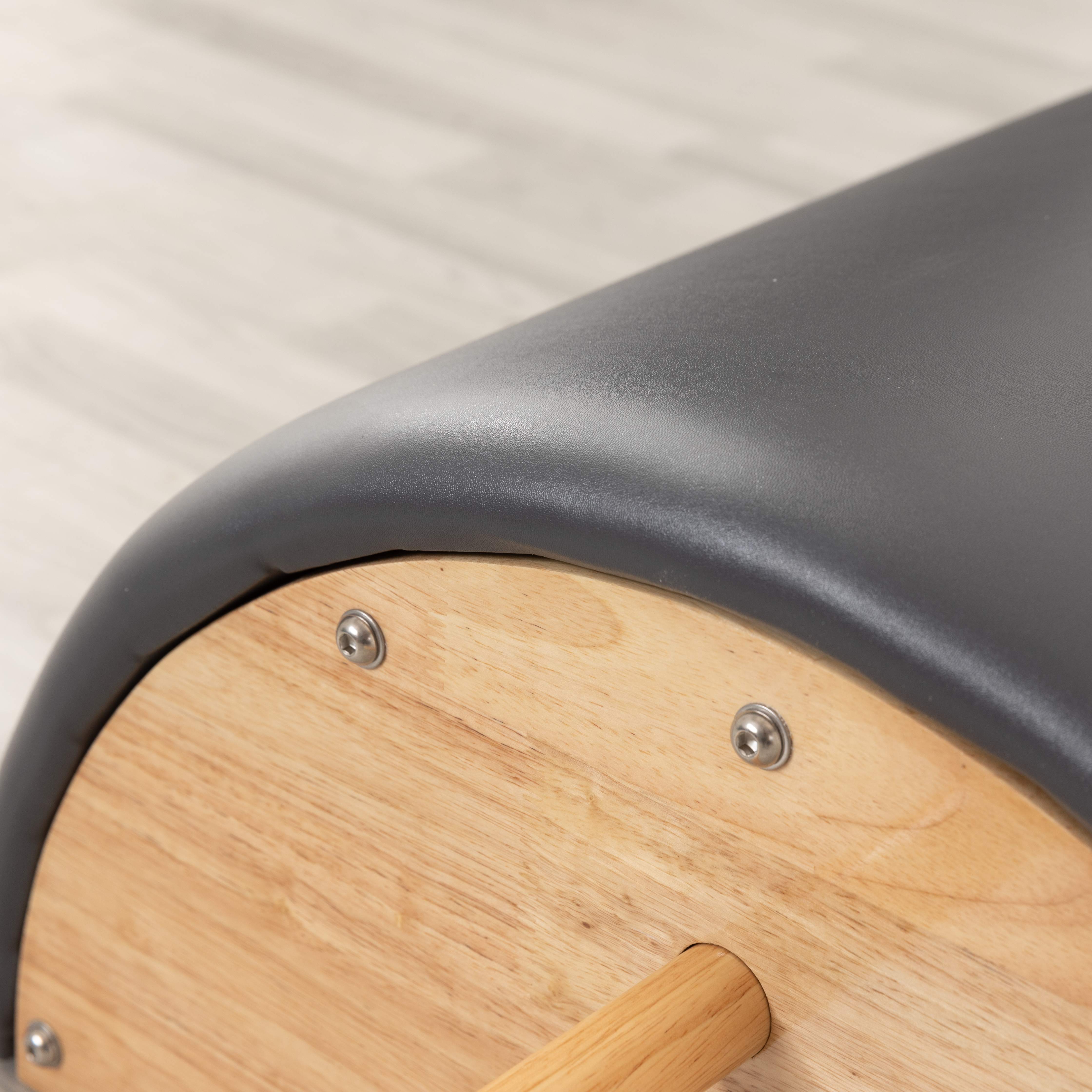
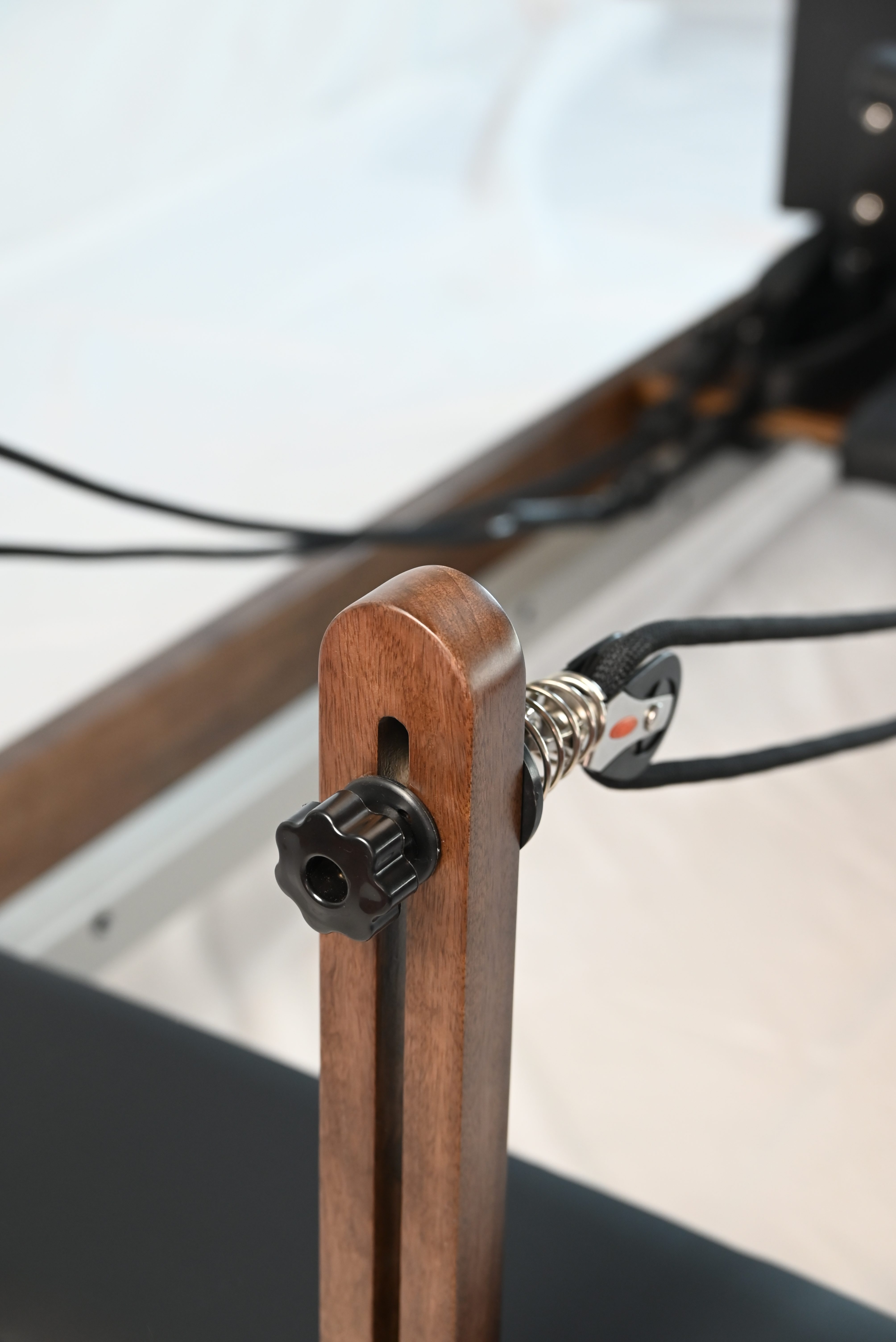
Maple frames: Dense and stable, with natural shock absorption, offering a "warmer, more traditional" Pilates feel. Premium boutique studios and luxury home studios often choose maple for its classic atmosphere. Maple frames are typically heavier and more stable but require more maintenance and come at a higher price point.
Real-world testing shows both material types deliver commercial-grade performance — the choice often comes down to aesthetic preference and studio positioning.
Summary: Studio owners’ trusted durable Pilates equipment brands cluster around Balanced Body, Merrithew, Peak Pilates, and Gratz — manufacturers with long-term market presence. Durability is not about "brand fame" but four hard indicators: frame rigidity, carriage precision, spring quality, and after-sales support. When purchasing, prioritize brands with 10+ years of commercial market validation — a machine that survives a decade in a studio is more convincing than any advertisement.