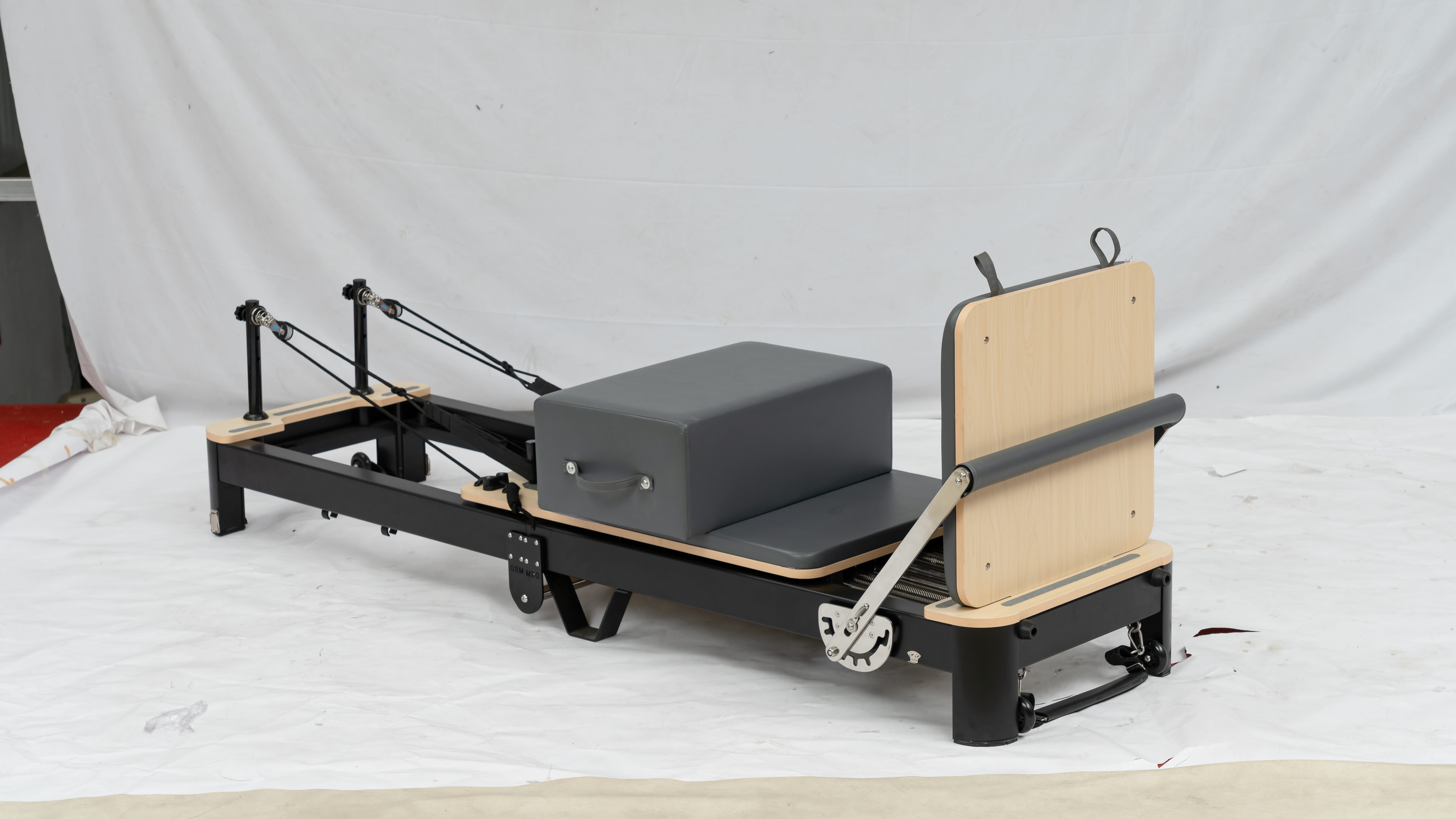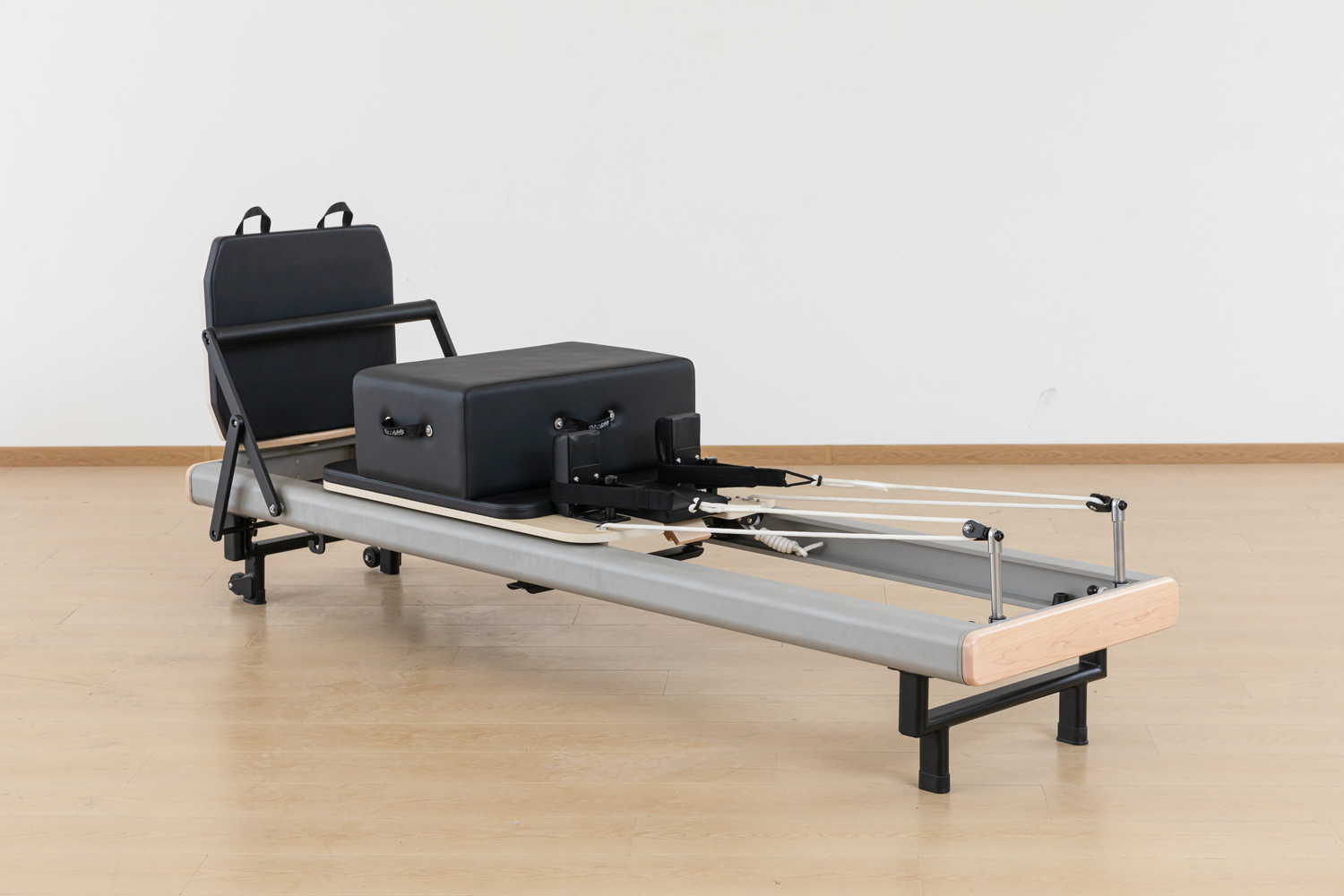
Premium Pilates Reformer | Home & Commercial Pilates Equipment
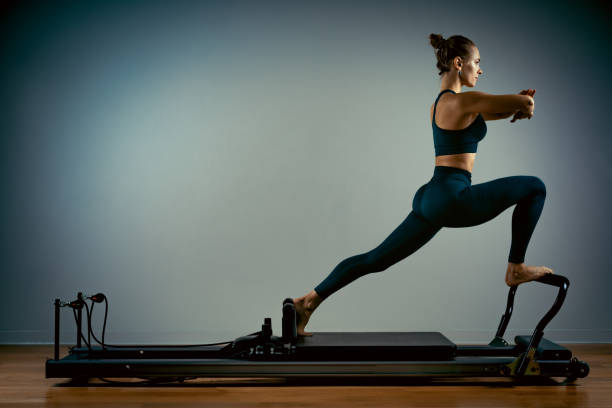
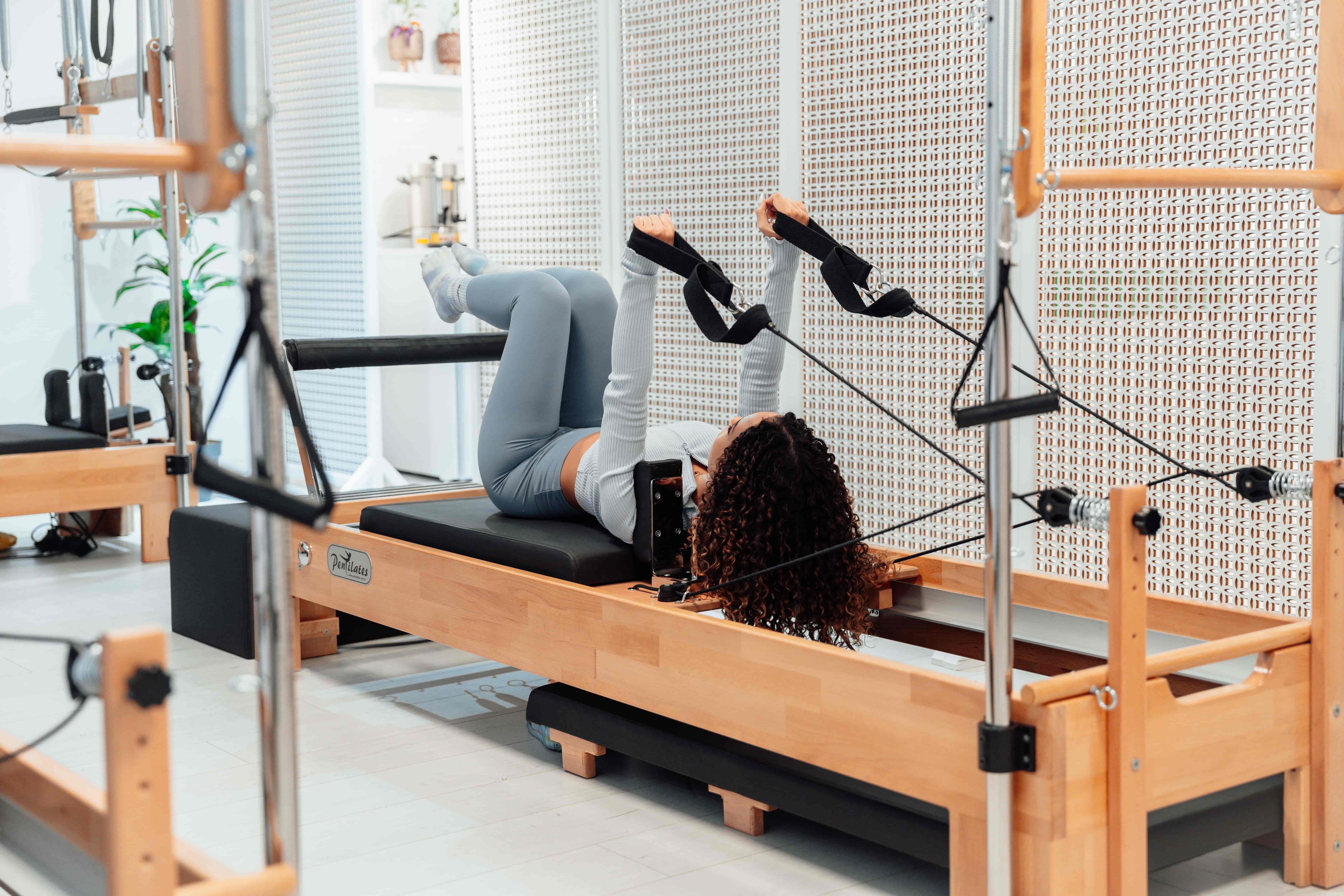
The Pilates Reformer is the centerpiece of Pilates practice. Whether for home practitioners or professional studios, choosing a high-quality reformer significantly enhances training experience and results. Premium reformers excel not only in materials and craftsmanship but also in design details, longevity, and exercise versatility. This article provides a comprehensive overview of premium Pilates reformers across four dimensions: product positioning, core advantages, application scenarios, and selection criteria.
I. What Defines a Premium Pilates Reformer?
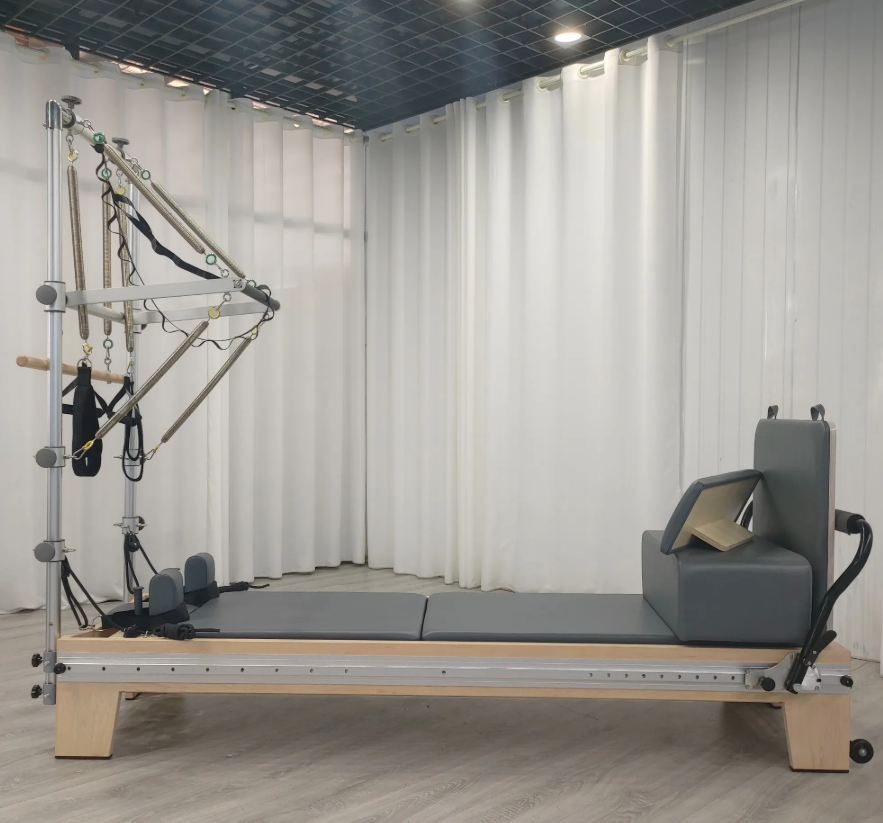
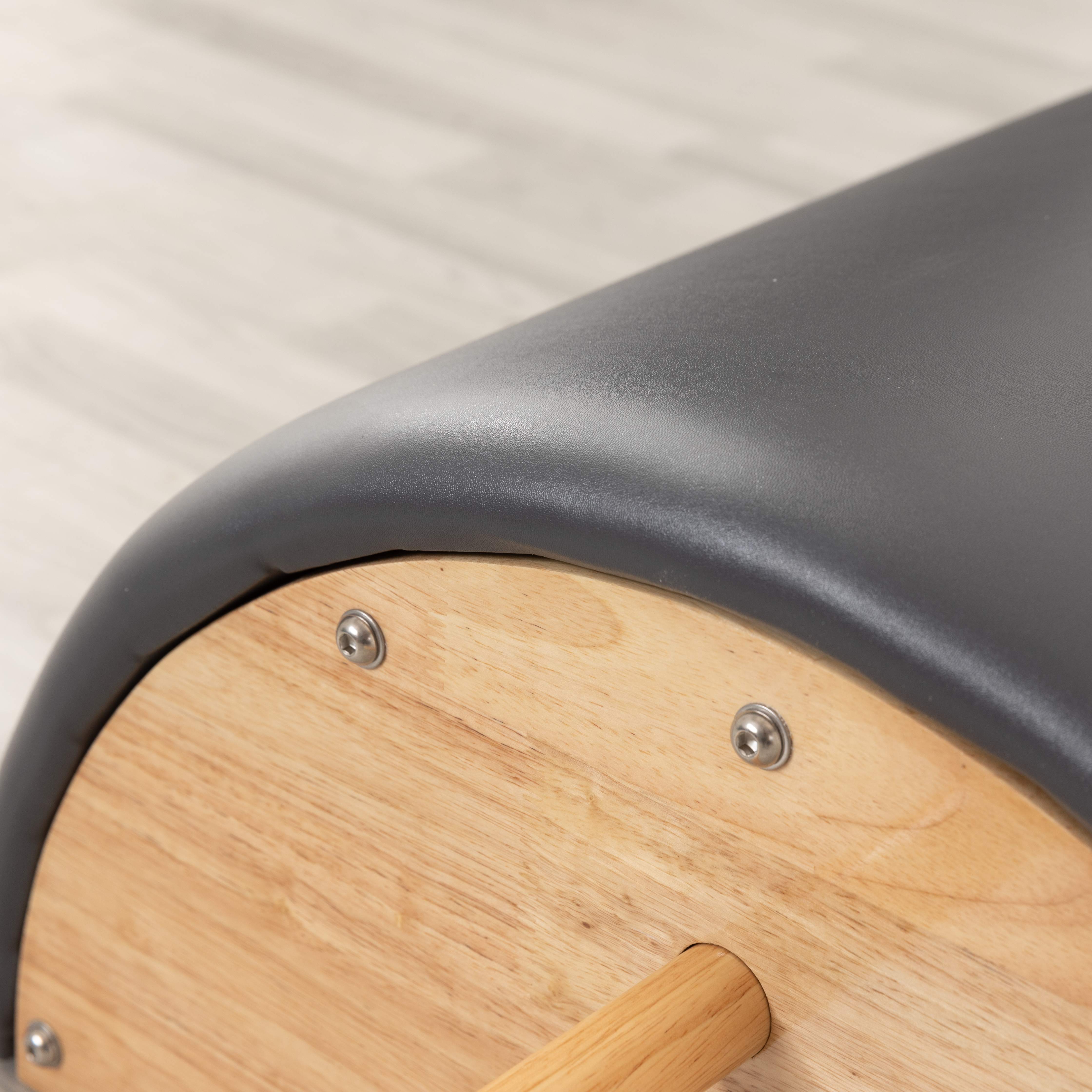
A premium Pilates Reformer is not simply an "expensive version" of a standard machine — it's a professionally engineered product with comprehensive upgrades in design, materials, and manufacturing.
Precise engineering tolerances: Premium reformers feature precision-machined rails and pulley systems with tight fit tolerances. Every carriage glide is smooth, consistent, and silent — a feel that budget machines cannot replicate.
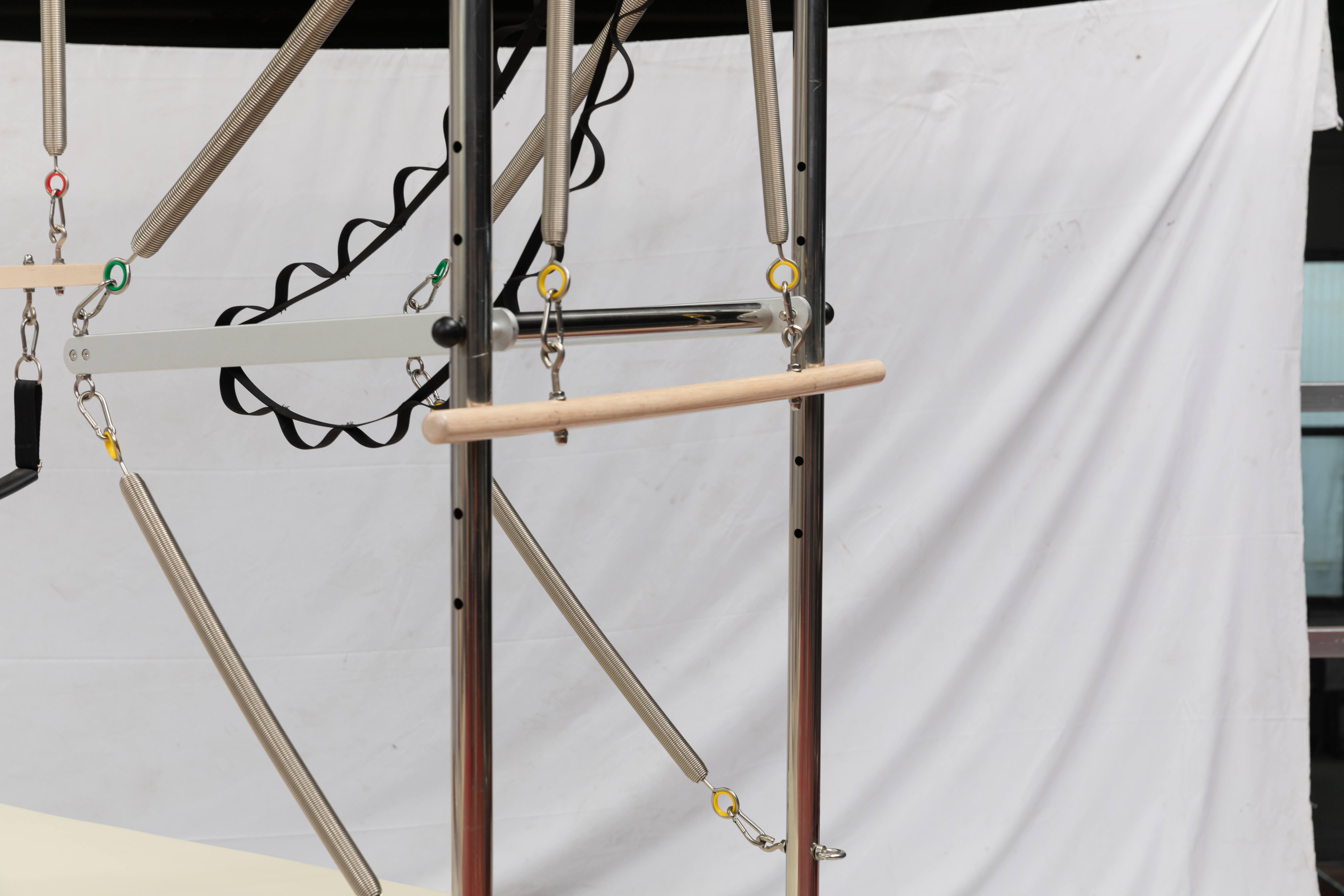
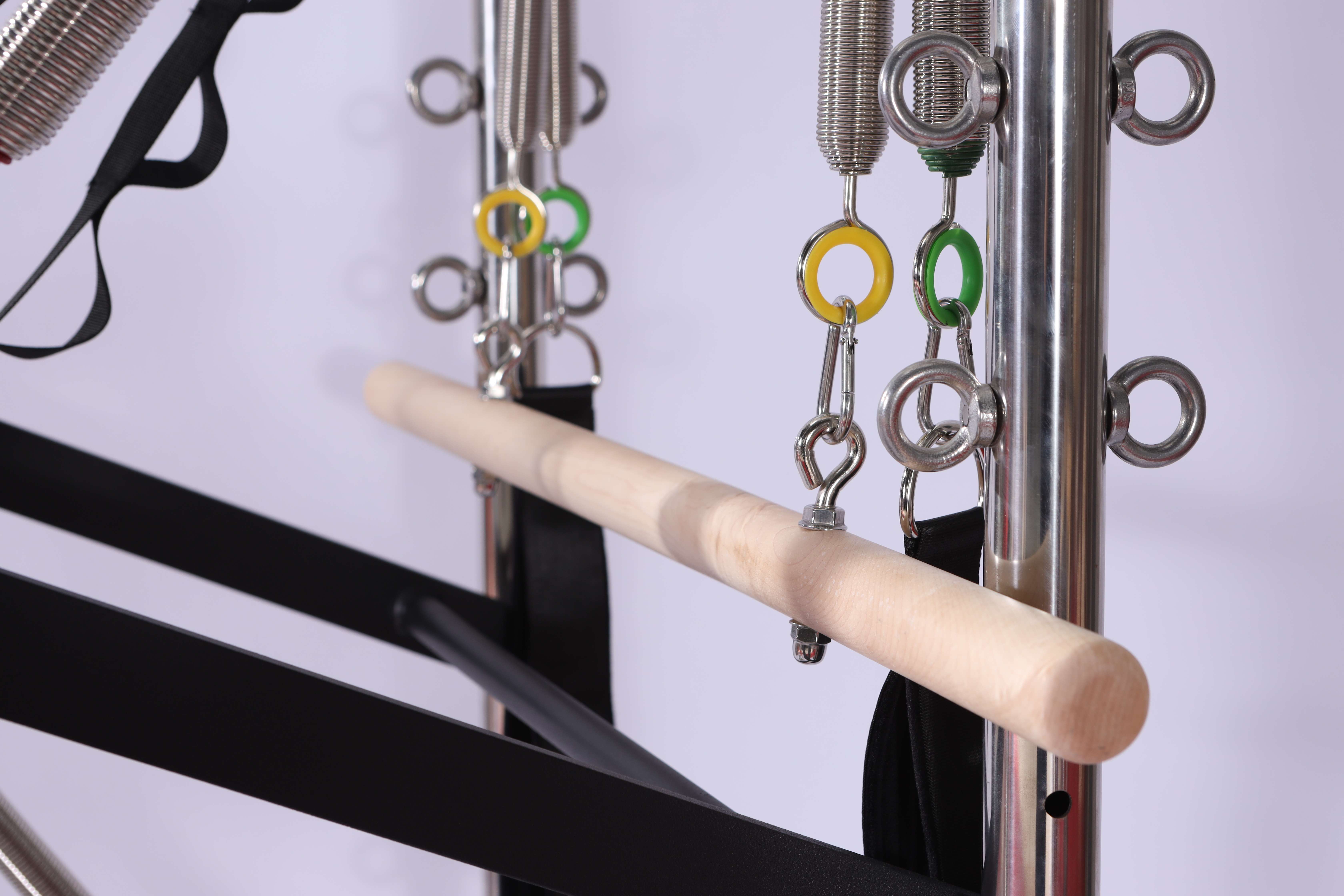
Higher-grade materials: Frames use aviation-grade aluminum or carefully kiln-dried North American hardwoods (maple, oak). Springs use imported music wire (German or Japanese manufactured). Leather meets commercial-grade abrasion standards (Martindale >50,000 cycles). Foam density is 45kg/m³ or higher.
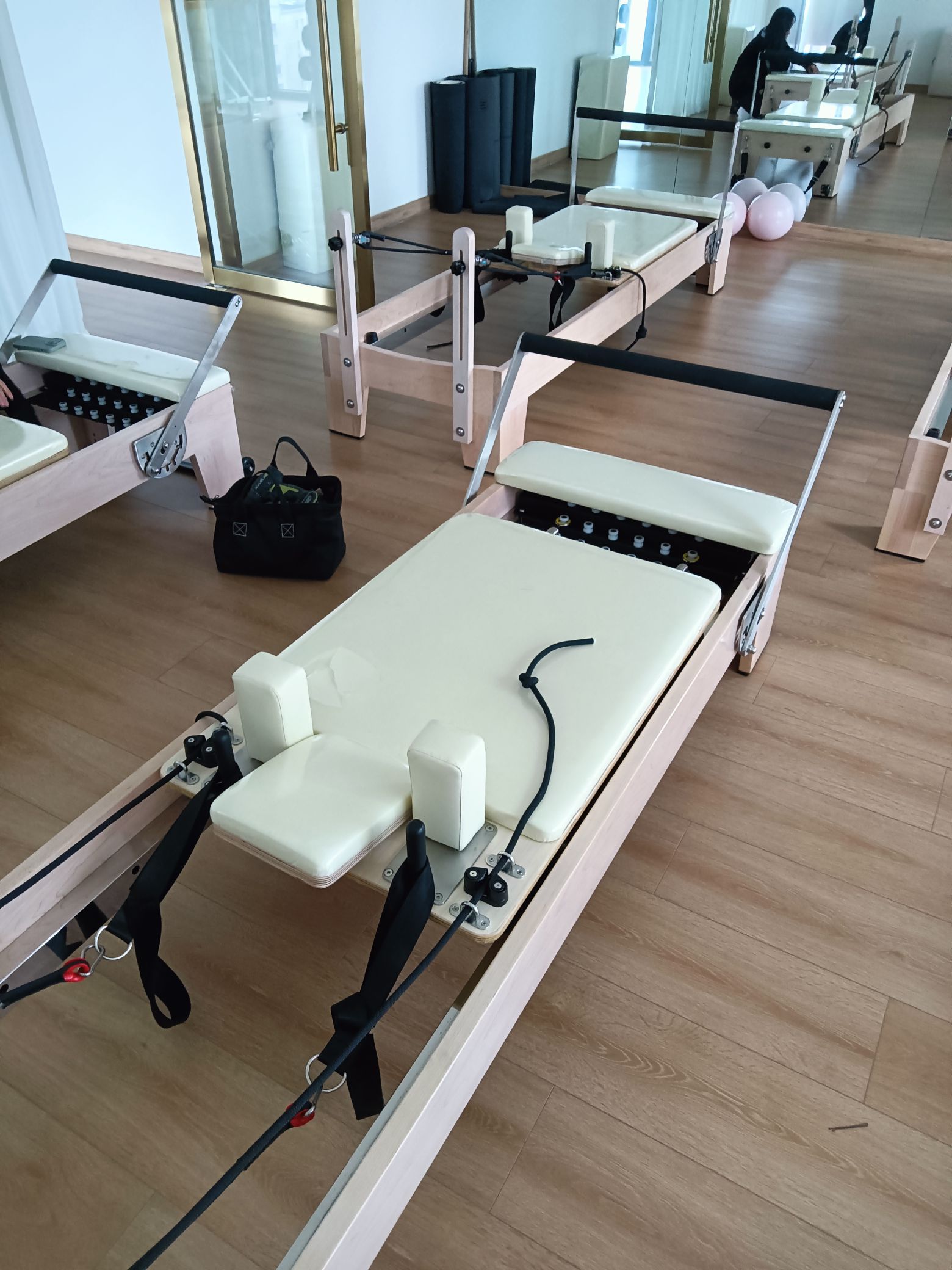
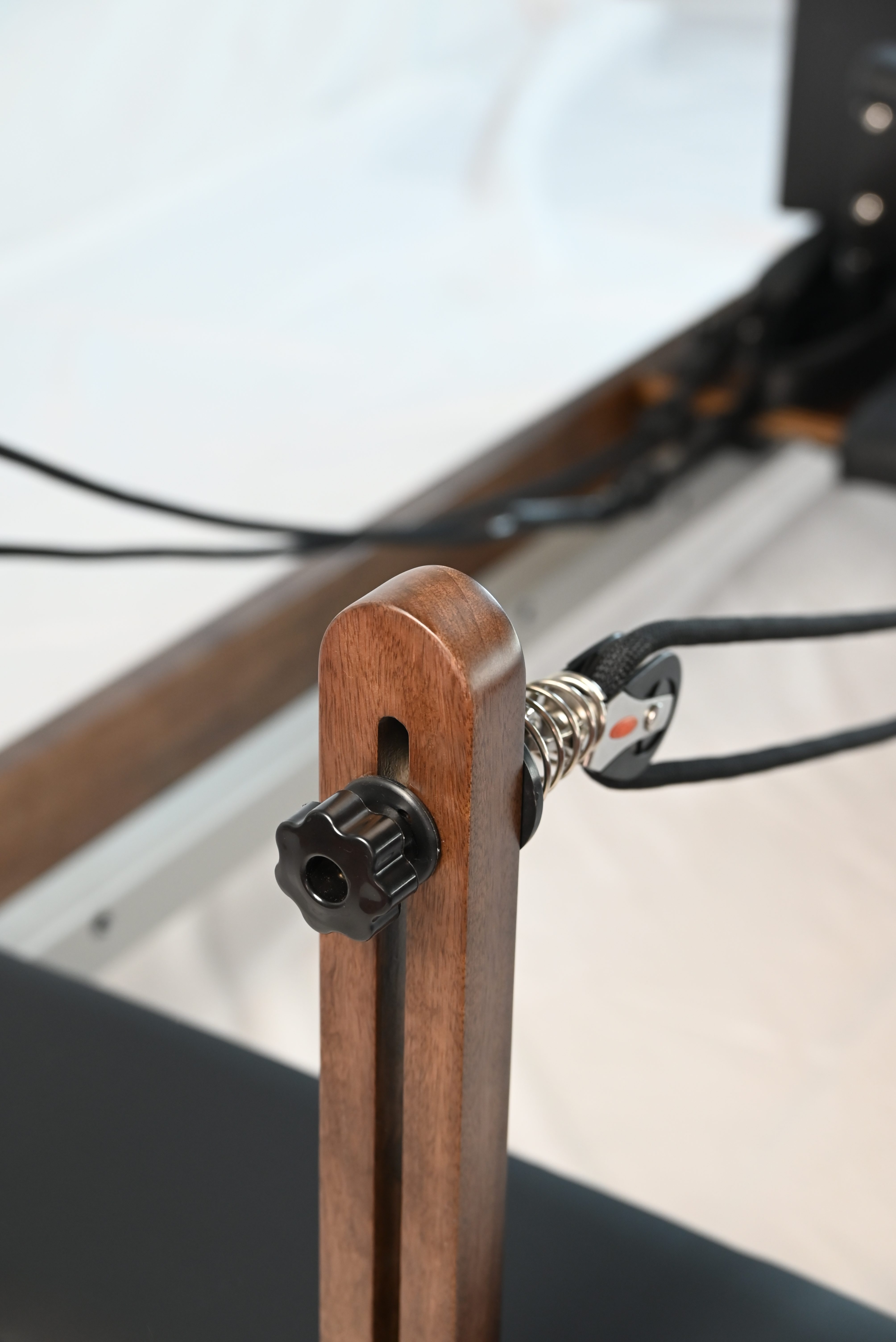
Comprehensive adjustment systems: Premium equipment offers extensive adjustment options — multi-position footbars, multi-position shoulder rests, multi-angle headrests, and adjustable rope lengths. These adjustments allow a single machine to accommodate users of different heights, training goals, and exercise requirements.
Extended service life: Premium frames have a design life of 10-20+ years. Springs maintain stable performance for 2-5 years under normal use. Overall equipment lifecycle significantly exceeds that of standard products.
II. Core Advantages of Premium Reformers
Precision in training feel: The most significant advantage of premium reformers lies in "feel" — springs deliver smooth, linear force curves, and carriages glide without step-like resistance. This precise feedback enables practitioners to perceive their movement patterns more clearly, facilitating more effective technique adjustments.
Silent operation: In commercial studio environments with multiple machines in simultaneous use, noise control is critical. Premium equipment uses precision bearings and self-lubricating rails to minimize operating noise. Home users benefit equally — practicing early morning or late evening without disturbing family or neighbors.
Durability and low maintenance costs: Premium materials and craftsmanship deliver long-term stable performance. Quality springs resist tension loss, frames resist deformation, and upholstery resists cracking — meaning fewer repairs and lower total cost of ownership.
Brand backing and after-sales support: Established brands typically offer lifetime or 20+ year frame warranties and 2-3 year moving parts warranties. This commitment reflects brand confidence in product quality.
III. Application Scenarios
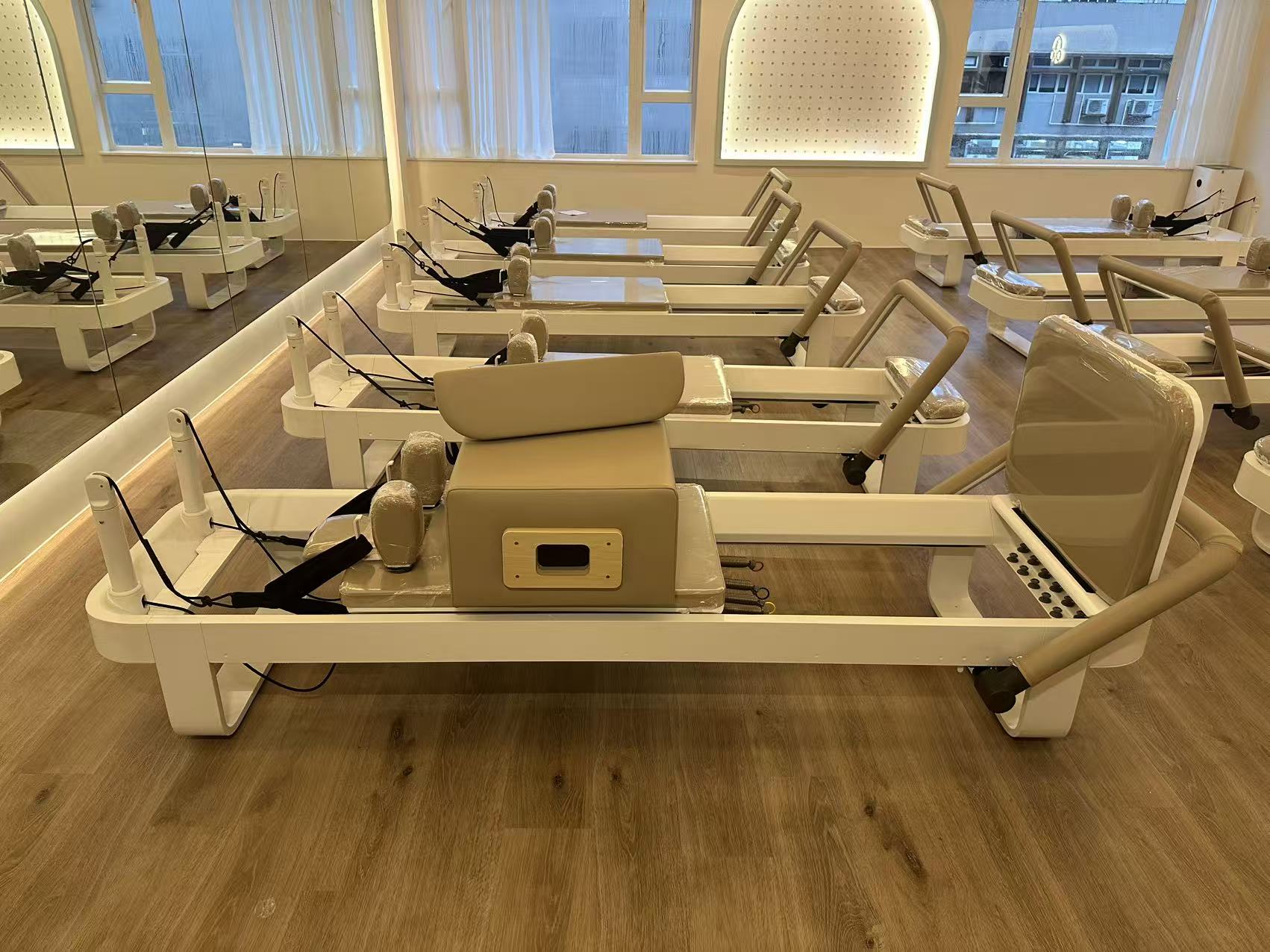
Home users: For home practitioners with consistent practice experience and adequate budget, premium reformers deliver near-studio-quality training. Foldable models address space constraints, and silent operation suits home environments.
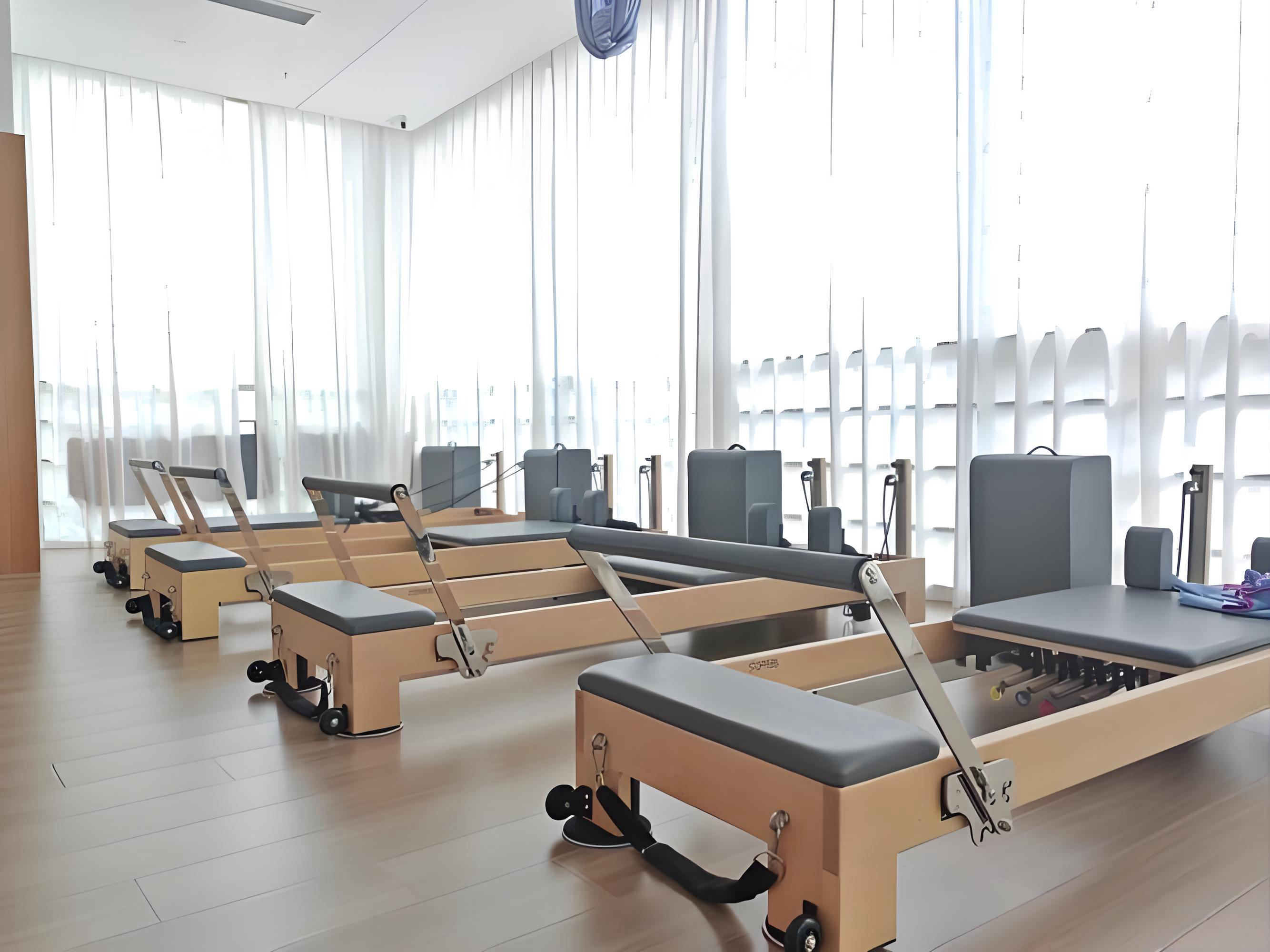
Professional Pilates studios: Studios require equipment that withstands multiple daily sessions. Premium reformers' durability and stability ensure consistent class quality and minimize revenue loss from equipment downtime.
Boutique fitness clubs and hotels: Premium equipment signals "professional, quality, detail-oriented" — aligning with the positioning of high-end clubs and hotels.
Rehabilitation facilities and medical clinics: In rehabilitation and clinical settings, precision, safety, and reliability are paramount. Premium equipment, with rigorous quality testing and certification, meets these stringent requirements.
IV. Selection Criteria
Confirm your use scenario: Home and commercial needs differ significantly. High-frequency commercial use requires more robust frames and more durable components. Home use benefits from foldable storage and quiet operation.
Test the glide experience: In any case, personally testing the glide is the most important evaluation factor — sit on the carriage and glide end to end, feeling for smoothness, silence, and consistency.
Understand warranty terms: Brand warranty is long-term security. Note the distinction between frame warranty and moving parts warranty — and whether labor and shipping are covered.
Choose authorized channels: Purchase through official brand channels or authorized dealers to ensure genuine products and full after-sales support.
V. Representative Brands and Products
Balanced Body: Market leader in global Pilates equipment, offering complete product lines from home (Allegro series) to commercial (Studio series). The Studio Reformer features aluminum frames — durable and lightweight.
Merrithew (STOTT PILATES): As the parent company of STOTT PILATES, Merrithew has deep expertise in both instructor training systems and equipment manufacturing. Its SPX series Reformers are widely used in professional studios globally.
Gratz: Original manufacturer of classical Pilates equipment — all handcrafted in Philadelphia. Known for classical design, premium craftsmanship, and long-term durability. Lead time approximately 3 months.
Peak Pilates: Offers multiple Reformer options from entry-level to professional. The MVe series has strong coverage in the home market.
Other notable options: Lagree Megaformer (high-intensity training), BASIL (European brand focusing on design aesthetics), FOLD Reformer (UK foldable bed designed for home spaces).
Summary: The value of premium Pilates reformers lies in comprehensive upgrades across materials, craftsmanship, feel, and durability. For home users, they deliver near-studio training experience. For commercial users, they ensure class consistency and client satisfaction. When selecting, balance glide experience, warranty terms, and brand reputation against your usage frequency, space constraints, and budget — that's the key to making the right decision.