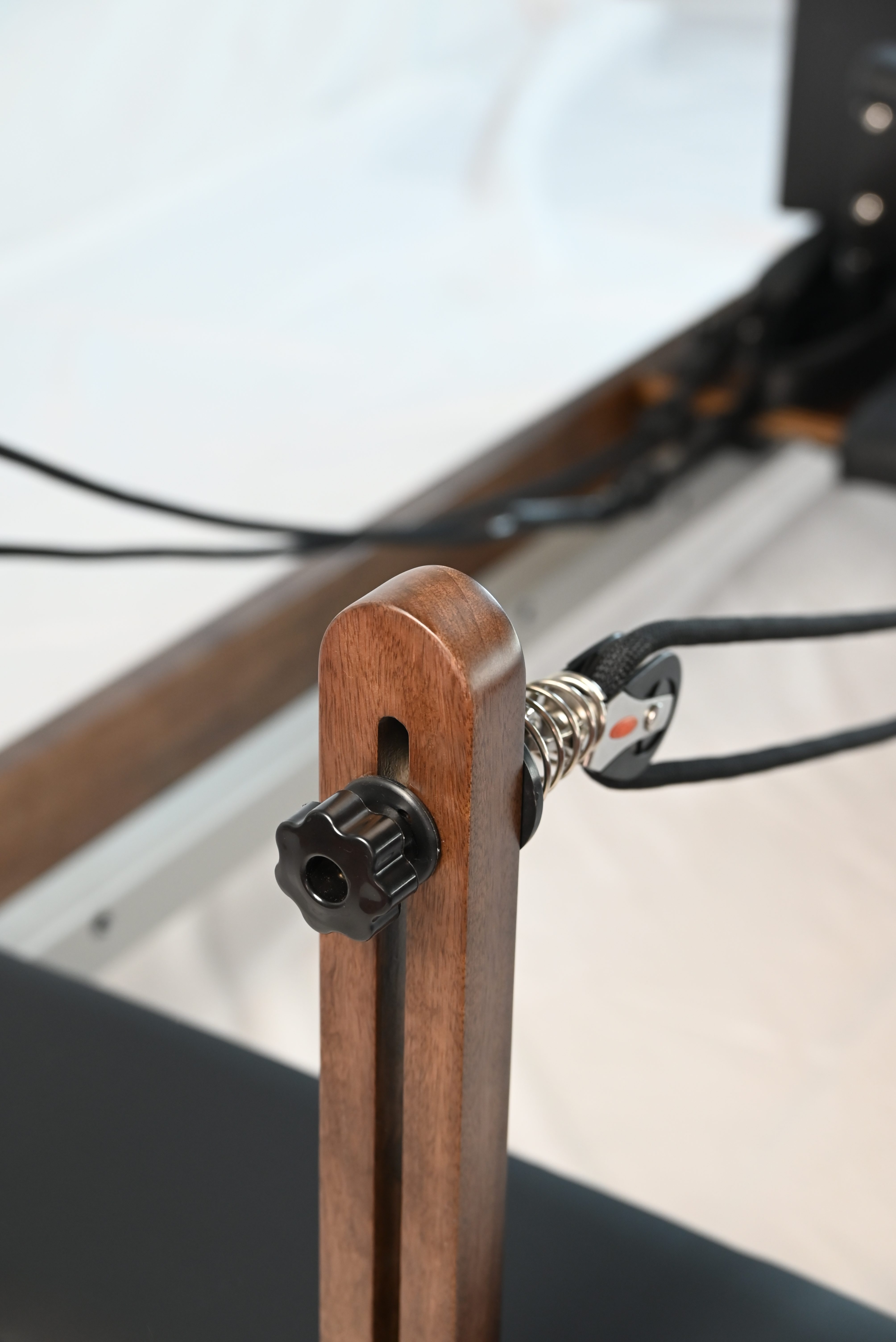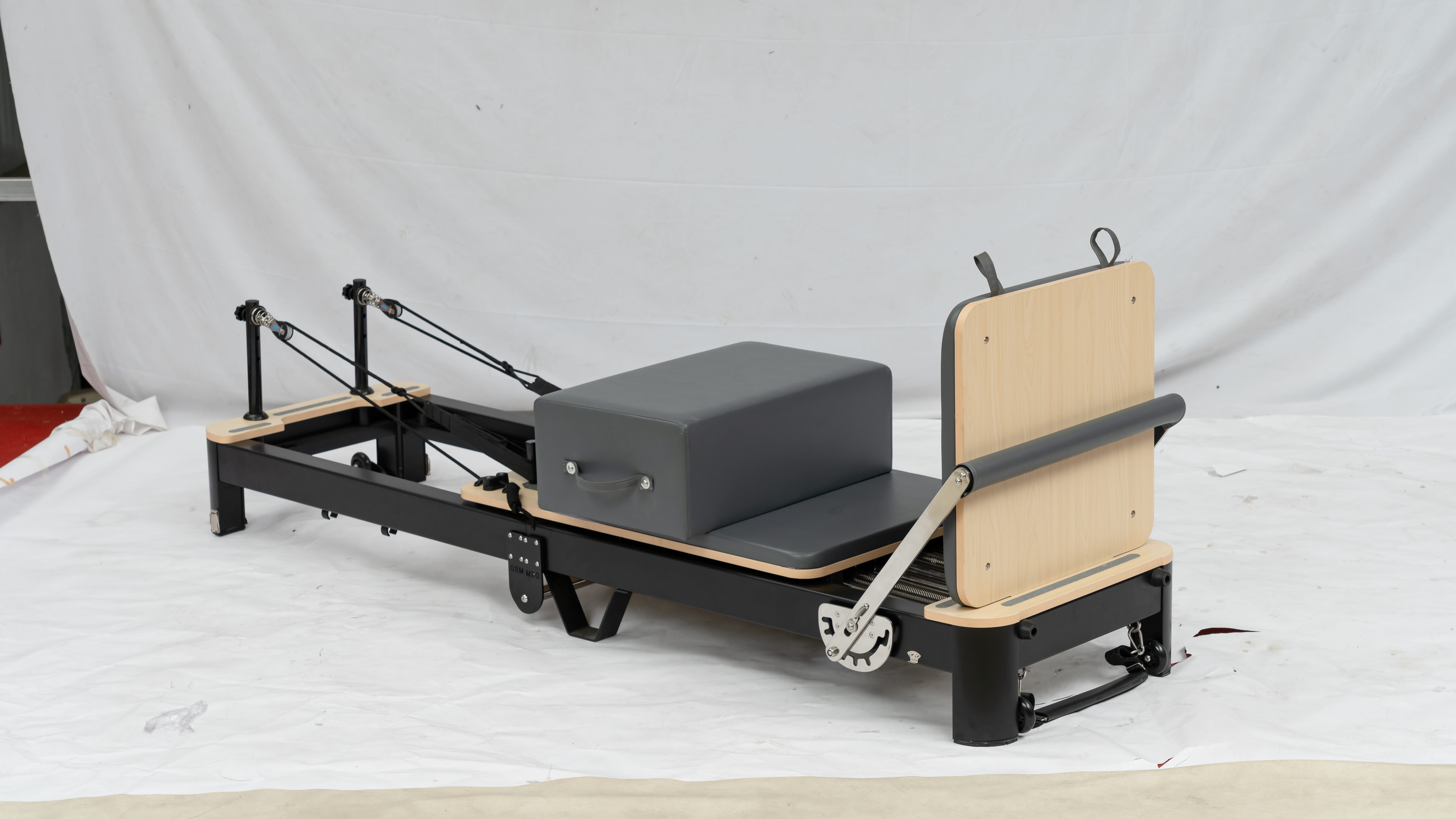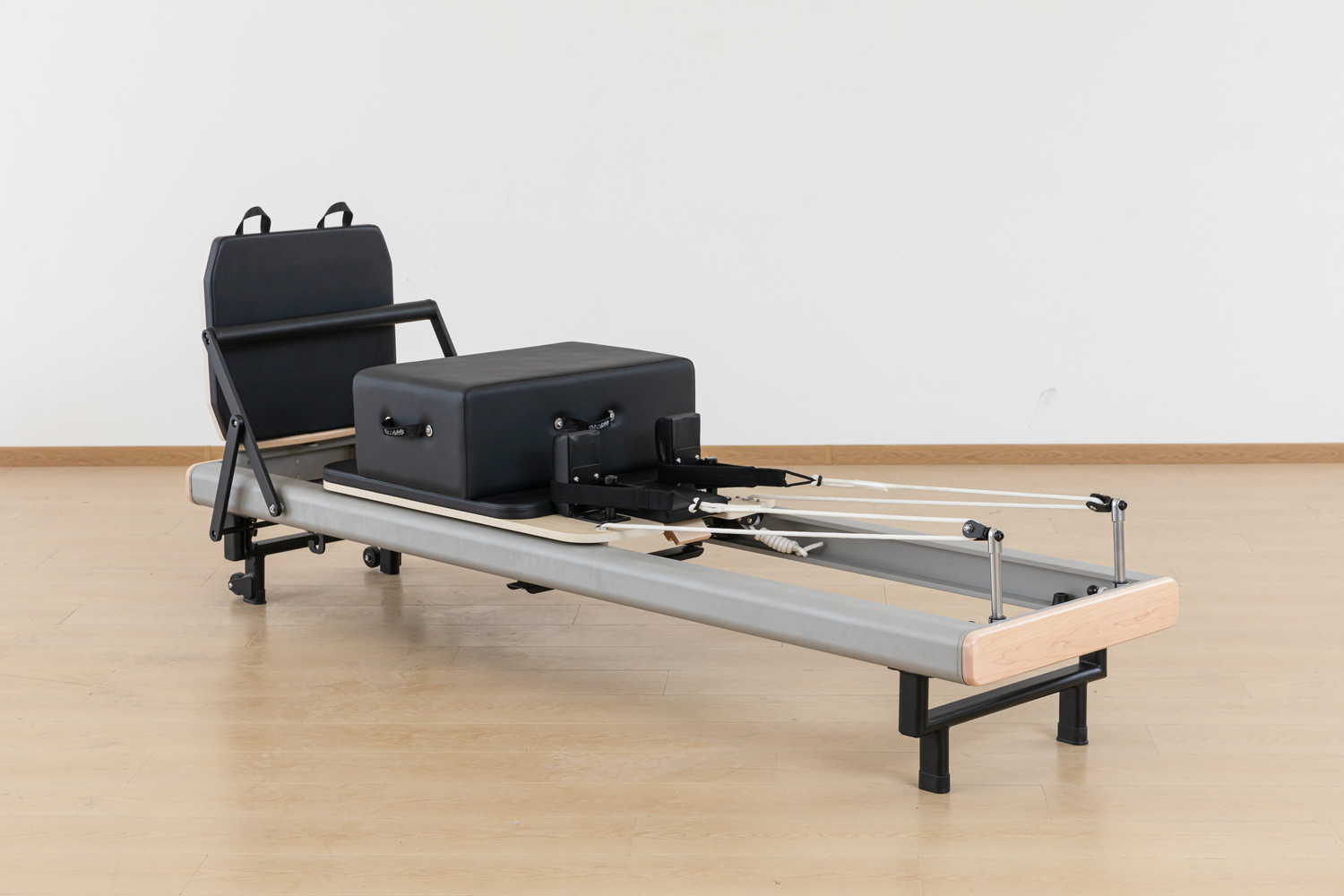
Durable Wooden Pilates Reformer Machine for Home Studio

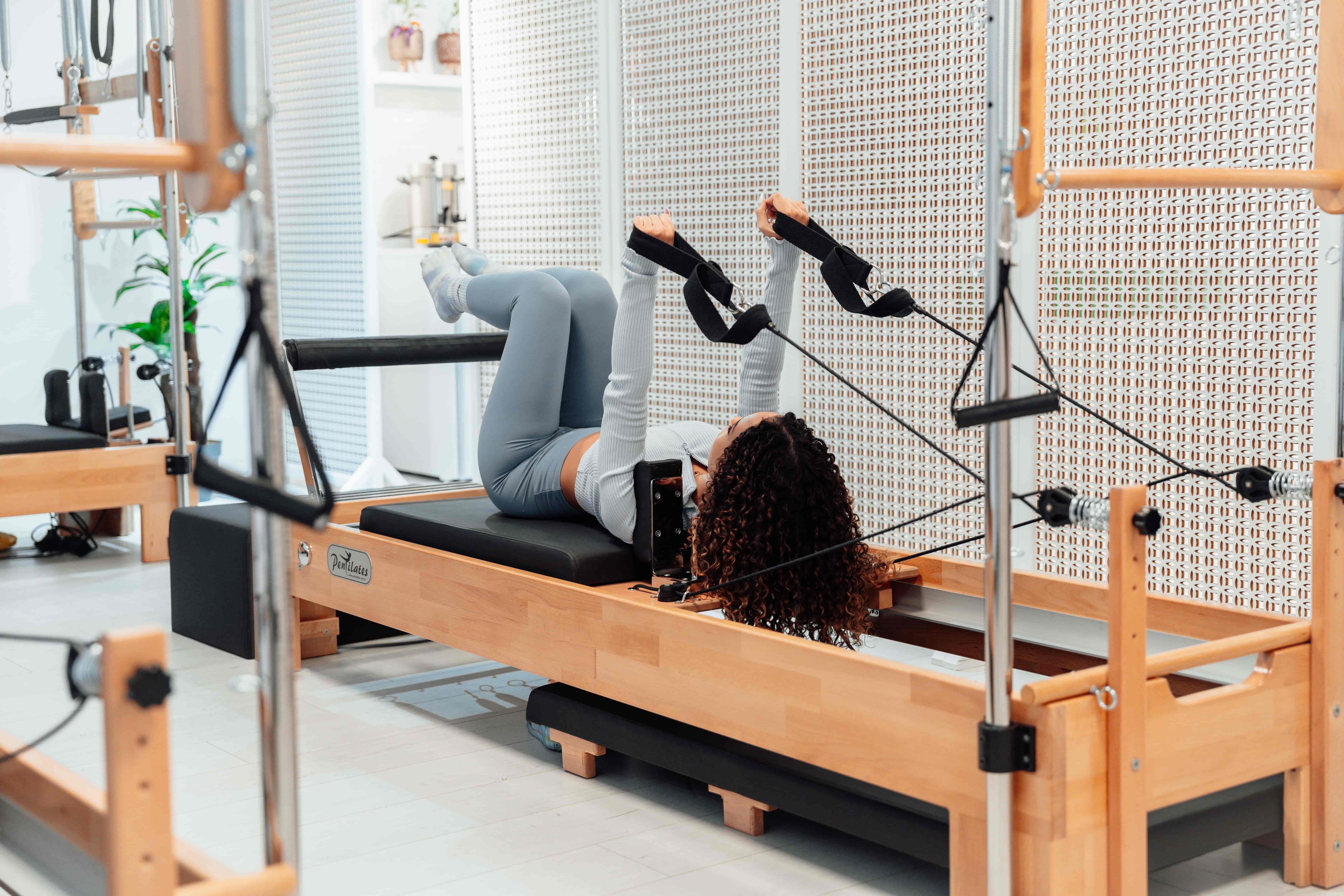
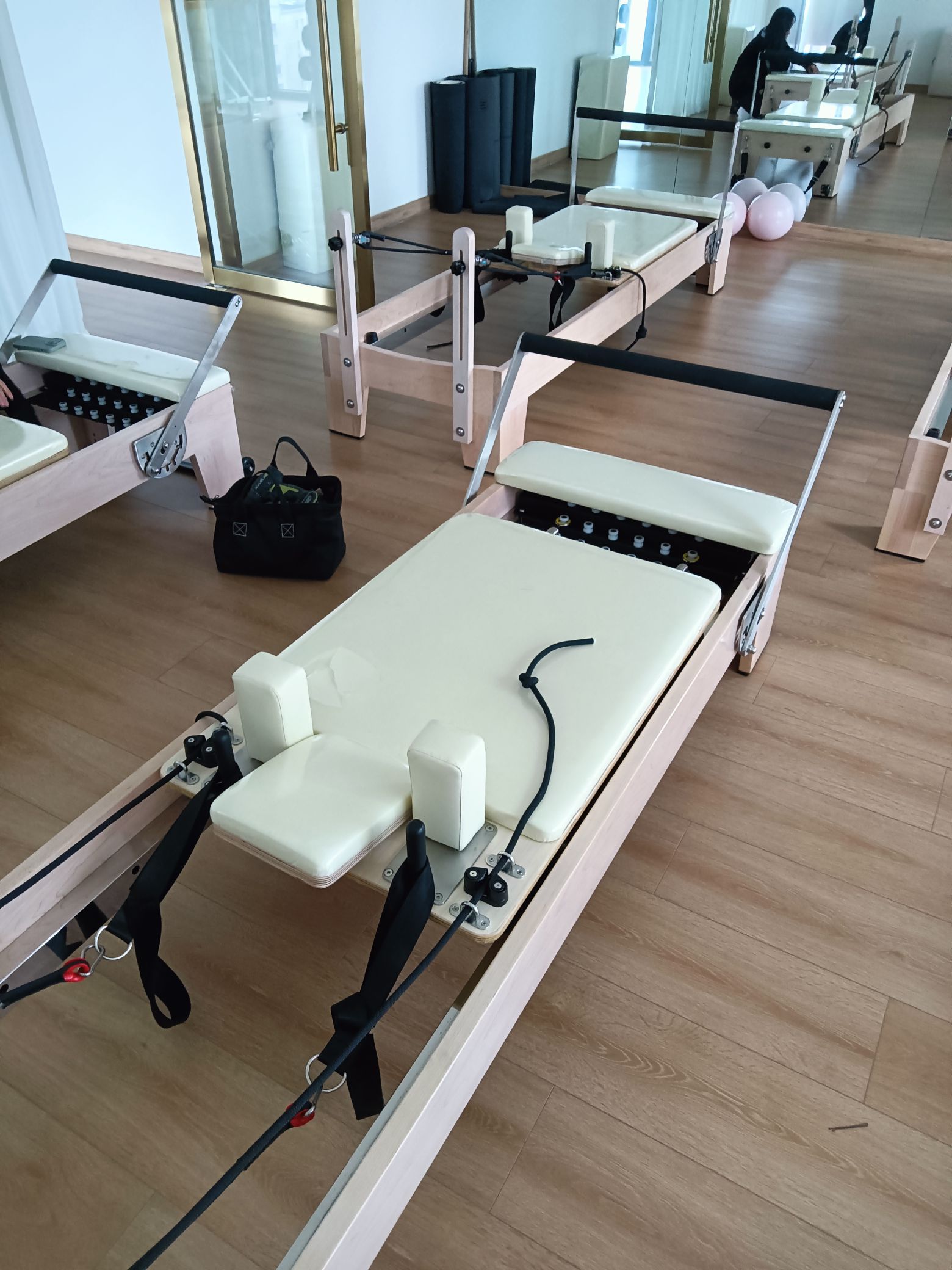
In home studios, wooden Pilates reformers are increasingly becoming the choice of dedicated practitioners. Compared to metal-framed equipment, wooden reformers offer unique advantages in stability, noise reduction, and aesthetic integration with living spaces. This article explores the distinct value of wooden Pilates reformers from three perspectives: material characteristics, selection criteria, and target users.
I. Three Core Advantages of Wooden Frames
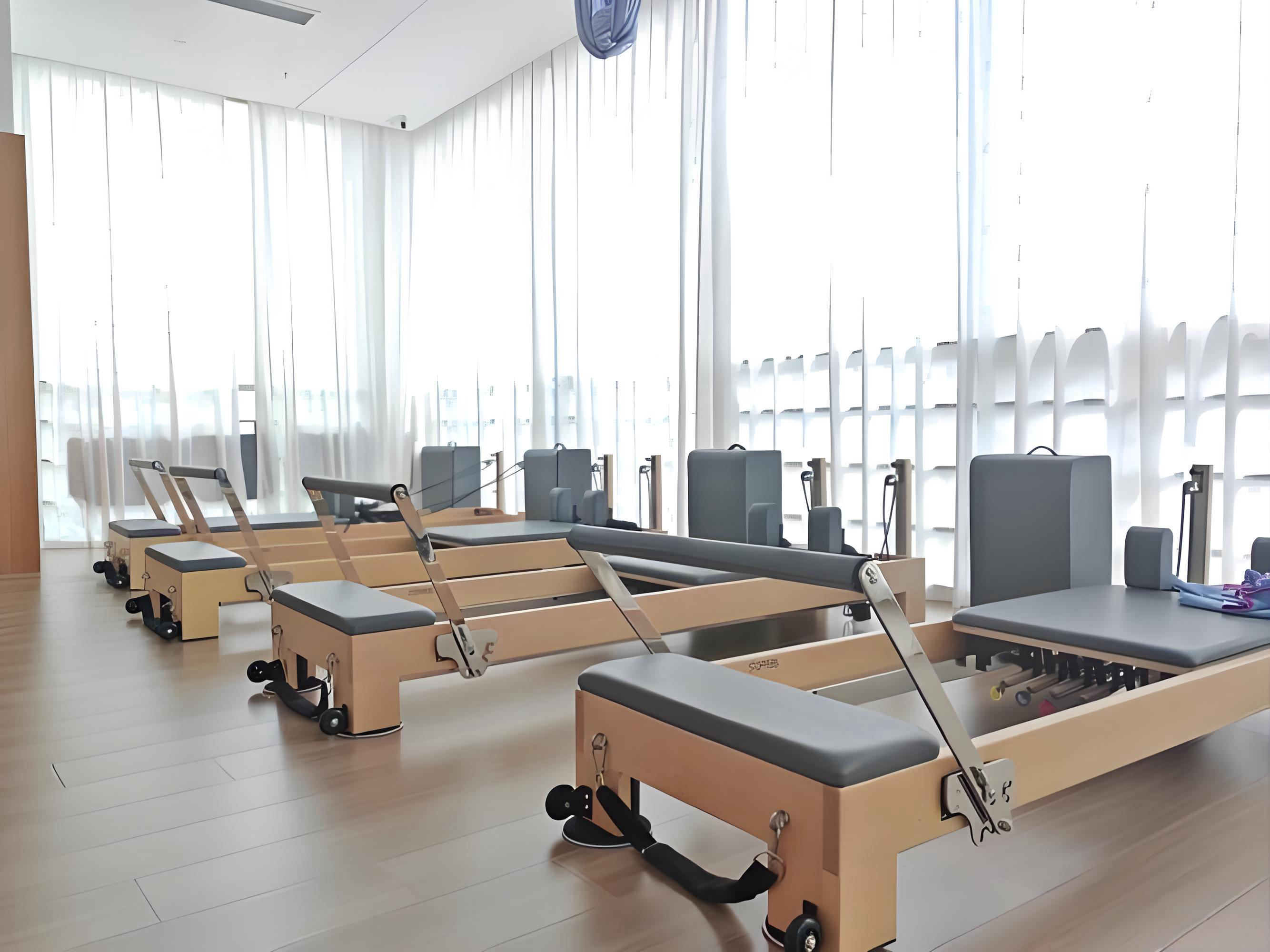
Stability and Low Center of Gravity: The natural weight and solid frame construction of wooden reformers provide exceptional stability during practice. Users report that the wooden bed feels "as stable as if rooted into the floor," with no wobbling or shifting during pelvic curls, single-leg stretches, and side-support exercises. This stability comes from the high density and low center of gravity of wood materials — compared to metal frames, wooden beds experience less elastic deformation under load.
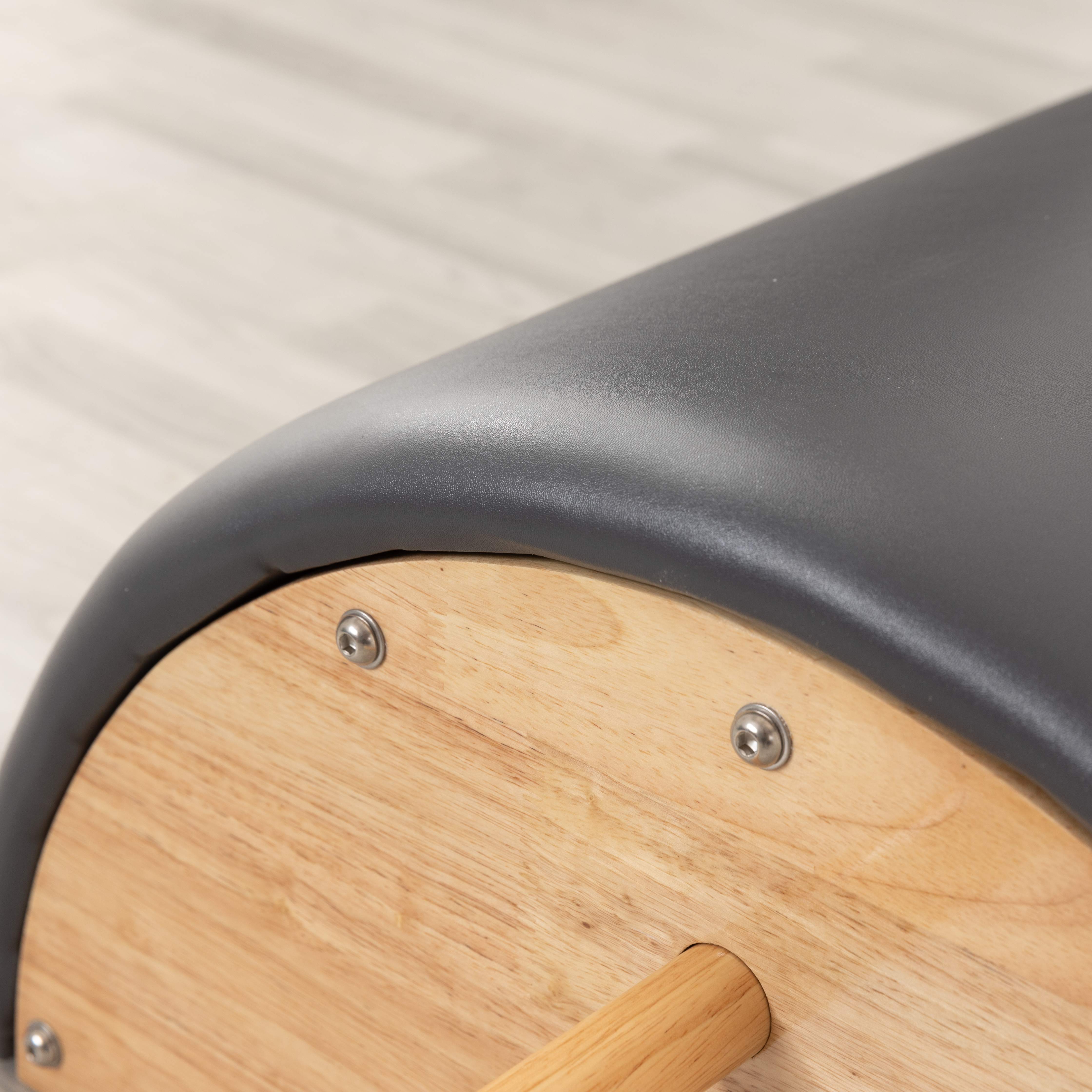
Superior Noise Performance: Wood's natural fiber structure has sound-absorbing properties. Balanced Body's Studio Reformer uses Strata Rock Maple, processed through multi-layer cross-lamination that not only provides strength far exceeding single-plank wood but also effectively absorbs vibration and noise. Peak Pilates' Artistry Reformer, handcrafted from solid beechwood or walnut, leverages wood's natural damping characteristics for near-silent operation during gliding.
Aesthetic Integration into Living Spaces: The warm texture of wooden reformers prevents them from feeling "out of place" like cold metal equipment. One user described the experience as "the warm touch of wood, completely different from cold metal — it feels like being gently held by the grain". The natural grain patterns of maple, oak, and beechwood complement various home interior styles.
II. Representative Wooden Reformers for Home Use
Several wooden reformers are now designed specifically for home settings, with varying approaches to materials, functionality, and storage:
PersonalHour Janet Plus is a foldable maple wood reformer featuring a solid maple frame, six-spring resistance system, and upgraded cushioning. Its foldable design makes it suitable for apartments, guest rooms, and multi-purpose spaces. The series began as a family project in a small Ohio garage, refined through years of customer feedback — a testament to real home-user needs.
Balanced Body Studio Reformer is a benchmark product with over 40 years of production history. Its Strata Rock Maple uses multi-layer cross-lamination, combining strength with environmental responsibility — sourced from FSC-certified suppliers where tree growth exceeds removals by nearly a 2-to-1 margin. It also offers 35 upholstery color options for true home integration.
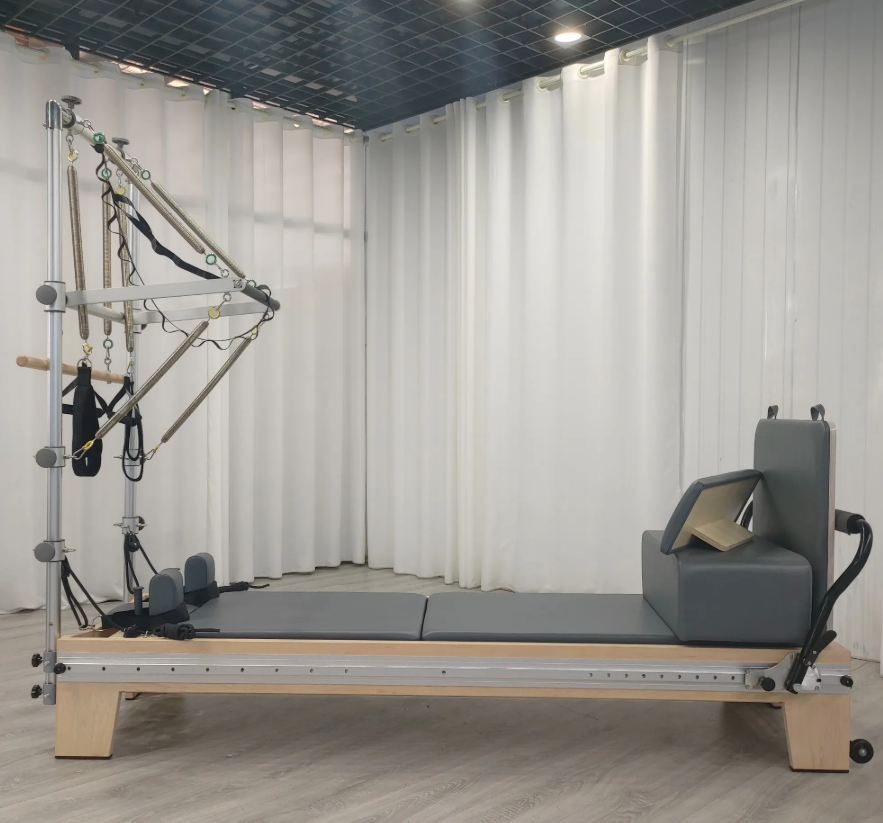
Peak Pilates Artistry Reformer is handcrafted from solid beechwood or walnut, preserving the classic aesthetics of traditional Pilates. Its redesigned carriage system supports tower or twin mat upgrades, appealing to home users seeking classical style with functional expansion.
III. Key Selection Criteria for Wooden Reformers
Wood Type and Construction: Maple offers high hardness and fine grain for a bright modern look; beechwood and oak are prized for durability and classic texture. Crucially, distinguish between "solid wood frame" and "veneer board" — solid hardwood frames offer far better stability and longevity. Balanced Body's Strata process uses cross-lamination to achieve strength exceeding single-plank construction.
Rail and Pulley System: The noise advantage of wooden frames is only fully realized with a high-quality carriage system. The AxisGlide dual-rail system provides linear, low-vibration travel suited to precision Pilates work. The Impact Pilates Reformer's UltraGlide rollers with EVA foam also emphasize smooth, quiet operation.
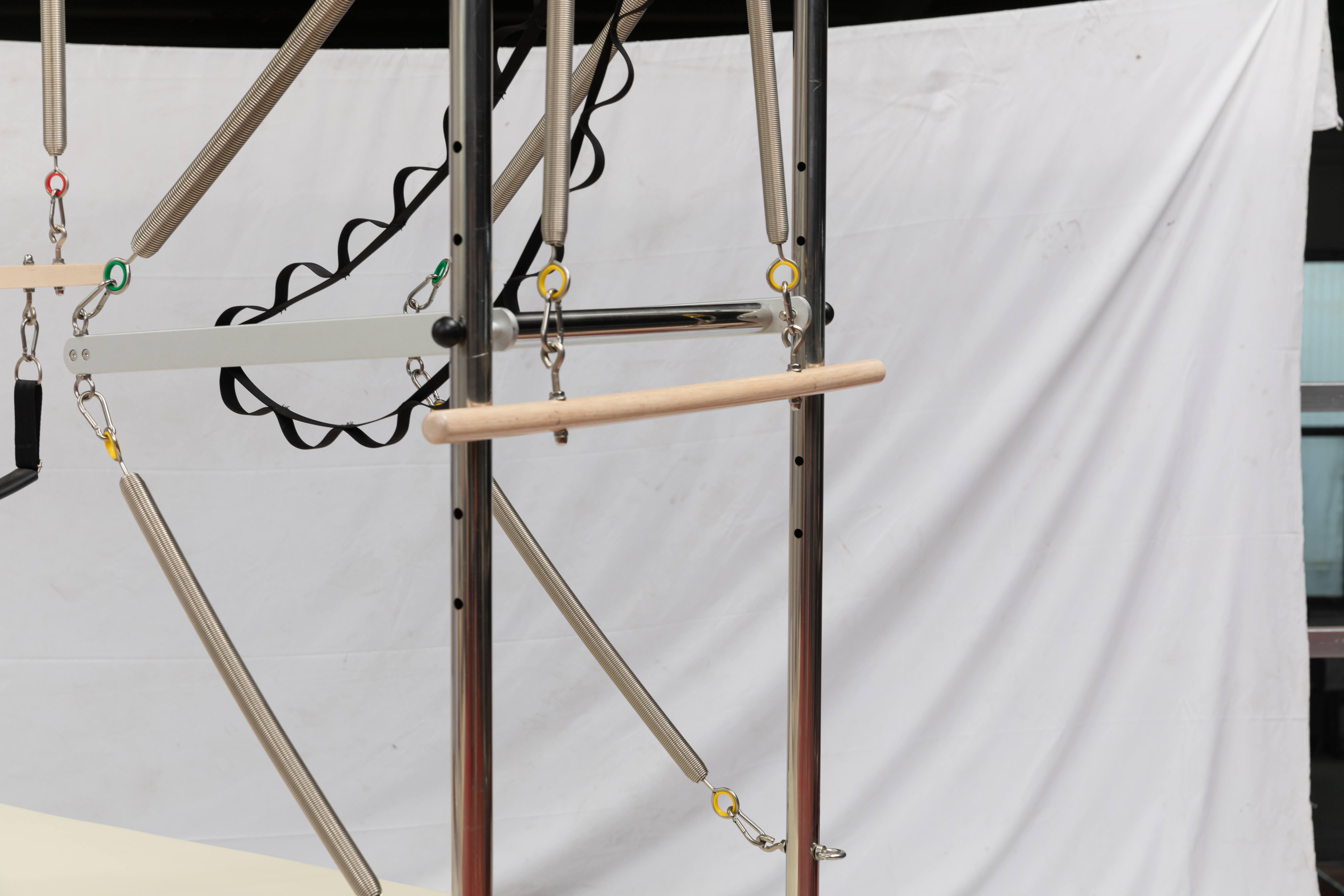
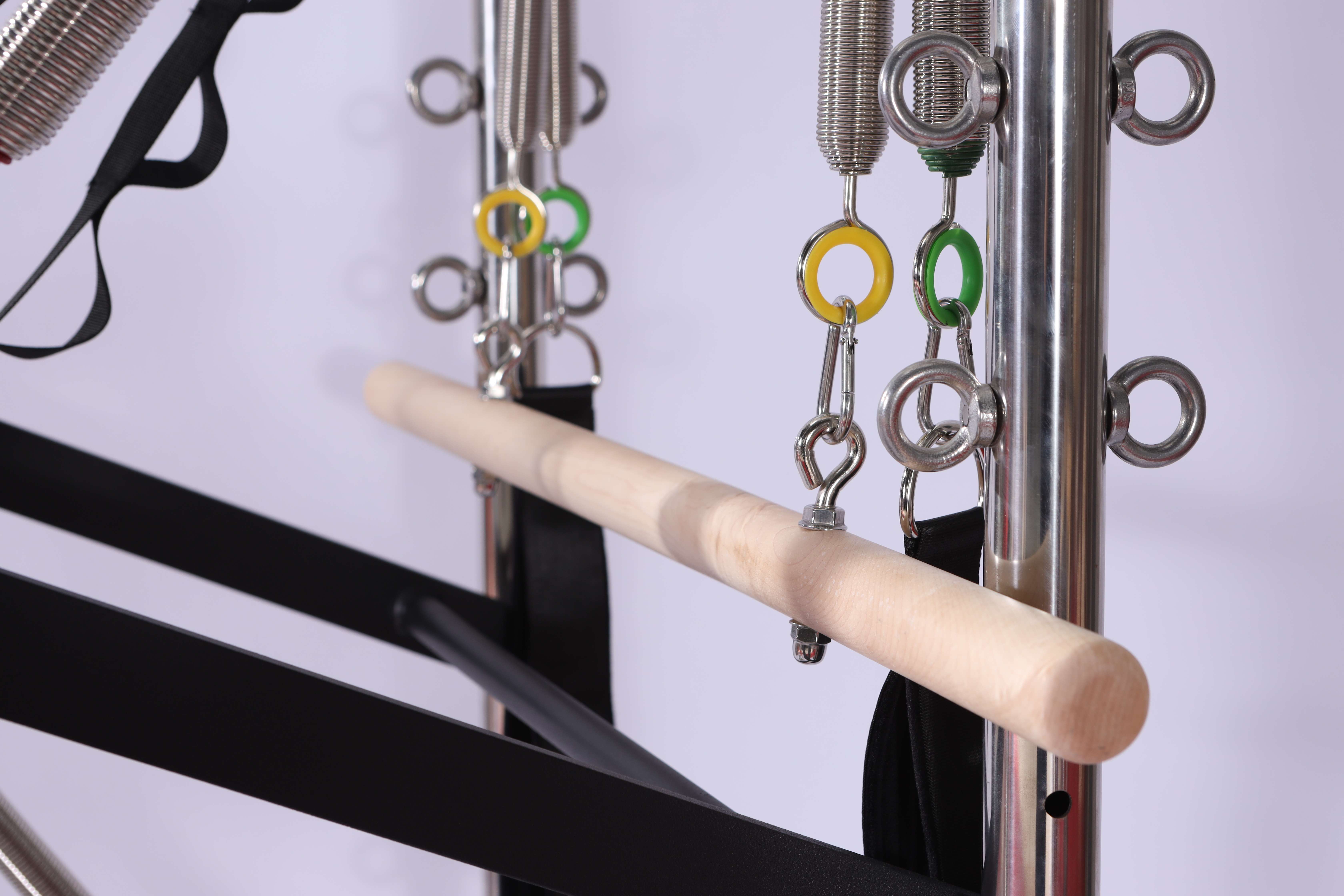
Spring Resistance System: Home wooden reformers typically include 4 to 6 springs for multiple resistance combinations. Spring material and force consistency directly affect feel — quality products specify spring material (e.g., high-carbon steel) and force configurations. The Aligned Sport Axis Series uses color-coded springs for easy identification and adjustment.
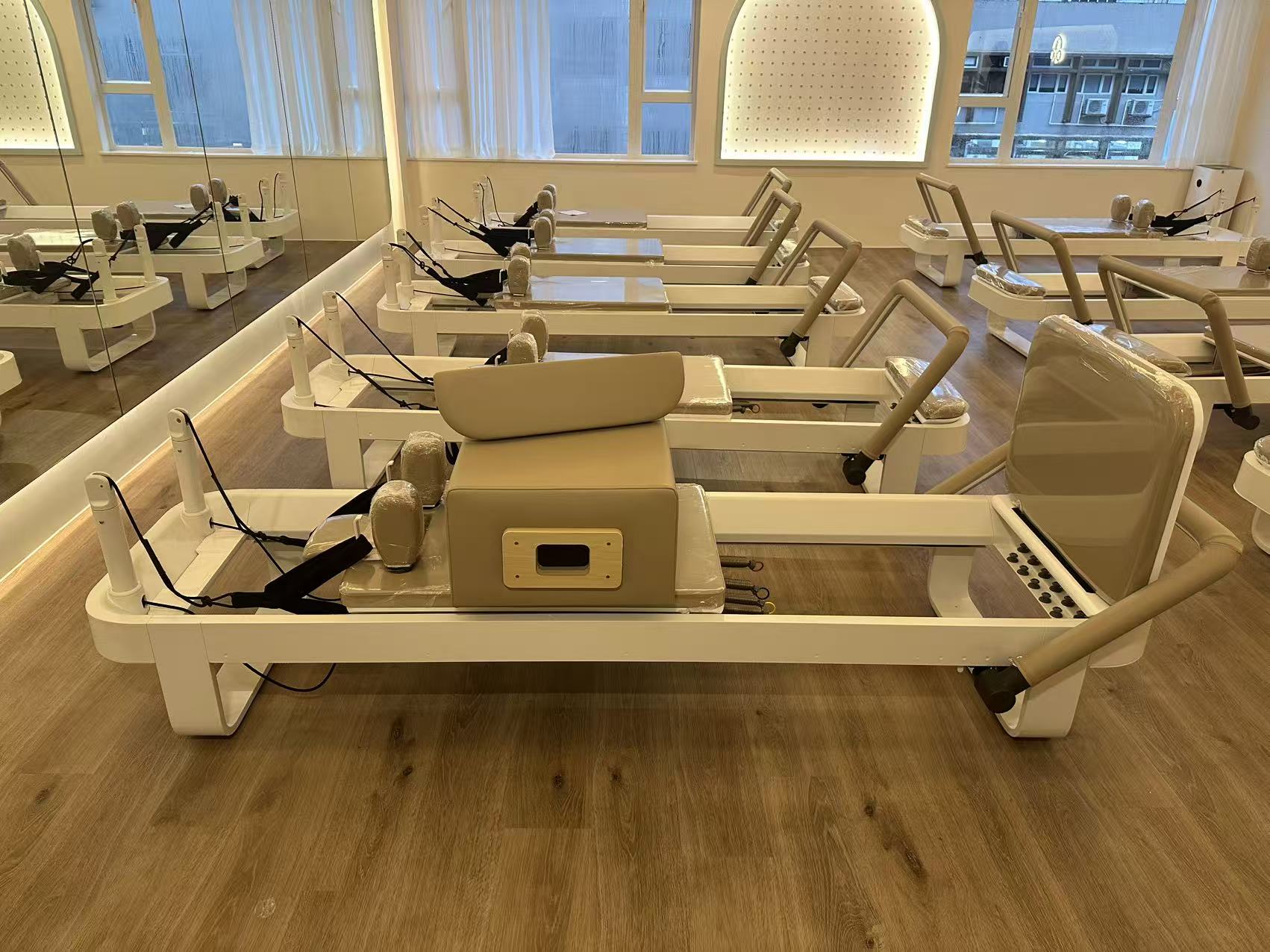
Dimensions and Storage: Home spaces require attention to unfolded size and storage options. Wooden reformers typically measure 220-236 cm in length when unfolded. Foldable models (e.g., Janet Plus and Axis Series) can stand upright for compact storage. Lightweight wooden board-style reformers (e.g., Pangolins and Myga products) offer ultra-thin storage under beds.
IV. Who Benefits Most
Wooden Pilates reformers are particularly suitable for:
Those Seeking Home Aesthetic Integration: If you don't want fitness equipment to disrupt your home's visual harmony, the warm texture of a wooden frame is the best choice. Products from brands like Balanced Body and Peak Pilates are even regarded as "breathing fitness furniture".
Those with High Noise Sensitivity: If you live in an apartment or need to practice without disturbing others, wood's sound-absorbing properties are far more forgiving than metal. Multiple users emphasize that wooden beds are "stable, quiet, and non-disruptive".
Those Seeking Long-Term Investment: Premium wooden reformers often come with lifetime frame warranties (e.g., Balanced Body offers a limited lifetime warranty on frames). A well-designed wooden machine can accompany a practitioner for over a decade.
Summary: The value of a wooden Pilates reformer lies in transforming Pilates practice from "going to the gym" into "a quality moment enjoyed at home." The warmth of maple, the solidity of beech, the classic elegance of oak — each wood offers a different tactile and visual experience. When selecting, prioritize solid wood construction, smooth and quiet rail systems, sufficient spring resistance combinations, and storage options that fit your space. A well-designed wooden reformer not only makes home practice more stable and quieter but also becomes a piece of "fitness furniture" that stands the test of time.