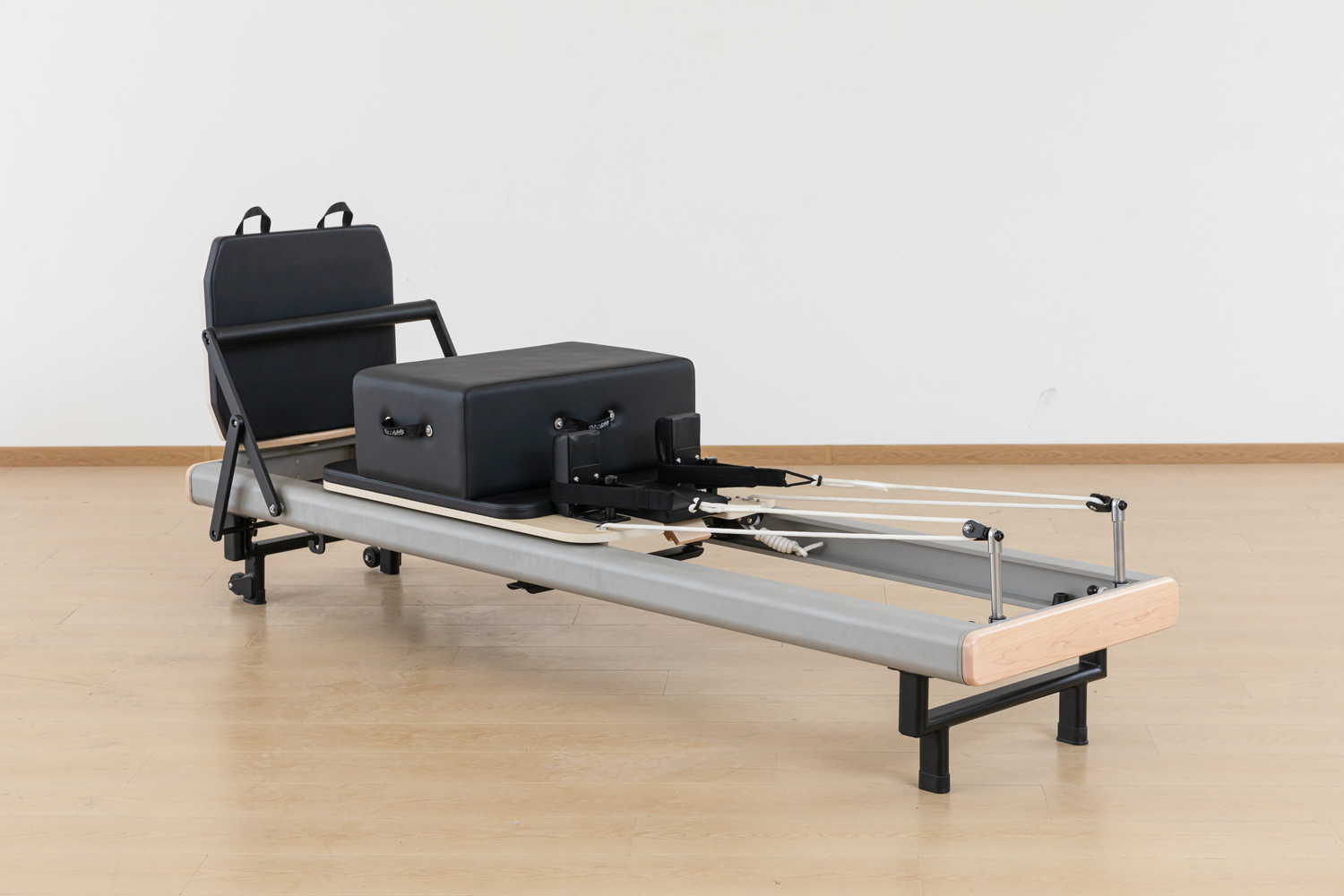
Clinical Pilates Equipment vs Standard Studio Gear: What Is the Real Difference
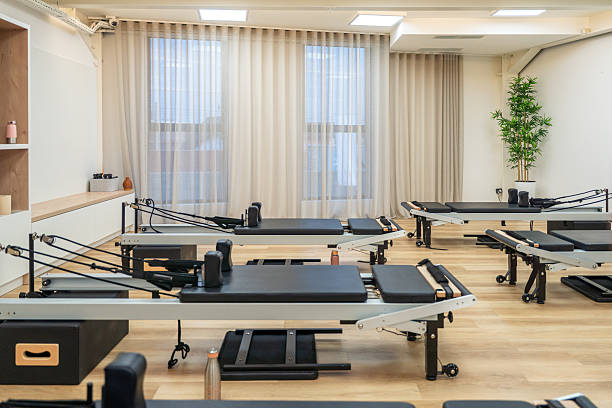
Most fitness distributors and new studio owners assume all commercial Pilates machines deliver identical performance. In reality, clinical Pilates equipment and standard studio Pilates gear are engineered for entirely different purposes: rehabilitation recovery versus general fitness shaping. While they share similar spring-resistance principles and core movement sequences, their structural precision, safety mechanisms, adjustability ranges, load limits, and clinical compatibility vary drastically.
Confusing these two device types leads to mismatched studio positioning, ineffective training results, and even safety risks for injured or post-surgical clients. For physical therapy clinics, rehab-focused studios, and premium private training centers, understanding the real differences between clinical-grade and standard commercial Pilates equipment is critical for accurate client grading, compliant treatment programs, and profitable equipment investment. This article breaks down their core mechanical, functional, and commercial distinctions in detail.
Core Design Philosophy: Rehabilitation Precision vs. General Fitness Durability
The fundamental gap between the two equipment lines lies in their original design intentions.
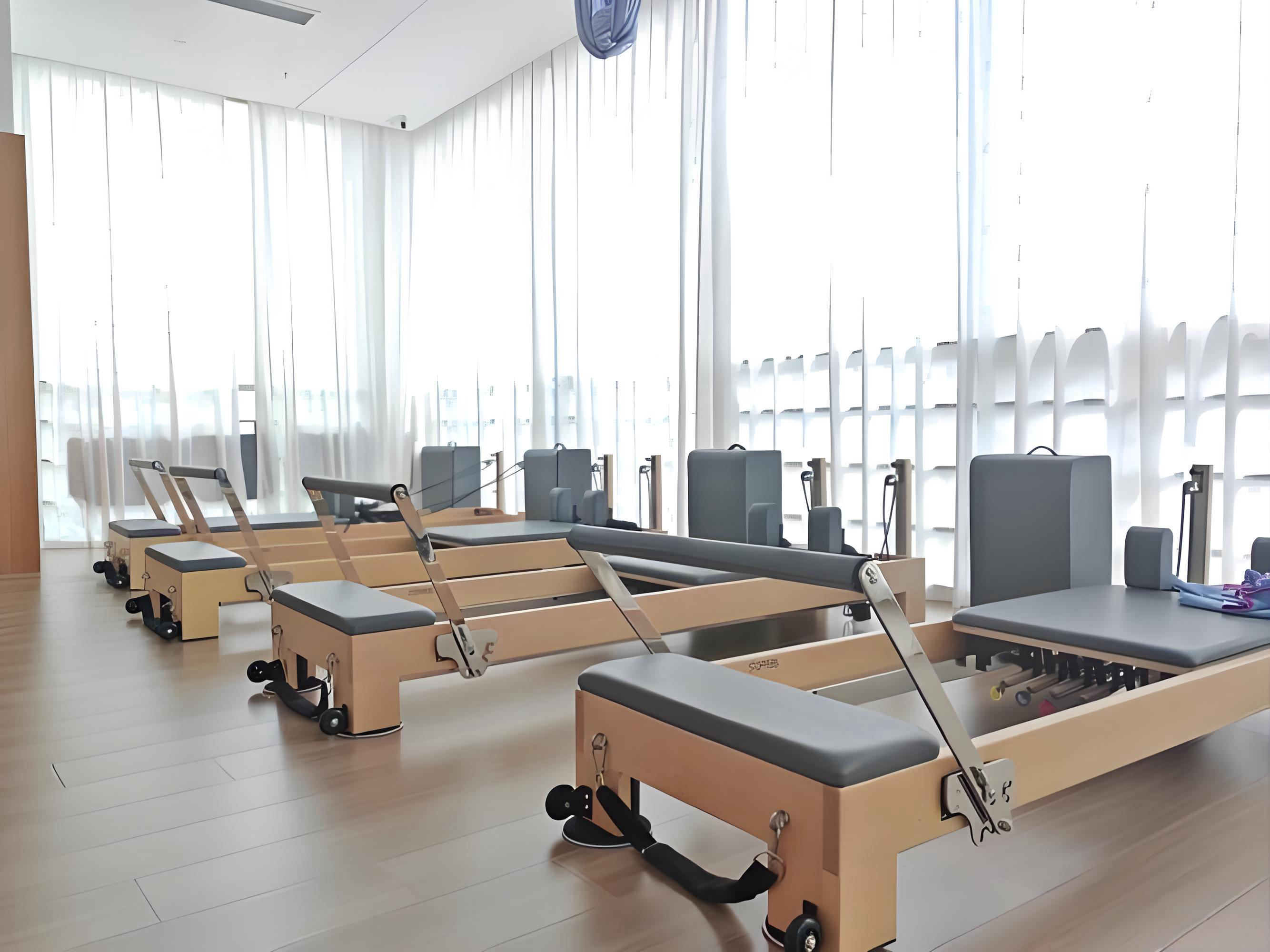
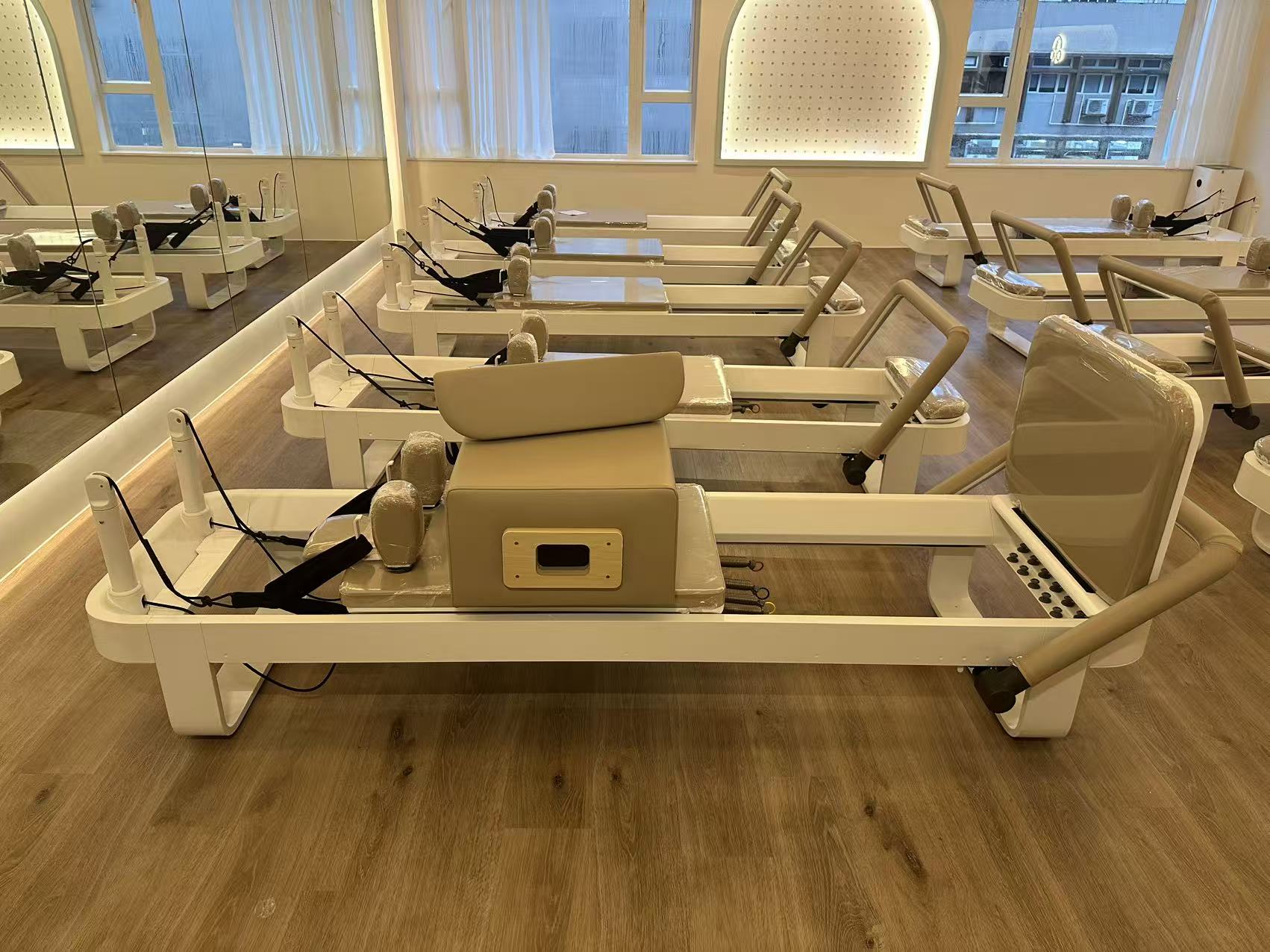
Standard Studio Pilates Gear is built for high-traffic commercial fitness scenarios. Its core priorities are structural durability, long-term wear resistance, unified training feedback, and cost-effective mass teaching. It is optimized for healthy clients, fitness enthusiasts, posture correction users, and group class scenarios, focusing on body shaping, core activation, and daily posture maintenance.
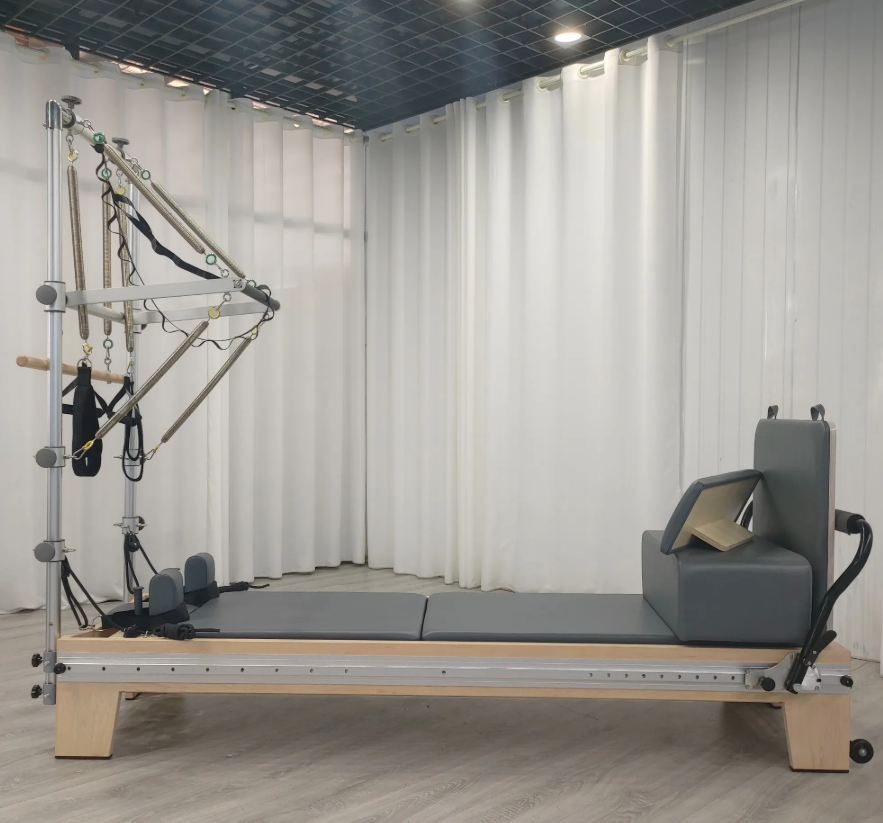
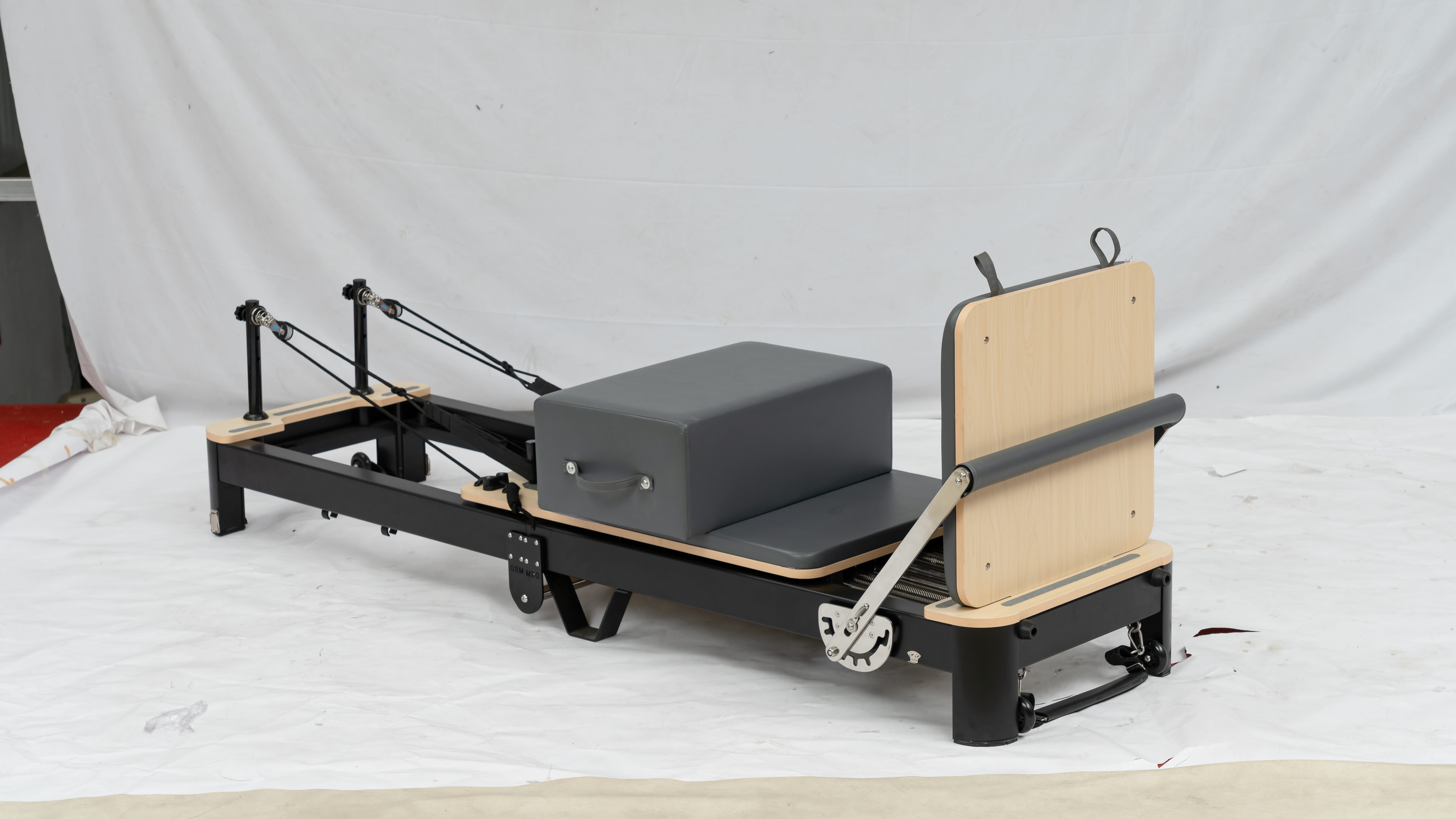
Clinical Pilates Equipment is medically oriented and physiotherapist-certified. It is engineered for injury rehabilitation, post-surgical recovery, chronic pain relief, and neuromuscular re-education. Its core design goals are ultra-fine adjustability, zero-compression movement support, full safety locking, and precise segmental spinal control, allowing therapists to customize every movement parameter for vulnerable bodies.
Key Mechanical & Structural Differences
- Resistance Adjustment Precision
Standard studio reformers and barrels adopt fixed gear spring adjustment with limited tension levels, designed for progressive fitness training. The resistance interval is relatively large, suitable for healthy users to improve muscle endurance and body lines.
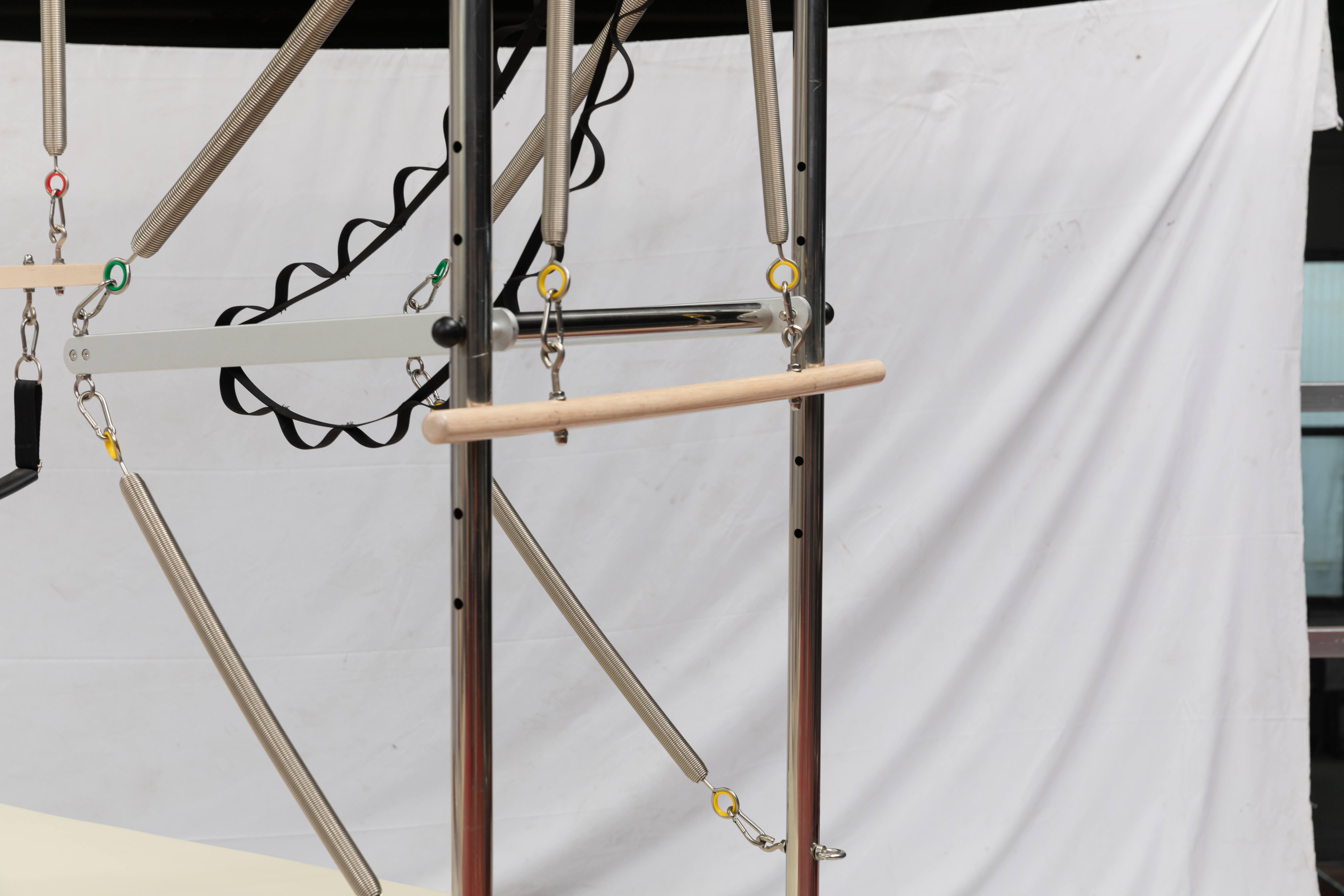
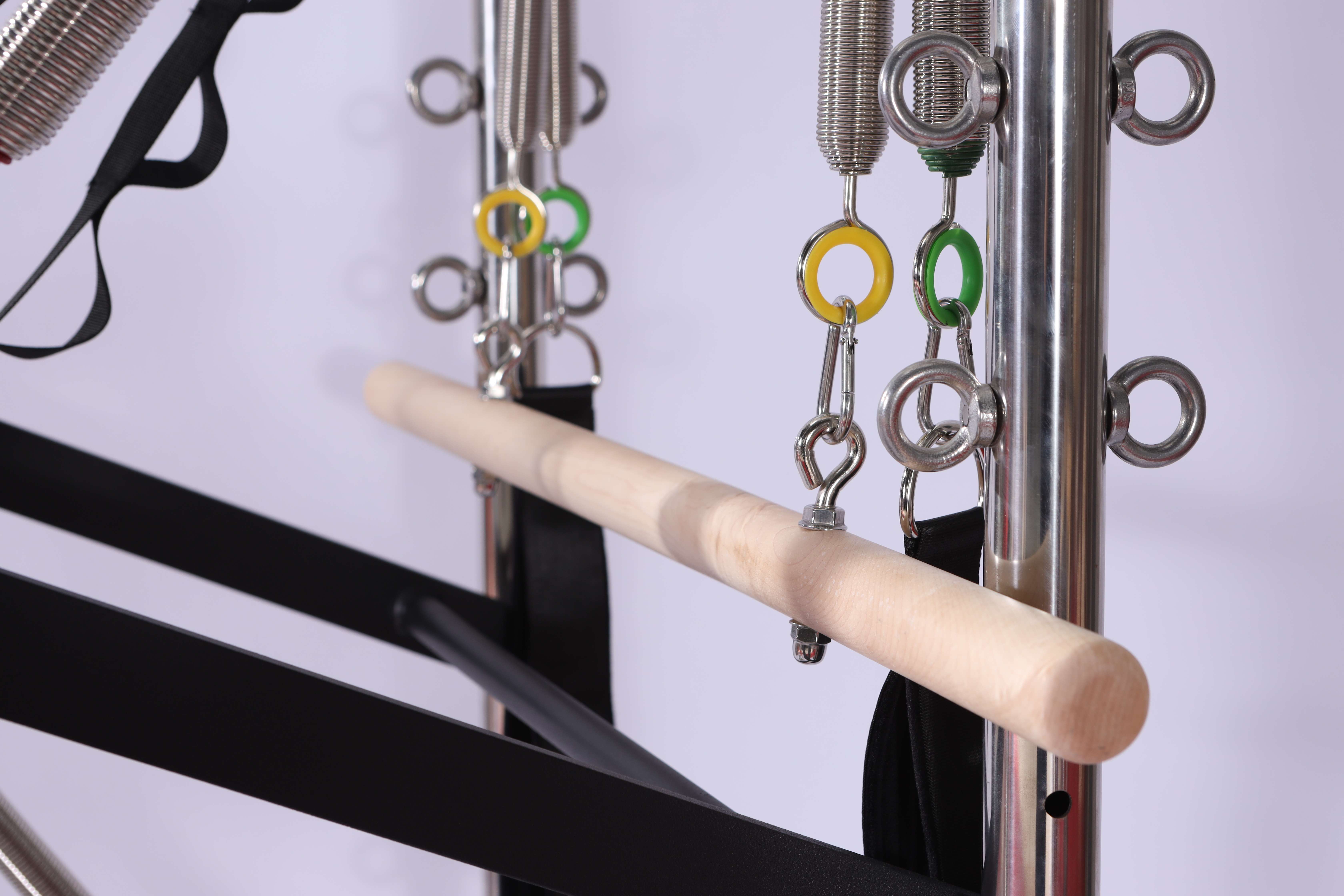
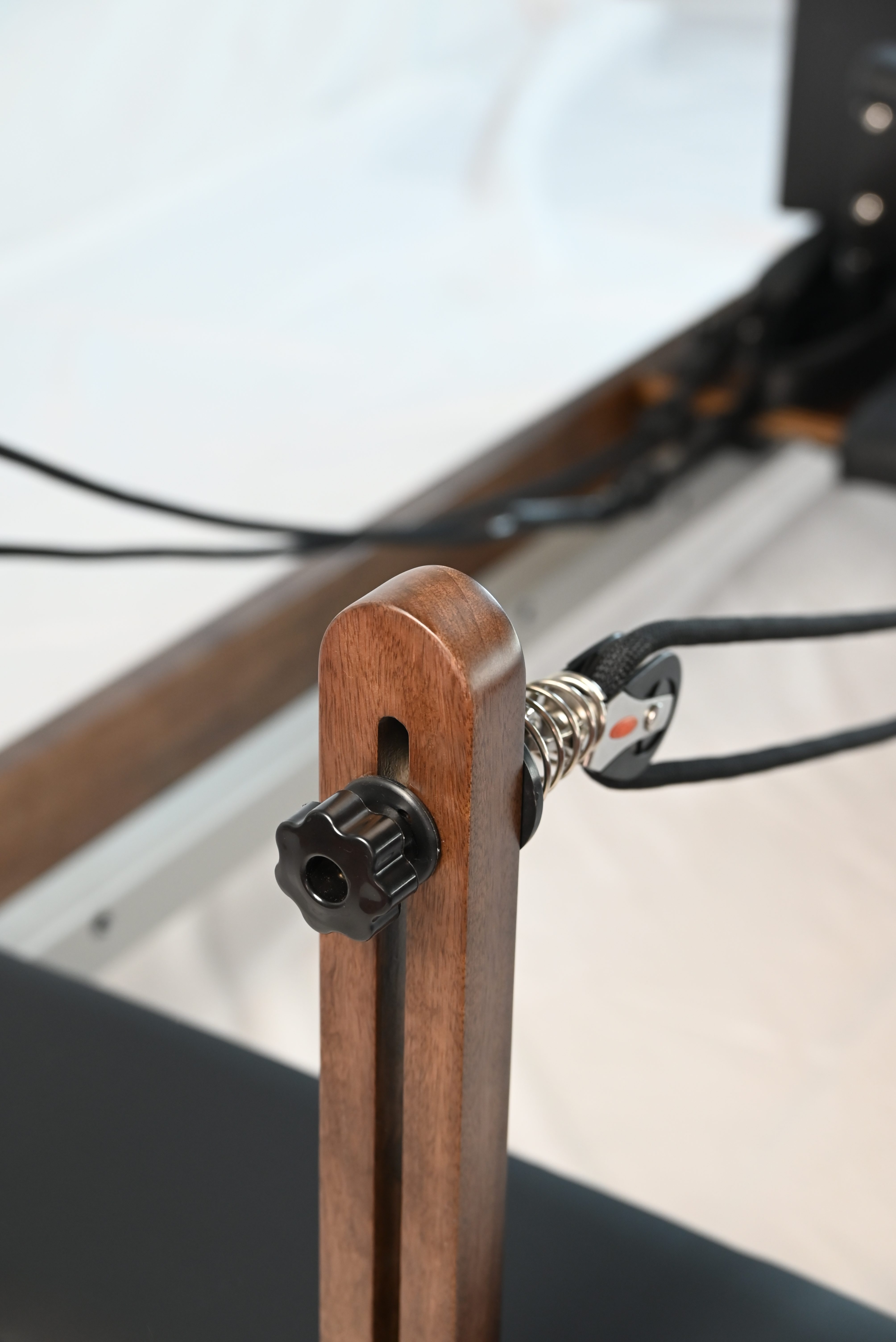
Clinical Pilates machines featureinfinitely adjustable spring tension and multi-position gear settings. They support micro-resistance fine-tuning, enabling ultra-light starting tension for muscle awakening and gradual load progression for post-injury recovery. This precise adjustment avoids sudden force impact on weak joints and atrophied muscles, which standard equipment cannot achieve.
- Safety Locking & Limiting Mechanisms
Standard studio equipment only retains basic anti-slip and fixed positioning structures, lacking precise stroke limiting and multi-angle locking functions. During high-intensity dynamic training, the carriage and moving parts have a certain range of free sliding, which is safe for healthy users but risky for rehab clients with poor body control.
Clinical-grade gear is equipped with full-range stroke limiters, captive gear bars, and multi-angle safety locks. Every sliding distance, pedal angle, and spring travel can be accurately locked to prevent over-stretching, excessive spinal flexion, or joint hyperextension. This full safety protection system is the core hardware guarantee for clinical rehabilitation treatment.
- Ergonomic Support & Pressure Dispersion
Standard studio upholstery and foam are designed for general comfort and wear resistance, with unified thickness and firmness, meeting the needs of long-term fitness training but lacking targeted pressure relief.
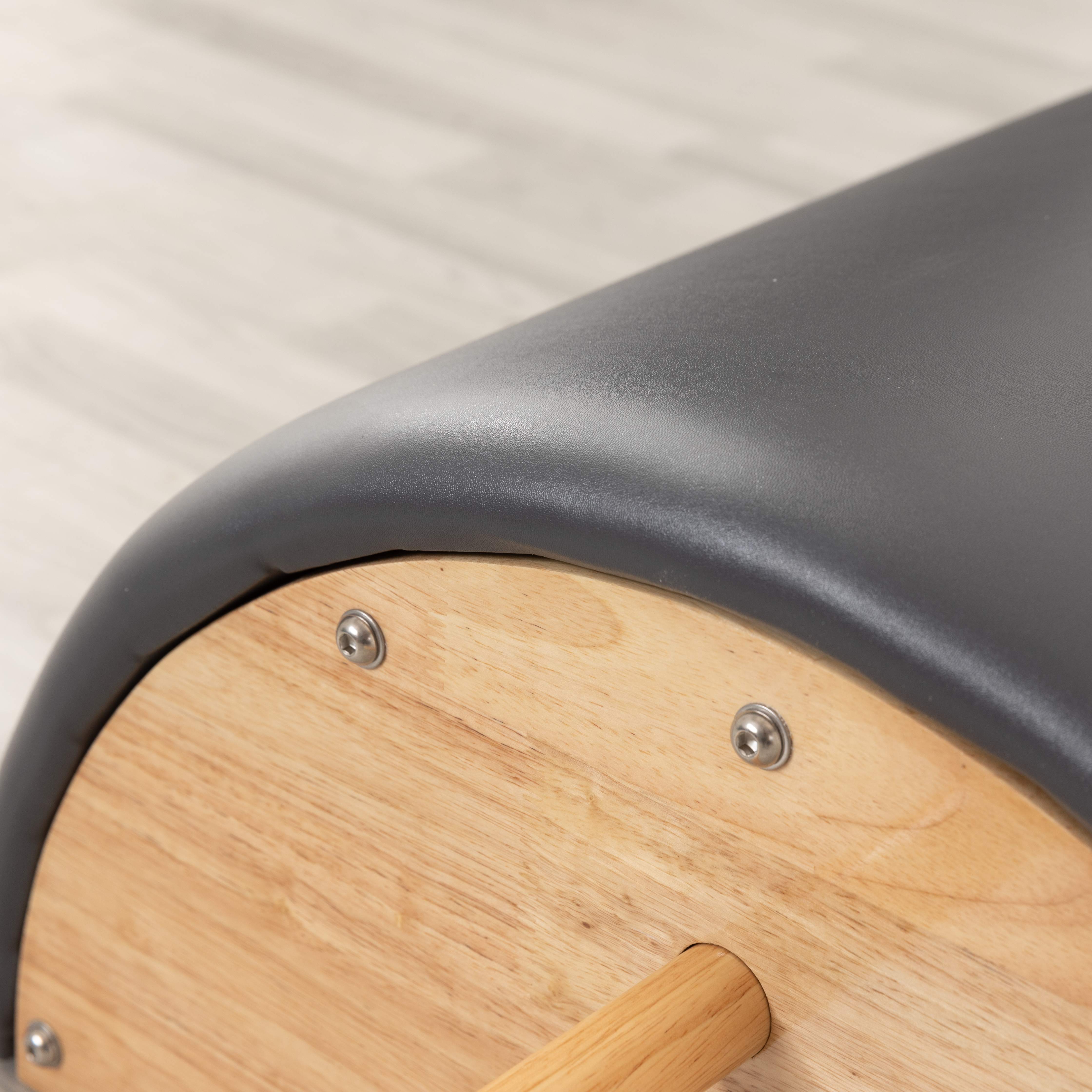
Clinical Pilates equipment adopts graded high-resilience foam and segmented ergonomic padding. It provides targeted support for the cervical spine, thoracic spine, lumbar spine, and pelvic area, dispersing local body pressure effectively. For clients with lumbar disc problems, spinal stenosis, and joint injuries, the optimized fitting design eliminates compression pain during rehabilitation movements.
- Movement Range & Biomechanical Compatibility
Standard Pilates equipment follows unified classical movement tracks, with fixed movement ranges and leverage ratios, focusing on standardized muscle group training.
Clinical equipment optimizes biomechanical angles based on physical therapy principles. It supports assisted passive stretching, zero-gravity spinal decompression, unilateral limb correction, and restricted-range joint mobility training. It can adapt to the limited movement range of injured bodies and correct abnormal muscle compensation patterns from the source.
Certification & Compliance Standards
Standard studio Pilates equipment only needs to meet general commercial fitness equipment safety standards, such as EN ISO 20957 and AS/NZS 2115, focusing on mechanical stability and basic material safety.
Clinical Pilates equipment requires stricter medical rehabilitation equipment compliance specifications. It must pass medical-grade material testing, clinical biomechanical verification, and precise structural calibration. In EU and Australian markets, clinical gear needs additional medical risk assessment documents to support clinic licensing and insurance matching, which standard studio equipment cannot provide.
Commercial Value & Studio Positioning Differences
- Standard Gear: High-Volume, Cost-Effective Studio Operation
Standard Pilates equipment is the best choice for boutique fitness studios focusing on group classes and daily shaping courses. It features stable performance, low maintenance costs, and high cost performance, supporting high-flow standardized teaching. It meets the mass market demand for body shaping and posture improvement, helping studios achieve stable basic revenue.
- Clinical Gear: High-Premium, Professional Barrier Building
Clinical Pilates equipment is a professional threshold for high-end rehabilitation studios and physical therapy clinics. Its precise adjustment and medical safety performance support high-priced rehabilitation private courses, forming differentiated competitive advantages from ordinary fitness studios. Studios equipped with clinical-grade gear can undertake chronic pain correction, post-surgical recovery, and professional spinal rehabilitation projects, greatly improving unit customer value and brand professionalism.
- Can Clinical Equipment Replace Standard Studio Gear?
Clinical Pilates equipment can fully cover all standard fitness training functions while supporting professional rehabilitation projects. It is a high-compatibility all-round device.
However, standard studio equipment cannot replace clinical gear for rehabilitation training. Due to insufficient precision, lack of safety limit mechanisms, and coarse resistance adjustment, standard equipment cannot be used for injured, post-surgical, and high-risk correction cases, and may even aggravate physical compensation and pain symptoms.
How to Choose for Your Studio Business Model
- Choose standard studio equipment if your core business is group fitness classes, body shaping, beginner posture training, and mass user fitness services with a focus on cost performance and high turnover.
- Choose clinical Pilates equipment if your studio positions high-end private training, spinal correction, chronic pain rehabilitation, postpartum repair, and sports injury recovery, pursuing professional barriers and high premium profit space.
- Mixed configuration is the most scientific solution for comprehensive studios: standard equipment undertakes daily group classes, while clinical equipment supports high-value rehabilitation private courses, maximizing market coverage and profitability.
Final Conclusion
The real difference between clinical Pilates equipment and standard studio gear lies in precision, safety, and functional boundaries. Standard commercial machines focus on fitness durability and standardized training for healthy users, while clinical-grade apparatus is medically optimized for precise rehabilitation, vulnerable group protection, and neuromuscular correction.
For global fitness importers and studio owners, distinguishing these two equipment types helps avoid mismatched investment, accurately locate studio business models, and build hierarchical course systems. We provide both commercial standard Pilates equipment and medical-grade clinical Pilates series, complete with full export certifications, clinical parameter reports, and customized configuration solutions for global studios and rehabilitation clinics.