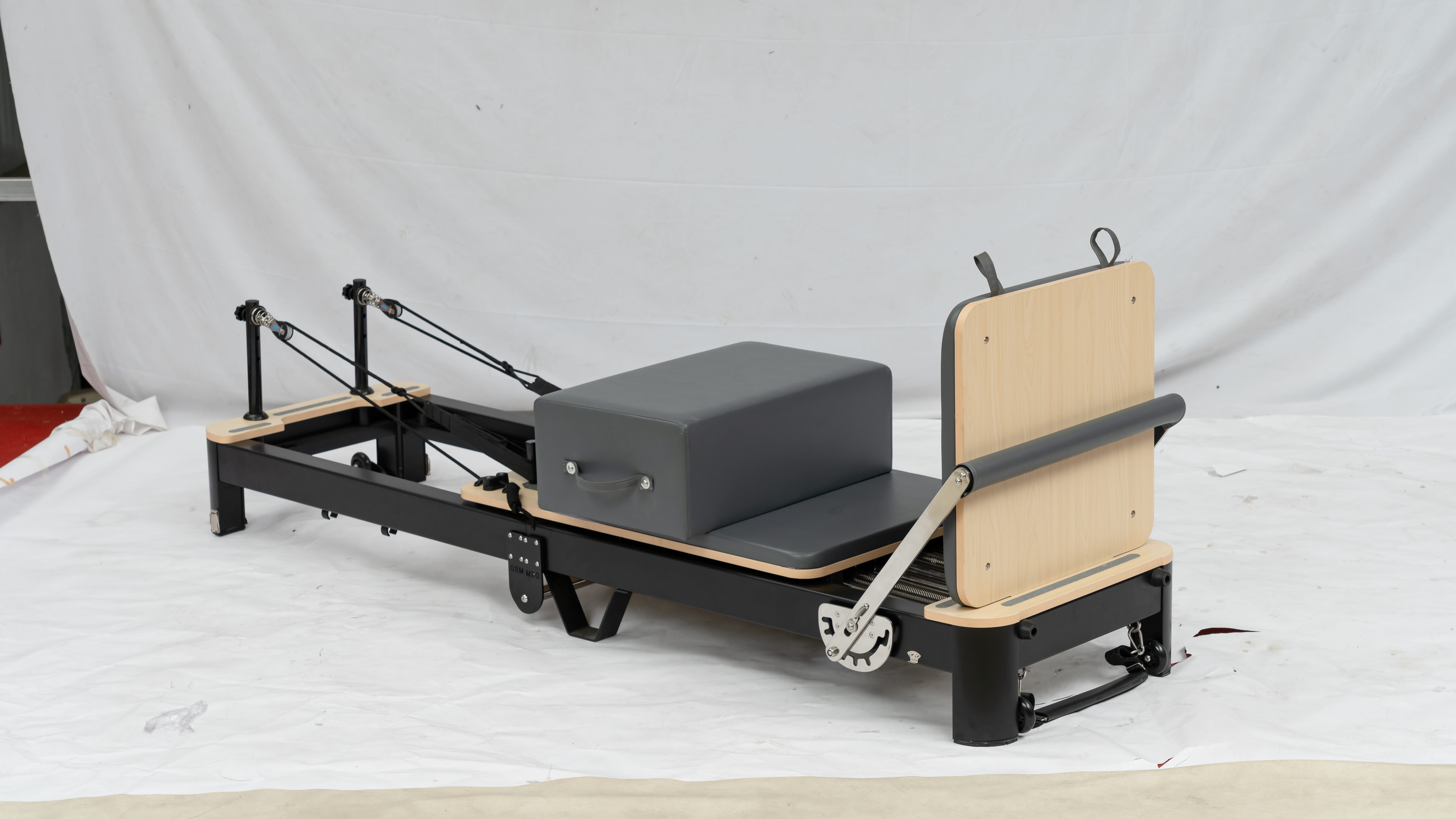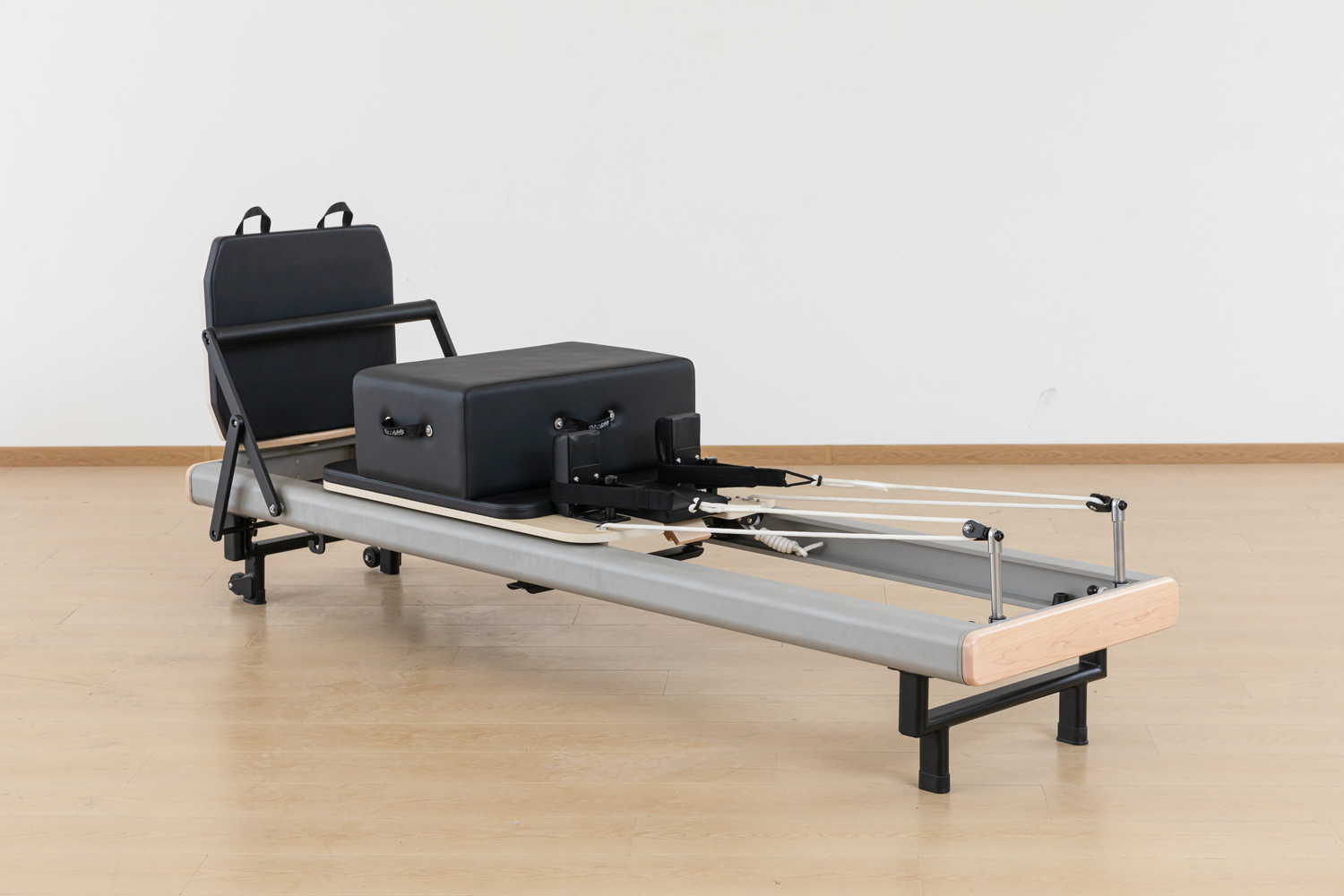
Professional Pilates Equipment for Home and Fitness Studio

The term "professional" applied to Pilates equipment often conjures images of massive Reformers, Cadillacs, and wall-mounted props in commercial studios. Yet more home users and small studios are seeking "professional-grade" equipment — not for status, but because professional equipment means more precise feedback, more durable materials, and a more consistent training experience.
This article breaks down what truly defines professional-grade Pilates equipment across three dimensions: definition, core characteristics, and application scenarios.
I. What Defines "Professional-Grade"?
Professional-grade Pilates equipment is not about "expensive" or "prestigious" — it means the equipment meets verifiable standards in four areas:
Precise Mechanical Feedback: Each spring's force value is precisely calibrated with minimal tolerance. Carriage-to-rail fit is tested to ensure consistent resistance throughout the entire glide. Every adjustment position has a clear, secure lock that won't shift during movement.
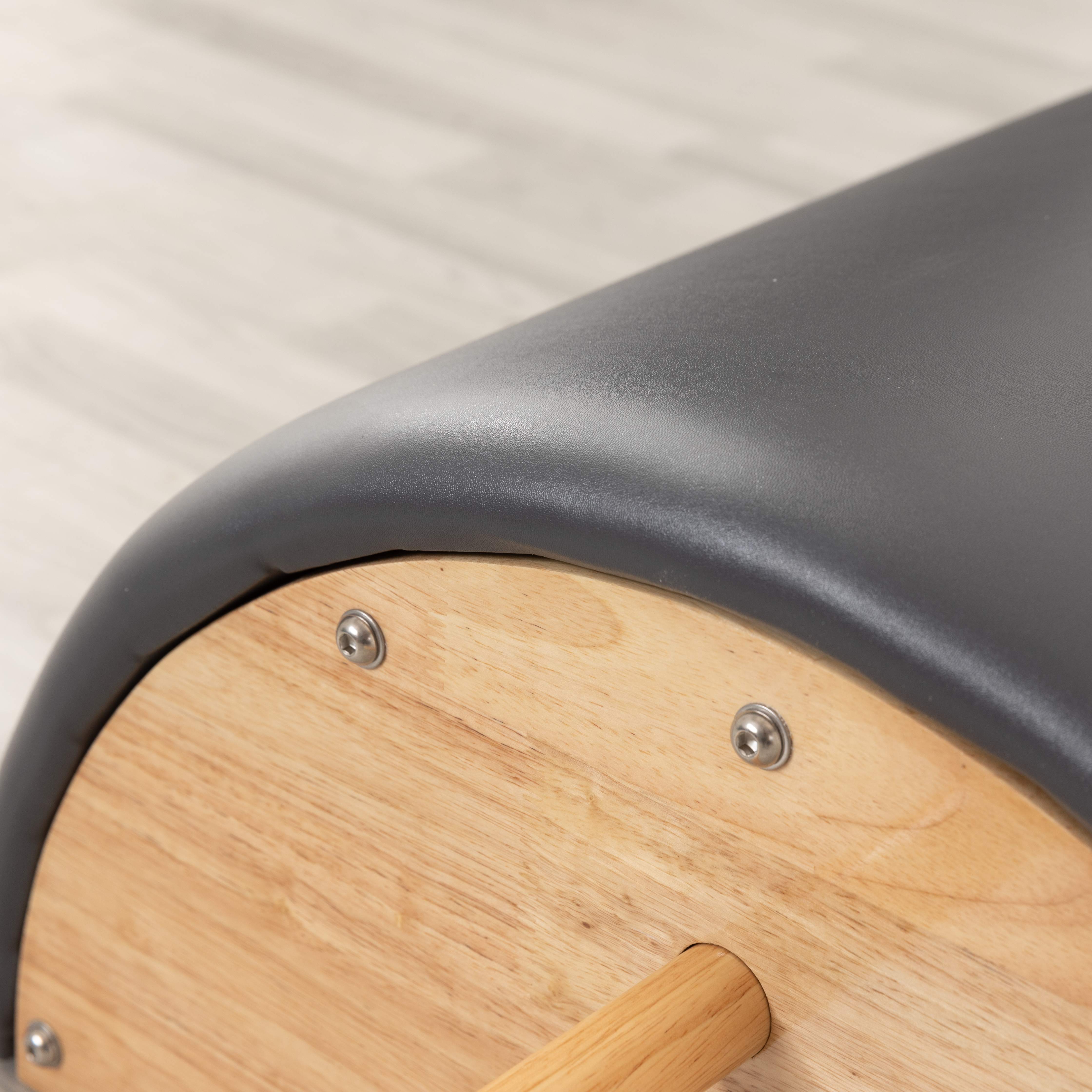
Commercial-Grade Durability: Frame structures and critical components are fatigue-tested to withstand high-frequency use without significant wear. Springs maintain force consistency over tens of thousands of stretch cycles. Upholstery is abrasion-resistant and tear-resistant, capable of handling repeated sweat contact and cleaning.
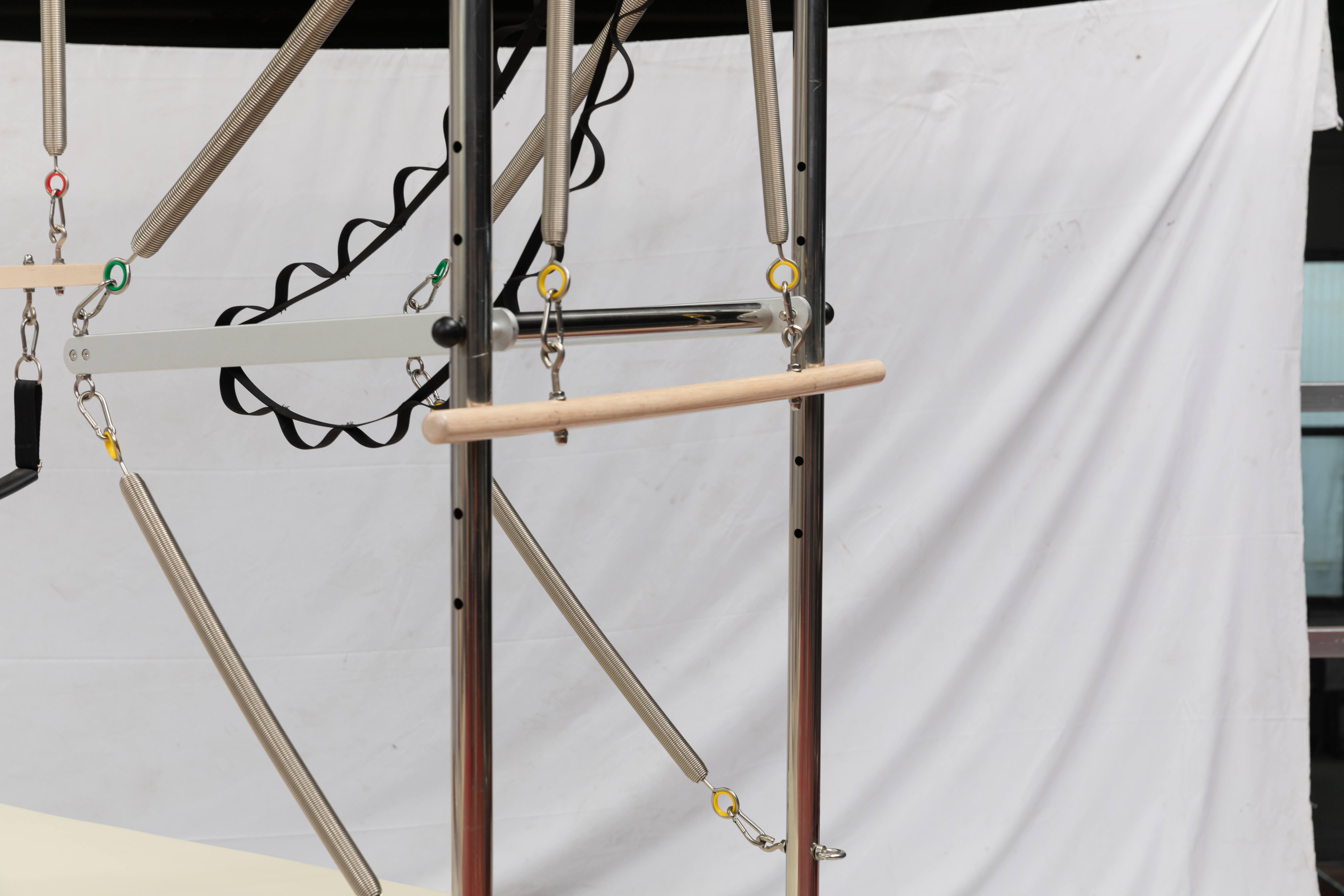
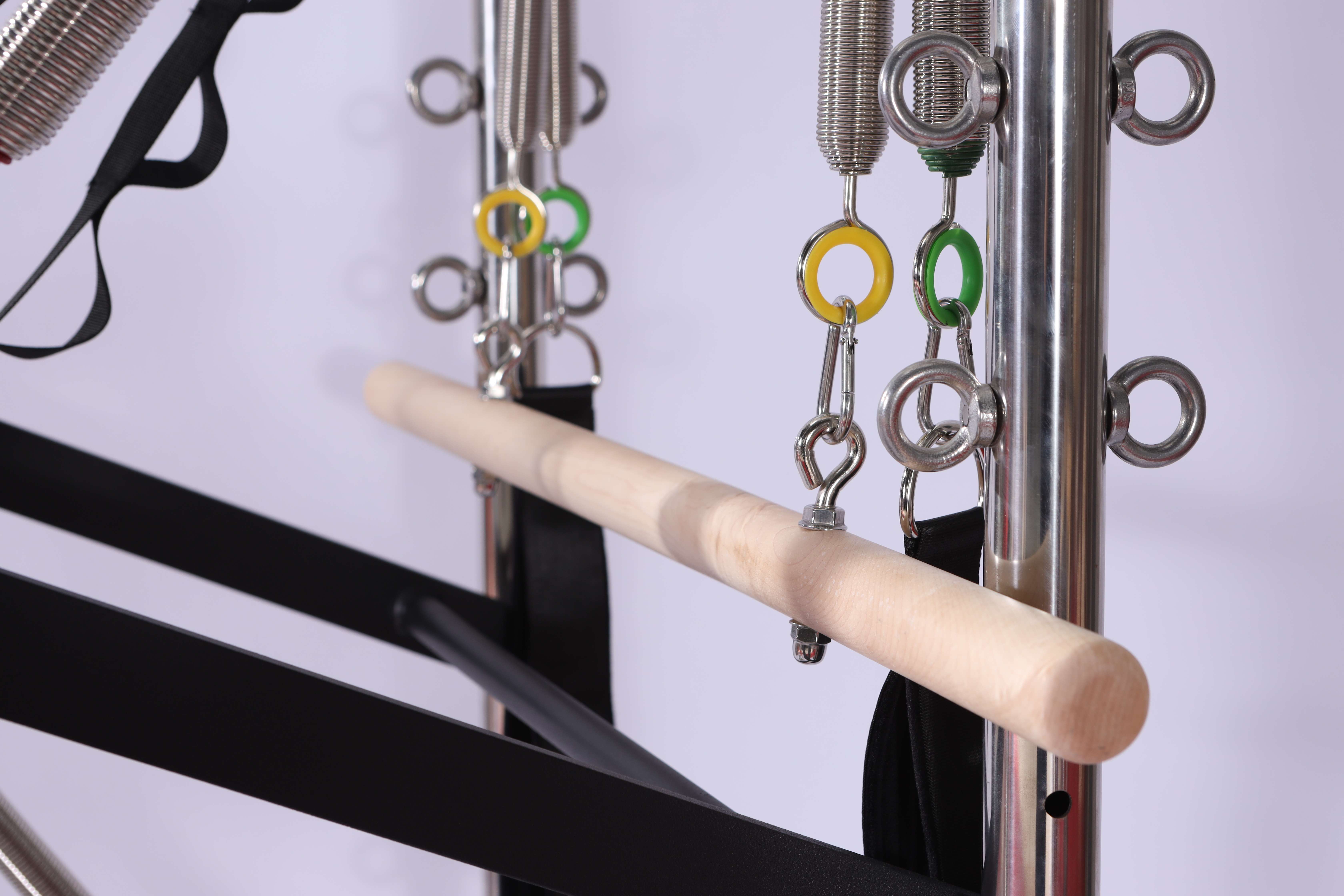
Serviceable Design: Springs are independently replaceable; upholstery can be removed and refurbished; pulleys and ropes are replaceable as consumables. A true professional machine has a "permanent" core frame with "replaceable" wear parts.
Industry Safety Standards: Equipment meets or exceeds ISO 20957-1 (General safety requirements for stationary fitness equipment) and EN ISO 20957-14 (Specific requirements for Pilates equipment). Maximum load capacity, structural stability, and material safety are independently verified.
II. The "Non-Standard" Features of Professional Equipment
Beyond meeting baseline performance standards, professional-grade equipment often includes these "non-standard" features that significantly enhance the experience:
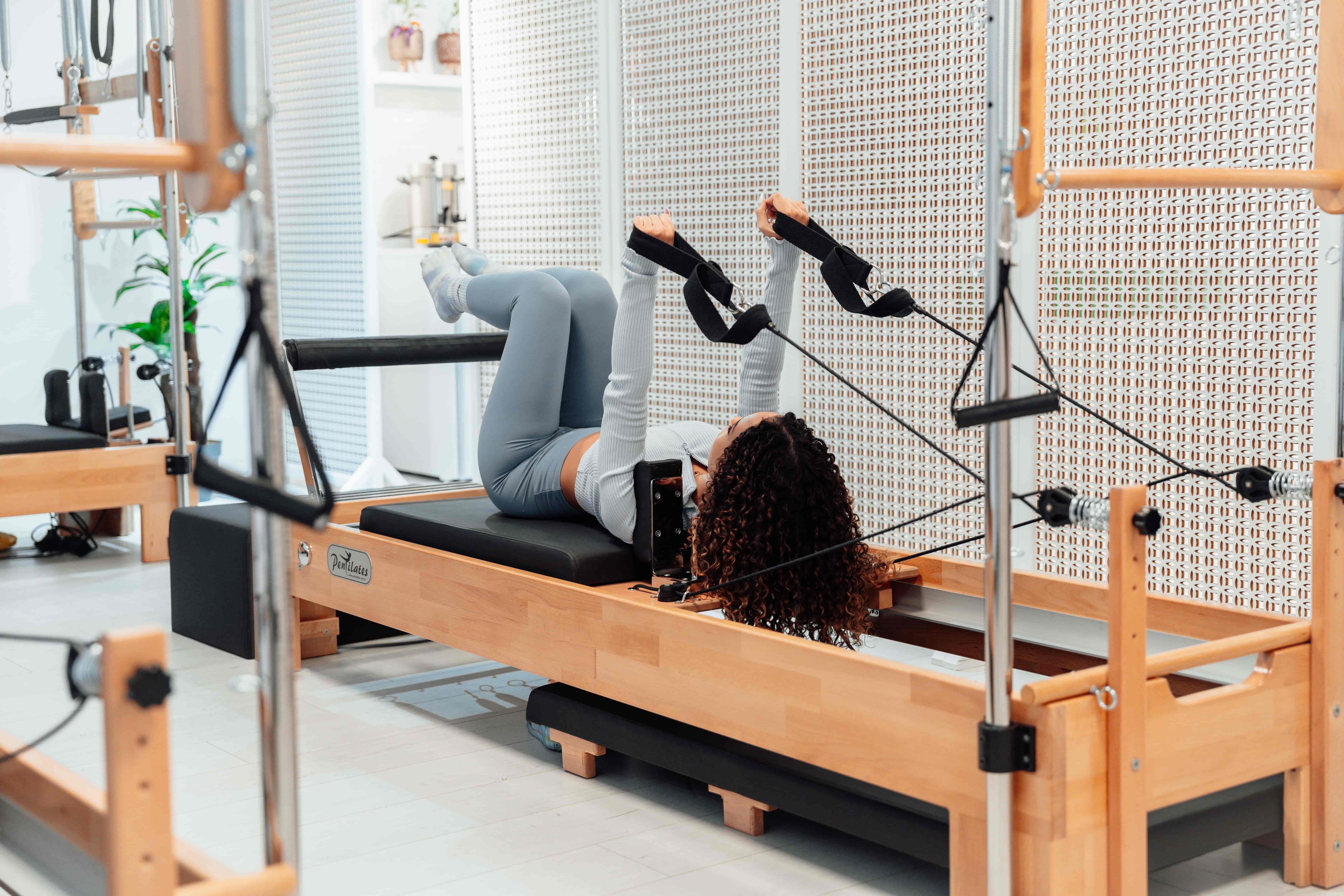
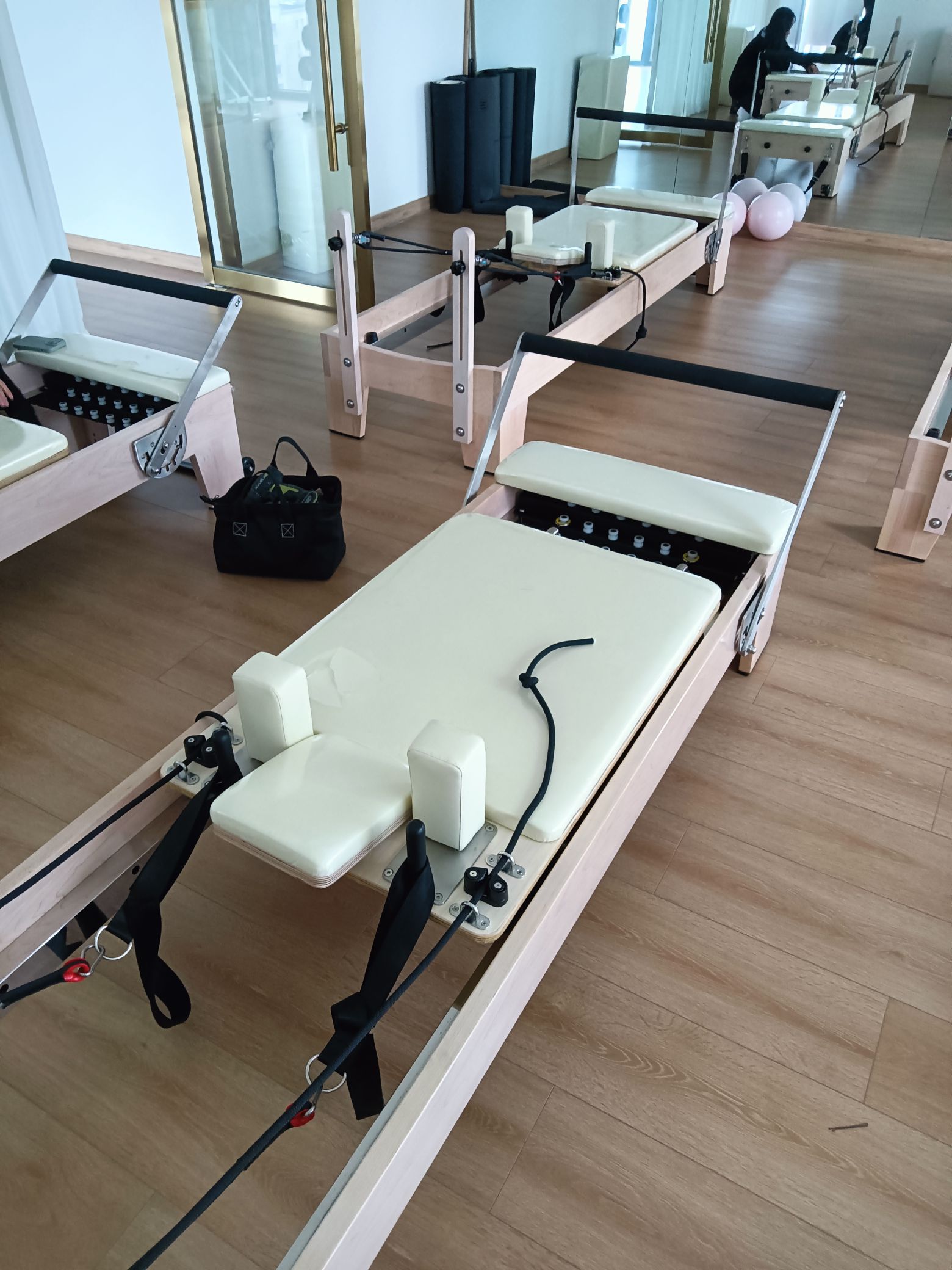
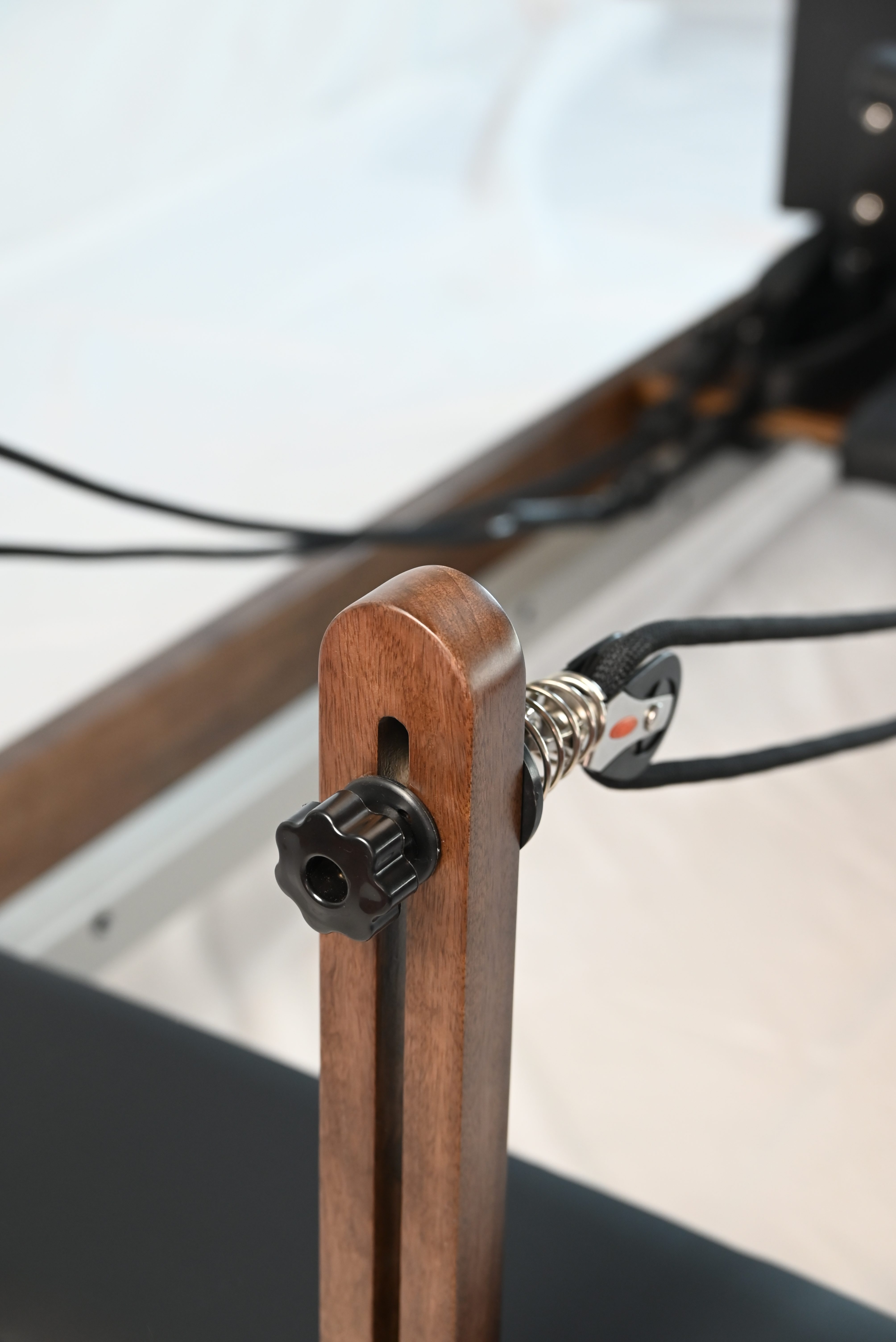
Extended Adjustability: Professional Reformers typically offer 4-7 footbar positions, multiple shoulder rest heights, and fine-tunable rope lengths. These options aren't for "more settings" — they're for precise adaptation to different body sizes, training stages, and exercise requirements.
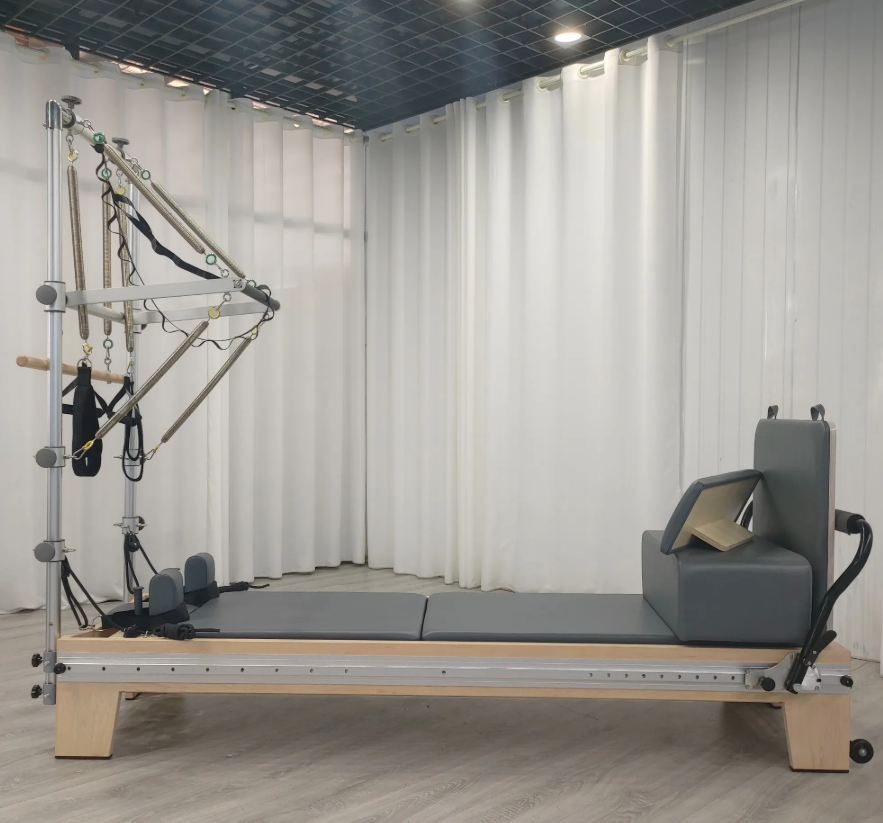
Greater Accessory Expandability: Professional frames include expansion interfaces — allowing Jumpboards, Towers, Boxes, and rope systems to be added. One Reformer can expand to near-Cadillac functionality without purchasing a whole new machine.
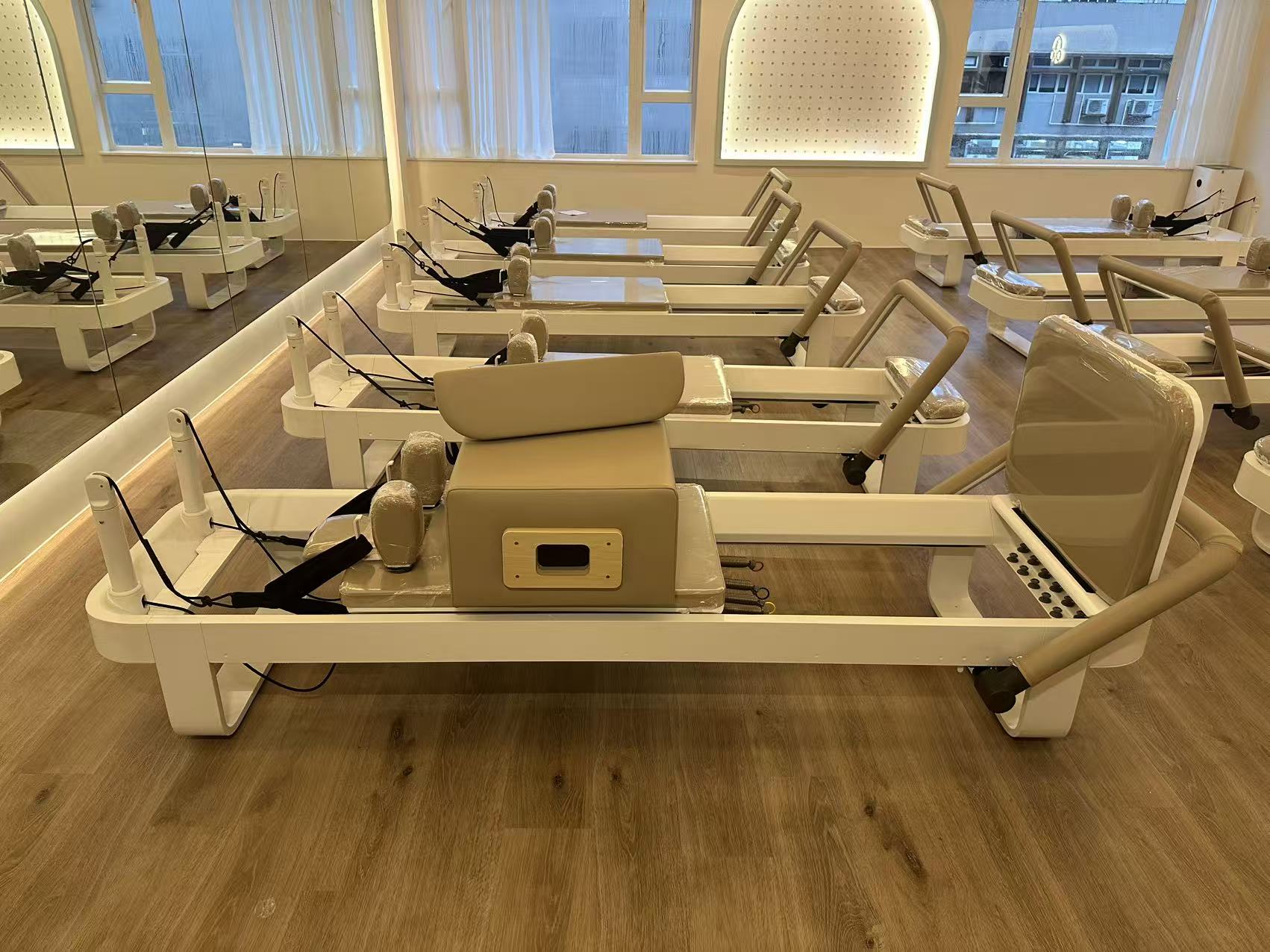
Ergonomic Optimization: Carriage width and length are carefully designed for different body types. Shoulder rest curves and headrest positions account for natural cervical and shoulder alignment. Upholstery thickness and density are tuned to provide support without hardness.
III. Where Does Professional Equipment Fit?
Home Scenario: Long-Term Investment for High-Frequency Practitioners
For users practicing 3+ times per week who want studio-quality training at home, professional-grade equipment is a worthwhile consideration. A professional Reformer can last 10-15 years — annualized cost well below ongoing studio class expenses.
Home-suitable professional equipment typically features stable materials (solid wood or high-strength aluminum alloy), foldable or storable design (≤20cm thickness), and simple construction that doesn't require frequent professional maintenance.
Small Studio Scenario: The Foundation of Quality Reputation
For new sole-proprietor or small Pilates studios, professional equipment is the foundation of a professional image. Clients' first impression of a studio comes from the equipment — the shortest path between "looking professional" and "feeling professional."
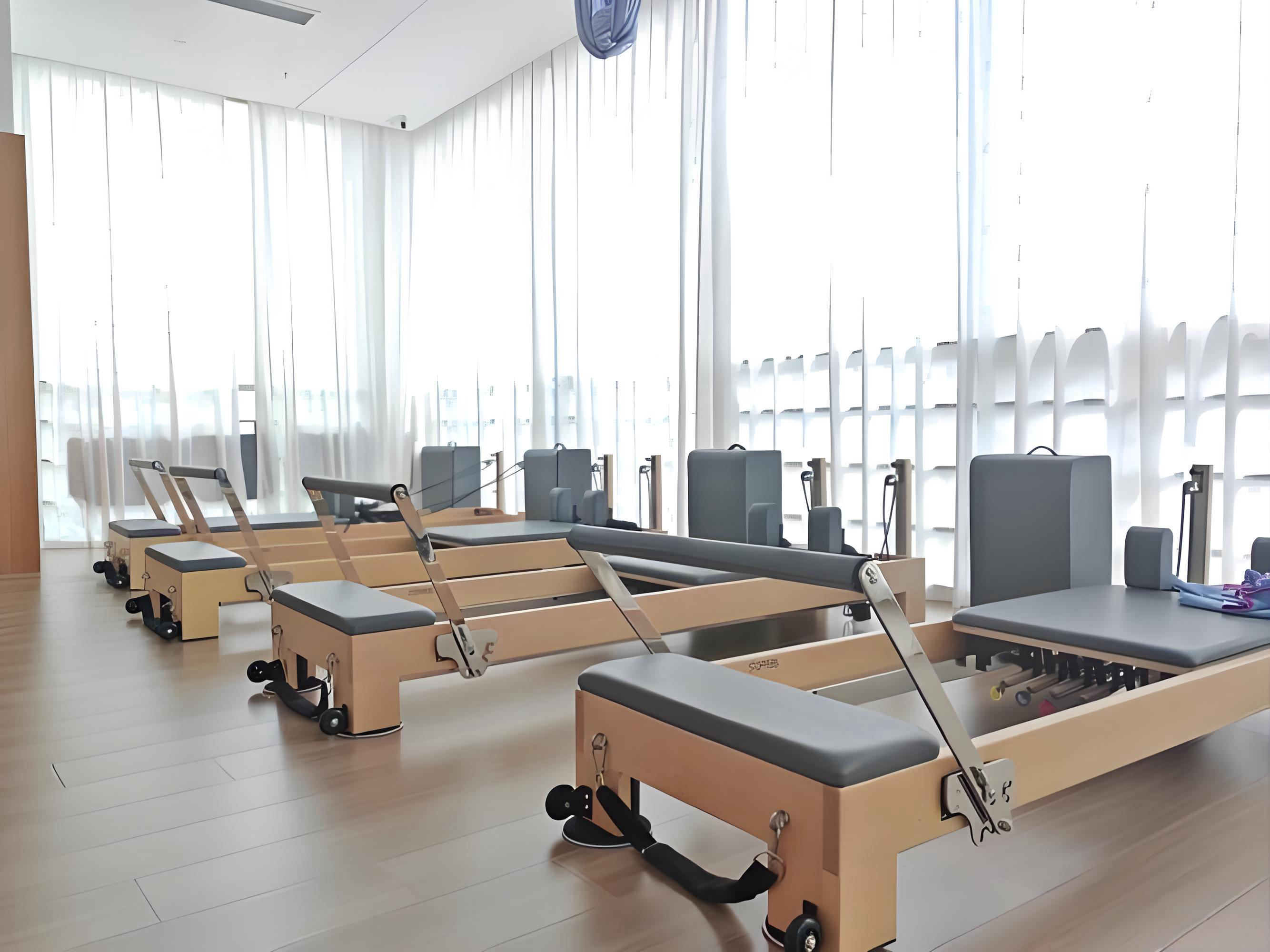
Small studios typically start with 3-6 Reformers, 1-2 Cadillacs, and a prop assortment. The Reformer brand and model define the studio's quality positioning — choosing industry-validated brands is an effective risk-reduction strategy.
IV. How to Assess Whether Equipment Is Professional-Grade
Without professional testing tools, these simple methods can help assess quality:
Glide Smoothness Test: Push the carriage at moderate force and feel for resistance changes throughout the glide. Smooth, consistent movement without step-like resistance or noise indicates rail and pulley system precision.
Spring Consistency Test: Compare the feel of same-spec springs in different positions on the same machine. If both sides feel similar, spring force consistency is well-controlled.
Stability Test: Perform quick lateral movements or alternating pushes on the carriage — observe whether the equipment wobbles or shifts. Professional equipment's stability should make you forget the equipment is "moving" at all.
Adjustment Lock Test: Adjust footbar, shoulder rests, or headrest to a position, then apply force typical during training — check for displacement. Professional adjustment mechanisms lock solidly without movement.
V. The "Gray Area": Between Home and Professional
There's a category between "home-grade" and "commercial-grade" often called "semi-professional" or "light-commercial." These meet professional standards in core performance but compromise somewhat on material durability and serviceability. They suit home users practicing 2-4 times weekly or new studios on a budget. If budget is limited and usage moderate, semi-professional is a reasonable balance. However, if the goal is long-term use (5+ years) or high-frequency use (multiple daily users), investing directly in professional-grade equipment is ultimately more economical.
Summary: Professional Pilates equipment is not about "expensive" — it's about "reliable." It's the infrastructure that lets you train each time without wondering if the equipment is stable, the springs accurate, or the adjustments locked. For high-frequency home practitioners, it's a long-term investment. For studios, it's the foundation of quality reputation. Don't be misled by "home" vs. "commercial" labels — what truly matters are the four core dimensions: glide smoothness, spring consistency, structural stability, and serviceability.