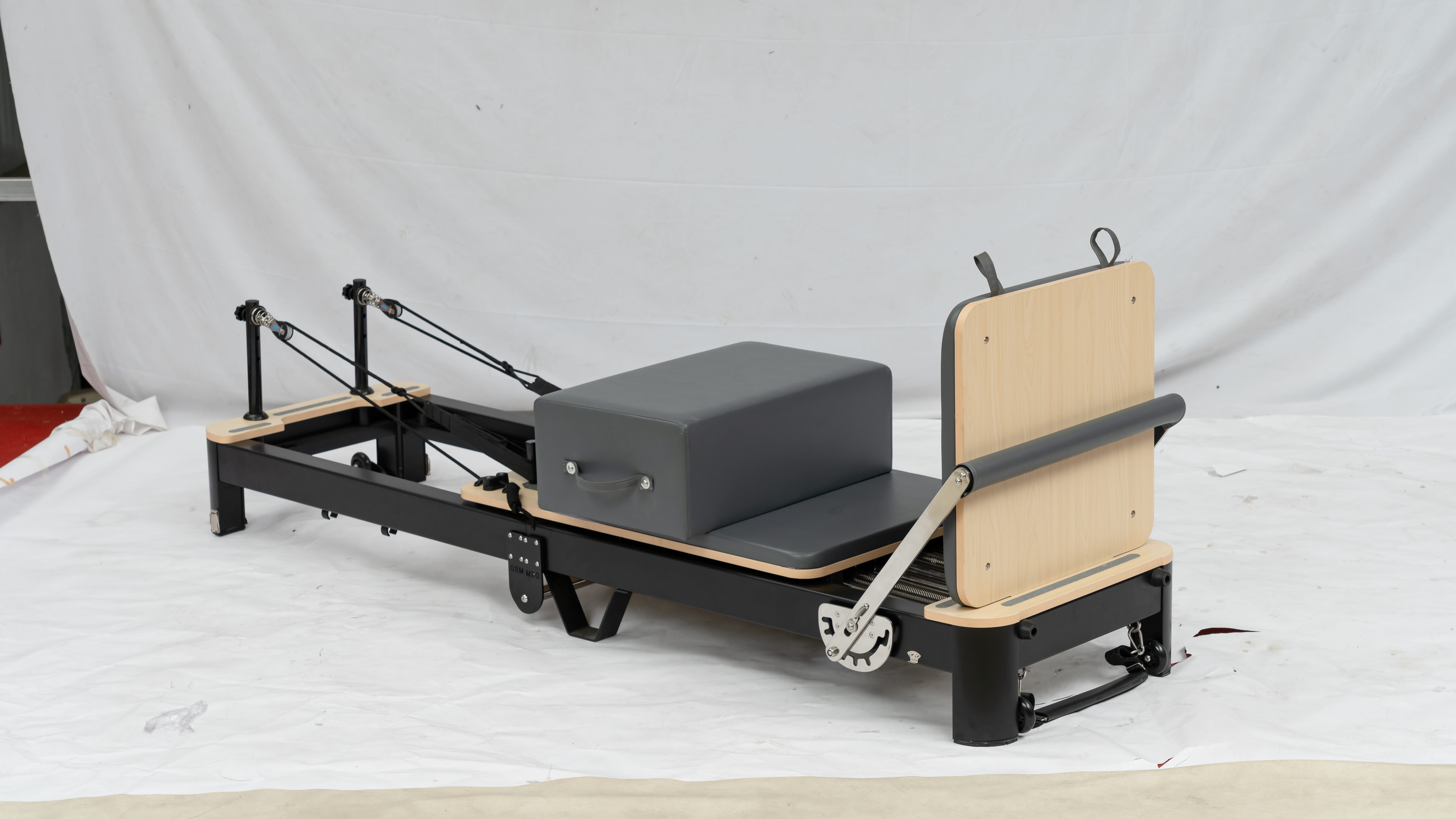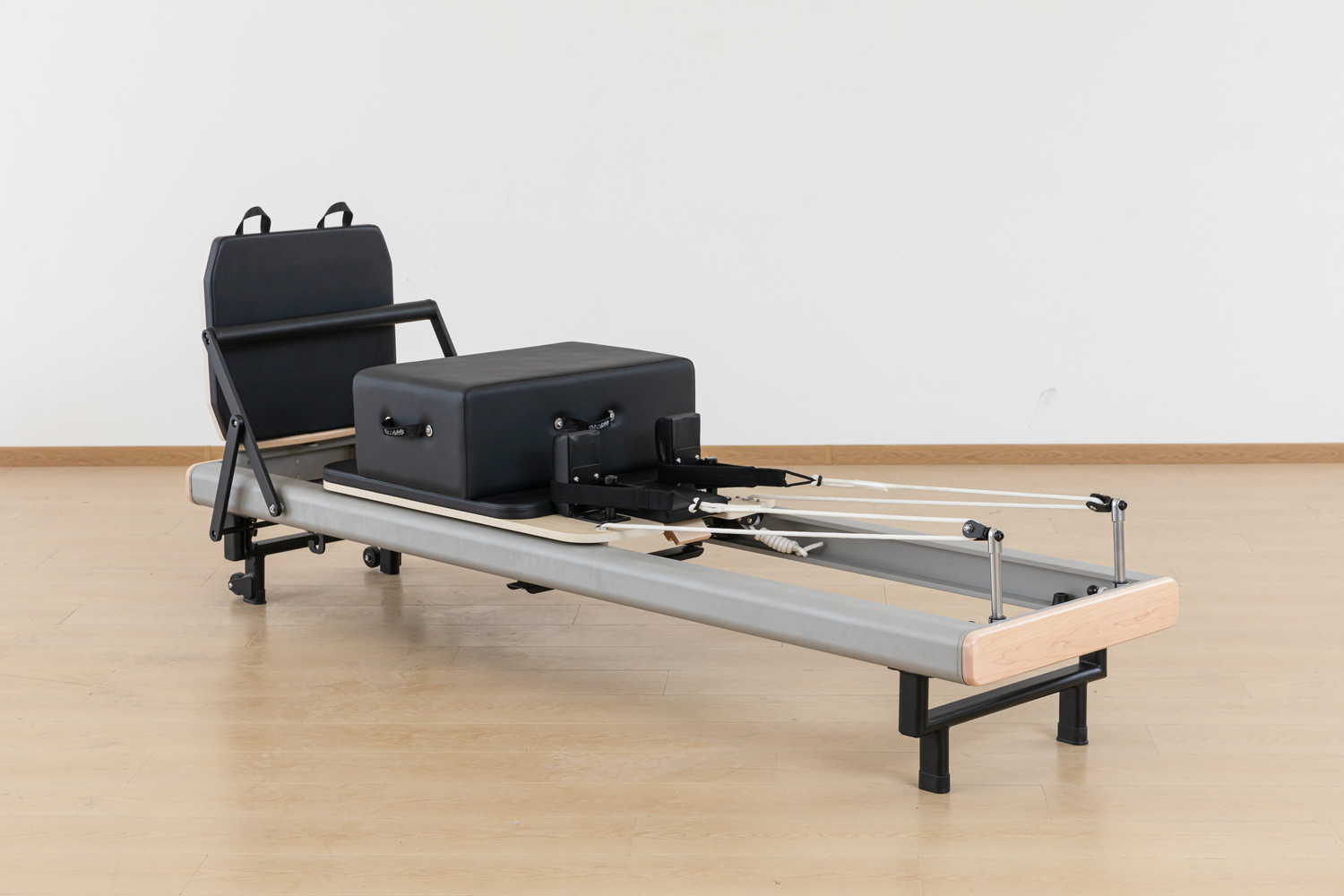
Commercial Grade Pilates Reformer for Fitness Studios
The Pilates Reformer is the centerpiece of any fitness studio and represents the largest single equipment investment. Unlike home equipment, commercial-grade reformers must withstand 8 to 12 hours of daily use, accommodate clients of all body types, and maintain consistent performance for years without frequent repairs. This article covers the core characteristics of commercial equipment, key selection criteria, and cost considerations to help studio owners make informed procurement decisions.
I. What Separates Commercial-Grade from Home Reformers
The difference between commercial-grade and home reformers isn't just price — it's fundamental engineering and material standards.
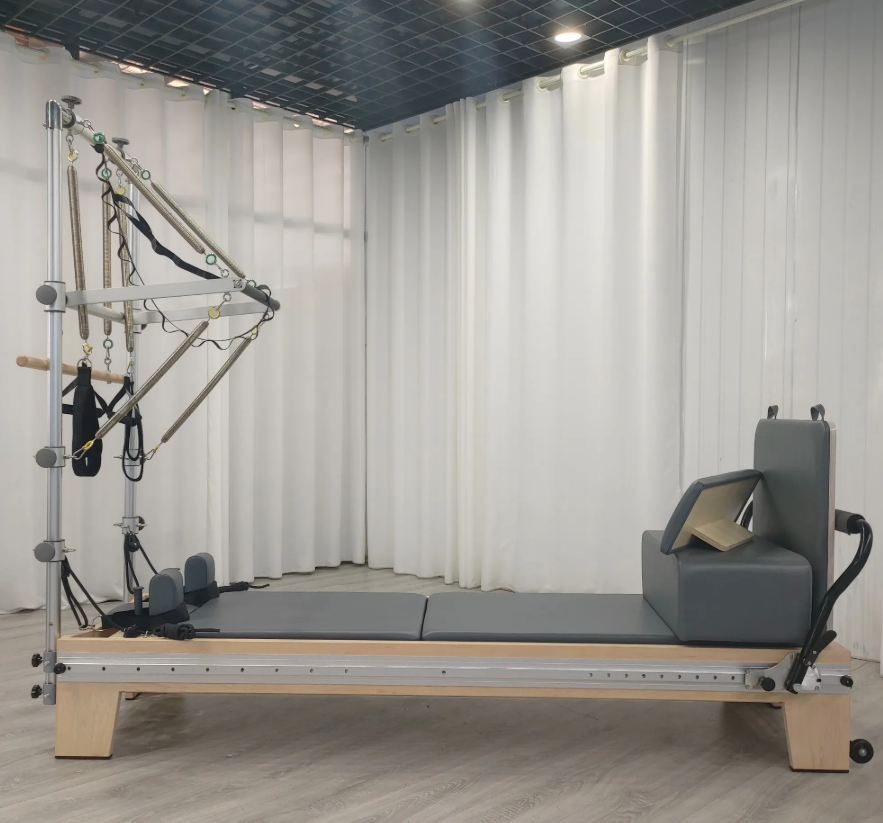
Frame construction and load capacity is the primary distinction. Commercial equipment uses heavy-gauge steel or high-strength aluminum alloy frames with weight capacities typically exceeding 150 kg (330 lbs). Home models often use lighter aluminum or standard steel that flexes under heavy use.
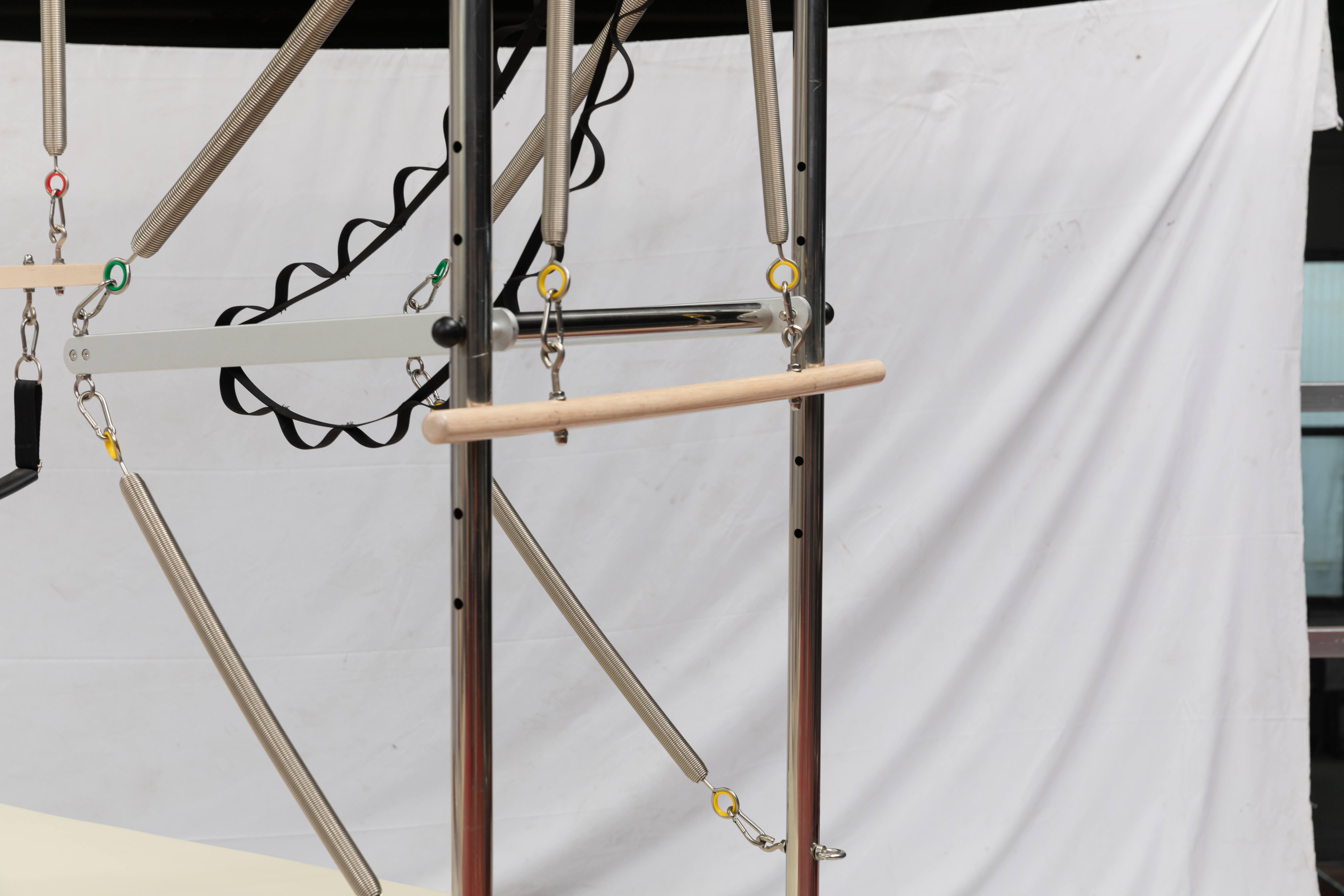
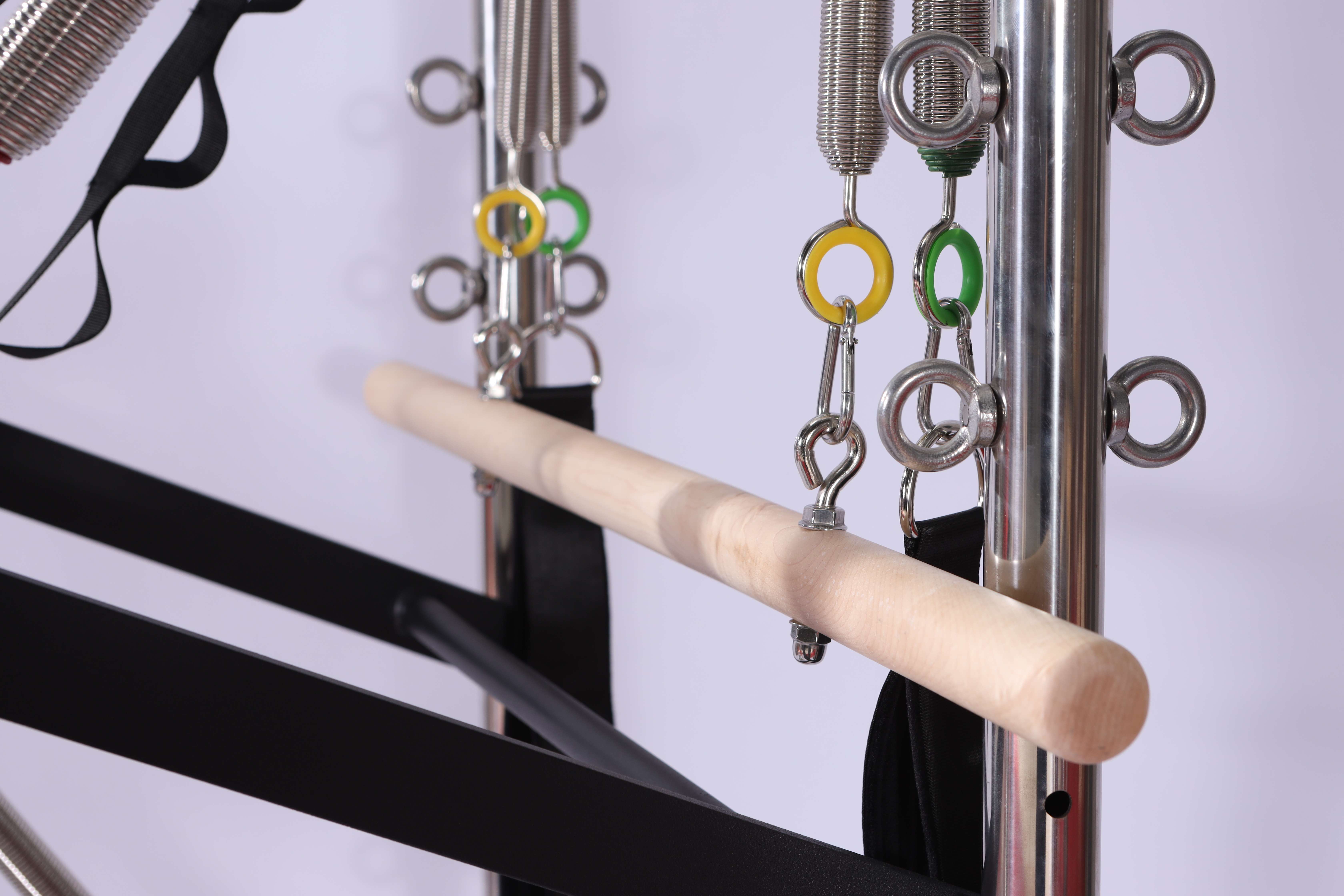
Spring system durability is equally critical. Commercial-grade springs are rated for 50,000+ cycles, while springs on home reformers may need replacement after 5,000 to 10,000 uses. Premium commercial reformers use German-made piano wire springs with precise, consistent resistance.
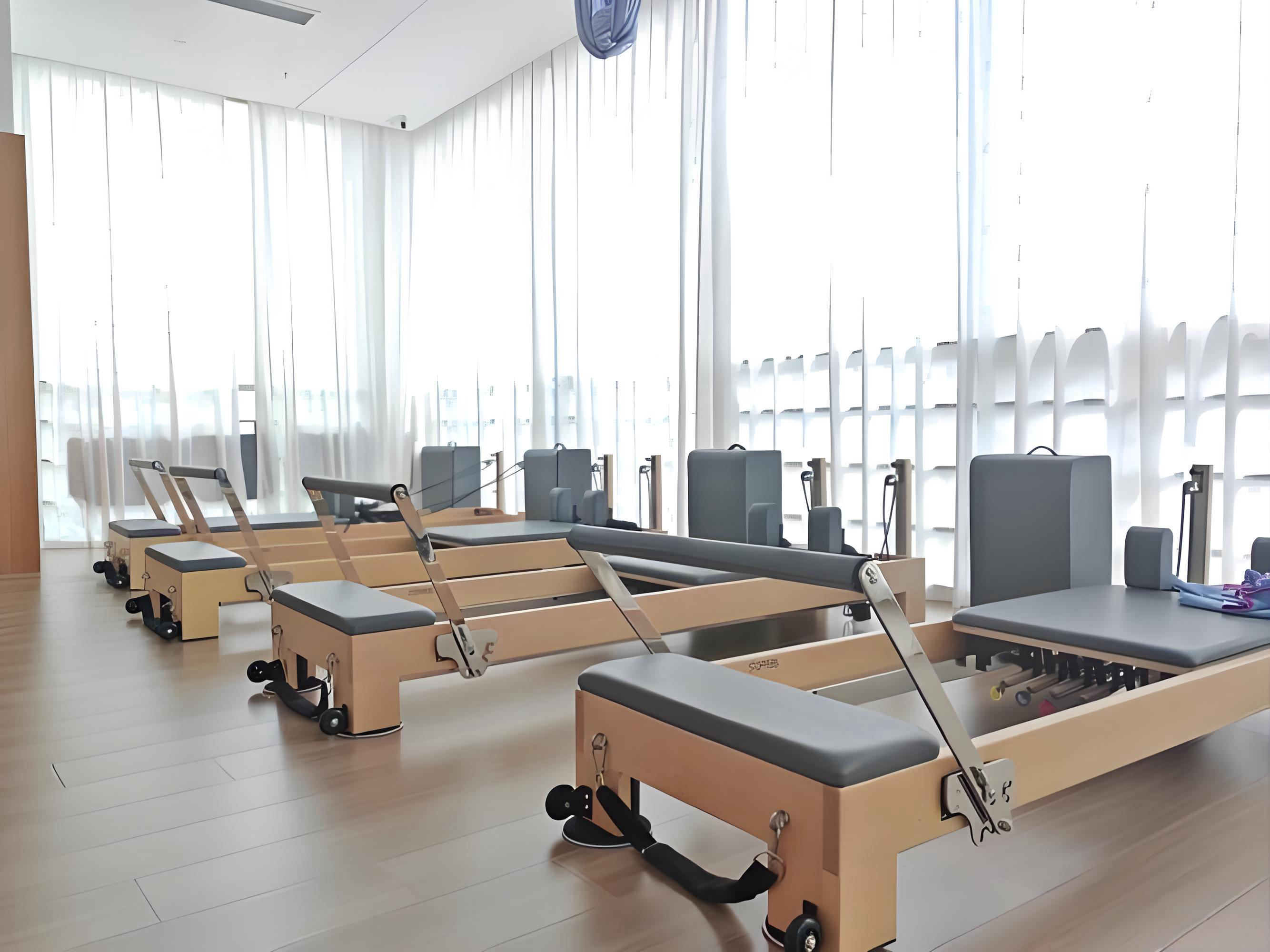
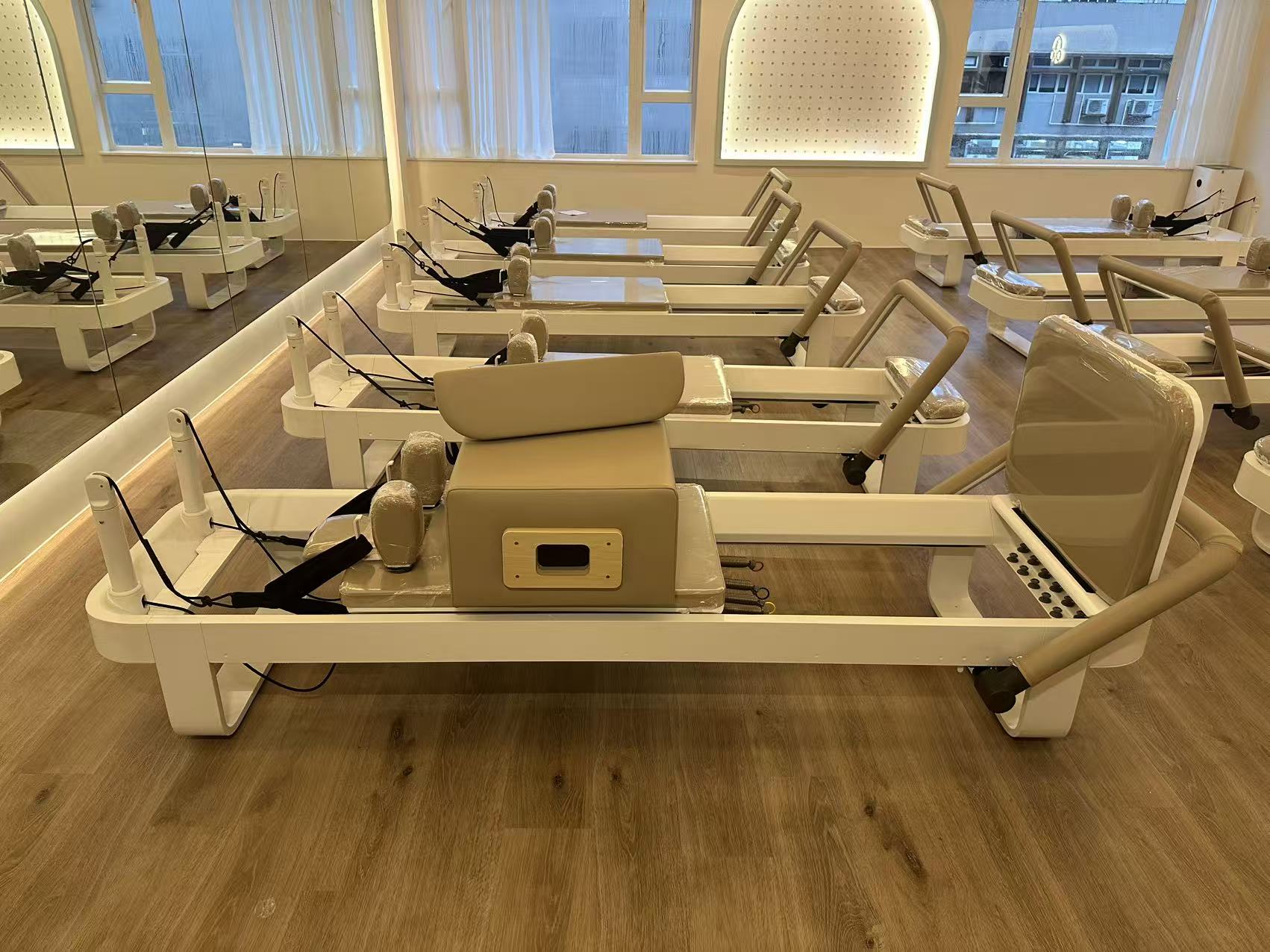
Carriage smoothness directly affects training experience. Commercial equipment typically features 8-wheel carriage systems with precision bearings and self-lubricating rails, ensuring quiet, smooth operation even under full load. Some premium models incorporate silent wheel designs — particularly important in studio environments where 8 to 12 reformers may run simultaneously, amplifying any squeak or rattle.
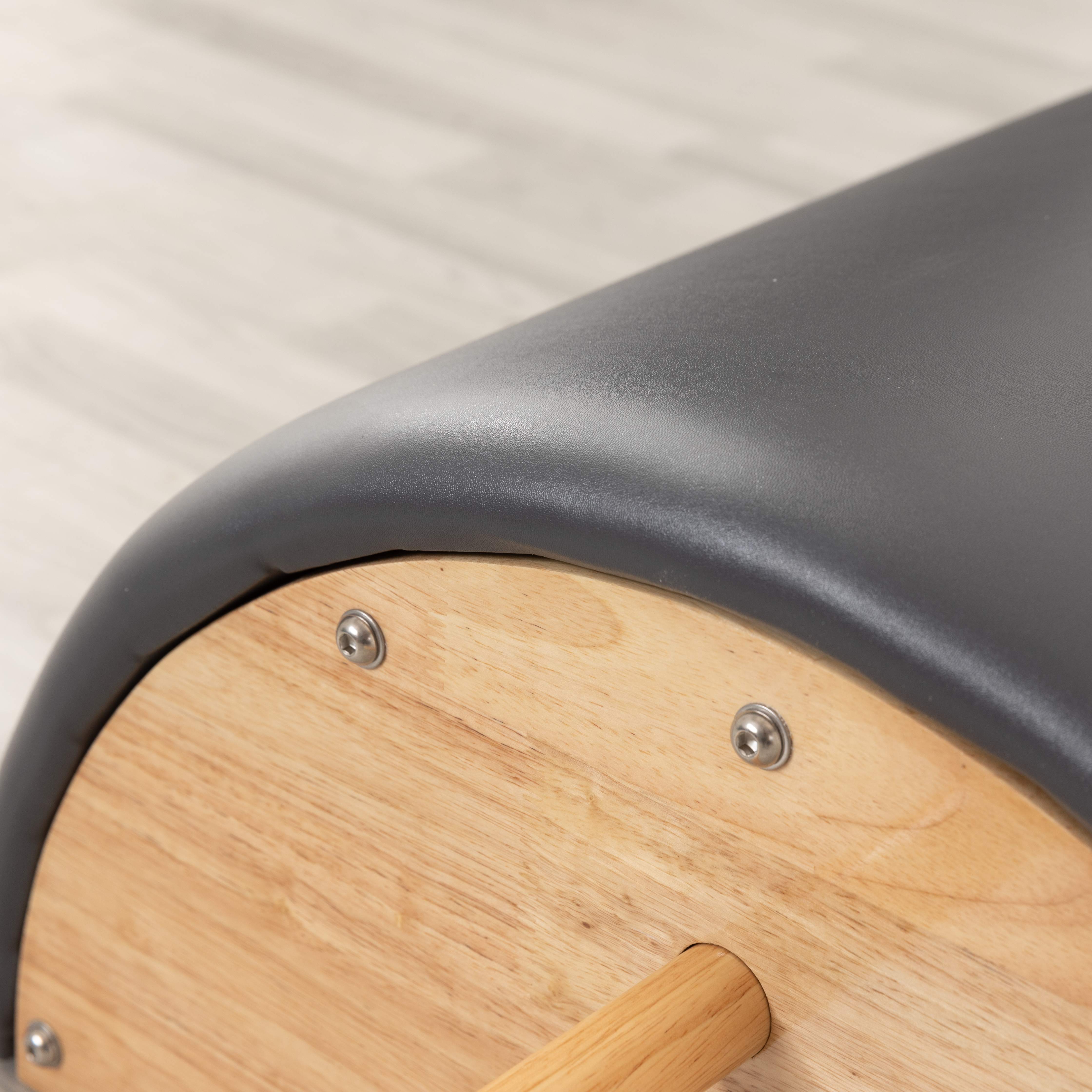
Upholstery grade matters for durability. Commercial-grade vinyl is antimicrobial, sweat-resistant, and designed for easy cleaning between classes. Home upholstery wears through much faster under the same usage intensity.
II. Key Selection Criteria for Commercial Reformers
When evaluating commercial reformers, focus on these five dimensions:
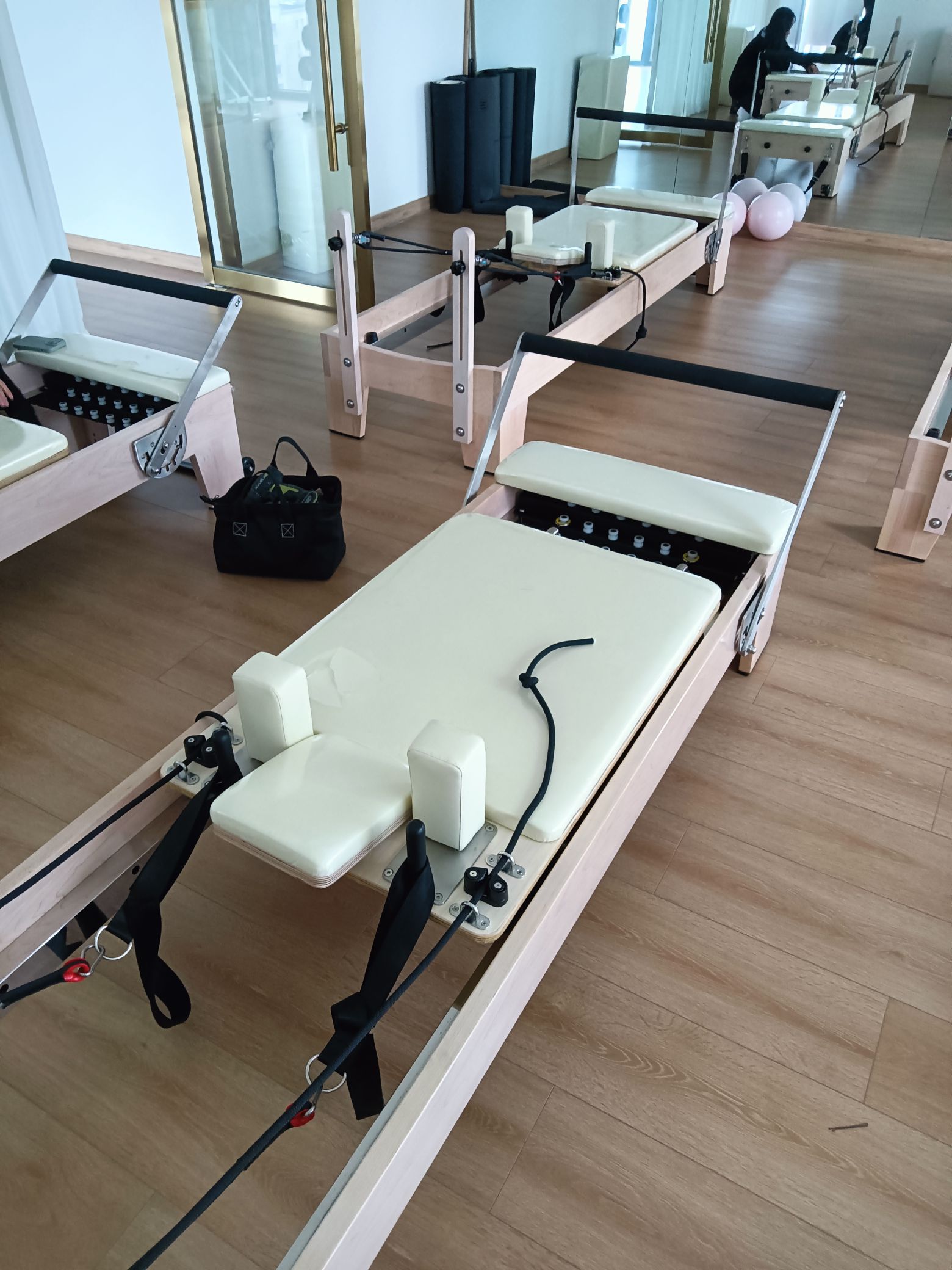
Carriage travel and bed dimensions: Full-length travel should be at least 100 cm, with bed length approximately 240 cm and width approximately 65 cm. Sufficient travel and a wide bed ensure tall clients aren't restricted during full-body extension exercises.
Spring resistance range: At least 4 to 5 spring configurations to accommodate beginners through advanced clients. Premium models feature 6-spring systems for finer resistance adjustment.
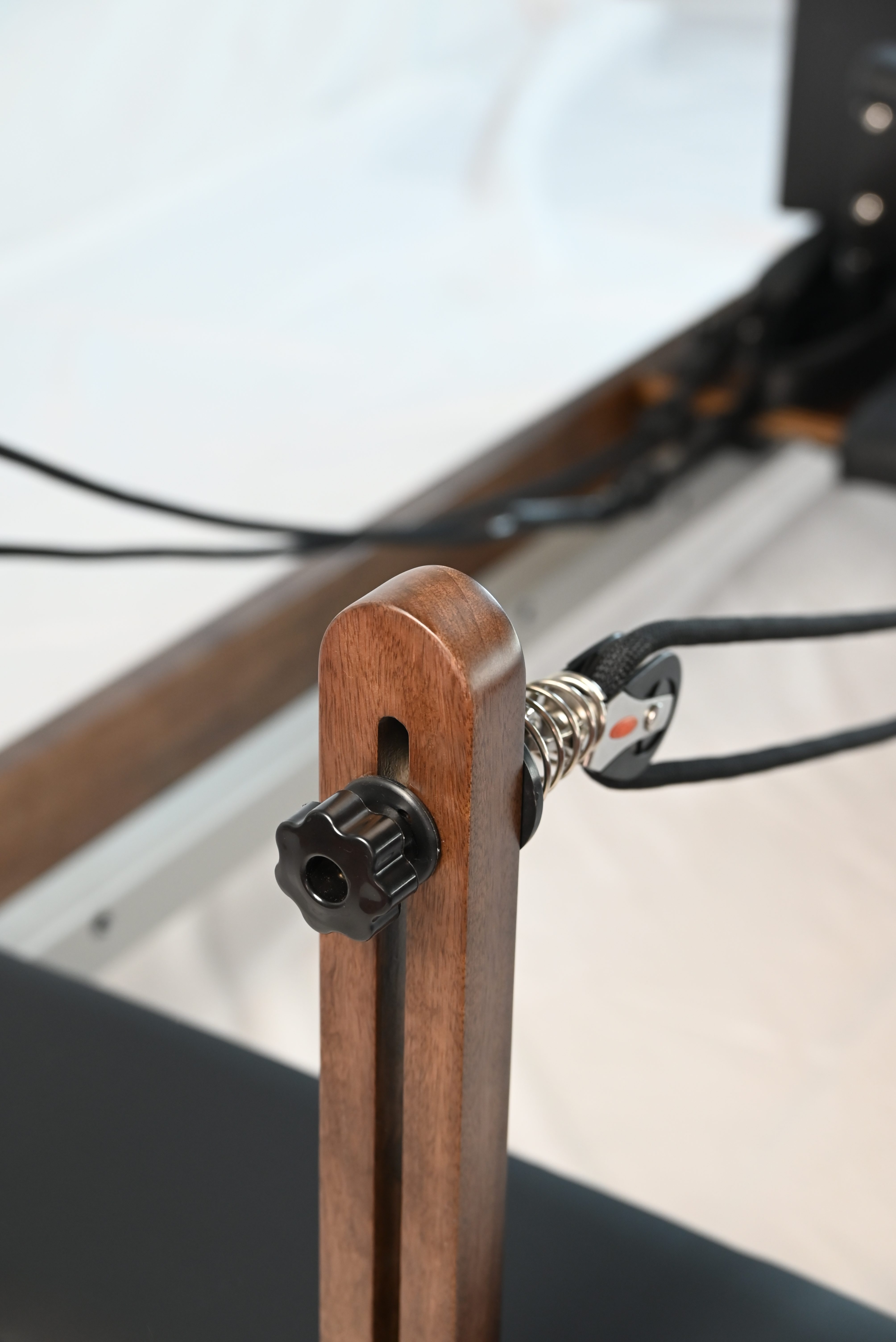
Adjustability convenience: The footbar should support multiple quick-adjust positions, headrest should have 3+ angle settings, and shoulder rests should be removable or lockable. Quick adjustments significantly improve efficiency in group class settings with clients of varying sizes.
Noise and smoothness performance: Glide noise is easily overlooked but critically important. Commercial-grade reformers should operate nearly silently under full load, with only minimal rolling sound. Physical testing is strongly recommended before purchase.
Warranty and after-sales support: Frame warranties typically range from 5 to 10 years, with moving parts covered for approximately 2 years. Verify local after-sales support and parts availability before purchasing.
III. Commercial Reformer Price Ranges (2026 Market)
Based on 2026 market data, commercial-grade reformers fall into these general price tiers:
Entry-Level Commercial ($3,000–$4,000) : Suitable for startup studios with lower class volumes. Quality in this range has improved significantly in recent years, adequate for daily operations.
Mid-Range Commercial ($4,500–$5,500) : The sweet spot for most established studios. Products from reputable manufacturers with proven durability, good ergonomics, and best value for money.
Premium Commercial ($6,000+) : Flagship products from legacy brands with top-tier build quality, smoothest carriages, and strongest resale value.
Mid-range products priced in CAD range from approximately CA$3,400 to CA$3,550, with premium models around CA$4,300. For a studio with 8 reformers, budget $24,000–$44,000 for reformers alone. Volume discounts are common — always inquire.
IV. Studio Equipment Configuration Recommendations
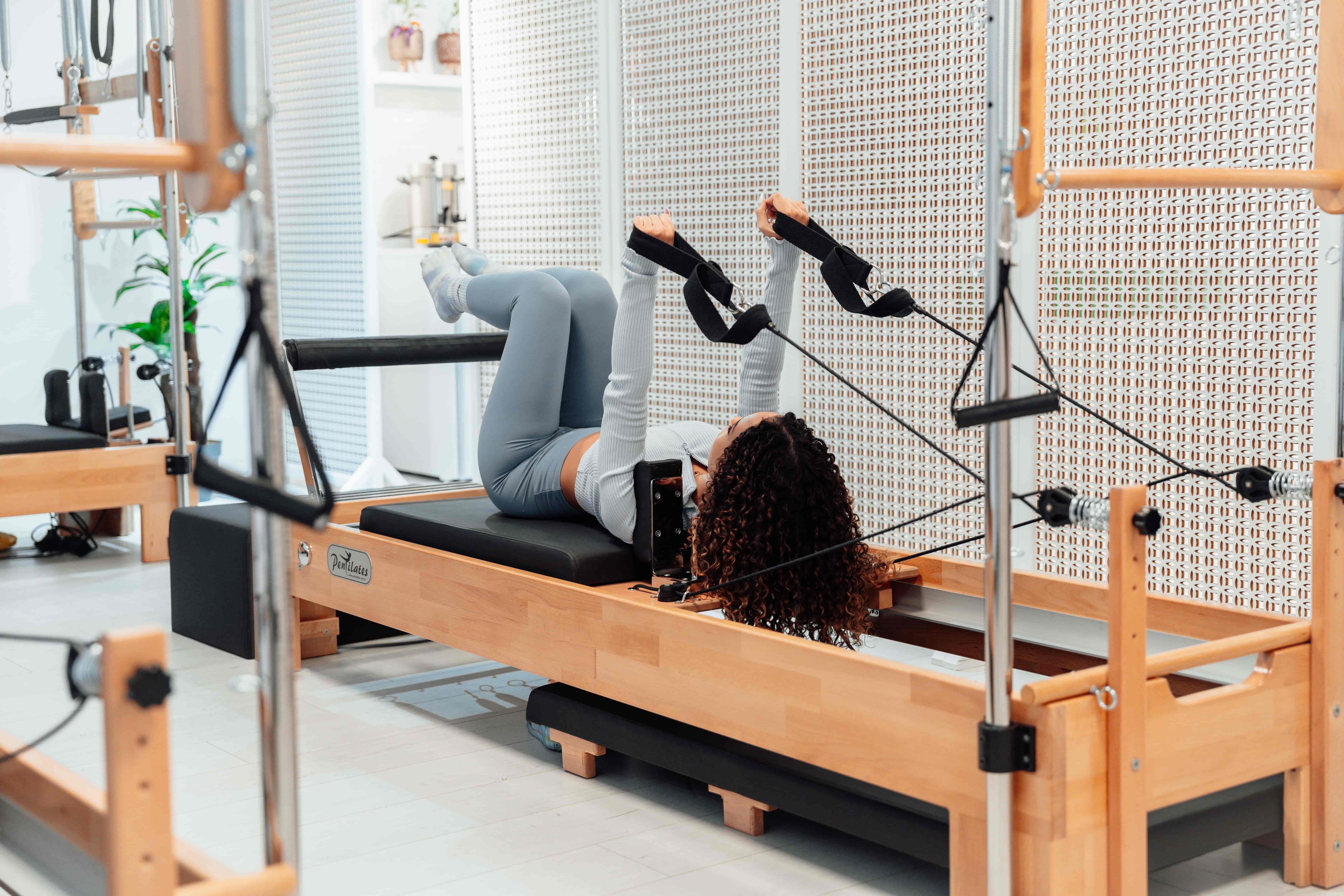
The Reformer is the absolute standard equipment for commercial Pilates studios and the most widely used apparatus. Small boutique studios typically start with 1 to 2 reformers, supplemented by chairs, barrels, and other equipment, expanding as the business grows.
For private-focused studios, 4 to 6 reformers with 2 to 3 chairs and 3 to 4 spine correctors provide a complete program offering. Group class studios can configure 8+ reformers with accessories like Jumpboards and Cardio-Tramp rebounders for class variety.
In terms of brand selection, Balanced Body and Merrithew are industry benchmarks known for high quality and extended warranties. In recent years, emerging brands have also offered commercial-grade quality at more competitive price points. Physical testing is recommended — focus on glide smoothness, noise levels, and adjustment convenience.
Summary: Choosing commercial-grade Pilates reformers is fundamentally an investment in long-term reliability. The differences in frame strength, spring durability, carriage precision, and upholstery quality directly determine whether a studio can maintain consistent class experience under daily high-frequency use. Prioritize four core metrics: load capacity (150kg+), spring life (50,000+ cycles), carriage travel (100cm+), and warranty terms (5-10 years on frame) . A well-chosen reformer will serve a studio through more than a decade of operation.