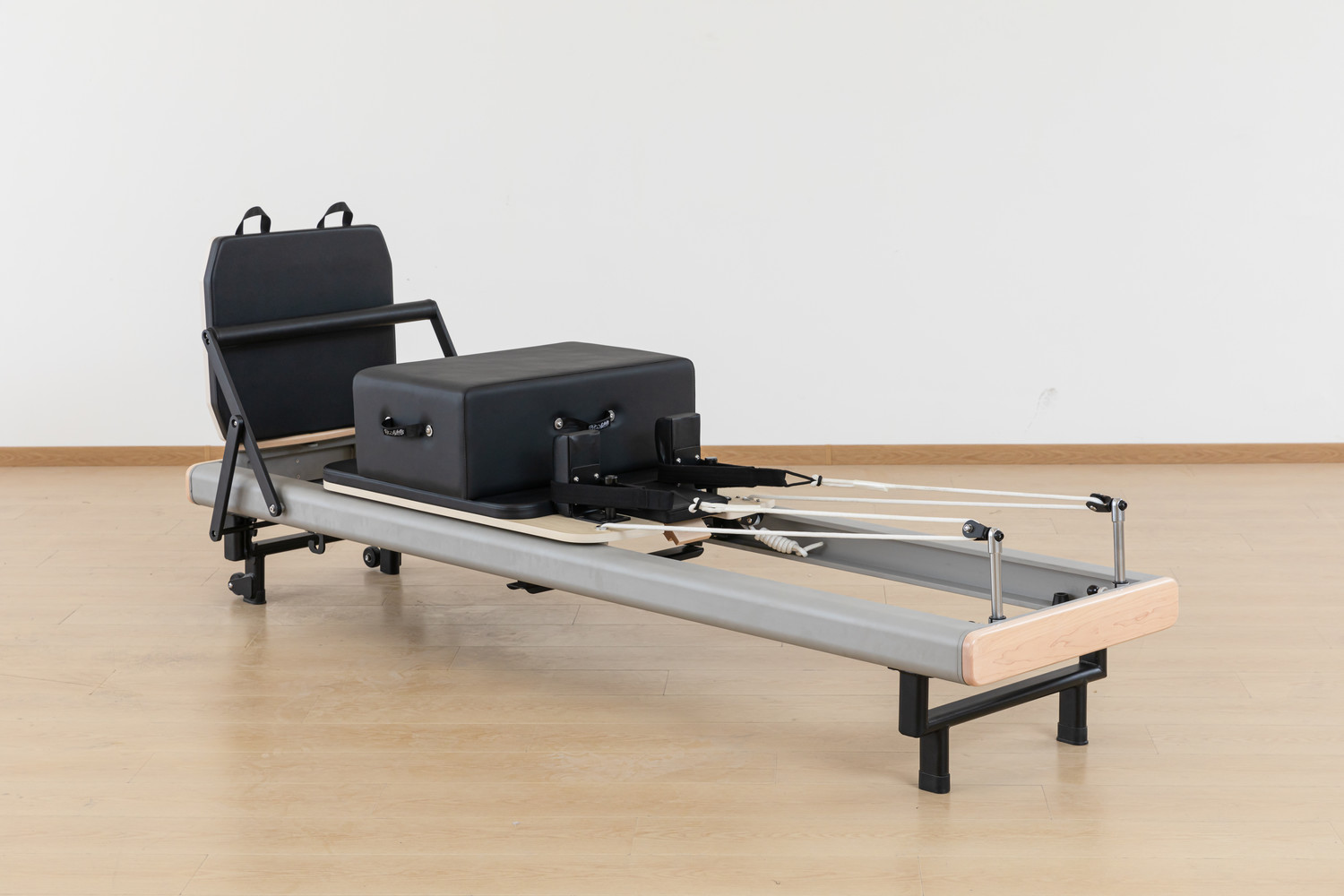
How to Avoid Hidden Customs Fees When Importing Custom OEM Pilates Accessories to Europe
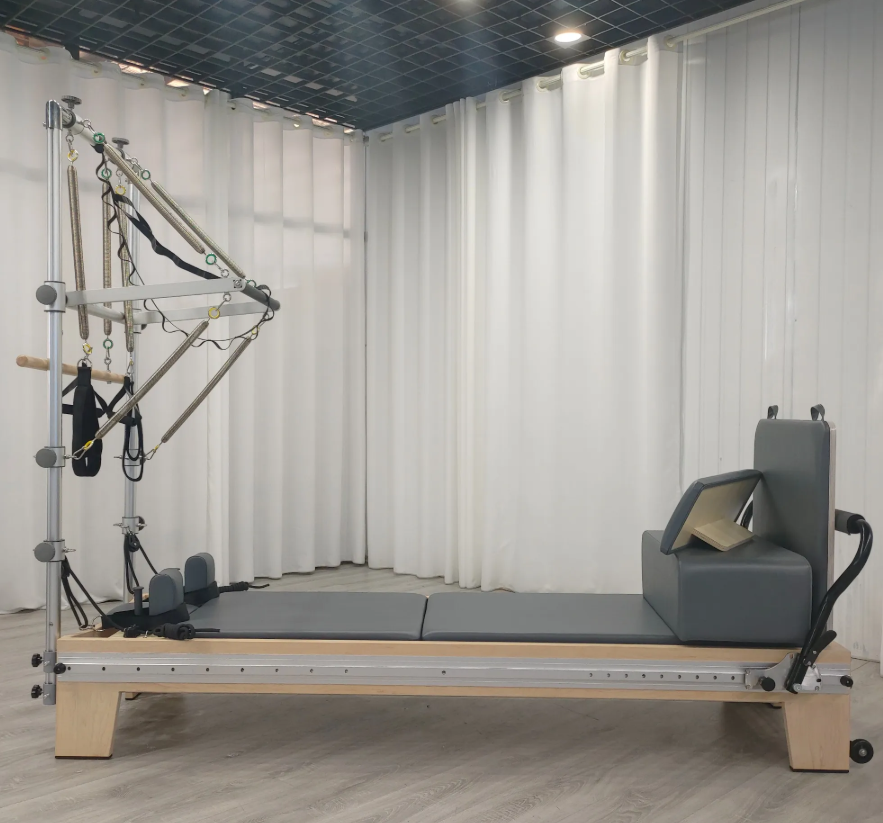
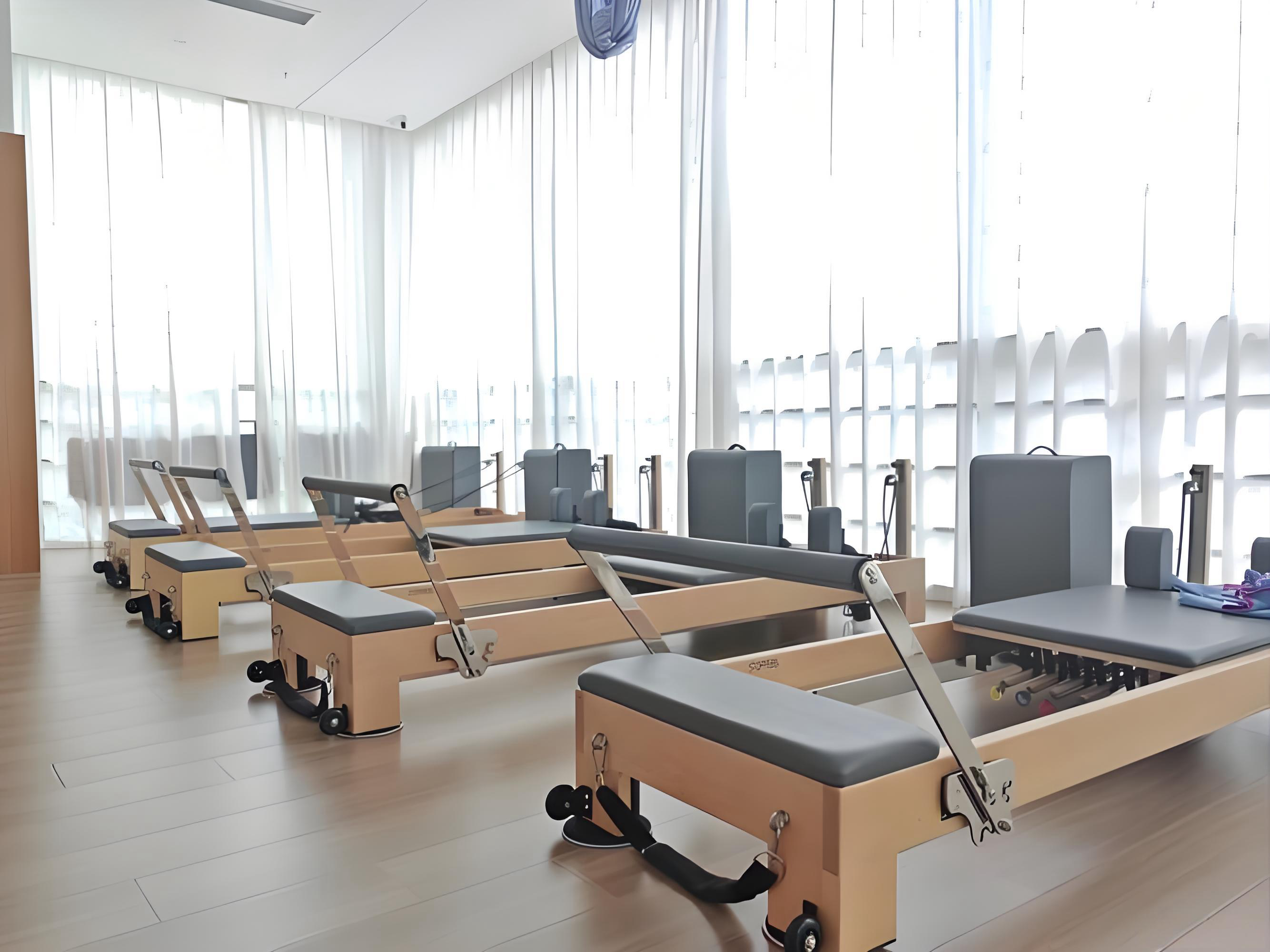
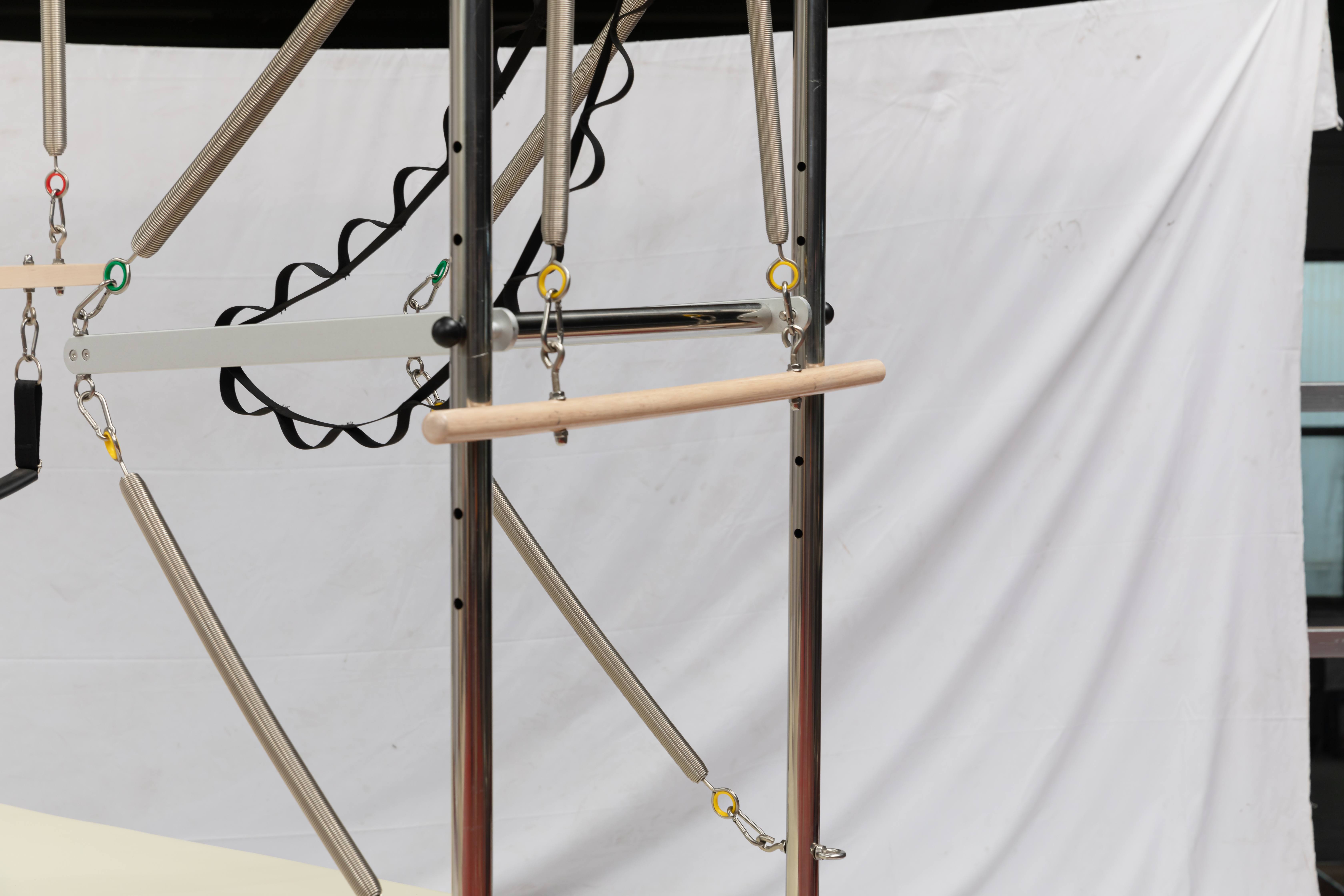
Importing custom OEM Pilates accessories — including straps, handles, spring sets, upholstery padding, foot bars and pulley components — to the European Union can come with unexpected customs charges if your documentation, product classification or origin marking is not prepared correctly. Many Pilates distributors and studio owners budget only for sea freight and product cost, then face surprise bills for duties, VAT, customs inspection fees or penalties after cargo arrives. This guide covers how to identify and eliminate hidden customs costs for your custom OEM Pilates accessory shipments.
Understand Why Hidden Customs Charges Occur
Most unexpected fees stem from simple documentation and classification errors, not the product itself. Common triggers include:
- Incorrect HS code classification for Pilates accessories. Wrong HS codes lead to wrong duty rates and customs audits.
- Undervaluation or incomplete commercial invoices, which prompt customs valuation reviews and fines.
- Missing certificates such as POPs statements, CE documentation or material test reports for plastic, PU and rubber components.
- Ambiguous product descriptions on shipping documents, such as “fitness parts” instead of precise names like “Pilates reformer spring set”.
- Inaccurate country of origin marking on each accessory and packaging.
- Failure to separate OEM custom parts from finished Pilates machines on the same shipment manifest.
These issues can lead to storage fees at the port, inspection charges, back-dated duties, VAT interest and administrative penalties. For bulk buyers of custom OEM accessories, these extra costs can quickly erase your profit margin.
Step 1: Confirm Correct HS Code Classification
Pilates accessories do not always fall under the same tariff heading as complete Pilates reformers or Cadillacs. Springs, PU upholstery, nylon straps and metal pulleys each have different HS codes.
When ordering custom OEM parts, work with your freight forwarder or customs broker to lock in the correct HS code before production and shipment.
- Avoid vague general codes for “gym accessories”.
- List each component separately on the commercial invoice and packing list if they carry different tariff rates.
- Keep the HS code consistent across invoice, packing list and bill of lading.
A mismatched HS code is one of the top causes of customs reclassification and retroactive duty charges for European imports.
Step 2: Prepare Fully Compliant Documentation
Europe customs authorities rely entirely on your submitted paperwork. Incomplete documents trigger inspections and detention fees.
For custom OEM Pilates accessories, your document package must include:
- Commercial invoice: Accurate product description, unit price, total value, currency, country of origin. Do not understate product value.
- Packing list: Item quantity, net weight, gross weight, dimensions per carton.
- Certificate of Origin: Proof of manufacturing origin, to apply for any applicable preferential tariff schemes.
- Required compliance declarations: POPs declaration for plastic/PU materials, CE DoC if the accessories are sold as part of commercial Pilates equipment.
- OEM agreement records (if requested): Confirmation that parts are custom-made to your specification.
Important note: If your custom OEM accessories are replacement spare parts, clearly state this on documents. Spare parts may have different tariff treatment than standalone retail accessories.
Step 3: Product Valuation & Invoice Best Practices
Never under-value goods to reduce duty cost. European customs have reference price databases for fitness and textile components. If your declared value is far below market norms, customs will reassess the value and add duties plus administrative fines.
Tips:
- Declare the full transaction value including custom tooling/OEM mould costs if these charges are part of the sale price.
- List mould fees separately when required by your customs broker.
- Keep records of payment transfers, quotation sheets and OEM contracts ready for customs verification.
Step 4: Country of Origin & Packing Marking Rules
“Made in [Country]” marking must be printed on every carton and individual accessory where possible. Custom OEM Pilates parts often arrive in plain packaging, which can be flagged by customs.
- Ensure origin marks are permanent and waterproof.
- If wooden pallets are used, confirm ISPM 15 compliance to avoid phytosanitary detention fees.
- Separate custom accessories from finished Pilates machines in the container and on documentation, to prevent cross-contamination of tariff classification.
Step 5: Plan VAT, Duties and Incidental Charges Upfront
Many importers only calculate import duty and forget about VAT. Import VAT is calculated on the total value of goods + freight + insurance + duty.
Other often-overlooked charges:
- Terminal handling fees at destination port
- Customs broker service fees
- Container detention and demurrage fees if paperwork delays release
- Laboratory testing fees if materials are selected for inspection
Work with your forwarder to get a full landed cost quotation before placing your OEM order, including all destination charges. This will reveal all predictable costs and avoid surprises.
Step 6: Reduce Risk for Custom OEM Orders
Custom OEM Pilates accessories involve custom materials, sizes and tooling, which makes them more likely to be selected for inspection.
- Share your product specs and material composition with your customs broker in advance for pre-ruling on HS codes.
- Avoid mixing many different custom items into one single line item on your invoice.
- Keep material safety documents on hand for PU, plastic and rubber components used in handles, padding and cords.
- Ask your supplier to provide pre-production samples for compliance verification before mass manufacturing.
Common Mistakes to Avoid
- Using the same HS code for springs, straps and PU upholstery.
- Omitting mould / OEM tooling costs from the declared value when these are included in the commercial transaction.
- Generic cargo descriptions like “fitness accessories” leading to customs hold.
- Assuming that low-value OEM parts are exempt from duties and VAT.
- Not preparing POPs or material declarations for custom synthetic accessories.
Final Thoughts
Hidden customs fees for custom OEM Pilates accessories imported to Europe are almost always preventable with careful planning. Secure the correct HS tariff codes, maintain accurate and transparent documentation, mark origin properly, and calculate full landed costs before shipment. Partner with a knowledgeable customs broker familiar with fitness equipment imports. When you handle these details at the quotation and production stage, you avoid unexpected port detention, penalties and extra charges, protecting your margin on every custom OEM Pilates accessory shipment.