Improve Posture & Core Strength With Quality Pilates Equipment
In today's world, where hours are spent sitting at desks, hunched over screens, and commuting in cramped positions, poor posture has become an epidemic. Rounded shoulders, forward head posture, and weakened core muscles are common complaints among office workers, students, and even fitness enthusiasts. Pilates, a mind-body exercise system developed by Joseph Pilates in the early 20th century, has proven to be one of the most effective methods for correcting posture and building core strength. However, the quality of your Pilates equipment plays a crucial role in how effectively you can achieve these goals.
Why Posture and Core Strength Matter
Good posture is more than just standing up straight. It involves the proper alignment of your spine, shoulders, hips, and knees, allowing your body to move efficiently without strain. Poor posture can lead to:
·Chronic back and neck pain
·Headaches and migraines
·Reduced lung capacity
·Digestive issues
·Increased risk of injury
Core strength, on the other hand, refers to the strength of the muscles surrounding your trunk, including the abdominals, obliques, lower back, and pelvic floor. A strong core:
·Supports your spine and reduces back pain
·Improves balance and stability
·Enhances athletic performance
·Makes daily activities easier
Pilates addresses both of these concerns simultaneously by focusing on controlled movements, breath, and alignment.
The Role of Quality Pilates Equipment
While mat Pilates can be effective, quality equipment takes your practice to a new level. Here's why:
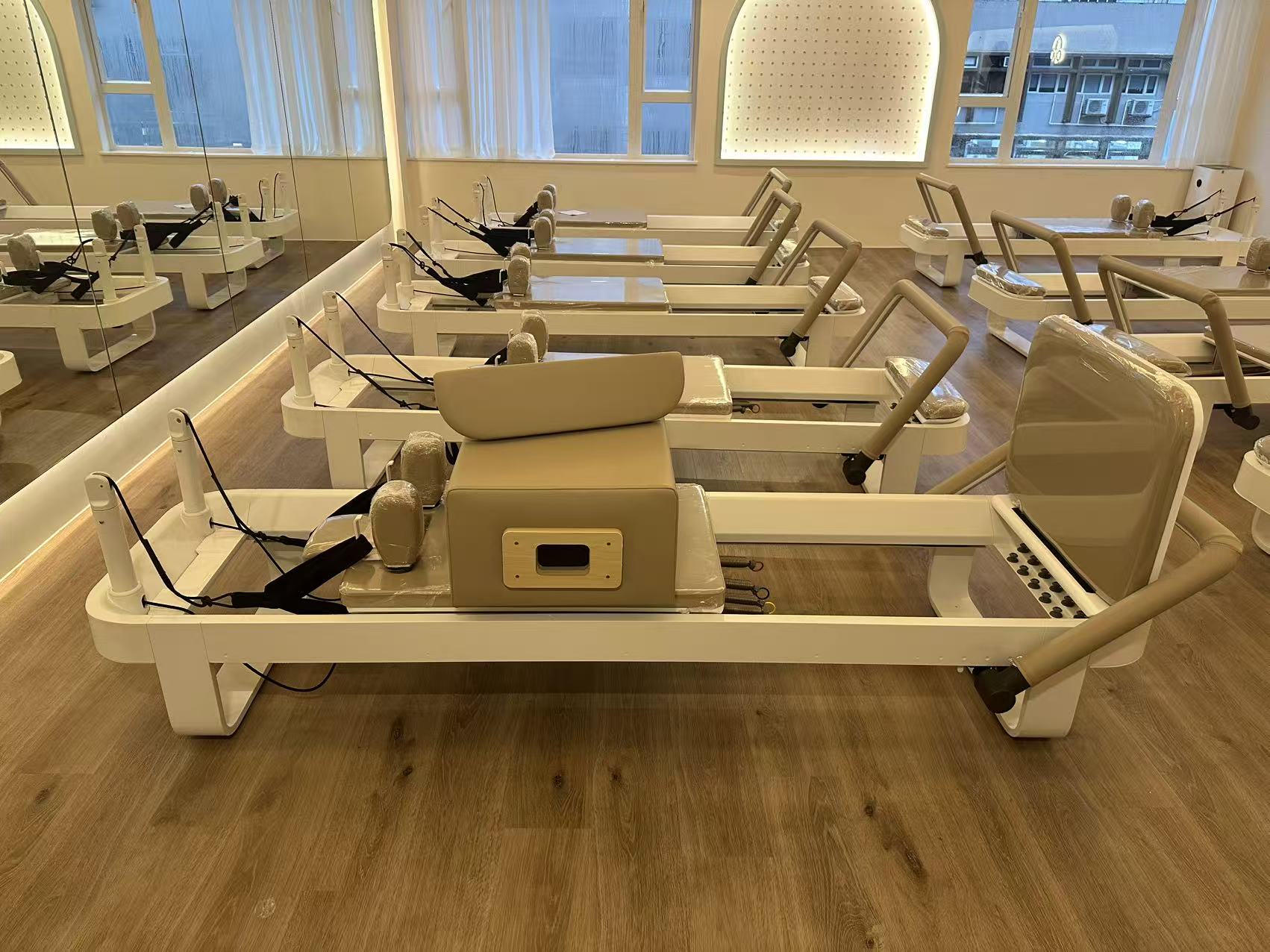
1. The Reformer
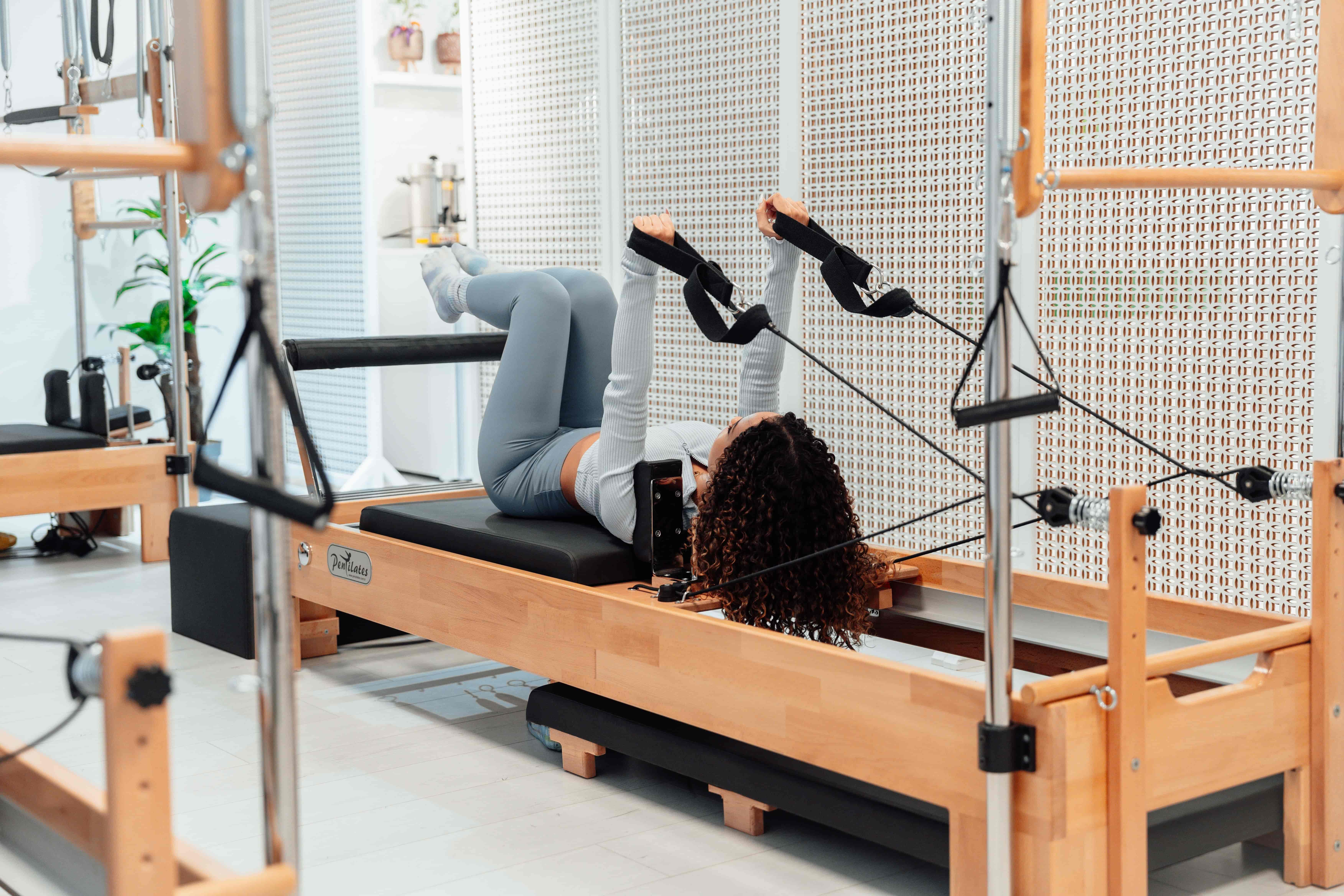
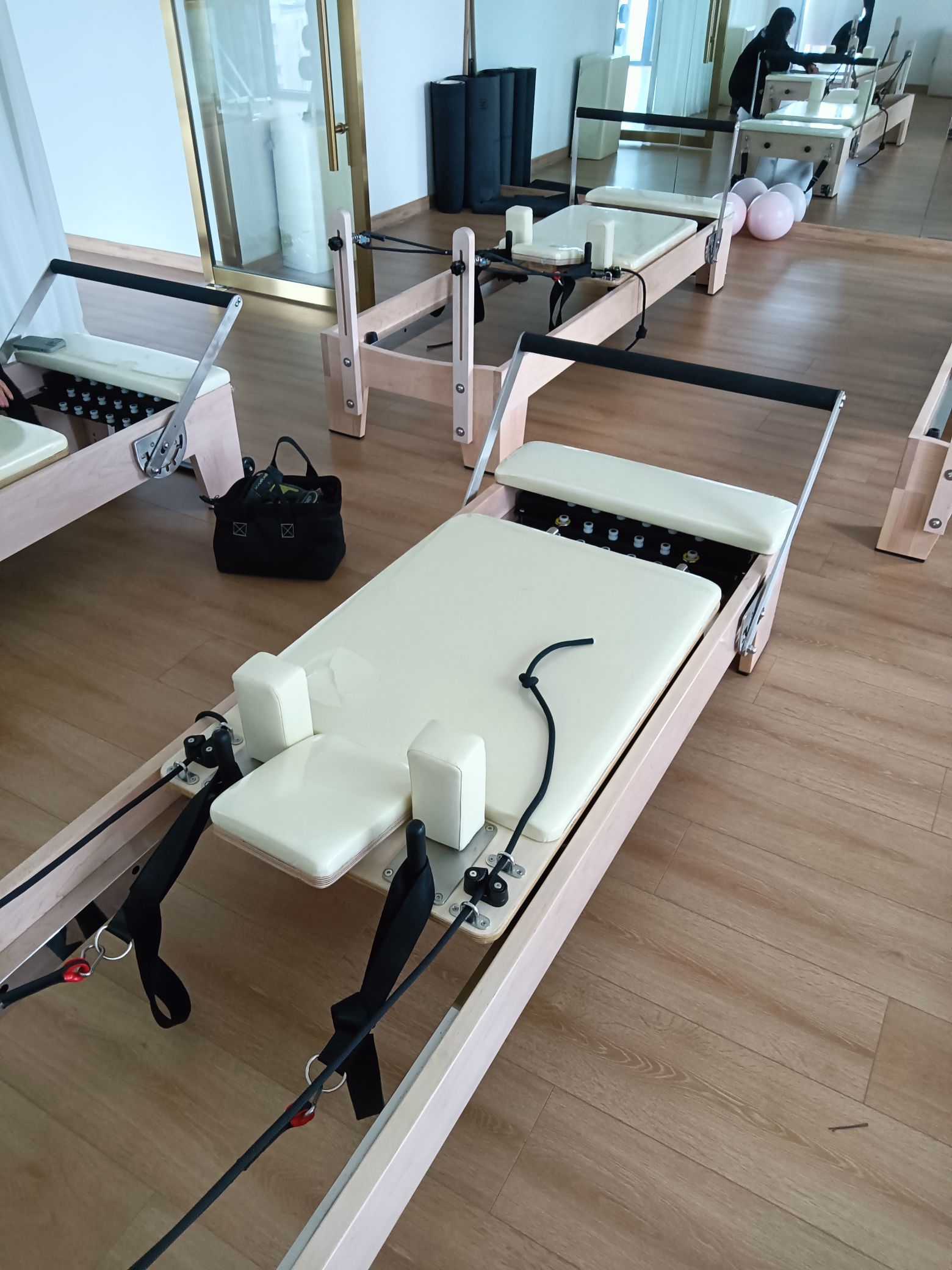
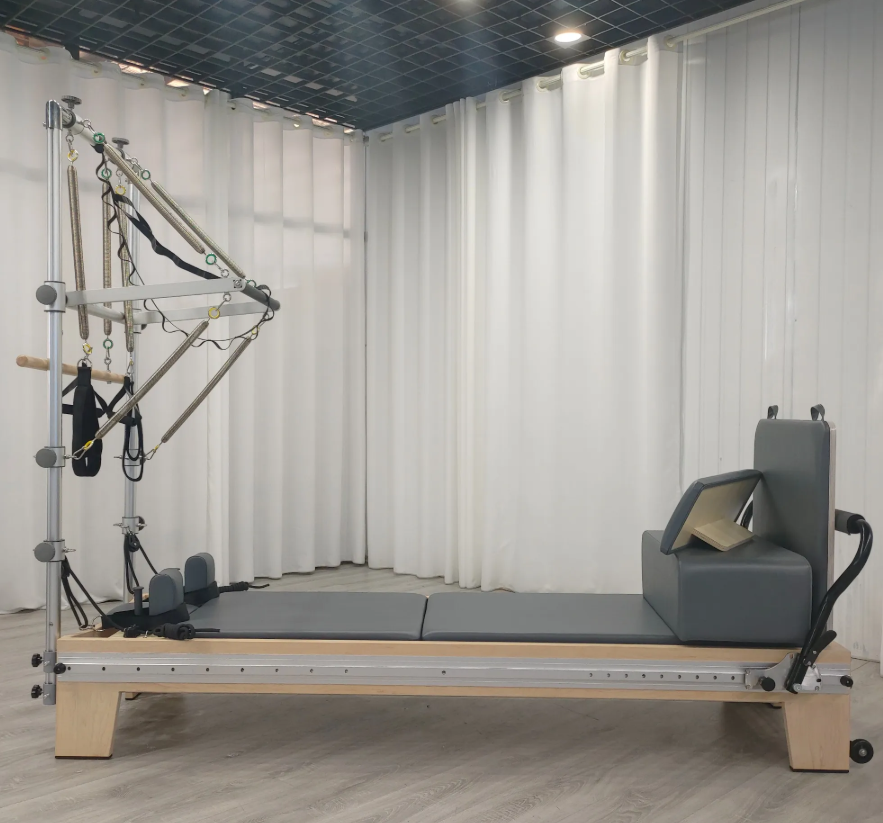
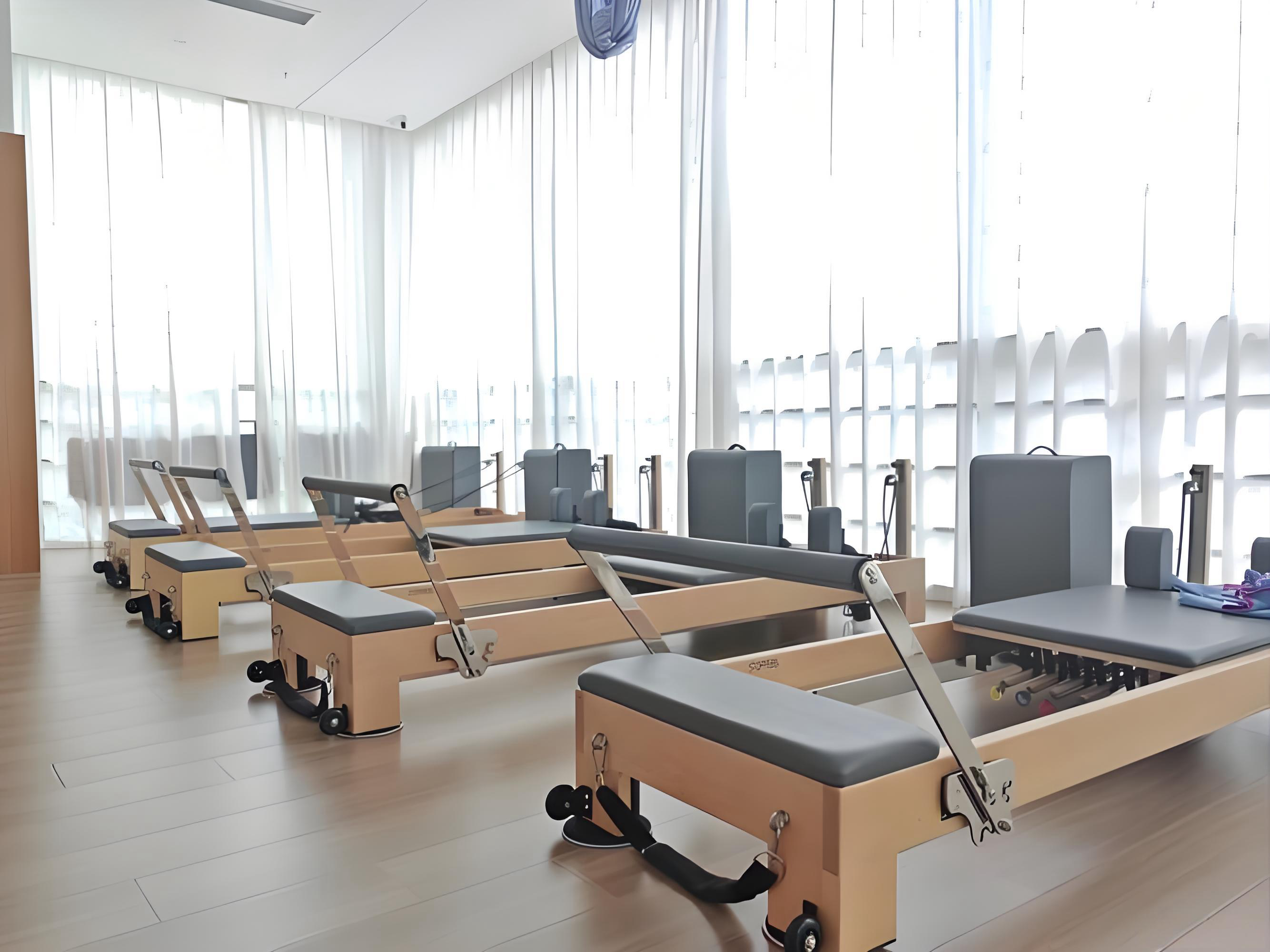
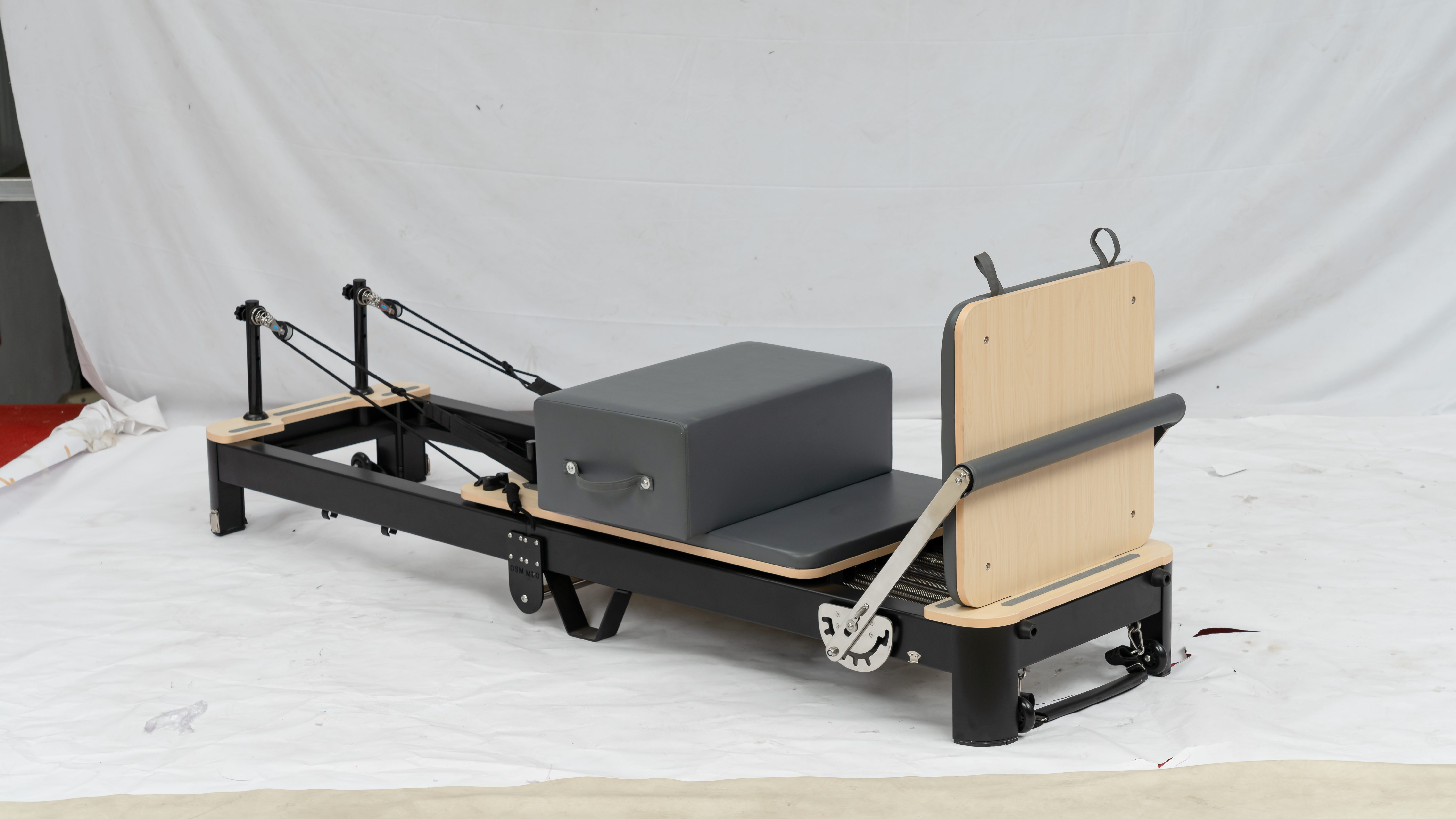
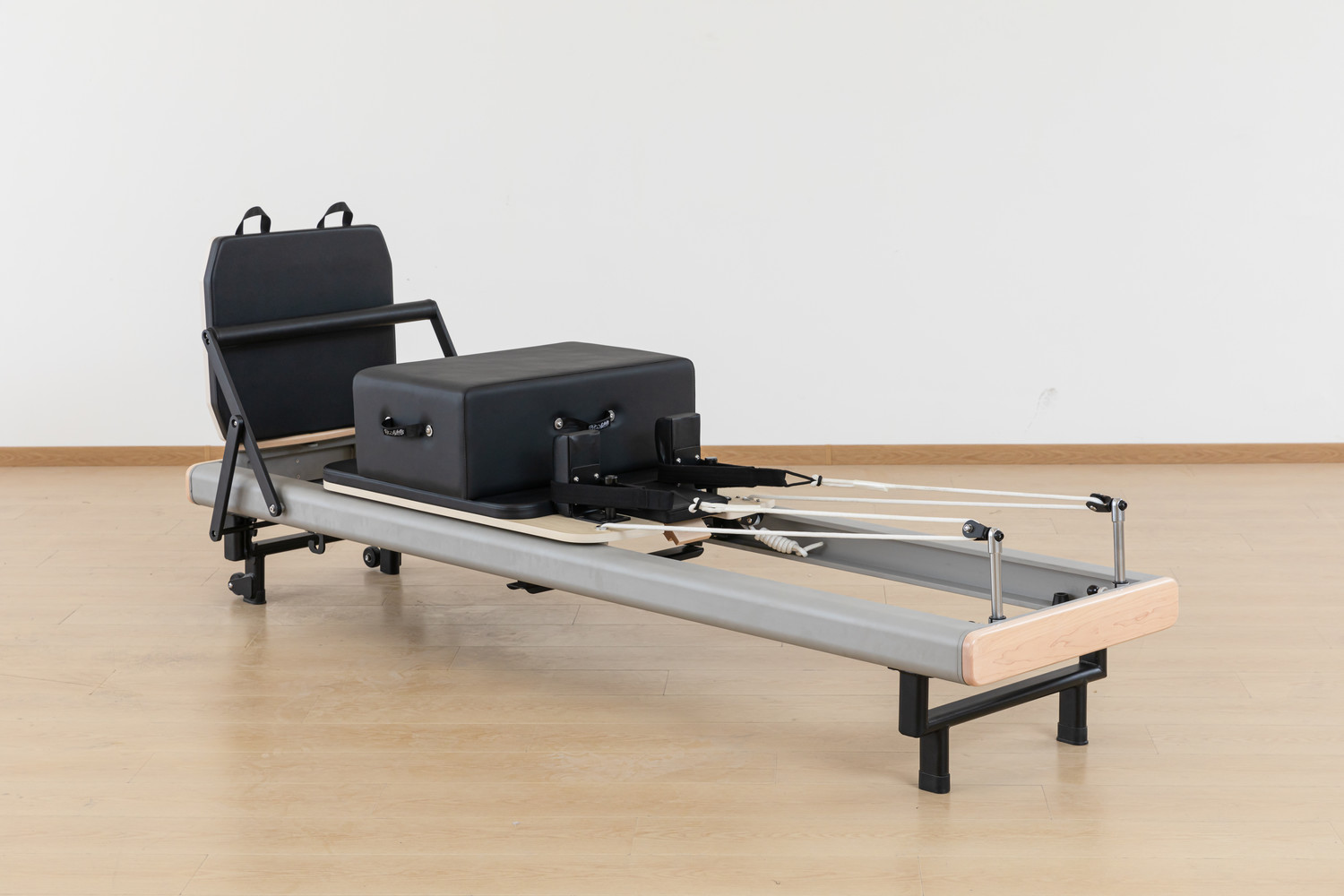
The Reformer is the cornerstone of Pilates equipment. It consists of a sliding carriage, springs, pulleys, and a footbar. A high-quality Reformer offers:
·Smooth carriage movement: Cheap reformers often have jerky, uneven gliding, which disrupts the flow of movement and can cause injury.
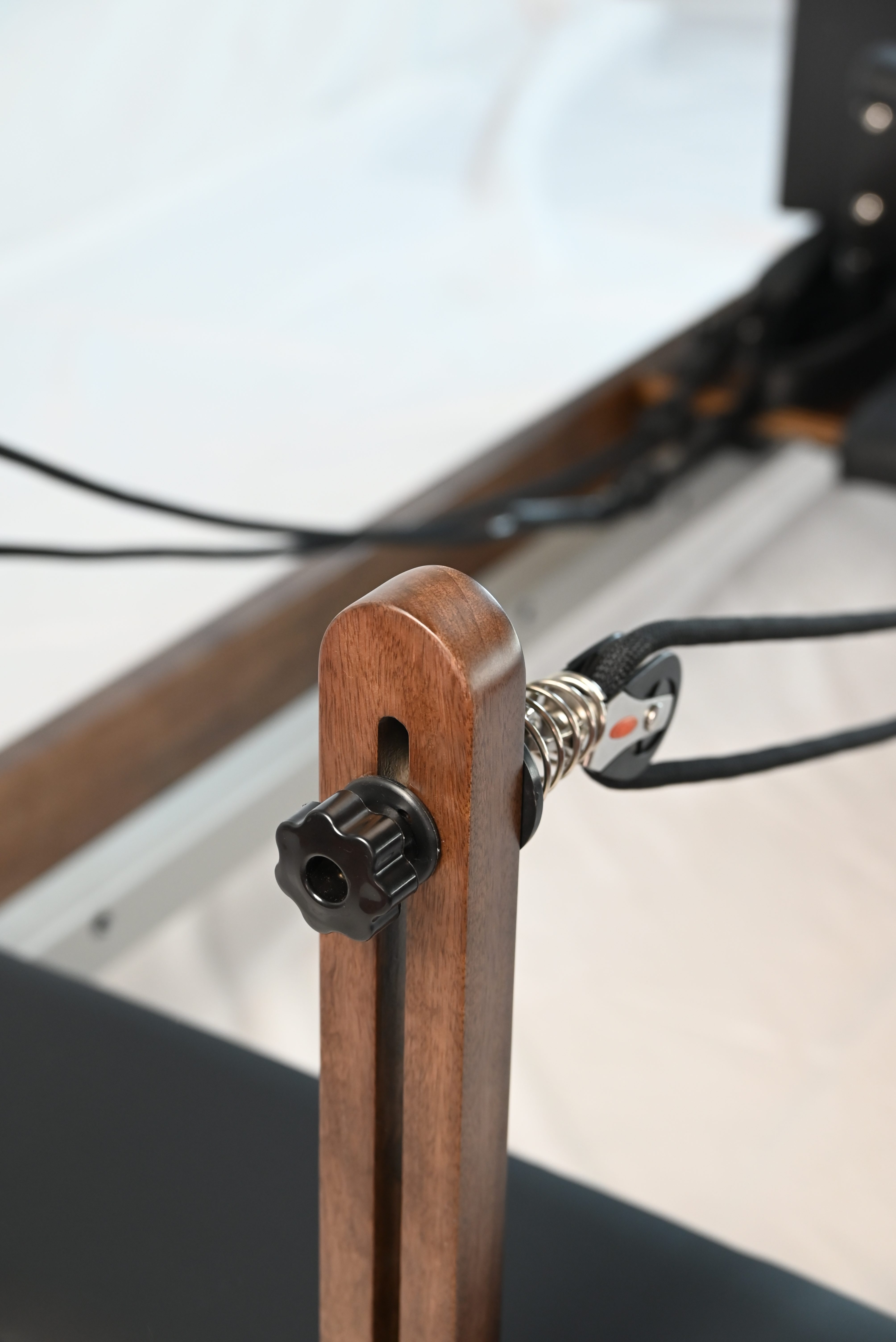
·Precise spring resistance: Quality springs provide consistent, graduated resistance, allowing you to progress safely.
·Sturdy construction: A well-built frame ensures stability during exercises, especially for those recovering from injuries.
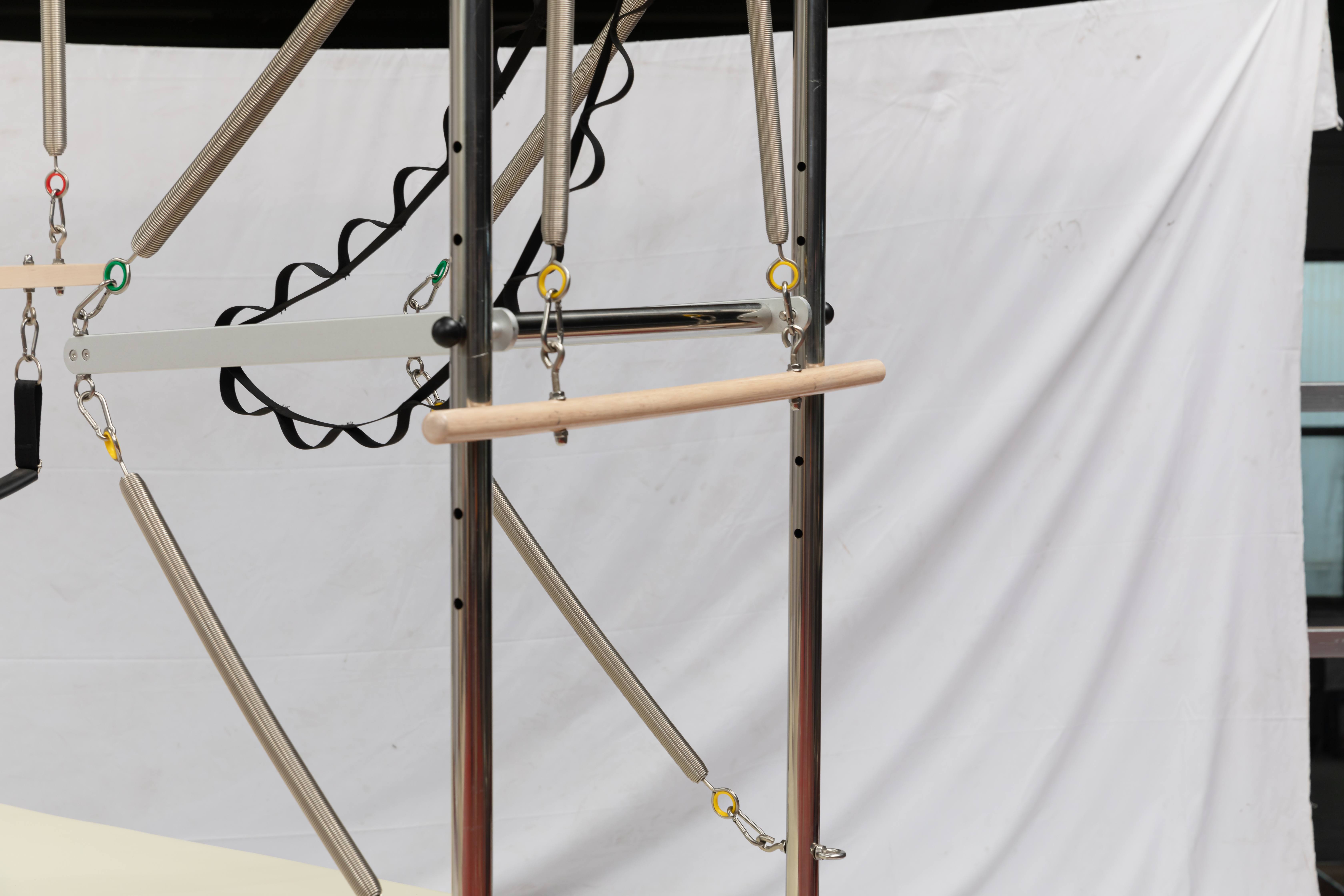
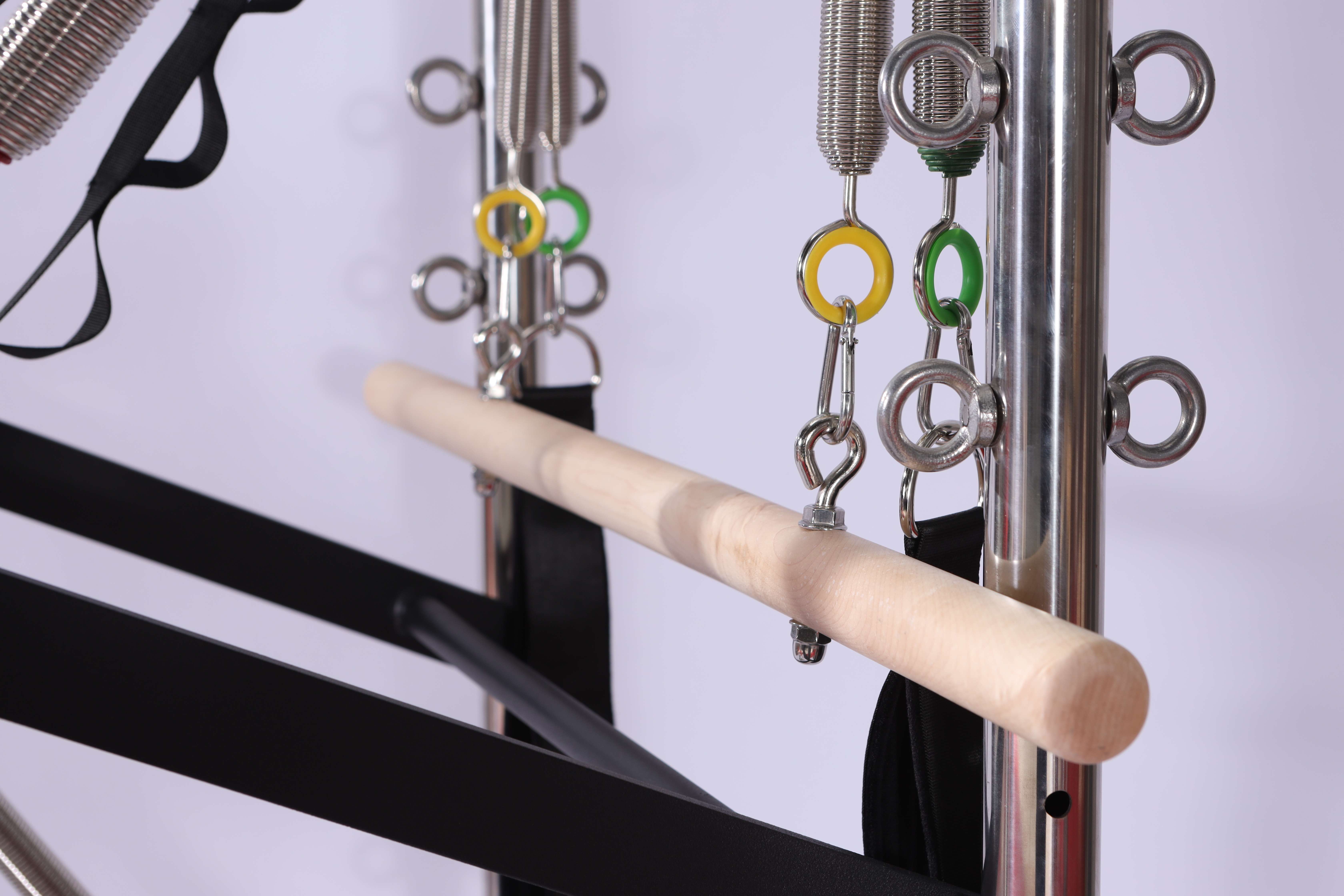
2. The Cadillac (Trapeze Table)
The Cadillac allows for a wide range of exercises using springs, bars, and straps. Quality features include:
·Adjustable spring attachments: For customized resistance and support.
·Stable frame: Ensures safety during inverted and hanging exercises.
·Comfortable padding: Reduces pressure on the spine during lying exercises.
3. The Wunda Chair
This compact piece of equipment is excellent for developing core stability and balance. A quality Wunda Chair has:
·Smooth pedal mechanism: For controlled movements.
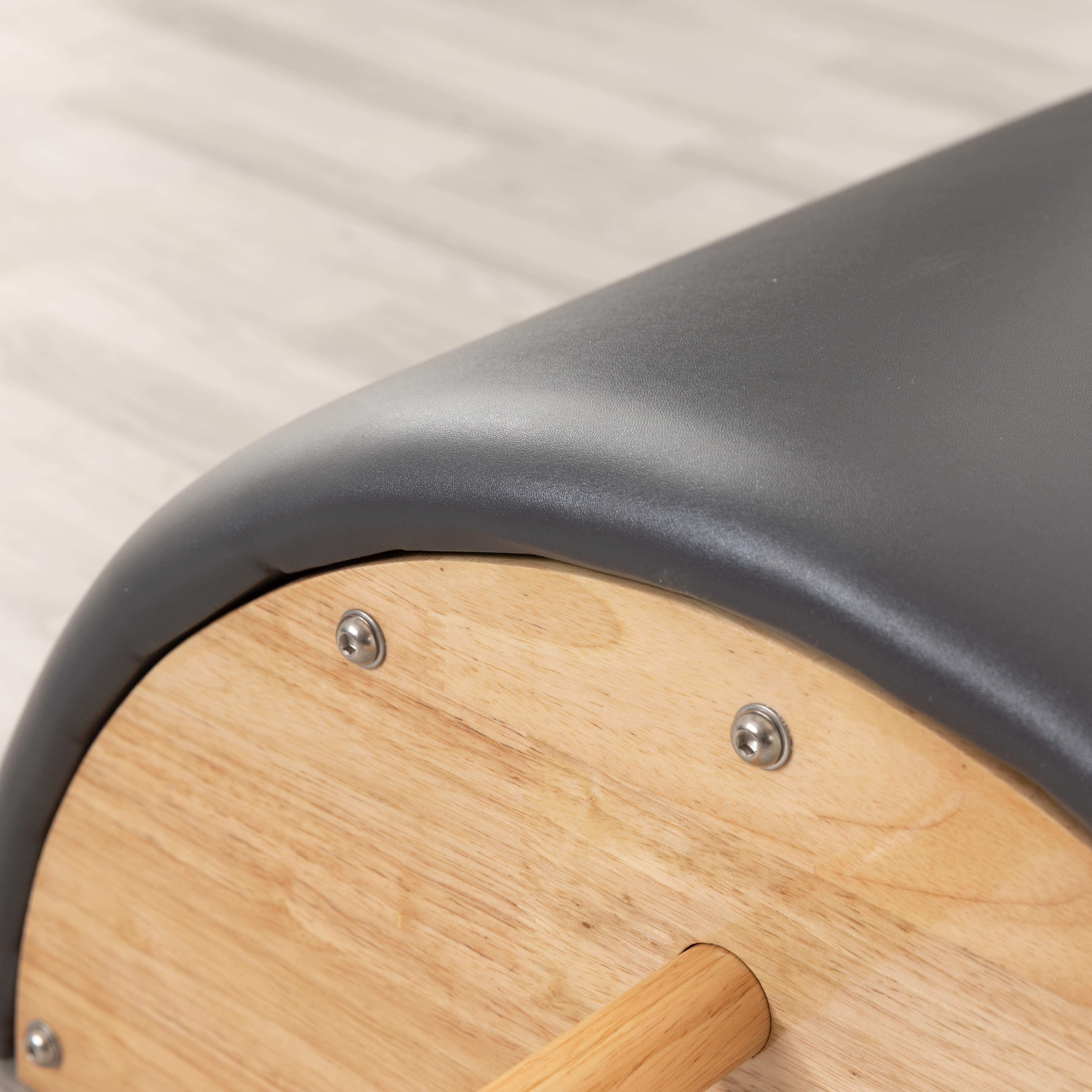
·Durable upholstery: For comfort and longevity.
·Adjustable spring tension: To match your strength level.
4. Stability Ball and Magic Circle
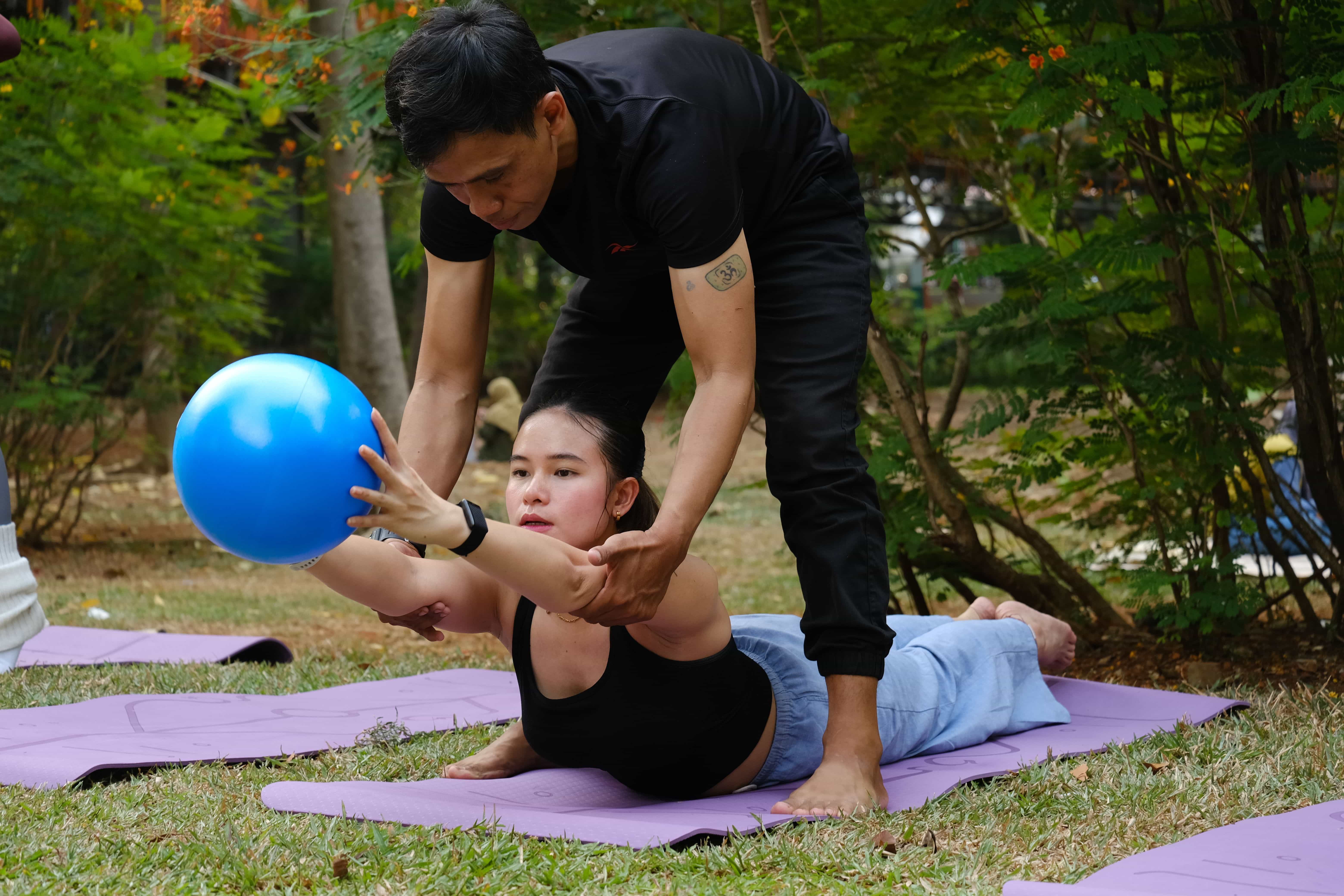
Even small equipment matters. A high-quality stability ball is burst-resistant and properly inflated, while a well-made Magic Circle provides consistent resistance for inner thigh and arm work.
How Quality Equipment Improves Posture and Core Strength
1. Better Feedback and Alignment
Quality equipment provides immediate feedback. For example, on a well-made Reformer, you can feel when your hips are uneven or when your core is not engaged. This proprioceptive feedback is essential for correcting posture.
2. Safe Progression
With reliable spring resistance and sturdy construction, you can safely increase the difficulty of your exercises. This progressive overload is key to building core strength.
3. Enhanced Mind-Body Connection
Smooth, quiet equipment allows you to focus on your breath and movement, deepening the mind-body connection that is central to Pilates.
4. Injury Prevention and Rehabilitation
For those with existing posture problems or injuries, quality equipment provides the support and stability needed to exercise safely. Many physical therapists use Pilates equipment for rehabilitation.
Tips for Choosing Quality Pilates Equipment
1.Check the frame material: Look for solid wood (maple, oak) or high-grade aluminum.
2.Test the springs: They should feel smooth and consistent, not stiff or loose.
3.Examine the upholstery: It should be thick, durable, and easy to clean.
4.Consider adjustability: The more adjustable, the better for different body types and fitness levels.
5.Read reviews: Look for brands with a reputation for durability and customer service.
6.Try before you buy: If possible, test the equipment in a studio or showroom.
Sample Pilates Routine for Posture and Core
Here's a simple routine you can do on a Reformer or mat:
1.Footwork (Reformer): 10 repetitions in each position
2.The Hundred: 100 pumps
3.Leg Circles: 5 circles each direction, each leg
4.Spine Stretch Forward: 5 repetitions
5.Swan Prep: 5 repetitions
6.Side-Lying Leg Lifts: 10 each side
7.Plank: Hold for 30 seconds
8.Roll Down with Magic Circle: 5 repetitions
Conclusion
Investing in quality Pilates equipment is an investment in your health. Whether you're a beginner looking to improve your posture or an advanced practitioner aiming to build core strength, the right equipment can make all the difference. Remember, Pilates is not just about exercise—it's about creating a balanced, aligned, and resilient body. With quality equipment, you can achieve that goal more efficiently and safely.