Pilates Apparatus: Low‑Impact Solution For Full‑Body Fitness
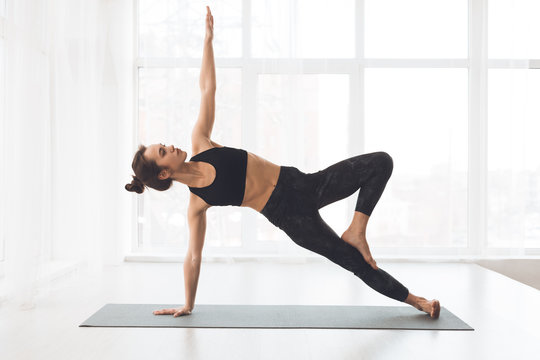
Pilates was founded by Joseph Pilates and has a history of nearly a century. It uses body weight and apparatus springs as resistance, engaging almost every muscle in the body within a single session. Pilates apparatus training is not new, but in recent years it has regained widespread global attention. From professional rehabilitation clinics to high-end fitness studios and home workout settings, these devices—centered on springs, sliding carriages, and ropes—are changing how people understand "effective exercise."
For those who seek fitness results without placing excessive stress on their joints, Pilates apparatus offers a unique path: it provides the challenge of strength training while maintaining a gentle, low-impact character.
I. Main Types and Functions of Pilates Apparatus
The Pilates apparatus family is extensive, and each device has its own original design purpose and training focus.
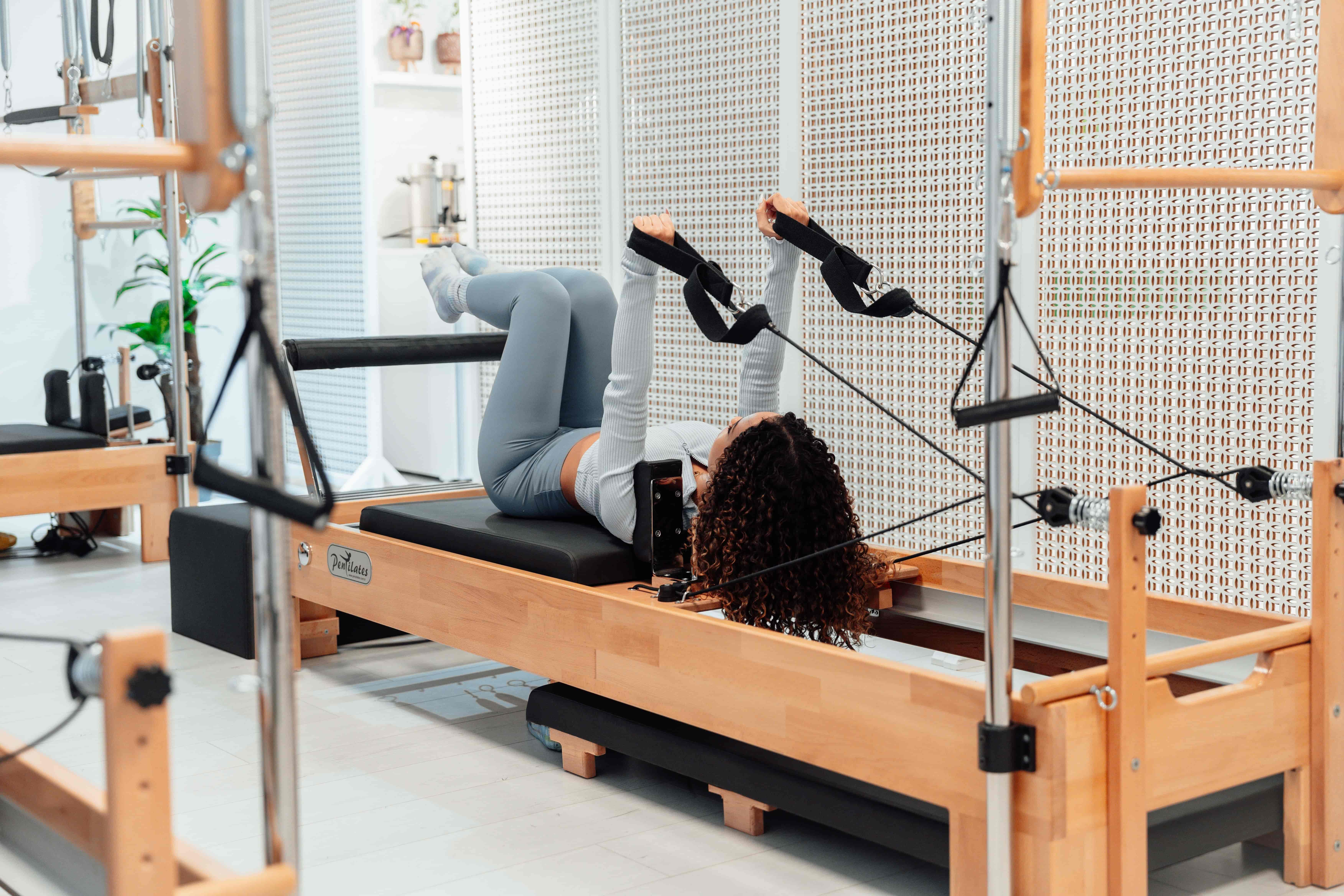
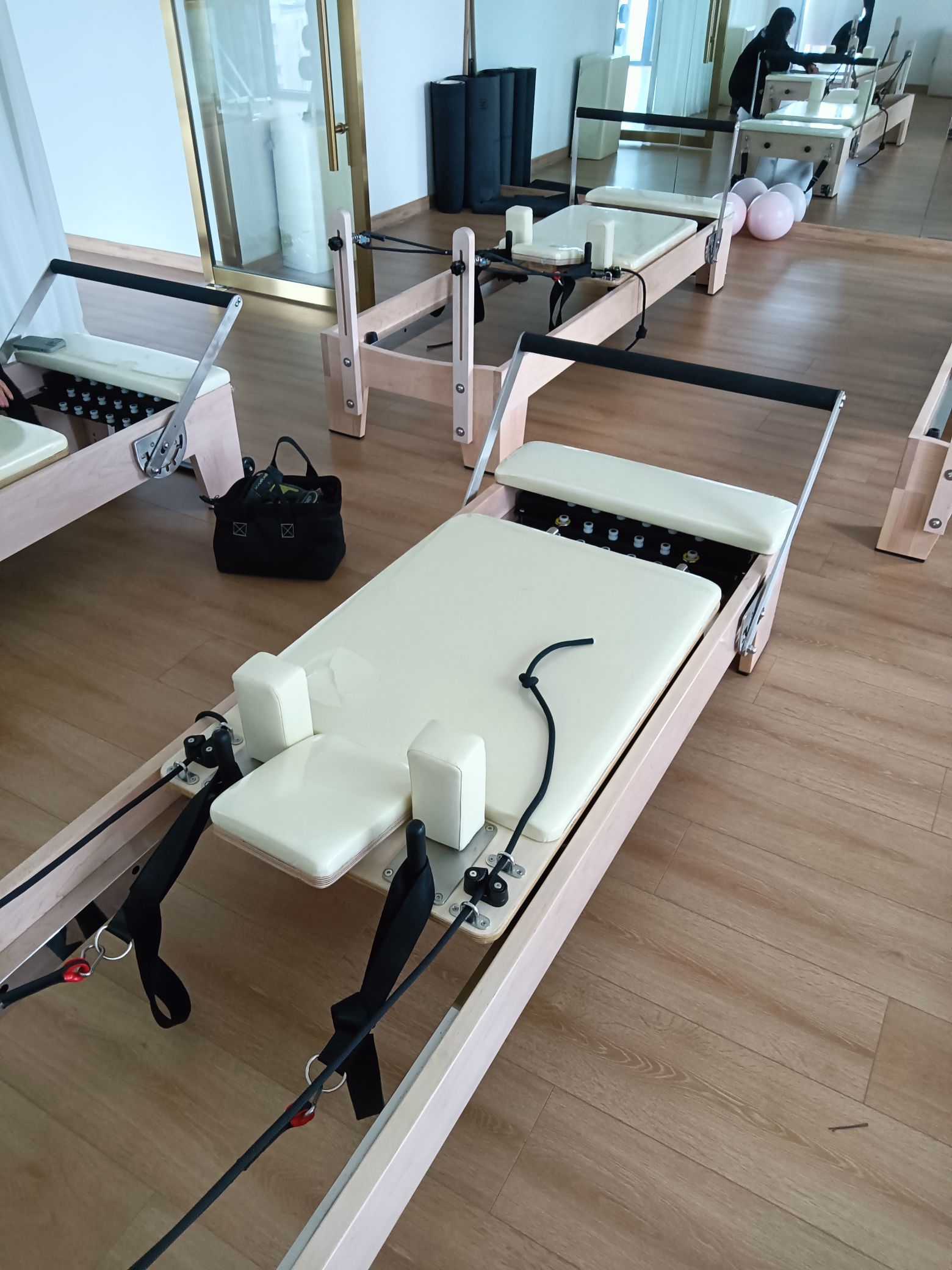
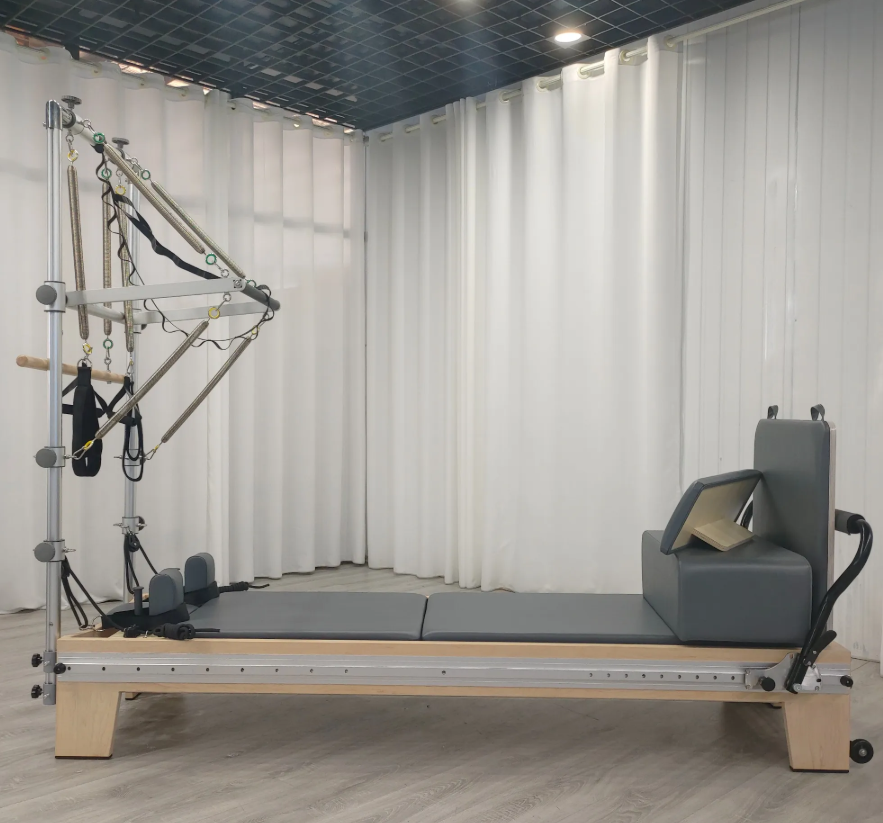
The Reformer is the most iconic piece of Pilates equipment. It consists of a platform (called the "carriage") that slides back and forth within a frame, along with a spring system. Practitioners can sit, lie, kneel, or stand on the carriage, pushing and pulling against spring resistance. The Reformer offers hundreds of exercises, all evolved from mat Pilates, but its springs introduce instability that increases the challenge to torso stability and control.
The Cadillac (Trapeze Table) gets its name from its resemblance to a four-poster bed with a canopy. Equipped with springs, a trapeze bar, and push-through bars, it suits everything from basic core connection work to advanced inverted acrobatic movements. Its unique vertical structure allows training in multiple planes and angles.
The Wunda Chair was one of the first pieces to which Joseph Pilates added spring resistance, and its pedal design allows it to function as both a training device and a piece of home furniture. The Ladder Barrel is the simplest of the Pilates apparatus, with no springs, ropes, or moving parts. It is mainly used for leg stretching and spinal flexion and extension, and is especially friendly for people with hip stiffness.
In addition, there are smaller devices such as the Spine Corrector and the Pilates Arc, used to support spinal mobility and core training.
II. Core Advantages of Apparatus Pilates
Apparatus Pilates follows the same principles as mat Pilates—coordination of breath and movement, precision, and flow—but the involvement of equipment allows these principles to be realized more precisely.
Adjustable resistance for everyone. Spring resistance can be finely adjusted, from extremely light to relatively heavy, allowing the same piece of equipment to accommodate users of completely different fitness levels. For beginners, the apparatus provides support and reduces difficulty; for advanced practitioners, increasing resistance or changing angles raises the challenge.
Controlled movement trajectories reduce injury risk. The carriage tracks and spring systems provide a fixed path of motion, helping practitioners develop correct movement habits. For those without training experience, this "guided" style of movement significantly reduces the likelihood of injury caused by poor posture.
Low impact and joint-friendly. The resistance provided by springs is a "gentle resistance." Unlike free weights or bodyweight training, apparatus work can be performed lying or seated, so the muscles do not bear the burden of supporting the body's weight against gravity, resulting in minimal joint impact. This makes apparatus Pilates ideal for post-surgical rehabilitation, chronic low back pain, and post-joint replacement populations.
Full-body integrated training. Almost every apparatus Pilates movement requires coordination across the entire body. Take the "Footwork" series on the Reformer: it looks like simply pushing the pedal, but it actually requires core stability, hip control, and coordinated breathing.
III. Scientific Evidence and Rehabilitation Applications
Research increasingly supports the benefits of apparatus Pilates. A 12-week apparatus Pilates training study showed significant improvements in participants' muscle strength. A 2024 comprehensive review found that both mat and apparatus Pilates can improve spinal deformities, overall posture, and pain caused by poor posture.
In rehabilitation, Pilates apparatus is particularly prominent. Through spring-driven resistance settings, the Pilates movement system strengthens the "powerhouse"—including the abdominal, back, and gluteal muscles—making it applicable to chronic low back pain, post-joint replacement, chronic neck pain, sciatica, and many other conditions. The height advantage of the apparatus bed allows injured individuals to perform effective resistance training without having to stand up from the floor or squat down.
IV. Differences Between Apparatus Pilates and Mat Pilates
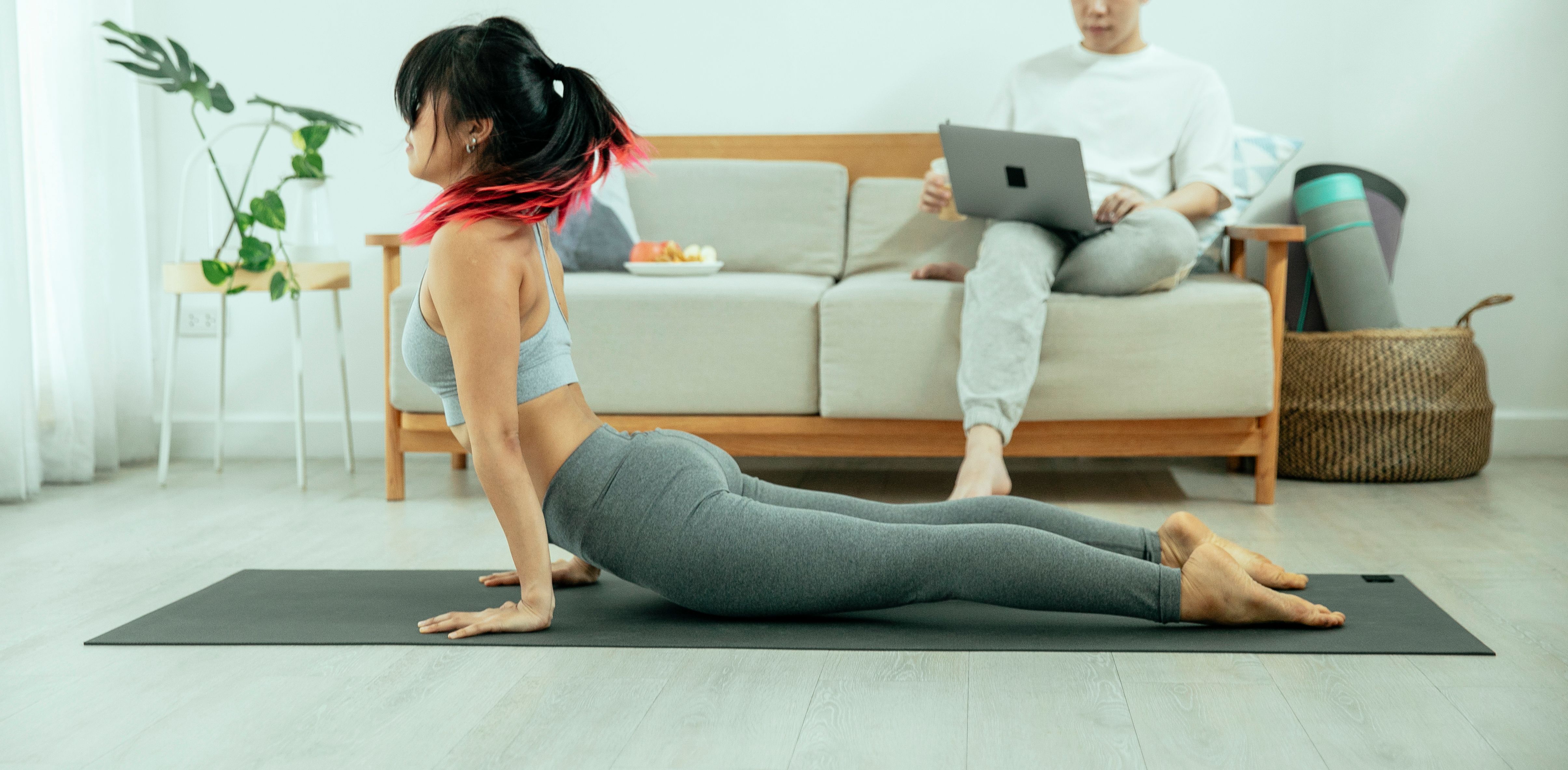
Mat Pilates is the most popular form, widely favored because it requires no equipment and can be practiced anywhere. However, apparatus Pilates differs markedly in several key dimensions.
In terms of resistance source, mat Pilates relies mainly on body weight and gravity, while apparatus Pilates introduces elastic spring resistance, similar to adjustable weights in strength training. In terms of movement precision, the fixed trajectories and support provided by the apparatus make it easier for beginners to learn correct movement patterns, whereas deviations in mat training are harder to self-detect. In terms of perceived intensity, muscle engagement during apparatus training is usually stronger, because the continuous tension of the springs requires the core to remain activated throughout.
V. Who It Suits and Usage Recommendations
Apparatus Pilates is extremely adaptable. Fitness beginners can benefit from the support and guidance of the equipment, gradually building strength and confidence. Professional athletes use it for core reinforcement, flexibility improvement, and injury prevention. Rehabilitation populations can, under the guidance of a physical therapist, use the apparatus to complete safe and effective recovery training. Sedentary office workers can use apparatus Pilates to improve posture and relieve lower back discomfort.
For those considering starting apparatus Pilates training, it is recommended to begin with foundational classes under the guidance of a professional instructor, learning the basics of breath coordination and core activation. A training frequency of 2 to 3 times per week is appropriate, giving the body enough recovery time. When choosing home equipment, consider space, budget, and frequency of use; folding Reformers offer convenience for home training.
Conclusion
The appeal of Pilates apparatus lies in its ability to satisfy two seemingly contradictory needs at once: it provides sufficient strength-training stimulus while minimizing impact on the body. The resistance of the springs is both a challenge and a support; the track of the carriage is both a limitation and a guide. In an era when more and more people seek a way to exercise that is "efficient yet gentle on the body," Pilates apparatus stands precisely at this intersection. Whether as a primary training method or as a complement to other sports, it offers a path worth exploring.