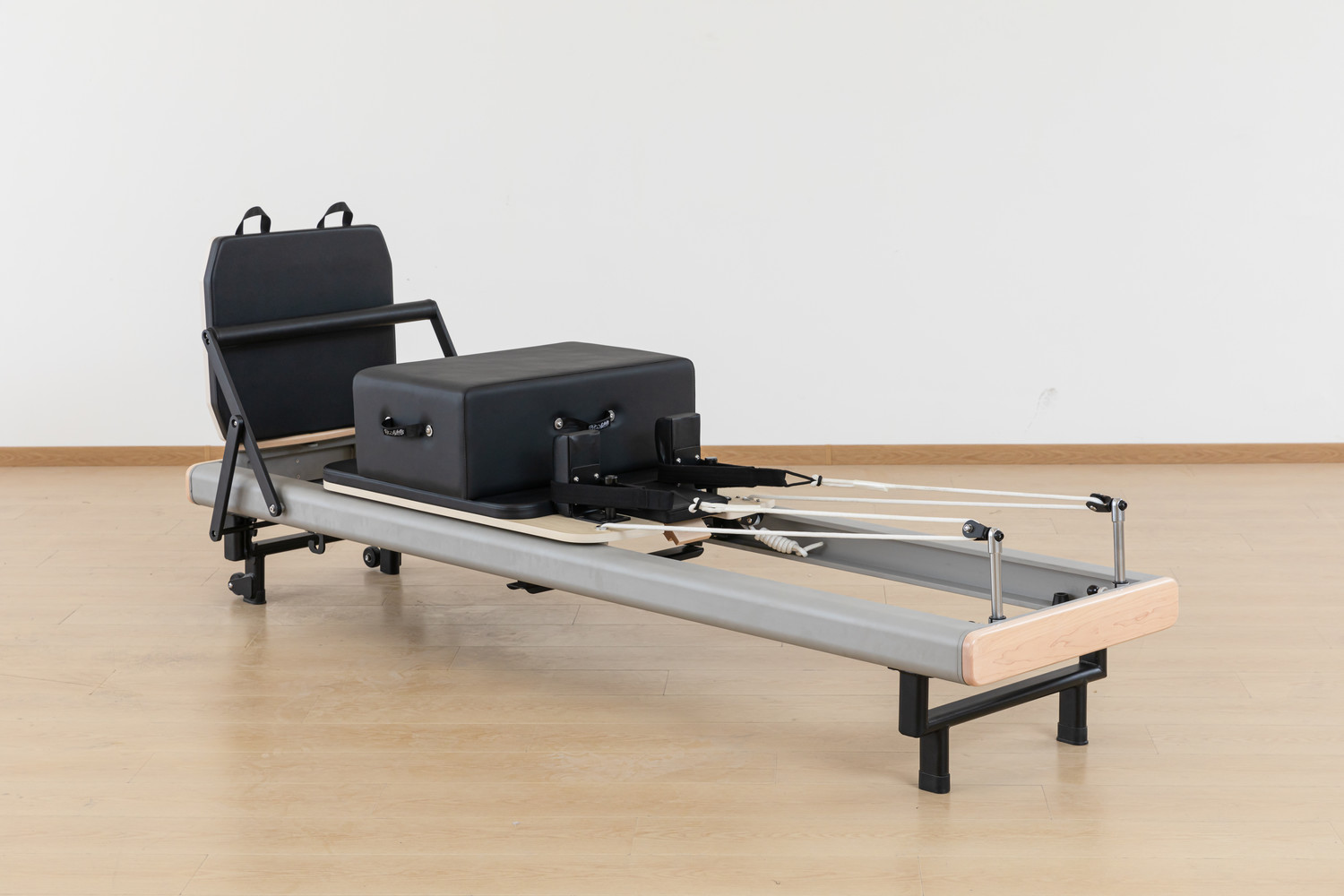
Unlock Better Mobility Using Well‑Constructed Pilates Machines
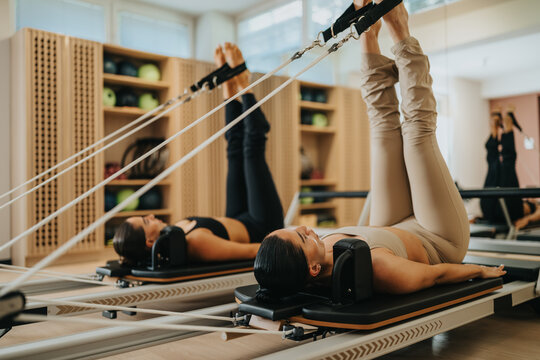
Mobility is not simply a matter of stretching. True mobility depends on whether a joint can move freely through its full range while maintaining adequate stability and control. Many people sit for long hours in fixed postures, resulting in stiff hips, restricted thoracic movement, and compensatory shoulder mechanics. Traditional static stretching often brings only temporary relief, whereas Pilates machines address the problem through mechanical structure, systematically rebuilding the body's capacity to move.
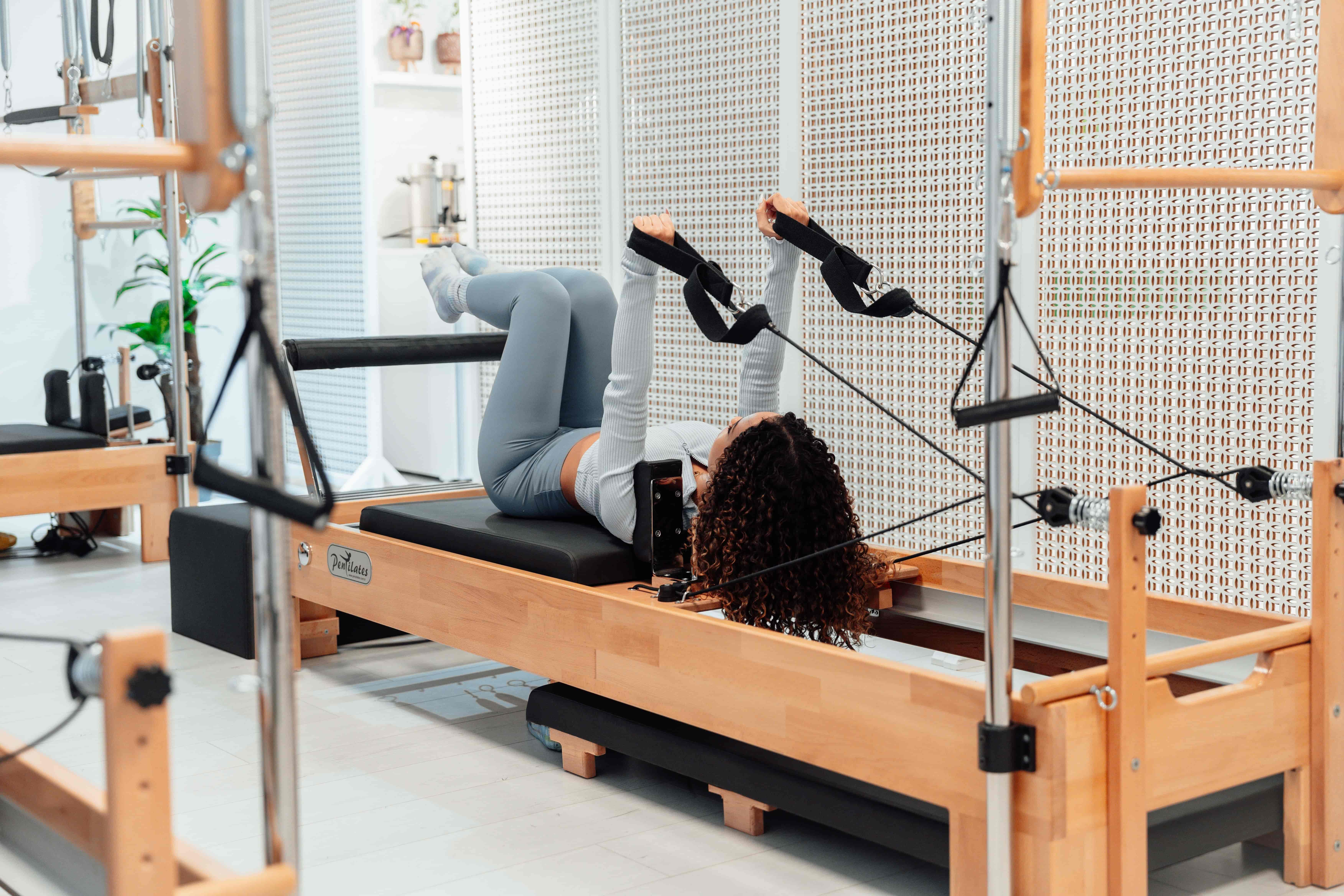
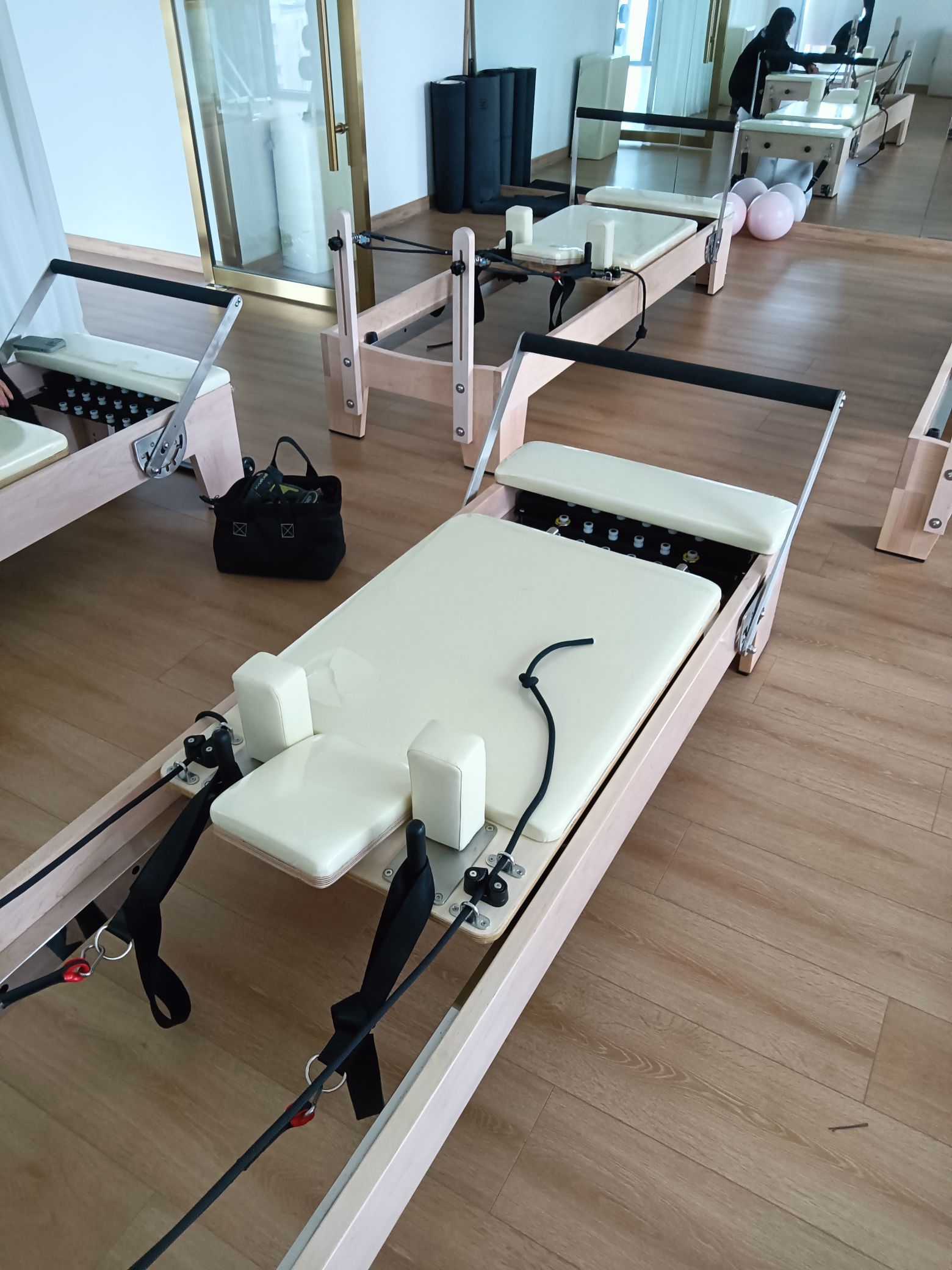
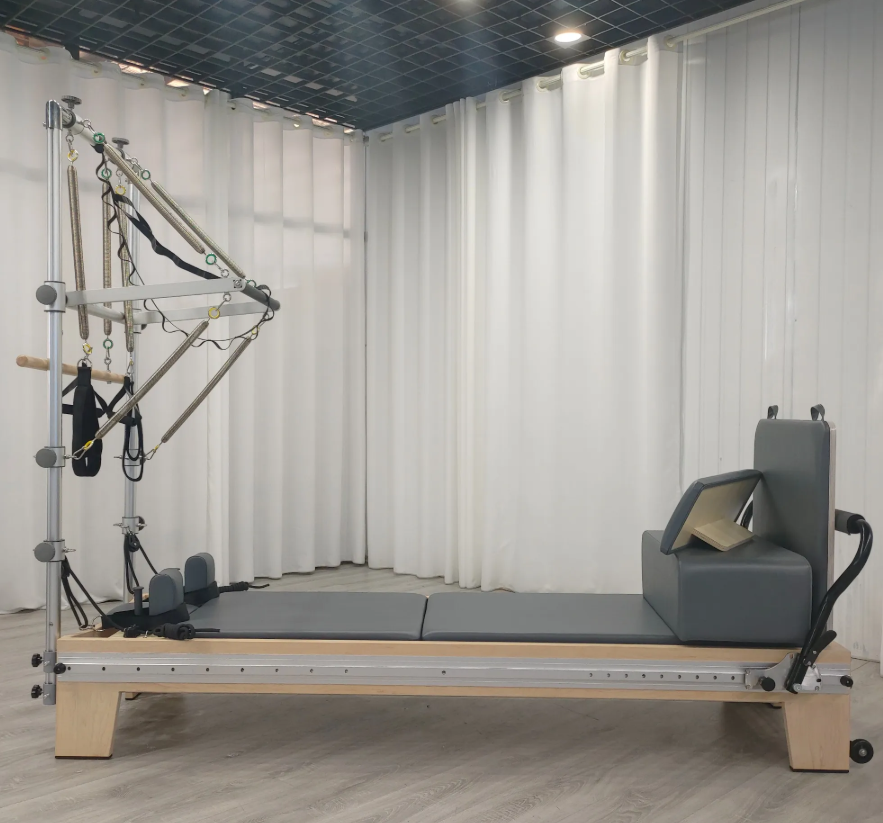
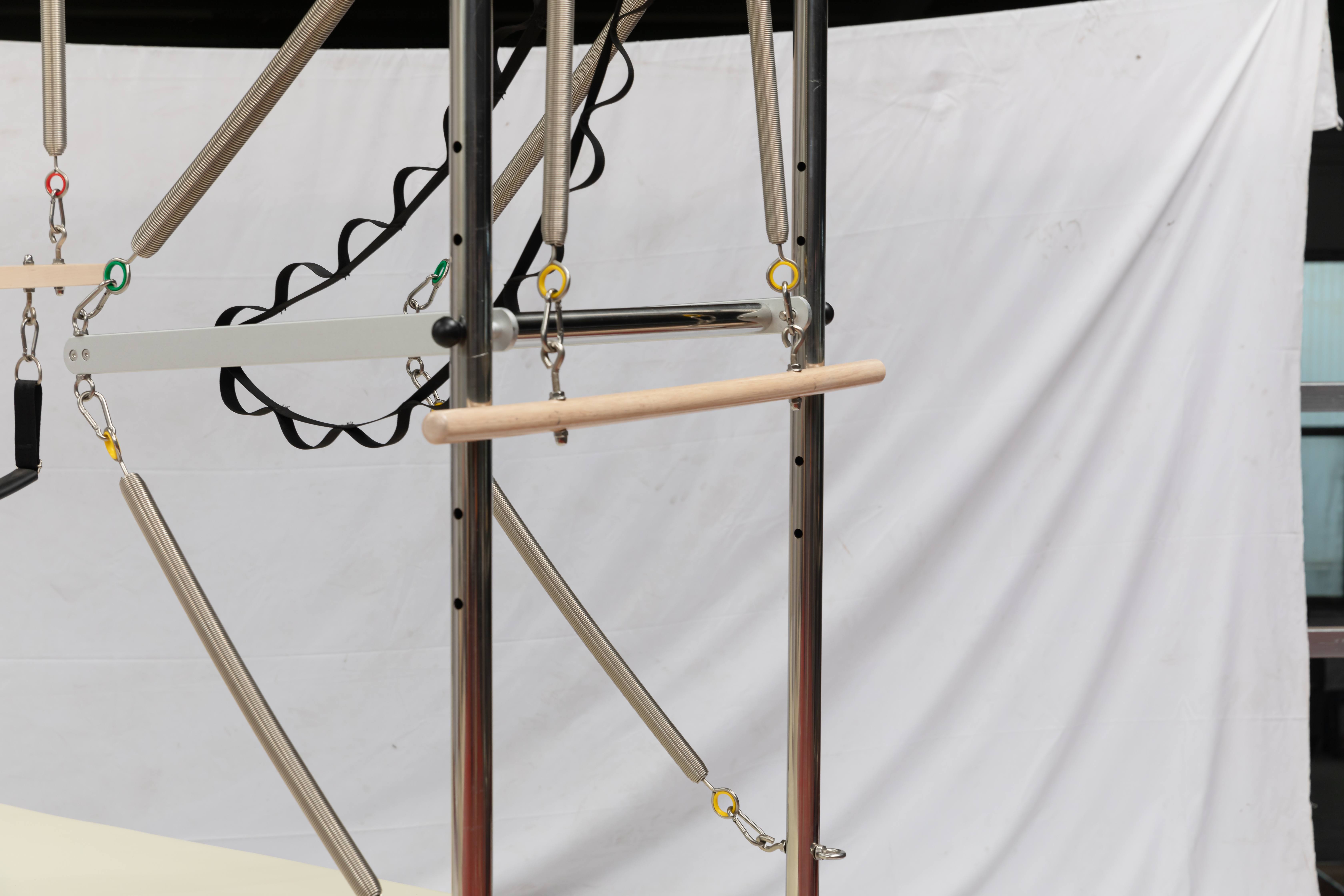
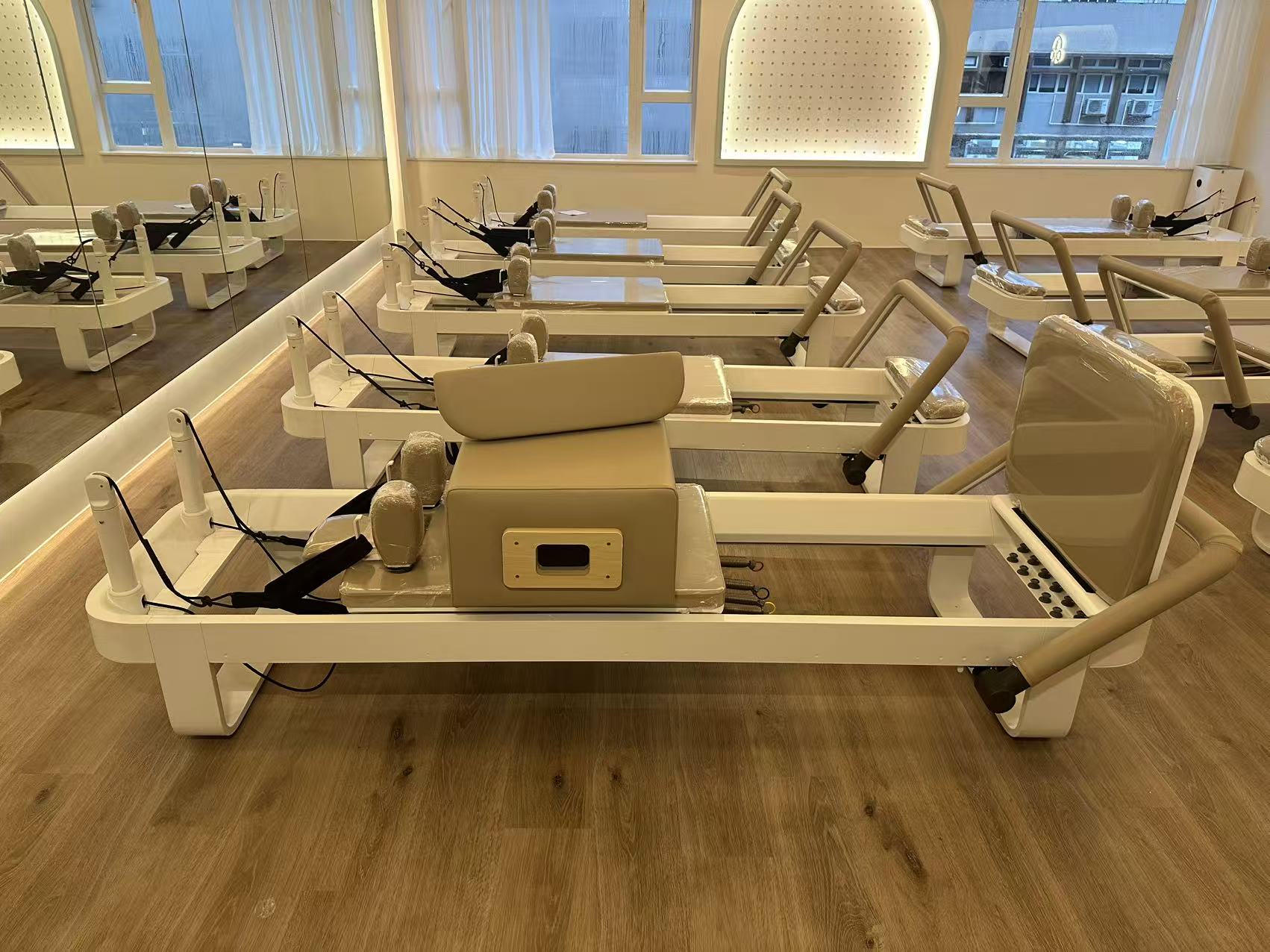
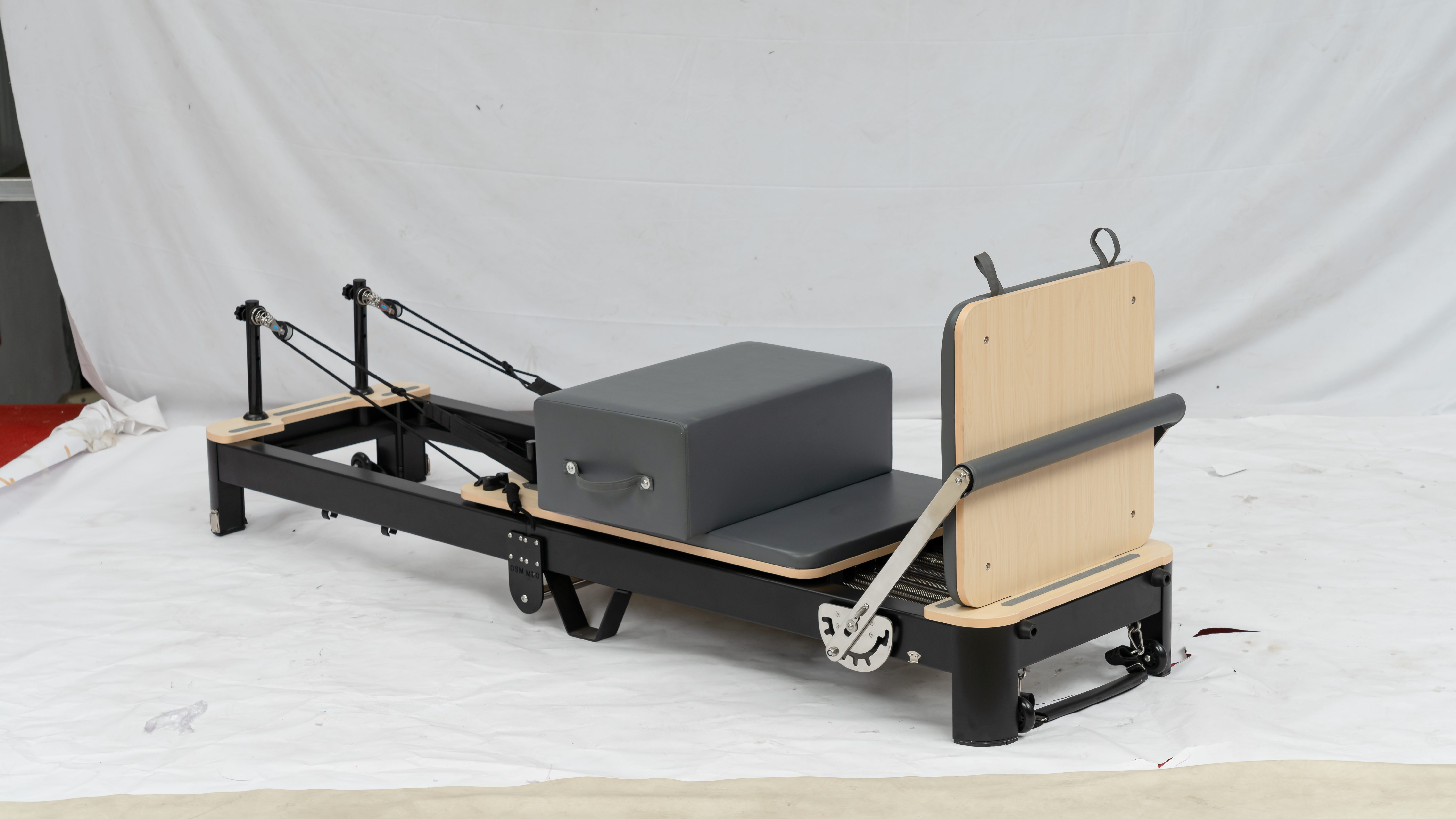
The core design philosophy of Pilates equipment is to let the body move under supported and guided conditions. Springs provide progressive resistance, tracks define movement paths, and gravity and body weight are partially offset, allowing practitioners to explore greater ranges of motion within a safe environment. This "lengthening under control" approach is what distinguishes Pilates machines from ordinary stretching.
I. How Well-Constructed Machines Affect Mobility
The dual action of the spring system
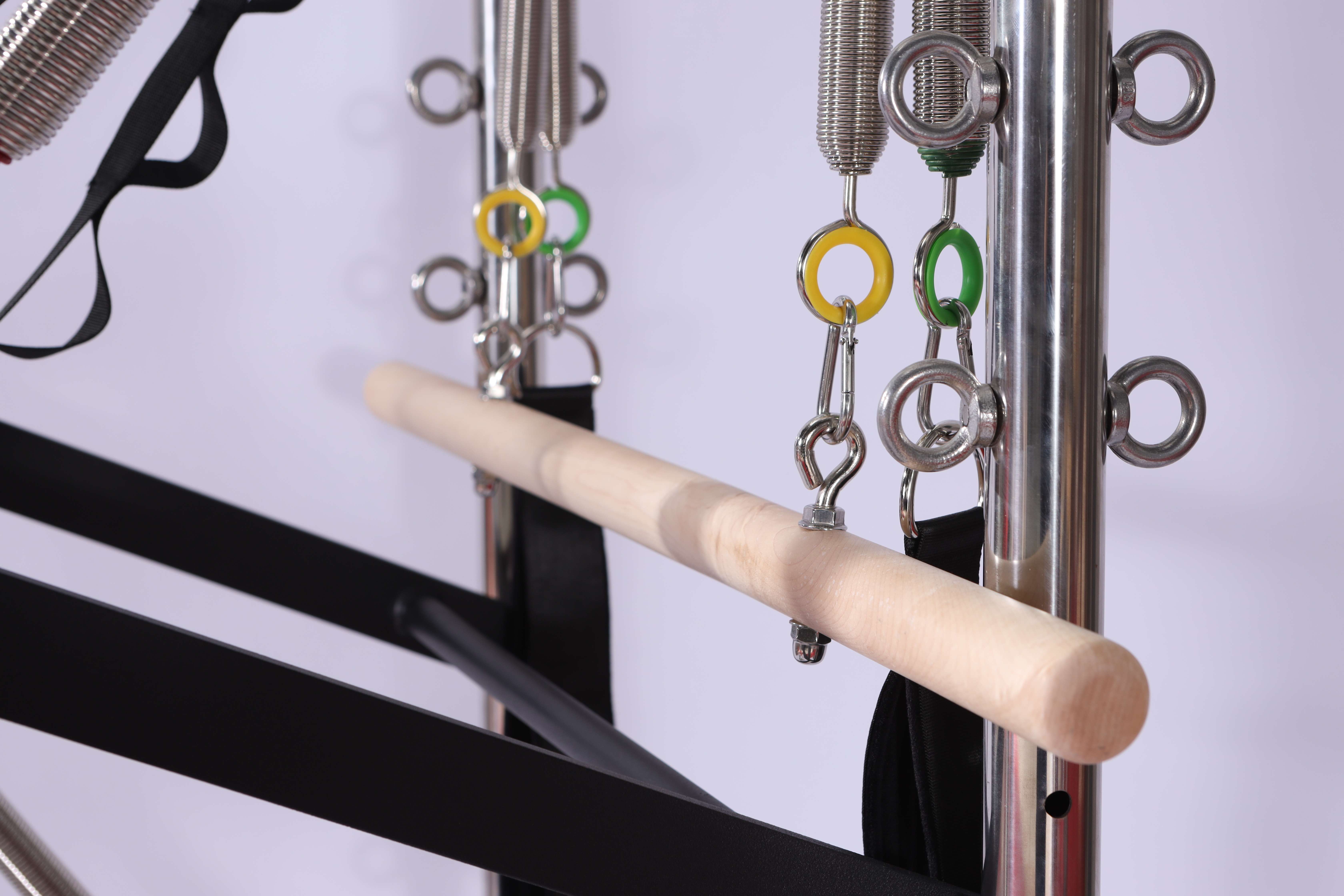
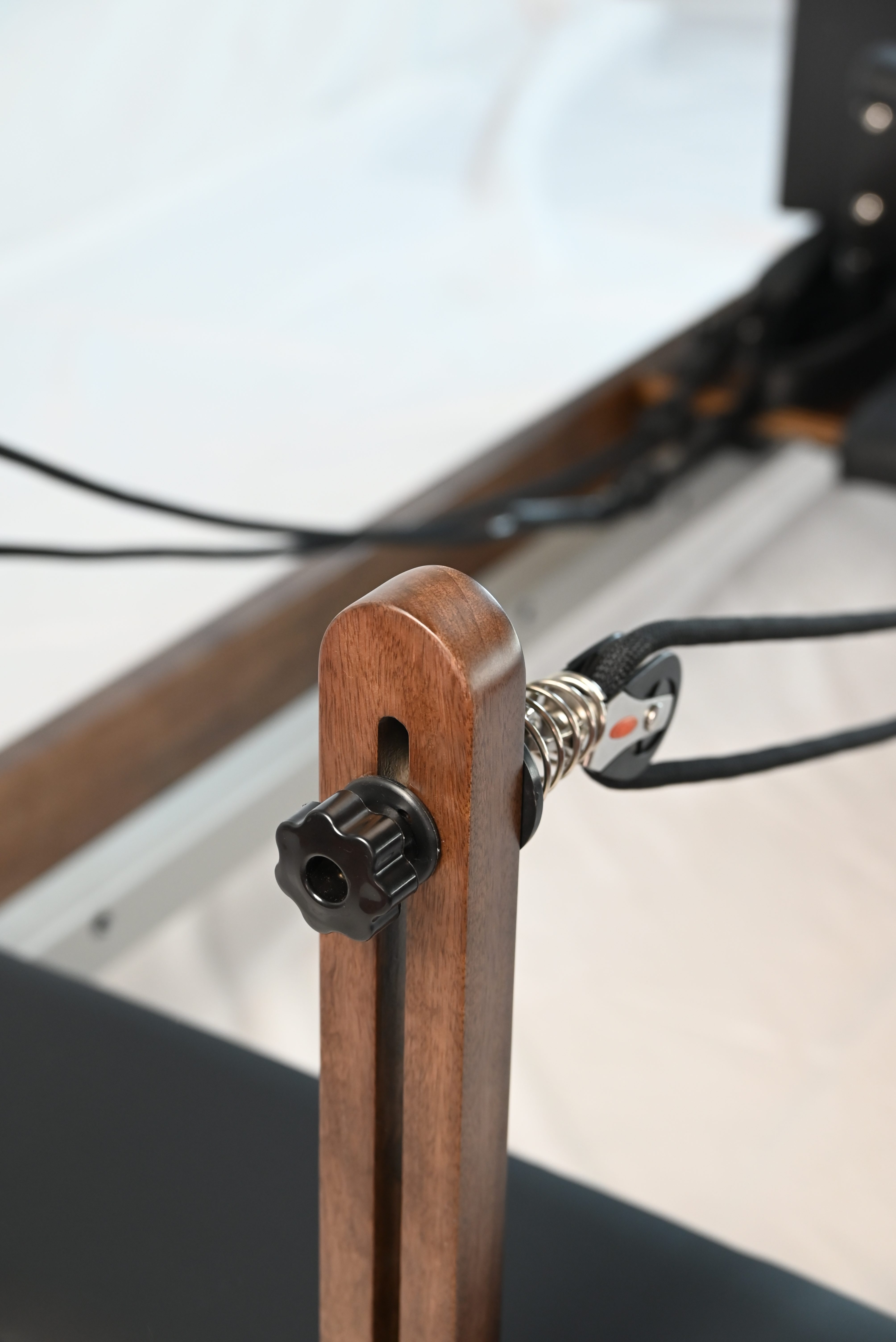
Pilates springs can provide both resistance and assistance. When the practitioner actively exerts force, the springs create a challenge; when the practitioner needs to relax and lengthen, the recoil of the springs can help the limbs reach farther. This dual quality means the joint is under gentle traction throughout the lengthening process rather than being forced.
Guidance from tracks and fixed trajectories
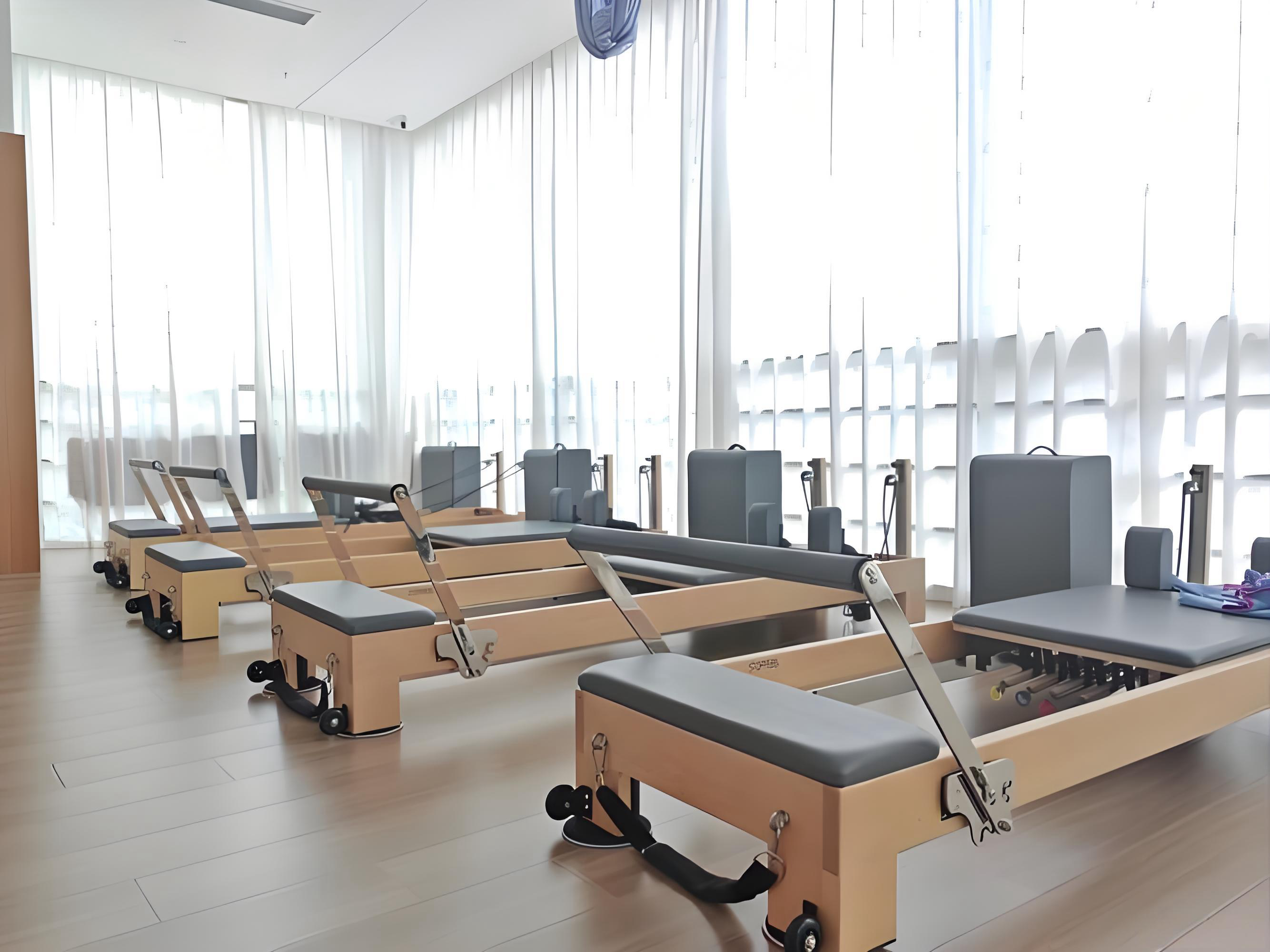
The Reformer's carriage track, the Wunda Chair's pedal path, and the Cadillac's push-through bar all define clear paths for movement. The joint does not have to solve two problems at once—"where to move" and "how much force to use"—so movement patterns become cleaner and more efficient. For people with restricted mobility, this guidance effectively reduces compensatory motion.
Redistribution of body weight bearing
On the apparatus, practitioners are usually lying, seated, or in a quadruped position, so the spine and lower limbs do not bear the full load they would in standing. Changes in the direction of gravity allow the hips, spine, and shoulder girdle to move through flexion, extension, rotation, and side bending in a more relaxed state, opening up more space for movement.
Segmental control of the spine
Pilates emphasizes segmental spinal movement. The support provided by the apparatus allows practitioners to consciously control the movement of each vertebra rather than bending stiffly as a whole. This segmental ability is central to improving spinal mobility and is a goal of much rehabilitation training.
II. Mobility Training for Different Body Areas
Hip mobility
Hip stiffness is one of the most common problems in modern life. Leg-stretching exercises on the Ladder Barrel and Wunda Chair can lengthen the hamstrings, hip flexors, and adductors while the pelvis remains stable. The "Frog" and hip-opening series on the Reformer use spring assistance to help the femur achieve greater external rotation and abduction within the hip socket.
Thoracic and shoulder mobility
A stiff thoracic spine affects both the shoulder joint and the cervical spine. "Roll-down" and "hanging" movements on the Cadillac use gravity to traction the spine, gradually opening the thoracic region in coordination with breathing. The Pilates Arc and Spine Corrector use curved support to guide thoracic extension while avoiding lumbar compensation.
Overall spinal flexibility
The "Spine Massage" and "Roll Up / Roll Down" series on the Reformer require practitioners to articulate the spine segment by segment on the moving carriage. The spring resistance both provides feedback and helps slow the movement down, allowing each vertebra to be felt. Long-term practice can significantly improve spinal flexion, extension, and rotation.
Ankles and lower limbs
Pedal-pressing movements on the Wunda Chair effectively train ankle dorsiflexion and plantarflexion range. For people whose ankle mobility is limited by prolonged sitting or old injuries, this controlled loaded lengthening is more effective than passive stretching alone.
III. How Machine-Based Mobility Training Differs from Ordinary Stretching
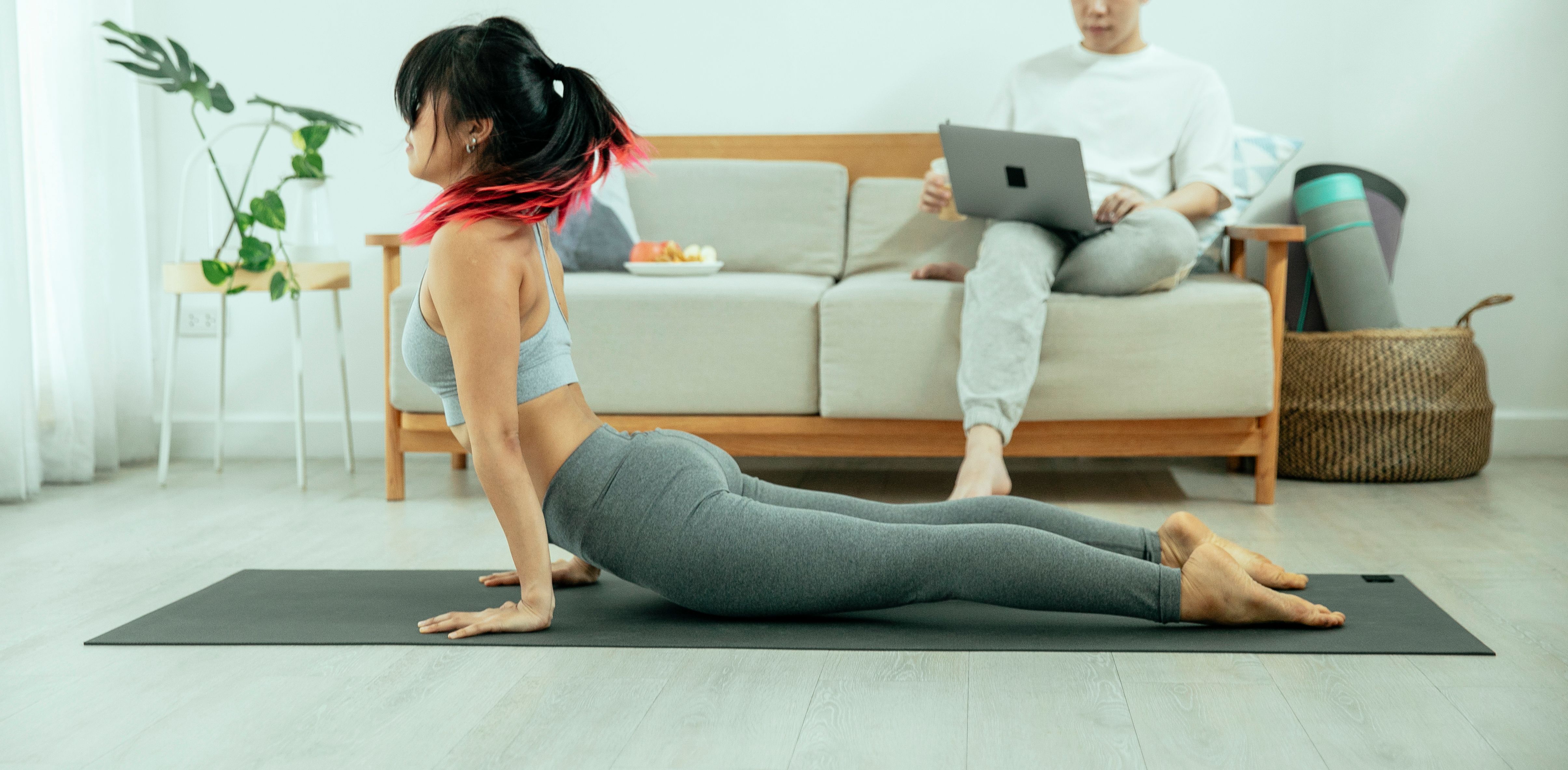
Ordinary static stretching typically lengthens muscles in a passive state, produces short-lived effects, and struggles to specifically improve the joint's own capacity for movement. Pilates machine training simultaneously addresses three dimensions: flexibility, stability, and control.
On the apparatus, practitioners are not passively pulled longer; they maintain muscle activation while lengthening, learning to sustain control through a greater range of motion. This "active mobility" is closer to the demands of daily movement and less likely to rebound. In addition, the resistance provided by the equipment can be precisely adjusted, so training intensity always matches individual capacity and avoids injury caused by overstretching.
IV. Who Benefits Most from Machine-Based Mobility Training
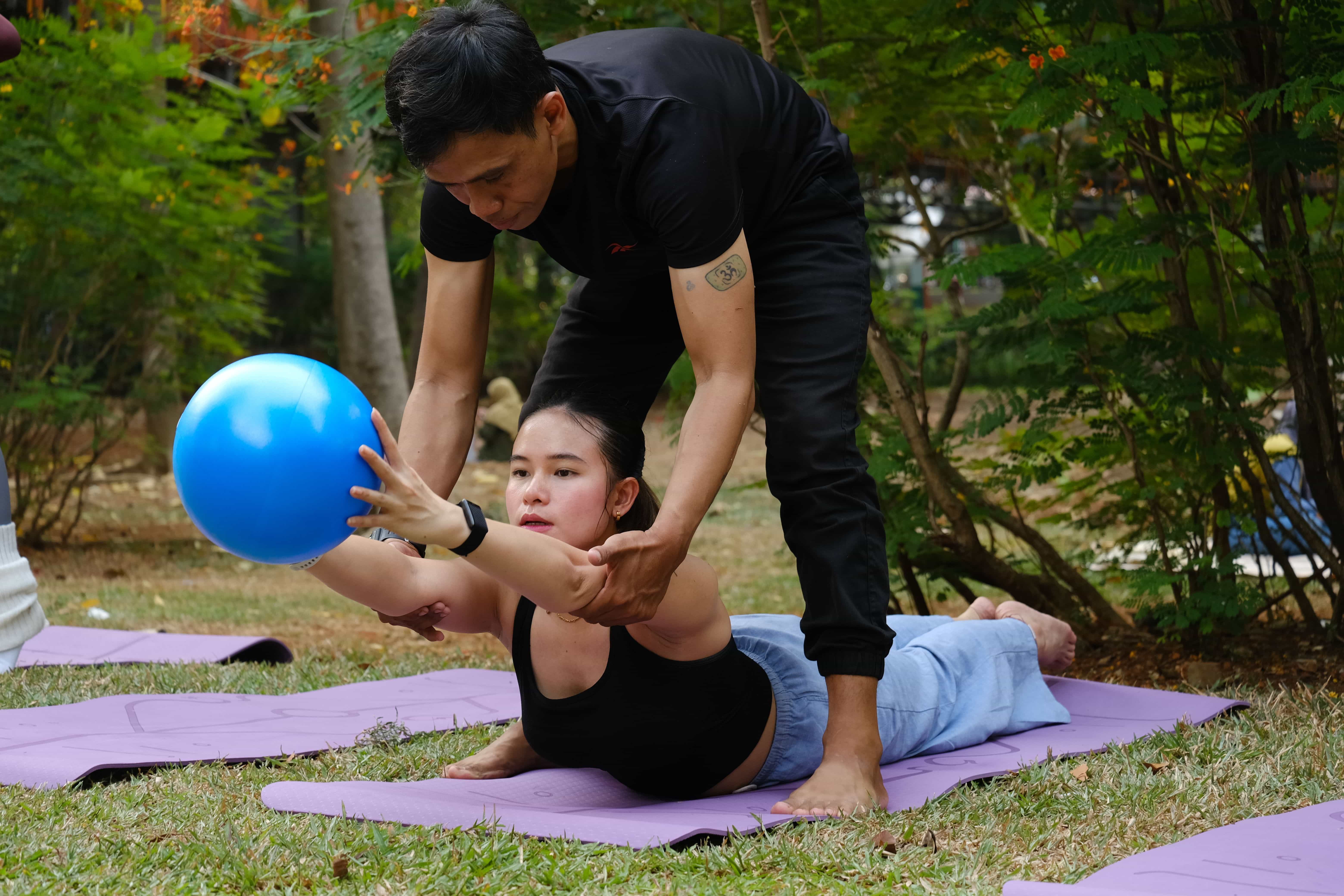
Sedentary office workers often face shortened hip flexors, thoracic kyphosis, and forward-drawn shoulders; machine training can fundamentally rebuild mobility in these areas. Middle-aged and older adults can use the low-impact nature of the equipment to maintain and improve mobility with minimal joint stress. Fitness enthusiasts and athletes can use the machines for targeted reinforcement, correcting mobility imbalances caused by a single sport. People in rehabilitation can, under professional guidance, use the apparatus to progress through mobility recovery more safely and controllably than with free-hand training.
V. Recommendations for Getting Started
When first encountering Pilates machines, it is advisable to learn basic movement patterns and breath coordination under the guidance of a professional instructor. Mobility improvement takes time; noticeable change usually requires regular training two to three times per week over several weeks. During training, avoid pursuing "the wider the stretch, the better" and instead focus on movement quality and joint comfort. As mobility improves, spring resistance can be gradually increased, range of motion expanded, or more advanced apparatus combinations attempted.
Conclusion
Mobility is not gained through one intense stretch, but built gradually through repeated, controlled, supported movement patterns. Well-constructed Pilates machines provide exactly these conditions: springs offer precisely judged resistance and assistance, tracks guide the joints along correct paths, and supporting structures let the body shed unnecessary load. When the body learns to lengthen in safety and to maintain control while lengthening, better mobility is no longer an unreachable goal.