How Manufacturers Handle Product Testing and Batch Inspection for Large Studio Rollouts
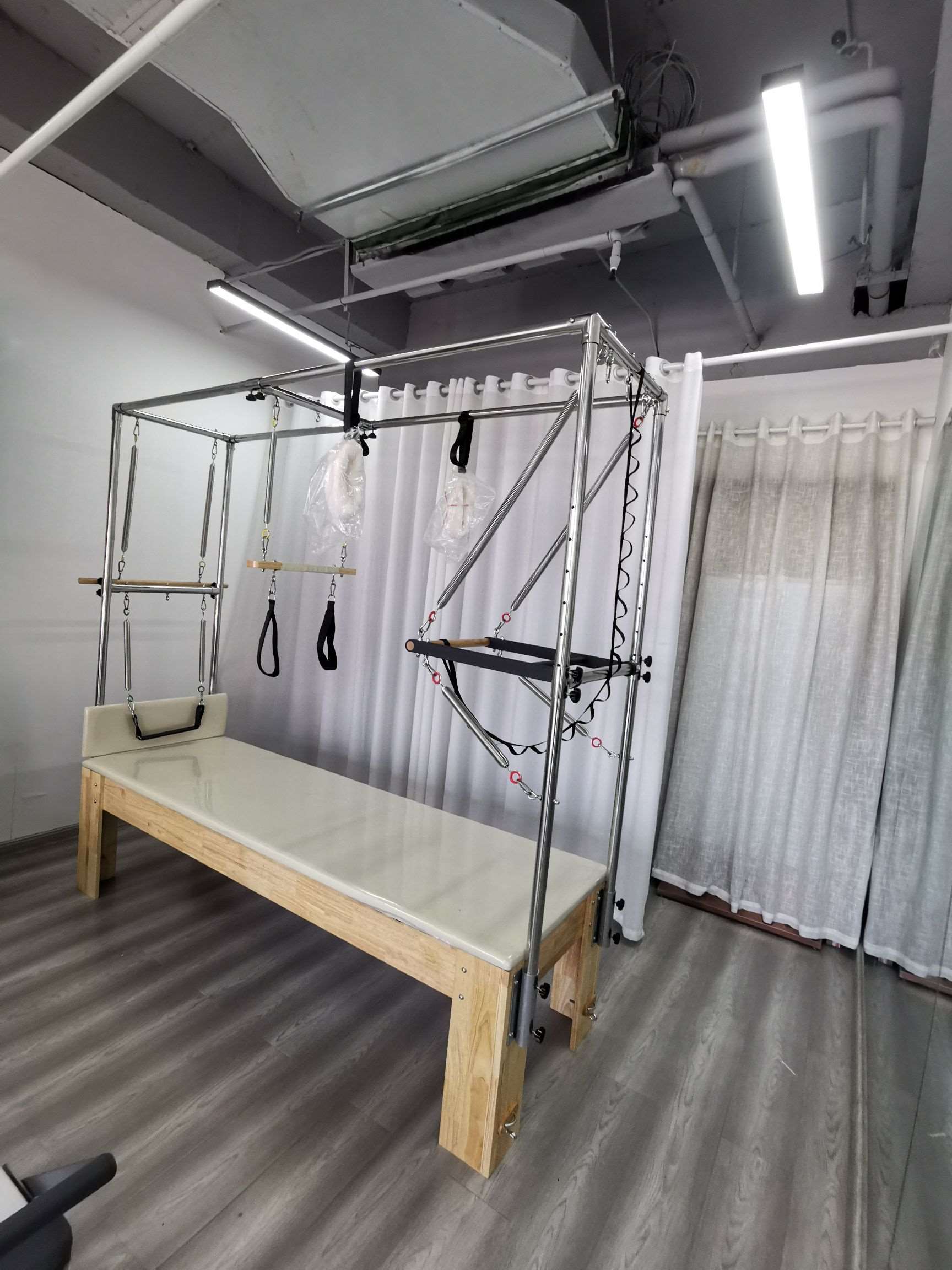
When a distributor or fitness brand places a bulk order for dozens of Pilates reformers, Wunda chairs, arc barrels and Cadillac tables for a multi-location studio rollout, the stakes are high. Delays, inconsistent finishes, hidden mechanical defects or non-compliant components can push back studio opening dates, trigger expensive on-site repairs and damage your brand reputation. Reliable Pilates equipment manufacturers implement a full cycle of product testing and batch inspection tailored specifically for large studio rollouts, to guarantee safety, uniform performance and compliance across every unit in the shipment. This article breaks down their quality workflow, mandatory tests for commercial-grade apparatus and critical questions buyers should ask before approving mass production.
Pre-Prototype & Pre-Production Validation
Quality control starts before mass manufacturing begins. For large studio rollouts, manufacturers first finalise the prototype against engineering drawings, custom specifications and international fitness standards including EN 957 and ISO 20957. This stage catches design flaws that would otherwise repeat across the whole batch.
Key prototype validation tests:
- Static load testing to verify frame strength under repeated commercial use
- Spring fatigue testing, checking tension consistency after thousands of cycles
- Carriage glide and noise testing for silent spring systems
- Upholstery abrasion, colour fastness and material compliance checks for PU foam
- Dimensional verification for adjustable stoppers, tower heights and accessory fitting
Once the prototype passes all tests, it becomes the golden master sample. Every finished unit in the batch must match this reference. Custom requirements such as bespoke PU colours, laser logos or modified carriage travel limits are fully validated at this stage to avoid batch inconsistencies.
Incoming Raw Material Inspection
Material variation is one of the most common root causes of inconsistent quality in bulk Pilates equipment orders. Reputable manufacturers inspect every incoming material batch separately, rather than only checking finished machines.
Raw material inspection covers:
- Steel or aluminium frame tubing: wall thickness, tensile strength and coating adhesion
- Spring steel wire: elasticity, tension stability and anti-corrosion performance
- PU upholstery and foam: density, POPs and REACH compliance for European markets
- Pulleys, ropes, foot bars and fasteners: dimensional tolerance and mechanical strength
If raw materials fail inspection, they are rejected before assembly starts. This prevents defective materials from being built into dozens of finished machines, which would create costly after-sales issues after delivery. Material test certificates are archived and available for distributors’ compliance documentation.
In-Line Inspection During Mass Assembly
For large rollout orders, QC teams perform in-process checks at multiple assembly stages, not only a final inspection at the end of the production line. Once the first 10% to 30% of units are assembled, inspectors audit critical assembly points to identify systematic issues early, such as misaligned welding jigs, uneven welds or incorrectly fitted hardware.
During assembly, inspectors verify:
- Weld integrity and surface finish on metal or wooden frames
- Precision installation of bearings and sliding carriage tracks
- Correct spring setup and tension calibration
- Secure locking mechanisms for towers and adjustable parts
- Upholstery fitting, seam quality and colour matching against the master sample
If systemic defects are found, production pauses immediately for corrective action. Stopping production early is far cheaper than continuing to manufacture hundreds of faulty machines.
100% Functional Testing + AQL Sampling for Finished Units
After assembly, manufacturers combine two inspection strategies: 100% functional testing for safety-critical components, plus statistical AQL sampling for destructive and long-cycle durability tests. This hybrid method balances thorough quality assurance and production timelines for large studio orders.
Every completed Pilates apparatus undergoes full functional checks:
- Full carriage travel test with adjustable stoppers, ensuring smooth sliding without binding
- Spring tension calibration for every spring set
- Locking mechanism test on towers, foot bars and height adjusters
- Noise check to eliminate squeaks, rattles and friction
- Visual inspection for paint/wood finish, upholstery seams and surface blemishes
- Accessory count and fit verification for straps, handles and spare parts
Destructive accelerated fatigue tests use random samples selected from the batch. Samples are run through repeated loading cycles to simulate years of daily group studio use. If sampled units fail, the factory will trigger full re-inspection, rework or rejection of the entire batch.
Pre-Shipment Inspection (PSI)
Pre-shipment inspection takes place after all units are fully produced and most are packed. Inspectors randomly select units from finished stock following agreed AQL sampling rules. They cross-reference every sampled unit with the master sample, order specs and compliance marking requirements.
PSI includes:
- Full dimensional check against engineering drawings
- Verification of custom colours, branding and origin marking
- Re-run of functional tests on selected units
- Packaging and shipping mark inspection for sea freight
- Documentation review: test reports, material certificates, DoC and packing lists
Many distributors bring independent third-party inspectors for large studio rollouts to add impartial quality verification. The factory will hold shipment until the buyer approves the PSI report.
Batch Traceability & Non-Conformance Management
Manufacturers with mature QA systems maintain full batch traceability for large studio rollouts. Each finished unit links back to raw material batch numbers, production date and QC inspector records. If defects are discovered after delivery, the team can quickly determine whether the problem affects only a few units or the entire shipment.
When non-conforming units are identified:
- Minor defects go through rework and a second full inspection
- Units with structural safety risks are rejected and replaced
- Root-cause analysis is completed to prevent recurrence in future production
- All rework activities are documented and available for buyer QA records
This traceability is especially valuable for multi-site studio chains where equipment will be installed across several locations.
Key Questions Distributors Should Ask Before a Large Rollout
Before committing deposit for bulk Pilates equipment for studio rollouts, confirm these points with your manufacturer:
- Are safety and function items tested on every single unit, or only sampled?
- What AQL sampling standard will be used for batch inspection?
- Can you supply raw material test reports and prototype validation records?
- Will in-line inspection be performed during assembly to catch systematic defects early?
- Does your factory support third-party pre-shipment inspection?
- What batch traceability records are available for each order?
- What rework and delay protocols apply if batch inspection fails?
Final Thoughts
Large studio rollouts require much stricter testing and batch inspection processes than small individual orders. Trusted manufacturers control quality through pre-production validation, raw material screening, in-line QC, full functional testing and final pre-shipment audits. The goal is consistent, safe commercial Pilates machines that perform reliably from day one of studio opening.
For distributors and studio owners, understanding this end-to-end QA workflow reduces launch risk, cuts after-sales workload and protects your return on investment for large-scale equipment rollouts. Always confirm your manufacturer’s testing and batch inspection plan before releasing payment for a big studio project.