Private Label Pilates Apparatus: OEM Logo and Upholstery Rules for New Distributors
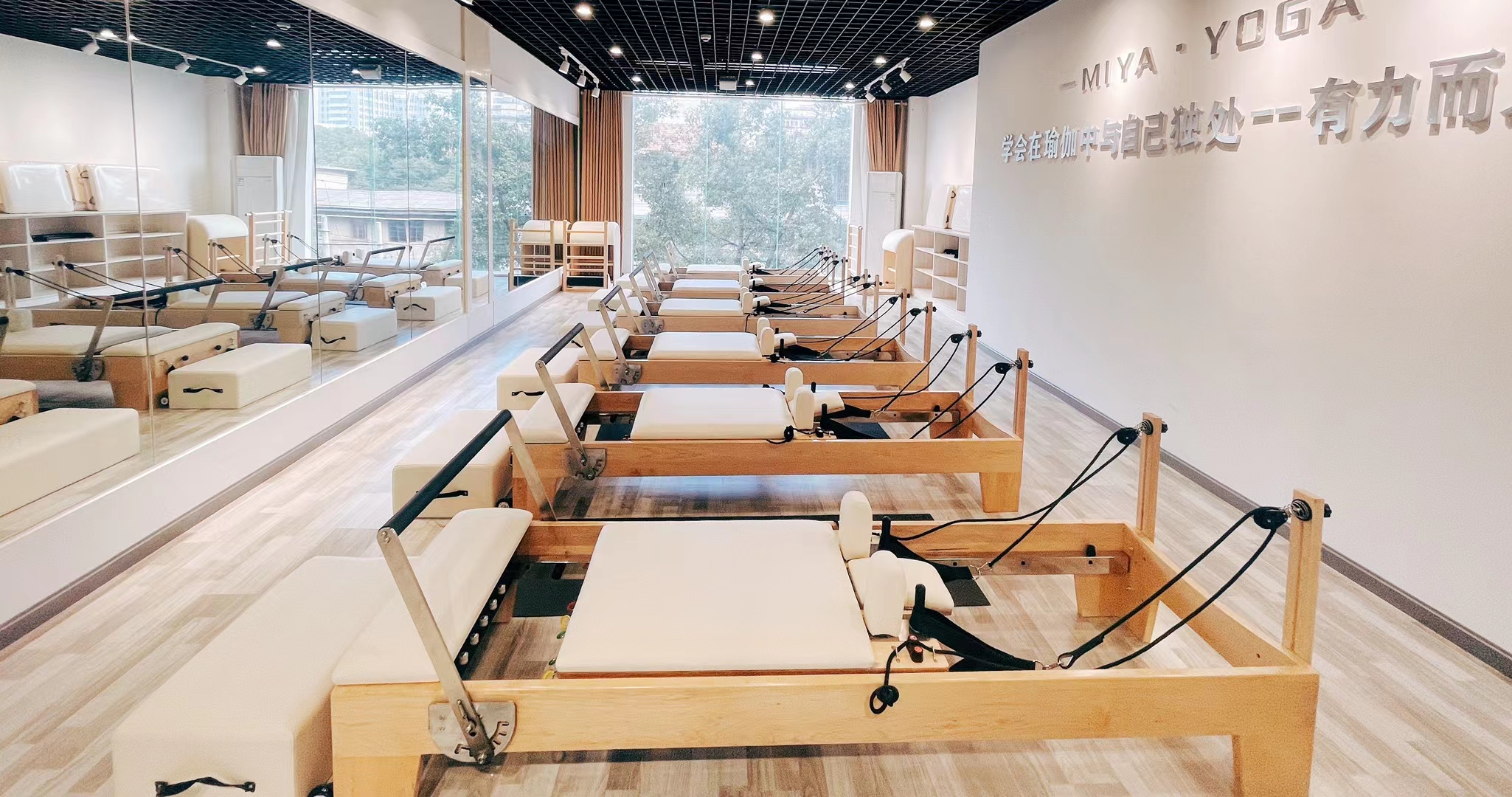
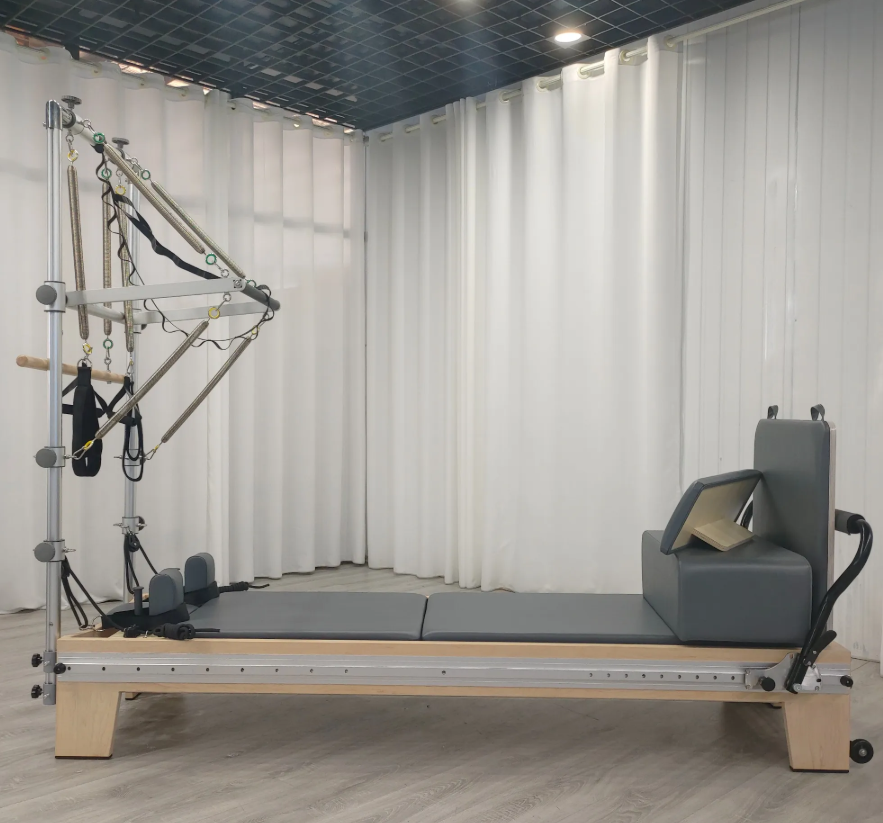
Private label Pilates equipment lets new distributors sell high-quality reformers, cadillacs, Wunda chairs and arc barrels under their own brand name, without building a factory from scratch. While OEM branding and custom upholstery are powerful selling tools, new importers often overlook critical rules around minimum orders, artwork requirements, material limitations, compliance and repeat-order consistency. Understanding these rules upfront helps you avoid costly delays, inconsistent batches and misaligned brand expectations when launching your private label Pilates business.
OEM Logo Options and Factory Rules
Manufacturers offer several common logo application methods for Pilates apparatus, each with different MOQ, cost and lead time rules.
- Embossed or embroidered logo on upholstery pads
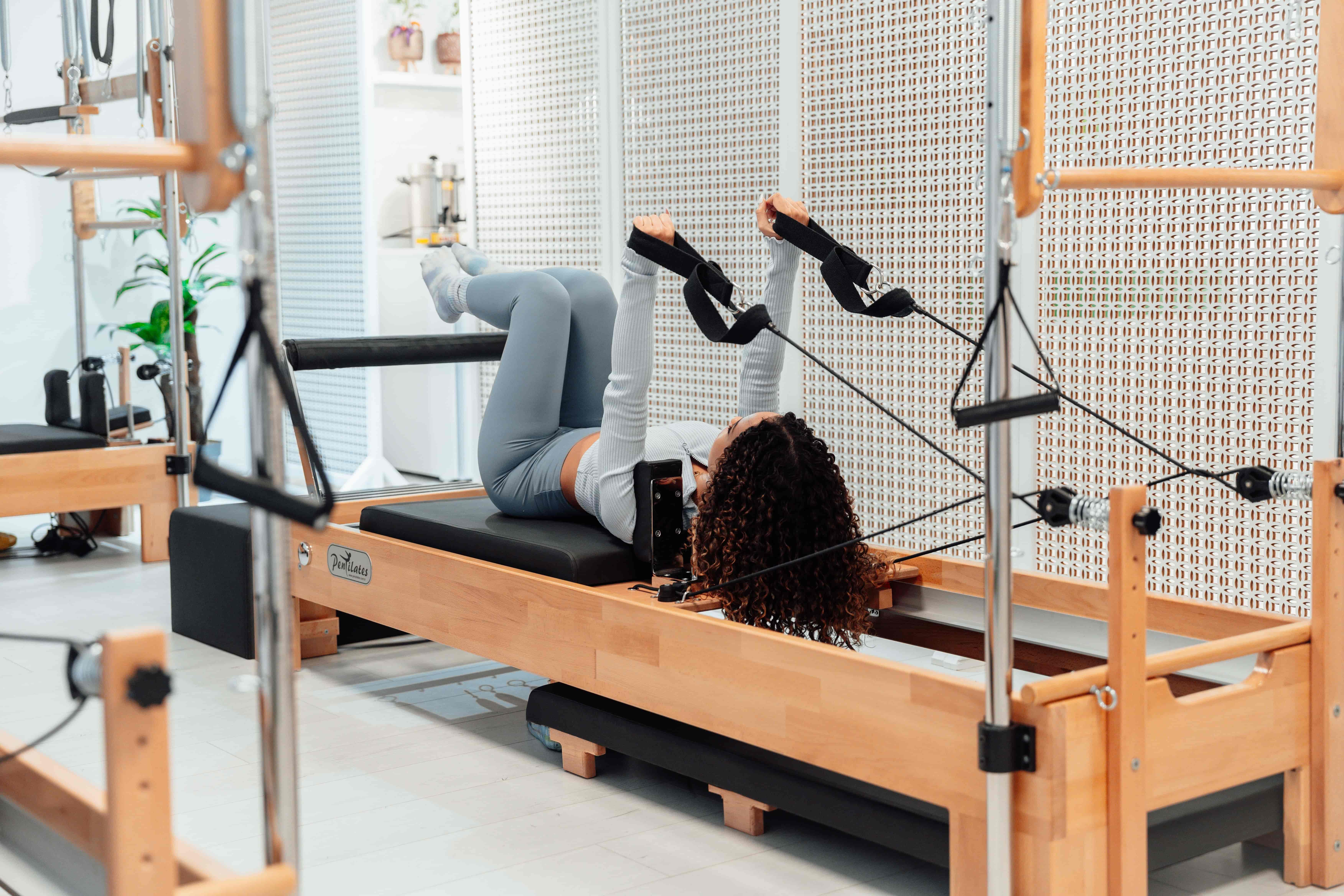
This is the most popular premium option for carriage pads, headrests and mat surfaces. Embossing presses your brand mark into the foam and upholstery, while embroidery stitches the logo directly onto the fabric. Most factories require a one-time mould or digitising fee for new artwork. Key rule: artwork files must be vector files (AI, EPS or PDF), not low-resolution PNG or JPG images, to prevent blurry marks. Small logos are easier to reproduce; oversized branding may stretch or distort on curved padding.
- Laser engraving or metal nameplate logo on frames
Laser engraving works well on aluminium or solid wood frames, creating a subtle high-end look. Metal branded plates are attached by screws or adhesive. Factories often set a separate MOQ for engraved branding, lower than full upholstery customisation. One important limitation: engraved logos cannot be easily removed if you change your brand later.
- Vinyl decals and printed labels
Decals are the lowest-cost logo solution with lower MOQ, suitable for new distributors testing the market. The downside is lower durability: decals can peel under heavy studio use, sweat and regular cleaning. Many premium Pilates distributors avoid decals for high-end studio clients.
Core logo rule to remember: Confirm whether tooling/artwork fees are one-off or charged for every new batch. Some factories waive repeat tooling charges for returning customers, which benefits your long-term profit margin.
Upholstery Customisation Rules for Pilates Private Label
Upholstery is one of the most visible brand elements, and custom colour or material selection has strict production constraints.
Material choices
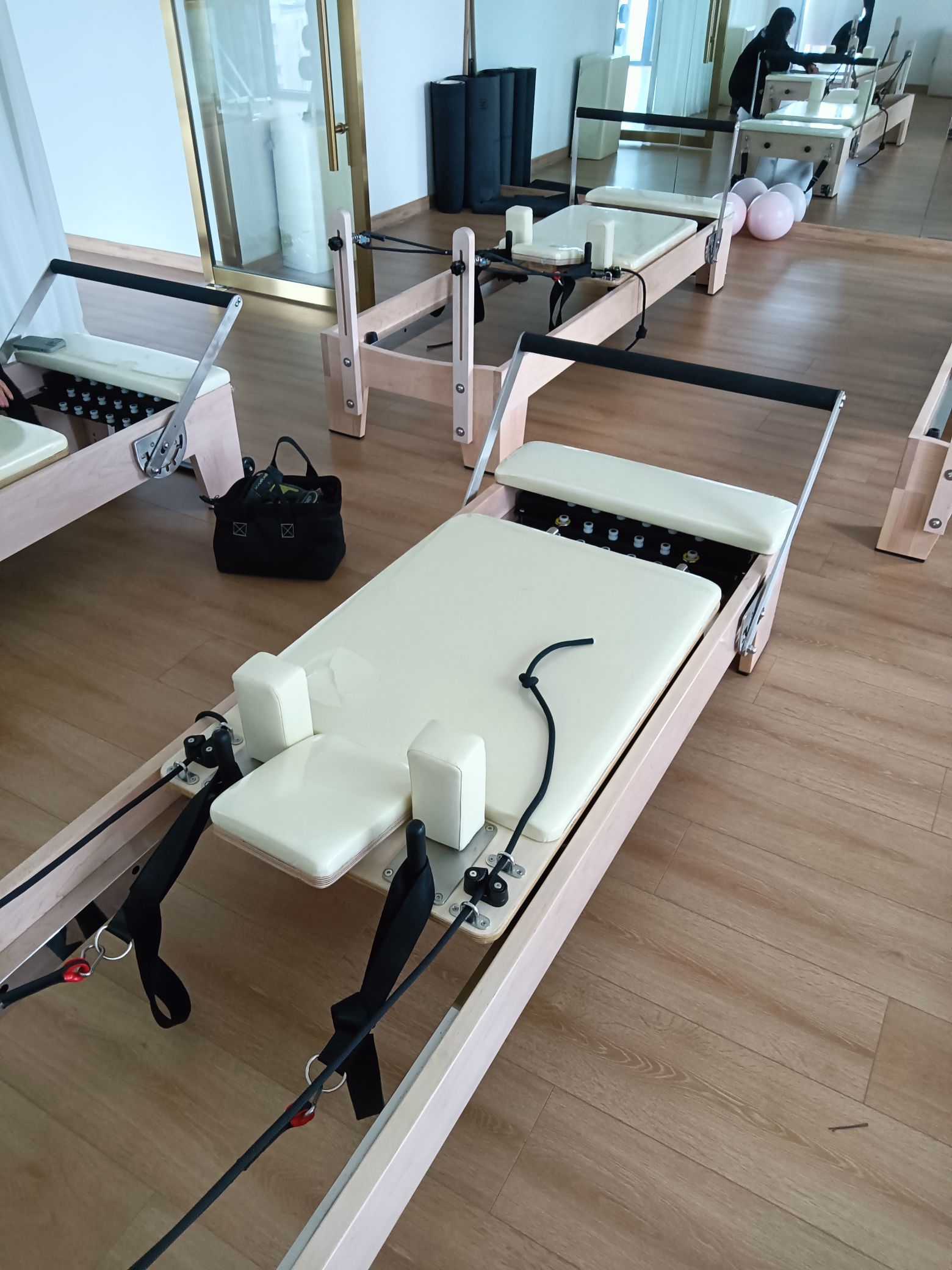
Commercial Pilates upholstery is mostly PU synthetic leather, selected for sweat resistance, easy wiping and wear resistance in high-traffic studios. Some factories offer PVC or premium vinyl alternatives. When choosing material, check local market requirements: certain EU markets have POPs and REACH regulations limiting harmful chemicals in synthetic fabrics. Always request material test reports for your private label upholstery before bulk production.
Colour matching rules
You can select custom colours via RAL codes or physical colour swatches. Digital screen images are not accepted for colour approval — screens distort hues. The factory will produce a physical swatch sample for you to sign off before mass production. A common pitfall: batch-to-batch colour variation. Natural raw material differences can create slight shade shifts, especially for solid wood and dyed PU. Set a clear tolerance agreement with your manufacturer in writing.
Stitching and padding specs
You can customise stitching patterns, seam layout and foam density to match your brand positioning. High-density foam is non-negotiable for commercial studio use. Any custom stitch pattern may raise MOQ and production time.
MOQ and Sample Approval Rules for New Distributors
New private label buyers often underestimate minimum order quantity tiers.
- Simple logo only (decals or frame engraving): Lower MOQ, often 10–20 units
- Logo + custom upholstery colour: Medium MOQ, commonly 20–30 units
- Full private label package: custom upholstery, branded manuals, custom carton marks, nameplates: MOQ 30–50 units upwards
A non-negotiable rule for all new OEM projects: pre-production sample approval. You must sign off on the sample confirming logo placement, upholstery colour, stitching and material before the factory starts bulk manufacturing. Skipping sample approval leads to expensive rework if the finished product does not match your vision. Sample production adds to lead time, so plan accordingly for your launch timeline.
Compliance and Labelling Rules
Even with private label, you remain responsible for compliance in your import market.
- Safety markings, warning labels and CE/DoC documentation must match the product model. If you replace factory branding with your own logo, confirm the manufacturer can update documentation to reflect your private label model name where required.
- Do not remove mandatory safety warnings. Many new distributors mistakenly cover warning labels with branded plates, which can cause customs rejection or product liability issues.
- Brand ownership: Ensure you own the trademark for your logo in the target countries. The factory cannot take responsibility for trademark conflicts if your artwork infringes another brand.
Common Mistakes New Private Label Distributors Make
- Sending low-resolution logo files, resulting in poor print or embroidery quality.
- Approving colours only from photos instead of physical swatches.
- Ignoring upholstery chemical compliance testing for EU / UK imports.
- Forgetting that tooling charges apply for every new logo or new upholstery pattern.
- Skipping pre-production sample and expecting zero colour variation across large batches.
- Overpromising ultra-fast lead times to studio clients; OEM customisation adds production days compared to stock equipment.
Final Tips for Launching Your Private Label Pilates Line
Start small. Many successful distributors begin with logo branding plus one custom upholstery colour to keep MOQ and costs manageable, then expand customisation once sales are proven. Keep full written records of approved swatches, logo position, artwork files and material specs. This guarantees consistency for repeat orders months or years later.
When negotiating with your manufacturer, separate standard product costs from custom fees (artwork, mould, special fabric, custom packaging) in the quotation. This clear breakdown protects your margin and helps you price your private label Pilates apparatus correctly for studio buyers.