Pilates Reformer Spare Parts Inventory Strategy for Local Pilates Equipment Distributors
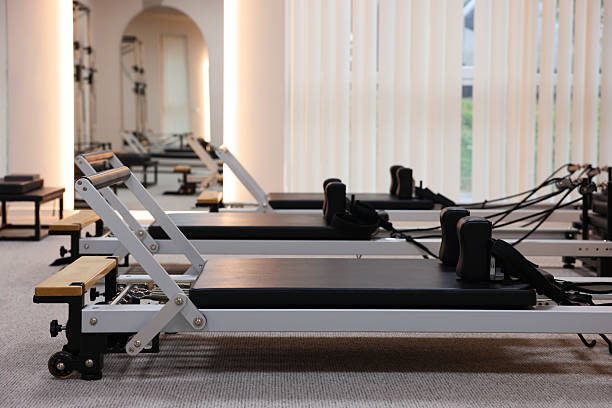
As a local distributor supplying commercial Pilates reformers to studios, rehab clinics, and fitness operators, your after-sales reputation hinges heavily on fast spare parts support. A poorly planned spare parts inventory ties up working capital, leads to costly stockouts, and frustrates studio owners waiting weeks for a broken spring, carriage wheel, or upholstery fastener. A smart inventory strategy balances service speed, storage cost, cash flow, and demand forecasting — and it is one of the clearest competitive advantages you can build against overseas suppliers that only ship full machines. This guide breaks down a practical spare parts inventory framework built specifically for Pilates reformer distributors.
Step 1: Categorize Reformer Spare Parts by Criticality
Not all spare parts carry the same risk or turnover rate. Start by grouping every component into three tiers to set stocking rules:
- Fast-moving critical parts (Always keep local stock)
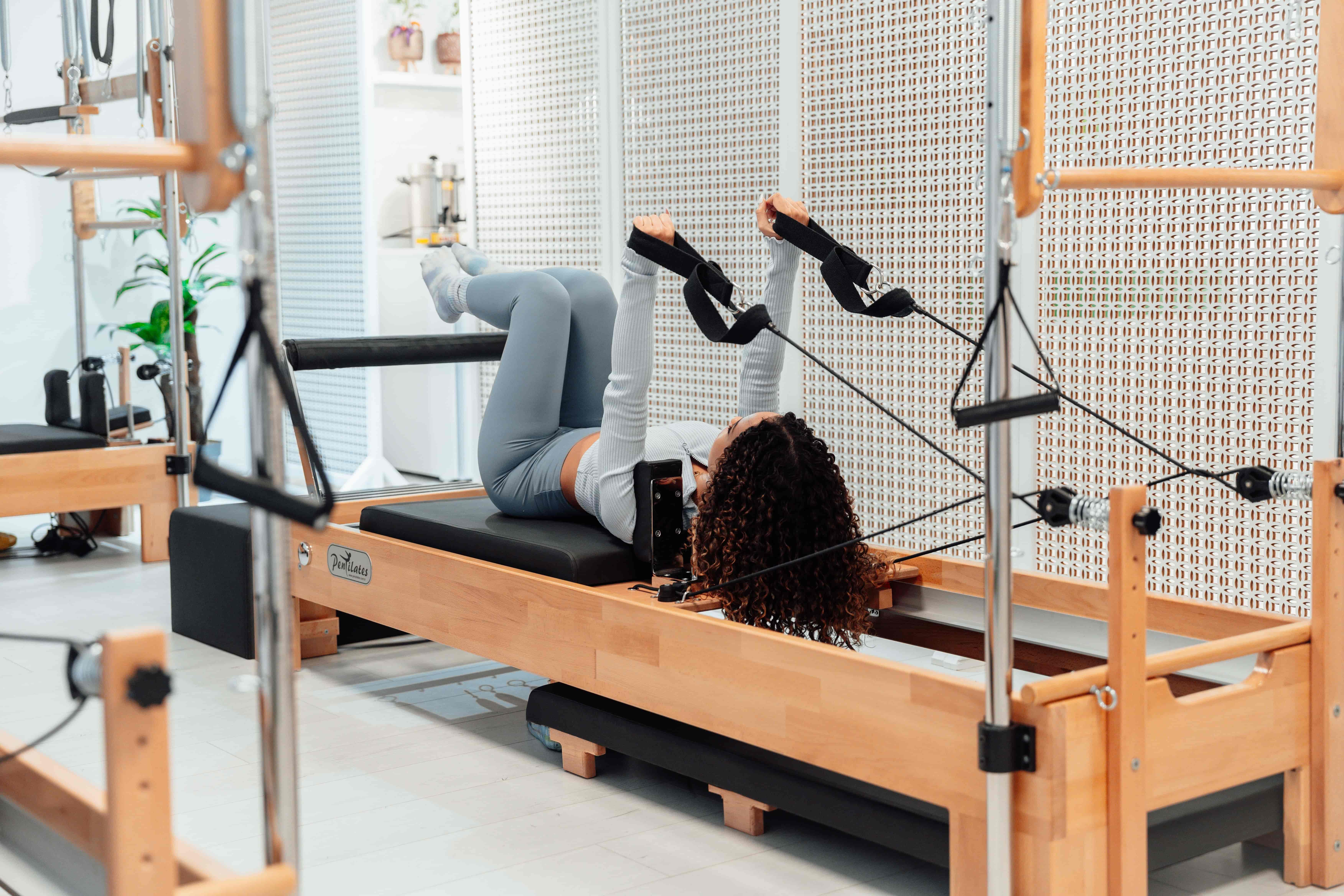
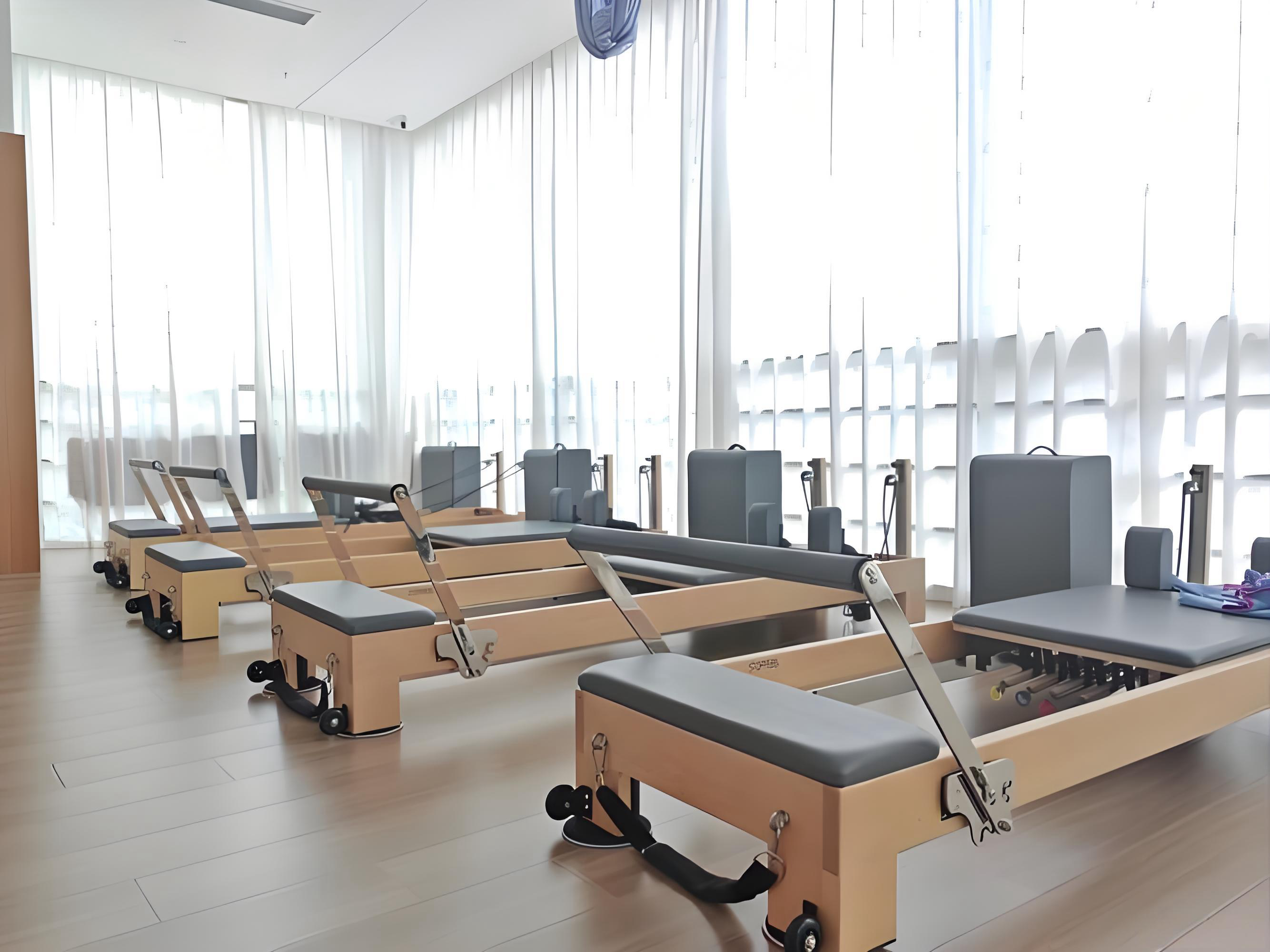
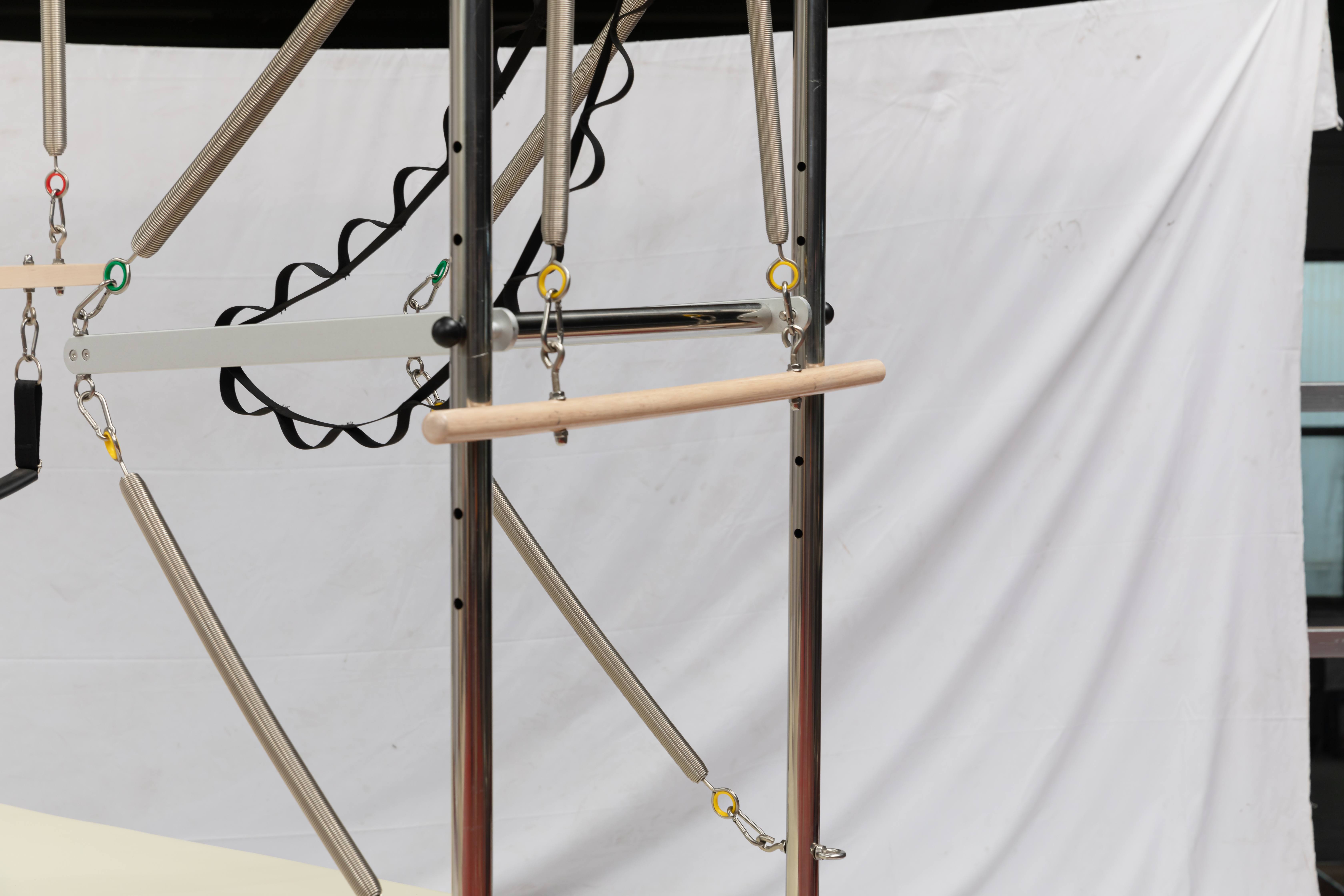
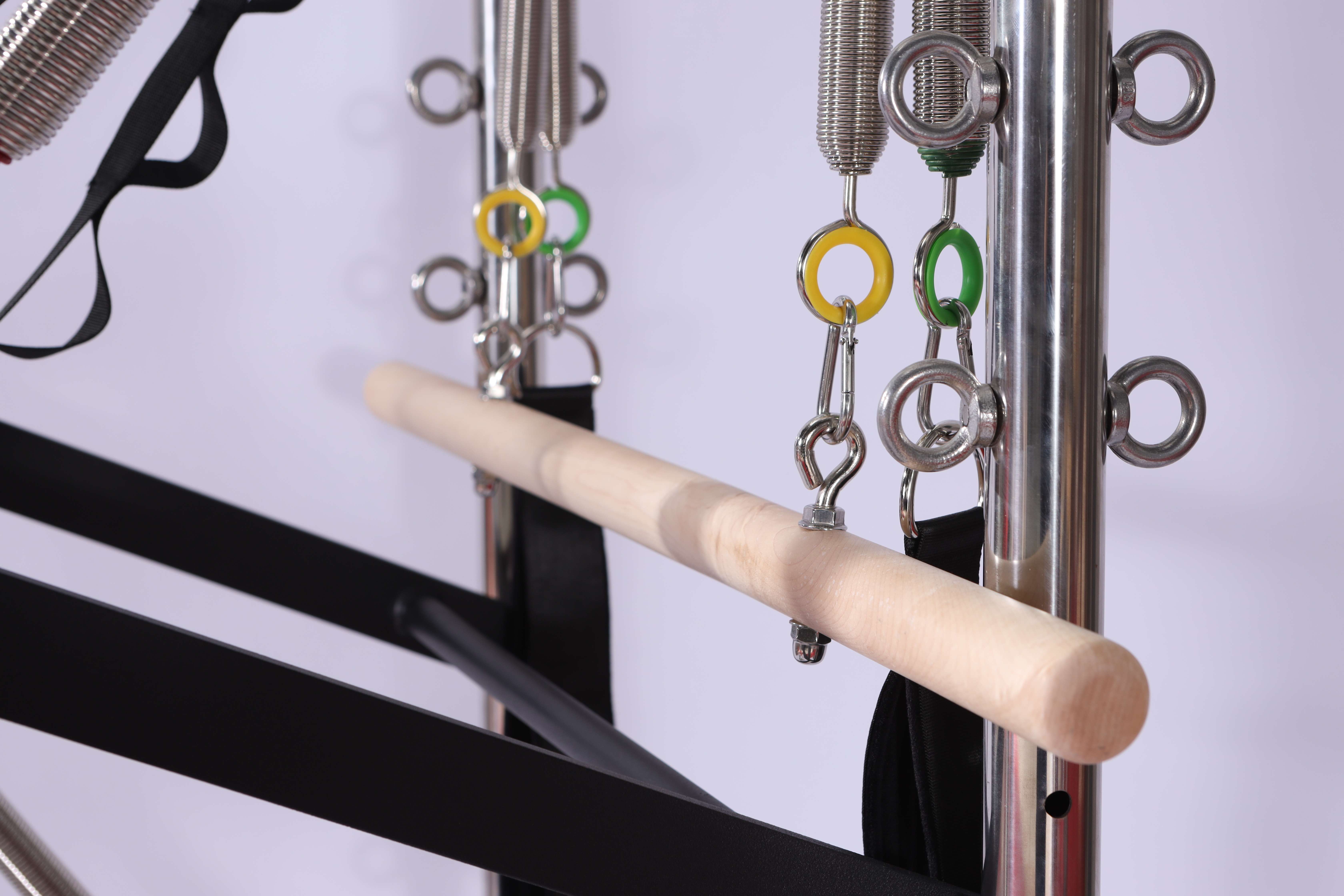
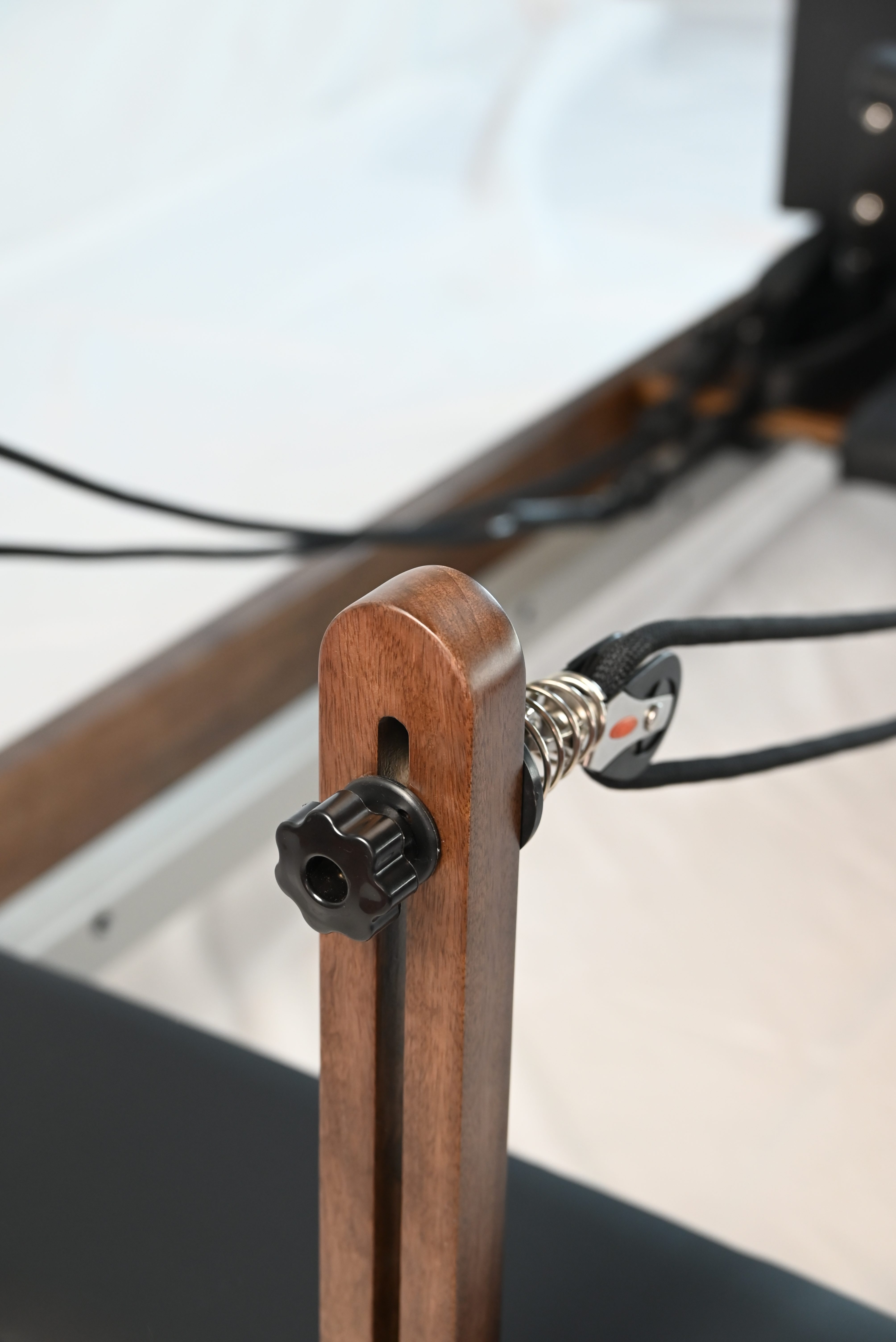
These are high-wear items that studios replace regularly and stop the reformer from working if they fail. The list includes resistance springs, spring clips, carriage rollers, shoulder rest padding, headrest foam, foot straps, safety ropes, and buckle hardware. For group Pilates studios running back-to-back classes, a broken spring can cancel sessions immediately. Stock enough of these to cover 3–6 months of forecast demand.
- Medium-moving non-emergency parts (Limited local stock)
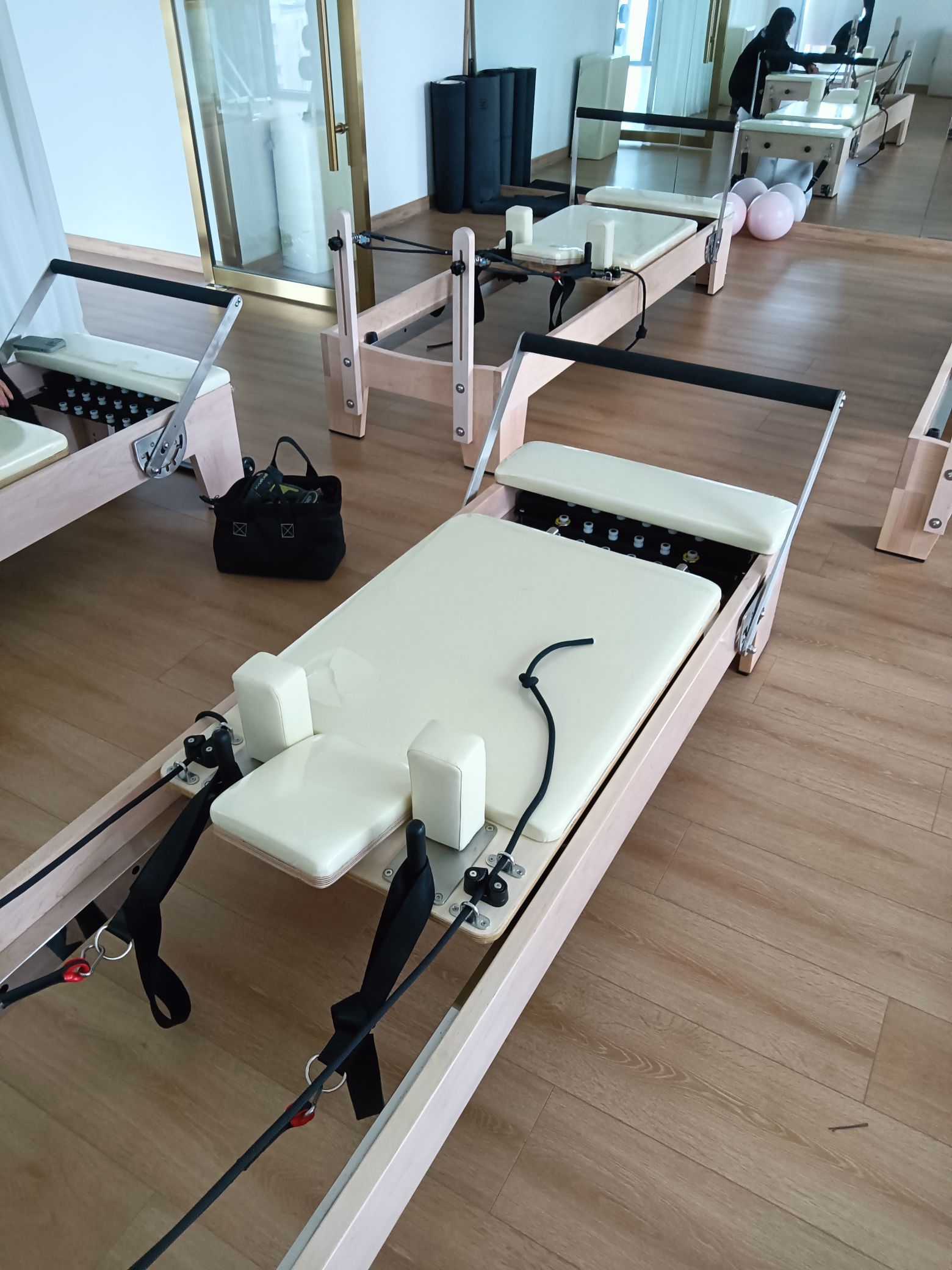
These components wear slowly but still require occasional replacement: trolley rails, adjustable footbar assemblies, locking pins, pulley wheels, and small upholstery repair kits. You do not need huge quantities, but holding a small buffer lets you avoid waiting for factory shipments for routine repairs.
- Slow-moving, high-cost structural parts (Order on demand)
Heavy, low-failure structural components such as main reformer frames, solid wood side rails, full carriage assemblies, and custom upholstery panels are capital-heavy to store. Most distributors do not hold large inventories of these. Instead, establish a fast ordering channel with your manufacturer, with agreed lead times so you can quote realistic delivery windows to customers when these rare failures happen.
Step 2: Forecast Demand Based on Your Installed Base
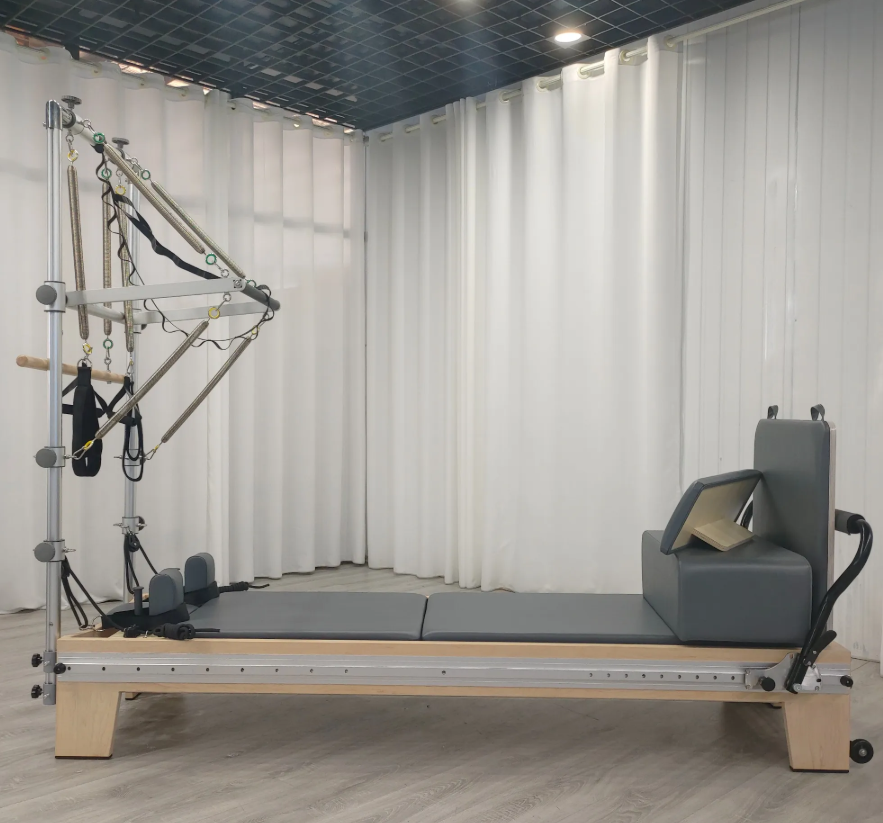
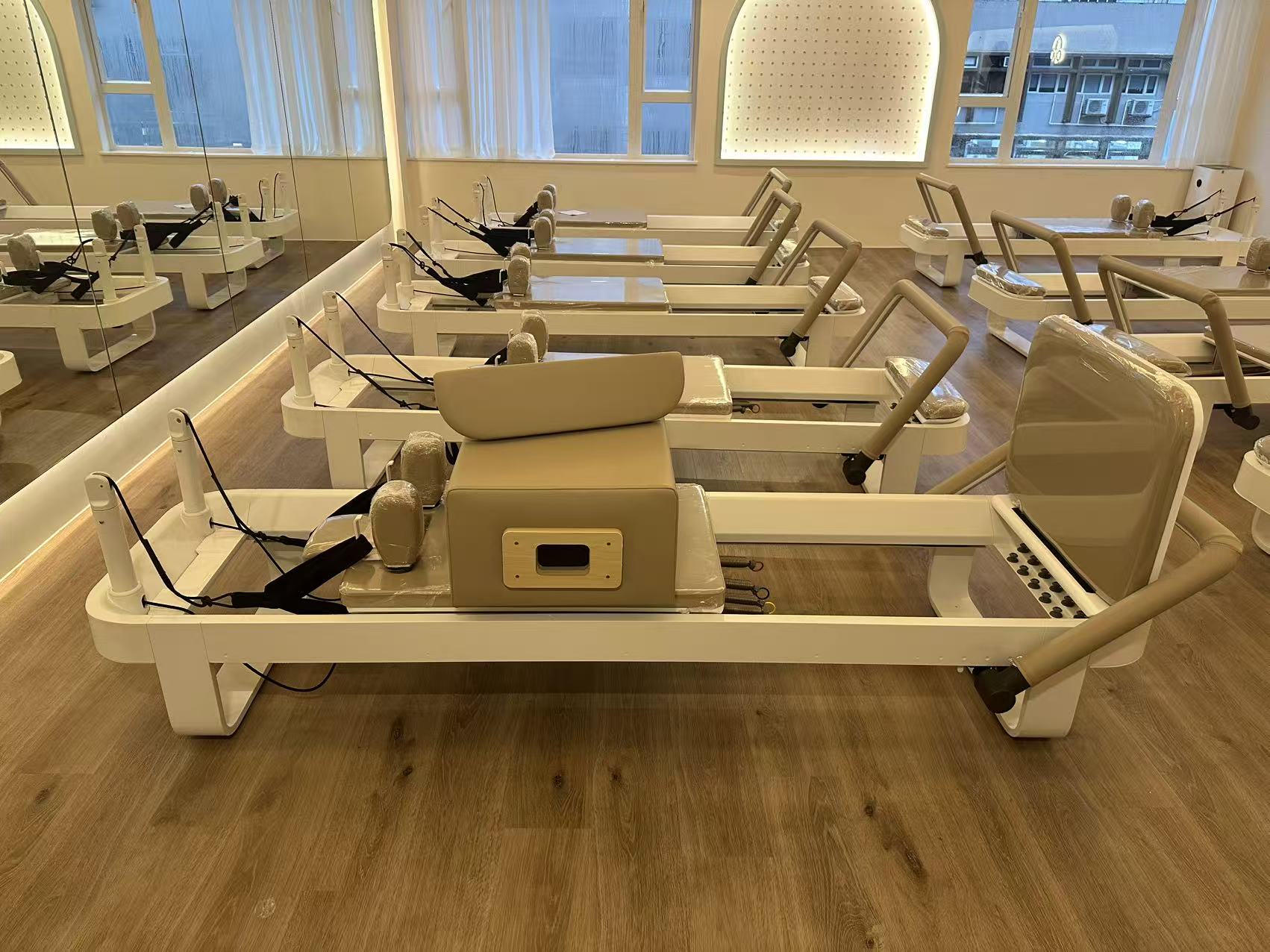
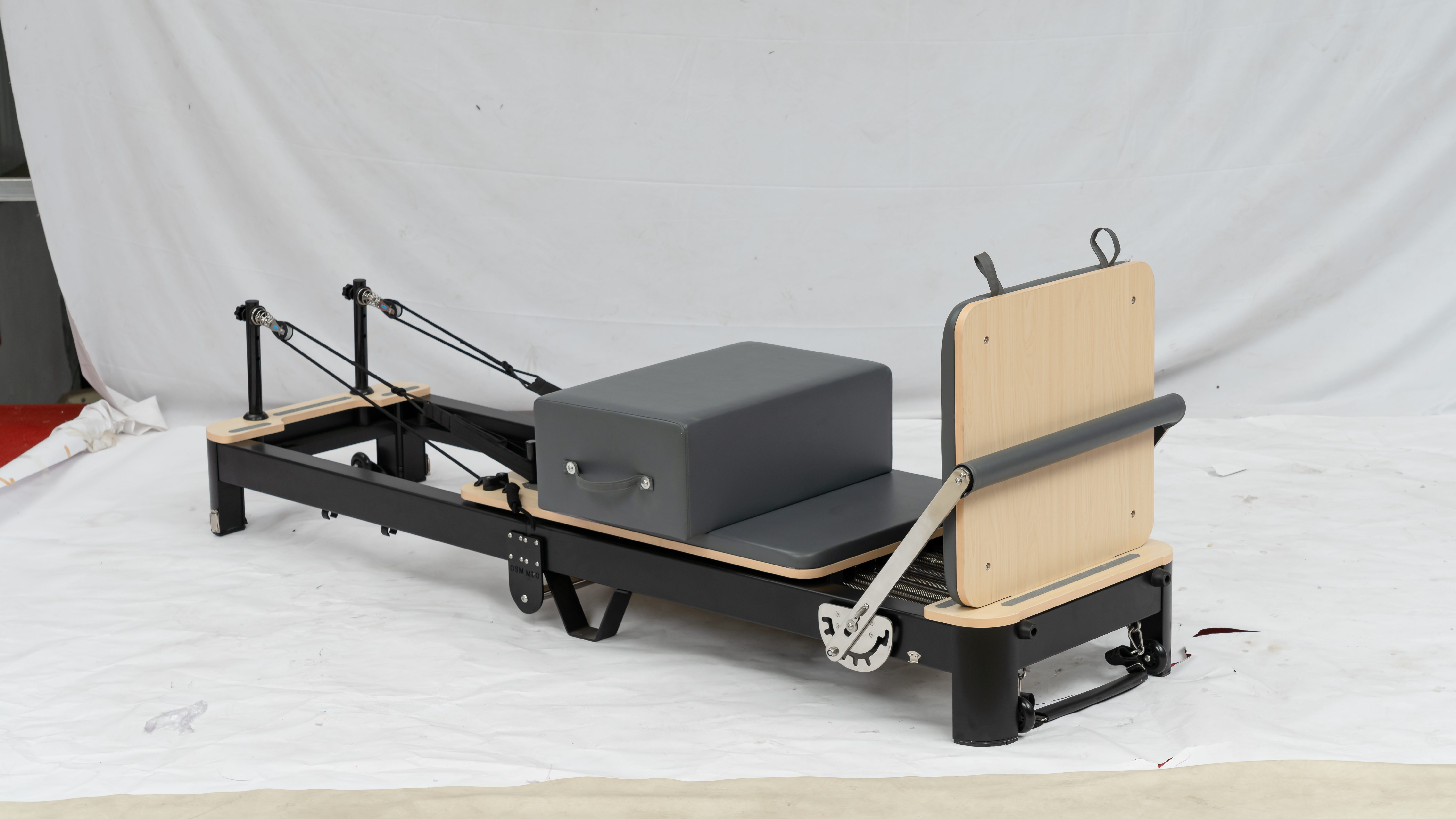
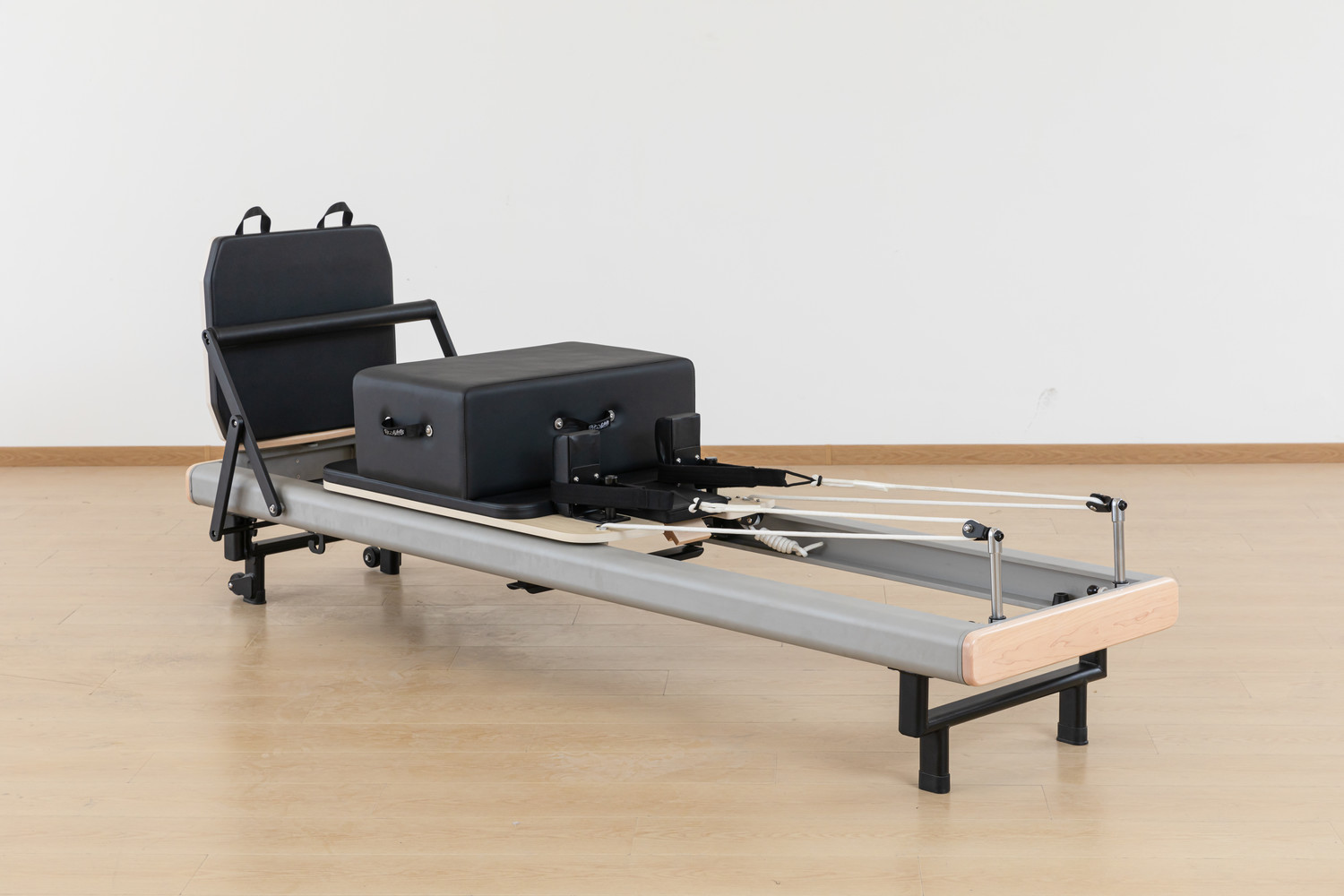
The most reliable way to predict spare parts consumption is to count your installed machine base — the total number of reformers you have already sold locally. Each model (aluminum folding reformer, wooden studio reformer, tower reformer) has different wear patterns.
For example, heavy-use group studio reformers will burn through springs and rollers much faster than low-frequency private studio machines. Track basic records: how many units of each model you have placed, average studio usage hours, and historical replacement tickets. You can then set reorder triggers. A simple rule: if you serve 40 commercial reformers, you will need far more replacement springs than a distributor with only 10 machines out in the field.
Also, factor in seasonal spikes. Many studios schedule maintenance and equipment refurbishment during slower holiday seasons, which creates a temporary jump in spare part orders.
Step 3: Set Clear Reorder Points and Safety Stock Levels
Every SKU in your spare parts list needs a reorder point and safety stock.
- The reorder point is the quantity that triggers you to place a new order with your factory before you run out.
- Safety stock is your emergency buffer, covering unexpected surges, shipping delays from your supplier, or sudden damage from customer misuse.
For critical wear parts, safety stock should cover your supplier’s lead time plus 2–3 extra weeks. For example, if your factory takes 4 weeks to ship springs, hold enough safety stock for 6 weeks of usage. For slow structural parts, safety stock can be zero, as you operate on an order-to-delivery model.
It is also wise to separate spare parts by reformer model. Springs for a compact folding aluminum reformer are not interchangeable with springs for a heavy-duty wooden studio reformer. Mixing SKUs will create stock confusion and wrong-part shipments.
Step 4: Work With Your Manufacturer on Bulk Spare Part Terms
Your inventory strategy will fail without good support from your Pilates equipment factory. Negotiate these terms upfront:
- Mixed bulk spare part packs: Pre-assembled kits of top wear parts at discounted wholesale pricing.
- Separate spare part MOQs: Ask for lower minimum order quantities for replacement components, different from the MOQ for full reformer machines.
- Clear labeling and packing: Require every spare part bag to have model numbers, part codes, and specifications, so your warehouse team can pick orders quickly.
- Priority shipment: Lock in priority dispatch for emergency spare part orders when a studio has an urgent breakdown.
Many distributors make the mistake of only ordering spare parts when a customer submits a complaint. This reactive approach creates long wait times and hurts trust. Scheduled quarterly restocks of high-turn parts keep your service proactive.
Step 5: Warehouse Organization & Quick Fulfillment
Even perfect forecasting falls apart with messy storage. Keep your spare parts warehouse organized with these simple rules:
- Store fast-moving items closest to your packing station.
- Use bin locations tied to your inventory sheet or simple spreadsheet.
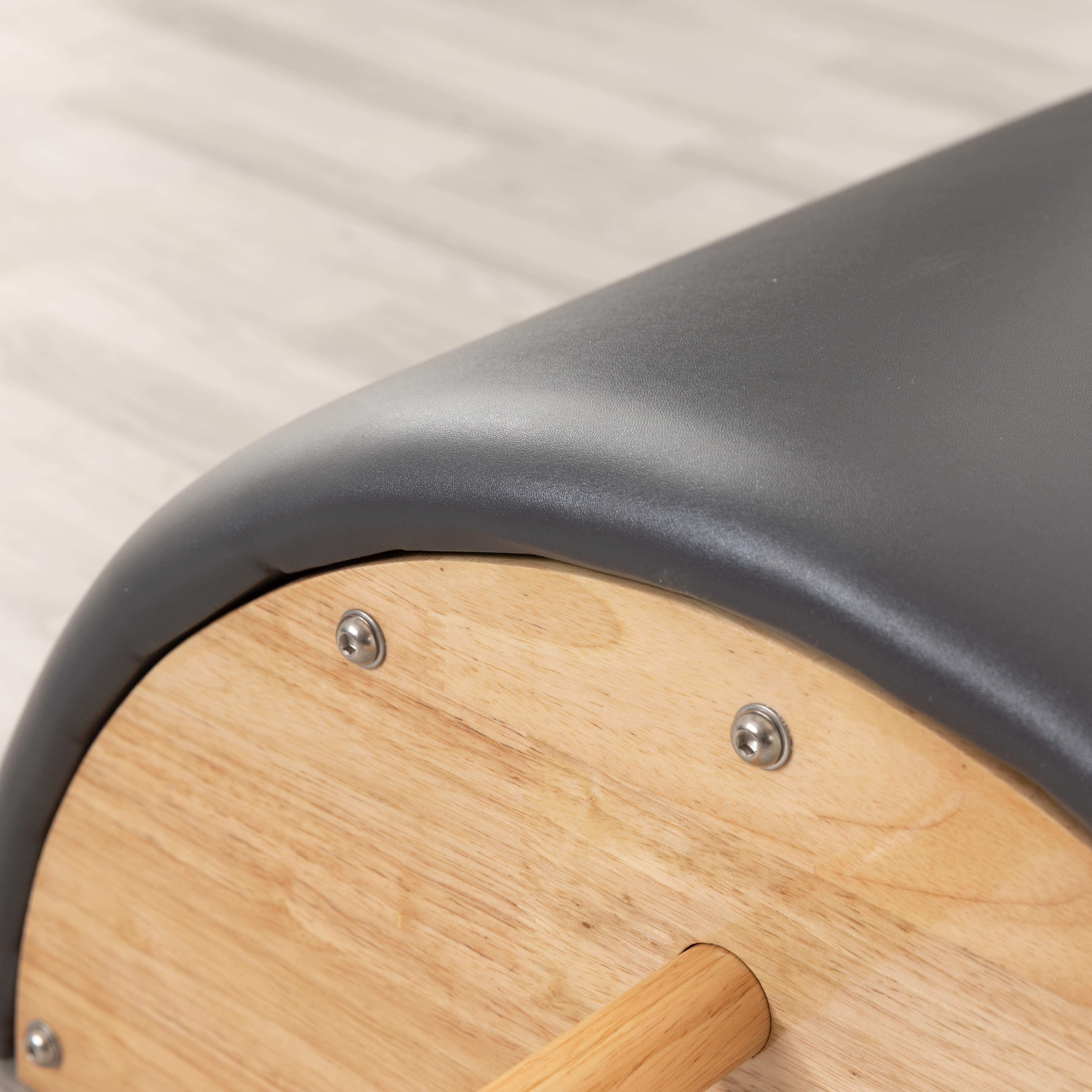
- Separate hardware, foam padding, fabric straps, and metal components to prevent damage: PU upholstery padding needs to stay away from sharp metal parts and direct sunlight to avoid discoloration.
- Do regular cycle counts once a month, not just a yearly full stocktake. Cycle counts catch missing springs or lost hardware before you run out mid-order.
For local distributors, one huge selling point is same-day or next-day local dispatch of spare parts. Overseas suppliers cannot match this speed, so your warehouse workflow should be built around that advantage.
Step 6: Communicate Spare Part Availability to Your Studio Customers
Transparent spare part policy builds long-term loyalty. When you sell a reformer to a new studio, tell them clearly:
- Which wear parts you stock locally and how fast they ship
- Which parts need to be ordered from the factory and the expected lead time
- Optional preventive maintenance packs they can buy upfront, including annual spring replacement kits and strap sets
Preventive maintenance packages are a great add-on revenue stream. Studios love them because they reduce unexpected downtime, and you gain predictable, recurring spare part sales.
Step 7: Common Inventory Pitfalls to Avoid
- Overstocking slow-moving big parts: Tying thousands of dollars in capital to rarely needed frame pieces leaves less cash for the fast-moving parts that drive your service reputation.
- Ignoring part compatibility: Ordering generic springs or rollers that do not fit your reformer models leads to returns and unhappy clients. Always match OEM specifications.
- No tracking for your installed base: If you do not know how many machines you have out there, your forecasts are just guesswork.
- Forgetting shelf life: PU foam, fabric straps, and rubber grips degrade over time in storage. Rotate older stock first to avoid sending degraded spare parts.
Final Takeaway
For local Pilates equipment distributors, spare parts inventory is not just a back-office logistical task — it is a core part of your value proposition. Overseas manufacturers compete on low machine pricing, but local distributors win on reliable after-sales support. By classifying parts, forecasting from your installed reformer base, setting disciplined reorder rules, and negotiating flexible spare-part terms with your factory, you can keep stockouts low, capital waste minimal, and your studio customers loyal for repeat equipment purchases and referrals.